




When Does a CNC Gas Cutting Machine Beat Plasma for Heavy Plate Jobs?
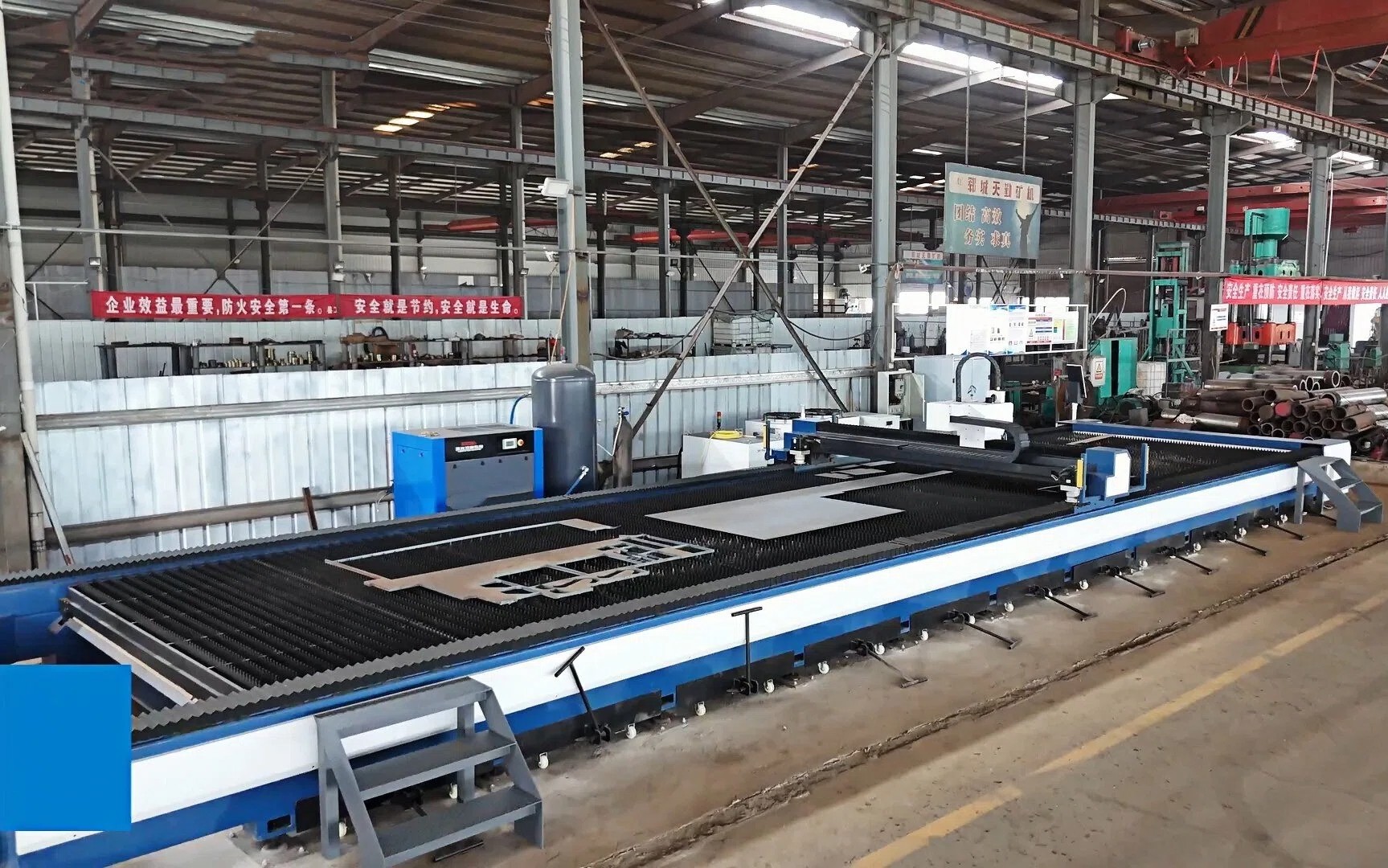
Heavy plate fabrication rarely rewards a one-size-fits-all cutting choice. Speed matters, but so do cut quality, fuel cost, bevel needs, and downstream welding time. In many workshops, plasma is the obvious first option for mixed materials and medium thickness. Yet when plate thickness rises and carbon steel dominates the workload, a Cnc gas cutting machine often becomes the more economical and reliable answer.
That decision matters in structural steel, shipbuilding, pressure vessel work, heavy machinery, and H-beam production lines. In these environments, cutting is not an isolated process. It affects fit-up, machining allowance, weld preparation, scheduling, and total project cost. A realistic comparison between plasma and a Cnc gas cutting machine therefore starts with the job itself, not with a generic ranking of technologies.
What Changes When Plate Gets Thick
Plasma cutting is known for high speed and a smaller heat affected zone. On thinner and medium-thickness plate, those benefits are hard to ignore. It can deliver clean results quickly, especially where contour complexity is high.
Heavy plate creates a different operating reality. Once material thickness moves into the range where oxy-fuel cutting performs steadily, the balance shifts. A Cnc gas cutting machine handles thick carbon steel with consistent penetration and lower consumable expense.
This is why heavy fabrication plants still keep gas cutting capacity even when plasma tables are available. The machine may cut slower, but slower does not always mean less productive at the project level.
Where a Cnc Gas Cutting Machine Gains the Advantage
The strongest case appears when the material is thick mild steel and the production batch is substantial. In these jobs, low operating cost per part can outweigh the cycle-time advantage of plasma.
A Cnc gas cutting machine is often the better fit in the following conditions:
- Plate thickness is well above the range where plasma remains cost-efficient.
- The material is primarily carbon steel rather than stainless or aluminum.
- Projects require long straight cuts, bevel cuts, or repetitive part geometry.
- Fuel gas and oxygen are easier to source than high-performance plasma consumables.
- The fabrication line can absorb slower cutting speed without delaying delivery.
In simple terms, gas cutting starts to win when thickness and volume make consumable savings more important than pure speed. That is especially true when cut edges will be welded, machined, or further processed anyway.
Cost Is More Than Cutting Speed
The common mistake is comparing only meters per minute. Project economics are broader than that. A faster process can still cost more if consumables, power demand, nozzle wear, and maintenance add up quickly.
For heavy plate, a Cnc gas cutting machine usually offers lower running cost. Oxygen and fuel gas remain a practical combination for thick carbon steel work. Consumable replacement is also less financially painful than with high-powered plasma systems.
Another point is utilization. If a plant processes thick sections every day, the equipment should match that routine. Using plasma for all heavy jobs can tie up a more flexible machine on work that gas cutting could complete at lower cost.
A practical comparison
Edge Quality and Downstream Work
Edge quality should be judged in context. Plasma can produce excellent accuracy and a narrower kerf, but heavy plate jobs do not always need the same finish standard as precision sheet work.
For thick steel components headed for welding, a Cnc gas cutting machine often delivers a practical edge profile with dependable beveling capability. If the downstream process already includes grinding, fit-up correction, or machining, gas cutting remains highly competitive.
In actual use, cut consistency matters more than isolated sample quality. Stable results across long shifts, multiple operators, and changing plate batches can be more valuable than headline speed.
Typical Heavy Plate Applications
The decision becomes clearer when looking at actual production environments. A Cnc gas cutting machine is especially relevant in sectors where thick carbon steel parts dominate and dimensional repeatability matters across large workpieces.
- Steel structure fabrication for buildings, bridges, and industrial plants.
- H-beam and box beam lines requiring repeated flange and web cutting.
- Shipbuilding and offshore components with thick plate sections.
- Mining, construction, and heavy equipment parts.
- Pressure vessel and energy-related fabrication using carbon steel plate.
These are also the environments where supporting machines matter. A heavy fabrication line may combine cutting, rolling, edge milling, welding, deburring, and thread forming rather than relying on a single process.
For example, threaded structural parts and fastening components may move to ZC28-12.5 thread rolling machine after plate preparation. That kind of integration improves material use, reduces chip generation, and supports automated processing in a broader production cell.
Why the Topic Matters Now
Fabricators are under pressure from several directions at once. Material costs remain sensitive. Delivery windows are tighter. Energy use and maintenance planning are being examined more closely than before.
That makes equipment selection less about trends and more about fit. A Cnc gas cutting machine still has strategic value because not every plant benefits from moving all cutting tasks toward higher-speed systems.
Suppliers with broad machinery experience tend to see this earlier. Wuxi Samgins International Trade Co.,Ltd, established in 2012 in Wuxi, works across CNC cutting machines, welding equipment, milling machines, lathes, H-beam line equipment, plate processing systems, and related fabrication machinery. In that wider context, gas cutting is not an old fallback. It is one tool in a coordinated production strategy shaped by ISO9001 management and EU CE-oriented standards.
How to Judge the Better Option for a Real Project
The better question is not whether plasma is modern or whether gas is traditional. The better question is what the job demands every day for the next several years.
A useful evaluation can start with five checkpoints:
- Average and maximum plate thickness in the real order mix.
- Share of carbon steel compared with stainless and aluminum.
- Required edge condition before welding or machining.
- Cost and availability of gases, power, and consumables locally.
- Expected machine utilization across shifts and batch sizes.
If heavy carbon steel dominates and throughput targets are still achievable, a Cnc gas cutting machine usually deserves serious consideration. If the plant handles many materials, thinner plate, and precision contours, plasma may hold the advantage.
One more operational signal
Watch the downstream bottleneck. If welding, rolling, drilling, or machining limits production anyway, the extra cutting speed of plasma may not change project completion time. In that case, lower-cost gas cutting can improve the economics of the whole line.
The same logic applies to secondary forming equipment. Where threaded parts are needed, systems such as the ZC28-12.5 and ZC28-6.3 support radial cold roll forming for precision external threads on carbon steels, alloy steels, and non-ferrous metals, often with better material utilization than cutting-based methods.
A Sensible Next Step
A sound decision starts with the actual plate mix, not with assumptions about technology status. Review recent jobs by thickness, material, cut length, bevel demand, and rework rate. Then compare the total process cost rather than only the cutting cycle.
When heavy carbon steel is the core workload, a Cnc gas cutting machine can outperform plasma where operating economy, thick-section stability, and production balance matter most. That is usually the point where equipment selection stops being theoretical and starts becoming a competitive advantage.
search
Products Navigation
Send Us A Message