




Gas Cutting Machine Explained: Essential Knowledge on Performance, Materials, and Shop-Floor Use
What A Gas Cutting Machine Is In Modern Fabrication
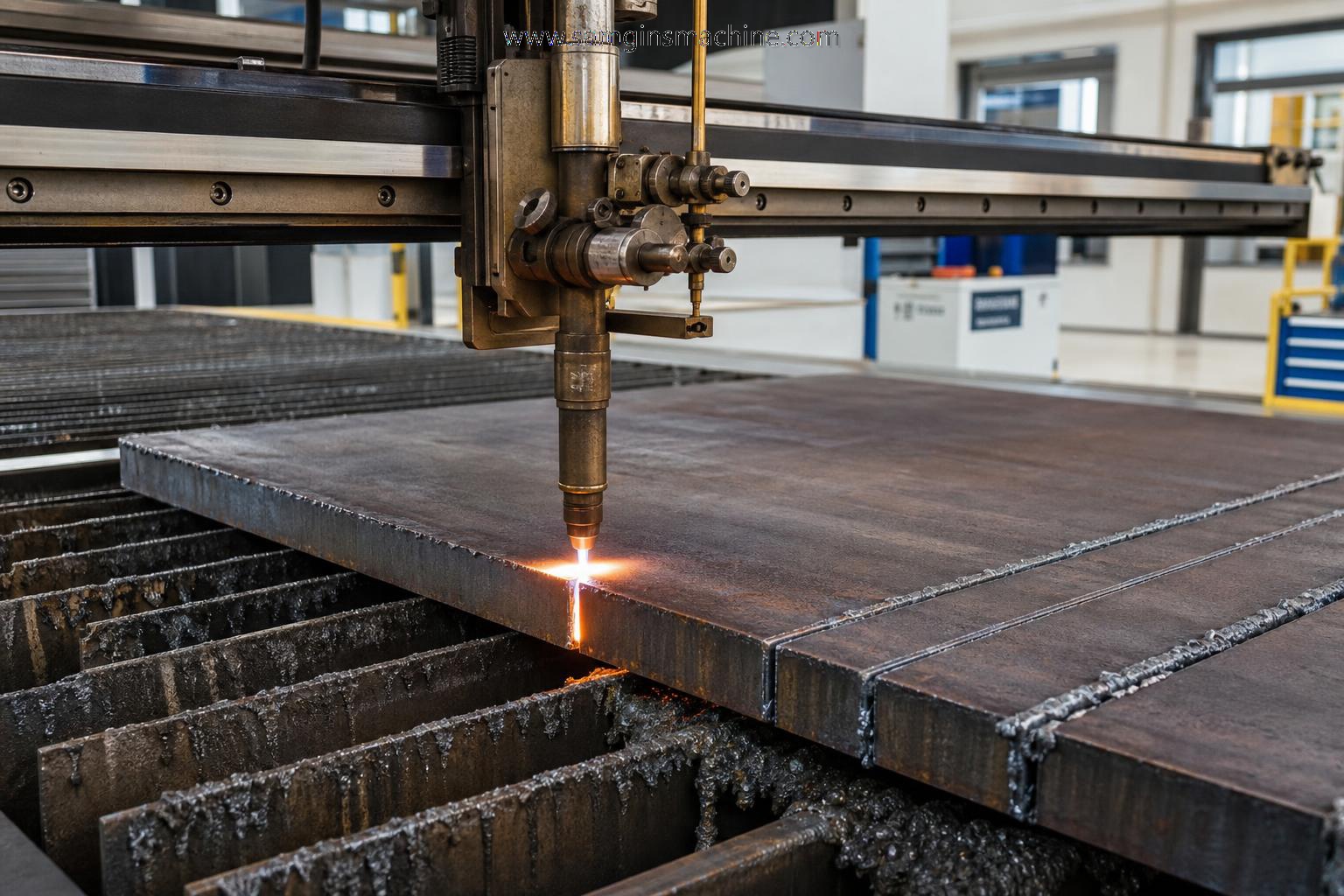
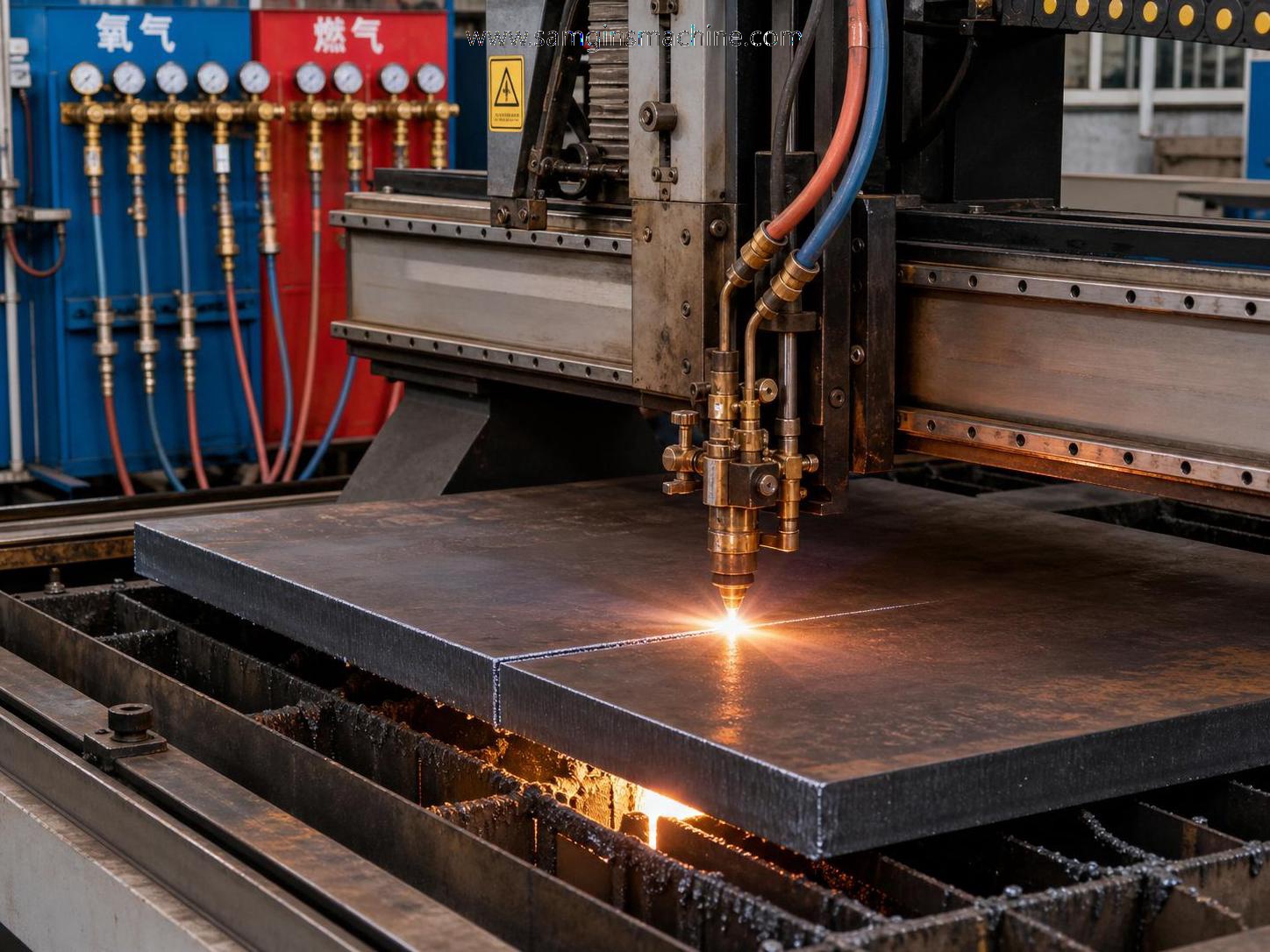
A gas cutting machine is thermal cutting equipment that uses a fuel gas flame and oxygen stream to cut ferrous metals, especially carbon steel. In factory use, the term usually covers manual flame cutters, semi automatic track cutters, and CNC flame cutting systems designed for plate processing. The machine is valued for its ability to handle thick material, simple consumables, and dependable use in workshops where large steel parts must be prepared for welding, machining, or assembly.
Unlike mechanical sawing or shearing, gas cutting does not remove material through force. It heats the steel to ignition temperature and then uses oxygen to oxidize and blow away the metal along the cut path. Because the process relies on oxidation, a gas cutting machine is most effective on carbon steel and low alloy steel with suitable chemistry. It is generally not the preferred process for stainless steel, aluminum, or nonferrous metals, where plasma or laser is more appropriate.
From an industrial standards perspective, buyers usually judge a gas cutting machine by cut quality, dimensional stability, travel accuracy, edge squareness, torch height consistency, gas safety, and operator protection. For export projects, the practical focus is not only the machine itself but also whether documentation, electrical configuration, and operating practices align with the buyer’s plant standards and local safety expectations.
In heavy fabrication, the role of a gas cutting machine is still strong because many factories process thick plate for tanks, pressure vessels, structural steel, pipe supports, base frames, and ship related parts. In these cases, cost per cut and thickness capability often matter more than the very high speed associated with thin sheet technologies.
How The Cutting Process Works
The cutting sequence begins with preheating. Fuel gas, commonly acetylene, propane, or natural gas in some regions, is mixed with oxygen to produce a flame that raises the steel surface to the correct temperature. Once the metal reaches that point, a high purity cutting oxygen jet is triggered through the torch nozzle. This oxygen reacts with the iron, creating an exothermic reaction that sustains the cut and ejects molten oxides from the kerf.
Cut quality depends on several linked variables. These include nozzle condition, oxygen purity, gas pressure, standoff height, preheat balance, travel speed, plate surface condition, and machine rigidity. If speed is too high, the cut may not fully penetrate or may leave lag lines and heavy dross. If speed is too low, the kerf widens, edge roughness increases, and heat input rises. Good control comes from matching torch setup and motion parameters to the plate thickness and steel grade.
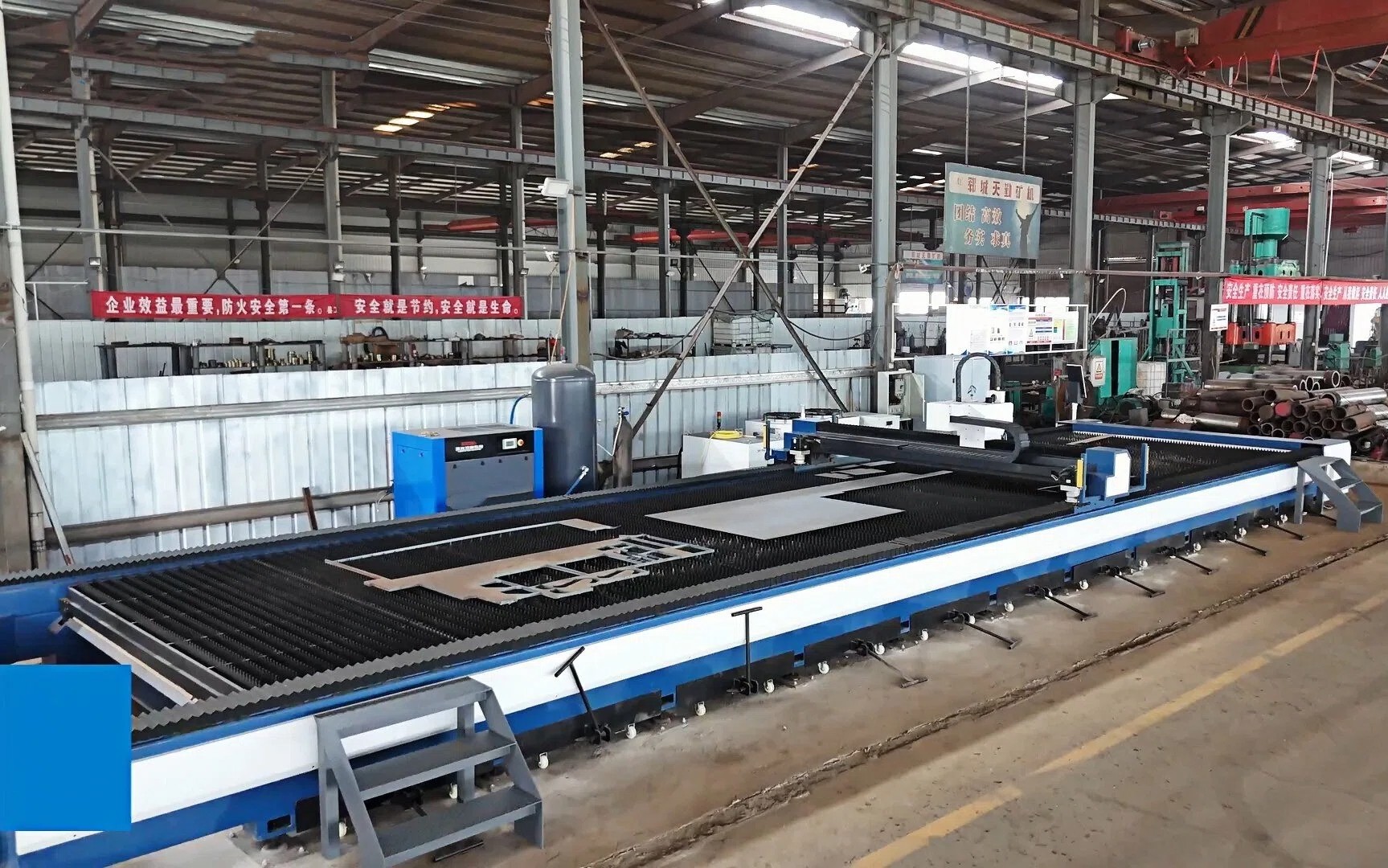
In CNC systems, the gas cutting machine combines motion control with programmed path execution. The operator imports or creates part geometry, nests components on the plate, and runs the job with defined pierce points, lead ins, and travel sequence. Advanced systems may add automatic ignition, torch lifter units, height sensing, multiple torch heads, and hybrid tables that support both flame and plasma processes on one frame.
Process stability also depends on upstream and downstream handling. Flat plate support, clean gas lines, dry compressed air for controls, and proper slag removal all affect the final result. On the shop floor, the machine is only one part of a production chain that includes material loading, programming, marking, fit up, and welding preparation.
Main Types Of Gas Cutting Machine
The most basic type is the handheld torch, which remains useful for repair, demolition, and simple field work. It offers low initial cost and high flexibility, but accuracy and repeatability depend heavily on operator skill. For industrial production, this method is limited when parts need tight dimensional consistency or repeated batch cutting.
A step above that is the semi automatic track type gas cutting machine. It moves the torch along a guided rail or carriage and is commonly used for straight lines, bevels, and simple shapes on medium to thick plate. This solution improves consistency and reduces operator fatigue, making it practical for fabrication shops that do not yet need full CNC nesting or large table systems.
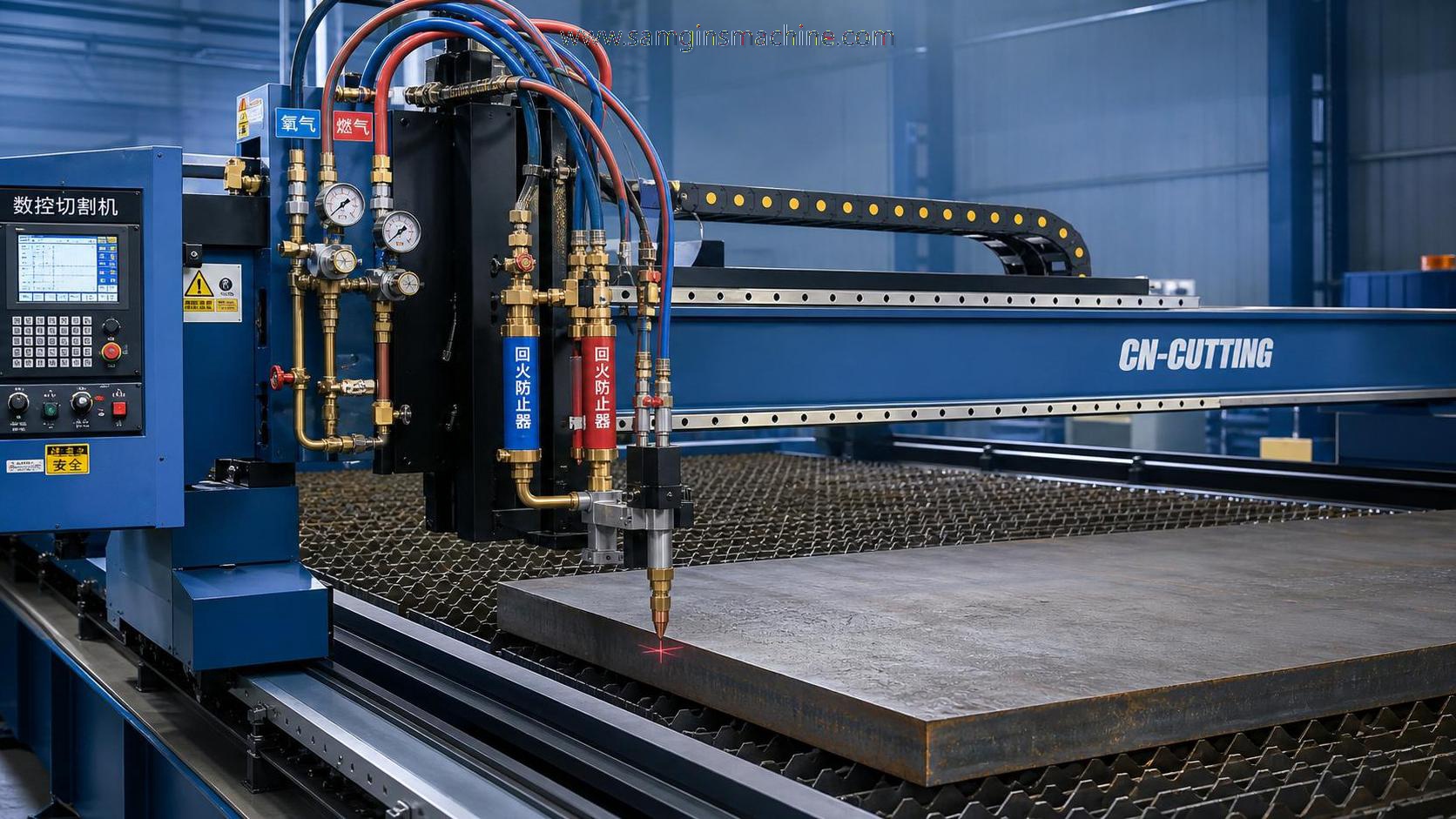
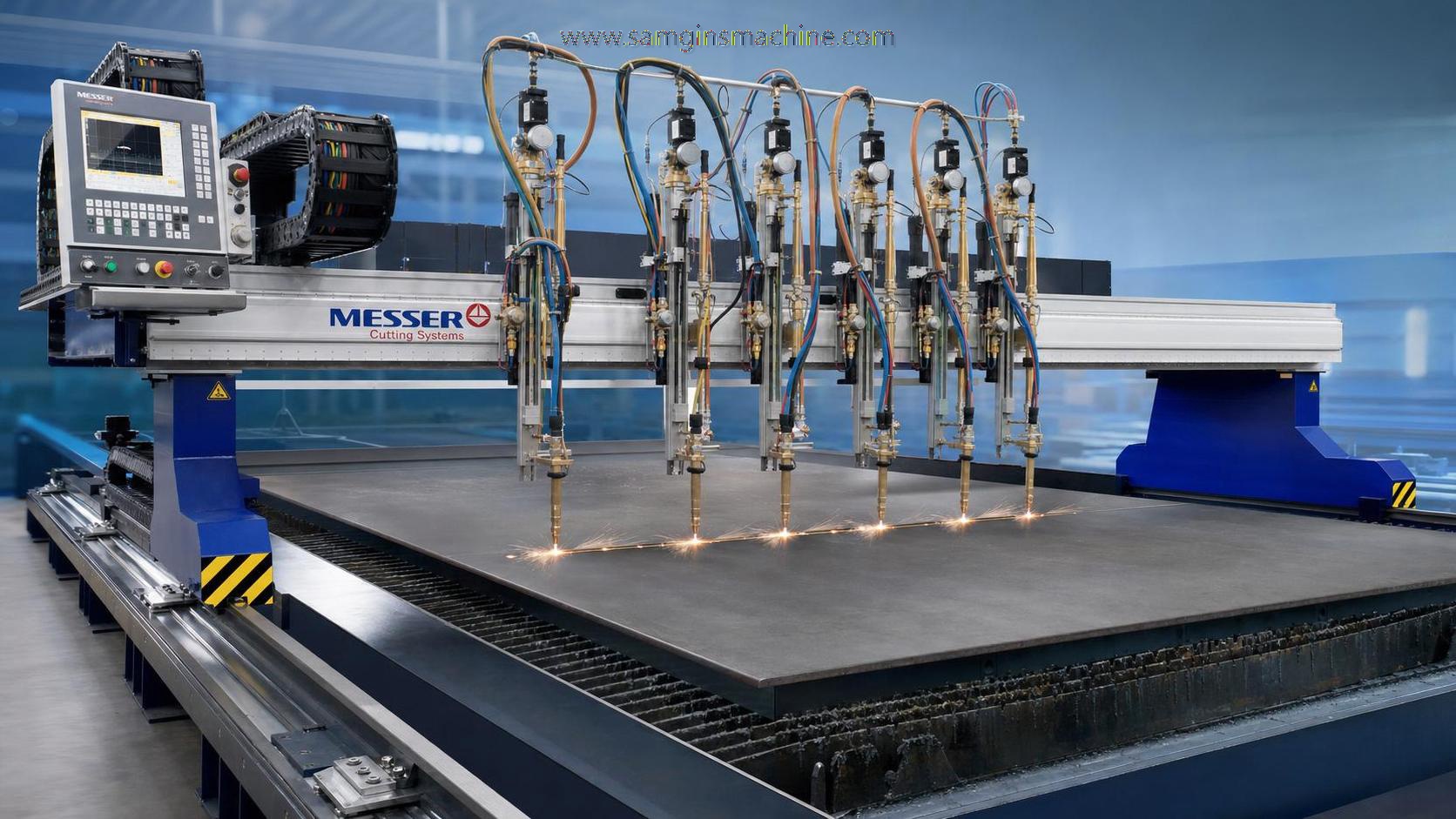
The mainstream production choice for plate processing is the CNC flame cutting machine. This version uses a gantry or cantilever structure, servo or motor driven axes, and numerical control software to cut complex outlines with repeatable motion. It is often selected for steel structure plants, pressure vessel workshops, and heavy equipment manufacturers that process a broad mix of part sizes and plate thicknesses.
There are also multi torch and combination systems. A multi torch gas cutting machine can increase throughput on repeated straight strip cutting or batch parts. A combined flame and plasma machine expands material coverage and productivity by allowing flame cutting for thick carbon steel and plasma for thinner plate or materials that do not respond well to oxy fuel. For many buyers, this mixed configuration provides better long term flexibility than a single process table.
Who Uses It And Where It Fits Best
A gas cutting machine is most suitable for manufacturers that process thick carbon steel and need durable, economical cutting capacity. Typical users include structural steel fabricators, tank and vessel builders, pipeline related workshops, shipbuilding suppliers, trailer and heavy vehicle manufacturers, machinery frame producers, and steel service centers that prepare blanks for later welding and machining.
The process is especially attractive where part thickness exceeds the comfortable economic range of many alternative technologies. In plants making columns, box sections, stiffeners, gussets, flanges, end plates, and large welded assemblies, flame cutting often remains a practical baseline process because it balances equipment cost, consumable cost, and thickness capability.
From an application standpoint, a gas cutting machine is often used before edge milling, beveling, rolling, drilling, or robotic welding. This is why suppliers with a broad fabrication portfolio can add value beyond one standalone machine. Wuxi Samgins, for example, serves workshops that may also require H beam production equipment, plate rolling machines, face milling machines, edge milling machines, welding rotators, welding positioners, and welding robots, which helps buyers align cutting with the rest of the production flow.
In project based manufacturing, the right machine choice also depends on product mix. A shop cutting mainly heavy carbon steel plate for welded assemblies will typically prioritize stable flame performance and machine travel accuracy. A shop handling both thin sheet and thick plate may need a combination table or separate processes to keep lead times and part quality under control.
How To Choose The Right Machine
Selection should start with material facts rather than catalog language. Buyers should define plate thickness range, maximum plate size, annual processing volume, part complexity, tolerance expectations, edge finish requirements, and whether bevel cutting is needed. These factors determine whether a manual, track, CNC flame, or flame plus plasma solution makes sense. Without this production profile, comparing machines by price alone usually leads to poor matching.
The second decision area is machine architecture. Gantry rigidity, rail quality, drive system, torch lifting mechanism, control software, and nesting capability all influence repeatability. For a CNC gas cutting machine, buyers should inspect motion smoothness, acceleration control, cable and hose management, dust and heat protection for components, and accessibility for maintenance. Stable mechanics matter because thermal cutting quality depends on consistent motion as much as on gas settings.
The third area is utility compatibility and plant integration. Gas source type, oxygen supply stability, input power, exhaust planning, plate loading method, and downstream workflows must all be reviewed. A machine that performs well in a demonstration may still underperform if the customer site has poor gas purity, uneven plate support, limited crane access, or weak operator training. Practical procurement should therefore include installation conditions and operating discipline in the evaluation.
Customization can be important when the production environment is specialized. Wuxi Samgins is positioned for buyers who need tailored fabrication solutions, not only standard equipment, and that matters for factories handling tanks, pipelines, steel structures, and sheet metal work with different part sizes and throughput targets. When the supplier also understands adjacent equipment, the cutting machine can be configured to fit real production logic rather than a generic template.
Quality Control, Safety, And Compliance Considerations
A gas cutting machine should be judged not only by whether it cuts, but by how predictably it holds process quality over time. Key quality checkpoints include rail straightness, gantry alignment, torch verticality, nozzle centering, control stability, and the condition of hydraulic, servo, and CNC related components where these are part of the machine design. Imported key components from established brands are often preferred in critical positions because they support precision, stable operation, and service life.
Safety is a primary issue because the process combines combustible gas, high pressure oxygen, heat, sparks, fumes, and moving machinery. Buyers should review gas leak prevention, flashback protection, emergency stop layout, cable and hose routing, operator guarding, ignition reliability, and maintenance access. Standard operating practice also includes regular hose inspection, regulator checks, nozzle cleaning, slag removal, and confirmation that ventilation is adequate for the work area.
For cross border procurement, documentation and conformity matter. Wuxi Samgins states that its machines comply with ISO9001 quality system requirements and EU CE Machinery and LVD directives, which is useful for buyers who need a supplier familiar with formal quality management and electrical safety expectations. The company also references utility model patents related to welding and cutting equipment, indicating ongoing product development within its manufacturing focus.
Industry access standards vary by end use, but many customers in vessel, pipeline, and structural sectors also care whether the supplier understands code driven manufacturing culture. Wuxi Samgins highlights export experience and familiarity with ASME, API, and related local industry codes, which can improve communication when machine capability must fit regulated fabrication work, even though final process qualification always remains the responsibility of the manufacturing user.
Maintenance, Service Life, And Shop Floor Timing
The best time to use a gas cutting machine is when thick carbon steel needs economical, repeatable preparation and when thermal distortion can be managed within the fabrication route. Shops commonly schedule flame cutting ahead of machining, drilling, beveling, and welding fit up. Because the process introduces heat, sequence planning matters. Large or asymmetric parts may require cutting order strategies that reduce deformation and help later assembly stay within tolerance.
Maintenance is not complex, but it must be disciplined. Daily checks usually include nozzle condition, torch cleanliness, gas leakage points, rail surface cleanliness, drive response, cable wear, and slag accumulation. Weekly or monthly tasks may include lubrication, alignment verification, gas pressure calibration review, software backup, and inspection of wear parts. Neglecting small preventive tasks often leads to poor edge quality long before a major component fails.
Consumables and utilities affect uptime as much as mechanics. Oxygen purity, fuel gas consistency, dry electrical enclosures, and clean torch components all influence whether the machine starts cuts reliably and maintains edge quality across long production runs. Shops that keep structured maintenance records usually identify issues such as declining nozzle performance, inconsistent pierce quality, or torch height drift before scrap rates become serious.
After sales support is therefore part of machine performance, not an optional extra. Wuxi Samgins emphasizes long term warranties and support across design, manufacturing, sales, after sales, and technical service. For international buyers, this is relevant because delays in spare parts, unclear troubleshooting, or weak commissioning support can erase any savings from a lower initial machine price.
Total Cost Of Ownership And Return On Investment
The purchase price of a gas cutting machine is only one part of total ownership cost. Buyers should include freight, installation, utilities, gas consumption, oxygen purity management, consumables, operator labor, programming time, plate handling, maintenance, spare parts, downtime risk, and scrap. In many plants, hidden losses come less from the machine price and more from inconsistent cut quality that causes rework in fit up, machining, or welding.
Fuel choice influences operating economics. Acetylene can offer strong preheat performance, while propane may reduce fuel cost in some markets, but results depend on local price, nozzle matching, and application profile. Cut speed, pierce time, edge cleanup requirements, and oxygen consumption should all be evaluated together. A lower gas bill does not necessarily mean lower part cost if productivity drops or rework increases.
ROI improves when the machine matches the real production mix. A factory cutting thick plate in repeated batches may gain from multiple torches and nesting efficiency. A mixed material workshop may gain more from a combined flame and plasma table. Where a gas cutting machine feeds welding robots, H beam lines, or rolling and milling operations, the correct upstream cutting accuracy can reduce downstream cycle time and improve whole line efficiency.
For procurement teams, the useful question is not which machine is cheapest today, but which solution produces acceptable parts at predictable cost over several years. In that comparison, machine robustness, component quality, supplier response, and application engineering often matter more than a small difference in quoted price.
Global Applications And Real World Reference Points
A gas cutting machine is used worldwide because heavy steel fabrication is geographically broad and operational needs differ by sector. In some regions, buyers prioritize thick plate capability for oil and gas related infrastructure. In others, they focus on structural steel, transport equipment, agricultural machinery, or vessel fabrication. What remains consistent is the need for stable cutting, practical service access, and equipment that integrates with local production habits.
Wuxi Samgins lists international customers such as URALSTANKOIMPORT, MD Calbah Industries Pty Ltd, Ersay International Transport, Contevix comercio e servicos ltda, Zein Steel Industries Co. LLC, BatysMunaiGazZhabdyktary LLP, S.P Blue Fisheries LDA, Rienzie Group, SALEH SAAD ALSANHANI, Engiplas engineering plastics, Regional engineering works, PT.Cahaya mas Cemerlang, Estructuras Metalicas Girders Chile Limitada, and Lincoln Electric-MENA. These references suggest experience serving varied industrial environments rather than one narrow domestic segment.
For buyers, the practical takeaway is to ask not just for a quotation but for an application discussion. Relevant questions include the thickest and most common plate, desired edge standard, cutting volume per shift, expected tolerance, preferred gas, local compliance requirements, and whether the machine must connect to other fabrication equipment. The quality of these answers often predicts project success better than brochure specifications alone.
When a supplier can relate cutting performance to the full fabrication route, the recommendation becomes more useful. That is especially true where the same workshop also handles drilling, rolling, milling, beam fabrication, pipe work, or robotic welding, because the value of the gas cutting machine is measured by how well it supports the next process.
Future Trends And What Buyers Should Watch
The future of the gas cutting machine is not about replacing every newer technology. It is about occupying the applications where flame cutting remains economically and technically sensible, while becoming more precise, connected, and easier to manage. CNC control, software nesting, remote diagnostics, and improved motion systems are gradually narrowing the gap between traditional flame cutting and more automated digital production environments.
Hybridization is one of the clearest trends. Many factories now prefer equipment platforms that combine flame and plasma capabilities so they can process a wider material range without investing in separate layouts and operators for every task. This is particularly relevant for job shops and export oriented manufacturers with changing order structures and short lead time pressure.
Another trend is stronger emphasis on traceable quality and reduced labor dependency. Buyers increasingly want easier parameter storage, repeatable setup, faster troubleshooting, and support for standardized operating procedures. Suppliers that combine robust machine manufacturing with technical support and familiarity with international fabrication requirements are likely to remain more competitive in this environment.
For decision makers, the long term view is straightforward. Choose a gas cutting machine when thick carbon steel processing, cost control, and rugged factory use are core priorities. Then evaluate the supplier on application fit, component quality, customization ability, compliance documentation, and service commitment. That approach produces better procurement outcomes than focusing on headline price or speed claims in isolation.
search
Recommended Products
Recommended blogs
 Gas Cutting Machine Safety Checks Before Heavy Plate Cutting
 How to Evaluate CNC Bending Machine ROI for Small Fabrication Shops
- Gas Cutting Machine Problems: Uneven Edges, Slag, and Slow Cutting
 How to Choose a Gas Cutting Machine for Plate Thickness and Fuel Cost
 When Does a CNC Gas Cutting Machine Beat Plasma for Heavy Plate Jobs?
- How to Choose an Automatic Gas Cutting Machine for Plate Thickness and Output
Send Us A Message
Send us a Message
A dedicated person will follow up on your needs one-on-one and provide personalized customized solutions according
to your needs.
Get In Touch
We look forward to hearing from you for in-depth communication on how to fulfill your mixing requirements.