




Hydraulic Shearing Machine Manufacturer Deep Dive: Key Technologies, Material Applications, and Industry Standards Explained
What A Hydraulic Shearing Machine Manufacturer Really Does
A hydraulic shearing machine manufacturer is not simply a seller of guillotine equipment. In industrial purchasing, the manufacturer is responsible for machine structure design, hydraulic integration, blade beam motion accuracy, electrical control coordination, safety protection, testing discipline, and long-term service support. The quality of those combined capabilities directly affects cut quality, uptime, and ownership cost in sheet metal production.
Hydraulic shearing machines are used to cut plate or sheet into strips, blanks, and prepared parts before bending, welding, rolling, or assembly. Common users include fabrication shops, steel structure plants, pressure vessel workshops, HVAC lines, agricultural equipment makers, transport equipment factories, and general sheet metal processors. In these settings, repeatability and machine durability matter more than headline specifications alone.
When buyers search for a hydraulic shearing machine manufacturer, they are usually trying to reduce three risks at once: inconsistent cut quality, uncertain delivery and support, and mismatch between the machine and the real production mix. A capable supplier should therefore help define material range, expected daily throughput, tolerance expectations, tooling life, control options, and installation requirements before confirming the final configuration.
For companies operating across several fabrication steps, supplier breadth also matters. Wuxi Samgins works in the manufacturing and processing machinery field with a broad product range that includes shearing machines, press brakes, plate rolling machines, plate leveling machines, CNC cutting equipment, welding robots, H-beam production lines, and seam welding equipment. That wider process knowledge is useful because cutting quality often affects every downstream operation.
How The Technology Works Inside The Machine
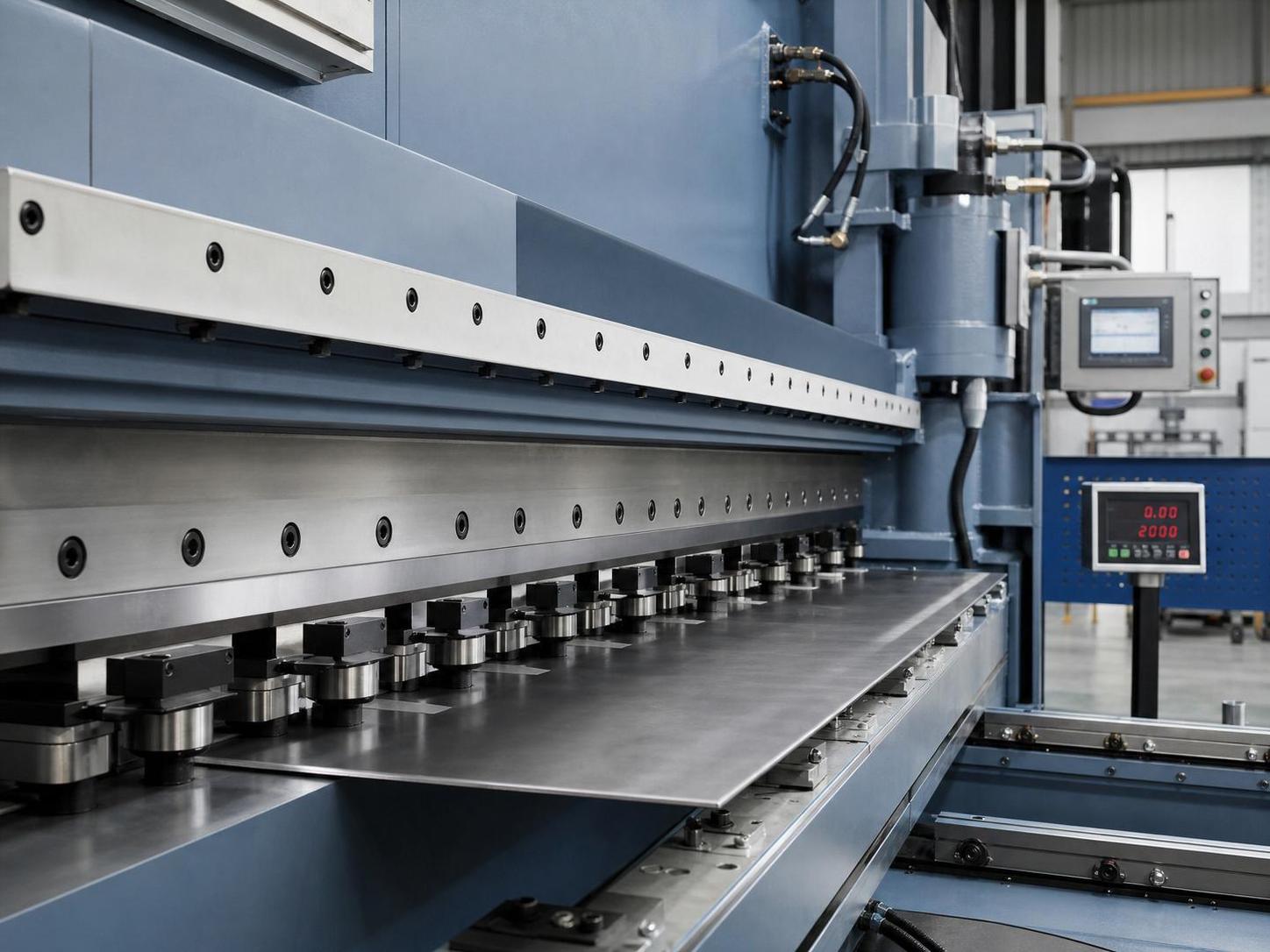
The core operating principle is straightforward: a hydraulic system drives the upper blade beam downward across a fixed lower blade to create a controlled shearing action. In practice, however, performance depends on many details, including frame rigidity, cylinder synchronization, blade clearance adjustment, hold-down pressure, backgauge accuracy, stroke control, and hydraulic response consistency. Each of these influences burr level, edge straightness, and dimensional repeatability.
In swing beam and guillotine designs, the path of blade movement differs, which changes cutting characteristics. Hydraulic cylinders must apply stable force across the cutting length, while hold-down devices clamp the sheet to reduce movement and distortion during the cut. The control system coordinates stroke length and backgauge position so the operator can maintain productivity without sacrificing precision on shorter parts or repeated batches.
Blade clearance is one of the most important technical variables. If clearance is too small, blade wear increases and machine load rises. If it is too large, burr height and edge deformation often become unacceptable. Good machine design allows practical clearance adjustment according to material type, tensile strength, and thickness. This is particularly important when one workshop processes mild steel, stainless steel, and aluminum on the same line.
A reliable hydraulic shearing machine manufacturer also pays attention to component selection and system integration. Wuxi Samgins emphasizes the use of well-known imported hydraulic, servo, and CNC components in key positions to support precision, stability, and service life. That matters because sheet metal plants usually value smooth day-to-day production more than isolated peak performance in a showroom demonstration.
Mainstream Machine Types And Their Best Use Cases
The market generally offers two mainstream structural approaches: hydraulic swing beam shearing machines and hydraulic guillotine shearing machines. Swing beam machines are often selected for general fabrication because they are practical, proven, and cost-effective for many common sheet cutting jobs. Guillotine designs are often favored when buyers place higher emphasis on precision, wider thickness range flexibility, and more refined blade clearance control.
Within those categories, machines can also differ by control level. Entry-level machines may use simpler manual adjustments and basic stops, while more advanced versions use NC or CNC controls, motorized backgauge positioning, programmable stroke control, and stored job recipes. For factories running repeated part numbers, these features can reduce setup time, operator dependency, and scrap generation over the life of the machine.
Another useful classification is by production role. Some shearing machines serve as standalone cutting assets in smaller workshops, while others form part of a broader fabrication workflow that includes deburring, bending, rolling, edge milling, or welding. In that context, a hydraulic shearing machine manufacturer with adjacent equipment knowledge can better advise on part flow, material handling, and whether shear cutting is the right first process before downstream forming or joining.
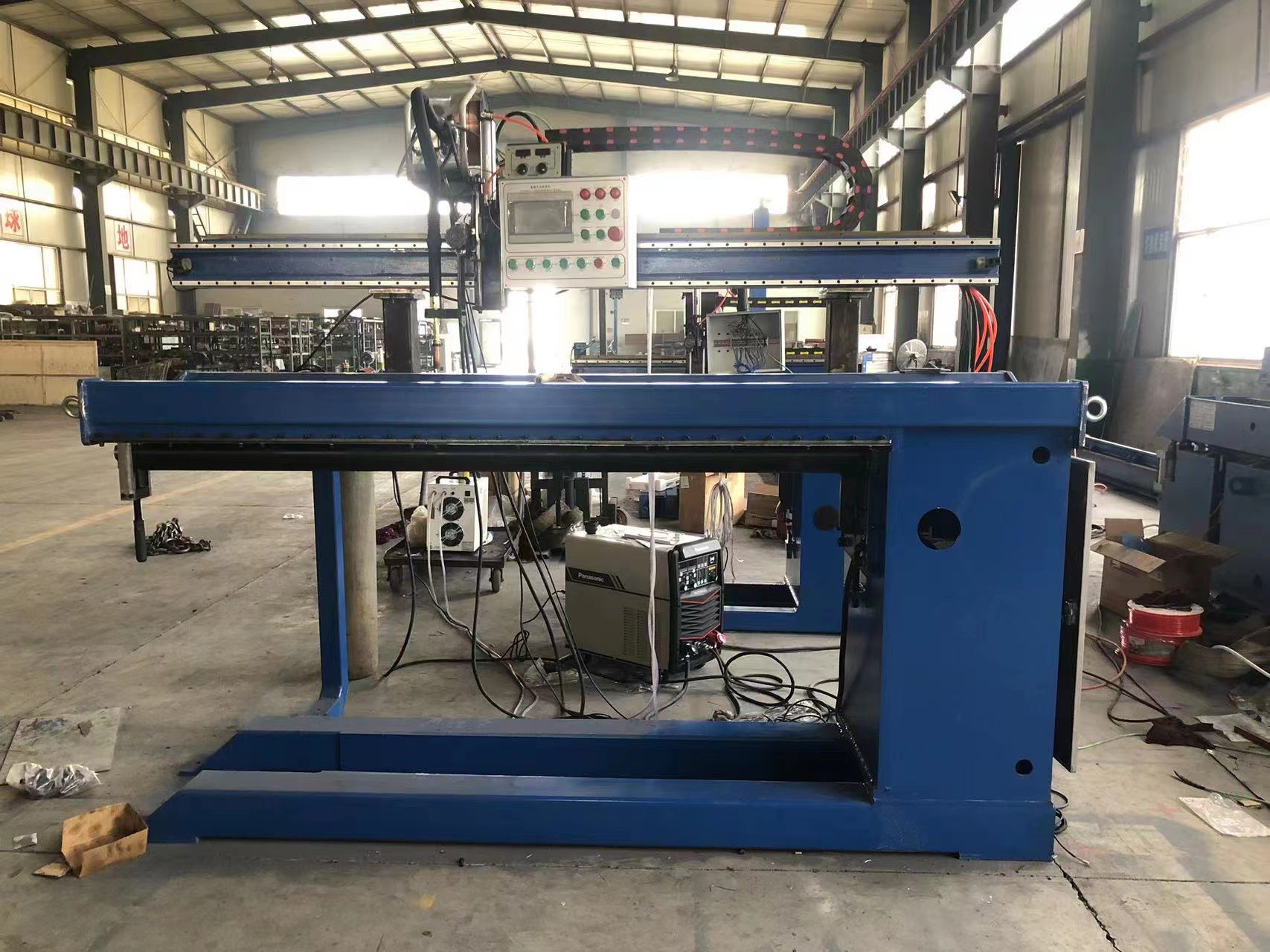
Buyers should also think beyond the shear itself. If the plant later needs press brakes, plate rolling machines, or a longitudinal seam welding machine for fabricated shells and tanks, supplier compatibility becomes valuable. Wuxi Samgins is positioned around this broader factory logic, which can help purchasers standardize technical communication and after-sales coordination across multiple pieces of fabrication equipment rather than buying each machine in isolation.
Materials, Thickness Ranges, And Typical Industrial Applications
A hydraulic shearing machine manufacturer must understand that material behavior changes cutting results. Mild steel is the most common reference point, but stainless steel, aluminum, galvanized sheet, and higher-strength alloys each respond differently in terms of springback, burr formation, blade wear, and required cutting force. The same nominal thickness does not mean the same cutting condition when tensile strength and ductility differ.
For thin to medium sheet production, hydraulic shearing is widely used to prepare blanks for enclosures, cabinets, ductwork, brackets, structural components, and welded assemblies. In heavier fabrication, it can prepare plate for tanks, frames, supports, and formed sections before rolling or welding. Where edge condition is critical, the buyer should ask whether secondary deburring, edge milling, or downstream preparation will still be necessary after shearing.
Application requirements also differ by sector. Steel structure and general fabrication plants often prioritize productivity and robust cutting capacity. Stainless processing shops may focus more on edge cleanliness and cosmetic control. Pressure vessel and pipe-related workshops may care about how shear-cut edges perform in fit-up before rolling and seam welding. That is why machine selection should start from the part family, not from a generic thickness headline.
Wuxi Samgins serves industries that also use welding rotators, welding positioners, pipe welding systems, H-beam lines, CNC plasma cutting machines, and fiber laser cutting machines. That portfolio gives practical context for advising whether hydraulic shearing is best for the application, or whether another cutting method should handle tighter geometry, hole features, or heat-sensitive part requirements before the material moves into forming and welding operations.
How To Evaluate A Manufacturer Before Ordering
The first evaluation point is technical fit. Buyers should define material grade, maximum and typical thickness, working length, tolerance expectations, production volume, operator skill level, and future product mix. A hydraulic shearing machine manufacturer should be able to convert those inputs into a clear recommendation on machine type, control level, blade configuration, backgauge range, motor power, and hydraulic design instead of quoting a standard machine without process analysis.
The second point is manufacturing discipline. Ask how frames are fabricated and stress-managed, how blade beam movement is checked, how hydraulic leaks and pressure stability are verified, and whether functional testing is completed under load before shipment. It is also reasonable to review spare parts strategy, electrical documentation, training support, and whether the supplier can provide realistic lead times instead of optimistic but unreliable promises.
The third point is customization capability. Many factories do not need a completely bespoke machine, but they do need practical changes such as a different backgauge travel, localized electrical standard, enhanced guarding, material support tables, or integration into a larger fabrication line. Wuxi Samgins highlights customization across its machinery portfolio, including tailored welding robots, seam welding machines, and heavy-duty welding rotators, which indicates an engineering approach rather than a pure trading model.
Finally, buyers should examine whether the supplier can support future workflow expansion. Companies that begin with shearing often later add bending, rolling, welding, or automated cutting. This is where related guidance such as a hydraulic shearing machine manufacturer checklist or a material-and-thickness selection guide becomes useful. It helps procurement teams compare suppliers on capability depth, not only on ex-works price.
Industry Standards, Export Compliance, And Quality Control
For international buyers, standards and compliance are not secondary paperwork. They influence commissioning speed, customs acceptance, plant safety review, and internal approval processes. A hydraulic shearing machine manufacturer should be prepared to discuss electrical conformity, machine safety provisions, documentation clarity, and how the design aligns with common industrial expectations in the destination market. Generic claims without supporting process discipline are not enough for serious buyers.
Wuxi Samgins states that its machines comply with the ISO9001 quality system and EU CE Machinery and LVD directives, and that the company holds utility model patents related to welding and cutting equipment. For buyers, the practical takeaway is that the supplier is operating with a documented quality framework and export-oriented compliance mindset. That is especially relevant when machines will enter regions with stricter safety documentation and acceptance procedures.
Quality control in this category should cover incoming component inspection, frame fabrication checks, machining accuracy, hydraulic assembly, electrical wiring verification, no-load and load testing, and final function confirmation. Operators should receive manuals and maintenance guidance that are usable in real factory conditions. Service response planning matters as well, because machine downtime can interrupt upstream material release and delay every downstream bending or welding workstation.
International experience also helps when buyers work under project codes or customer-specific requirements. Wuxi Samgins notes more than 10 years of export experience and familiarity with ASME, API, and local industry codes. Even when those standards apply more directly to downstream vessel or pipeline fabrication than to the shear itself, that familiarity can improve communication with engineering-driven buyers who need their equipment suppliers to understand broader project documentation and manufacturing context.
Global Applications And Buyer Profiles
The typical buyer of a hydraulic shearing machine manufacturer falls into several groups. One group is the general sheet metal fabricator that needs dependable blank preparation for daily orders. Another is the structural steel or heavy fabrication workshop that needs plate sizing before forming and welding. A third group is the machinery builder that wants a balanced equipment package covering cutting, bending, welding, and finishing under one supplier network.
Real-world demand is also highly international. The customer references associated with Wuxi Samgins include companies such as URALSTANKOIMPORT, MD Calbah Industries Pty Ltd, Ersay International Transport, Contevix comercio e servicos ltda, Zein Steel Industries Co. LLC, BatysMunaiGazZhabdyktary LLP, PT. Cahaya mas Cemerlang, Estructuras Metalicas Girders Chile Limitada, and Lincoln Electric-MENA. These names indicate experience serving varied geographies and industrial environments.
In export projects, buyers often face practical concerns beyond the machine itself: voltage compatibility, language of manuals, spare parts planning, shipping protection, installation sequence, and whether local operators can quickly use the controls. A manufacturer that already handles international shipments is generally better prepared to solve these details before they become commissioning delays. This is one reason procurement teams often shortlist established exporters over first-time suppliers.
The strongest application fit appears where buyers value process continuity. A shop that cuts plate today and then moves it to a press brake, rolling machine, or longitudinal seam welding machine tomorrow benefits from dealing with a supplier that understands the whole fabrication chain. That practical connection matters more than marketing language because it influences the machine specification, handover quality, and post-installation support.
Maintenance Cycles, Upgrade Timing, And Future Trends
A hydraulic shearing machine remains productive only when maintenance is treated as a planned operating routine. Daily checks usually include hydraulic oil observation, leak inspection, blade condition review, hold-down performance, backgauge movement, and machine cleanliness around guides and moving parts. Periodic maintenance may involve lubrication, fastener checks, hydraulic filter review, electrical inspection, and blade gap recalibration according to the materials currently being processed.
The right time to upgrade a machine is not only when it fails. Plants should review replacement or modernization when setup time becomes excessive, scrap increases, spare parts support weakens, control systems become too limited for repeated batch work, or when new materials exceed the machine's original design envelope. In some workshops, a more advanced NC or CNC shear improves efficiency enough to justify investment before the older machine reaches end of life.
Industry trends are moving toward better control integration, easier parameter setting, stronger safety systems, and more connected fabrication lines. Buyers increasingly compare hydraulic shearing against laser cutting, not because one replaces the other in every case, but because factories want the right process for each part family. Shearing remains highly relevant for straight cuts, fast blanking, and efficient preparation of parts that do not require complex contours.
Manufacturers with broader automation and processing capability are well placed in this trend. Because Wuxi Samgins also supplies CNC plasma cutting machines, CNC fiber laser cutting machines, welding robots, edge milling machines, and leveling equipment, it can support buyers who are planning staged investment rather than a single isolated machine purchase. That is often how modern fabrication plants expand: one process at a time, with compatibility and support continuity kept in view.
Total Cost Of Ownership And ROI Thinking For Procurement Teams
The purchase price of a machine is only one part of the financial picture. Total cost of ownership for a hydraulic shearing machine manufacturer offering includes freight, installation, operator training, tooling and blades, energy use, maintenance parts, downtime exposure, scrap rate, and the cost of inconsistent quality reaching later processes. A cheaper machine may become expensive if it cuts inaccurately, wears blades quickly, or lacks responsive technical support.
ROI should be evaluated against the actual production scenario. If the machine reduces setup time, holds dimensions more consistently, shortens downstream fitting work, and lowers rejected parts, the return can be significant even without dramatic volume growth. For plants serving multiple customers and material types, flexibility itself has economic value because it reduces the need for workarounds, subcontracting, or early replacement when the order mix changes.
Procurement teams should request a structured quotation that separates machine scope, optional features, documentation, spare parts, lead time, warranty terms, and after-sales support. They should also ask what assumptions the quote is based on, especially regarding material strength, thickness range, and daily production hours. This helps compare suppliers on a like-for-like basis and prevents a low initial quote from hiding later operating compromises.
A well-chosen hydraulic shearing machine manufacturer becomes a process partner rather than a one-time vendor. Wuxi Samgins combines broad equipment coverage, customization capability, export experience, and long-term service positioning, which can be useful for buyers that want stable fabrication capacity and room to expand into connected cutting, forming, and welding operations. In B2B purchasing, that broader fit is often where the real return is found.
search

Send Us A Message
Send us a Message
A dedicated person will follow up on your needs one-on-one and provide personalized customized solutions according
to your needs.
Get In Touch
We look forward to hearing from you for in-depth communication on how to fulfill your mixing requirements.