




Hydraulic Shearing Machine Manufacturer Checklist: 8 Capabilities to Review Before Ordering
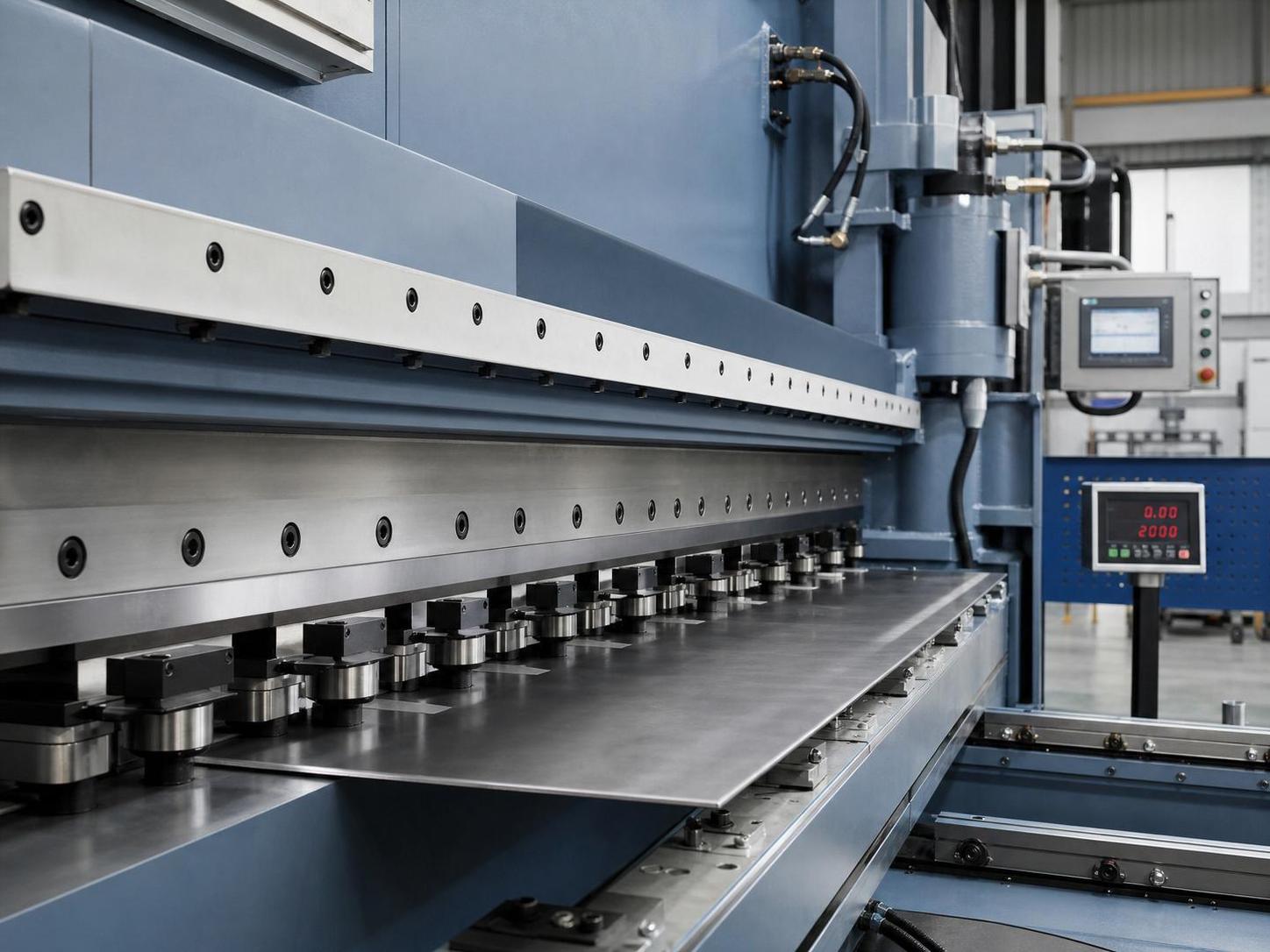
Hydraulic Shearing Machine Manufacturer Checklist: 8 Capabilities to Review Before Ordering
Choosing the right hydraulic shearing machine manufacturer can directly affect equipment reliability, cutting accuracy, delivery timelines, and long-term operating costs.
A structured review helps turn supplier comparisons into practical decisions.
This checklist covers eight capabilities that matter before you place an order.
For hydraulic shearing machine manufacturer selection, the goal is simple: reduce risk, confirm fit, and protect long-term value.
1. Core Manufacturing Experience
Start with the manufacturer’s production background.
A hydraulic shearing machine manufacturer with broad fabrication experience usually manages tolerances, material handling, and assembly control more consistently.
Ask how long the company has supplied sheet metal processing equipment.
Check whether it also builds related machines, such as bending machines, rolling machines, leveling machines, and CNC cutting systems.
That wider portfolio often signals stronger engineering depth.
Wuxi Samgins International Trade Co.,Ltd, established in 2012 in Wuxi, supplies a wide range of metalworking equipment for global markets.
That matters because experience across product categories often improves process discipline and problem solving.
2. Engineering and Design Capability
Not every hydraulic shearing machine manufacturer has the same design strength.
Some suppliers mainly assemble standard frames.
Others can adapt blade length, cutting thickness, backgauge configuration, hydraulic systems, and control options to actual production needs.
Review whether the supplier can explain design logic clearly.
Ask for details on frame rigidity, blade clearance adjustment, hold-down systems, and controller integration.
In practical sourcing, vague answers usually point to limited engineering ownership.
A capable hydraulic shearing machine manufacturer should connect machine design to material type, workload, and downstream accuracy requirements.
3. Quality System and Process Control
Quality claims need proof.
A reliable hydraulic shearing machine manufacturer should show how quality is controlled from raw material inspection to final testing.
Look for ISO9001-based management and documented inspection points.
Also confirm whether critical components are sourced from stable, traceable suppliers.
This includes hydraulic parts, electrical components, motors, seals, and controller systems.
- Request inspection records for frame welding and machining.
- Check trial-cut reports under real material conditions.
- Confirm calibration methods for backgauge and blade alignment.
- Ask how nonconforming parts are isolated and corrected.
When these controls are documented, supplier evaluation becomes much more objective.
4. Compliance and Export Readiness
For international procurement, compliance is not a secondary issue.
A hydraulic shearing machine manufacturer should be ready with certification and export documentation before negotiation gets too far.
Wuxi Samgins states that production and design are organized according to ISO9001 and EU CE standards.
That is a useful starting point, but buyers should still verify scope and validity.
Review technical files, manuals, electrical drawings, packing lists, and conformity documents.
If the destination market has special safety or voltage requirements, confirm them early.
This avoids redesign delays and customs issues later.
5. Performance Testing and Application Fit
A machine can look strong on paper and still miss production targets.
That is why application-based testing is essential.
Ask the hydraulic shearing machine manufacturer to demonstrate cutting results using similar materials, thickness ranges, and batch conditions.
Review burr level, straightness, repeatability, and production rhythm.
Also consider how the machine fits the wider line.
In some workshops, shearing is only one step before sawing, milling, welding, or robotic handling.
If profile cutting is also required, a related solution such as Band Saw Machine may complement plate processing well.
Good suppliers usually discuss process flow, not only one machine.
6. Delivery Capacity and Project Execution
Delivery risk often shows up after the purchase order is signed.
A hydraulic shearing machine manufacturer should provide a realistic production schedule, not an optimistic one.
Ask how lead times are built.
Check whether key parts are stocked or purchased after order confirmation.
Confirm the sequence for design approval, manufacturing, testing, packing, and shipment.
This becomes even more important for export projects covering Southeast Asia, Europe, the Americas, or Oceania.
Distance increases the cost of poor coordination.
A dependable hydraulic shearing machine manufacturer should also define inspection milestones before shipment.
7. After-Sales Service and Spare Parts Support
Price comparison without service review is incomplete.
A hydraulic shearing machine manufacturer should explain response times, remote support methods, spare parts availability, and warranty scope.
Ask what happens if hydraulic leakage, electrical faults, or cutting deviation appears during the first year.
Good support is specific.
It should include troubleshooting logic, parts lists, manuals, and clear escalation contacts.
In modern plants, digital guidance also matters.
For example, CNC-based cutting equipment and related tools like a Band Saw Machine often benefit from parameter guidance and remote setup support.
That reduces downtime and speeds recovery.
8. Commercial Transparency and Total Cost
The lowest quote is rarely the lowest real cost.
A serious hydraulic shearing machine manufacturer should present commercial terms in a clear, itemized way.
Separate the machine price from tooling, optional controls, freight, installation, training, and spare parts kits.
Then compare total ownership cost across suppliers.
Use a simple review table during supplier evaluation.
A Practical Way to Compare Suppliers
When reviewing any hydraulic shearing machine manufacturer, keep the process disciplined.
- Shortlist suppliers with proven metalworking equipment experience.
- Request technical documents and performance evidence.
- Score quality, compliance, lead time, and service separately.
- Review total cost, not only base price.
- Finalize only after confirming application fit and support terms.
This approach makes supplier comparison more defensible internally.
It also improves negotiation quality because the discussion stays tied to measurable capability.
In the end, the best hydraulic shearing machine manufacturer is not simply the one with the fastest quote.
It is the supplier that can prove stable manufacturing, sound engineering, verified quality, reliable delivery, and practical support after installation.
search
Products Navigation
Send Us A Message