




How to Choose a Hydraulic Shearing Machine Supplier for Stable Quality and Lead Time
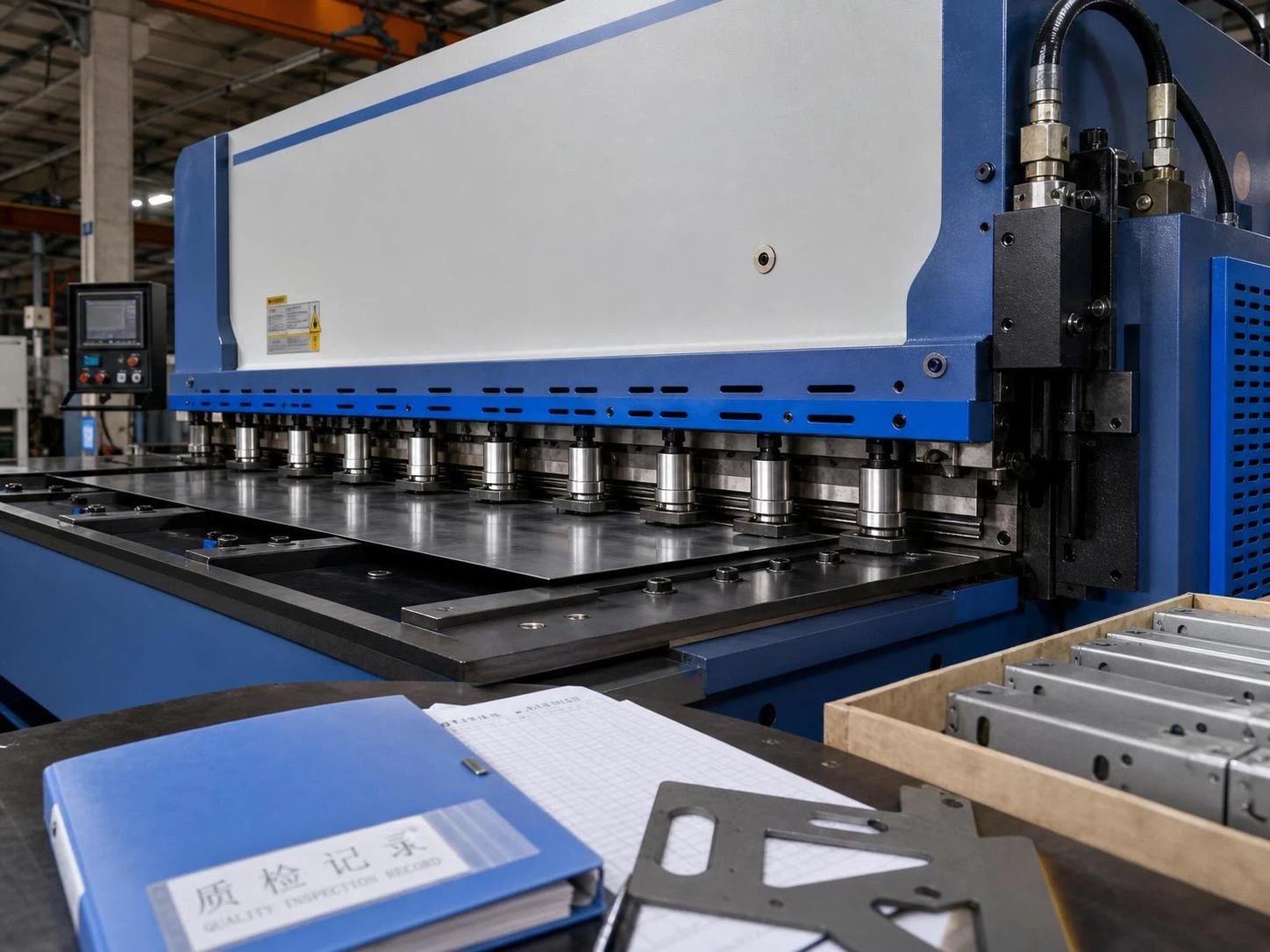
Why does the supplier matter more than the machine brochure?
A hydraulic shearing machine can look competitive on paper and still create delays, quality drift, and extra service cost after delivery.
That is why the real decision is not only about tonnage, blade length, or controller brand.
It is about choosing a hydraulic shearing machine supplier that can keep quality stable and lead time predictable.
In metal fabrication, unstable supply affects far more than one machine purchase.
It can slow installation, interrupt production planning, and increase the hidden cost of spare parts and rework.
A stronger supplier usually shows its value through process control, documentation, service response, and export experience.
For this reason, many buyers now compare suppliers by manufacturing discipline, not by quotation alone.
In Wuxi, where many fabrication equipment makers are concentrated, experience across shearing, bending, welding, and CNC lines often matters.
Companies with broader machine knowledge can usually give more practical advice on matching a shearing machine to upstream and downstream operations.
What should you verify first when comparing a hydraulic shearing machine supplier?
Start with the supplier’s ability to produce consistent machines, not just attractive samples.
The first check is quality system evidence.
ISO9001 alone is not the whole answer, but it signals that inspection, records, and corrective actions are managed through a repeatable process.
If the machine is intended for regulated markets, CE-related design and documentation also deserve close review.
The next point is production depth.
Ask which parts are made in-house, which are outsourced, and how incoming components are checked.
A hydraulic shearing machine supplier with tighter control over frames, assembly, hydraulic integration, and testing usually delivers more stable results.
Export history is another useful signal.
Suppliers shipping to Southeast Asia, Europe, the Americas, and Oceania often understand packing, voltage standards, and technical file requirements more clearly.
That experience reduces communication mistakes and customs-related delays.
A quick screening table helps separate sales promises from real capability
How can you judge stable quality beyond photos and specifications?
Stable quality is usually visible in details that are easy to overlook.
Frame rigidity, hydraulic component selection, blade alignment, backgauge repeatability, and electrical layout all affect long-term performance.
A reliable hydraulic shearing machine supplier should explain these points clearly and show inspection records without hesitation.
Video acceptance tests are useful when visiting the factory is difficult.
However, ask for more than a general running video.
Request material thickness range, cutting sample quality, repeated positioning results, and a clear view of the hydraulic and control system.
In actual sourcing, one practical sign is whether the supplier understands adjacent fabrication processes.
A business handling shearing machines, bending machines, plate rolling machines, laser cutting machines, and welding lines usually sees the shop floor as one workflow.
That matters because machine selection often depends on how material is cut, transferred, welded, and finished later.
For example, a factory producing pipes in batches may also evaluate seam welding automation such as 12 meter Pipe inside and outside seam welding machine.
That equipment supports carbon steel or stainless steel pipe production, handles lengths up to 12 meters, and covers diameters from 400mm to 1500mm.
When a supplier can discuss both cutting preparation and downstream welding quality, the technical discussion is usually more credible.
Lead time looks simple on the quote, so where do delays usually come from?
Most delays are not caused by one dramatic event.
They come from several smaller gaps in planning.
A hydraulic shearing machine supplier may promise a short lead time, but the date means little without confirmed drawings, component availability, testing slots, and shipping readiness.
Customization is a common delay source.
Changes to blade length, motor brand, CNC controller, voltage, guarding, or feeding accessories can extend the schedule.
The better approach is to lock key specifications early and ask the supplier to break lead time into milestones.
- Drawing confirmation date
- Main component procurement period
- Mechanical assembly window
- Testing and acceptance date
- Packing and booking time
This milestone view makes supplier comparison much more realistic.
It also reveals whether the factory genuinely controls production or only passes along estimated dates.
When a supplier is located near major logistics hubs such as Shanghai, inland transport and export coordination can also be easier to manage.
Is the lowest quotation ever the best sourcing decision?
Usually, no.
A very low price can be reasonable, but it needs explanation.
The quotation may exclude commissioning, spare blades, electrical brand consistency, export packing, or documentation support.
Sometimes the lower price comes from lighter frames, lower-grade hydraulic components, or less testing.
A more useful comparison is total acquisition risk.
That includes purchase price, startup time, downtime exposure, maintenance access, and expected machine life.
Ask each hydraulic shearing machine supplier for the same commercial structure.
- Included accessories and wear parts
- Warranty scope and exclusions
- Remote troubleshooting process
- Recommended spare parts list
- Packing method and shipment terms
Once these items are aligned, the price difference becomes easier to interpret.
In many cases, the stronger offer is the one with fewer unknowns, not the one with the smallest headline number.
What mistakes create trouble after the purchase order is placed?
One common mistake is approving a machine based only on generic specifications.
Material grade, thickness variation, production rhythm, operator habits, and required cut edge quality should all be discussed early.
Another problem is weak acceptance criteria.
If the contract does not define what counts as successful testing, disputes become harder to resolve.
It is better to write simple, measurable checkpoints into the order.
More experienced equipment suppliers tend to handle these details better because they have already worked through similar export projects.
That matters across fabrication equipment, whether the requirement is shearing, rolling, leveling, or automated welding with monitoring and adjustable speed control.
So how do you make the final choice with fewer surprises?
A sound decision usually comes from a short, disciplined comparison.
Narrow the list to suppliers that can prove quality systems, export readiness, and realistic production control.
Then compare them using the same specification sheet, the same commercial scope, and the same acceptance standard.
The best hydraulic shearing machine supplier is rarely the one with the loudest claim.
It is usually the one that answers technical questions clearly, documents lead time honestly, and supports the machine after shipment.
Suppliers with long experience in metalworking equipment, established quality routines, and familiarity with international projects often provide a steadier result.
As a next step, prepare a requirement list covering material, thickness, output, compliance, spare parts, and target delivery window.
Send that same list to each hydraulic shearing machine supplier and compare the replies line by line.
That simple process does more to control cost and lead time than chasing the lowest initial quote.
search
Products Navigation
Send Us A Message