




Hydraulic Shearing Machine Trends in 2026: Automation and Efficiency
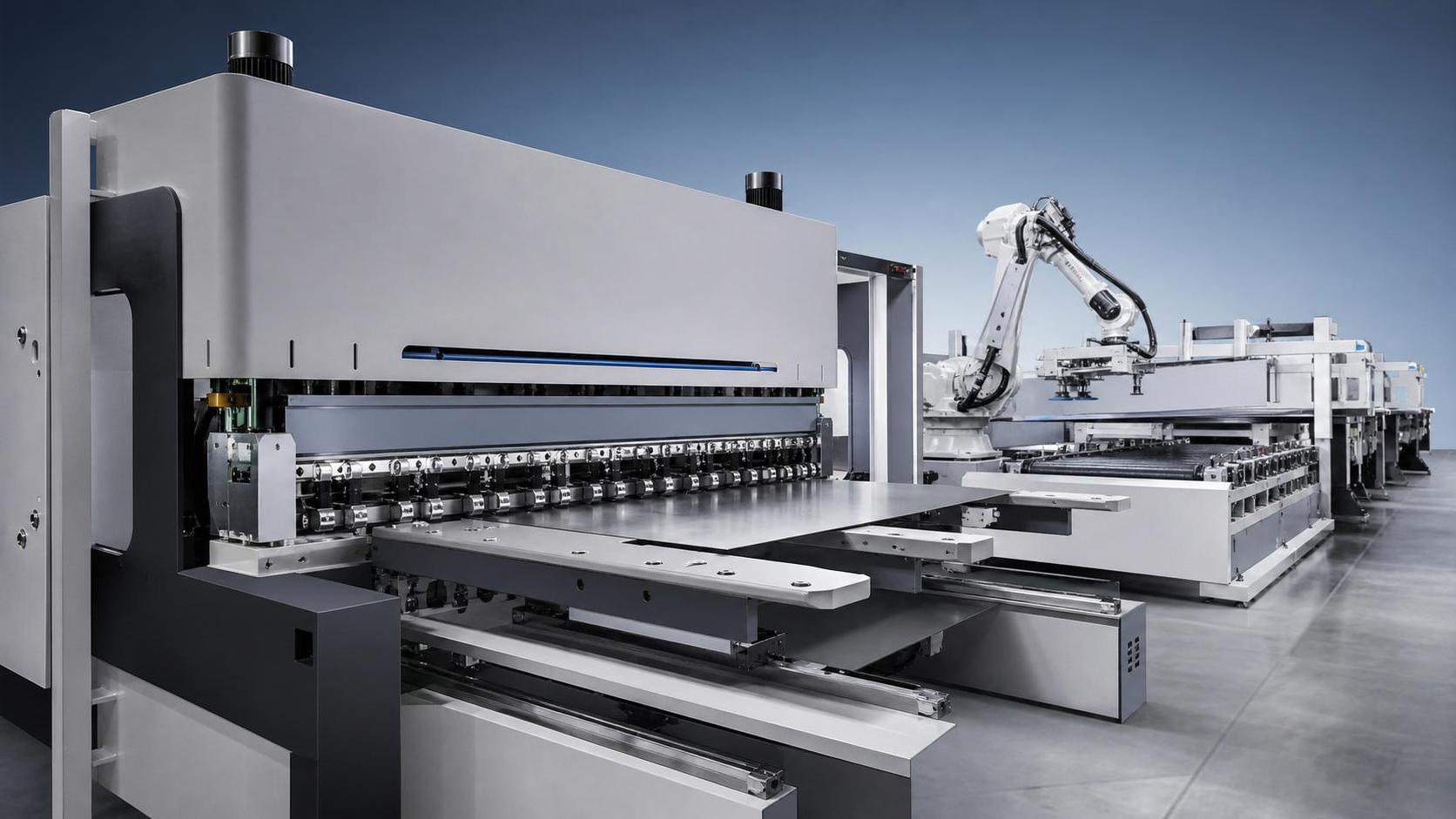
Hydraulic Shearing machine demand is being reshaped in 2026
In 2026, metal fabrication is no longer judging equipment by cutting force alone.
The Hydraulic Shearing machine is now evaluated through a wider business lens.
Energy use, automation readiness, cut consistency, and maintenance visibility are moving to the center of investment decisions.
That shift is not cosmetic.
It reflects tighter production targets, more volatile order structures, and stronger pressure to reduce waste across sheet metal operations.
For companies balancing throughput and cost, the Hydraulic Shearing machine is becoming a strategic process node.
It affects downstream bending, welding, deburring, and assembly quality more directly than many buyers assumed a few years ago.
This is why 2026 looks different.
The market is not simply asking for faster machines.
It is asking for smarter hydraulic control, cleaner integration, and more predictable operating economics.
The most visible change is the move from standalone equipment to connected production assets
A clear signal in 2026 is the decline of isolated machine logic.
More sheet metal lines expect the Hydraulic Shearing machine to exchange data with upstream planning and downstream handling systems.
This includes cut programs, blade status, material batches, and operating records.
The reason is practical.
Shorter lead times and mixed-batch production make manual coordination too slow and too error-prone.
When operators still rely on paper settings or repeated adjustments, utilization drops quickly.
In contrast, automated backgauge positioning, recipe storage, and digital parameter recall reduce setup loss significantly.
This is also why integrated models such as the Hydraulic guillotine shear are drawing attention in practical evaluations.
The interest is less about labels and more about compatibility with smarter workshop flow.
What is driving this change
- Order sizes are becoming less predictable, which increases setup frequency.
- Skilled labor remains uneven, making repeatable digital settings more valuable.
- Traceability requirements are stronger in export-oriented production environments.
- Material costs make every avoidable scrap event more expensive than before.
Efficiency is now measured in energy, labor time, and usable output
One of the biggest mistakes in equipment evaluation is treating speed as the only productivity indicator.
In 2026, the better question is how efficiently a Hydraulic Shearing machine converts input into saleable parts.
That includes hydraulic response, idle consumption, blade life, and the amount of rework created after cutting.
More buyers are comparing total operating cost over several years instead of focusing only on purchase price.
This has pushed manufacturers toward servo-assisted controls, optimized hydraulic circuits, and easier maintenance access.
The market is also paying closer attention to whether a machine stays stable under long shifts.
A machine that cuts accurately in the morning but drifts later in the day can quietly damage margin.
Precision expectations are rising because downstream processes are less forgiving
The Hydraulic Shearing machine used to be seen as a rougher front-end process in many workshops.
That view is weakening.
As CNC bending, robotic welding, and automated handling become more common, upstream cutting errors spread faster through the line.
A slight dimensional deviation can trigger fixture mismatch, weld alignment issues, or secondary trimming.
This is why blade clearance adjustment, frame rigidity, and control accuracy are receiving renewed attention.
More noticeable is the change in material mix.
Applications now involve a wider range of thicknesses, coated sheets, and quality-sensitive surfaces.
That pushes the Hydraulic Shearing machine toward more refined process control rather than brute-force cutting alone.
Where the impact becomes visible
- Bending lines see fewer angle corrections when cut length stays consistent.
- Welding stations benefit from better edge alignment and less fitting time.
- Deburring operations become easier when cut quality is more uniform.
- Final assembly gains from better part interchangeability across batches.
Global sourcing is favoring suppliers that combine standards, range, and application understanding
Another trend in 2026 is the way buyers assess supply partners, not just equipment specifications.
The Hydraulic Shearing machine often sits within a broader fabrication plan.
That means purchasing decisions increasingly value suppliers who understand adjacent processes such as welding, cutting, milling, rolling, and deburring.
This broader view reduces integration risk.
It also shortens communication when a line needs coordinated performance rather than isolated machine delivery.
Companies with export experience and compliance discipline stand out more clearly in this environment.
Wuxi Samgins International Trade Co.,Ltd reflects this pattern through a portfolio that spans CNC cutting machines, welding robots, bending machines, shearing machines, rolling machines, and other metalworking systems.
Its background in ISO9001-based organization and EU CE-oriented production also aligns with the current demand for predictable quality and international usability.
That matters because line decisions in 2026 are increasingly made at system level.
What deserves closer attention before the next equipment decision
From recent demand patterns, several checkpoints are becoming more useful than headline tonnage alone.
These points help test whether a Hydraulic Shearing machine is aligned with current production realities.
- Check changeover logic across different sheet sizes and material grades.
- Review energy behavior during idle, peak load, and continuous operation.
- Compare data accessibility for maintenance records and fault diagnosis.
- Assess blade adjustment convenience under real production conditions.
- Verify compatibility with downstream bending, welding, and handling equipment.
- Confirm whether compliance standards match export or regional requirements.
In many cases, a well-matched Hydraulic guillotine shear earns its value through these operational details.
The difference shows up in uptime, labor efficiency, and rework reduction long before it appears in brochures.
The next phase will reward balanced decisions more than aggressive ones
Looking ahead, the Hydraulic Shearing machine market is unlikely to be defined by one dramatic breakthrough.
The stronger direction is cumulative improvement.
Better controls, cleaner hydraulics, lower waste, and easier service are combining into a new baseline expectation.
That makes disciplined comparison more important than chasing isolated performance claims.
The most useful next step is to map actual production bottlenecks before comparing machine options.
Then review whether current equipment supports mixed orders, stable precision, and efficient coordination with adjacent processes.
In 2026, the right Hydraulic Shearing machine is not simply the one that cuts metal fastest.
It is the one that strengthens the whole fabrication chain with measurable efficiency and reliable control.
search
Products Navigation
Send Us A Message