




What Affects Hydraulic Shearing Machine Price? Key Cost Drivers Buyers Should Compare
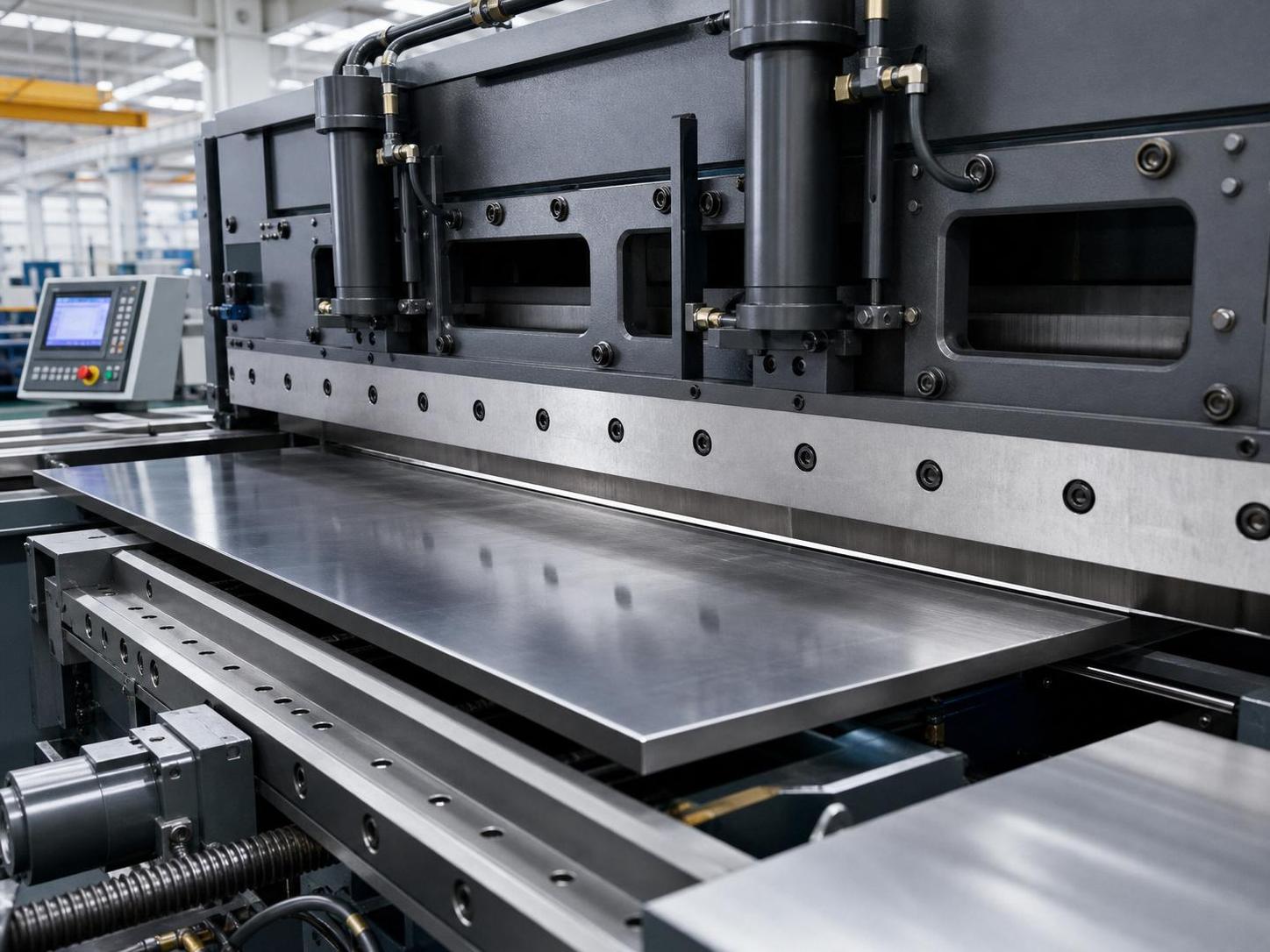
Why does hydraulic shearing machine price vary so much?
A quotation rarely tells the full story. Hydraulic shearing machine price reflects cutting force, frame strength, blade durability, controls, safety, and expected service life.
For budget review, the real question is not only cost today. It is whether the machine can support output targets without hidden downtime or repeated repair spending.
In practical terms, two machines may look similar on paper. Yet one may include stronger hydraulics, tighter tolerances, and better electrical parts, which changes long-term value.
That is why hydraulic shearing machine price should be compared as a package: purchase cost, operating stability, compliance, maintenance burden, and production fit.
Which machine specifications push the price up first?
Capacity is usually the first driver. Thicker plate, wider sheet width, and higher cutting frequency all increase structural and hydraulic requirements.
A larger machine needs a heavier frame to resist deformation. It also needs stronger cylinders, a more reliable pump system, and better blade support.
Blade quality matters more than many buyers expect. Higher-grade blades cost more upfront, but they reduce sharpening frequency and help maintain cleaner cut edges.
Control configuration also changes hydraulic shearing machine price. Basic NC systems are less expensive than advanced CNC packages with automation, program storage, and backgauge precision.
Need to compare quickly? This table helps separate meaningful cost drivers from cosmetic differences.
Is the lowest hydraulic shearing machine price usually the best deal?
Usually, no. A low quote can be reasonable, but it can also mean lighter construction, lower blade life, fewer safeguards, or less consistent assembly quality.
The more common issue is incomplete comparison. One supplier may include tooling, commissioning support, and electrical upgrades, while another leaves those items outside the base price.
It helps to ask what the quotation excludes. Freight, installation, training, voltage adaptation, spare blades, and oil system adjustments often create later budget surprises.
This is where supplier background matters. Companies with broad metalworking equipment experience usually understand integration issues better than traders selling a single isolated product line.
Wuxi Samgins International Trade Co.,Ltd, established in 2012 in Wuxi near Shanghai, works across shearing, bending, rolling, deburring, welding, and CNC equipment categories.
That wider exposure matters when comparing hydraulic shearing machine price, because line balancing and downstream process fit can affect the total investment more than the machine sticker price.
How do controls, standards, and components affect long-term cost?
This is often where financial outcomes are decided. A cheaper machine with unstable controls can create scrap, extra labor, and inconsistent output.
Reliable hydraulics reduce leakage risk and pressure fluctuation. Better electrical components lower failure rates and make troubleshooting faster when the machine is under production pressure.
Standards also influence cost. Production organized under ISO9001 and designs aligned with EU CE expectations generally require tighter documentation, process control, and safety attention.
Those features may raise hydraulic shearing machine price, but they can reduce approval risk, installation delays, and after-sales disputes, especially for export-oriented or audited factories.
A useful comparison method is to look beyond shearing alone. In adjacent equipment, stable controls and better component sourcing often produce measurable operating value.
For example, NC hydraulic pipe bending machine configurations that use PLC control, servo rotation, touch-screen operation, and self-diagnostics typically justify higher quotations through easier setup and lower correction time.
That same logic applies when judging a shearing line. Better controls are not decorative extras. They reduce setup waste and support more predictable production costing.
What hidden costs should be checked before approving a shearing machine purchase?
The purchase order is only one layer. Hidden costs usually appear in four areas: installation, maintenance, productivity loss, and compliance adjustment.
- Installation: foundation work, power matching, oil filling, transport positioning, and operator training.
- Maintenance: blade grinding, seal replacement, hydraulic oil management, and spare part lead times.
- Productivity loss: slower cycle time, inaccurate backgauge, or frequent rework from poor cut quality.
- Compliance: guarding, electrical adaptation, and documentation needed for internal safety procedures.
Another hidden cost is mismatched sizing. An oversized machine increases capital outlay and energy use. An undersized one creates bottlenecks and shortens component life.
When evaluating hydraulic shearing machine price, request a list of consumables, expected service intervals, and recommended spare stock for the first operating year.
That level of detail exposes whether a low quotation is efficient or simply incomplete.
What is a practical way to compare quotations side by side?
A workable comparison starts with one rule: every supplier should be measured against the same production case, material range, and expected shift pattern.
Without that, hydraulic shearing machine price comparisons become distorted. One quote may assume thin sheet work, while another is built for thicker plate and heavier daily use.
This checklist helps turn pricing into a usable decision record.
In many cases, the best decision is not the lowest hydraulic shearing machine price. It is the quote with the clearest technical scope and the fewest downstream unknowns.
So what should be confirmed before moving forward?
Start with the production facts: material type, maximum thickness, cutting length, batch size, and daily operating hours. That keeps price comparison tied to reality.
Then confirm the commercial scope: delivery time, installation support, warranty coverage, spare parts plan, and whether testing standards are written into the quotation.
It is also worth checking related process equipment experience. Suppliers serving shearing, bending, rolling, and CNC fabrication lines often give more balanced recommendations.
That perspective helps prevent overbuying features that will not be used, while also avoiding under-specification that causes operating losses later.
In short, hydraulic shearing machine price should be judged as total production value, not a standalone figure. A disciplined comparison of capacity, controls, standards, support, and lifecycle cost leads to a more defensible approval decision.
The next useful step is simple: build one comparison sheet, align all quotations to the same workload, and highlight every excluded cost before final review.
search
Products Navigation
Send Us A Message