




Common Setup Mistakes with Hydraulic Shearing Machines in Metal Workshops
Common Setup Mistakes with Hydraulic Shearing Machines in Metal Workshops
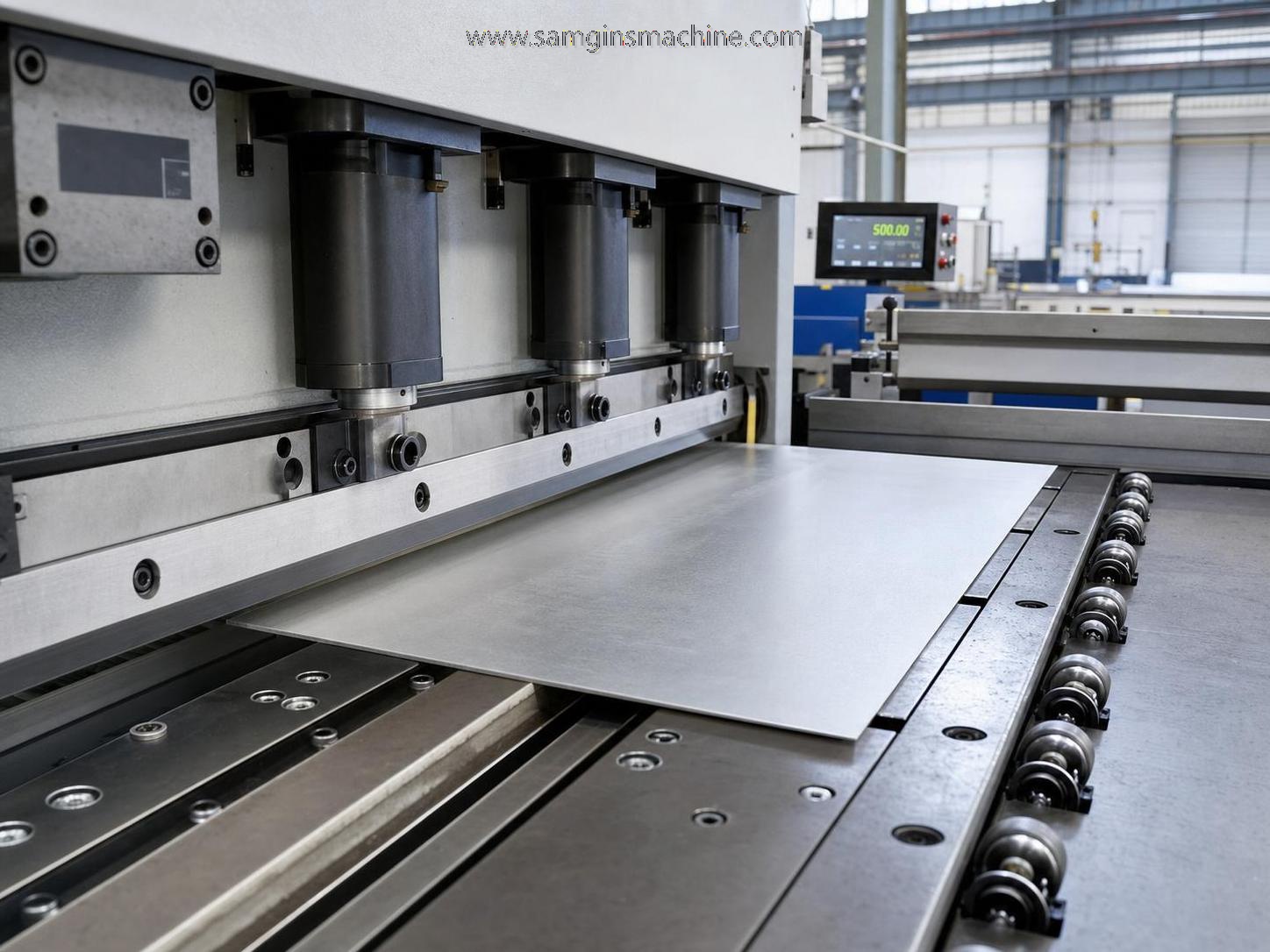
A hydraulic shearing machine for metal workshop can produce fast, clean cuts with stable output.
Still, many cutting problems begin before the first sheet even touches the table.
Wrong clearance, poor backgauge settings, loose hold-down pressure, and bad material support all reduce quality.
They also increase blade wear, scrap rates, safety risks, and unplanned downtime.
In real workshop conditions, setup discipline matters as much as machine power.
This guide explains the most common setup mistakes with a hydraulic shearing machine for metal workshop use.
More importantly, it shows how to correct them in a practical, repeatable way.
1. Using the Wrong Blade Clearance
Blade clearance is one of the first settings to check on any hydraulic shearing machine for metal workshop operations.
If the gap is too small, blades rub harder and wear faster.
If the gap is too large, the edge becomes rough, burred, or slightly twisted.
Operators often leave one clearance setting for every job.
That saves a few minutes, but it costs much more in scrap and maintenance.
- Thin sheet with excessive clearance often shows edge rollover and burrs.
- Thick plate with tight clearance increases load and can chip the blade edge.
- Mixed materials need separate settings, especially stainless steel and mild steel.
Before each batch, match clearance to thickness and material grade. That single habit improves cut quality immediately.
2. Ignoring Blade Condition and Alignment
Even a well-adjusted hydraulic shearing machine for metal workshop production will struggle with worn or misaligned blades.
Some cut defects look like setup errors, but the real cause is blade damage.
Nicks, uneven wear, or poor blade seating create inconsistent results across the cutting length.
A common sign is when one side of the sheet looks clean, while the other side tears.
Another sign is rising noise and vibration during otherwise normal cuts.
- Inspect blade edges at shift start.
- Confirm all mounting bolts are tightened evenly.
- Check alignment after blade rotation or replacement.
- Record wear patterns to spot repeat issues.
Good alignment protects both product quality and the machine frame from unnecessary stress.
3. Setting the Backgauge Without Verification
Backgauge errors create repeatable mistakes, which makes them expensive.
A hydraulic shearing machine for metal workshop cutting depends on accurate gauge positioning for part consistency.
Operators sometimes trust the displayed value without measuring the first cut.
That is risky after maintenance, power interruption, tooling changes, or long production runs.
Small deviation quickly turns into a full batch of nonconforming parts.
- Always run a test cut before mass production.
- Measure both width and squareness.
- Recheck when switching material thickness.
- Confirm the sheet sits flat against the gauge fingers.
A two-minute verification step usually prevents hours of rework later.
4. Poor Material Positioning on the Worktable
Material positioning affects cut straightness more than many teams expect.
If the sheet enters the blade line at an angle, the result can drift even with correct settings.
This issue appears often with larger sheets or when one operator handles oversized stock alone.
Uneven support also causes the plate to sag, twist, or pull away during the cut.
That leads to poor dimensional control and visible edge variation.
Use side guides, support arms, and roller tables when needed. Stable feeding improves both safety and accuracy.
5. Incorrect Hold-Down Pressure
Hold-down devices keep the sheet from lifting during the cut.
When pressure is too low, material movement becomes more likely.
When pressure is too high, softer surfaces can be marked or deformed.
This is especially important for pre-finished sheet, coated metals, and thinner stock.
Many hydraulic shearing machine for metal workshop users focus on blade force but overlook clamping balance.
Check contact points, pressure consistency, and pad condition during setup. A stable sheet produces a stable cut.
6. Cutting the Wrong Material for the Current Settings
Material changes should trigger setup changes.
That sounds obvious, yet it is one of the most common workshop misses.
Mild steel, stainless steel, aluminum, and coated sheets respond differently under shear force.
Thickness alone is not enough for setup decisions.
Strength, hardness, finish, and flatness all matter.
In busy production, material tags should be checked before loading. This prevents avoidable blade damage and dimensional variation.
7. Overlooking Hydraulic System Checks
A hydraulic shearing machine for metal workshop performance depends on hydraulic stability, not only mechanical adjustment.
Low oil level, contaminated fluid, air in the system, or pressure fluctuation can affect every cut.
Sometimes the machine still runs, but cut quality slowly becomes less predictable.
That makes the problem easy to miss until scrap numbers rise.
- Inspect oil level and cleanliness regularly.
- Watch for leaks around hoses and fittings.
- Listen for unusual pump noise.
- Follow the maintenance interval recommended by the builder.
Reliable pressure gives the machine a much better chance of delivering repeatable, straight cuts.
8. Skipping Trial Cuts and First-Piece Inspection
Rushing into full production is rarely worth it.
A first-piece check confirms whether the hydraulic shearing machine for metal workshop setup actually matches the job requirements.
Without that check, small errors spread fast across the batch.
The best inspection routine is simple and consistent.
- Cut one sample piece.
- Measure width, edge quality, and angle.
- Check the surface for marks from clamps.
- Approve the setup before continuing.
This routine is basic, but it remains one of the strongest controls in sheet metal cutting.
9. Treating Setup as an Isolated Machine Task
Setup quality improves when upstream and downstream processes are connected.
For example, if parts will move into bending, welding, or thread forming, edge quality matters even more.
A poorly sheared blank can create fit-up issues later.
Manufacturers with broader fabrication lines often see this connection clearly.
Wuxi Samgins International Trade Co.,Ltd supplies shearing, bending, cutting, welding, rolling, and CNC equipment under ISO9001 and EU CE-oriented production practice.
That wider process view matters because each machine affects the next operation.
In some production lines, thread quality also depends on stable preparation before forming.
A good example is the Z28-150 thread rolling machine, which supports manual, semi-automatic, and automatic modes for precision external thread rolling.
10. Missing a Standard Setup Checklist
Many repeat mistakes happen because setup lives in memory instead of a checklist.
A short standard list keeps a hydraulic shearing machine for metal workshop process stable across shifts.
It also helps when experienced operators are absent.
The best checklist is brief enough to use every time.
If it is too long, teams will eventually stop following it.
Practical Steps to Improve Setup Consistency
Better results from a hydraulic shearing machine for metal workshop use usually come from simple, disciplined actions.
- Create setup sheets for common materials and thicknesses.
- Mark blade maintenance intervals clearly.
- Train every shift to verify the first cut.
- Keep measuring tools near the machine.
- Review scrap causes weekly and update settings accordingly.
These are not complex improvements, but they are the ones that tend to last.
They also support downstream consistency in forming and fastening operations.
That matters in shops processing carbon steel, alloy steel, or non-ferrous metals across multiple machine types.
Conclusion
Most setup problems do not start with major machine failure.
They start with small decisions made too quickly or skipped entirely.
When a hydraulic shearing machine for metal workshop production is set correctly, output becomes cleaner, safer, and more predictable.
Focus on clearance, alignment, backgauge accuracy, sheet support, hydraulic condition, and first-piece control.
Those points solve most recurring workshop issues before they become expensive.
A consistent setup routine is still the fastest path to better cutting performance and lower production risk.
search
Products Navigation
Send Us A Message