




What to Look for in a Hydraulic Shearing Machine for a Fabrication Shop
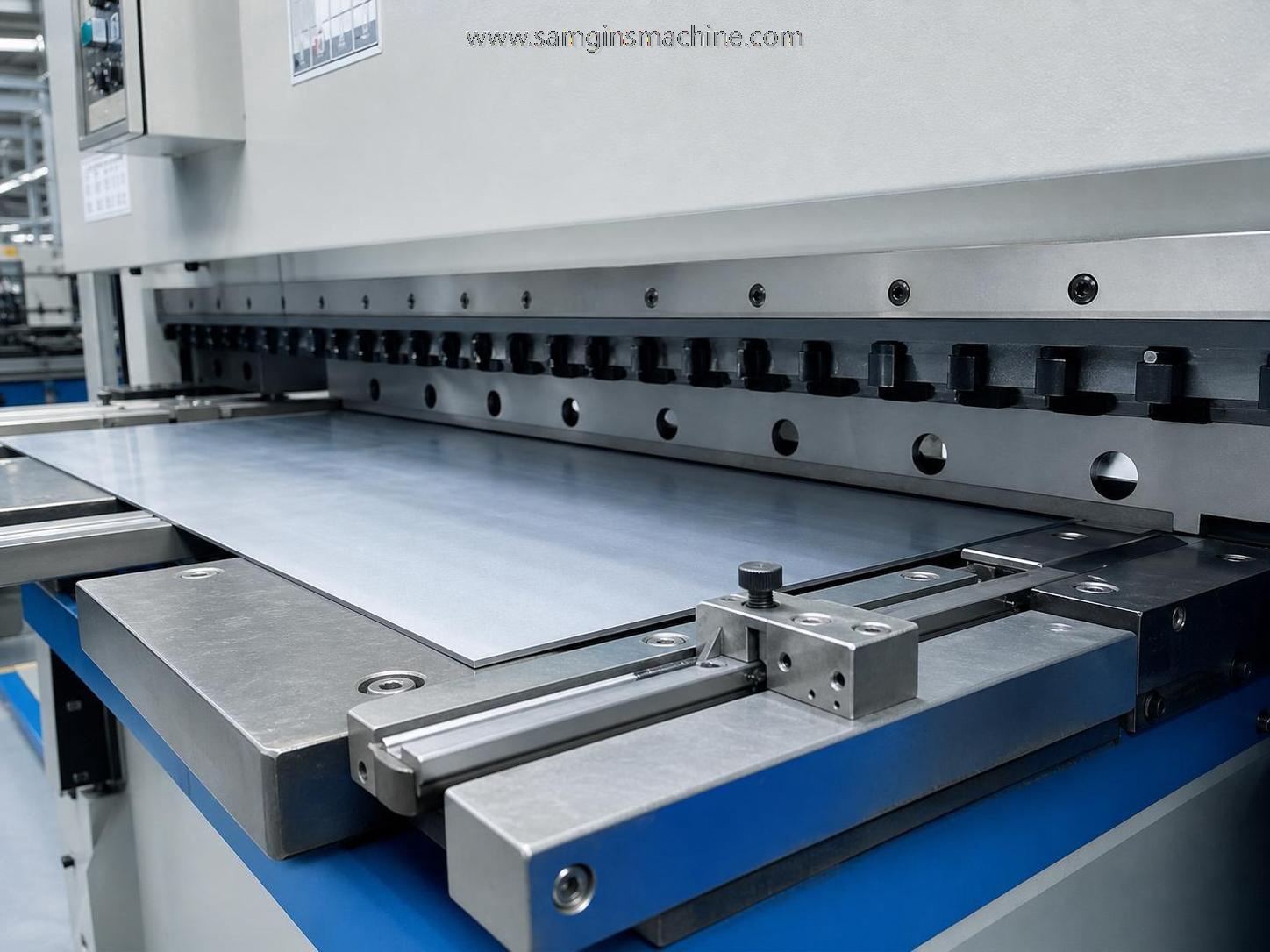
What to Look for in a Hydraulic Shearing Machine for a Fabrication Shop
Choosing the right hydraulic shearing machine for fabrication shop operations affects more than cutting speed.
It shapes part accuracy, labor efficiency, scrap rates, maintenance costs, and delivery reliability.
In practical terms, a poor machine choice can create hidden costs for years.
A well-matched machine, on the other hand, supports stable output and easier production planning.
That is why hydraulic shearing machine selection should start with production needs, not just price.
For fabrication shops, the best buying decisions usually come from comparing capacity, control, durability, and service support together.
Start with Material Type and Cutting Capacity
The first question is simple: what materials will the hydraulic shearing machine for fabrication shop work cut every day?
Mild steel, stainless steel, aluminum, and coated sheets behave differently under load.
Thickness range matters just as much as material grade.
If most jobs are thin sheet, oversizing the machine may waste budget and floor space.
If thicker plate jobs appear regularly, underbuying creates bottlenecks and quality issues.
Check these points before comparing brands:
- Maximum cutting thickness by material type
- Cutting length needed for your common sheet sizes
- Daily production volume
- Peak load during busy orders
- Future demand for heavier or wider sheets
A realistic capacity buffer is important.
Many shops target around 20% headroom rather than buying exactly for today’s average workload.
Evaluate Cutting Accuracy and Edge Quality
A hydraulic shearing machine for fabrication shop use must deliver repeatable, clean cuts.
This matters most when parts move directly into bending, welding, or assembly.
Poor straightness or rough edges increase rework fast.
Look closely at blade clearance adjustment, frame rigidity, and backgauge precision.
These factors directly affect burr level and dimensional consistency.
Ask suppliers for sample cuts using your actual material thicknesses.
That gives a clearer picture than brochure claims.
A good machine should maintain edge quality across long production runs, not only during a short demonstration.
Focus on Blade Quality and Adjustment Range
Blades are central to the long-term value of any hydraulic shearing machine for fabrication shop production.
High-quality blades last longer, hold alignment better, and reduce edge defects.
The machine should also allow practical blade gap adjustment for different materials.
Without that flexibility, the same machine may perform well on one job and poorly on the next.
When reviewing specifications, ask about:
- Blade material and hardness
- Number of usable blade edges
- Ease of blade replacement
- Manual or automatic clearance adjustment
- Availability and lead time for spare blades
These details often separate a low purchase price from a low ownership cost.
Consider Automation, Controls, and Workflow Fit
A modern hydraulic shearing machine for fabrication shop environments should fit the full production flow.
That includes setup time, operator effort, programming ease, and part repeatability.
NC or CNC control can improve consistency, especially for repeat jobs.
Powered backgauge systems also help reduce measuring mistakes and manual handling delays.
In many fabrication shops, the value of automation appears first in reduced setup time.
It then shows up in more stable throughput.
This is also where equipment planning gets broader.
Shops comparing shearing with other cutting technologies may also review solutions like the H beam cnc fiber laser cutting machine.
For certain precision manufacturing tasks, laser systems offer non-contact cutting, CAD/CAM integration, and high speed for complex profiles.
Still, straight-line sheet cutting at scale often remains more economical with the right hydraulic shear.
Check Machine Structure and Hydraulic Stability
Machine stability is not a secondary issue.
It is one of the main reasons two similar-looking machines perform very differently over time.
A strong welded frame, reliable hydraulic system, and quality seals all matter.
So does the overall fit and finish of the moving parts.
When evaluating a hydraulic shearing machine for fabrication shop use, inspect how the machine handles vibration and continuous duty.
Hydraulic stability affects both cutting force and maintenance frequency.
Signs of a stronger build usually include smoother operation, lower noise variation, and better consistency under load.
Do Not Ignore Safety and Operator Practicality
Safety features should be reviewed as part of productivity, not apart from it.
A safer machine reduces downtime, training risks, and compliance issues.
Essential items include emergency stops, finger protection, clear guarding, and dependable hold-down performance.
Operator ergonomics also deserve attention.
If loading, measuring, or control access feels awkward, efficiency drops quickly.
Small usability issues become major productivity losses over hundreds of cuts per shift.
Compare Total Cost, Not Just Quotation Price
Purchase price is only one part of the investment.
A hydraulic shearing machine for fabrication shop operations should be evaluated by total lifecycle cost.
That includes energy use, blade replacement, oil maintenance, spare parts, training, and downtime risk.
The cheapest machine can become the most expensive one if output is unstable.
A structured comparison usually leads to a better purchasing decision than a simple price ranking.
Assess Supplier Strength and After-Sales Support
Supplier capability matters almost as much as the machine itself.
Reliable support shortens installation time and lowers operational risk.
A company with broad machinery experience can often give better process advice.
Wuxi Samgins International Trade Co.,Ltd has focused on mechanical equipment since 2012.
Its product range covers shearing machines, bending machines, plate rolling machines, CNC machine tools, laser cutting machines, welding robots, and H-beam line equipment.
With exports to Southeast Asia, Europe, the Americas, and Oceania, the company aligns production and design with ISO9001 and CE-related standards.
That broader manufacturing background can be valuable when matching equipment to real fabrication demands.
Before ordering, confirm response time, spare part supply, training scope, and warranty terms.
A Practical Buying Checklist
To shortlist the right hydraulic shearing machine for fabrication shop operations, keep the evaluation practical.
- List actual materials, thicknesses, and monthly volumes.
- Define the required cutting length and accuracy tolerance.
- Compare blade quality, frame strength, and control functions.
- Request sample cutting tests using your own material.
- Review maintenance access and spare part lead times.
- Calculate ownership cost over several years.
- Verify supplier support, training, and certification details.
That process keeps the decision tied to output, quality, and risk control.
In the end, the best hydraulic shearing machine for fabrication shop use is the one that fits your jobs, your team, and your growth path.
Make the choice with measured data, realistic testing, and supplier accountability, and the investment is far more likely to pay back steadily.
search
Products Navigation
Send Us A Message