




Hidden Operating Costs of a Press Brake Before You Buy
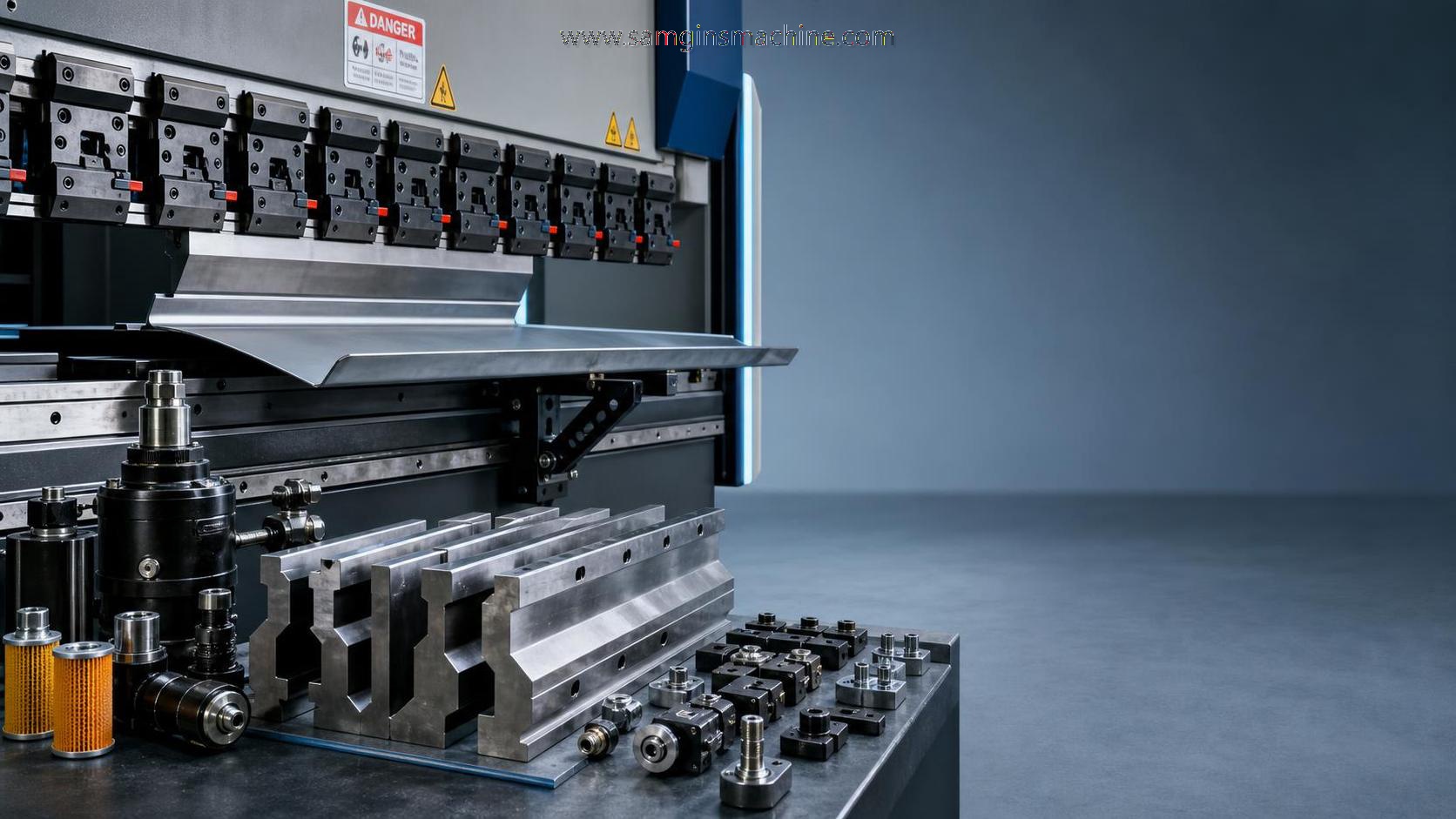
Hidden Operating Costs of a Press Brake Before You Buy
Before approving a press brake purchase, the quoted price should never be the only number under review.
A press brake can create hidden operating costs across tooling, labor, energy, maintenance, downtime, and spare parts.
These costs do not always appear in the initial proposal.
Yet they shape total ownership cost over years of production.
In real purchasing work, this is where many budget gaps begin.
A lower-priced press brake may look attractive at first.
However, weak controls, unstable accuracy, or slow service support can raise annual costs quickly.
That also means better cost evaluation must look beyond the machine frame and nameplate rating.
Why Press Brake Cost Analysis Often Starts Too Late
Many teams compare a press brake by tonnage, bending length, and purchase discount.
Those items matter, but they do not explain the full operating picture.
The more useful question is simple.
How much will this press brake cost per year to run reliably?
A complete review should include direct costs and indirect costs.
- Direct costs include tooling, electricity, lubrication, spare parts, and preventive service.
- Indirect costs include scrap, operator learning time, delayed orders, and lost machine availability.
When a press brake runs in multi-shift production, those hidden items become much more visible.
A small daily inefficiency becomes a large annual expense.
Tooling Costs Usually Rise Faster Than Expected
Tooling is one of the most underestimated costs in a press brake investment.
A machine may be competitively priced, while the tooling package is incomplete or too basic.
That forces extra purchases soon after installation.
Complex parts often require segmented punches, specialty dies, crowning systems, or quick-change clamping.
Without them, setup takes longer and bending consistency suffers.
Tool wear also matters.
Frequent material changes, especially stainless steel, can shorten tooling life.
If replacement tooling is proprietary, the operating cost of the press brake becomes harder to control.
For cost planning, ask for three numbers before purchase.
- Standard tooling included with the machine.
- Expected annual tooling replacement expense.
- Lead time for additional or custom tooling.
Maintenance Costs Are Not Just About Repairs
A press brake does not become expensive only when it breaks down.
It becomes expensive when preventive maintenance is unclear, slow, or dependent on rare parts.
Hydraulic systems need regular inspection.
Seals, valves, oil quality, and filtration all affect machine stability.
Electrical systems add another layer of cost.
Control components, servo drives, sensors, and backgauge systems need reliable support over time.
A low-cost press brake with weak technical support can create long downtime for simple faults.
That is why service structure matters as much as hardware quality.
Wuxi Samgins International Trade Co.,Ltd supplies mechanical equipment under ISO9001 management and EU CE standards.
That background is valuable when buyers need predictable documentation, quality control, and after-sales coordination.
Before approval, request a written maintenance schedule and a spare parts list for the first two years.
Energy Use Can Quietly Change the Cost Model
Energy cost may look small in one quotation cycle.
Across a machine life of seven to ten years, it becomes meaningful.
This is especially true where electricity pricing varies by shift or region.
Older hydraulic press brake designs may consume more power during idle time.
Servo-hydraulic or more efficient control systems may reduce that burden.
The key is not only rated motor power.
The key is actual energy consumption during setup, standby, and production cycles.
Request tested operating data when possible.
This creates a more realistic annual cost estimate for the press brake.
Training and Setup Time Directly Affect Output
Some press brake costs appear as labor inefficiency rather than service expense.
That is common when programming is difficult or setup changes take too long.
A machine with advanced functions still needs operators to use them correctly.
If training is brief, informal, or unsupported, scrap rates often rise early.
That creates hidden cost through wasted material and missed delivery windows.
In practical terms, evaluate the press brake with these questions.
- How many hours of formal training are included?
- Can one operator handle programming and setup efficiently?
- How quickly can a new operator reach stable output?
- Is remote troubleshooting available?
Those answers often reveal more than the machine brochure.
Downtime Is Usually the Most Expensive Hidden Cost
Downtime is where press brake ownership becomes financially painful.
A machine that stops for one day may delay several jobs behind it.
That affects labor scheduling, material flow, and customer delivery.
The direct repair bill may be small compared with the production loss.
This is why service response time should be treated as a financial metric.
Ask suppliers how quickly they ship critical parts.
Ask whether local support exists.
Ask which components are standard market items and which are special-order items.
A press brake with common components usually lowers long-term downtime risk.
Look at the Whole Fabrication Flow, Not One Machine Alone
A press brake does not work in isolation.
Its real cost depends on upstream and downstream process efficiency.
If plate edges are poorly prepared, bending accuracy and fit-up quality may suffer later.
That can increase rework before welding or assembly.
In some production lines, improving edge preparation reduces pressure on bending operations.
For example, an Heavy Edge Milling Machine can process carbon steel, stainless steel, and aluminum plates with stable bevel quality.
It supports one-pass bevel forms, adjustable angles, and efficient feed control.
That matters when fabrication lines need cleaner preparation and less secondary grinding.
The larger point is straightforward.
A press brake purchase should fit the cost logic of the entire metal processing workflow.
A Simple Cost Checklist Before Final Approval
Before signing off on a press brake, use a short ownership checklist.
This checklist gives a clearer comparison between one press brake offer and another.
It also reduces the chance of approving a low entry price with high operating drag.
Final Takeaway
A press brake should be judged by total operating cost, not by quoted price alone.
The hidden costs are usually tooling, maintenance, energy, training, spare parts, and downtime.
Once those factors are measured early, purchasing decisions become more accurate and more defensible.
That leads to better budget control and fewer surprises after installation.
When comparing any press brake, ask for lifecycle cost evidence, not only machine specifications.
That is usually the difference between a cheap purchase and a sound investment.
search
Products Navigation
Send Us A Message