




How standard plate leveling machine maintenance intervals affect long-term uptime in high-volume fabrication shops
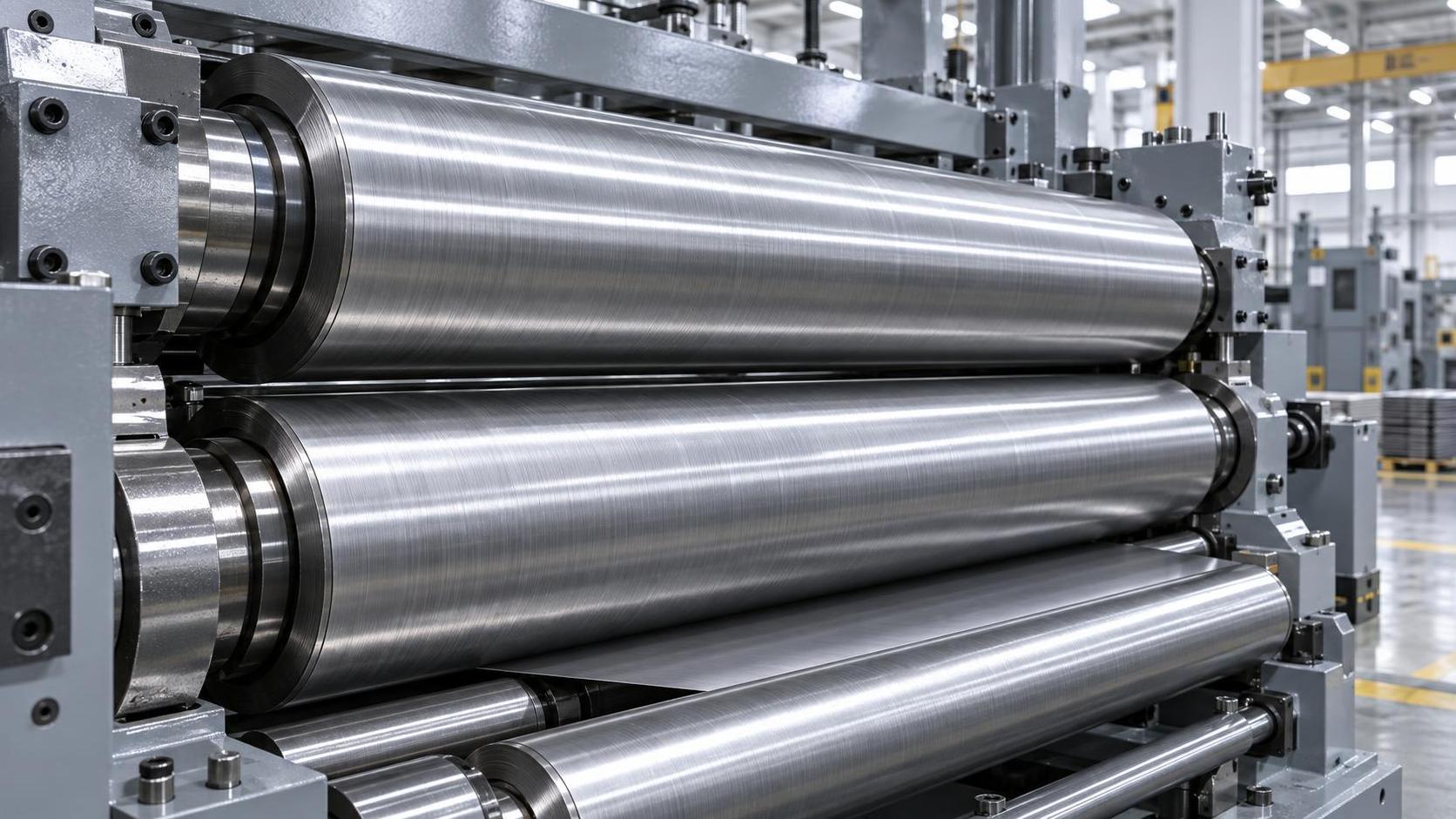
Why Skipping Standard Plate Leveling Machine Maintenance Intervals Is a Hidden Cost Multiplier
In high-volume fabrication shops, unplanned downtime erodes profitability—especially when it stems from neglected maintenance of a standard plate leveling machine. For project managers overseeing tight deadlines and multi-machine workflows, adhering to manufacturer-recommended maintenance intervals isn’t just routine—it’s a strategic uptime safeguard. This article examines how inconsistent or delayed servicing of standard plate leveling machines directly impacts long-term operational reliability, part quality, and total cost of ownership—backed by real-world data from ISO 9001- and CE-compliant equipment supplied by Wuxi Samgins International Trade Co., Ltd.
The Uptime Illusion: When “Running” Isn’t the Same as “Ready”
A standard plate leveling machine may spin up every morning and feed material without alarm—but that doesn’t mean it’s performing within tolerance. Over time, roller wear, hydraulic fluid degradation, bearing preload loss, and misalignment accumulate silently. What starts as minor flatness deviation (±0.15 mm) on 6-mm mild steel plates can widen to ±0.4 mm after 1,200 operating hours without recalibration or roller inspection. That’s enough to trigger rework in precision welding jigs or cause fit-up issues downstream in robotic assembly cells.
At Wuxi Samgins, we’ve observed this pattern across dozens of installations in Southeast Asia and Europe: shops running three-shift cycles often delay maintenance until vibration increases or surface ripple becomes visible. By then, corrective action takes 2–3 shifts—not 2–3 hours—and frequently involves replacing rollers rather than resurfacing them. That’s not maintenance. It’s recovery.
What Real-World Intervals Actually Look Like
Manufacturer guidelines matter—but they’re starting points, not absolutes. A shop processing 8-mm stainless steel plates at 12 m/min, 22 hours/day, faces different stress than one handling 3-mm aluminum at 6 m/min, single shift. Here’s what consistent field observation shows:
- Daily: Visual check of roller surfaces, lubrication points, and hydraulic reservoir level. Wipe debris from entry/exit guides.
- Every 200 operating hours: Torque verification of roller adjustment bolts, inspection of drive belts, and cleaning of coolant filtration mesh (if equipped).
- Every 800–1,000 hours: Roller surface measurement with profilometer, bearing play test, and replacement of hydraulic oil and filters. This is where most high-volume shops fall behind—and where Wuxi Samgins’ CE-certified leveling machines show measurable advantage in bearing life consistency.
- Annually: Full alignment verification using laser tracker or precision straightedge, plus ultrasonic testing of critical structural welds on heavy-duty frames.
The gap between “scheduled” and “executed” is where uptime leaks begin. One European rail component supplier reduced unscheduled stops by 68% simply by assigning a dedicated technician—not a shared maintenance resource—to perform the 800-hour checks on their two primary leveling lines.
When Maintenance Lapses Ripple Beyond the Machine
It’s tempting to isolate the standard plate leveling machine as a standalone asset. But in integrated fabrication lines, its output feeds CNC plasma tables, robotic welders, and automated bending cells. A 0.3-mm thickness variation across a 2,500-mm plate doesn’t just affect flatness—it changes kerf compensation settings, alters robot path offsets, and introduces cumulative error in nested parts. We’ve seen cases where late-stage quality audits traced root cause back to a leveling machine whose last roller measurement was 1,400 hours prior.
And consider secondary finishing. Parts that require deburring or polishing before final assembly often carry residual stresses or micro-burrs introduced by inconsistent leveling pressure. That’s why some shops pair their leveling line with a Standard Magnetic polishing machine—not for aesthetics, but to compensate for upstream variability. Its ability to handle complex geometries like CNC lathe parts or aerospace springs in 3–20 minutes means it absorbs inconsistency without slowing throughput.
ISO 9001 and CE Aren’t Just Stickers—They Shape Service Behavior
Wuxi Samgins designs and certifies all its leveling machines under ISO 9001 and EU CE standards—not as compliance checkboxes, but because those frameworks force explicit service documentation. Every roller specification includes hardness tolerances traceable to heat-treatment logs. Every hydraulic valve has a documented service life curve—not just a generic “replace every 2 years.” That transparency helps project managers distinguish between “recommended” and “non-negotiable” intervals.
For example: CE-compliant leveling machines sold into EU markets must retain full torque capacity across the entire operating temperature range (−10°C to +45°C). Shops in Guangdong or São Paulo don’t face that same thermal cycling—but if ambient humidity exceeds 85% regularly, corrosion resistance of exposed roller shafts becomes a maintenance driver no manual mentions. That’s where local experience matters more than global specs.
Three Practical Adjustments You Can Make This Week
You don’t need to overhaul your PM schedule tomorrow. Start here:
- Map one critical part family—say, 12-mm structural brackets for rail transit projects—back to leveling machine logs. How many times did flatness exceed ±0.2 mm in the last 90 days? Correlate those instances with maintenance timestamps.
- Review your spare parts inventory. If you stock only one set of rollers but run two identical leveling machines, you’re already building in risk. CE-certified units from Wuxi Samgins include serialized roller sets with calibrated preload data—so swapping isn’t guesswork.
- Assign accountability—not just tasks. Instead of “maintenance due every 800 hours,” try “Roller surface measurement and report submission due by [date] to production engineering.” Ownership changes behavior.
Final Thought: Maintenance Intervals Are Really Throughput Contracts
Every maintenance interval you defer is a quiet agreement with your customer: “We’ll accept slightly lower dimensional stability, slightly higher scrap, slightly longer final inspection time.” In high-volume shops, those agreements compound faster than most realize. The standard plate leveling machine isn’t a bottleneck—it’s the foundation. And foundations aren’t maintained on a calendar. They’re maintained on evidence: measured roller wear, verified alignment, documented fluid analysis.
If your next leveling machine upgrade or support request involves specific application conditions—material mix, thickness range, ambient environment, or integration with other equipment like CNC cutting or robotic welding—we can align recommendations to your actual workflow, not just catalog specs.
search
Products Navigation
Send Us A Message