




How to Choose a Laser Cutting Machine for Sheet Metal Work
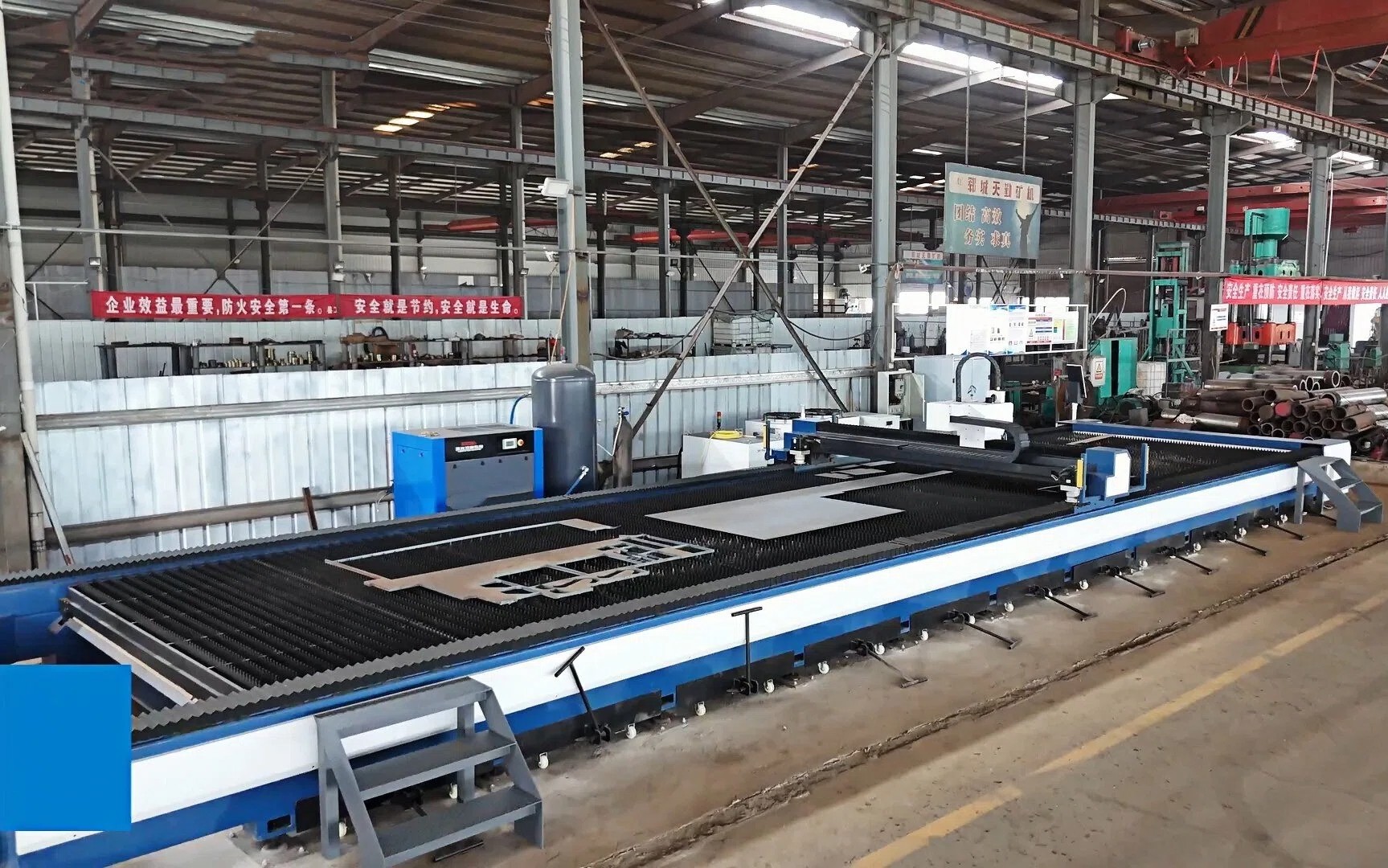
Choosing a Laser cutting machine for sheet metal work is rarely a simple price comparison.
The decision shapes cutting speed, edge quality, scrap rate, delivery stability, and operating cost over years of production.
In fabrication environments handling carbon steel, stainless steel, or aluminum, the right configuration matters more than headline power alone.
A practical evaluation should connect machine capability with actual sheet thickness, product mix, automation needs, and compliance expectations.
What a good selection process really means
A Laser cutting machine is not just a cutting source.
It is a production system that combines laser power, motion control, bed structure, software, gas management, safety design, and service support.
For sheet metal work, selection should begin with the parts being produced every week, not with the supplier brochure.
Thin stainless decorative panels, electrical cabinets, structural brackets, and heavy industrial plates demand different cutting behavior.
That is why the best machine on paper may still be the wrong fit on the shop floor.
Industry pressures behind the decision
Sheet metal processing is under pressure from shorter lead times and tighter quality tolerance.
Buyers are also expected to control energy consumption, labor intensity, and maintenance exposure.
This is where a Laser cutting machine stands out against slower or less flexible thermal cutting methods.
It supports fast changeovers, repeatable nesting, cleaner contours, and better integration with digital production planning.
More importantly, it can reduce secondary finishing when settings and machine quality are matched correctly.
Start with material, thickness, and part geometry
The first filter is always the workpiece profile.
Material type affects reflectivity, heat input, assist gas choice, and achievable edge condition.
Thickness determines whether speed, kerf stability, and pierce performance stay within acceptable production limits.
Part geometry matters just as much.
Fine holes, narrow slots, and dense nesting patterns place different demands on beam quality and motion response than large outline cutting.
Power rating is important, but it is not the whole answer
Many decisions become distorted by a single question: how many kilowatts?
Higher power can improve cutting speed on thicker plate, but it also changes capital cost, electrical load, and gas consumption.
For routine sheet metal production, excessive power may never generate a meaningful return.
A more useful approach is to compare tested performance on your real material list.
Request sample cuts with the same thickness, hole pattern, and required edge appearance.
Then look at consistency across a full shift, not only at best-case demonstration speed.
Questions worth asking during comparison
- What is the stable cutting speed on common thicknesses?
- How much dross appears on lower edges?
- How often does pierce quality fail on small holes?
- How much parameter adjustment is needed between jobs?
- What are the actual consumable replacement intervals?
Machine structure, control, and software often decide long-term value
A Laser cutting machine performs well only when the mechanical platform remains stable.
Frame rigidity, guide quality, servo response, and thermal behavior all affect repeatability.
This becomes visible when the machine runs mixed jobs continuously rather than isolated samples.
Control software also deserves close attention.
Reliable nesting, parameter libraries, remote diagnostics, and production data tracking reduce avoidable downtime.
If the operation includes upstream and downstream equipment, compatibility becomes part of the buying decision.
For example, sheet metal lines often combine laser cutting with bevel preparation, deburring, bending, or welding.
In heavy fabrication, a matched workflow may include an Edge milling machine for straight flanges, beveled edges, or U, V, and K groove preparation before welding.
That matters in pressure vessels, boilers, shipbuilding, electric power, and chemical engineering, where edge accuracy supports weld quality and rework control.
Compliance, reliability, and supplier depth
The machine itself is only one part of the procurement risk.
Documentation, electrical safety, component traceability, and after-sales support influence real ownership cost.
Suppliers with international project experience usually understand shipment protection, installation planning, and certification expectations more clearly.
Wuxi Samgins International Trade Co.,Ltd has worked in mechanical equipment sales since 2012, with exports across Southeast Asia, Europe, the Americas, and Oceania.
Its product scope covers laser systems, welding equipment, CNC machine tools, milling equipment, forming machines, and related sheet metal solutions.
That broader equipment background can be useful when the Laser cutting machine must fit into a complete fabrication process.
ISO9001-oriented production control and EU CE alignment are also practical checkpoints when evaluating supplier discipline.
Look beyond purchase price to operating economics
Initial cost is visible.
Operating inefficiency is slower and often more expensive.
A Laser cutting machine should be judged by total cost across power use, assist gas, consumables, maintenance hours, operator training, and scrap reduction.
Material utilization can significantly change the business case.
Better nesting and fewer rejected parts may justify a higher purchase price more quickly than speed alone.
The same thinking applies to supporting equipment.
When edge preparation is needed after cutting thick plates, equipment with adjustable bevel angles from 0° to 90° and feeding speeds from 0.13 to 1.0 m/min can reduce manual intervention and improve consistency.
Systems designed for 6–80 mm or even 6–400 mm workpieces are especially relevant in general machinery manufacturing and heavy plate processing.
A practical way to compare options
A structured comparison avoids being guided by one attractive specification.
Shortlisting becomes clearer when the same criteria are applied to every supplier.
- Map your top materials, thicknesses, monthly volume, and tolerance demands.
- Request sample cutting on real drawings instead of generic patterns.
- Compare uptime assumptions, not only rated speed.
- Check software usability, training scope, and spare part access.
- Review compliance documents and exported project references.
- Estimate total cost per part over the expected service life.
Where the decision should go next
The right Laser cutting machine is the one that matches production reality with the fewest hidden compromises.
That usually means balancing cut quality, speed, automation, serviceability, and process compatibility across the full sheet metal workflow.
Before moving forward, it is worth turning internal demand into a measurable checklist.
Compare machines against real jobs, likely growth, and required downstream operations.
A careful review at this stage makes later capacity planning, supplier comparison, and equipment integration far more dependable.
search
Products Navigation
Send Us A Message