




Inside a Hydraulic Shearing Machine Factory: What Buyers Should Check During an Audit
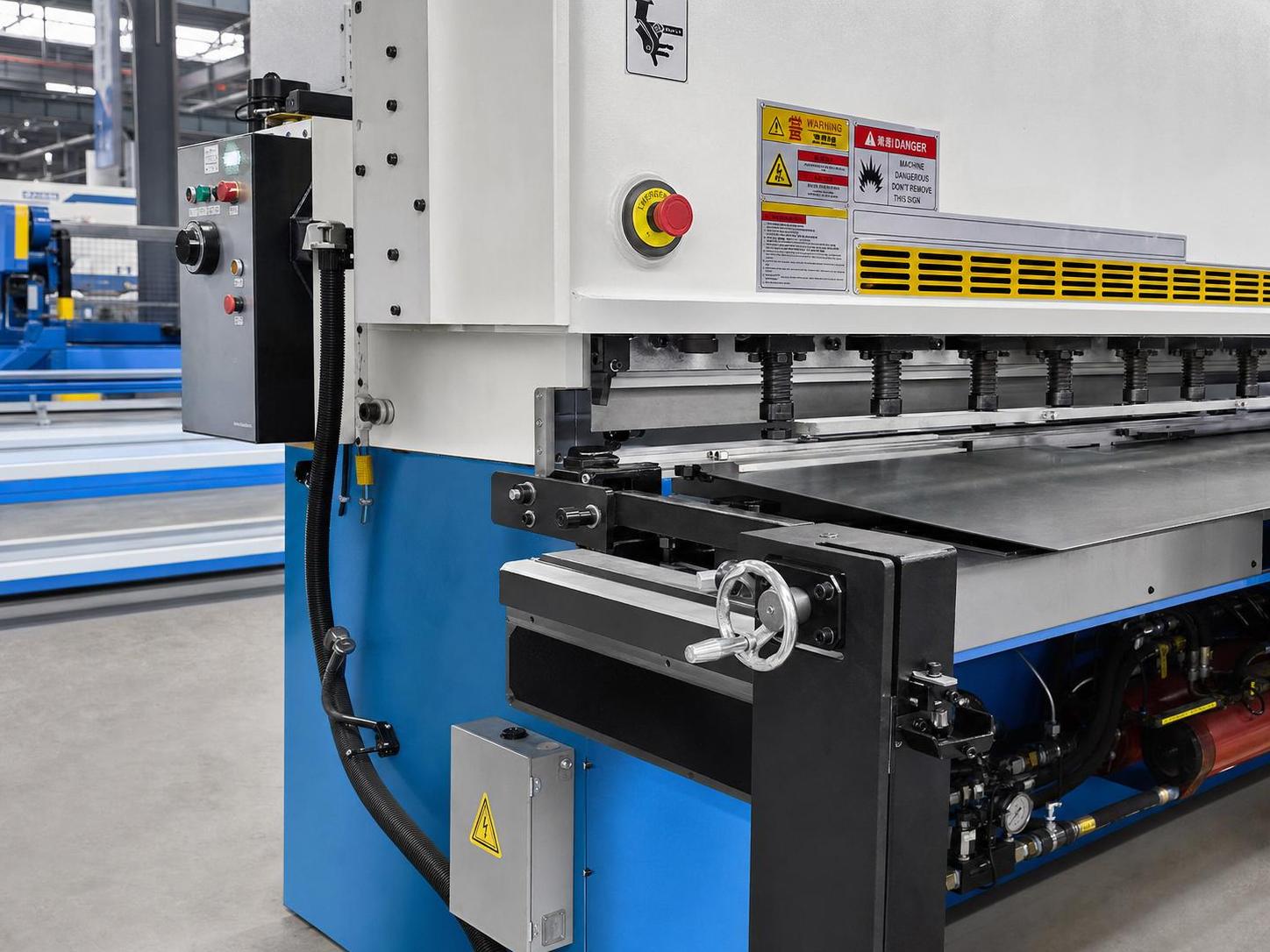
A factory audit is where assumptions about a hydraulic shearing machine factory become measurable facts. The visit is not only about confirming capacity. It is about checking whether machine quality, safety control, and production discipline are stable enough for real operating conditions.
In metal fabrication, a shearing machine sits close to the start of the process. If frame accuracy, blade condition, hydraulic stability, or guarding standards are weak, downstream bending, welding, and assembly quality usually suffer. That is why an audit matters before orders scale.
For companies sourcing from China or comparing multiple suppliers, the strongest signal often comes from what happens inside the workshop. Documents matter, but process control, testing habits, and safety behavior reveal whether a hydraulic shearing machine factory can deliver consistent results over time.
Why factory audits matter in shearing equipment sourcing
Hydraulic shearing machines are widely used for sheet metal cutting, line preparation, structural steel work, and general fabrication. Their performance affects edge straightness, burr control, material waste, and operator exposure to risk.
A reliable hydraulic shearing machine factory should show more than finished machines. It should show controlled welding of frames, traceable incoming materials, calibrated testing tools, and repeatable assembly methods.
This is especially relevant when orders involve CE expectations, ISO9001-based quality systems, or export projects with strict documentation. A supplier may look capable online, but an audit reveals whether shop-floor execution matches those claims.
What the shop floor should tell you immediately
The first walkthrough often provides the clearest impression. A well-run hydraulic shearing machine factory usually has marked work zones, visible material flow, controlled storage, and machine assemblies positioned in a logical sequence.
Look at frame fabrication first. Shearing machine rigidity depends heavily on the base and side frame structure. Poor weld appearance, irregular grinding, or signs of distortion can point to long-term cutting accuracy problems.
Then check raw material handling. Plates, cylinders, valves, motors, and electrical components should be identified and protected. If key parts are mixed without labeling, traceability becomes weak very quickly.
- Observe whether production drawings are available at each station.
- Check if operators follow written assembly or inspection standards.
- Notice whether rejected parts are isolated from approved parts.
- Confirm that measuring tools are stored and handled correctly.
Core technical points inside a hydraulic shearing machine factory
A practical audit should move from appearance to function. The most useful questions are tied to performance stability, not only to catalog specifications.
Frame, blade, and backgauge accuracy
The frame must remain stable under load. Ask how welding stress is managed and whether heat treatment or vibration aging is used. If the answer is vague, inspect dimensional records carefully.
Blade material, hardness control, and blade clearance adjustment deserve close attention. Uneven clearance can create poor edges, excess burr, and premature blade wear.
Backgauge repeatability should be verified with actual measurements. A machine can look modern yet still show unacceptable positioning deviation during repeated cycles.
Hydraulic and electrical systems
A hydraulic shearing machine factory should explain the source of pumps, valves, seals, and cylinders. Leakage control, pressure stability, and hose routing are basic checks, but they also indicate maintenance maturity.
In the control cabinet, wiring should be clean, labeled, and protected. Components should match the bill of materials. Loose routing or undocumented substitutions create service problems later.
Functional testing under load
No audit is complete without witnessing a cutting test. Ask to see the machine cut material close to the promised range. Check edge quality, stroke smoothness, noise level, and operator visibility.
If possible, request repeated cuts at different thicknesses. Consistency across cycles matters more than one successful demonstration.
Safety checks should be visible, not theoretical
A hydraulic shearing machine factory may present safety manuals and certificates, but real safety culture appears in daily behavior. Emergency stop buttons should be accessible. Guards should be installed correctly. Lockout practices should be understood on site.
Foot switches, hold-down systems, blade zone barriers, and electrical grounding deserve direct inspection. Poor cable routing, missing covers, or bypassed interlocks are serious warning signs.
Also review the testing area. Trial operation spaces should be organized enough to prevent incidental exposure during cutting, lifting, and commissioning work.
Management systems and documentation behind the machines
A capable hydraulic shearing machine factory supports workshop output with disciplined records. That includes incoming inspection reports, process inspection sheets, final test records, and nonconformance handling.
Suppliers with export experience usually understand this well. Wuxi Samgins International Trade Co., Ltd., established in 2012 in Wuxi, works across metalworking equipment categories and organizes production according to ISO9001 and EU CE requirements.
That broader equipment background matters because fabrication lines are connected. A factory familiar with shearing machines, bending machines, rolling machines, CNC cutting systems, and H-beam equipment often understands how one machine affects the next process.
During an audit, ask for sample records rather than verbal promises. Trace one machine from material receipt to final test. If the trail is incomplete, repeatability may depend too heavily on individual experience.
Looking beyond the single machine
A shearing machine is often part of a wider fabrication workflow. That is why buyers should also check whether the supplier understands upstream and downstream integration.
For example, in steel structure production, cutting quality influences fit-up, welding efficiency, and rework rates. Suppliers active in welding and beam processing usually see these interactions more clearly.
One useful reference is T type gantry h beam welding machine. In structural fabrication, equipment like this relies on accurate material preparation before welding begins.
Its applications include bridges, buildings, ships, heavy machinery, and high-speed railway projects. Features such as automatic tracking, simultaneous welding in one pass, and controlled speed adjustment show how downstream automation depends on stable upstream cutting quality.
That perspective helps during a hydraulic shearing machine factory audit. You are not only evaluating one asset. You are checking whether the supplier understands process continuity across fabrication stages.
Practical warning signs during an audit
Some issues are easy to miss because the machine still looks complete. Several warning signs deserve immediate attention.
- Testing is demonstrated only without material.
- Critical parts have no brand, source, or inspection records.
- Operators cannot explain adjustment steps clearly.
- Safety devices are present but disconnected during testing.
- Different machines on the floor show inconsistent assembly standards.
- Inspection forms exist, but values are missing or copied.
When several of these appear together, the risk is usually systemic rather than accidental.
How to turn audit results into a sourcing decision
The best audit outcome is not a simple pass or fail. It is a structured comparison of technical risk, safety maturity, documentation quality, and support capability.
After visiting a hydraulic shearing machine factory, organize findings under four headings: machine performance, safety compliance, process control, and corrective responsiveness. This makes supplier comparison more objective.
If the factory shows strong fundamentals but minor gaps, ask for a corrective action plan with deadlines and evidence. If basic testing, traceability, or safety controls are weak, further negotiation rarely fixes the deeper problem.
A careful audit gives the next step more clarity. Review actual production needs, confirm required standards, and compare suppliers by what they can prove on the floor, not only by what they promise in a quotation.
search
Products Navigation
Send Us A Message