




Laser Cutting Machine Maintenance Tips to Reduce Unexpected Downtime
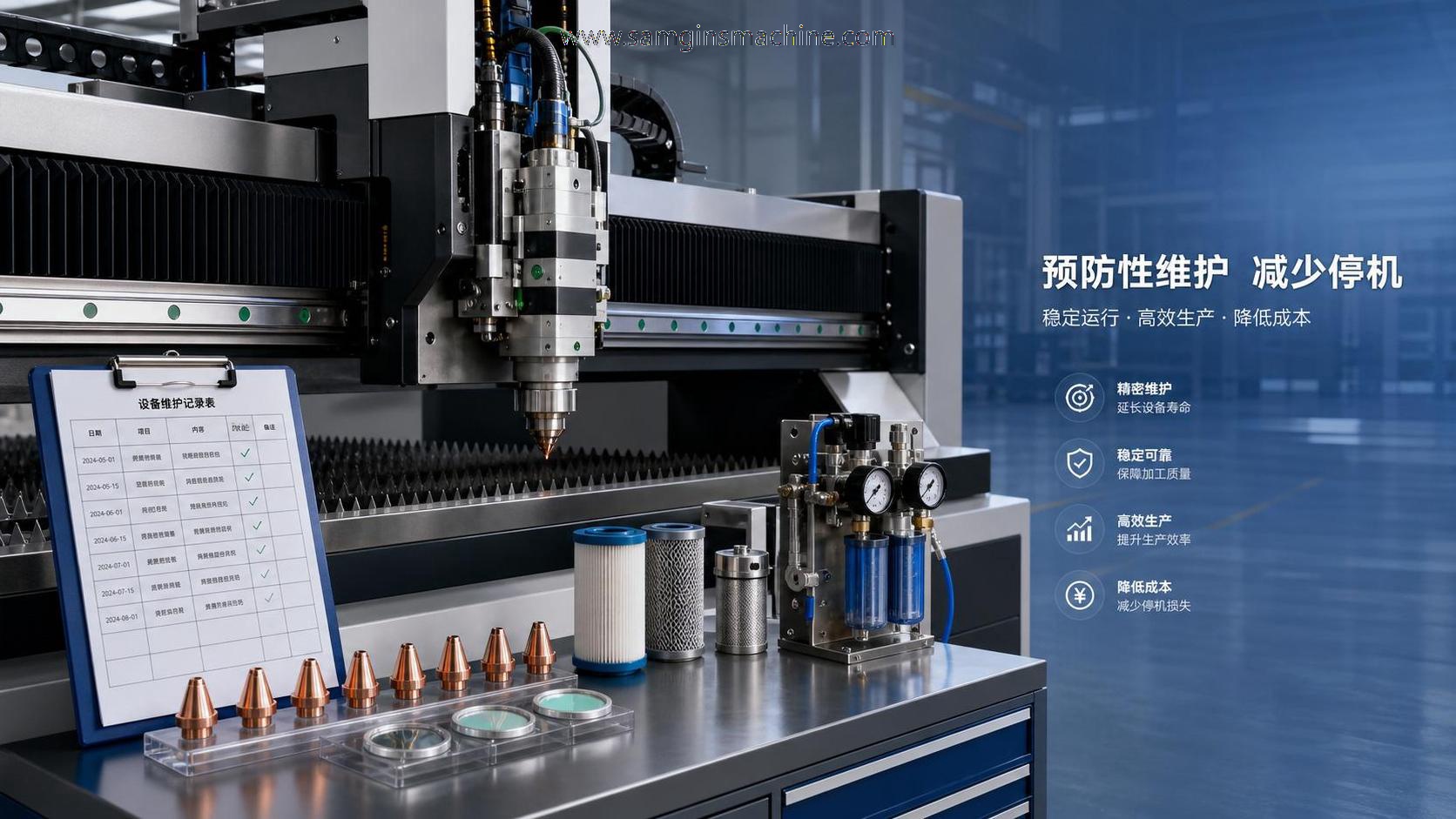
Laser Cutting Machine Maintenance Tips to Reduce Unexpected Downtime
Unexpected downtime can disrupt production schedules, increase maintenance costs, and reduce the efficiency of any Laser cutting machine.
Practical maintenance habits make a direct difference.
When routine checks are skipped, small faults often become urgent shutdowns.
A stable Laser cutting machine depends on clean optics, healthy motion parts, steady gas supply, and reliable electrical control.
This guide focuses on clear, workable actions for daily industrial operation.
The goal is simple: reduce unplanned stops, protect cutting quality, and extend machine service life.
Build a Maintenance Routine Before Problems Appear
Many Laser cutting machine failures begin with inconsistent inspection routines.
A fixed schedule helps teams catch wear early.
In practice, daily checks should be quick, visual, and easy to repeat.
Weekly and monthly checks can go deeper into alignment, lubrication, and electrical stability.
A useful routine often includes:
- Checking nozzle cleanliness and damage before each shift.
- Inspecting protective lenses for dust, burns, or residue.
- Confirming assist gas pressure stays within process requirements.
- Listening for unusual sounds from guides, motors, and fans.
- Reviewing alarm logs instead of clearing them without analysis.
The main point is consistency.
A short checklist followed every day is more effective than a perfect plan ignored for two weeks.
Keep Optical Components Clean and Stable
Optics are one of the most sensitive parts of a Laser cutting machine.
Even light contamination can reduce beam quality and cut consistency.
That usually shows up as rough edges, weak penetration, overheating, or frequent alarms.
Protective windows and focusing lenses should be inspected under proper light.
If surface marks remain after approved cleaning, replacement is safer than continued use.
A few practical rules help:
- Use lint-free materials and recommended cleaning liquid only.
- Avoid direct hand contact with optical surfaces.
- Store spare lenses in dry, sealed packaging.
- Replace damaged nozzles before they affect centering.
Nozzle centering also matters more than many teams expect.
If the beam and nozzle are not aligned, gas flow becomes unstable and cut quality drops quickly.
Protect the Motion System From Dust and Wear
A Laser cutting machine works in a harsh environment.
Metal dust, vibration, and heat can shorten the life of rails, racks, bearings, and servo parts.
When movement becomes uneven, cutting accuracy suffers first.
Unexpected downtime usually follows.
To reduce that risk, inspect the transmission system carefully.
- Clean linear guides and rack surfaces at planned intervals.
- Use the specified lubricant and avoid over-greasing.
- Check belt tension or gear engagement for abnormal looseness.
- Watch for axis vibration during rapid travel.
- Verify repeat positioning accuracy after maintenance work.
Small alignment errors are easy to miss during busy production periods.
Still, they often explain recurring cut deviation or unstable edge quality.
This is why maintenance records should include axis corrections and part replacement dates.
Monitor Cooling, Gas, and Power Conditions
Stable utility systems keep a Laser cutting machine productive.
When cooling water, gas purity, or input voltage drifts, failures become much more likely.
Chiller maintenance deserves close attention.
Dirty filters, poor water quality, or unstable temperature control can damage the laser source.
Assist gas systems should also be checked for leakage, moisture, and pressure fluctuation.
A practical utility checklist includes:
- Confirming chiller temperature and flow match equipment settings.
- Cleaning or replacing chiller filters on schedule.
- Draining condensate from air preparation units where required.
- Checking oxygen, nitrogen, or compressed air purity.
- Measuring voltage stability during peak operating hours.
More obvious trouble signs include overheated cabinets, rising gas consumption, and random source alarms.
When those signs appear together, utility conditions should be checked before replacing expensive components.
Do Not Ignore Electrical and Control System Warnings
Many downtime events are blamed on mechanical issues first.
However, electrical instability is often the real cause.
Loose terminals, dirty cabinet filters, weak grounding, and failing sensors can all interrupt a Laser cutting machine.
Start with the basics.
Inspect electrical cabinets for dust buildup, damaged wiring insulation, and fan performance.
Then compare alarm history with actual machine behavior.
That helps separate a repeat fault from a one-time disturbance.
It also supports faster troubleshooting during urgent service calls.
In broader fabrication lines, reliable automation matters just as much.
For example, T type gantry h beam welding machine systems used in steel structure production rely on stable tracking, speed control, and coordinated motion.
The same maintenance discipline applies across cutting and welding equipment.
Use Spare Parts and Records More Strategically
A good maintenance program is not only about cleaning and checking.
It also depends on prepared spare parts and clear service records.
Without them, even simple Laser cutting machine repairs can take too long.
High-use consumables should always be stocked based on failure frequency.
That usually includes nozzles, protective lenses, filters, seals, and selected sensors.
For critical assemblies, replacement history is extremely useful.
Patterns become visible after several service cycles.
If one axis driver fails repeatedly, the root cause may be heat, vibration, or power quality.
Simple records should capture:
- Alarm code and time of occurrence.
- Material type, thickness, and gas used.
- Parts replaced and cleaning performed.
- Measured values such as pressure, temperature, and voltage.
- Final corrective action and follow-up result.
This approach saves time during repeat visits and improves repair accuracy.
Train for Early Signals, Not Just Major Failures
The most expensive downtime usually starts with small warnings.
These warnings may look minor during a busy shift.
Examples include slower piercing, slight burr increase, unstable arc-like marks, or rising chiller load.
When teams recognize these signs early, service becomes preventive instead of reactive.
That shift matters in any fabrication business.
Wuxi Samgins International Trade Co.,Ltd supplies mechanical equipment for global industrial users and works under ISO9001 and EU CE standards.
Across laser cutting, welding, and metal processing equipment, stable performance always depends on disciplined maintenance execution.
That is especially true where equipment uptime directly affects delivery schedules.
Final Practical Checklist for Reducing Laser Cutting Machine Downtime
To keep a Laser cutting machine running reliably, focus on repeatable basics.
- Inspect optics and nozzles every shift.
- Clean guides, cabinets, and filters on schedule.
- Monitor gas, cooling, and power conditions closely.
- Respond to alarms with records, not guesswork.
- Stock common consumables and track replacement history.
- Treat small quality changes as maintenance signals.
Unexpected downtime rarely comes from nowhere.
In most cases, the Laser cutting machine shows warning signs first.
The teams that inspect carefully, record accurately, and act early usually avoid the most disruptive failures.
That is the most practical way to protect uptime, cutting quality, and long-term equipment value.
search
Products Navigation
Send Us A Message