




What Is a Hydraulic Swing Beam Shear Machine and When Is It the Right Choice?
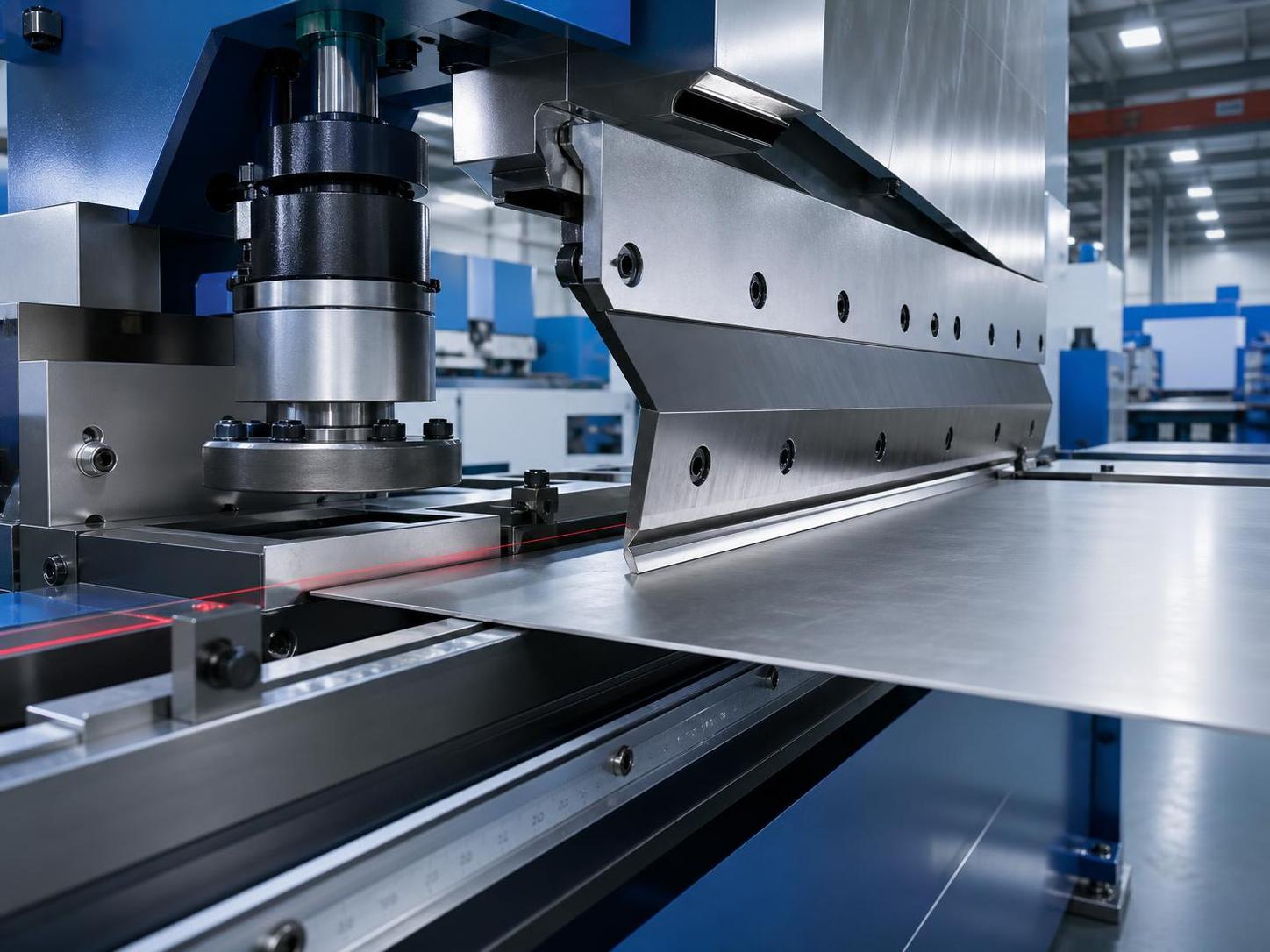
If you are comparing metal cutting equipment, a hydraulic swing beam shear machine is often one of the most practical options for efficient sheet metal processing. Known for stable cutting performance, simple operation, and cost-effective maintenance, it is widely used in fabrication workshops and manufacturing plants. But when is it the right choice for your production needs? Understanding its working advantages, ideal applications, and limitations can help you make a smarter equipment investment.
What Buyers Usually Want to Know First
When people search for a hydraulic swing beam shear machine, they usually are not looking for a textbook definition. They want to know whether this machine fits their material, budget, production volume, and quality requirements.
For most information-stage buyers, the core question is practical: is this the best shearing solution for routine sheet metal cutting, or should they consider a guillotine shear, laser cutter, or plasma system instead?
The short answer is this: a hydraulic swing beam shear machine is often the right choice when you need reliable straight-line cutting, solid daily throughput, easy operation, and lower investment than more advanced cutting technologies.
What Is a Hydraulic Swing Beam Shear Machine?
A hydraulic swing beam shear machine is a metal sheet cutting machine that uses hydraulic power to drive the upper blade in a swinging arc motion against a fixed lower blade.
This motion creates a shearing force that cuts carbon steel, stainless steel, aluminum, and other sheet materials into straight sections. It is widely used in metal fabrication, duct production, cabinet manufacturing, and general plate processing.
Compared with mechanical shears, hydraulic models offer smoother operation, more stable pressure, and better adaptability for different sheet thicknesses. Compared with higher-end shearing systems, they are usually easier to maintain and more affordable to purchase.
How the Working Principle Affects Real Production
Understanding the working principle matters because it explains both the strengths and the limits of this machine. The upper beam swings around a pivot, rather than moving in a perfectly vertical path.
This design reduces structural complexity and helps keep the machine durable and cost-effective. It also supports stable cutting for many standard fabrication tasks, especially where operators process mild steel sheets in repeated sizes.
Hydraulic clamping typically secures the sheet before cutting, while a backgauge helps position the workpiece accurately. Many modern machines also include blade gap adjustment, stroke control, and NC or CNC support.
In real factory use, these features matter more than theory. They influence cut consistency, operator efficiency, setup time, scrap rate, and the machine’s ability to support repeat jobs across multiple shifts.
Why Many Workshops Still Choose This Machine
A hydraulic swing beam shear machine remains popular because it covers the needs of a large percentage of sheet metal processors without forcing them into unnecessary capital cost.
Its first major advantage is operational simplicity. Many operators can learn the basics quickly, which reduces training time and helps smaller workshops become productive faster.
The second advantage is cost control. Purchase price, maintenance complexity, and spare-part requirements are generally more manageable than for more advanced cutting equipment used for wider process flexibility.
The third advantage is production reliability. For businesses that mainly cut straight strips, blanks, or panels, a swing beam shear often delivers dependable performance with less system complexity.
Another benefit is maintenance accessibility. Hydraulic systems and blade setups are familiar to many service teams, which helps reduce downtime and simplifies preventive maintenance planning.
When Is a Hydraulic Swing Beam Shear Machine the Right Choice?
This machine is the right choice when your work is dominated by straight cutting tasks and you do not need complex contours. It is especially suitable for workshops processing sheets in medium to high daily volumes.
If your company regularly cuts carbon steel plates for downstream bending, welding, rolling, or assembly, the machine can be a strong fit. It supports efficient preparation of parts before later fabrication steps.
It is also a good option when your business values lower total investment. Many manufacturers need dependable cutting capacity without moving immediately into the higher budget range of laser cutting systems.
Production environments with repeated dimensions also benefit. If your orders involve standard panels, strips, enclosures, support plates, or structural components, a backgauge-equipped shear can improve both speed and consistency.
For buyers building a practical production line, the best equipment mix often combines machines with different strengths. For example, after cutting and forming operations, structural fabrication may also require straightening equipment such as the YTJ-60B and YTJ-80B H beam straightening machine for H beam production workflows.
When It May Not Be the Best Option
A hydraulic swing beam shear machine is not ideal for every application. If you need intricate shapes, internal holes, or highly flexible contour cutting, laser or plasma equipment is usually more suitable.
It may also be the wrong choice if your product requires extremely tight edge quality across highly varied materials and thicknesses. In those cases, another cutting technology may offer better process control.
For very thick plates or applications demanding higher cutting precision across the full blade length, some buyers may prefer a hydraulic guillotine shear. That design offers different mechanical advantages for certain heavy-duty jobs.
Buyers should also evaluate downstream quality expectations. If the cut edge will be directly visible in a finished product, burr level, deformation control, and edge straightness should be examined carefully before purchase.
How to Judge If It Fits Your Production Needs
The best buying decision starts with your actual production data, not with general machine descriptions. Begin by listing your common materials, thickness range, sheet width, daily output, and acceptable cutting tolerance.
Next, review your order structure. Are most jobs repetitive and straight? Do you mainly cut blanks for bending or welding? If yes, a hydraulic swing beam shear machine may match your needs very well.
Then assess labor and workflow. If you want an operator-friendly machine with relatively fast setup and predictable daily performance, this type of shear usually offers a practical balance.
You should also calculate ownership cost beyond the machine price. Blade maintenance, hydraulic servicing, spare parts, electrical stability, and operator skill level all influence long-term value.
Finally, think about future expansion. If your business may move into more customized geometry or digital nesting, you should compare whether investing now in a different cutting process would better support your growth path.
Key Features Worth Paying Attention To
Not all machines on the market perform the same way. Buyers should look beyond basic capacity figures and focus on features that affect daily usability and cut quality.
Blade quality and blade gap adjustment are critical. Proper adjustment helps reduce burrs, protect blade life, and improve cutting results across different material thicknesses.
Backgauge accuracy also matters. A stable and repeatable backgauge improves part consistency, especially in batch production where dimensional repeatability affects downstream forming and assembly.
Hydraulic system stability is another important factor. A well-designed hydraulic circuit contributes to smooth beam movement, lower vibration, and more consistent cutting force over long operating periods.
Control system level should match your production style. Some users only need basic NC control, while others benefit from CNC programming, job memory, and easier parameter setting for recurring orders.
Frame rigidity, table support, hold-down design, and safety systems should also be reviewed carefully. These details often determine whether the machine performs well only on paper or performs reliably in real shop conditions.
Common Industries and Applications
This machine is widely used across many manufacturing sectors because straight sheet cutting is a common upstream process. Typical users include sheet metal workshops, electrical cabinet makers, and HVAC duct producers.
It is also common in agricultural machinery, light construction equipment, metal furniture, elevator component production, and general industrial fabrication where sheets are prepared for later welding or bending.
In larger factories, the machine often works as part of a broader processing chain. Sheets may be cut first, then moved to press brakes, rolling machines, welding stations, or automated assembly lines.
That is why many buyers evaluate not just the single machine, but the compatibility of the entire equipment layout. A supplier with broader fabrication equipment experience can often provide more useful guidance in this stage.
What About Accuracy, Productivity, and Edge Quality?
These are usually the three concerns that matter most in early equipment research. The answer depends on material type, thickness, blade condition, machine setup, and operator discipline.
In normal production, a hydraulic swing beam shear machine can provide good accuracy for standard fabrication work. It is not the highest-flexibility cutting method, but it is efficient for repeatable straight cuts.
Productivity is often one of its strongest points. For simple sheet preparation, the machine can process material quickly and with relatively low per-part handling effort.
Edge quality is generally suitable for many industrial applications, especially when the machine is properly adjusted and the blades are maintained. However, buyers with highly sensitive finish requirements should validate results using sample cuts.
How to Reduce Buying Risk
One of the best ways to reduce buying risk is to request sample cutting tests using your actual material. Standard brochures cannot fully show performance on your sheet grade, thickness, and dimensional requirements.
It is also useful to ask about machine configuration in detail, including motor brand, hydraulic components, electrical parts, control system, safety devices, and after-sales support scope.
Check whether the supplier understands your full process, not just the shearing stage. For instance, companies handling structural steel may also need line coordination with straightening, milling, or welding equipment.
In such cases, equipment planning may extend beyond one machine. For example, structural production users may compare shearing solutions together with systems like the YTJ-60B and YTJ-80B H beam straightening machine, which supports continuous flange straightening in H beam production lines.
Finally, evaluate certification, manufacturing quality control, and service responsiveness. For international buyers, stable documentation, CE-oriented design standards, and export experience are often just as important as machine specifications.
Final Verdict: Is It the Right Choice?
A hydraulic swing beam shear machine is the right choice when your factory needs efficient straight-line sheet cutting, dependable daily output, moderate investment, and straightforward maintenance.
It is especially suitable for businesses processing routine plate work before bending, welding, or assembly. For many fabrication shops, it offers one of the best balances between cost, simplicity, and production value.
It is less suitable when your work depends on complex shapes, highly variable part geometry, or premium edge requirements that call for another cutting method. That is why the best decision comes from matching machine capability to real production demands.
If you evaluate material range, tolerance expectations, throughput targets, and long-term process plans carefully, you will be in a much better position to decide whether a hydraulic swing beam shear machine is the practical investment your operation needs.
search
Products Navigation
Send Us A Message