




Hydraulic Guillotine Shear vs Swing Beam Shear: Differences, Advantages, and Best Use Cases
What A Hydraulic Guillotine Shear Is And How It Differs From A Swing Beam Shear
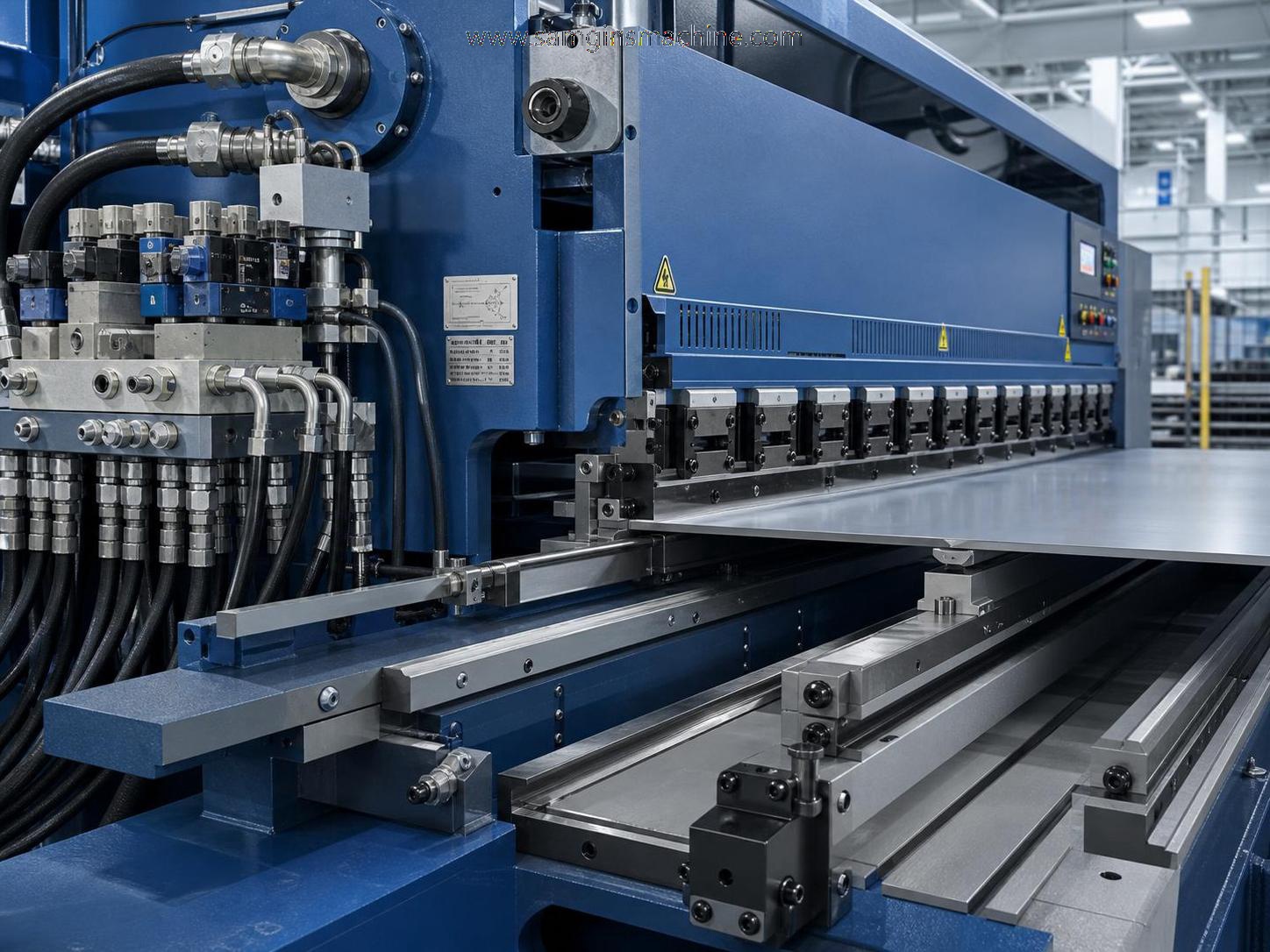
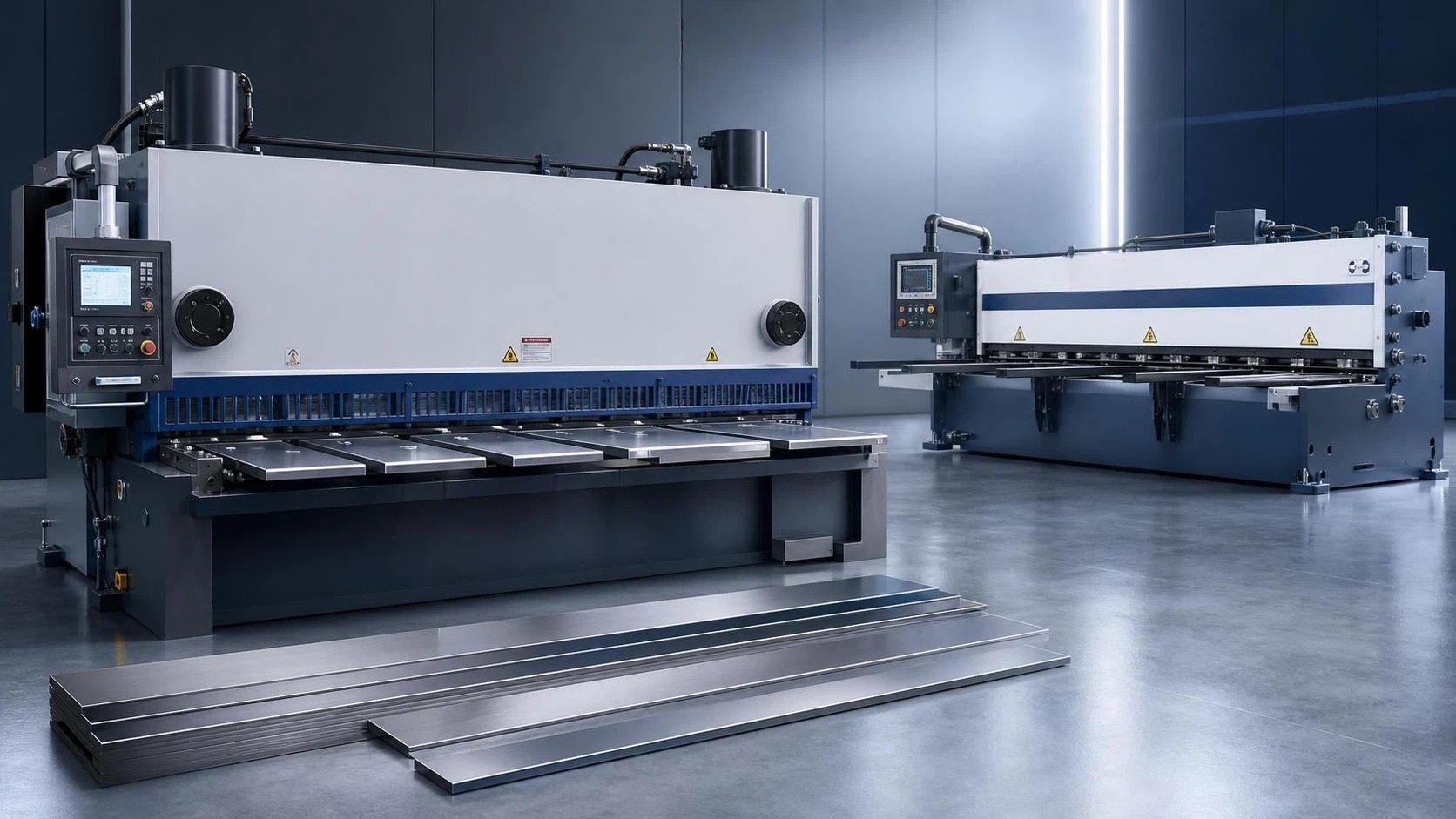
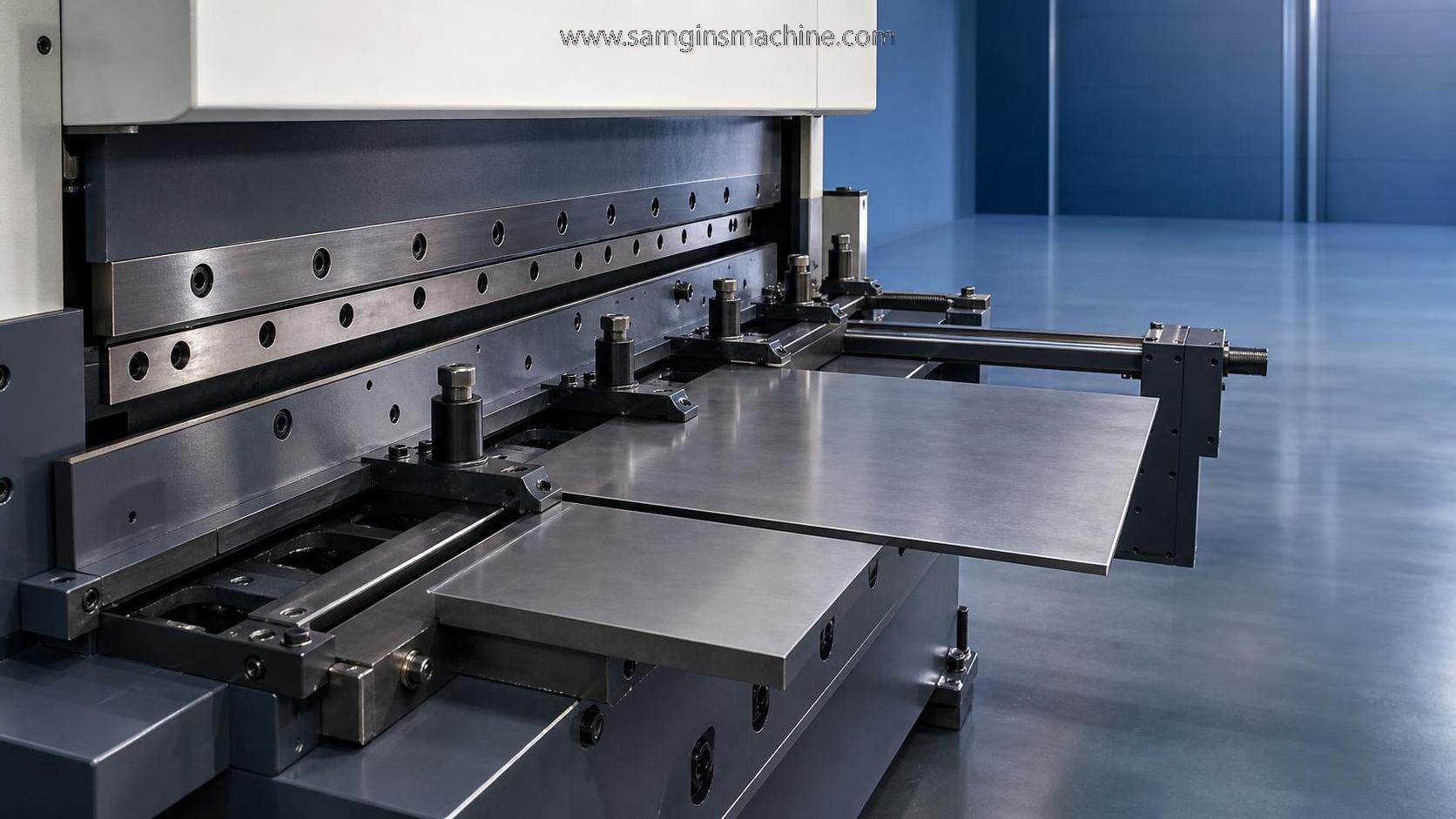
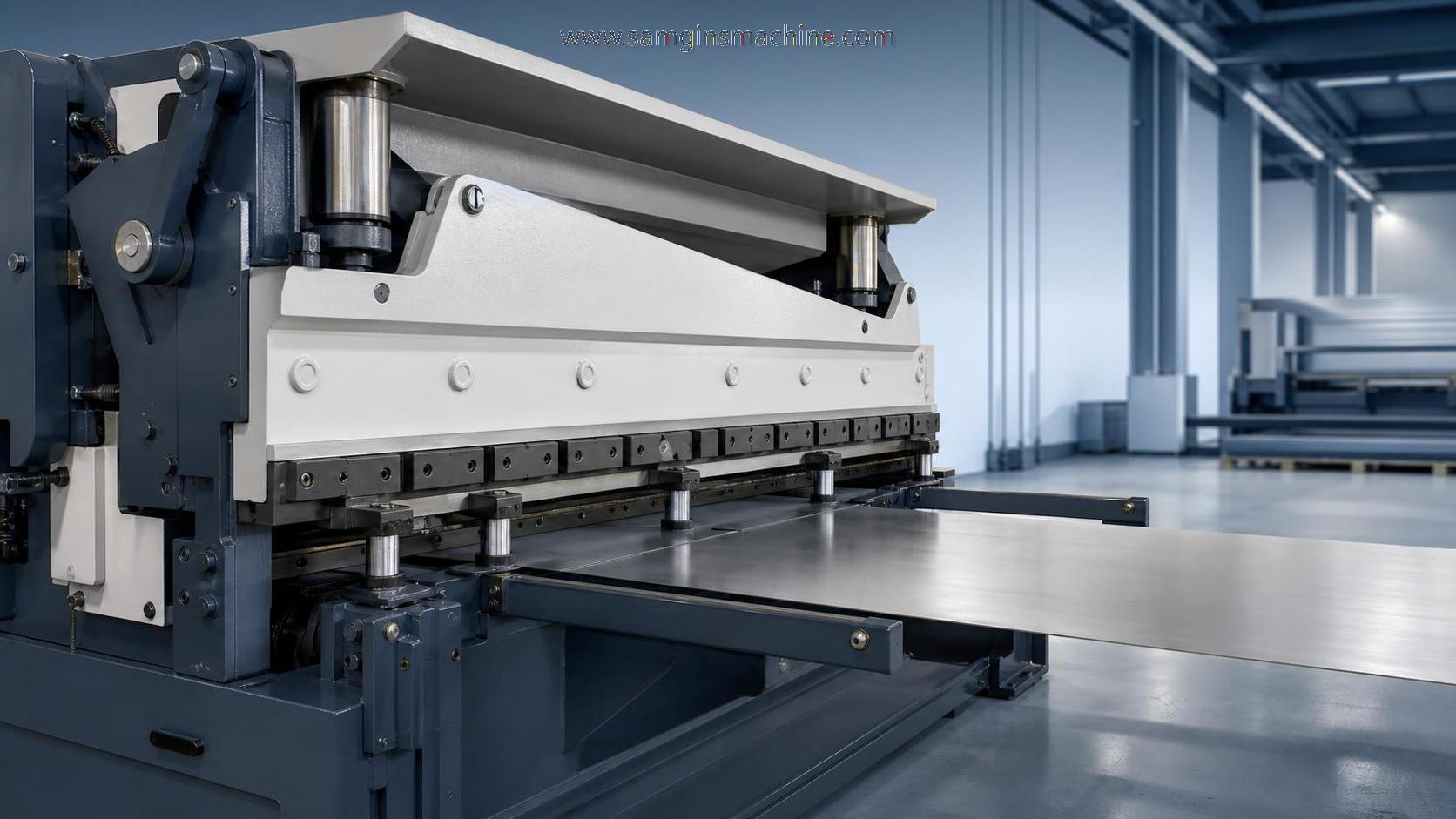
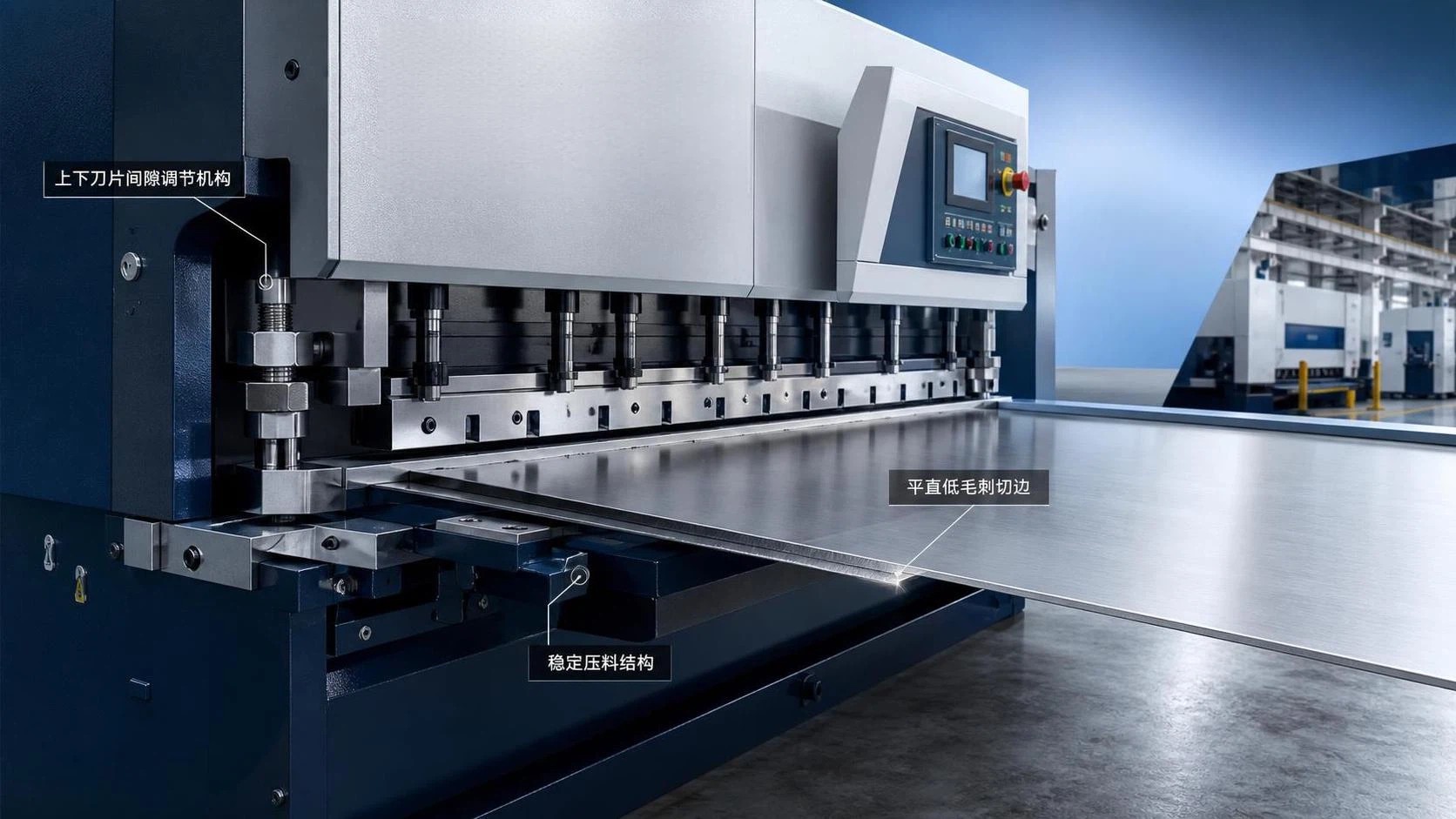
A hydraulic guillotine shear is a metal cutting machine designed to produce straight cuts on sheet and plate by driving the upper blade in a near-vertical path against a fixed lower blade. The frame, hydraulic cylinders, blade clearance system, hold-down devices, and backgauge work together to deliver repeatable cuts for carbon steel, stainless steel, aluminum, and other common fabrication materials.
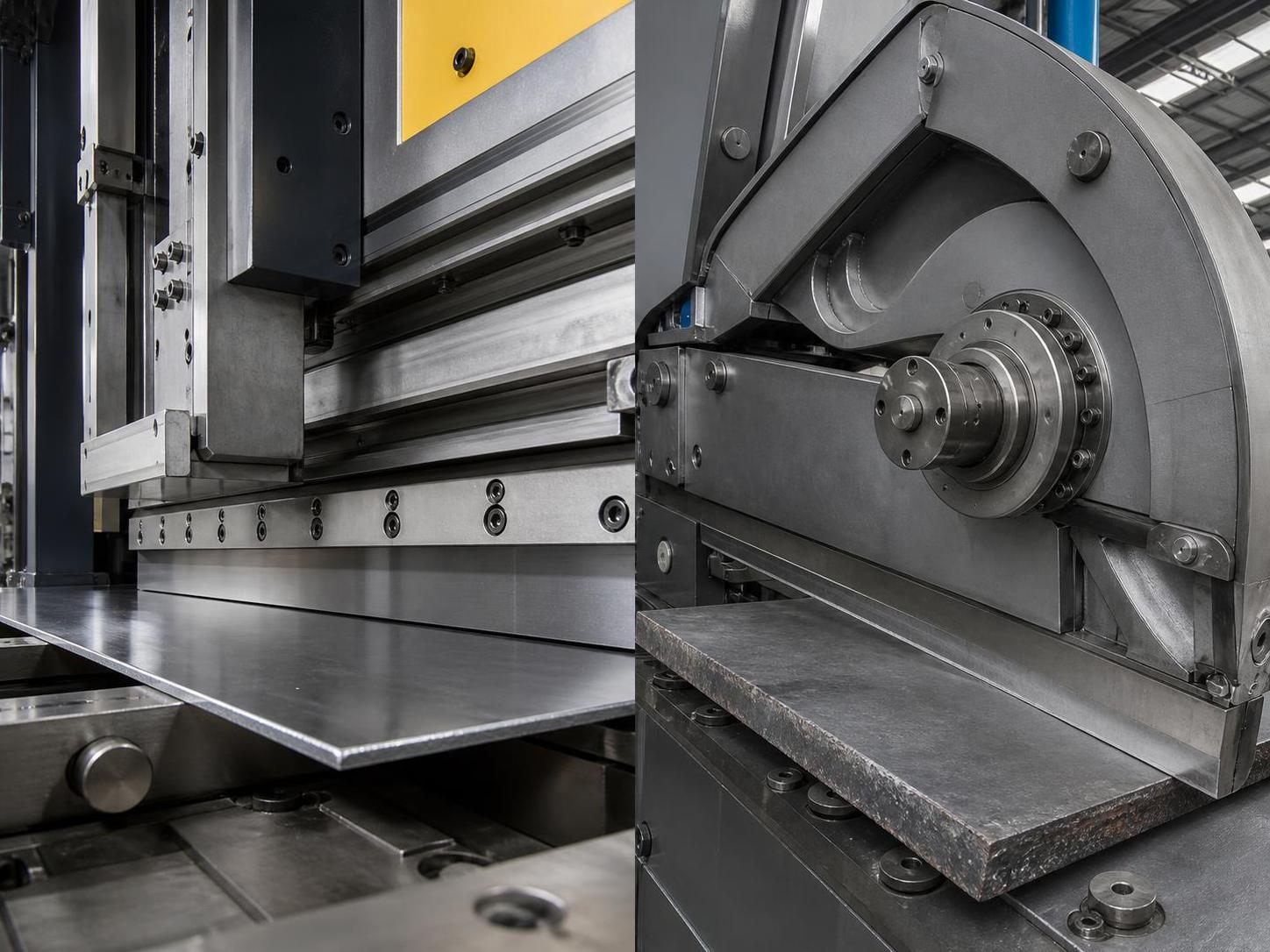
The key difference from a swing beam shear is the blade movement. In a hydraulic guillotine shear, the upper beam travels in a more linear motion, which helps maintain cutting geometry across the stroke. A swing beam shear uses a pivoting movement, so the blade arc changes the cutting angle slightly during operation. That design is simpler, but it can be less precise for demanding thickness ranges or tighter tolerance work.
From an industry standpoint, both machines belong to the shearing segment of sheet metal processing equipment, often positioned upstream of bending, rolling, welding, and assembly. Buyers in fabrication shops, pressure vessel plants, steel structure workshops, and machinery factories usually compare these two shearing types when balancing budget, edge quality, throughput, and material versatility.
For procurement teams, the comparison matters because the machine type affects scrap rate, downstream fit-up, operator workload, and maintenance planning. In practical terms, the right choice depends less on labels and more on product mix, daily cutting volume, thickness variation, and how critical consistent cut quality is to the rest of the manufacturing process.
Technical Principles, Blade Motion, And Cutting Performance
The operating principle of a hydraulic guillotine shear is based on hydraulic power transmission. Hydraulic cylinders drive the upper beam downward while hold-down cylinders clamp the sheet to reduce movement. The machine applies shear force through two opposing blades, separating the material once the stress exceeds the metal's shear strength. Proper rake angle and blade clearance are critical because they influence burr formation, distortion, and cutting force.
A guillotine structure is often favored for better control of blade clearance, especially on CNC or NC configurations where settings can be adjusted to match material thickness and type. This helps when a plant processes mixed orders, such as stainless steel in the morning and mild steel plate in the afternoon. Better clearance control generally means cleaner edges, more stable straightness, and reduced risk of damaging the blade set.
A swing beam shear relies on a beam rotating around a fixed pivot point. This can provide a robust and economical solution for general fabrication, but the arc path may make it less flexible when frequent changes in thickness, finish requirements, or tolerance expectations are involved. For many workshops cutting standard mild steel with moderate precision needs, a swing beam machine remains a practical option.
In performance terms, hydraulic guillotine shear machines are typically chosen when users want stronger repeatability, wider processing adaptability, and more confidence in edge condition before welding or bending. Swing beam shears often appeal to buyers who prioritize straightforward operation and lower initial complexity. Neither design is universally better in every case; the correct technical fit depends on the cutting task profile.
Main Types, Configurations, And Industry Classifications
In the market, a hydraulic guillotine shear is commonly classified by control level, cutting capacity, and application focus. Basic models may use manual or motorized backgauge adjustment for routine jobs, while NC and CNC versions offer programmable stroke length, blade gap, cutting angle, and backgauge positioning. These higher-control versions are more suitable for factories that process varied part sizes and need faster setup changeovers.
Another practical classification is by thickness and length capacity. Light and medium-duty machines are often used for HVAC panels, cabinets, and general sheet metal work. Heavy-duty machines serve shipbuilding support shops, structural steel processors, pressure vessel suppliers, and plate fabrication lines. The required tonnage, frame rigidity, and hydraulic system stability all rise with plate thickness and working length.
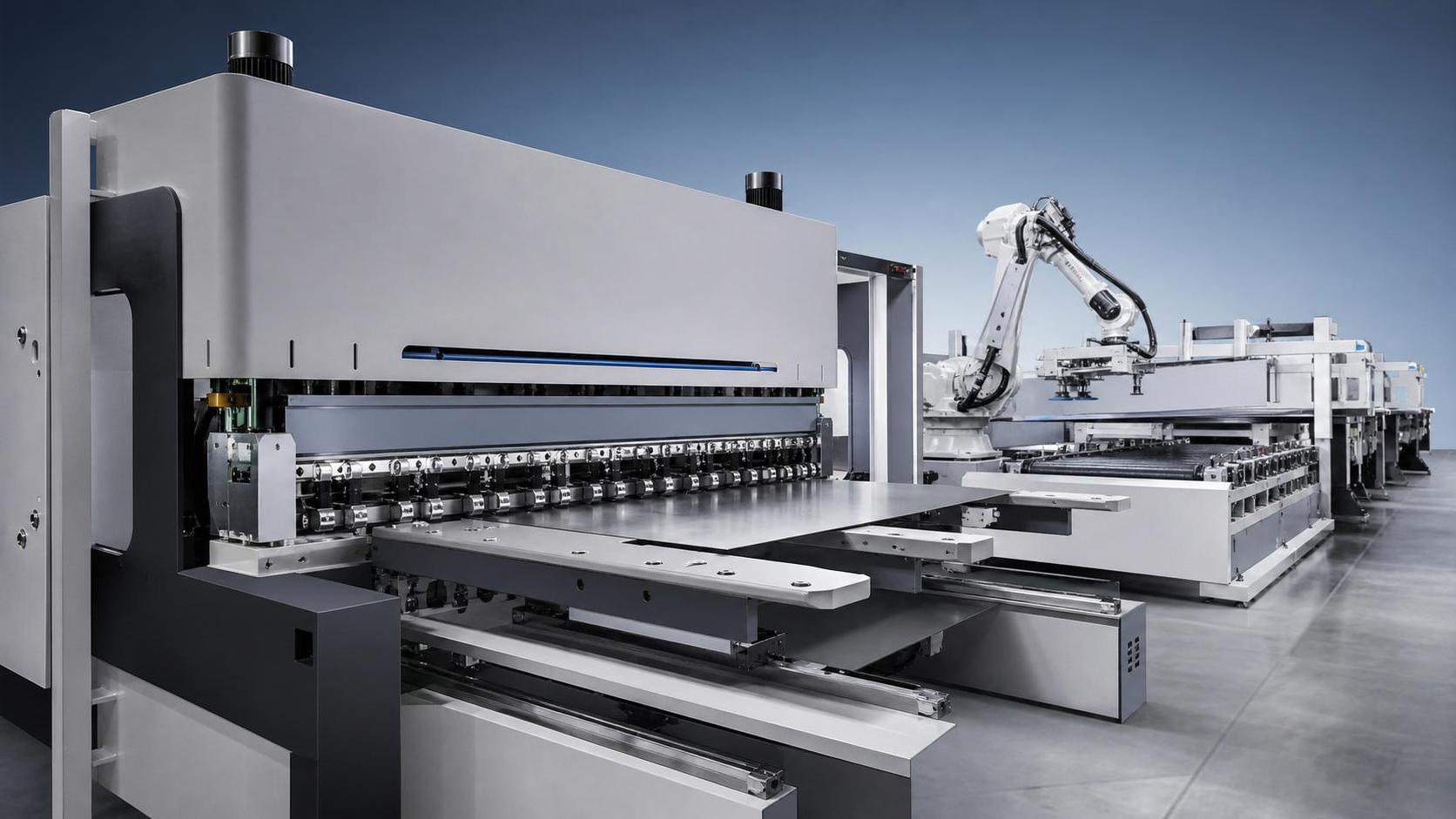
Shears can also be grouped by their role in a complete production line. A standalone machine may be enough for service centers or job shops. In contrast, integrated factories may combine a hydraulic guillotine shear with CNC fiber laser cutting machines, press brakes, plate rolling machines, edge milling machines, and welding systems to support more complete fabrication workflows. This is where a broad equipment supplier becomes commercially useful, because integration risk can be reduced.
Wuxi Samgins operates in this wider manufacturing and processing machinery context. Beyond shearing machines, the company supplies press brakes, plate rolling machines, CNC flame and plasma cutters, CNC fiber laser cutting machines, edge milling machines, welding robots, H-beam lines, leveling machines, and pipe processing equipment. For buyers building or upgrading a fabrication cell rather than sourcing a single asset, this broader portfolio can simplify technical coordination.
Why Buyers Choose A Hydraulic Guillotine Shear In Modern Fabrication
The main reason buyers move toward a hydraulic guillotine shear is process consistency. In fabrication environments where parts are later bent, seam welded, rolled, or assembled into tanks and structural components, cutting accuracy at the first stage affects everything downstream. Better edge condition can reduce correction work, improve fit-up, and help control production rhythm across the shop.
Another advantage is flexibility across material types and thickness ranges. A factory serving multiple sectors rarely cuts one material all day. They may alternate between low-carbon steel, stainless steel, and aluminum depending on customer demand. A hydraulic guillotine shear with adjustable clearance and controlled stroke offers more adaptability for this kind of mixed production than machines intended mainly for simpler, repetitive work.
For B2B buyers, the machine decision is also tied to labor efficiency and operator dependence. A well-configured hydraulic system, reliable backgauge, and clear control interface help reduce setup variability between shifts. That matters when lead times are tight and output quality must remain stable even as different operators handle different part batches throughout the week.
Wuxi Samgins positions its value around this broader operational logic. Its product range covers not only shearing but also bending, welding, drilling, blasting, and cutting equipment, which is relevant for factories seeking line compatibility. The company's stated use of imported hydraulic, servo, and CNC components in key systems is also meaningful for buyers who prioritize stability, precision, and machine service life over short-term purchase price alone.
Who Should Use Each Machine And Which Applications Fit Best
A hydraulic guillotine shear is generally the better fit for manufacturers that require tighter dimensional consistency, cleaner edges, and reliable performance across a broad material mix. Typical users include sheet metal fabrication companies, pressure vessel workshops, steel structure manufacturers, enclosure producers, machinery builders, and subcontractors that feed parts into automated or semi-automated production stages.
A swing beam shear often fits small to medium workshops focused on standard mild steel cutting, less demanding tolerance bands, and simpler job structures. For businesses with stable product dimensions and lower variation in thickness, the design can remain cost-effective and straightforward to run. It is commonly selected when the primary need is dependable general-purpose shearing rather than maximum adjustment flexibility.
Application context matters. If parts will be visible in the final product, require close weld seam preparation, or must enter precision bending operations, the consistency of a hydraulic guillotine shear usually adds value. If the cut part is a rough blank for later machining or forming, some users may accept the tradeoffs of a swing beam design. The intended downstream process should therefore drive the buying decision more than the machine category alone.
Suppliers serving tank, pipeline, steel structure, and sheet metal factories often need more than one machine class. Wuxi Samgins highlights customization capability in welding robots, long seam welding machines, and heavy-duty welding rotators, which suggests a practical understanding of these downstream sectors. For buyers building complete fabrication capability, pairing a hydraulic guillotine shear with compatible bending, rolling, and welding equipment can improve process continuity.
Standards, Quality Control, Installation, And Global Project Requirements
When selecting a hydraulic guillotine shear for international projects, buyers should review common compliance points such as electrical safety, machine guarding, documentation quality, and the consistency of hydraulic and control components. Depending on destination market and plant policy, expectations may include CE-related conformity for machinery, traceable quality management practices, and clear maintenance instructions for safe operation over the machine life cycle.
Quality control should cover frame welding integrity, blade material and machining accuracy, cylinder synchronization, backgauge repeatability, clamp performance, and test cutting before shipment. Installation planning should also include foundation readiness, power supply matching, hydraulic oil specification, operator training, and a blade inspection routine. Buyers who treat installation as a technical project rather than a simple delivery step usually see better startup results.
Wuxi Samgins states that its machines comply with ISO9001 quality system requirements and EU CE Machinery and LVD directives, and that it has export experience of more than 10 years. The company also notes familiarity with ASME, API, and local industry codes. For export buyers in fabrication sectors linked to pressure equipment, pipelines, or structural projects, that background can be useful during specification review and document alignment.
Its customer list, including companies such as URALSTANKOIMPORT, MD Calbah Industries Pty Ltd, Ersay International Transport, Zein Steel Industries Co. LLC, and Lincoln Electric-MENA, indicates cross-border commercial experience across different industrial environments. While each buyer still needs to verify project-specific requirements, such references help show that the supplier is accustomed to global communication, technical clarification, and after-sales coordination.
How To Select The Right Machine Based On Capacity, Accuracy, And Workflow
The first selection factor is material range. Buyers should define the maximum and most frequent thickness, sheet width, tensile strength, and material type. A machine sized only for peak thickness may be technically sufficient but inefficient for daily production if most jobs are lighter gauge. Conversely, underestimating the effect of higher-strength material can result in reduced cut quality and faster wear.
The second factor is accuracy expectation. If the production flow depends on precise blanks for press brake forming, robotic welding, or edge preparation, a hydraulic guillotine shear usually makes more sense because adjustment and cutting geometry can be controlled more closely. Buyers should review backgauge accuracy, blade clearance adjustment method, stroke control, and whether the control system supports recipe storage for recurring parts.
The third factor is workflow integration. A standalone job shop may only need basic shearing with manual support tables. A higher-output plant may need front support, pneumatic sheet support, squaring arm, conveyor options, or coordinated downstream equipment such as press brakes and rolling machines. The machine should be chosen in relation to actual material handling, not in isolation from the rest of the line.
The fourth factor is supplier capability. Technical response speed, spare parts planning, commissioning guidance, and willingness to adapt machine configuration often affect long-term satisfaction more than brochure specifications. Because Wuxi Samgins supplies a wide set of fabrication machines and offers customized solutions in related equipment categories, it may suit buyers that prefer one supplier capable of supporting broader production planning rather than a single transaction.
Maintenance Cycles, Operating Cost, And Total Cost Of Ownership
A sound purchase decision should look beyond initial machine price and consider total cost of ownership. For a hydraulic guillotine shear, the major cost elements usually include the machine itself, freight, installation, operator training, hydraulic oil, electricity, blade maintenance, spare parts, downtime risk, and eventual control or component replacement. These costs vary widely depending on production intensity and maintenance discipline.
Routine maintenance generally includes hydraulic oil checks, seal inspection, blade edge monitoring, hold-down function verification, backgauge calibration, lubrication of moving parts, and electrical cabinet cleaning. The exact cycle depends on usage hours, material type, and ambient conditions, but buyers should expect regular preventive work rather than reactive repair. Preventive maintenance is usually less expensive than lost production caused by unplanned stoppage.
Return on investment often improves when the machine reduces scrap, rework, and downstream alignment issues. A hydraulic guillotine shear may cost more upfront than a simpler alternative, yet the gain can appear in faster setup, better cut consistency, and fewer quality interruptions. Buyers should quantify savings in labor time, rejected parts, and post-cut correction rather than comparing equipment only on purchase quotation.
After-sales structure matters here. Wuxi Samgins emphasizes long-term warranties and support covering design, manufacturing, sales, after-sales service, and technical assistance. For overseas buyers, this matters because delivery is only one phase of the investment. Access to troubleshooting support, component clarification, and spare parts coordination can materially affect the real lifetime cost of operating a shearing machine.
Future Trends And The Best Use Cases For Each Shear Type
The future of sheet metal shearing is moving toward smarter controls, easier parameter setting, improved energy efficiency, and tighter integration with digital fabrication workflows. Buyers increasingly expect programmable backgauges, clearer HMIs, faster changeovers, and better compatibility with CAD-driven production planning. In this environment, the hydraulic guillotine shear remains attractive because it aligns well with higher precision and broader material adaptability.
At the same time, swing beam shears will continue to have a place in workshops where product mix is stable, tolerance demands are moderate, and budget discipline is strict. The market is unlikely to eliminate either design because they solve different production problems. The real trend is not replacement of one type by the other, but more careful matching of machine architecture to the buyer's actual operating model.
As fabrication lines become more connected, buyers also tend to evaluate upstream and downstream equipment together. A plant investing in shearing may also compare laser cutting, press braking, rolling, welding automation, and beam processing in the same capital planning cycle. This is one reason a supplier with coverage across several process steps can be strategically useful during expansion or factory modernization.
In practical terms, the best use case for a hydraulic guillotine shear is a production environment that values repeatability, mixed-material flexibility, and dependable cut quality for subsequent fabrication stages. The best use case for a swing beam shear is stable, general-purpose cutting where simplicity and capital efficiency come first. Buyers comparing the two should focus on production reality, technical fit, and long-term operating value rather than choosing by price alone.
search
Recommended Products
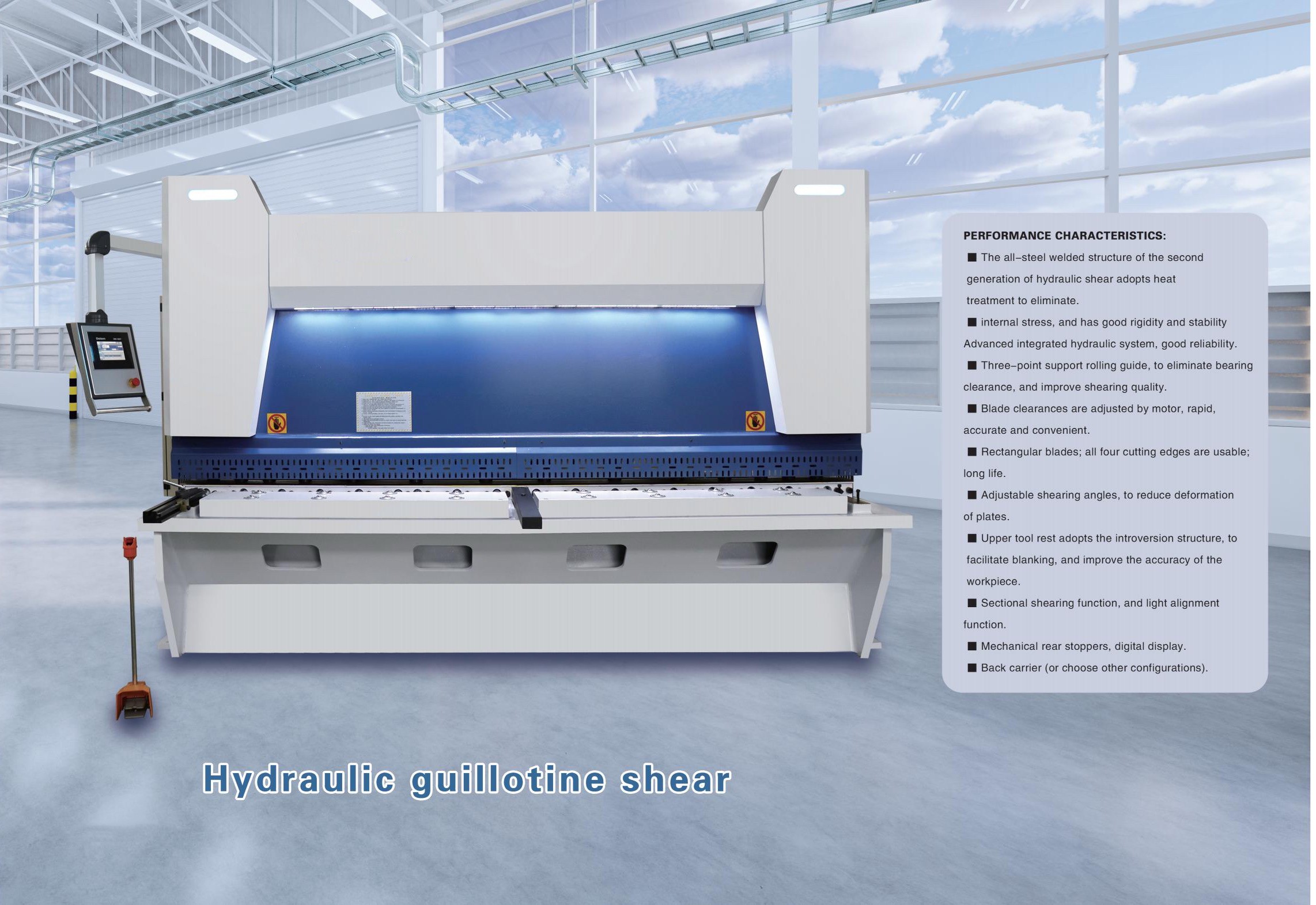
 Hydraulic guillotine shearA shearing machine is a machine that uses one blade to perform reciprocating linear motion to shear the sheet metal. It relies on the moving upper blade and the fixed lower blade, with a reasonable blade gap, to apply shear force to various thicknesses of metal sheets, causing the sheets to break and separate according to the required dimensions. Shearing machines belong to a type of forging machinery and are mainly used in the metal processing industry. The products are widely applicable to industries such as aviation, light industry, metallurgy, chemical industry, construction, shipbuilding, automobiles, power, electrical appliances, and decoration, providing the necessary specialized machinery and complete equipment.
![星星1]()
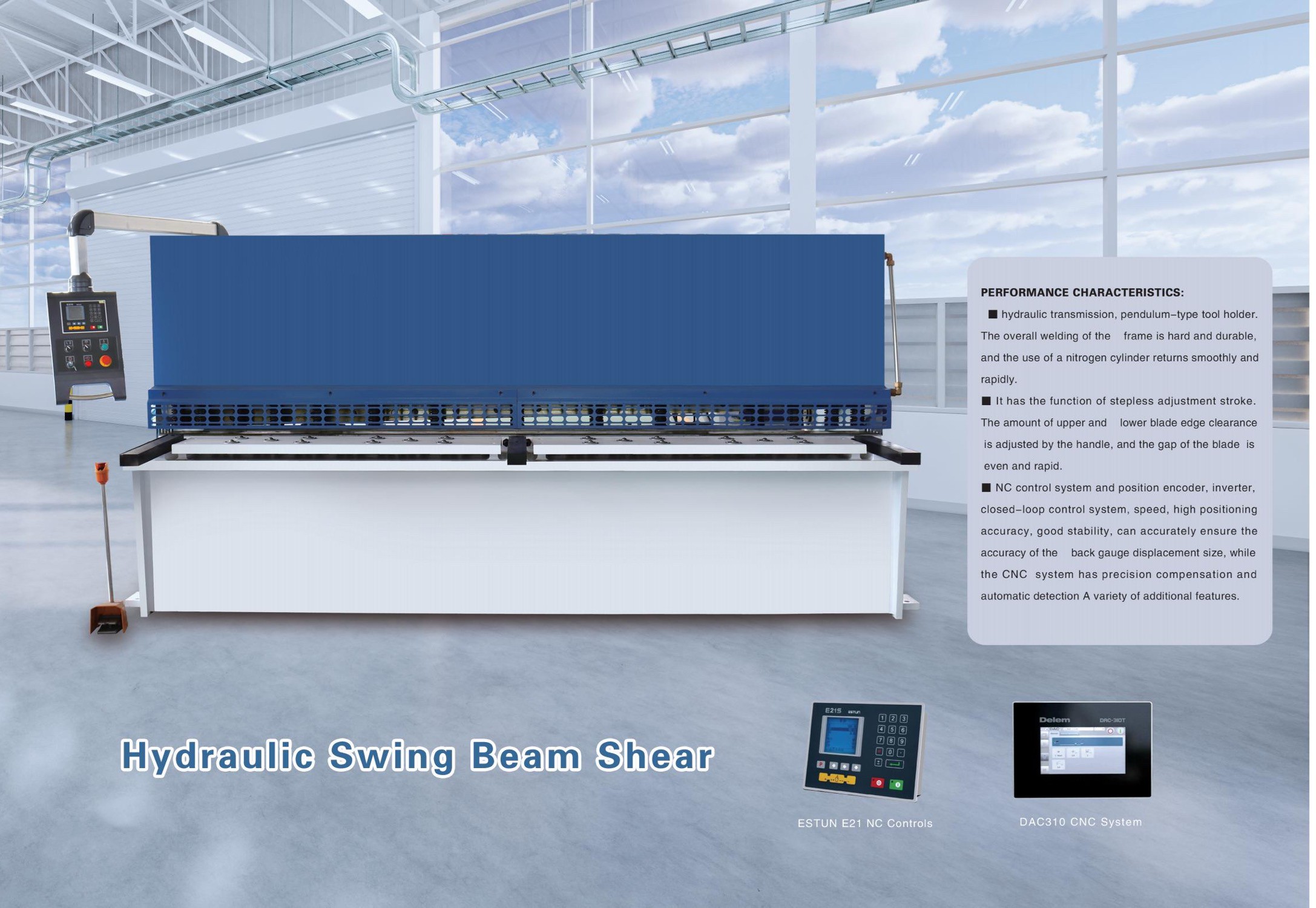
 Hydraulic Swing Beam ShearA shearing machine is a piece of equipment that uses a blade performing reciprocating linear motion to cut sheet metal. It operates with a moving upper blade and a fixed lower blade, set at an appropriate clearance, to apply shearing force to metal sheets of varying thicknesses. This force causes the material to fracture and separate along the required dimensions.
Shearing machines belong to the category of forging machinery and are primarily used in the metal processing industry. Their products are widely applied across numerous sectors, including aviation, light industry, metallurgy, chemical engineering, construction, shipbuilding, automotive, power generation, electrical appliances, and decoration, providing essential specialized machinery and complete equipment for these fields.![星星1]()

Recommended blogs
 How a Swing Beam Hydraulic Shear Improves Cutting Stability on Medium Plates
- Hydraulic Shearing Machine Trends in 2026: Automation and Efficiency
 Hydraulic Guillotine Shear vs Swing Beam Shear: Which Fits Plate Cutting Better?
- How to Evaluate a Pipe Bending Machine Manufacturer Before Requesting a Quote
- How to Evaluate a Pipe Welding Station for Throughput and Fit-Up Accuracy
- Why Blade Gap Matters in a CNC Hydraulic Guillotine Shear for Stainless Steel
Send Us A Message
Send us a Message
A dedicated person will follow up on your needs one-on-one and provide personalized customized solutions according
to your needs.
Get In Touch
We look forward to hearing from you for in-depth communication on how to fulfill your mixing requirements.