




Hydraulic Bending Machine Explained: Key Components, Operating Process, and Performance Factors You Need to Know
What A Hydraulic Bending Machine Is And Why It Matters
A Hydraulic Bending machine is an industrial forming system that uses hydraulic force to bend metal into a controlled angle, radius, or profile. Depending on the design, it may process sheet metal, steel plate, structural sections, or pipe. In practical factory use, the term often covers hydraulic press brakes, hydraulic pipe bending machines, and some three-roll hydraulic bending equipment used for curved profiles or cylindrical forms.
Its value comes from controllable tonnage, broad material adaptability, and reliable repeatability in medium and heavy fabrication. Compared with manual or purely mechanical bending methods, hydraulic systems are better suited for thicker materials, variable batch production, and tighter angle consistency. That is why they remain common in workshops producing tanks, pipelines, steel structures, frames, enclosures, and construction machinery components.
In industrial purchasing, buyers rarely evaluate a Hydraulic Bending machine only by maximum force. They also look at working length, stroke, throat depth, backgauge accuracy, tooling compatibility, control system logic, and service support. The machine becomes a productivity platform, not just a standalone asset, because it directly affects downstream welding, fit-up, assembly tolerance, and overall production flow.
For companies serving export markets or regulated sectors, bending quality also influences compliance and project acceptance. Poorly controlled bend angles can create dimensional mismatch during vessel fabrication, pipe routing, or structural installation. A well-configured Hydraulic Bending machine helps reduce rework, material waste, and site-level correction costs, which is why it is a critical part of modern metal processing lines.
Key Components That Determine Bending Performance
The hydraulic system is the force source of the machine. It typically includes cylinders, hydraulic pumps, valves, seals, oil circuits, and a reservoir. The stability of pressure generation and the response speed of the valve group influence bend smoothness and repeatability. High-quality hydraulic components generally reduce pressure fluctuation, oil leakage risk, and heat-related drift during long production cycles.
The frame and mechanical structure carry the load and resist deformation. In a press brake, this includes the side frames, ram, bed, and crowning arrangement. In a pipe bender, it includes the clamping unit, pressure die, mandrel-related components if used, and the bending arm or rotary structure. Structural rigidity matters because any deflection under load can change the actual bend angle, radius uniformity, or part straightness.
The control system converts operator input into repeatable motion. On advanced machines, CNC or electro-hydraulic synchronization helps coordinate cylinder movement, backgauge positioning, and bending sequence management. Accurate control is especially important for multi-step parts, small flange dimensions, and work involving high-mix, low-volume orders where setup time must be controlled carefully.
Tooling and support systems are equally important. Punches, dies, rollers, clamps, mandrels, followers, and support arms all affect surface quality and geometric outcome. In many applications, tooling selection determines whether the Hydraulic Bending machine can avoid wrinkling, cracking, ovality, or unwanted springback. That is why experienced suppliers discuss not only the machine body, but also the complete tooling and application package.
How The Hydraulic Bending Process Works In Real Production
The operating process begins with material review and bend planning. The operator confirms material grade, thickness, yield strength, dimensions, required bend angle or radius, and the final tolerance. This information determines the necessary tonnage, tooling, and sequence. For pipe and profile work, outside diameter, wall thickness, centerline radius, and flattening limits are also essential because they directly affect whether a standard die set is suitable.
Next comes machine setup. The team installs the correct tooling, sets stroke depth, adjusts backgauge or stop positions, checks hydraulic pressure, and inputs the program if the system is CNC controlled. On a hydraulic press brake, trial bends are used to fine-tune depth and compensate for springback. On a hydraulic pipe bending machine, clamp pressure, boost pressure, and bending speed may need adjustment to prevent wrinkling or excessive wall thinning.
During the forming cycle, hydraulic cylinders generate force and move the working members through a controlled path. The machine either presses the workpiece into a die, wraps pipe around a bending die, or drives rollers to form a curve. The quality of synchronization between force, stroke, and support contact points is what separates stable output from inconsistent production. A well-tuned Hydraulic Bending machine maintains angle or radius more consistently across a full batch.
After bending, the part is inspected for dimensional accuracy, angle deviation, surface marking, edge distortion, and fit with mating components. This feedback loop is important because bending rarely stands alone. In fabrication plants, bent parts often move directly to drilling, welding, blasting, assembly, or coating. Consistent inspection standards help prevent quality problems from passing into later process stages where correction becomes slower and more expensive.
Main Types Of Hydraulic Bending Machines On The Market
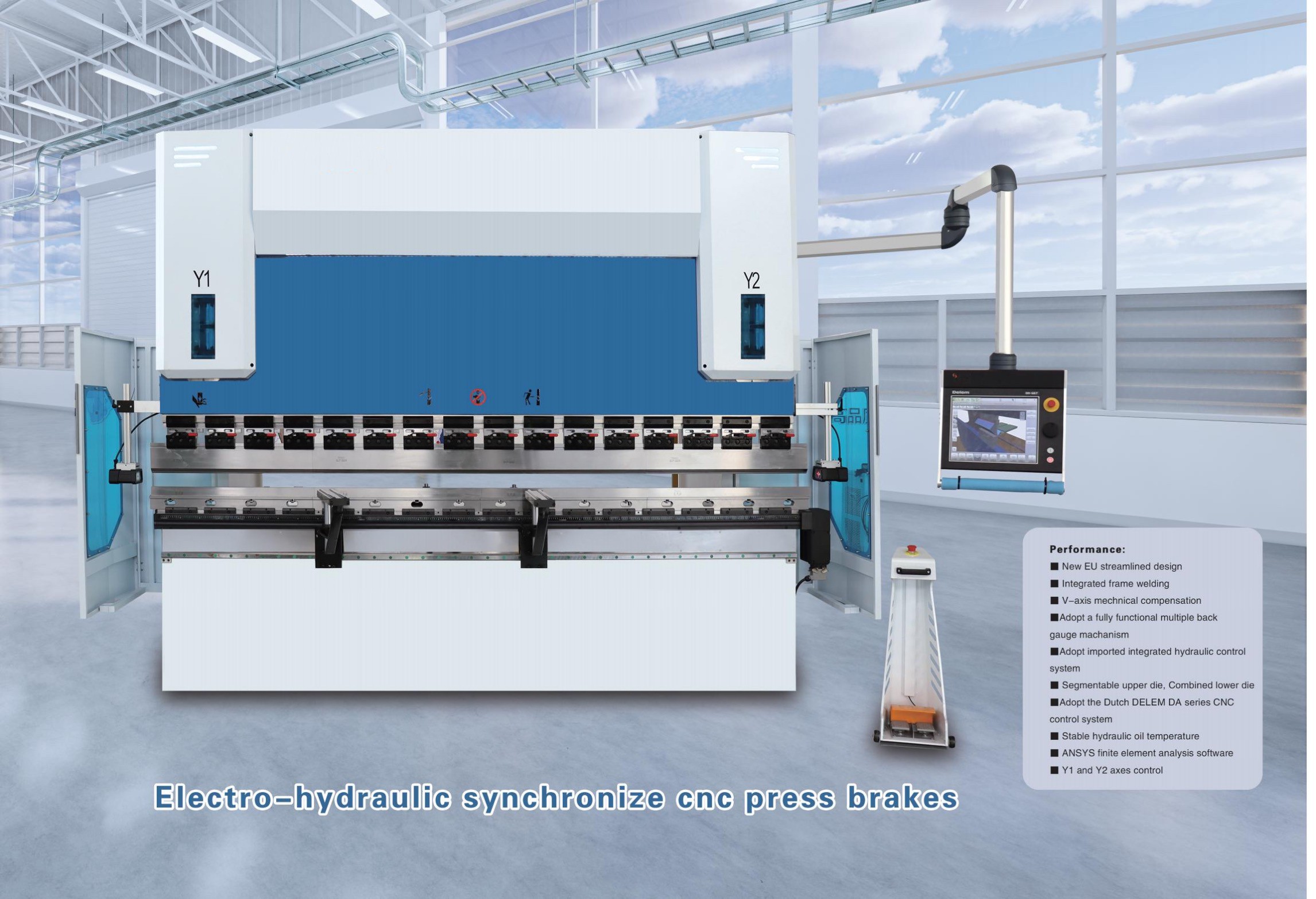
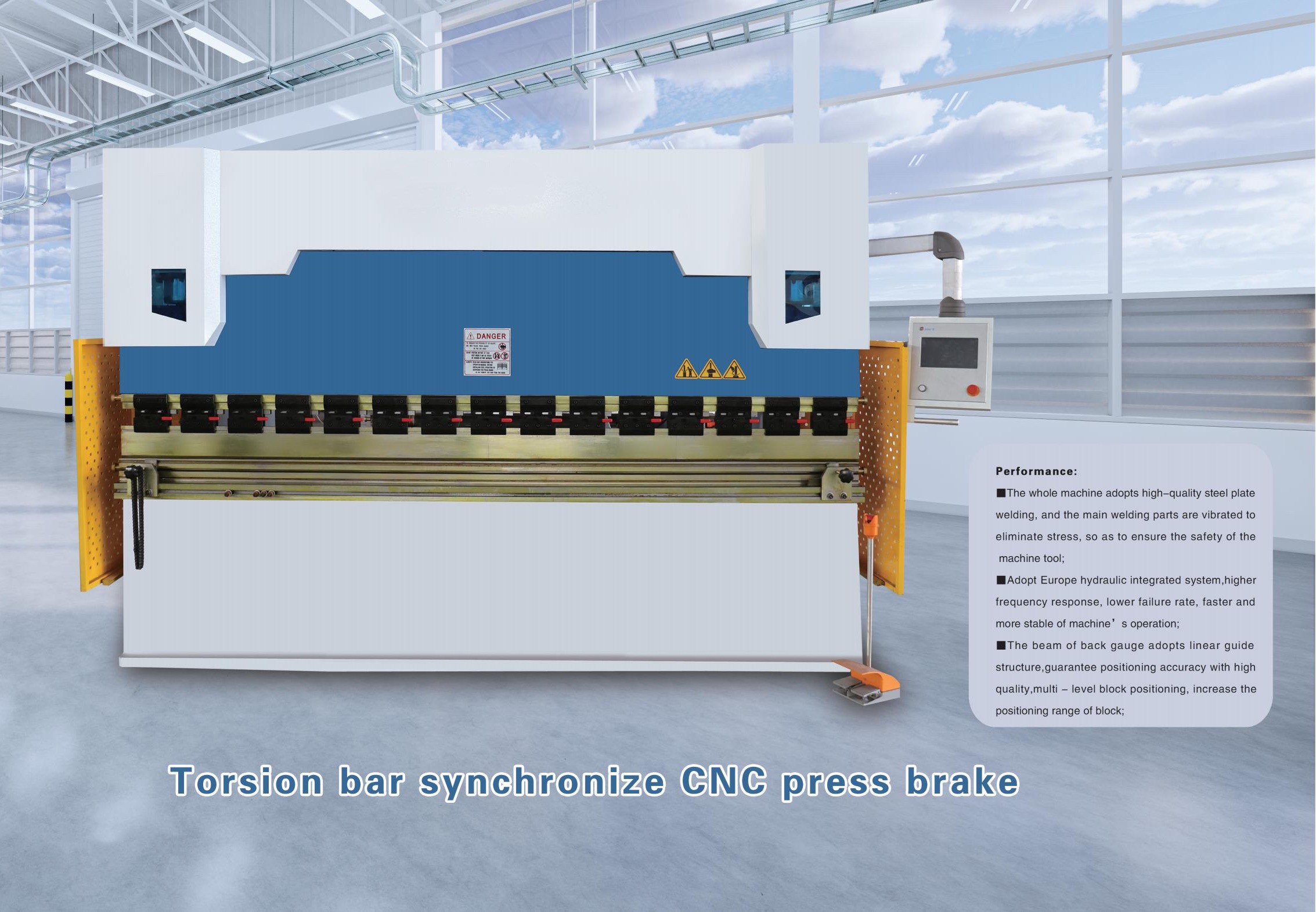
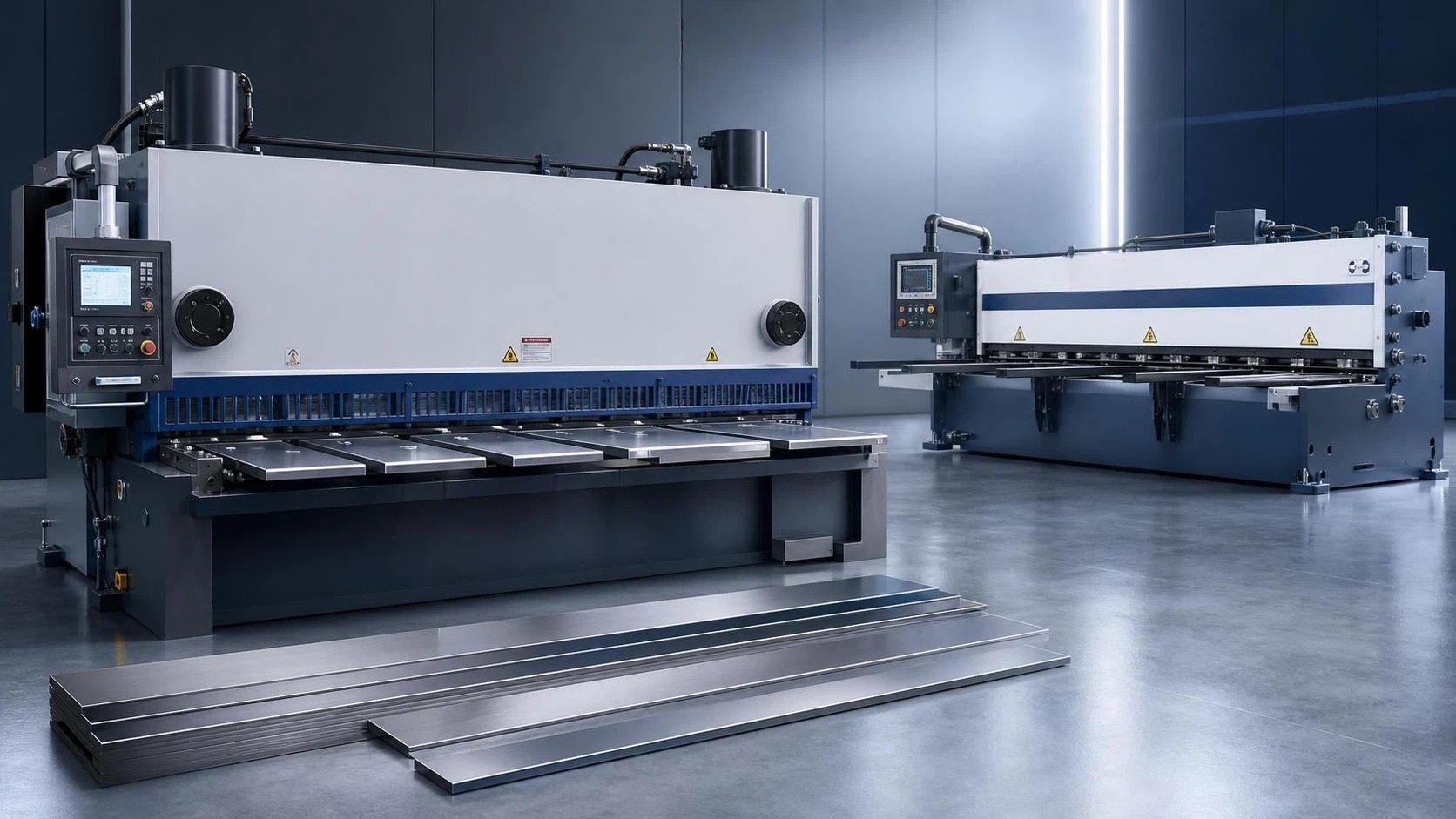
One common category is the hydraulic press brake for sheet and plate bending. This type is widely used to produce boxes, channels, brackets, cabinets, structural elements, and formed panels. Within this category, buyers often compare torsion bar synchronize CNC press brake models with electro-hydraulic synchronize CNC press brakes. Torsion bar designs can be practical for general fabrication, while electro-hydraulic systems usually offer finer ram control and better suitability for demanding accuracy requirements.
Another category is the hydraulic pipe bending machine, which forms tubes and pipes for process lines, frames, handrails, exhaust systems, heat exchange layouts, and structural routing. These machines vary by bending method, radius capability, wall thickness range, and whether they support mandrel-assisted operations. Selection depends heavily on the pipe geometry and whether the finished product must meet tight roundness and wall integrity expectations.
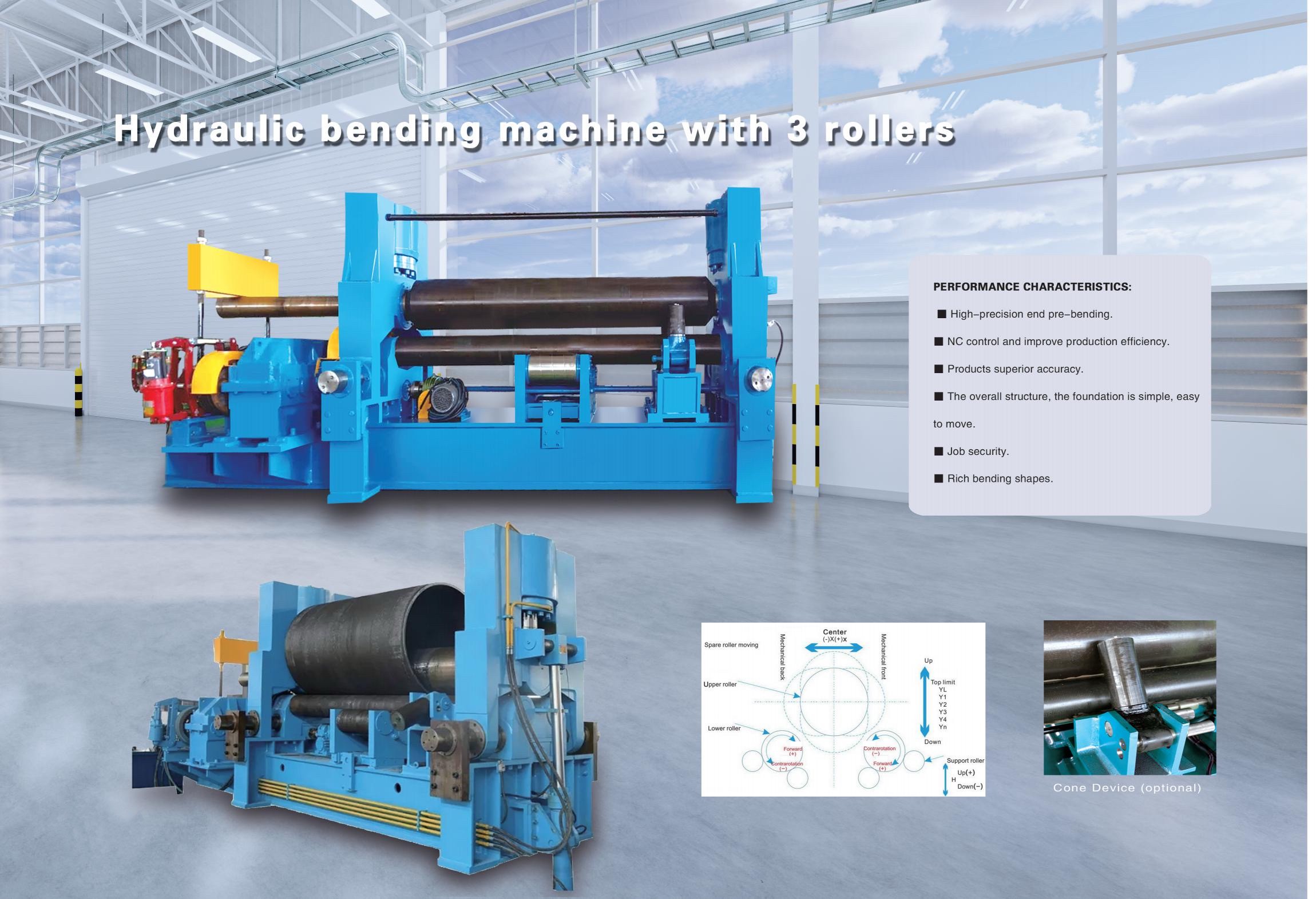
A third category includes hydraulic bending machine with 3 roller configurations, often applied to profiles, sections, and curved components where gradual rolling deformation is preferred. These systems are useful when the target shape is not a single sharp bend but a controlled arc or circular section. They are commonly considered in steel structure, tank, and architectural metalwork projects where profile curvature must remain smooth and continuous.
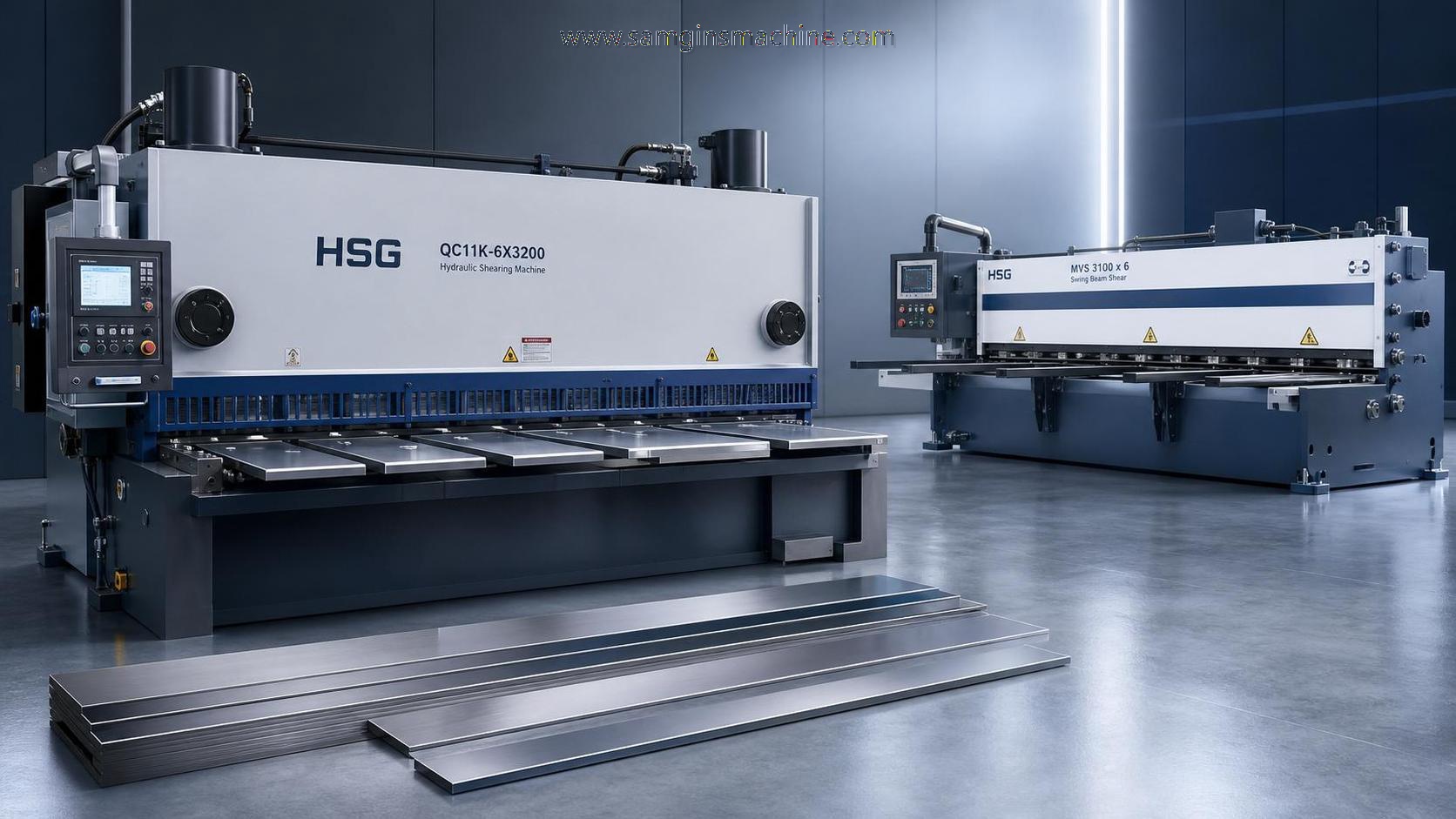
For buyers building a broader fabrication line, machine type should be considered together with upstream and downstream equipment. Wuxi Samgins supplies not only bending equipment, but also shearing machines, plate rolling machines, plate leveling machines, profile benders, edge milling machines, welding rotators, welding positioners, CNC cutting machines, and H-beam processing solutions. That wider product range can be useful when a buyer wants coordinated equipment planning instead of isolated machine selection.
Who Uses These Machines And In Which Applications
Typical users of a Hydraulic Bending machine include sheet metal factories, pressure vessel workshops, pipeline fabricators, structural steel processors, agricultural equipment manufacturers, transport equipment plants, and general fabrication companies. The machine is especially relevant where parts must be bent repeatedly with controlled geometry and where production lots range from custom one-off jobs to medium-volume manufacturing runs.
In sheet metal work, it is used to produce cabinets, machine covers, support frames, brackets, electrical enclosures, channels, and formed panels. In pipe processing, it supports fluid systems, industrial skids, marine projects, rail structures, and plant maintenance work. In heavy fabrication, it is often part of a complete workflow that includes CNC cutting, edge preparation, fit-up, welding, and surface treatment.
Application demands differ by sector. A steel structure producer may care more about speed, long worktable capacity, and repeatable angle control on thick plate. A process piping contractor may focus on bend radius consistency, low ovality, and compatibility with different pipe sizes. A job shop handling varied customer drawings usually values flexible programming, faster changeover, and access to a broad tooling library.
This is where supplier application knowledge matters. Wuxi Samgins states experience with machines for tanks, pipelines, steel structures, and sheet metal factories, and also highlights familiarity with international codes such as ASME and API. For export-oriented buyers, that type of background can support clearer technical communication during specification review, especially when the project involves custom dimensions or integration into an existing production line.
How To Select The Right Machine For Capacity, Accuracy, And Workflow
Selection should begin with the workpiece, not the brochure. Buyers should list the main material grades, thickness range, bend lengths, pipe diameters, annual output, and the most demanding tolerances they expect to hold. A Hydraulic Bending machine that is ideal for mild steel may be insufficient for stainless steel or higher-strength materials if the tonnage reserve, tooling design, or control precision is too limited.
Capacity and accuracy should then be balanced with production reality. Oversizing the machine raises capital cost, energy use, tooling expense, and floor space demand. Undersizing creates productivity loss and quality instability when harder materials or longer parts are introduced. Buyers should pay attention to rated force, working length, cylinder synchronization, backgauge axis capability, crowning method, bending speed, and ease of program storage and retrieval.
Another major factor is process integration. If the machine will work beside CNC plasma cutting, fiber laser cutting, face milling, or welding stations, part flow and operator handling need to be considered. A plant with frequent heavy parts may require front support devices, safer material handling zones, and faster setup logic. In that context, the right Hydraulic Bending machine is the one that fits the whole workshop rhythm, not just the isolated bend specification.
For projects that require customization, Wuxi Samgins emphasizes its ability to provide tailored welding robots, long seam welding machines, and heavy-duty welding rotators. That customization mindset is also relevant when specifying bending equipment because buyers often need nonstandard throat depth, tooling arrangements, special workpiece supports, or linked line configurations. A supplier able to discuss the complete process usually reduces specification gaps during procurement.
Quality Control, Standards, And Performance Factors Buyers Should Check
The most important performance factors include angle consistency, repeat positioning, structural rigidity, hydraulic response stability, surface protection, and maintenance access. For pipe and profile work, buyers should also review ovality, wall thinning behavior, wrinkling control, and radius repeatability. These outcomes depend on machine design, tooling quality, control tuning, and operator method working together rather than on one single specification.
On the quality side, buyers should ask about raw material traceability for key structural parts, welding and machining control in frame fabrication, cylinder matching, assembly tolerances, and no-load or loaded testing before shipment. They should also confirm what imported or branded hydraulic, servo, and CNC components are used in critical positions, because these affect long-term stability, spare part planning, and service responsiveness.
For international buyers, machine compliance and documentation are practical concerns. Wuxi Samgins states that its machines comply with the ISO9001 quality system and EU CE Machinery and LVD directives, and that the company holds utility model patents related to welding and cutting equipment. These points do not replace project-specific validation, but they can be relevant signals for buyers who need documented manufacturing controls and export-ready technical communication.
Performance should also be reviewed over time, not only on the first day of operation. A Hydraulic Bending machine with stable components, accessible hydraulic layout, and consistent calibration support usually delivers better long-term accuracy retention. That matters because many fabrication plants run mixed jobs, changing tooling and materials frequently. Durability under real switching conditions is often more valuable than attractive nominal speed figures alone.
Maintenance Cycles, Operating Discipline, And Future Industry Trends
Routine maintenance is central to preserving bending accuracy and machine uptime. Daily checks usually include hydraulic oil level, visible leakage, abnormal noise, tooling cleanliness, and safety device condition. Weekly or monthly tasks often cover lubrication, fastener inspection, backgauge alignment checks, hose condition review, and cleaning of sensors or electrical cabinets. Oil condition and seal health should be monitored according to workload and operating environment.
Operating discipline is equally important. Many quality issues blamed on the Hydraulic Bending machine actually begin with inconsistent material batches, worn tooling, poor setup records, or unverified springback compensation. Plants that document bend programs, inspection results, and maintenance history usually achieve more stable output and lower rework rates. This becomes especially valuable where operators work across multiple product families and shift patterns.
The market trend is moving toward smarter control, better energy management, and more integrated fabrication cells. CNC and electro-hydraulic systems are becoming more attractive for buyers who need fast setup, digital program storage, remote support readiness, and compatibility with traceable production methods. The same direction can be seen across related equipment such as CNC fiber laser cutting machines, welding robots, and automated H-beam lines.
Another future trend is solution bundling. Buyers increasingly prefer suppliers that can support several connected process steps rather than supplying only one machine. Given its broad line of welding, cutting, forming, drilling, blasting, and pipe processing equipment, Wuxi Samgins is positioned to discuss bending equipment as part of a larger production system. For manufacturers planning capacity expansion, that system perspective can simplify line coordination and after-sales communication.
Cost Of Ownership, ROI, And Global Project Considerations
The total cost of owning a Hydraulic Bending machine goes far beyond purchase price. Buyers should include tooling cost, freight, installation, commissioning, training, spare parts, consumables, energy use, maintenance labor, and probable downtime. For custom or heavy-duty machines, the cost of floor preparation, lifting arrangements, and utility connection can also be significant. A lower initial quote may become less attractive if service access or component quality is weak.
Return on investment usually improves through reduced scrap, fewer setup errors, better repeatability, and faster movement into downstream welding or assembly. In a fabrication shop, one stable Hydraulic Bending machine can improve throughput across multiple departments because correctly formed parts fit faster and require less correction. This is especially true in export projects where delays from rework can affect shipment dates and customer acceptance milestones.
Global project execution also depends on communication quality and support consistency. Wuxi Samgins highlights more than 10 years of export experience and references customers in multiple regions, including URALSTANKOIMPORT, MD Calbah Industries Pty Ltd, Ersay International Transport, Zein Steel Industries Co. LLC, BatysMunaiGazZhabdyktary LLP, and Lincoln Electric-MENA. For many buyers, such references are useful not as proof of one universal solution, but as evidence of cross-border delivery familiarity.
From a procurement standpoint, the best evaluation method is to compare technical fit, lifecycle support, customization depth, and downstream production impact together. A Hydraulic Bending machine should be judged by how well it serves the actual workload over years of operation. When buyers review machine capability in that broader way, they are more likely to choose equipment that supports reliable output, predictable maintenance, and stronger long-term manufacturing economics.
search
Recommended Products
 Electro-hydraulic synchronize cnc press brakesA bending machine is a device designed for bending thin metal sheets. Its structure mainly consists of a base, a worktable, and a clamping plate. The worktable is mounted on the base and comprises a base frame and a pressing plate, which are connected to each other through a hinge.
The hydraulic bending machine consists of a base, a worktable, and a clamping plate. The worktable is placed on the base and is composed of a base frame and a pressing plate, which are connected via a hinge. The base frame includes a housing, a coil, and a cover plate. The coil is positioned in a recess within the housing, with the recess covered at the top by the cover plate.![星星1]()
 Torsion bar synchronize CNC press brakeA bending machine is a device used to bend thin metal sheets. Its main structure includes a base, a worktable, and a pressure plate. The worktable, mounted on the base, consists of a base frame and a pressure plate, connected by a hinge.
The base frame comprises a housing, a coil, and a cover plate. The coil is located within a recess in the housing, the top of which is sealed by the cover plate. During operation, the coil is energized by a wire. When energized, the coil generates an electromagnetic attraction force on the pressure plate, thus firmly clamping the thin sheet between the pressure plate and the base frame.
Because clamping is achieved through electromagnetic force, the pressure plate can be easily adjusted to accommodate various workpiece shapes. This design also makes it possible to process workpieces with sidewalls. By simply changing the bending dies, the machine can be configured to meet the processing needs of various different workpieces.![星星1]()
- Hydraulic bending machine with 3 roller1.Introduction for Hydraulic bending machine with 3 roller:
A roll forming machine is a device that bends sheet materials into shapes through the action of working rolls. It can form various parts such as cylindrical pieces and conical pieces. It is a very important processing equipment. The working principle of a roll forming machine is to use external forces such as hydraulic pressure and mechanical force to make the working rolls move, thereby bending or rolling the sheet materials into shapes. Depending on the rotational movement and position changes of the working rolls of different shapes, parts such as elliptical pieces, arc-shaped pieces, and cylindrical pieces can be processed.![星星1]()

Send Us A Message
Send us a Message
A dedicated person will follow up on your needs one-on-one and provide personalized customized solutions according
to your needs.
Get In Touch
We look forward to hearing from you for in-depth communication on how to fulfill your mixing requirements.