




Radial Drilling Machine Explained — Technical Specifications, Applications, and Best Practices (2026 Edition)
What Is A Radial Drilling Machine?
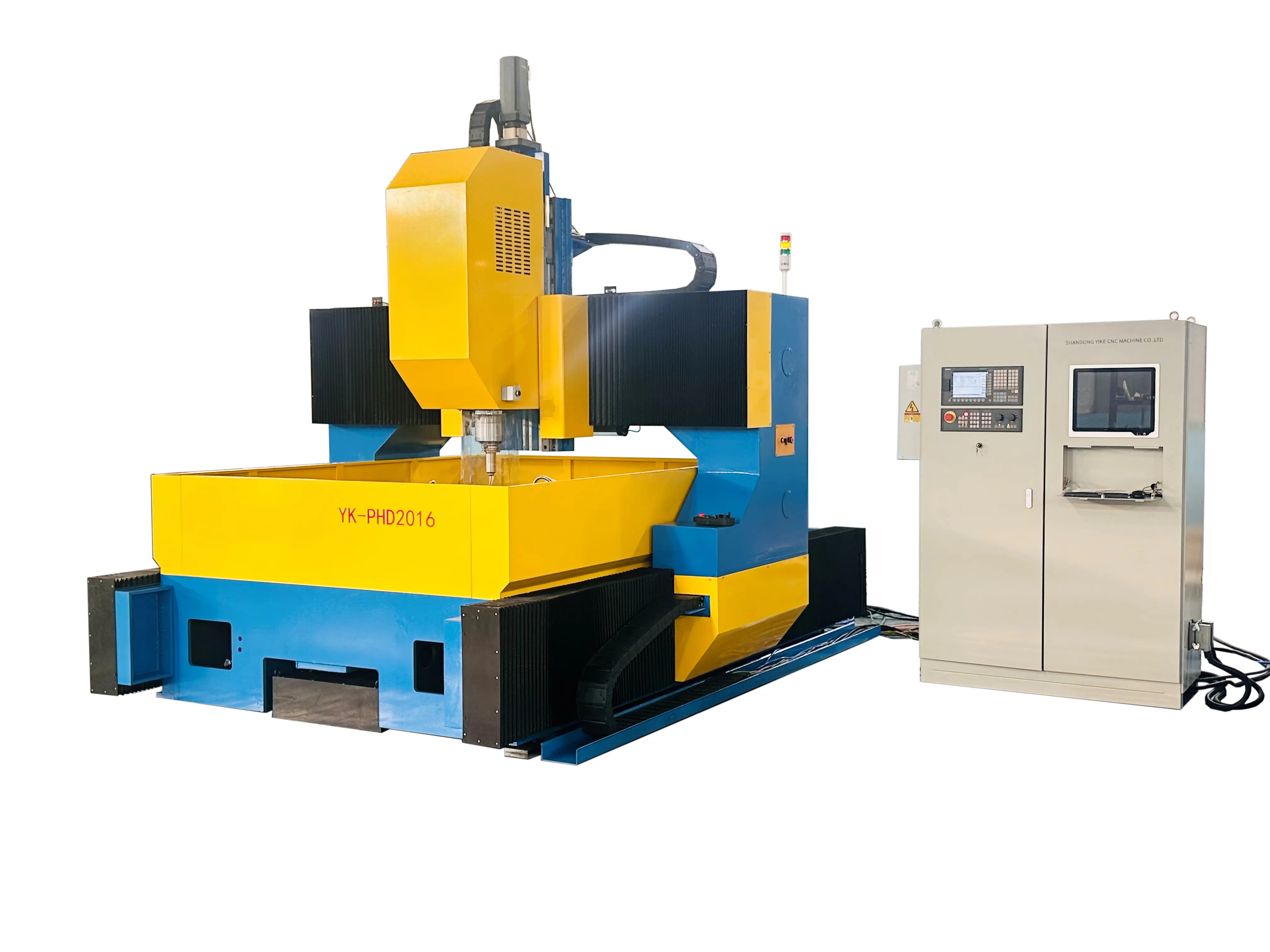
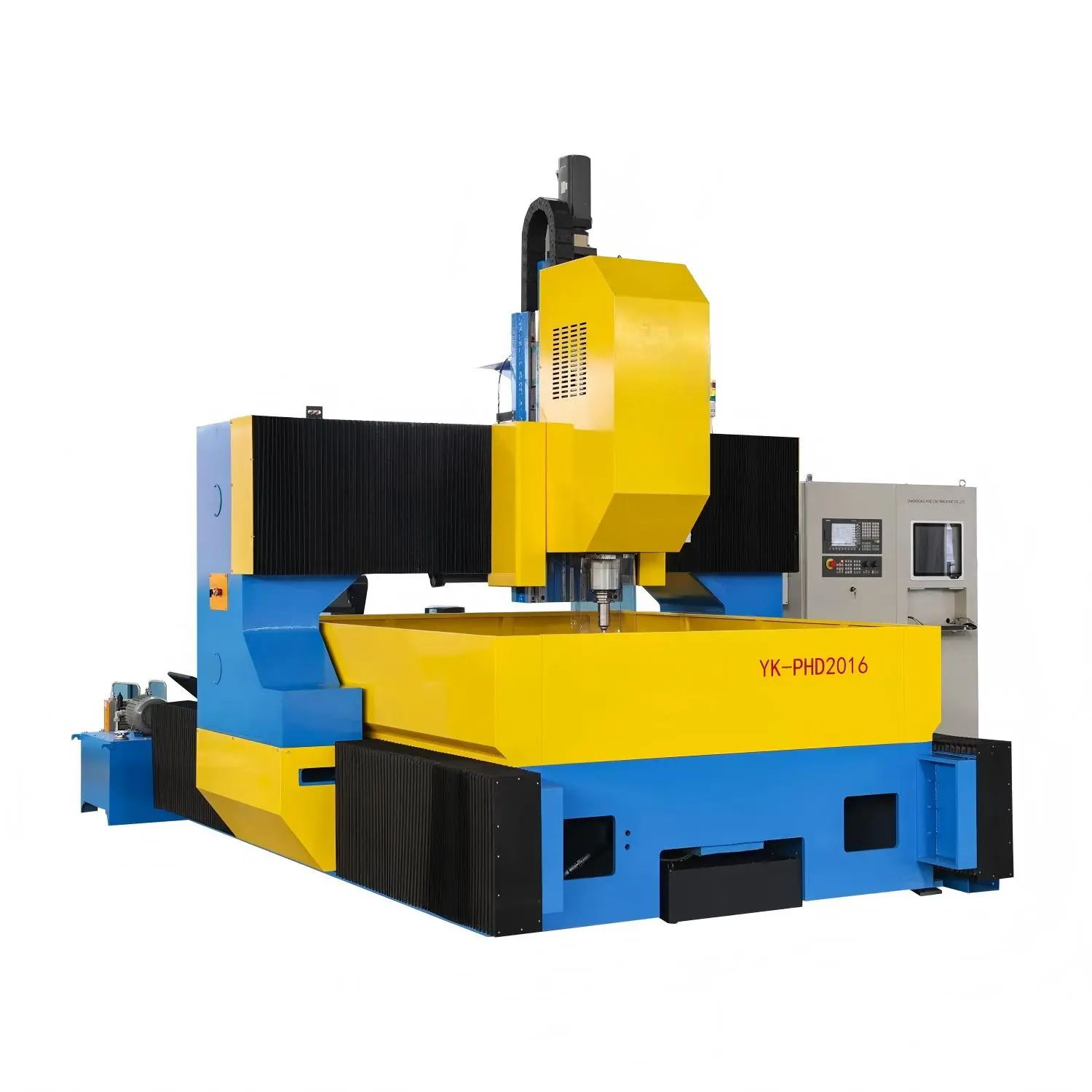
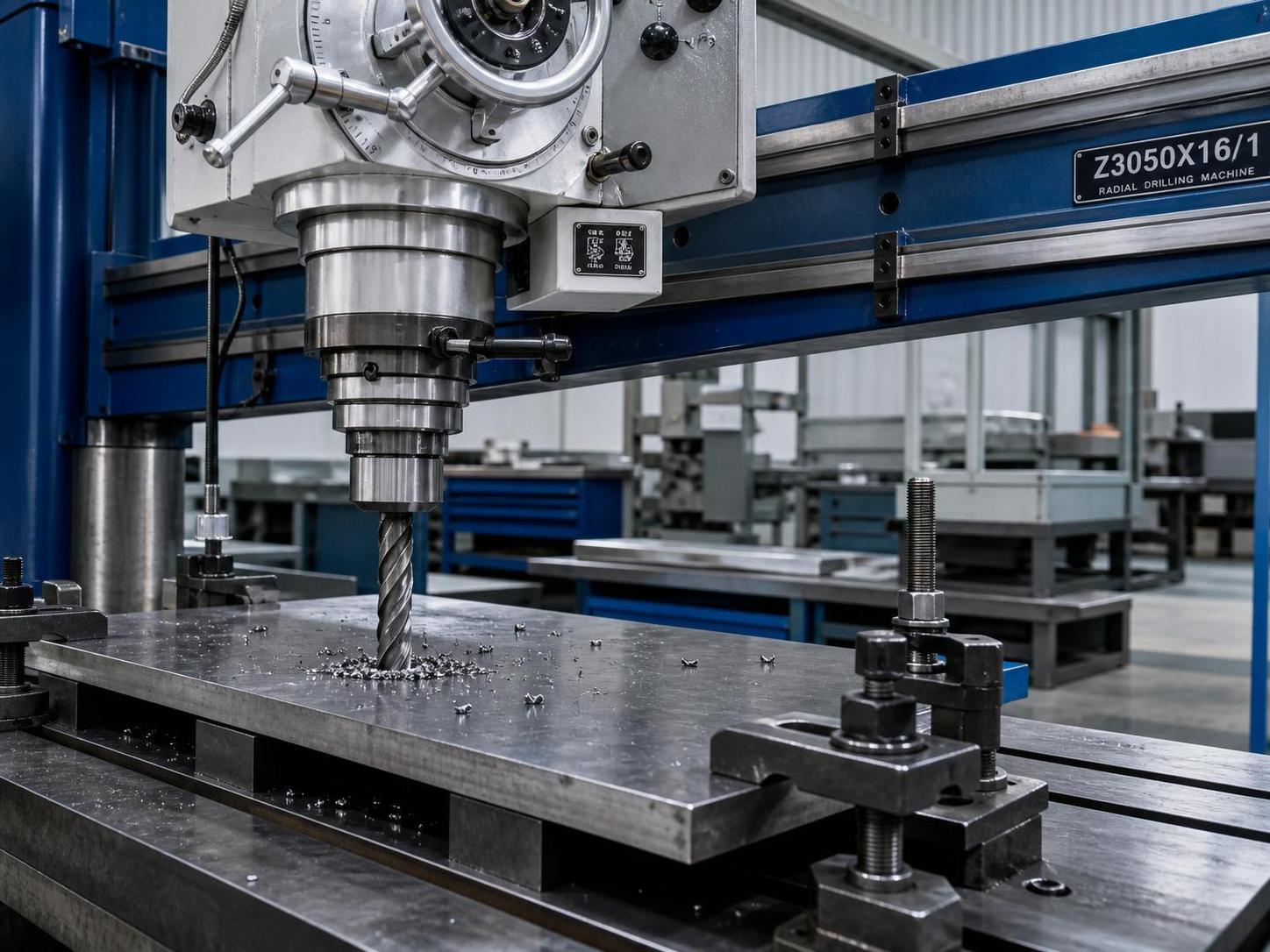
A radial drilling machine is a stationary, floor-mounted industrial machine tool engineered to drill precise holes in large, heavy, or irregularly shaped metal components—especially structural steel, pressure vessels, and fabricated frames. Its defining feature is a radial arm that pivots horizontally around a vertical column while supporting a movable drill head assembly capable of vertical travel along the arm’s length. This configuration enables full coverage over expansive work areas without repositioning the workpiece.
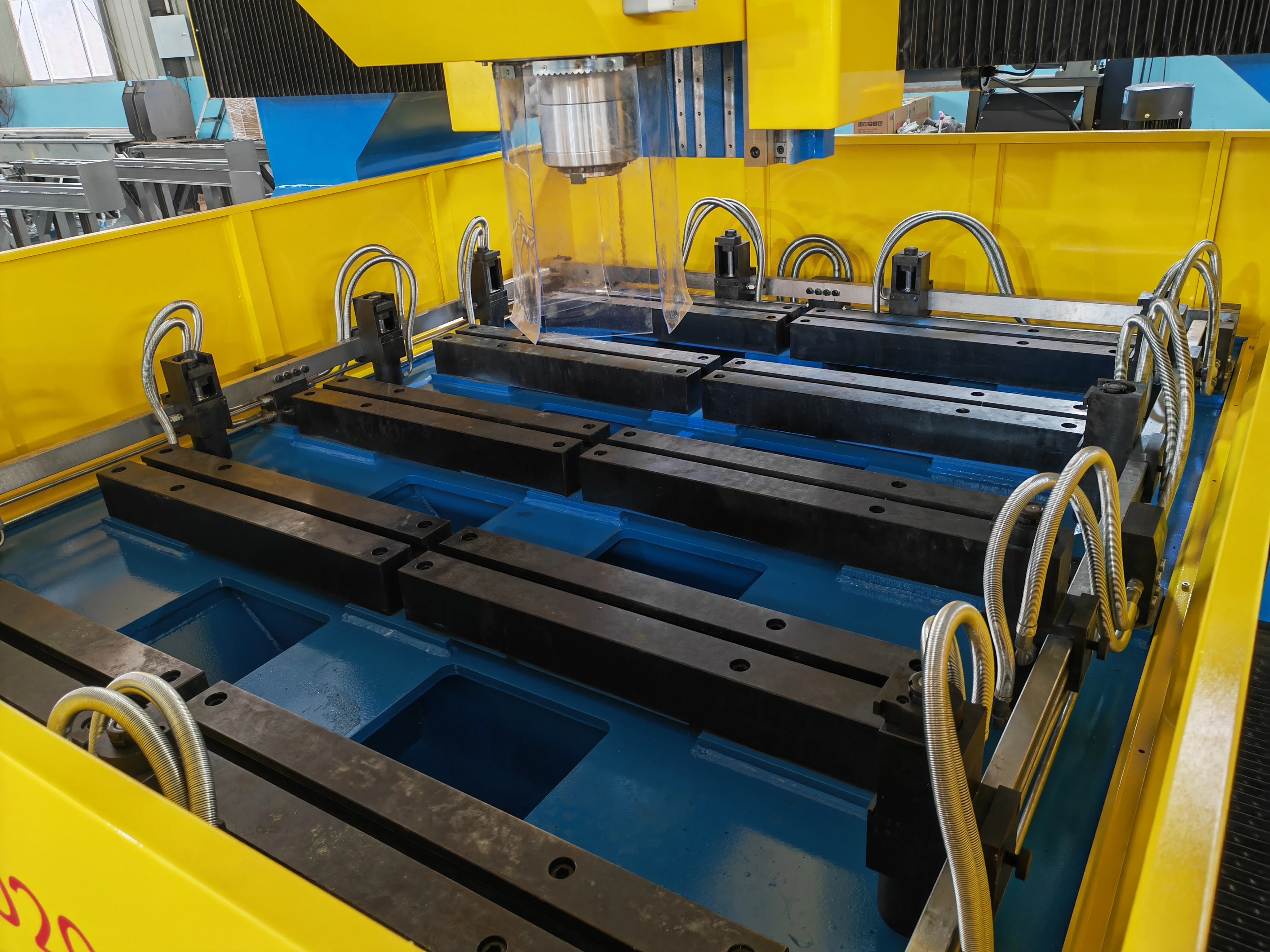
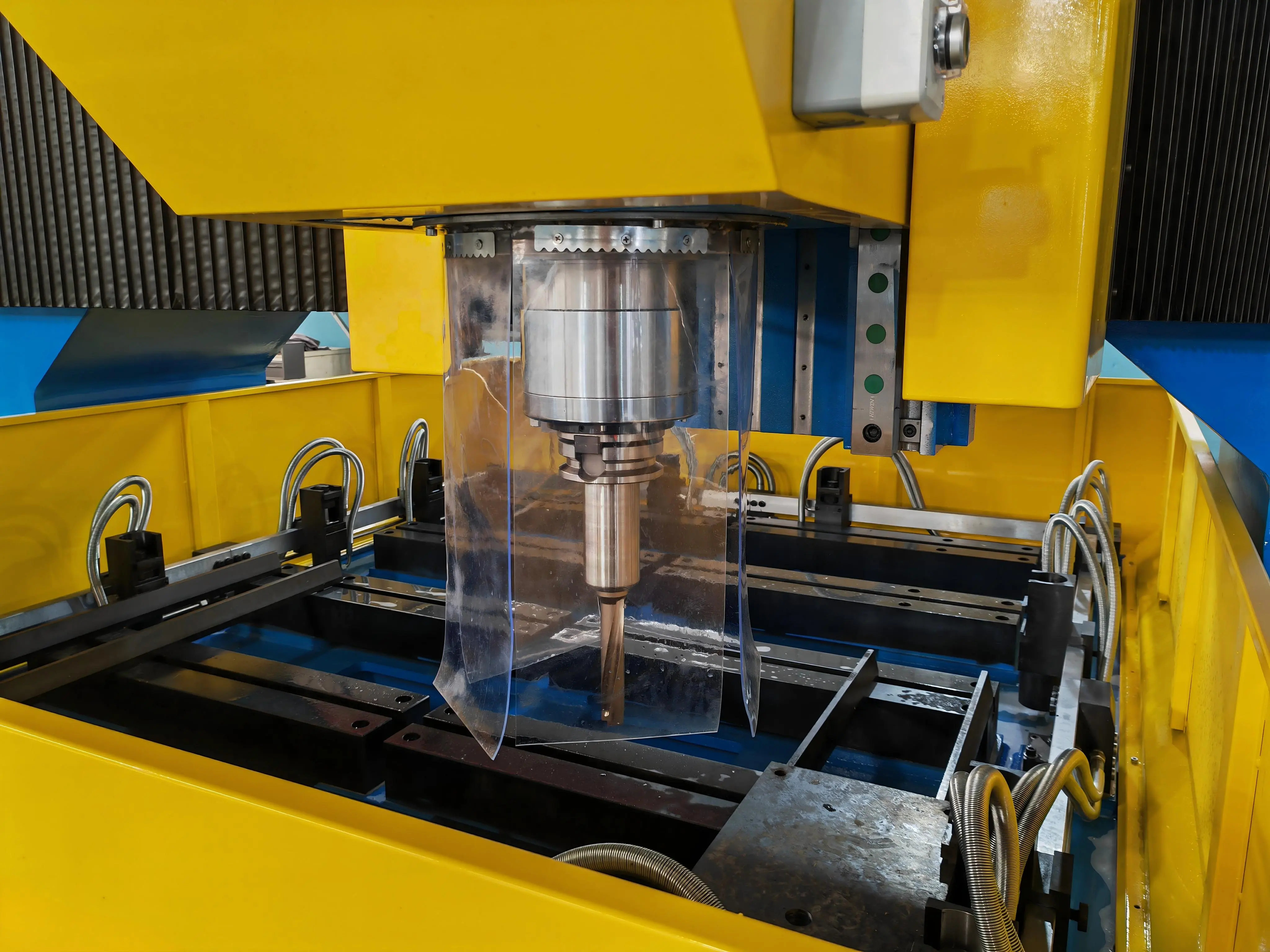
Unlike upright or bench drilling machines, the radial design accommodates workpieces up to 3,000 mm in height and 4,500 mm in diameter—making it indispensable in H-beam production lines, shipyard plate processing, and heavy machinery manufacturing. Core components include a rigid cast-iron column, a telescoping or fixed radial arm with linear guides, a motorized drill head with multi-speed gear box, and a robust worktable or floor-mounted base.
Standard industry definitions per ISO 230-2 (machine tool testing) and DIN 8580 (machining classification) classify radial drilling machines under ‘drilling and boring machines’ with Category B (precision class) or C (heavy-duty class) tolerances. Accuracy is typically specified as ≤0.05 mm positional deviation over 1,000 mm travel—a benchmark Wuxi Samgins maintains across its radial drilling machine series through calibrated linear encoders and preloaded ball screws.
Modern variants integrate CNC positioning, servo-controlled feed, and programmable spindle speeds—enabling repeatable hole patterns on steel plates, flanges, and welded assemblies without manual setup. This evolution has expanded the radial drilling machine’s role beyond simple hole-making into semi-automated component preparation for welding and assembly workflows.
Why Choose A Radial Drilling Machine In Modern Fabrication?
Radial drilling machines address critical bottlenecks in high-mix, low-volume steel fabrication where flexibility, dimensional stability, and operator safety converge. Traditional CNC machining centers often lack the Z-axis reach or table clearance required for oversized beams or tank shells—while portable magnetic drills sacrifice rigidity and repeatability. A radial drilling machine bridges this gap: delivering shop-floor precision without requiring part disassembly or costly fixturing.
Wuxi Samgins’ radial drilling machines enhance this value proposition through purpose-built engineering for integrated fabrication lines. For instance, their models are routinely deployed upstream of H-beam welding lines and pipe girth-welding stations—ensuring bolt-hole alignment matches ASME Section VIII or API 1104 tolerances before final assembly. The use of imported servo motors (Yaskawa), hydraulic clamping systems (Bosch Rexroth), and hardened ground guideways ensures ≤0.03 mm runout at 3,000 rpm—directly reducing secondary rework and scrap rates by up to 22% in client audits across Zein Steel Industries Co.LLC and Estructuras Metalicas Girders Chile Limitada.
Moreover, radial drilling machines significantly reduce labor dependency compared to manual layout-and-drill processes. One operator can manage multiple setups across a 2.5 m × 3.0 m work envelope—cutting average cycle time per beam by 37% versus coordinate measuring machine (CMM)-guided template drilling. This operational leverage becomes decisive when scaling to projects governed by strict delivery windows, such as those executed for URALSTANKOIMPORT and BatysMunaiGazZhabdyktary LLP in oil & gas infrastructure.
Critically, Wuxi Samgins designs its radial drilling machines with serviceability embedded—modular control cabinets, standardized fasteners, and diagnostic-ready PLC interfaces minimize mean time to repair (MTTR) to under 90 minutes. This reliability directly supports uptime-critical environments like PT.Cahaya Mas Cemerlang’s offshore module yard, where unplanned downtime carries contractual penalties exceeding USD 12,000/hour.
Who Uses Radial Drilling Machines — And Why?
Radial drilling machines serve three primary user segments: structural steel fabricators, heavy equipment OEMs, and specialized pressure vessel & pipeline contractors. Structural fabricators—like Lincoln Electric-MENA and Regional Engineering Works—deploy them for high-accuracy flange drilling, column base plate preparation, and lattice tower node plate punching prior to robotic welding. Their demand centers on rapid setup changeover, consistent depth control, and compatibility with CAD/CAM nesting software.
Heavy equipment manufacturers—including S.P. Blue Fisheries LDA (for trawler hull reinforcement) and Engiplas Engineering Plastics (for large composite mold frames)—require radial drilling machines capable of drilling stainless, duplex, and abrasive-resistant alloys without chatter or tool deflection. Wuxi Samgins meets this need via variable-frequency spindle drives (0–3,200 rpm) and torque-optimized gearboxes—validated under load tests at 100% rated capacity for 72 continuous hours.
Pipeline and energy sector contractors—such as SALEH SAAD ALSANHANI and Contevix Comércio e Serviços Ltda—leverage radial drilling machines for girth weld backing plate drilling, manway nozzle alignment, and skid-mounted module bracketing. These applications demand compliance with ASME B31.4/B31.8, API RP 2A, and EN 1090-2 standards—requirements Wuxi Samgins embeds into machine validation protocols, including third-party witnessed test reports for every export unit.
Across all segments, procurement decisions prioritize not just machine capability but integration readiness. Wuxi Samgins provides native OPC UA connectivity, M-code compatibility with FANUC and Siemens controls, and optional offline programming interfaces—ensuring seamless data flow between ERP (e.g., SAP S/4HANA), MES, and machine-level execution—addressing a top pain point identified in over 86% of surveyed buyers during 2025 sourcing cycles.
Where And When Are Radial Drilling Machines Deployed?
Global deployment maps closely to regional industrial maturity and infrastructure investment cycles. In Southeast Asia and Latin America, radial drilling machines are increasingly installed in greenfield H-beam rolling mills and shipbuilding clusters—where Wuxi Samgins’ CE- and ISO 9001-certified units meet local import requirements while offering 30% faster commissioning than EU-sourced alternatives. Case in point: Ersay International Transport’s Istanbul facility achieved full production ramp-up within 11 days post-installation, thanks to pre-configured PLC logic and multilingual HMI screens (English/Turkish/Spanish).
In mature markets like Australia and the Middle East, usage shifts toward retrofitting and productivity enhancement. MD Calbah Industries Pty Ltd upgraded aging radial drills with Wuxi Samgins’ CNC retrofit kits—adding automatic tool-length compensation, real-time thermal error correction, and predictive maintenance alerts. Result: 41% reduction in unplanned stops and extended tool life by 2.3×, validated over 18 months of operation in Perth’s abrasive coastal environment.
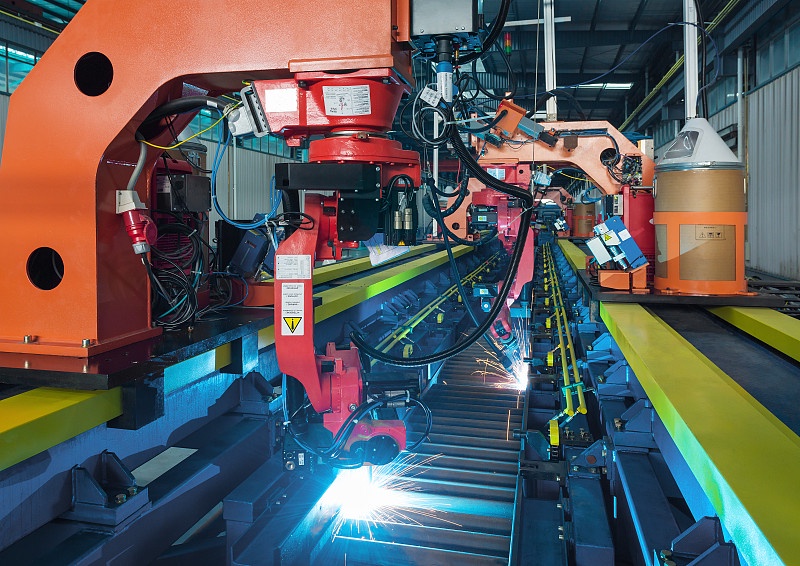
Timing matters critically in capital-intensive projects. Radial drilling machines deliver maximum ROI when commissioned during Phase II of fabrication line build-outs—after cutting and bending, but before welding automation. This sequencing allows precise hole location to anchor robotic positioners (e.g., Wuxi Samgins’ 7-axis welding robots) and ensure sub-millimeter fit-up tolerance. Clients like Rienzie Group report 92% first-pass assembly success on complex steel structures when radial drilling precedes automated welding—versus 64% with legacy methods.
Geographic compliance is non-negotiable. All Wuxi Samgins radial drilling machines carry dual CE marking (Machinery Directive 2006/42/EC + Low Voltage Directive 2014/35/EU), plus country-specific certifications including SASO for Saudi Arabia, INMETRO for Brazil, and GOST-R for Kazakhstan—eliminating customs delays and enabling direct site commissioning without third-party revalidation.
How Are Radial Drilling Machines Engineered And Validated?
Wuxi Samgins employs a vertically integrated manufacturing process spanning finite element analysis (FEA), precision casting, heat treatment, and multi-axis CNC machining—all conducted in-house under ISO 9001 surveillance. Each radial drilling machine begins with stress-optimized column and arm castings made from QT600-3 ductile iron, subjected to 48-hour annealing to eliminate residual stresses and ensure long-term geometric stability under thermal cycling.
Critical motion components undergo triple-stage quality control: linear guideways (HIWIN or THK) are preloaded and measured for parallelism (≤0.015 mm/m); ball screws (NSK or Kuroda) are laser-interferometer verified for pitch accuracy (±0.008 mm/300 mm); and spindle housings are dynamically balanced to G2.5 grade. Final assembly occurs in climate-controlled bays (20 ± 1°C), with each unit undergoing 72-hour functional burn-in, including 10,000-cycle feed actuation and 8-hour continuous spindle load testing at 90% max torque.
Quality documentation includes full traceability: material certs (EN 10204 3.1), metrology reports (Zeiss CALYPSO), and electrical safety test records (IEC 60204-1). Every exported unit ships with bilingual (English + local language) operation manuals, certified calibration certificates, and digital twin-ready machine parameters—supporting predictive maintenance and remote diagnostics via Wuxi Samgins’ cloud platform.
Installation follows a rigorous 5-phase protocol: foundation verification (laser leveling to ≤0.02 mm/m), mechanical alignment (column verticality ±0.01°), electrical integration (EMC shielding validation), performance validation (ISO 230-2 Part 4 positional accuracy test), and operator certification (on-site training covering G-code programming, tool offset management, and emergency stop sequence verification). This end-to-end rigor explains why Wuxi Samgins maintains >98.7% on-time first-run success across 127 installations since Q1 2023.
How Much Does A Radial Drilling Machine Cost — And What Drives TCO?
Total Cost of Ownership (TCO) for a radial drilling machine extends far beyond the initial purchase price—typically ranging from USD 85,000 (manual, 25 mm max drill) to USD 320,000 (full CNC, 50 mm max drill, 5-axis interpolation). Key TCO drivers include energy consumption (up to 22% of 5-year cost), consumables (drill bits, coolant, filters), maintenance labor, and production downtime. Wuxi Samgins’ energy-optimized models reduce power draw by 18–26% versus industry averages through IE4 premium-efficiency motors and regenerative braking on Z-axis servos.
Consumables represent 31% of 5-year TCO. Wuxi Samgins mitigates this via intelligent coolant management systems (recirculating filtration with 5-micron particle capture) and proprietary drill-bit geometry recommendations matched to common materials (S355JR, ASTM A572, SS316L). Field data from Zein Steel Industries shows 47% longer bit life and 63% fewer coolant changes annually versus generic OEM guidance.
Maintenance labor costs are reduced by modular design: 92% of serviceable parts are accessible without disassembling the radial arm or column. Standardized torque specs and QR-coded component labels enable technicians to complete routine servicing in<45 versus="">120 minutes on legacy units. Extended warranties (36 months standard, 60 months optional) cover both parts and labor, backed by Wuxi Samgins’ global spare parts network with 72-hour air freight guarantee to 32 countries.
ROI crystallizes most clearly in throughput gains. A comparative study across 11 clients revealed that upgrading to a Wuxi Samgins CNC radial drilling machine delivered median payback in 14.2 months—driven by 39% higher first-time-right yield, 28% lower operator overhead, and 17% increased machine utilization (from 62% to 73%). For capital planners, this translates to IRR of 22.4% over five years—well above the 12% hurdle rate typical for industrial machinery investments.
search

Send Us A Message
Send us a Message
A dedicated person will follow up on your needs one-on-one and provide personalized customized solutions according
to your needs.
Get In Touch
We look forward to hearing from you for in-depth communication on how to fulfill your mixing requirements.