




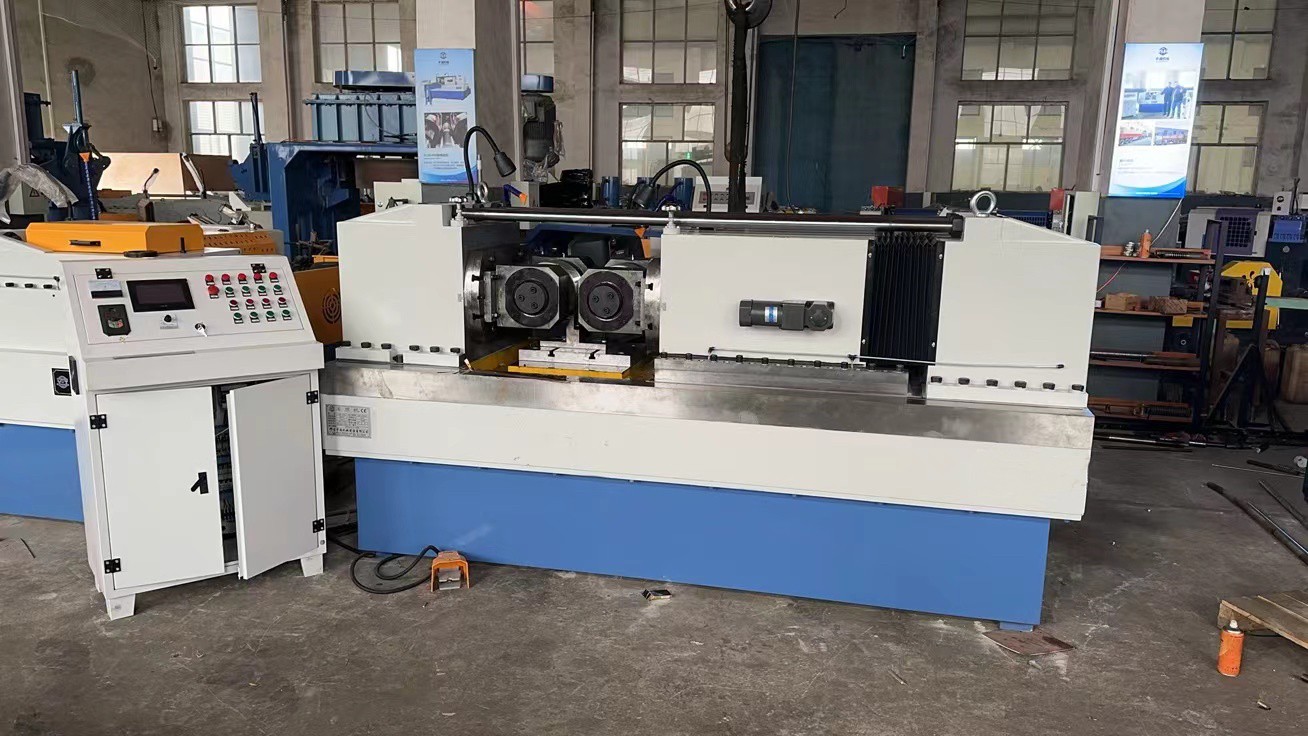
Z28-650 thread rolling machine
Full-range Machinery & Customized Non-standard Solutions
Authorized Certificates & Independent R&D Patents
Over 10 Years Global Export & Worldwide Project Cases
Navigation
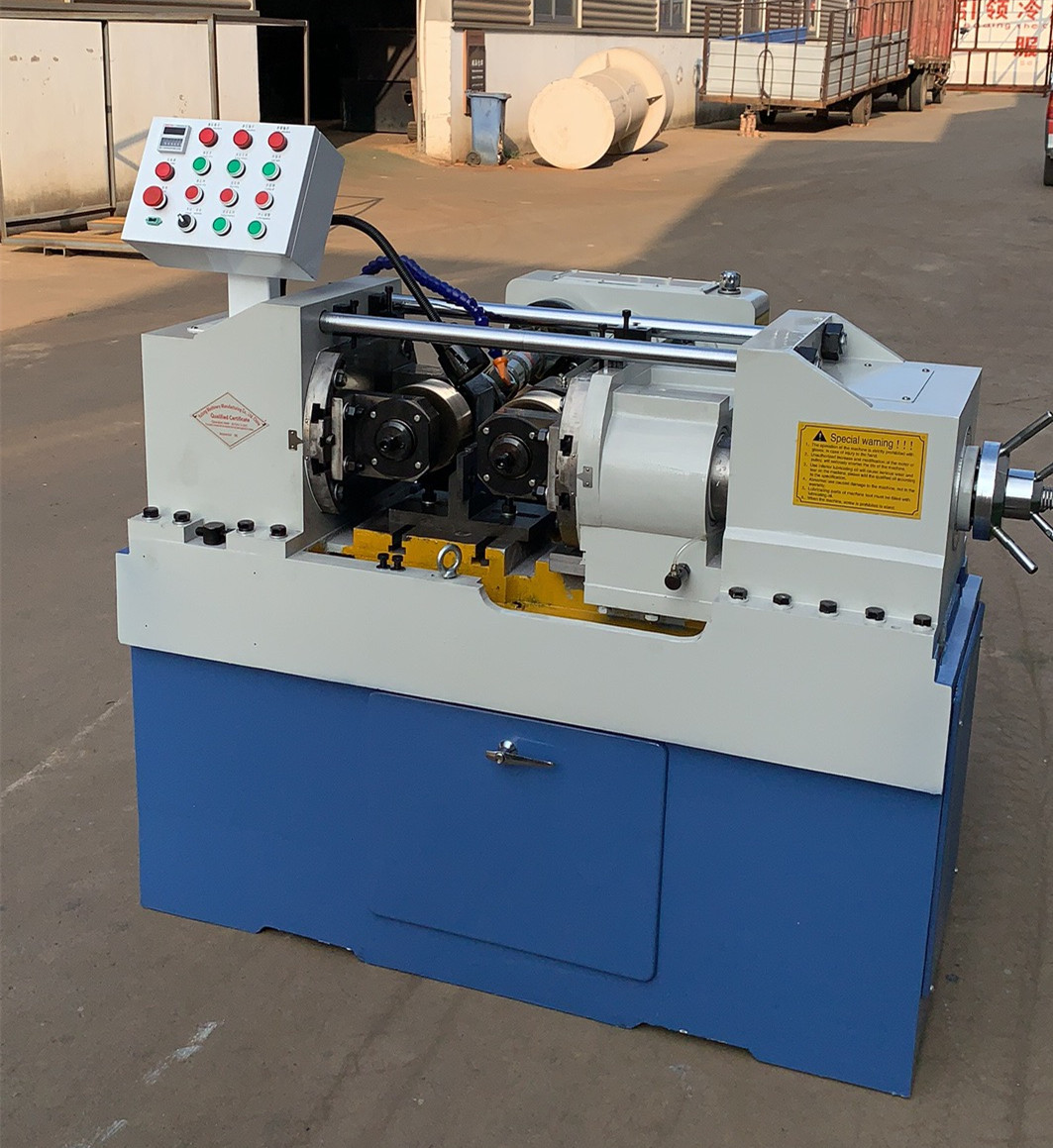

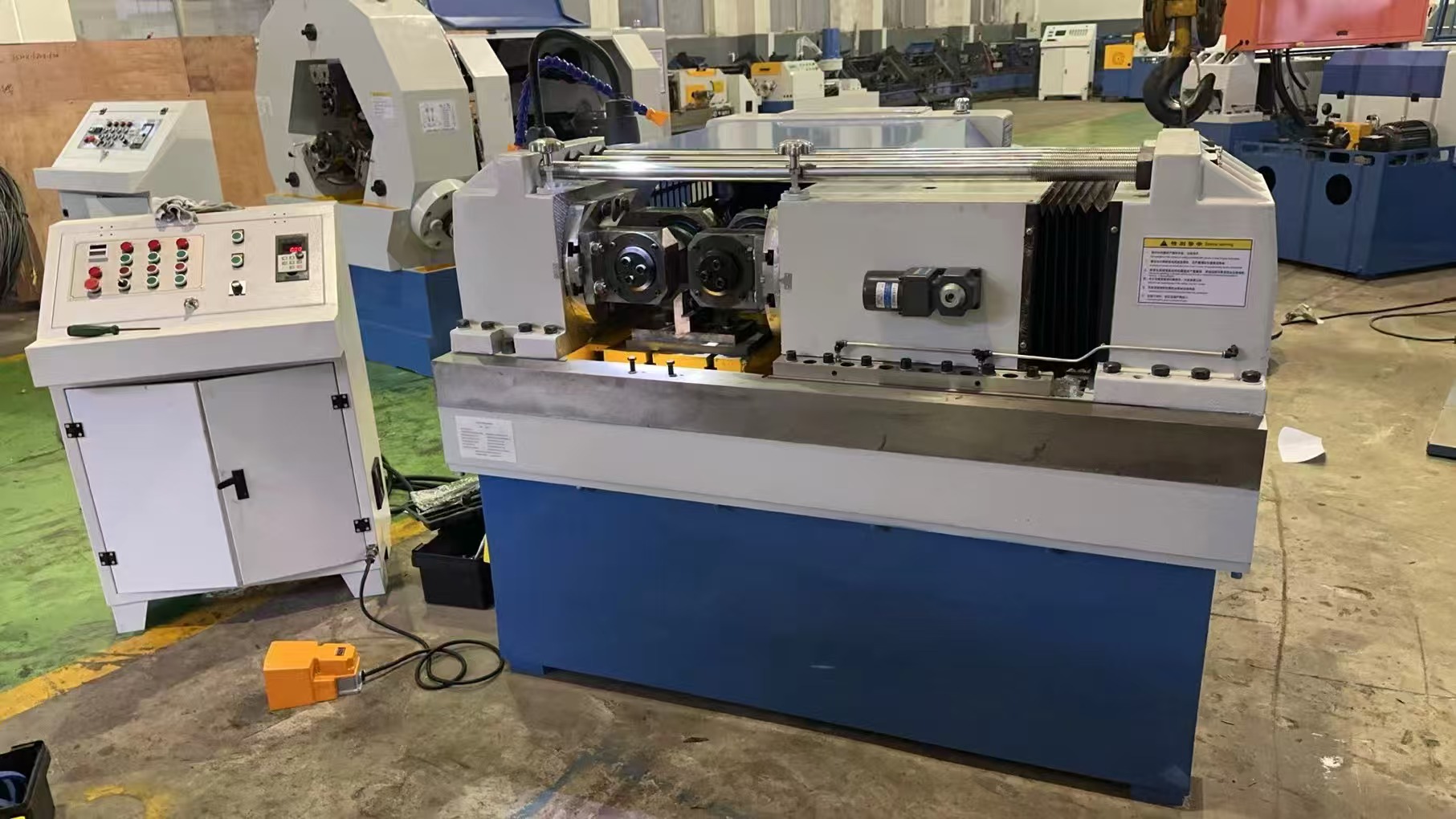
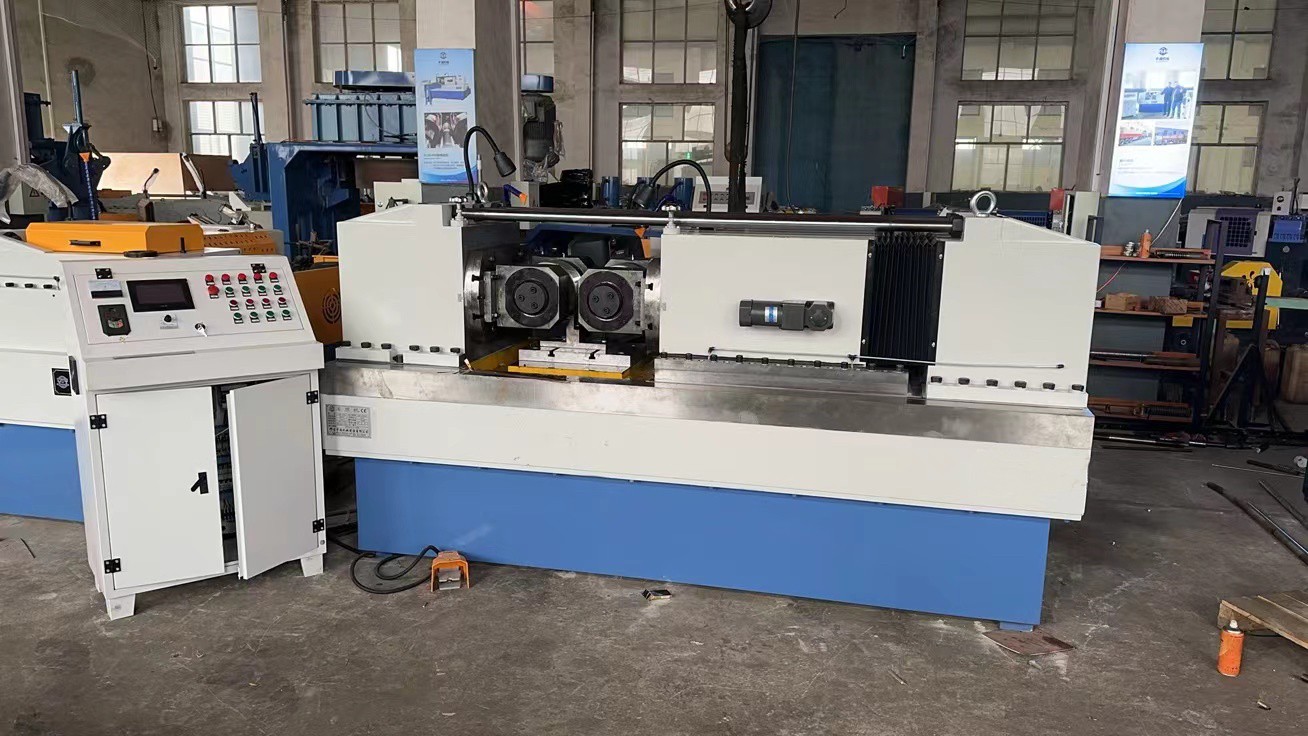
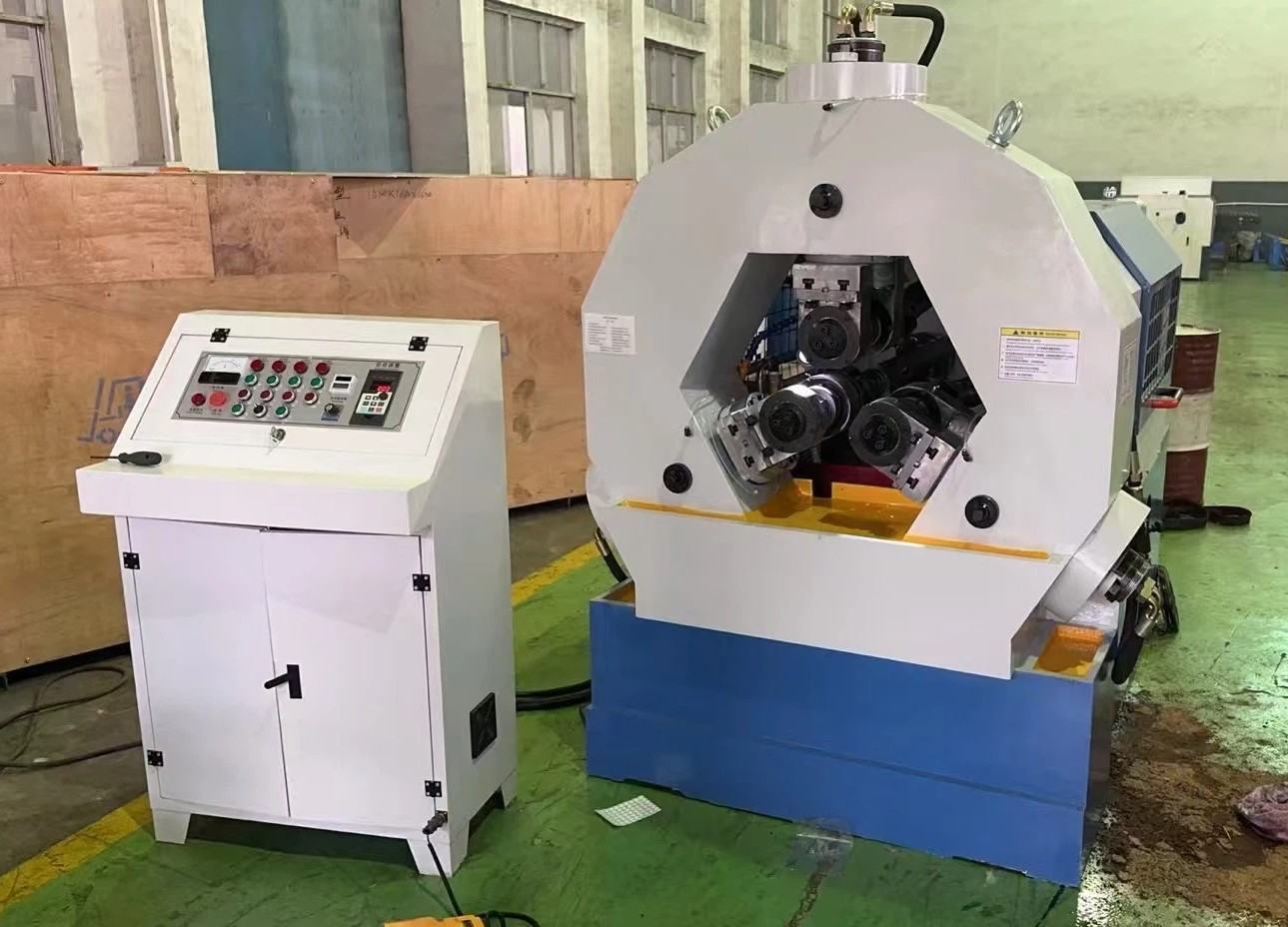
Z28-650 thread rolling machine Description
1.Introduction for Z28-650 thread rolling machine:
Thread Rolling Machine Applications
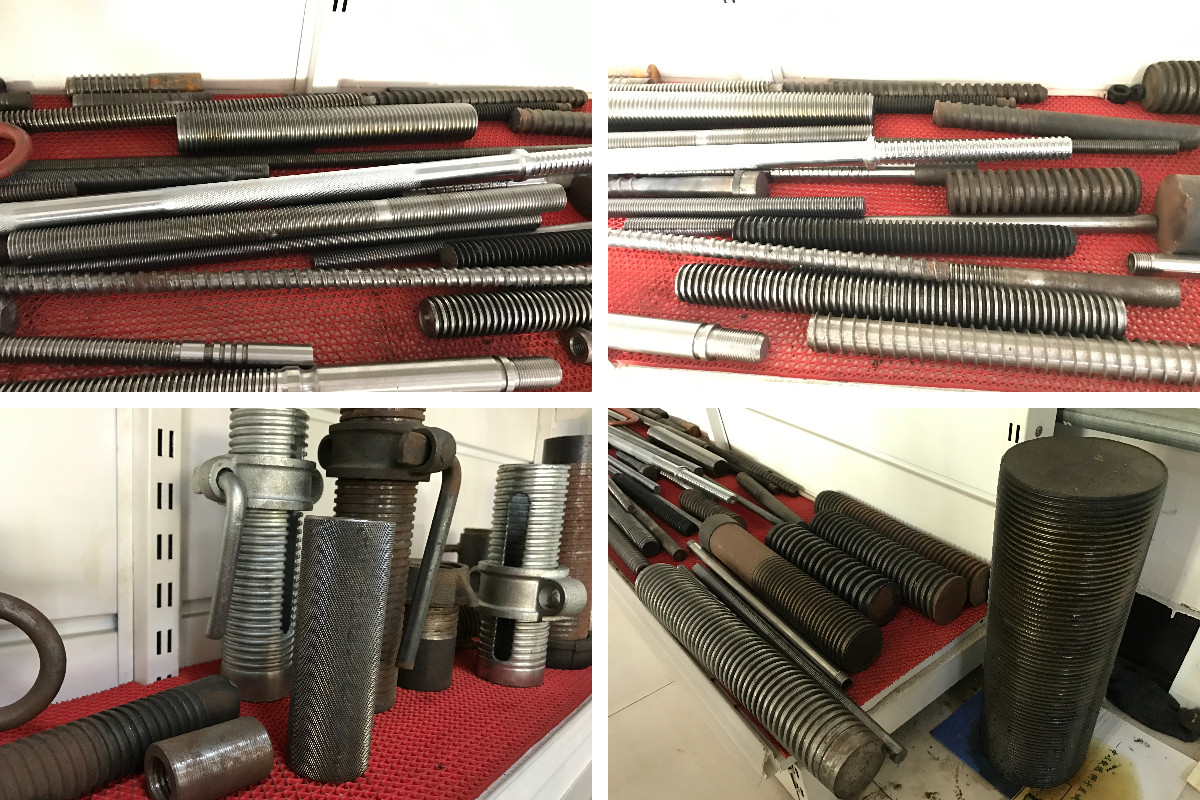
Thread rolling machines are primarily designed for producing precision external threads on a variety of workpieces, including high-strength standard fasteners, anchor bolts, and T-screws—particularly those with relatively large thread pitches.
Automatic Thread Rolling Machines & Cold Rolling Process
Automatic thread rolling machines are specifically engineered for radial cold roll forming. This cold rolling process represents an advanced chipless machining technology. During the process, rolling tools extrude the workpiece material, ensuring that the metal fibers remain continuous and unbroken. The pressure generated during rolling effectively improves surface finish, hardness, and overall strength of the workpiece. Compared to conventional cutting methods, thread rolling can increase productivity several times over, significantly reduces material waste, and is readily adaptable to automated processing.
Rebar Thread Rolling Machines are a specialized variant of this equipment.
Screw Thread Rolling Machines & Material Suitability
Screw thread rolling machines utilize rolling dies as the forming tool and are built with exceptional robustness. They are suitable for processing a wide range of materials, including various carbon steels, alloy steels, and non-ferrous metals, provided the following material conditions are met:
Hardness: not exceeding HRC37 (ideally HRC25 or lower)
Elongation: greater than 10%
Tensile strength: below 100 Kgf/mm² (approx. 980 N/mm²)
2.Technical parameter for Z28-650 thread rolling machine
3.Characters for Z28-650 thread rolling machine:
3.1 High Efficiency and Energy Saving: Utilizing the cold rolling process, no chips are produced, resulting in high material utilization rate and low energy consumption.
3.2 Enhancing Component Performance: The radial compressive stress and cold work hardening effect generated during the processing process significantly enhance the fatigue strength, torsional strength and wear resistance of the component.
3.3 High Precision and Consistency: The thread profile is full and plump, the diameter consistency is good, and the surface roughness can reach Ry 0.1–0.8 μm, with a precision level of GB197-63 Grade 2.
3.4 Wide Applicability: Capable of processing workpieces with diameters ranging from Φ4.2 to Φ120 mm (depending on the model); the pitch range is typically 0.3–8.0 mm; suitable for materials such as carbon steel, alloy steel, and non-ferrous metals (elongation > 10%, tensile strength < 1000 N/mm²)
3.5 Multi-mode Operation: Supports three working modes: manual, semi-automatic, and automatic. Some models are equipped with PLC control, human-machine interface, automatic feeding, and other functions.
3.6 Strong structural rigidity: Mostly uses cast steel bodies or high-strength welded structures to ensure processing stability
3.7 Environmental Safety: No open flames, no cutting fluid contamination (using water-soluble coolant), in compliance with national construction industry safety standards
4.Application for Z28-650 thread rolling machine:
products faq
Thread rolling is a cold forming process that displaces material to form threads without removing any metal. This results in stronger threads with superior surface finish. Thread cutting is a subtractive process that removes material using a cutting tool, producing weaker threads due to interrupted grain flow and leaving cutting marks. Rolling also offers higher production speeds and no material waste.
The machine can produce a wide variety of thread profiles, including:
Standard threads – metric (M), UNC, UNF, BSW, BSF
Tapered threads – NPT, BSPT, API (oil and gas)
Special profiles – knurls, splines, worms, lead screws
Custom profiles – tailored to specific application requirements
The specific profile depends on the die set used.
The machine processes a broad range of ductile materials, including:
Carbon steel and alloy steel
Stainless steel (300 and 400 series)
Aluminum and aluminum alloys
Brass, copper, and titanium
High-strength materials (e.g., Grade 12.9 bolts)
Harder or more brittle materials may not be suitable for rolling due to limited deformation capacity.
Infeed (Plunge-Feed) – Dies close radially onto the workpiece with no axial movement. The process is fast and suitable for threads up to moderate length. Ideal for large diameter threads and high-volume production.
Throughfeed – The workpiece feeds axially between rotating dies, allowing for unlimited thread length. Best for long threaded rods, studs, and continuous production runs.
Routine maintenance includes:
Inspecting rolling dies for wear or damage; rotating or replacing as needed
Lubricating bearings, guideways, and moving parts regularly
Checking hydraulic fluid levels and seals (on hydraulic models)
Verifying electrical connections and control system calibration
Cleaning the machine to remove chips, coolant residue, and debris
Performing regular alignment checks to ensure consistent thread quality
We provide detailed maintenance schedules, spare parts support, and technical assistance to keep your machine in optimal condition.