




Thread Rolling Machine: The Complete Guide to Types, Working Principles, and Industrial Applications in 2026
What Is A Thread Rolling Machine?
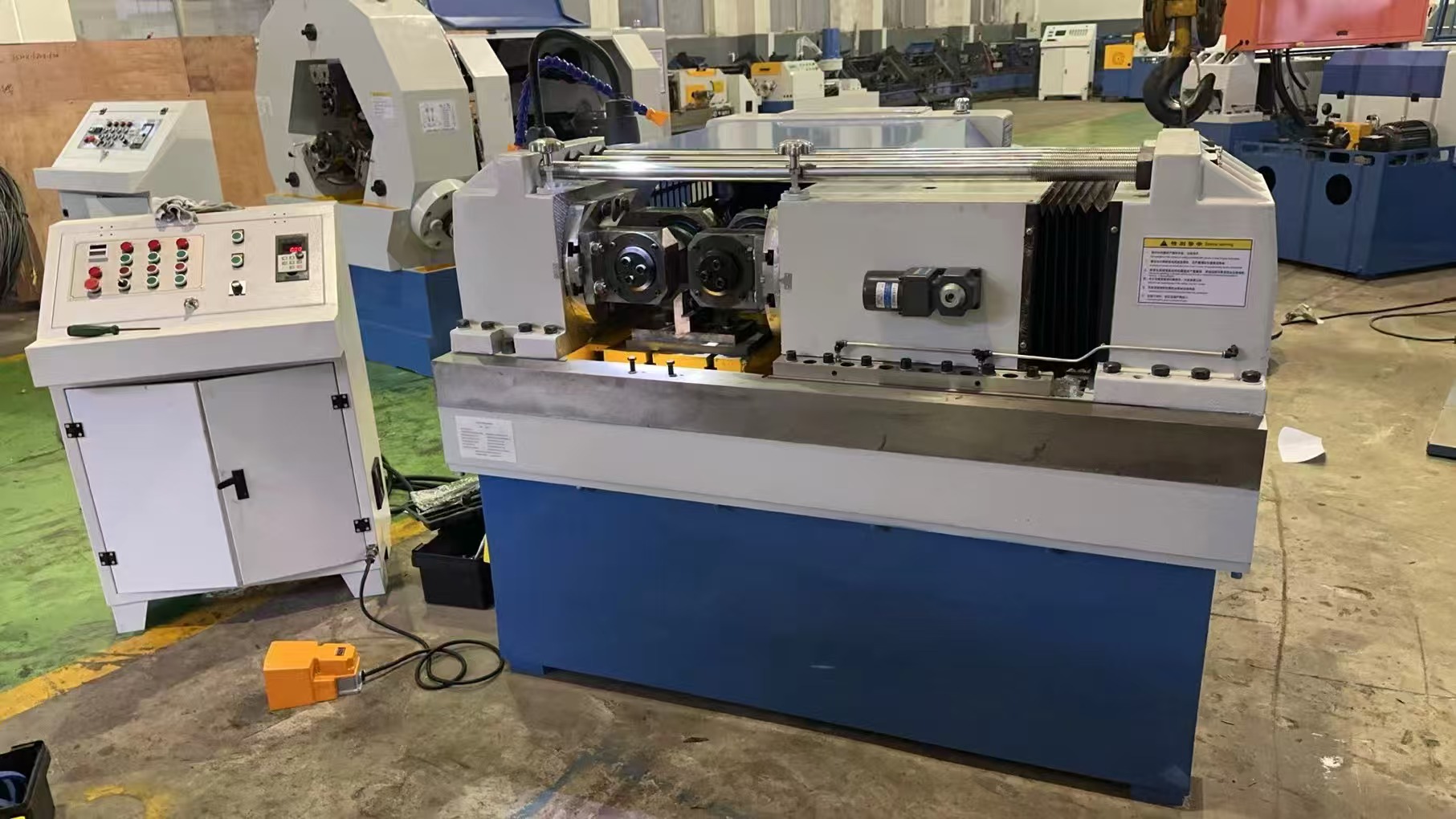
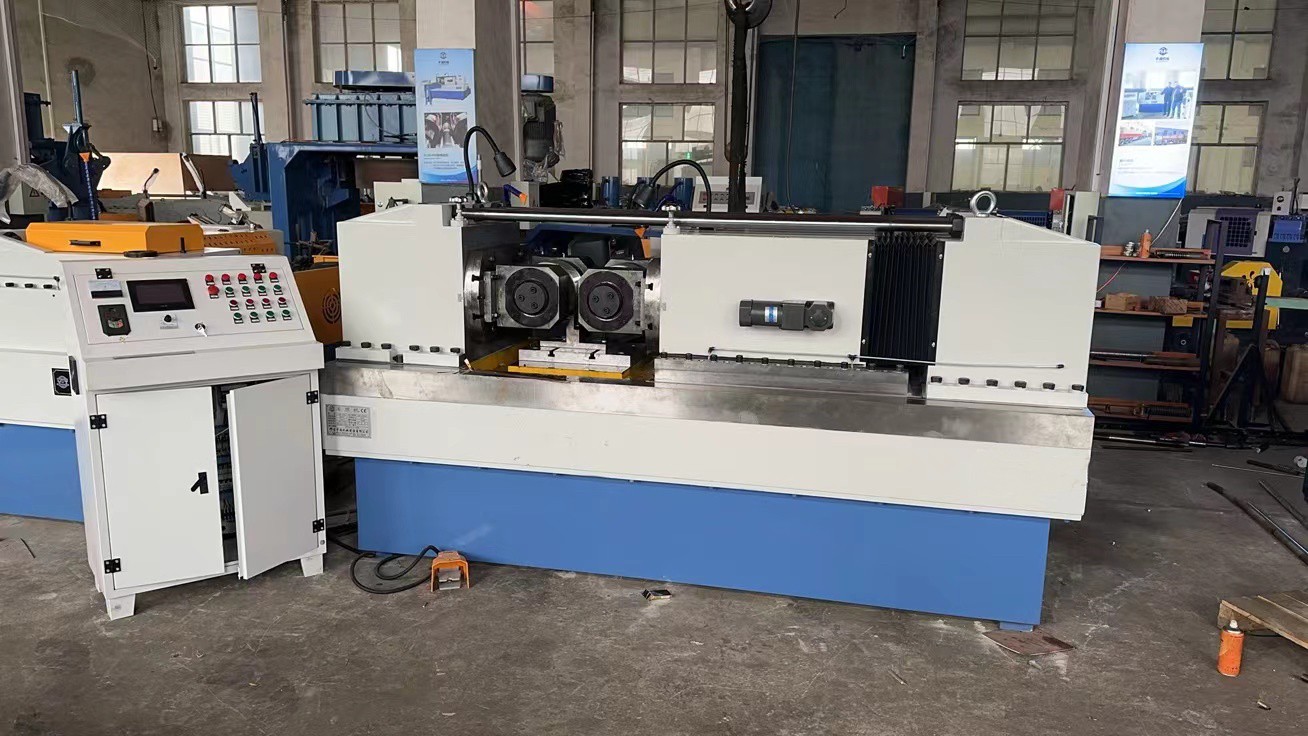
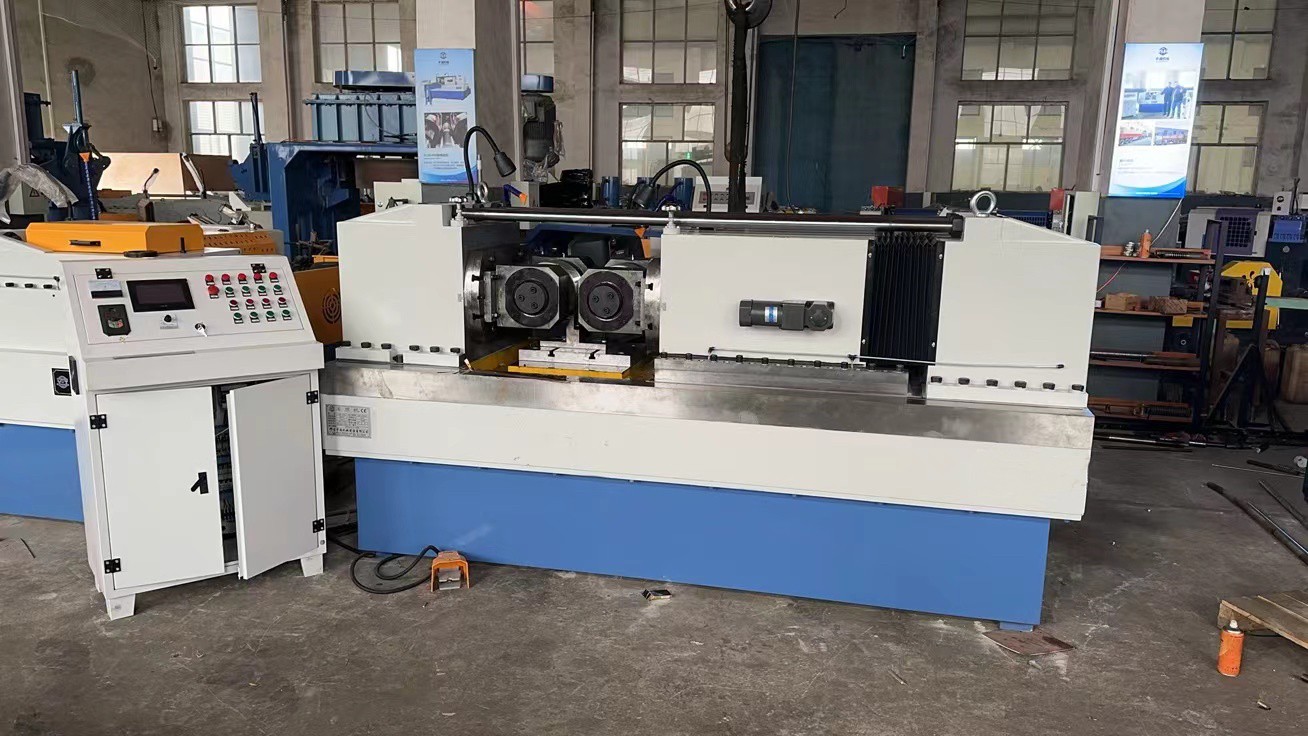
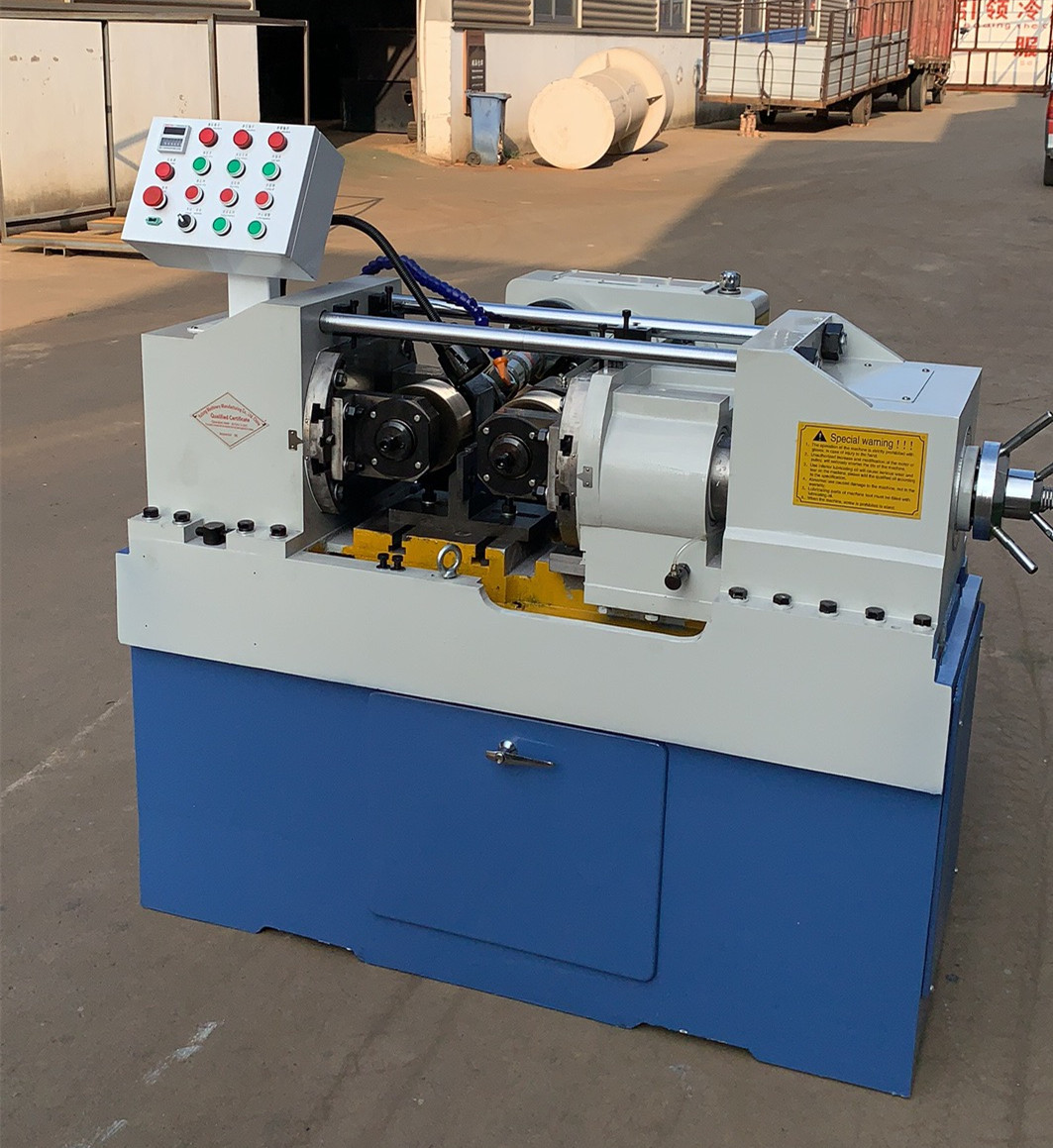
A thread rolling machine is a metal forming system used to produce external threads on cylindrical workpieces such as bolts, screws, studs, shafts, pipe connectors, and special fasteners. Instead of removing material with cutting tools, the machine presses hardened dies against the blank so the thread profile is displaced and formed under high pressure. This cold forming method is widely used where thread consistency, productivity, and surface integrity matter.
In industrial practice, a thread rolling machine is valued for creating threads with good dimensional repeatability and a work-hardened surface. Because the grain flow of the material follows the thread contour rather than being interrupted by cutting, rolled threads are often preferred for parts that will face vibration, cyclic loading, or assembly repetition. This is one reason thread rolling is common in automotive, construction hardware, agricultural equipment, and general machinery supply chains.
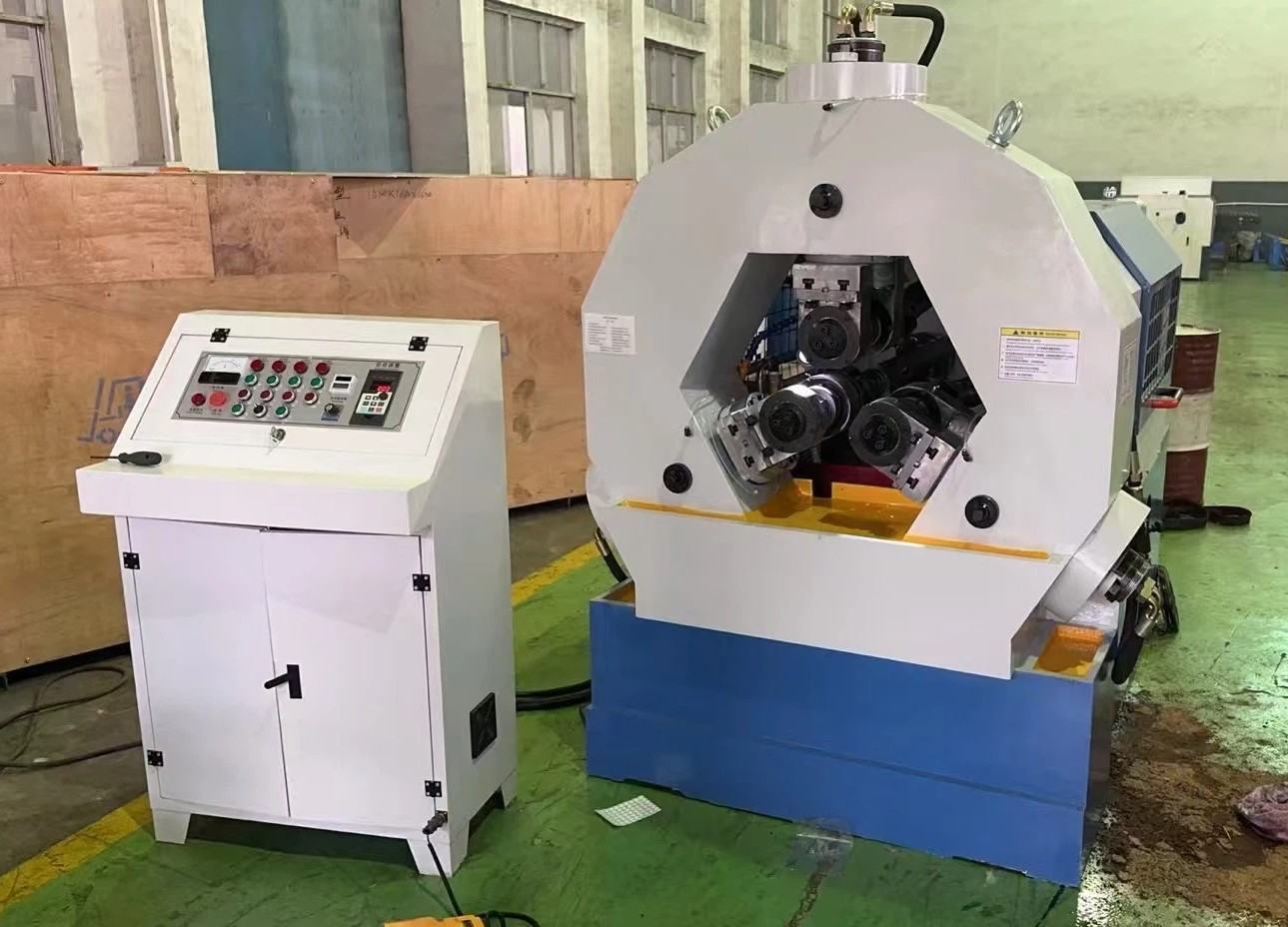
The machine category covers several formats, including flat die, two-die cylindrical, and three-die systems. Capacity is usually defined by workpiece diameter range, thread pitch range, rolling force, spindle or die speed, and production rhythm. Buyers often compare machine rigidity, die accuracy, feeding method, and control system because those factors directly affect finished thread quality and long-term operating stability.
For manufacturers serving export markets, the thread rolling machine is not just a forming tool. It is part of a broader production chain that may include cutting, chamfering, heat treatment, washing, inspection, and packing. This makes equipment matching especially important when the goal is stable output rather than only nominal machine capacity.
How The Working Principle Creates Threads Without Cutting
The working principle of a thread rolling machine is based on plastic deformation. A cylindrical blank, usually prepared to a controlled diameter slightly below the thread major diameter, is positioned between dies that carry the inverse thread form. As the dies move relative to the workpiece, high contact pressure causes the material to flow into the die cavities, generating the final thread shape.
The forming sequence depends on machine design. In a flat die system, one die remains fixed while the other reciprocates, rolling the blank forward as the thread is formed. In a cylindrical die machine, rotating dies draw and form the part continuously or semi-continuously. In either case, the thread geometry is determined by die precision, machine alignment, feed stability, material ductility, and lubrication control.
Because no chips are generated during thread formation, process efficiency can be high and material waste can be reduced compared with thread cutting. However, successful rolling depends on proper blank preparation. If the blank diameter is oversized, the machine load rises and thread crest distortion can occur. If it is undersized, thread fill may be incomplete. Material hardness, tensile strength, and surface condition also influence whether the thread rolling machine can deliver clean and uniform results.
Process control usually includes die setup, center height adjustment, feed timing, rolling pressure, lubrication, and post-form inspection. In higher-volume environments, operators also monitor die wear and thermal buildup because both can shift thread accuracy over time. For procurement teams, understanding this principle helps separate a machine with real production capability from one that only looks adequate on paper.
Main Types Of Thread Rolling Machine
The most common classification starts with flat die and cylindrical die designs. Flat die machines are often chosen for high-speed production of standard screws, bolts, and shorter threaded parts. They are productive and familiar across the fastener industry, especially where product sizes are standardized and the line is optimized for large batch output.
Cylindrical die machines, including two-roll and three-roll configurations, are frequently used for a broader variety of workpieces, including shafts, stepped parts, and some special profiles. These systems can provide strong control over roundness and are suitable when the plant needs greater flexibility in part geometry. The right configuration depends on thread length, diameter, pitch, and part handling requirements.
From a buyer perspective, another practical classification is by capacity and automation level. Compact models may support workshop-scale production and maintenance applications, while larger hydraulic or servo-assisted units are better suited for continuous industrial output. Reference models such as the ZC28-12.5 thread rolling machine, ZC28-6.3 thread rolling machine, and Z28-500 thread rolling machine illustrate the way suppliers organize machines around different forming capacities and workpiece ranges.
A modern thread rolling machine may also be grouped by control mode: manual adjustment, hydraulic control, or CNC-integrated parameter management. Manual systems can be economical for repetitive and simple products, but automated controls become increasingly valuable when users need faster changeovers, traceable settings, and lower dependence on operator experience. For multi-product factories, this distinction can have a larger impact on profitability than initial purchase price alone.
Why Manufacturers Choose Rolled Threads In 2026
Manufacturers choose a thread rolling machine because the process combines mechanical performance with production efficiency. Rolled threads commonly have improved surface finish and favorable grain flow compared with cut threads, which can support better fatigue behavior in many practical applications. In sectors where threaded parts are assembled repeatedly or exposed to load and vibration, this process advantage is commercially important.
Another reason is throughput. A thread rolling machine can support short cycle times once tooling and blank preparation are stabilized. This matters in bolt and fastener production, but it also matters in contract manufacturing where on-time delivery and repeat orders depend on predictable output. Lower material waste and reduced secondary finishing can also improve unit economics over the life of the line.
For buyers comparing equipment sources, Wuxi Samgins brings an advantage through its broad manufacturing machinery portfolio. A plant sourcing thread rolling equipment may also need upstream and downstream assets such as CNC cutting machines, press brakes, plate rolling machines, radial drilling machines, or welding automation. Working with a supplier that understands integrated factory workflows can simplify planning, compatibility discussions, and long-term expansion.
Wuxi Samgins also emphasizes customization capability and the use of well-known imported hydraulic, servo, and CNC components in key positions. In practical terms, that matters when a customer needs machine stability, repeatability, and service life rather than a generic catalog specification. For projects with non-standard part sizes or production constraints, this kind of supplier flexibility often reduces implementation risk.
Who Uses A Thread Rolling Machine And Where It Fits
The typical users of a thread rolling machine include fastener manufacturers, automotive component plants, construction hardware producers, oil and gas fitting suppliers, electrical hardware workshops, agricultural equipment factories, and general subcontract machining companies. Any business that produces external threaded parts in repeat volumes can benefit when thread rolling matches its material and geometry requirements.
In fastener plants, the machine is often installed after wire or bar cutting and head forming, with thread rolling becoming a core value-adding process before heat treatment and plating. In machinery plants, it may be used for threaded shafts, studs, or connector components that require dependable assembly performance. In maintenance or engineering workshops, smaller-capacity machines support medium-batch work where flexibility is more important than peak hourly output.
Application suitability also depends on material condition. Low- and medium-carbon steels are common rolling materials, while stainless steel and higher-strength alloys require closer attention to hardness, lubrication, die material, and machine power. Buyers should confirm the actual material grade and pre-treatment condition before selecting a thread rolling machine, because capacity claims without material context are often misleading.
Global buyers also care about compliance and export readiness. Wuxi Samgins states that its machines comply with ISO9001 quality system requirements and EU CE Machinery and LVD directives, while its team has export experience and familiarity with standards such as ASME and API. For purchasers serving regulated or specification-driven markets, this background can support smoother technical communication during procurement and commissioning.
How To Select The Right Thread Rolling Machine
Selecting the right thread rolling machine starts with the part drawing, not the machine brochure. Buyers should define thread standard, outside diameter, pitch, thread length, blank tolerance, material grade, hardness range, and monthly output target. They should also identify whether the product mix is stable or frequently changing, because that affects the value of automation, quick die change systems, and programmable control functions.
The next step is evaluating machine rigidity, rolling force, die format, spindle or slide accuracy, feed system, and lubrication arrangement. A machine that appears lower in price can become expensive if it struggles with alignment drift, unstable feeding, or frequent die breakage. Buyers should request real application references or trial validation on similar parts, especially for stainless steel, long threads, fine pitches, or stepped workpieces.
Tooling support is equally important. Dies are consumable production assets, so the supplier should explain die specifications, sourcing options, setup requirements, and expected wear behavior. It is also worth checking operator interface simplicity, maintenance access, spare parts response, and whether documentation is detailed enough for commissioning and troubleshooting. These factors shape actual uptime more than a headline capacity figure.
For buyers building a larger fabrication line, supplier breadth becomes a strategic factor. Wuxi Samgins offers thread rolling equipment alongside welding manipulators, H-beam production systems, plate processing machines, robotic welding solutions, and CNC cutting equipment. This matters when a customer prefers coordinated sourcing, especially for plants producing steel structures, pipe systems, tanks, or fabricated mechanical assemblies with both threaded and welded components.
Manufacturing Process, Installation, And Quality Control
A well-run thread rolling machine line begins with stable blank preparation. The raw material must be cut to length, chamfered where needed, and held within diameter tolerance suited to the target thread form. Surface defects, decarburization, and inconsistent hardness should be controlled before rolling, because these defects often show up later as poor crest formation, surface tearing, or irregular pitch appearance.
During machine setup, operators align dies, verify center position, confirm rolling path, and establish feed consistency. Lubrication is then adjusted to reduce friction and control die life. Initial trial parts should be measured for major diameter, pitch, flank profile, lead consistency, and surface finish. In a disciplined production environment, first-article approval is followed by routine in-process checks at defined intervals rather than only end-of-batch inspection.
Installation quality also affects long-term performance. The machine foundation, leveling accuracy, power stability, hydraulic condition, and cooling environment should all be considered before commissioning. Plants running multiple shifts should add preventive maintenance routines for die wear tracking, lubrication cleanliness, hydraulic inspection, and fastening checks. These practices help a thread rolling machine sustain repeatable results instead of drifting gradually into hidden quality loss.
Wuxi Samgins positions itself around design, manufacturing, sales, after-sales, and technical support, which is relevant here because commissioning is where many equipment projects succeed or fail. Long-term warranty support and practical response to issues such as delivery coordination, service completeness, and quality consistency can matter as much as machine specification in a live factory environment.
Cost Structure, TCO, And ROI Considerations
The total cost of ownership for a thread rolling machine includes more than the purchase price. Buyers should account for tooling, spare parts, floor space, power consumption, lubrication, operator training, maintenance time, setup losses, inspection requirements, and scrap risk. In some factories, the hidden cost of inconsistent thread quality is larger than the machine investment itself because rejected parts consume labor, material, and delivery time.
Material and product mix have a direct effect on running cost. Harder materials, fine-pitch threads, longer thread lengths, and more frequent model changes generally increase tooling consumption and setup time. High-volume standard products may justify a faster and more specialized thread rolling machine, while mixed production often benefits from a slightly slower but easier-to-adjust system that reduces downtime between jobs.
ROI should be evaluated against production stability, labor efficiency, and downstream quality savings. If thread rolling reduces secondary finishing, cuts scrap, improves assembly reliability, and shortens cycle time, the financial benefit accumulates across the whole order stream. Buyers should ask for realistic productivity assumptions based on part type rather than broad promotional claims, then compare those assumptions with actual order frequency and shift structure.
For export-oriented manufacturers, a supplier with wider process knowledge can also reduce indirect cost. When one company understands related fabrication workflows such as cutting, forming, drilling, and welding, technical coordination becomes easier. This is one reason some buyers consider Wuxi Samgins not only for a thread rolling machine, but as part of a longer-term machinery sourcing relationship.
Global Applications, Standards, And 2026 Market Trends
A thread rolling machine serves a global industrial base, and application needs vary by region. Construction and infrastructure markets often focus on anchor bolts, studs, and structural fasteners. Automotive and machinery sectors emphasize process stability and repeatability. Energy, pipe, and heavy engineering projects may require closer attention to material traceability, specification compliance, and integration with broader fabrication lines.
The customer list associated with Wuxi Samgins, including companies such as URALSTANKOIMPORT, MD Calbah Industries Pty Ltd, Ersay International Transport, Zein Steel Industries Co.LLC, PT.Cahaya mas Cemerlang, Estructuras Metalicas Girders Chile Limitada, and Lincoln Electric-MENA, indicates practical exposure to international project environments. Without overstating those relationships, such export experience matters because machine buyers often need clear communication across drawings, standards, logistics, and service expectations.
Looking into 2026, the main trend is not a radical change in the basic forming principle, but smarter control around it. Buyers increasingly expect better servo or hydraulic stability, easier recipe management, improved operator interfaces, and faster setup verification. Another trend is line integration, where the thread rolling machine is evaluated as part of a connected production cell with feeding, inspection, and traceability functions rather than as a standalone asset.
Sustainability and cost pressure are also shaping demand. Processes that minimize waste, extend die life, and improve first-pass yield are gaining attention. In that context, thread rolling remains attractive because it forms threads efficiently without chip generation. For buyers planning equipment upgrades in 2026, the best decision usually comes from matching part requirements, standards, support capability, and lifecycle economics instead of focusing on price alone.
search
Recommended Products
 Z28-150 thread rolling machineThe Z28-150 is a compact, two-die cylindrical thread rolling machine designed for cold-forming precision external threads on small to medium-sized workpieces. It is widely used in hardware manufacturing, standard parts production, automotive components, and construction fastener fabrication.
![星星1]()
 Z28-250 thread rolling machineThe Z28-250 is a two-die cylindrical thread rolling machine designed for cold-forming precision external threads, high-strength standard fasteners, T-shaped screws, anchor bolts, and workpieces requiring larger thread pitches. It is widely used in hardware construction, automotive and motorcycle parts manufacturing, traffic power equipment, and standard parts production.
![星星1]()
- Z28-500 thread rolling machineThe Automatic Thread Rolling Machine utilizes radial cold roll forming—an advanced non-chip (chipless) machining process. The rolling tool extrudes the material, creating continuous metal fibers without cutting. The compressive pressure generated during rolling effectively improves surface roughness, hardness, and strength of the workpiece. Compared to thread cutting, rolling increases production efficiency by several times (even dozens of times), saves material, and facilitates automated processing.
![星星1]()
- Z28-650 thread rolling machineThread rolling machine is mainly used for rolling various types of precision external thread, high-strength standard parts and anchor bolts and T-shaped screws and other workpieces with larger screw pitch.
![星星1]()
- Z28-1000 thread rolling machineThread rolling machine is mainly used for rolling various types of precision external thread, high-strength standard parts and anchor bolts and T-shaped screws and other workpieces with larger screw pitch.
![星星1]()
 ZC28-6.3 thread rolling machineThread rolling machines are primarily used for rolling various types of precision external threads, high-strength standard parts, anchor bolts, T-screws, and other workpieces with larger thread pitches.
Automatic thread rolling machines are mainly employed for radial cold roll forming. This cold rolling process represents an advanced non-chip processing technology. The process utilizes rolling tools for extrusion, ensuring continuous metal fibers. The pressure generated during rolling effectively improves surface roughness, hardness, and strength of the workpiece. Compared with cutting processes, thread rolling improves work efficiency by several times or even more, while also saving material and facilitating automated processing.![星星1]()

Recommended blogs
- Common Accuracy Problems in Swing Beam CNC Hydraulic Shear and How to Fix Them
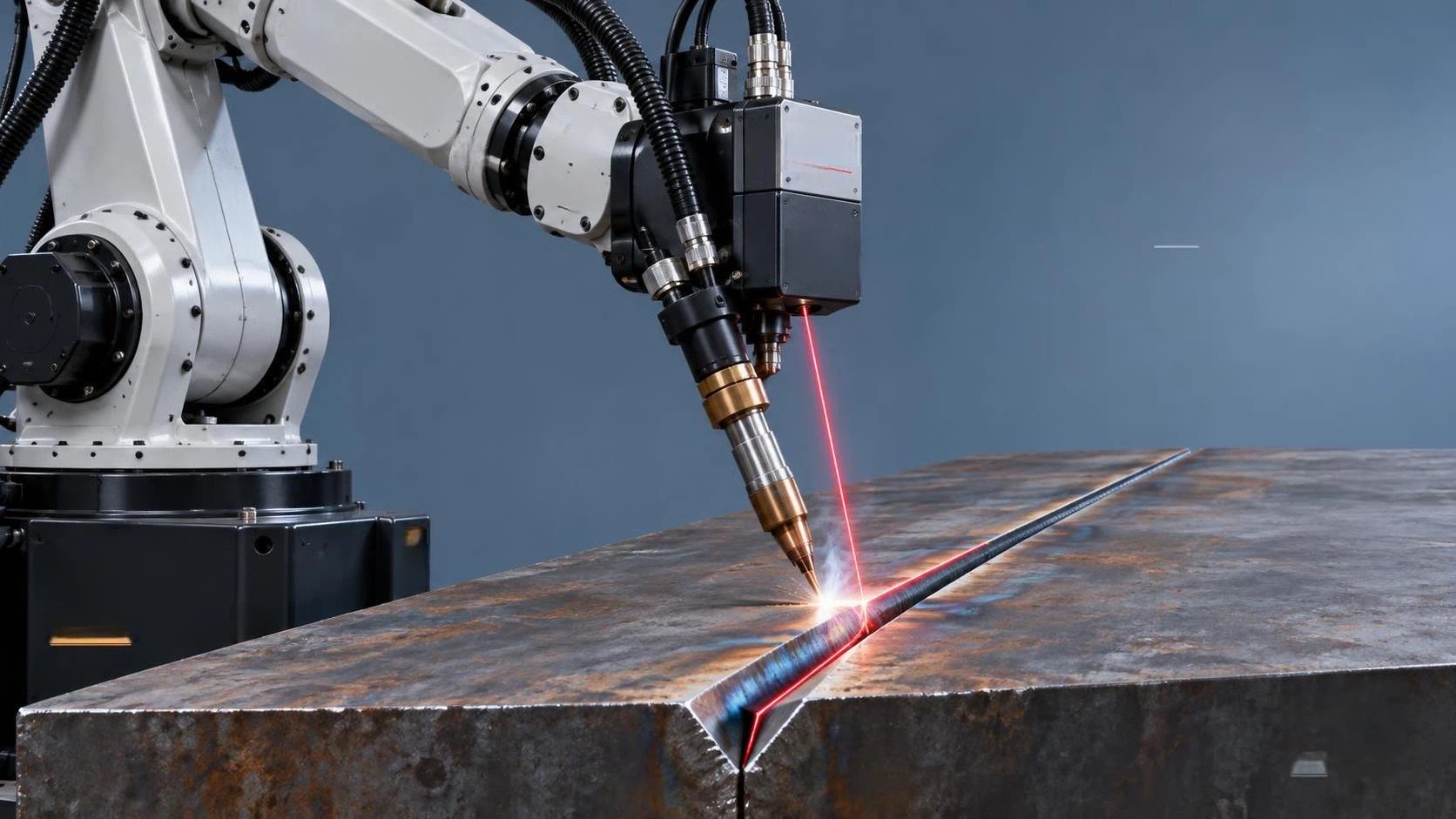
- When does welding robot for long seam welding require laser seam tracking versus vision-based guidance?
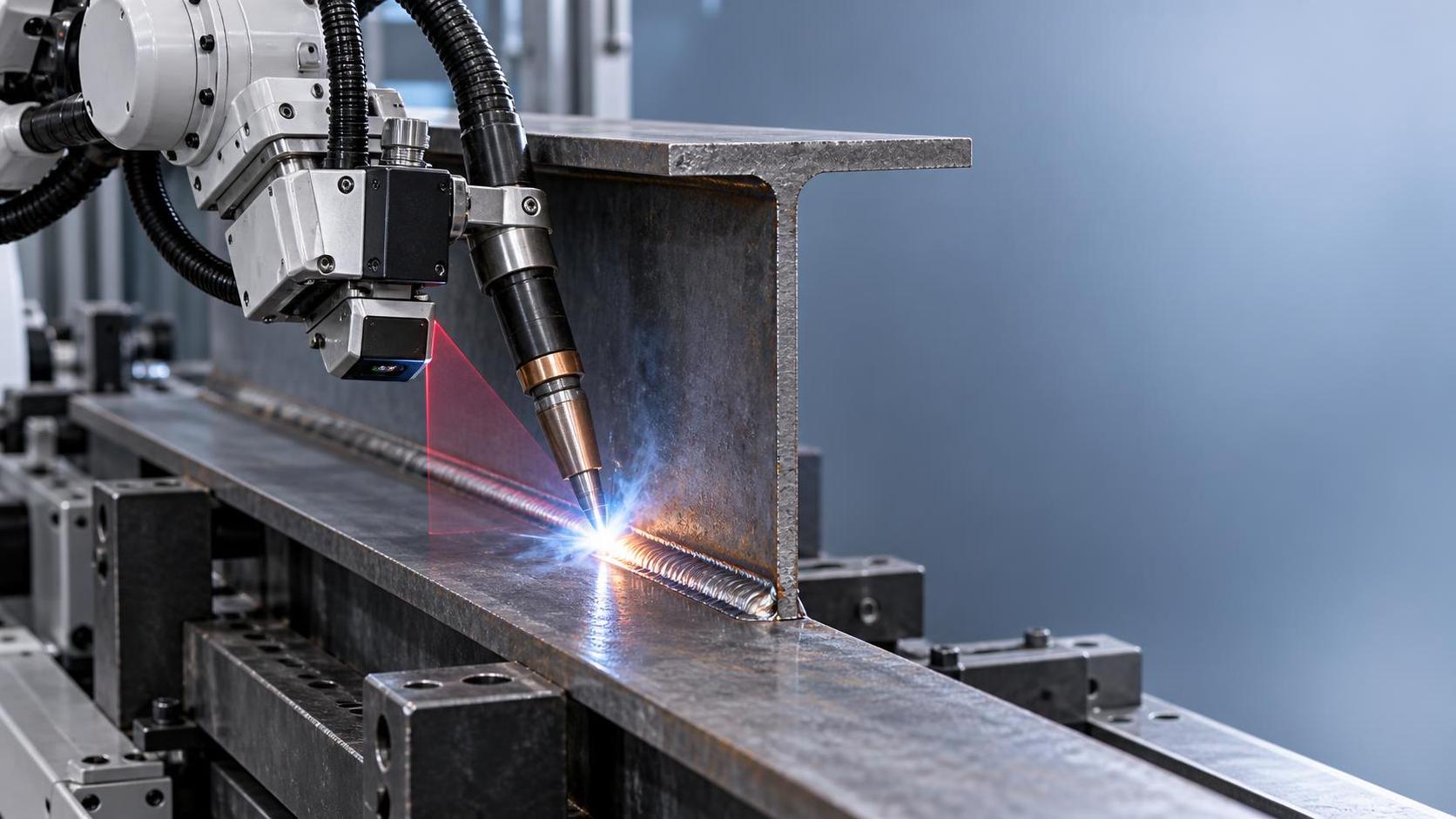
- How welding robot for H beam handles mismatched web-to-flange fit-up tolerances above 1.2mm
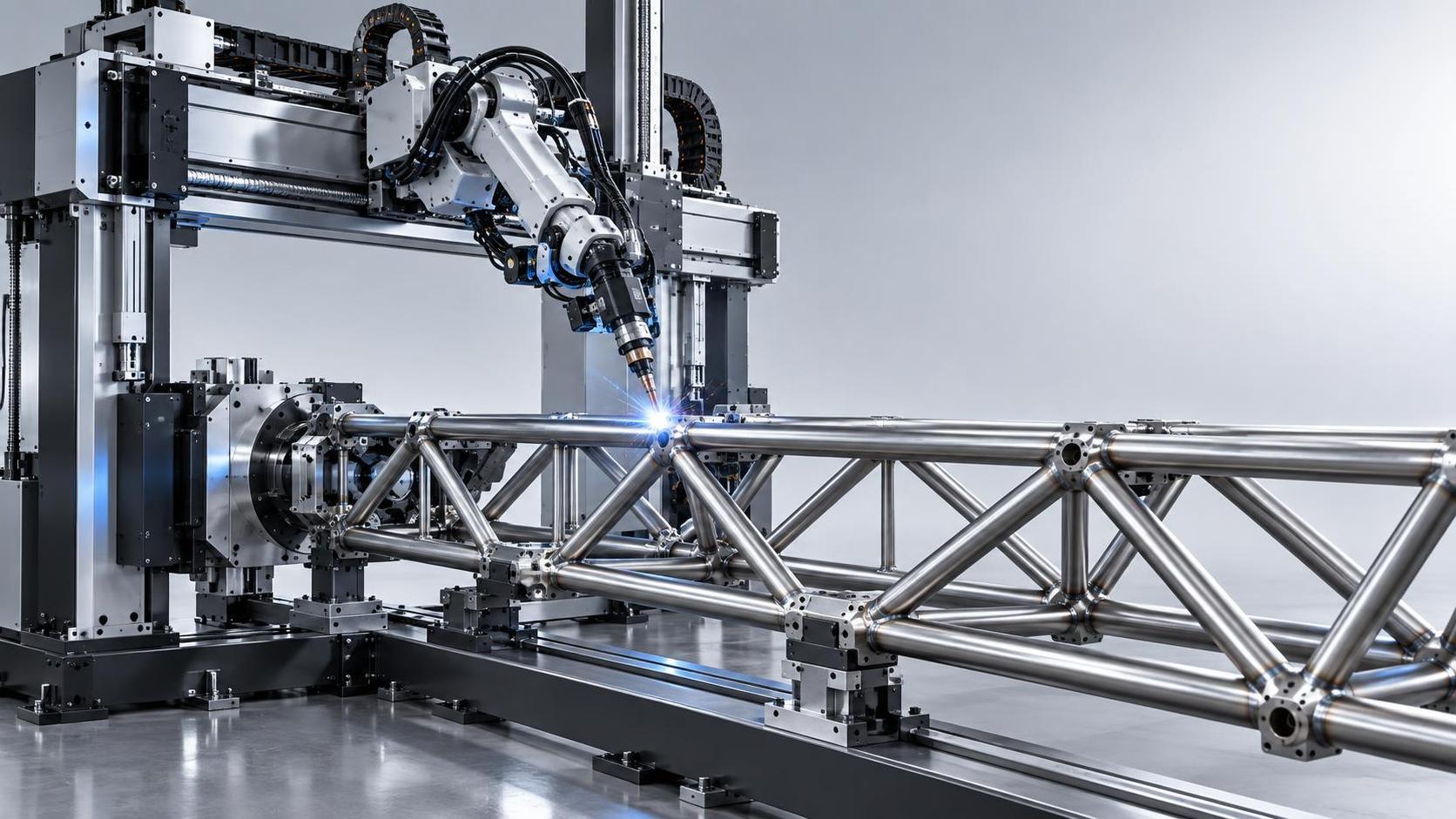
- How does the total cost of ownership compare between a new automatic space frame welding machine and upgrading legacy equipment?
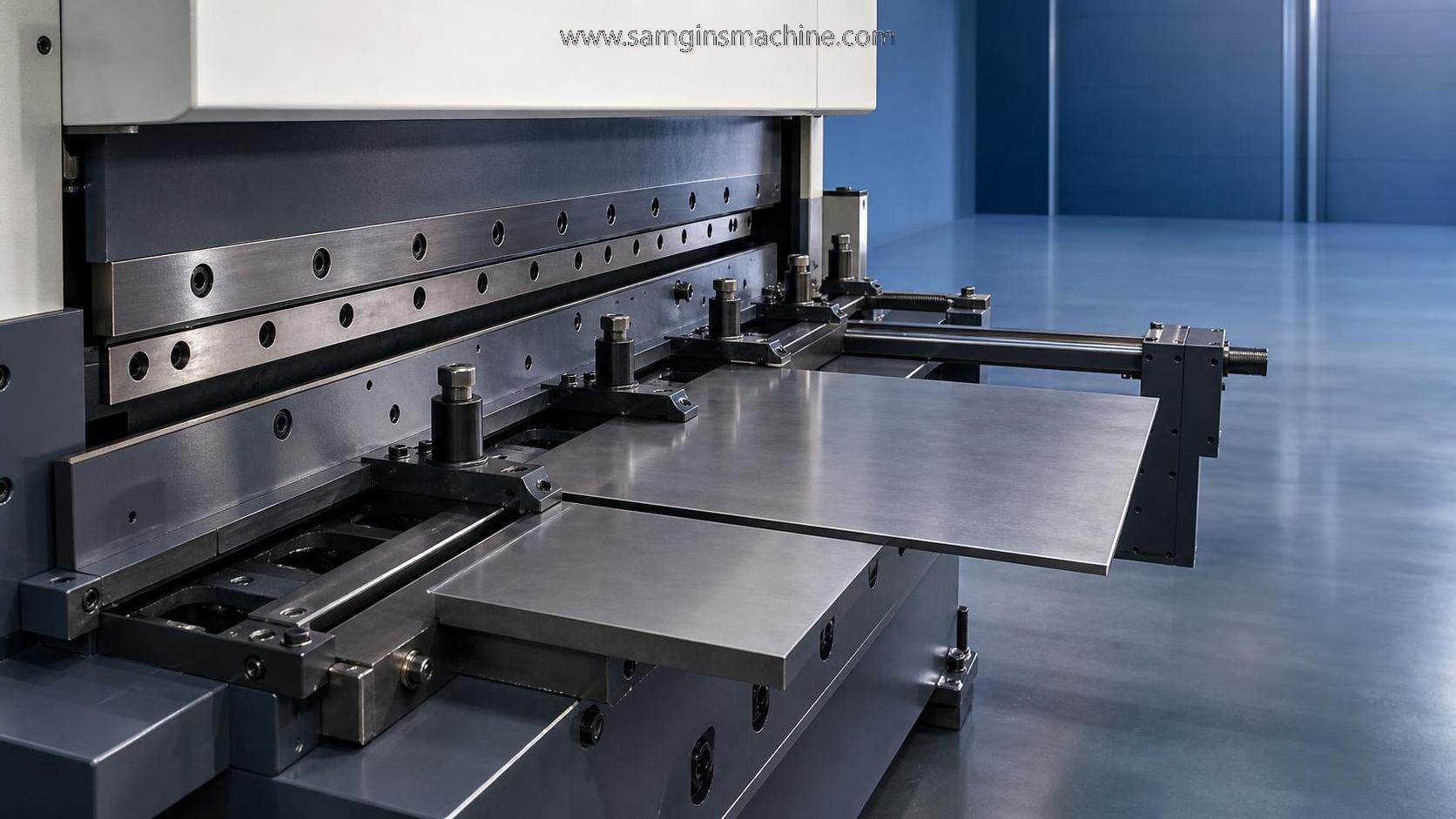
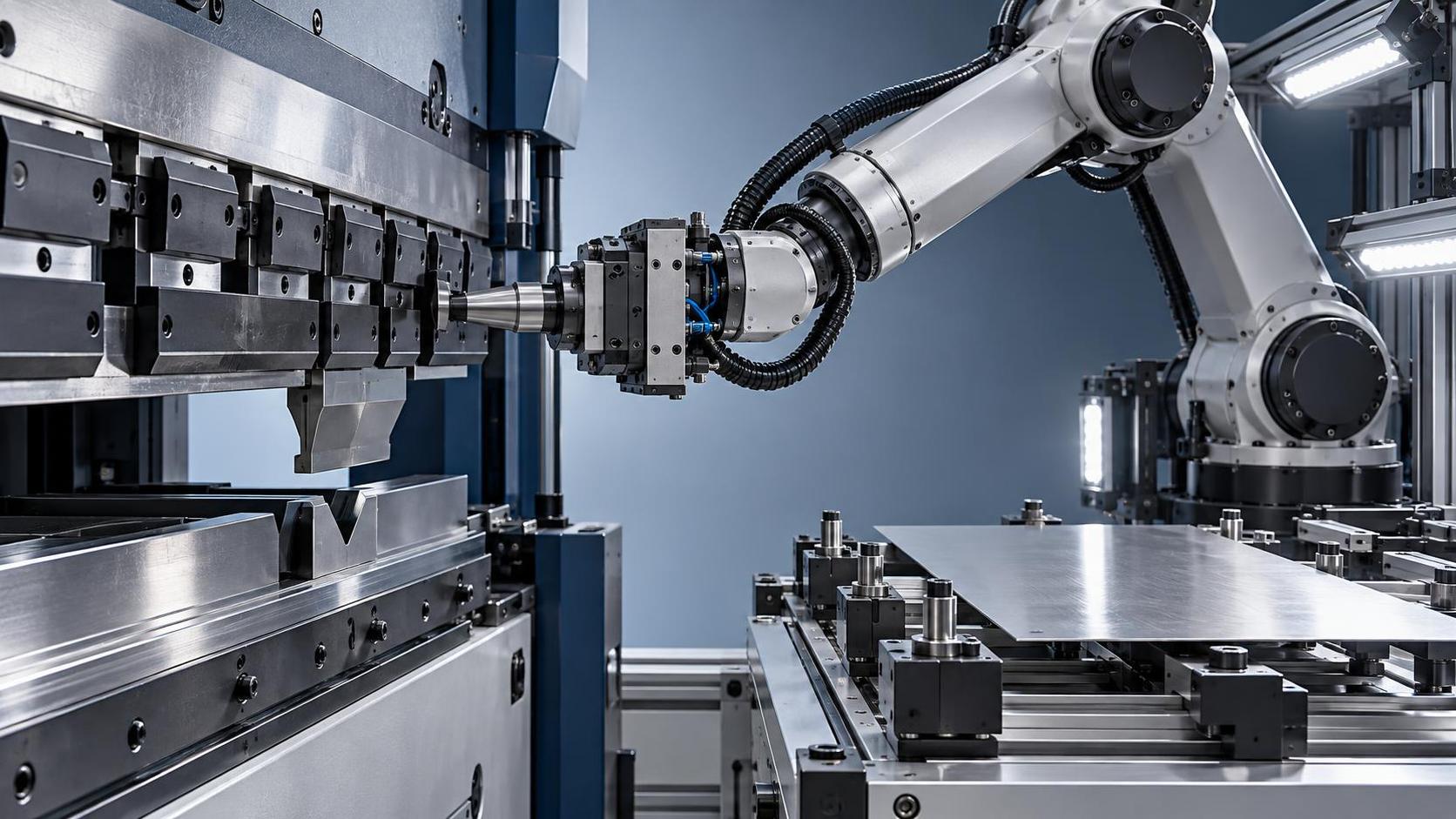
- Press Brake Loading Robot Integration Checklist: Tool Changer Compatibility, Safe Stop Timing, and Sheet Alignment Verification Steps
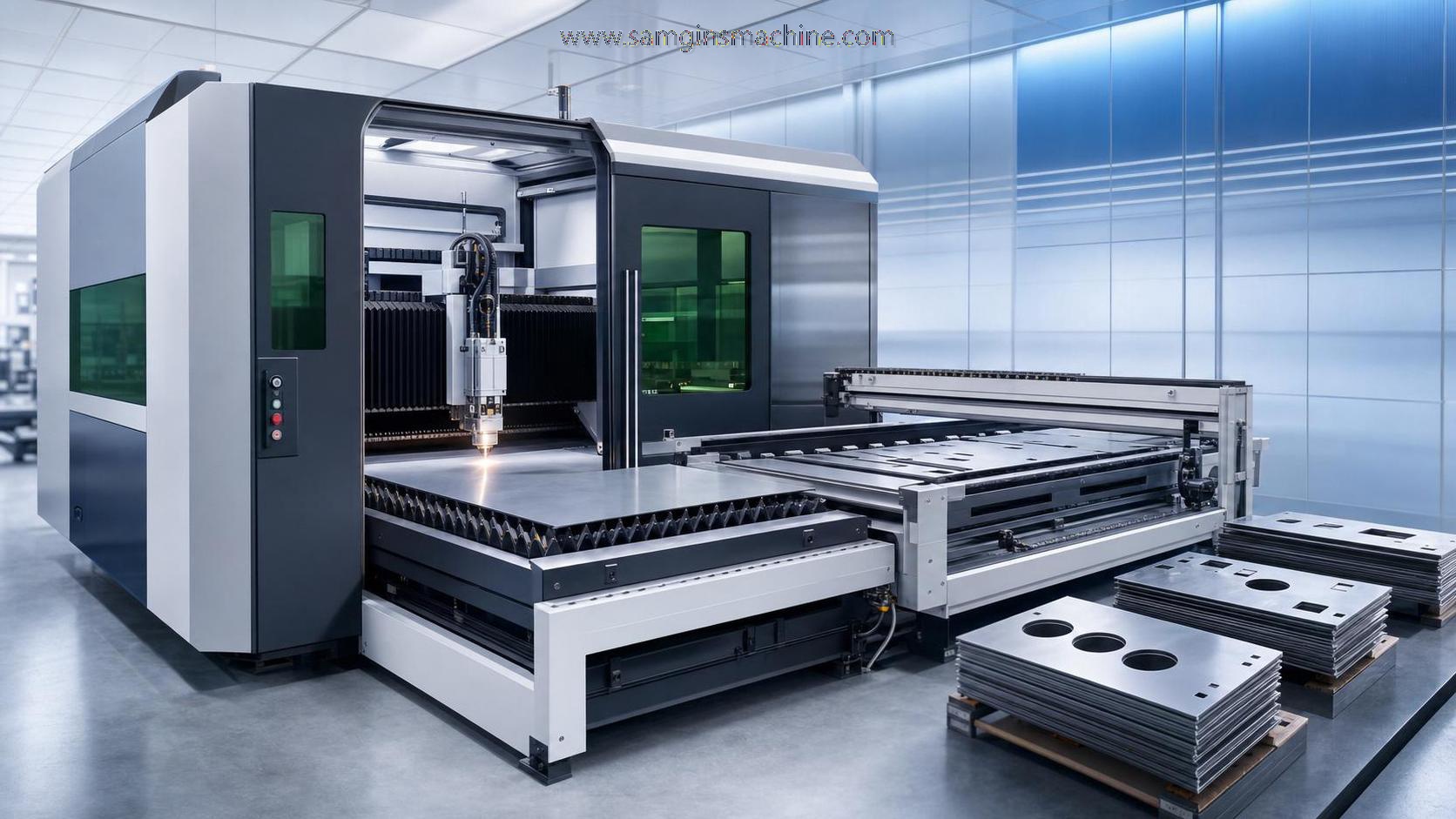
- CNC Fiber Laser Cutting Machine Trends to Watch in 2026
Send Us A Message
Send us a Message
A dedicated person will follow up on your needs one-on-one and provide personalized customized solutions according
to your needs.
Get In Touch
We look forward to hearing from you for in-depth communication on how to fulfill your mixing requirements.