




How to Choose a 3-Roll Bending Machine for Structural Steel
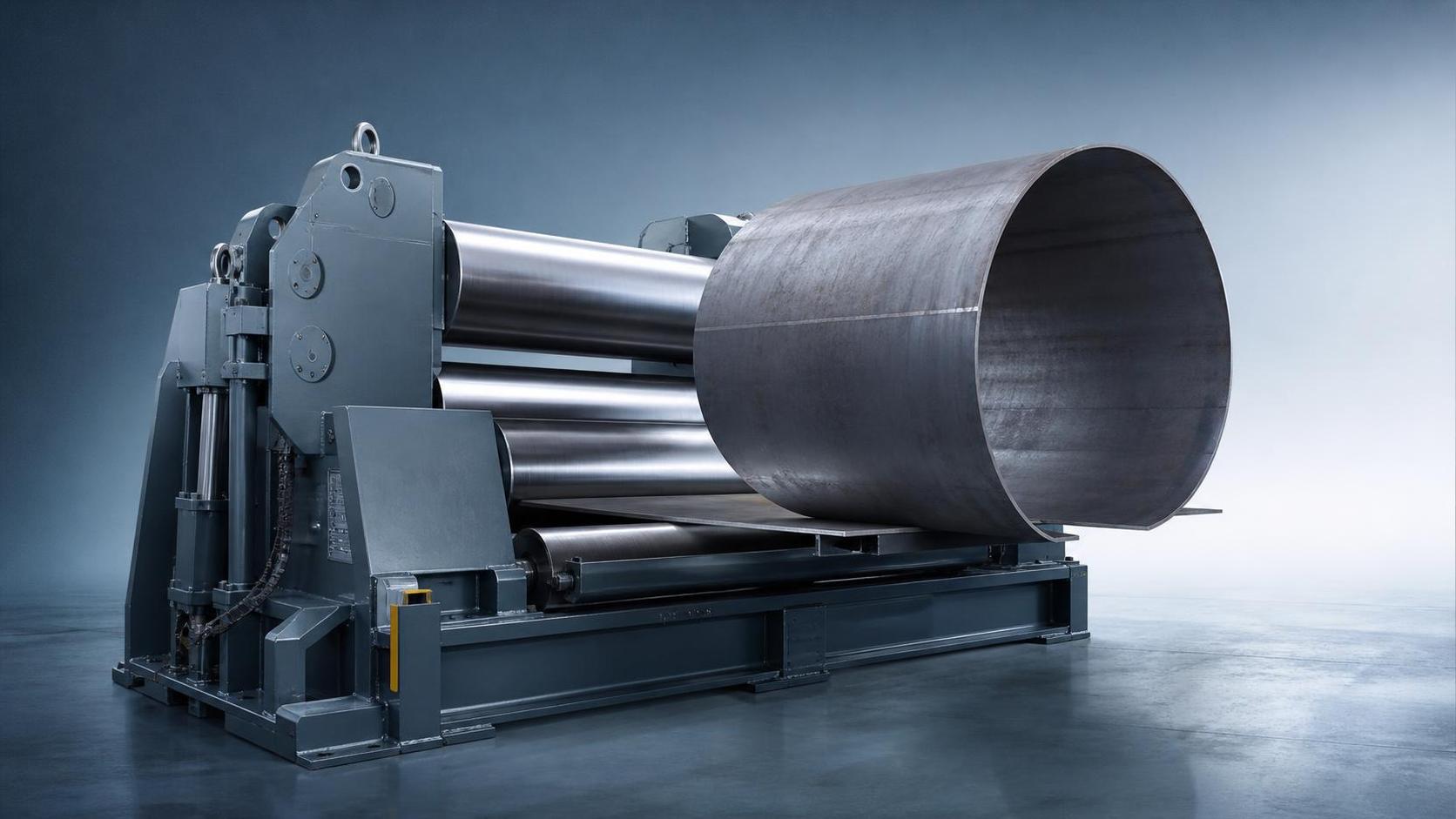
Meta Title: 3 Roll Bending Machine for Structural Steel: How to Choose the Right One
If you are trying to choose a 3 roll bending machine for structural steel, the real question is not just “What size machine do I need?” It is whether the machine can bend your actual material, at your required radius, with stable accuracy and acceptable production speed. Many buyers focus too early on price or nominal capacity, then find out later that the machine struggles with springback, leaves flats on the plate ends, or slows down the whole fabrication line. A better approach is to match the machine to your steel grade, thickness range, workpiece width, output targets, and operator skill level before you compare quotes.
A short answer: choose the machine by starting with the thickest and widest structural steel jobs you really run, then verify bending capacity, minimum rolling diameter, drive power, roller design, control system, and service support. If one machine looks cheaper but cannot consistently form your common jobs, it is not cheaper in practice.
Start with the work, not the machine brochure
This is where many decisions go wrong. Structural steel fabrication covers a wide spread of applications: base plates, shells, stiffeners, support sections, transition cones, heavy plate components, and rolled parts used in columns, bridges, tanks, frames, or large welded assemblies. A machine that performs well for mild steel sheets in general fabrication may not be the right fit for thicker structural steel plates with tighter tolerances.
Before looking at brands or options, write down five things:
- Your most common material grade
- Your maximum and usual plate thickness
- Your maximum plate width
- Your smallest required bending radius
- Your expected daily or monthly production volume
That basic list does more for correct machine selection than a long feature list. Structural steel jobs are rarely uniform, so it also helps to separate “routine production work” from “occasional heavy jobs.” Buying for the absolute maximum case can lead to overspending. Buying for the average case without checking peak requirements can leave you under-equipped.
Capacity figures need careful reading
One of the biggest misunderstandings around a 3 roll bending machine for structural steel is machine capacity. Buyers often compare one quoted thickness number against another as if they mean the same thing. They often do not.
Capacity may depend on material yield strength, plate width, pre-bending condition, and target diameter. A machine advertised for one thickness under mild steel conditions may deliver less when you run higher-strength structural steel or when you need a smaller rolling diameter. Some suppliers quote maximum bending thickness but not practical pre-bending thickness. That distinction matters because a part that still needs excessive manual correction at the ends creates extra labor and inconsistent quality.
When reviewing a quotation, ask for these points in writing:
- Maximum rolling thickness and width
- Maximum pre-bending thickness and width
- Material basis used for the rating
- Minimum achievable rolling diameter
- Expected residual straight edge length after pre-bending
If the supplier cannot clearly define these conditions, the quoted capacity is not reliable enough for a capital decision.
Roller arrangement affects real-world usability
Not every 3-roll machine behaves the same in production. The general principle is simple, but machine geometry, roller movement, and rigidity have a strong effect on forming quality.
For structural steel, rigidity matters more than many first-time buyers expect. When you are processing thicker plate, frame strength and roller deflection control directly affect roundness and repeatability. A machine that looks acceptable on paper can produce uneven curvature if the structure is not stiff enough for the loads involved.
Pay attention to the roller material and surface treatment as well. Hard, durable rollers help resist wear, especially in workshops running mixed materials or long batches. If you process plates with surface requirements, roller finish becomes even more important.
Another practical issue is end pre-bending. On many jobs, especially where fit-up before welding matters, reducing the flat section at the plate ends saves time downstream. If your workflow includes a lot of cylindrical shells or rolled assemblies that need accurate seam alignment, pre-bending performance should carry real weight in your decision.
Do not underestimate springback in structural steel
Structural steel does not always behave kindly in bending. Higher yield strength and thicker sections can create more springback than inexperienced buyers expect. This is one reason why a machine that is “just enough” on paper often disappoints on the shop floor.
You need margin. Not an exaggerated margin, but enough forming reserve for real material variation. Steel from different mills, or even different heats, can behave differently. If your jobs include tighter radii or thicker plate near the upper limit of the machine, a narrow safety margin will show up quickly as rework, slower setup, and operator frustration.
In actual consultations, one common mistake is selecting capacity purely by maximum thickness while ignoring minimum radius. But minimum radius is often where the machine gets tested hardest. If your parts require tighter rolls, confirm that capability specifically instead of assuming it is included in the standard rating.
Manual, NC, or CNC: choose based on repeatability needs
Control system choice should follow production reality, not fashion. A manually adjusted or basic NC machine may be perfectly acceptable for low-volume jobs, repair work, or workshops with highly experienced operators and flexible schedules. But when the same structural components are repeated regularly, CNC control starts to pay back through consistency and reduced setup dependence.
If you run batch production, need traceable repeatability, or have multiple operators with different experience levels, more advanced control is usually the safer long-term choice. It helps store programs, reduce trial rolling, and keep part quality more stable across shifts.
That said, not every shop needs the most sophisticated package. Some buyers pay for advanced control functions they rarely use. The right question is simple: will this control system reduce scrap, setup time, and operator dependency for the parts we actually make?
Check the machine around the machine
A bending machine is never just the bending machine. For structural steel, handling matters almost as much as forming. Plate loading, squaring, supporting long workpieces, unloading formed parts, and aligning for welding all affect productivity.
If you are rolling wide or heavy plates, ask whether you need feeding tables, side supports, overhead handling, or discharge assistance. A technically capable machine can still become inefficient if operators spend too much time repositioning material or correcting tilt during rolling.
This is especially relevant in shops where the plate rolling station feeds a broader fabrication line that may also include cutting, edge preparation, welding, and end-face milling. Companies such as Wuxi Samgins International Trade Co., Ltd., which supply not only plate rolling equipment but also CNC cutting machines, welding equipment, H-beam line equipment, and other metalworking systems, are often more useful in this context when they can discuss process matching instead of only the standalone machine.
Build quality is not a vague concept
People often say “check quality,” but that advice is too loose to be useful. In this category, build quality shows up in very concrete places: frame fabrication, stress relief practice, machining accuracy, bearing quality, hydraulic stability, component brand level, electrical layout, and assembly consistency.
You do not need to inspect every internal detail personally, but you should ask better questions. What standards guide production? How is the structure controlled during manufacturing? What major components are used? What kind of testing is done before shipment?
For exported industrial equipment, documented quality systems and recognized compliance standards are a meaningful filter. If a supplier works under ISO9001 quality management and relevant CE requirements, that does not automatically prove the machine is perfect, but it does show that the production and documentation process is being managed more systematically. For overseas buyers, that matters.
Service support often decides whether the purchase works
Heavy fabrication equipment is not like buying a commodity tool. Installation guidance, commissioning support, operator training, spare parts access, and post-sale response all influence whether the machine performs as expected after delivery.
This is where experienced buyers tend to be more demanding than first-time buyers. They ask about:
- Lead time for wear parts and critical components
- Remote technical support availability
- Documentation quality in English
- Electrical and hydraulic diagrams
- Training support for setup and maintenance
A low initial price loses its appeal quickly if simple issues stop production for days.
Common buying mistakes
Several patterns come up again and again.
The first is buying by maximum thickness alone. Thickness matters, but width, radius, steel grade, and pre-bending needs can change the decision.
The second is assuming all 3-roll machines are interchangeable. They are not. Differences in frame strength, control, and geometry can be significant in heavy structural work.
The third is ignoring operator reality. A machine that requires a highly skilled operator for every job may be fine in one shop and a poor fit in another.
The fourth is treating the rolling process in isolation. If the bent part feeds welding, assembly, or fit-up operations, poor rolling accuracy creates costs later that do not appear in the original machine quote.
What to confirm before asking for a final quotation
By the time you request the final offer, you should be able to send a clear application sheet rather than a casual thickness inquiry. Include your material type, plate thickness range, widths, target diameters, annual output, preferred control level, power supply standard, and whether you need installation or training support.
If possible, provide sample part drawings or at least typical dimensions. This helps the supplier recommend a machine that matches your real jobs instead of guessing from one headline number.
A serious supplier should also be willing to discuss what the machine is not ideal for. That is a useful sign. Honest limits are more valuable than broad promises.
Choosing the right machine means choosing fewer future problems
The best 3 roll bending machine for structural steel is not necessarily the biggest model or the cheapest quote. It is the one that handles your normal work with enough reserve, fits your operators, supports your production flow, and comes from a supplier that can back up the machine after delivery.
If you are comparing options now, start by checking real plate data, not catalog headlines. Then verify pre-bending ability, radius capability, control level, structural rigidity, and service support. That sequence usually leads to a better decision than shopping by price first.
FAQ
Is a 3-roll machine suitable for all structural steel bending jobs?
No. It suits many plate rolling applications, but some profiles, very tight radii, or specialized forming tasks may require other equipment or different machine configurations.
How much capacity margin should I leave when choosing a machine?
There is no fixed universal percentage. It depends on steel grade, radius, and production consistency. In practice, leaving reasonable reserve above your routine jobs helps manage springback and material variation.
Is CNC always better for structural steel plate rolling?
Not always. CNC is most useful when you need repeatability, stored programs, and lower dependence on operator experience. For low-volume custom work, a simpler system may be enough.
Why is pre-bending capacity so important?
Because it reduces flat ends on the plate, which improves fit-up and lowers manual correction work before welding or assembly.
Should I choose only by machine price?
No. A cheaper machine that causes rework, downtime, or unstable forming usually costs more over time than a properly matched machine.
Internal Link Anchor Text Suggestions
- plate rolling machine for heavy steel fabrication: product category or solution page
- H-beam production line equipment: related structural steel processing page
- CNC cutting machines for steel plate preparation: upstream process page
- welding equipment for structural steel assemblies: downstream fabrication page
- how to choose metal forming machinery: resource or blog page
External Authority Source Suggestions
- official technical documentation from established plate rolling machine manufacturers
- steel material standards and guidance from recognized standards organizations
- fabrication best-practice resources from welding or structural steel industry associations
search
Products Navigation
Send Us A Message