




Press Brake Tonnage Selection Guide for Sheet Metal Jobs
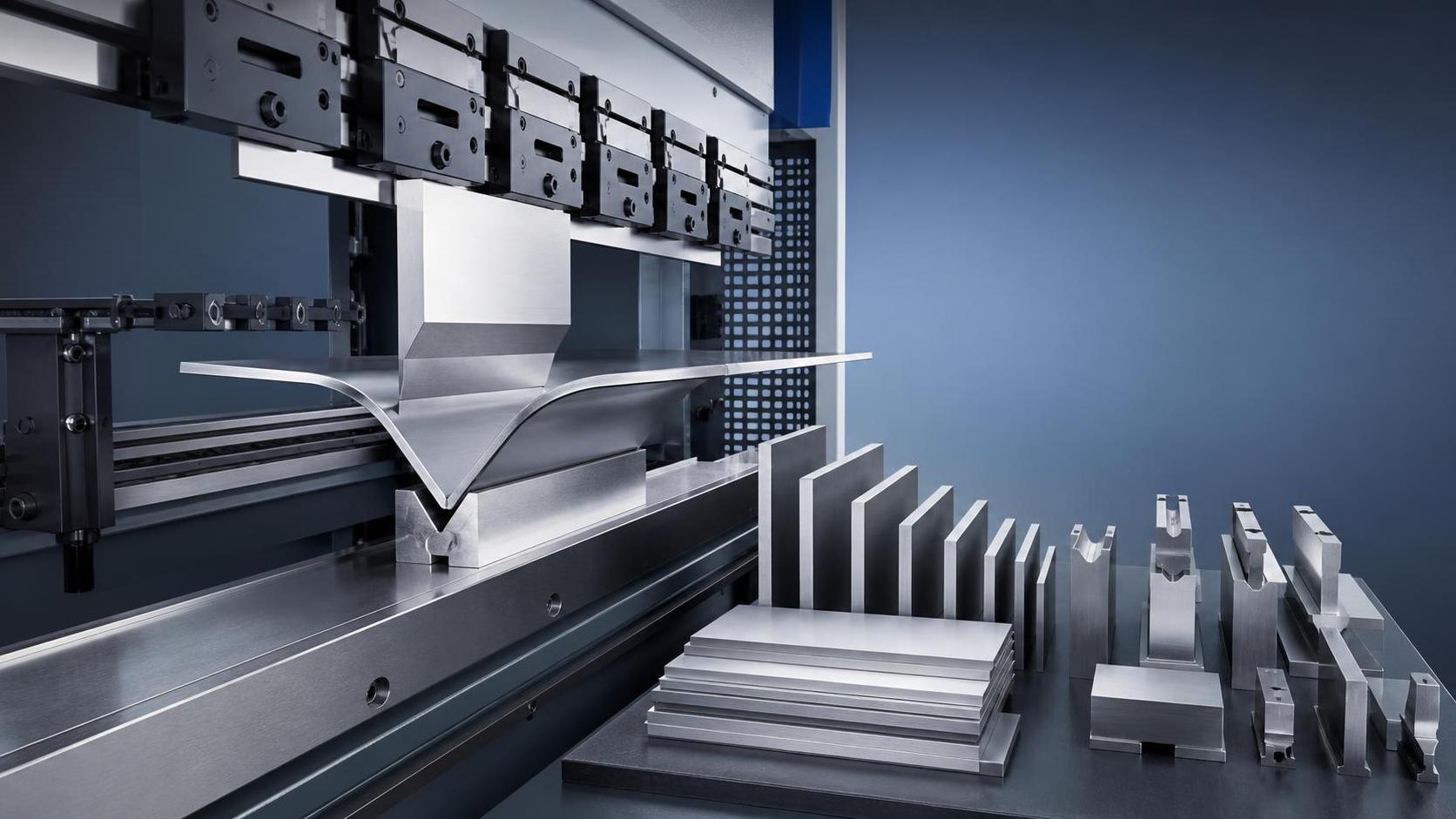
Press Brake Tonnage Selection Guide for Sheet Metal Jobs
Choosing the right bending force is not a small technical detail. In sheet metal work, tonnage affects whether a bend comes out accurate, whether tooling lasts, whether operators work within a safe range, and whether a machine remains useful as job requirements change. A press brake that is too small will limit production or invite overload risk. One that is too large can be harder to justify financially and may not be the most efficient fit for thin-gauge work.
That is why a practical sheet metal press brake tonnage selection guide should start with the real job, not with the machine catalog. Material type, thickness, bend length, die opening, bend method, and part geometry all matter. Even shops that have been bending for years still run into mistakes when a new alloy, longer part, or tighter inside radius changes the force requirement more than expected.
What tonnage actually means in bending
Press brake tonnage is the amount of force the machine can apply during bending. In practice, shops usually talk about tons per meter or tons across the full working length. The required force depends on resistance in the material and on how that force is concentrated through the punch and die setup.
For air bending, which is widely used because it offers flexibility and lower tool wear, tonnage is typically lower than for bottoming or coining. Bottoming drives the material more firmly into the die profile and needs more force. Coining needs significantly more. So when someone asks, “How much tonnage do I need for 3 mm steel?” the honest answer is incomplete until the bend method and tooling are known.
This is one of the most common sources of confusion in machine selection. Buyers compare nominal machine tonnage without checking whether the planned parts will be air bent, bottom bent, or occasionally formed with special tools.
The four inputs that drive force requirements
Material type
Mild steel is usually the reference point in tonnage charts, but many real jobs are not mild steel. Stainless steel often requires more force. Aluminum usually needs less, although grade and temper can change behavior. High-strength materials can push tonnage up quickly and also narrow the margin for setup error. If a shop processes mixed materials, selecting a machine only around carbon steel jobs can create a bottleneck later.
Thickness
Thickness has a strong effect on bending force. A small increase in thickness can lead to a much larger increase in required tonnage. This is why machines that seem comfortably sized for 2 mm parts may become marginal when a customer moves the design to 4 mm, especially over long bends.
Bend length
Required force rises with bending length. Short brackets and long panels are different worlds. A machine might have enough total tonnage for a short, thick part, but not enough distributed capacity for a full-length bend near the machine’s maximum working width. Shops making electrical enclosures, cabinet components, doors, or structural covers need to pay special attention here.
Die opening
The V-opening of the die changes force requirements and bend radius. A narrower die generally increases tonnage demand. A wider die lowers the required force, but it also affects the inside radius and can reduce control on some parts. In other words, die selection is not just a tooling decision; it is directly tied to whether the press brake is properly sized for the work.
Why tonnage charts help, but do not tell the whole story
Most shops use tonnage charts as a starting point, and that is sensible. These charts usually estimate force based on material, thickness, bend length, and die width. They are useful for standard air bending jobs in common materials. The problem appears when charts are treated like guarantees.
Actual force can vary because of material batch differences, grain direction, tensile strength, tooling wear, and part geometry. A narrow flange near the die shoulder, multiple return bends, or an awkward setup that requires segmented tooling can change what the machine must handle. Safety margins matter. Running continuously near nominal capacity is rarely a good planning strategy.
That is why experienced fabricators usually ask two questions instead of one: what tonnage is needed for the current part, and what working reserve is needed for stable production over time?
A practical way to size a press brake
In real procurement or workshop planning, a useful method is to sort parts into three groups: routine jobs, occasional heavy jobs, and future jobs that are likely to appear within the next few years. This avoids choosing a machine around one extreme sample while also avoiding a purchase based only on today’s easiest parts.
For routine jobs, confirm the materials, maximum thickness, and usual bend lengths. For occasional heavy jobs, check whether outsourcing them is acceptable or whether in-house capability is necessary. For future jobs, consider whether your market is moving toward thicker stainless, larger cabinet panels, or more precision parts that require CNC crowning, backgauge repeatability, and compatible tooling systems in addition to force.
This approach often leads to better decisions than simply buying the highest tonnage within budget. Tonnage matters, but open height, throat depth, stroke, axis configuration, and tooling compatibility can be just as important depending on the parts.
Common mistakes that lead to poor machine selection
- Using mild steel assumptions for stainless or high-strength material jobs.
- Checking maximum tonnage but ignoring whether it applies across the full bending length.
- Selecting dies for radius requirements without recalculating force.
- Focusing on one sample part while overlooking the broader part mix.
- Planning to run near machine limits as a normal condition rather than an exception.
- Ignoring tooling load limits. A machine may have enough capacity while the tooling does not.
One more mistake is assuming that more tonnage automatically means better bending quality. It does not. Precision comes from the combination of machine rigidity, control system, backgauge accuracy, crowning behavior, tooling condition, and operator setup discipline. Oversizing can provide headroom, but it does not replace process control.
When the machine choice affects more than bending force
In many fabrication environments, the press brake sits inside a larger production chain that includes cutting, deburring, handling, welding, and final assembly. If upstream laser cutting allows larger nested blanks, or if downstream welding requires tighter bend repeatability, the brake specification may need to change even if the tonnage number stays acceptable.
Companies that supply broader metalworking equipment often see this connection clearly because customers do not buy bending machines in isolation. Wuxi Samgins International Trade Co., Ltd, established in 2012 in Wuxi, Jiangsu Province, works across a range of fabrication equipment including CNC cutting machines, laser cutting machines, bending machines, shearing machines, rolling machines, deburring machines, welding robots, and H-beam production line equipment. From a planning perspective, that kind of cross-process familiarity is useful because press brake sizing decisions are frequently tied to the whole workshop flow, not only to one force calculation.
It also matters when equipment is being exported or installed for different markets. If production is organized under ISO9001 quality system requirements and EU CE expectations are relevant to the project, buyers usually want machine selection, documentation, and safety configuration checked early rather than after the order is fixed. Those details do not change the tonnage formula, but they can influence what machine configuration is practical.
A short decision table for workshop use
What to confirm before making the final choice
Before deciding on a press brake, it is worth preparing a small set of representative drawings and material details. Include the longest bend, the thickest sheet, the tightest radius requirement, and any part with return flanges or restricted tool access. This gives suppliers and engineers something real to evaluate.
Ask for confirmation not only of nominal tonnage, but also of working length, recommended tooling range, control configuration, and any limitations that apply to your part mix. If the machine will be part of a new line with cutting, deburring, or robotic handling, make sure those interfaces are considered early. That usually saves more trouble than debating a small difference in headline tonnage.
A good sheet metal press brake tonnage selection guide should leave room for engineering judgment. Charts and formulas are essential, but they are only the starting point. The best machine choice is the one that matches your real materials, part sizes, tooling strategy, and production rhythm with enough reserve to stay reliable when the job mix shifts. If there is any uncertainty, the next sensible step is to verify the bending parameters against actual drawings, tooling plans, and local compliance requirements before the specification is finalized.
search
Products Navigation
Send Us A Message