




Hydraulic Thread Rolling Machine Essentials: How to Select, Operate, and Maintain Industrial Thread Rolling Equipment
What Is A Hydraulic Thread Rolling Machine
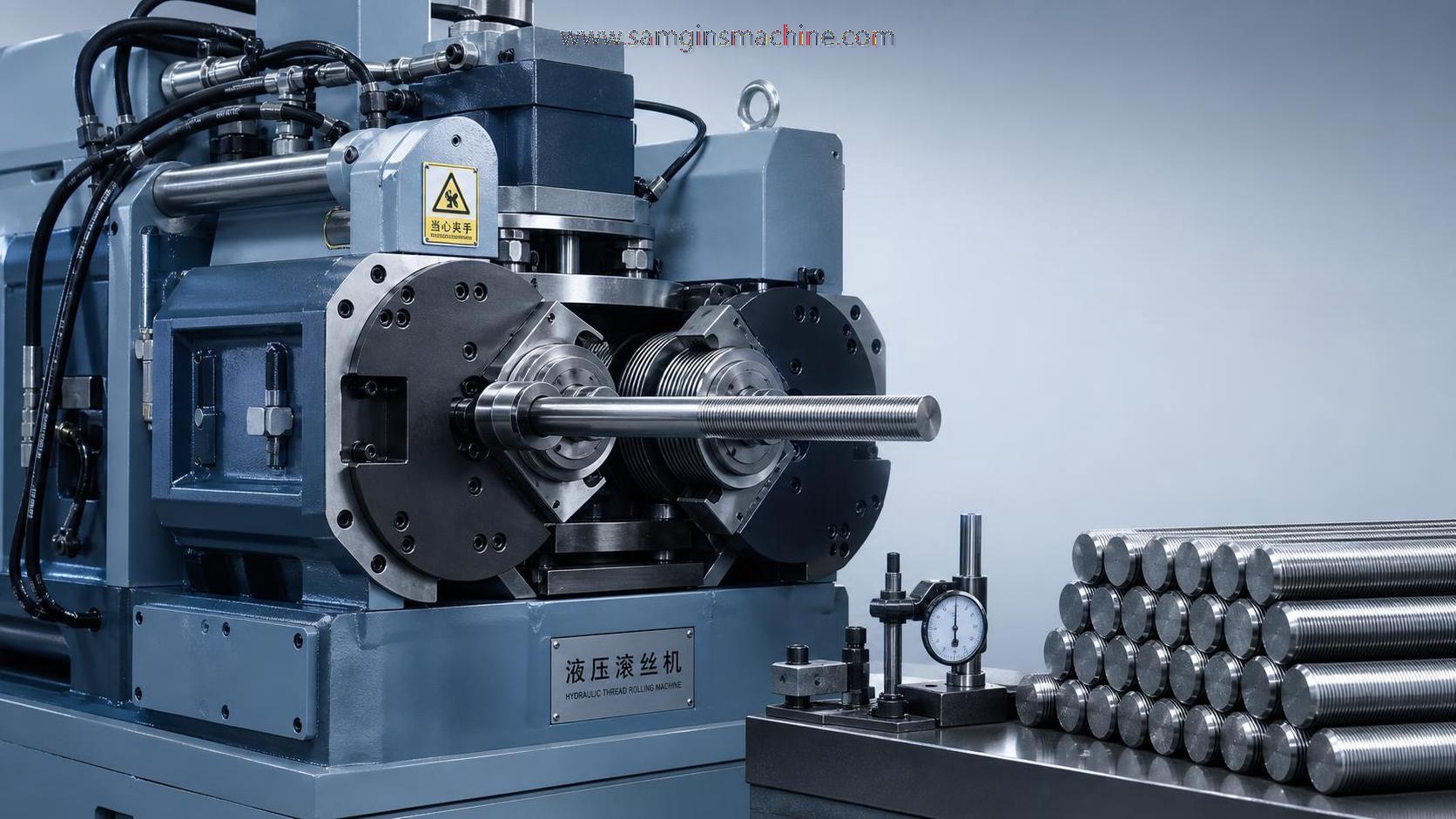
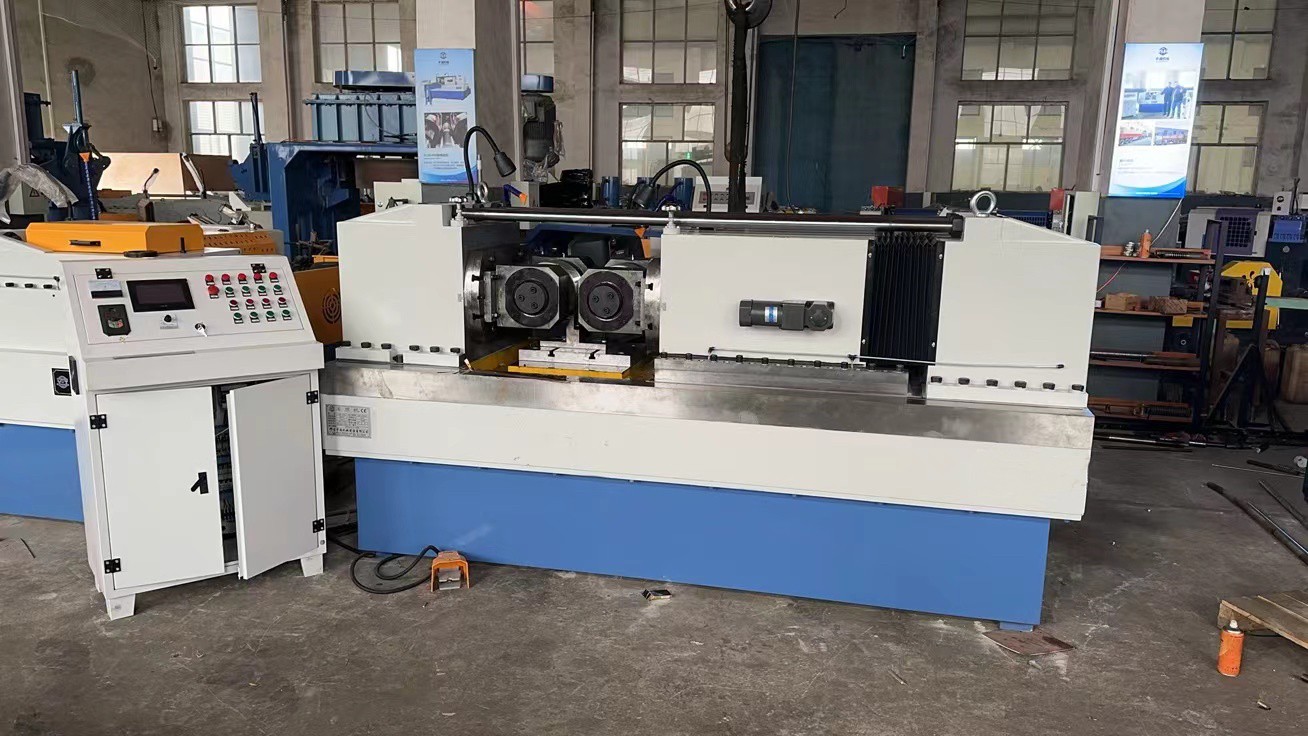
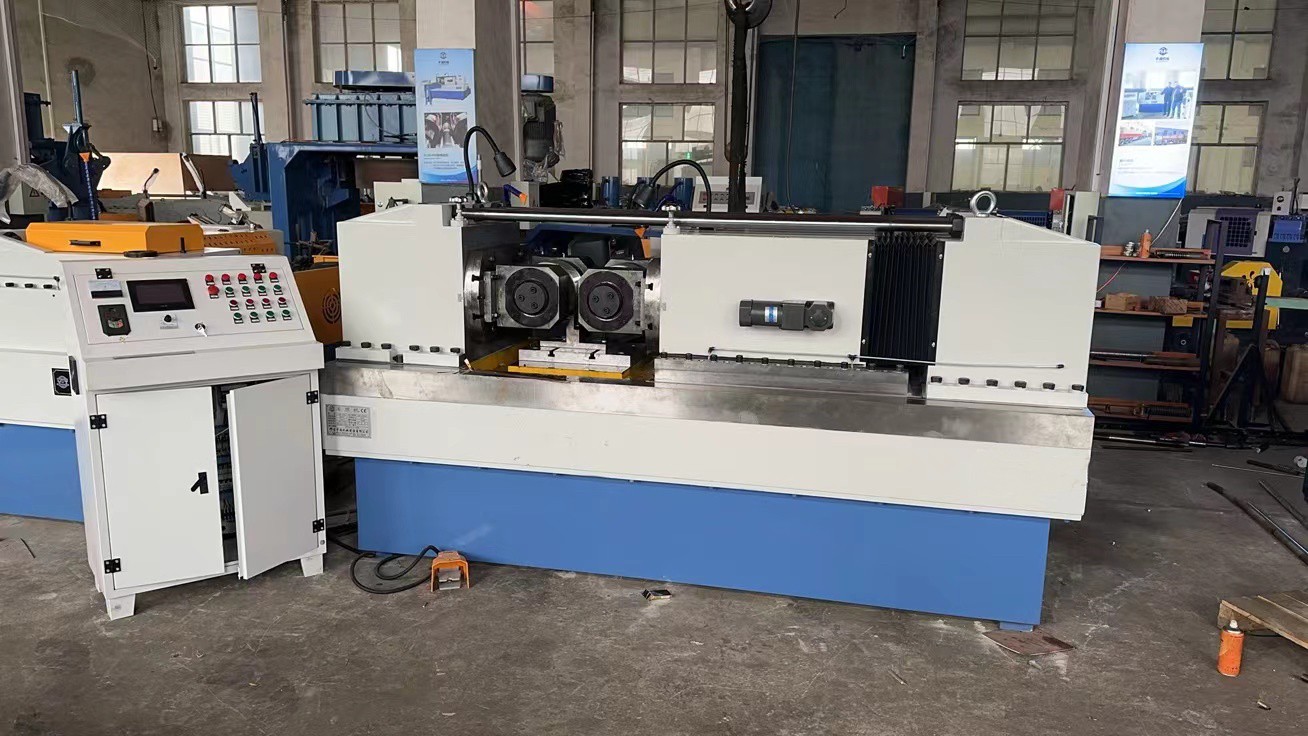
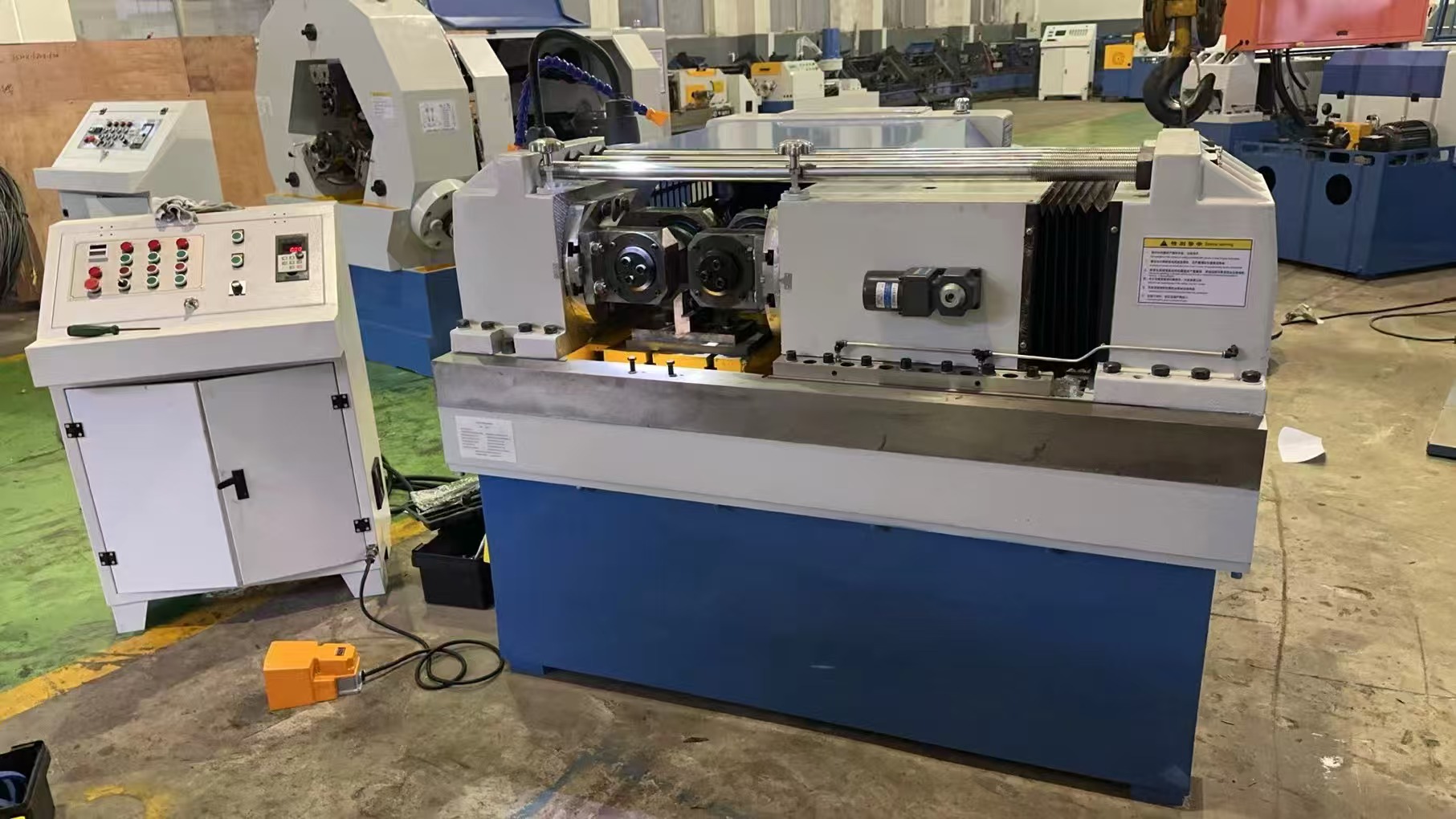
A Hydraulic Thread rolling machine is a metal-forming machine that creates external threads, serrations, knurls, or similar profiles by plastically displacing material between hardened rolling dies. Instead of cutting away metal, the machine applies controlled radial pressure while the workpiece rotates. The material flows into the die profile, producing a formed thread with continuous grain flow. This process is widely used for bolts, studs, threaded rods, anchor fasteners, automotive parts, construction hardware, hydraulic fittings, and components requiring repeatable thread geometry.
The hydraulic system supplies the forming force and controls die approach, dwell, and return movement. A typical machine includes a rigid frame, hydraulic cylinder or cylinders, die spindles, drive motor, workpiece support, lubrication arrangement, safety guard, electrical controls, and tooling adjustment mechanisms. Depending on the machine design, the rolling dies can be flat, cylindrical, planetary, or segmental. Two-roll cylindrical configurations are particularly common for round workpieces and high-strength fastener production.
Industrial specifications are usually defined by thread diameter range, maximum rolling force, die size, spindle speed, motor power, workpiece material, production rate, and acceptable thread standards. Buyers should distinguish between a thread rolling machine designed for occasional job-shop production and a hydraulic thread rolling machine intended for continuous fastener manufacturing. Capacity alone does not establish suitability; frame rigidity, pressure stability, die alignment, operator access, and tool-change repeatability all influence the finished thread.
Thread rolling is most suitable for ductile materials that can be cold formed within their allowable deformation range. Carbon steel, alloy steel, stainless steel, aluminum, copper alloys, and selected titanium alloys may be processed when the machine force, blank preparation, die design, and lubrication are properly matched. Material hardness and tensile strength must be reviewed before purchase because overly hard blanks can overload dies or produce incomplete thread formation. The blank diameter is also critical: it must be calculated for rolling rather than copied directly from a cutting-thread process.
How Hydraulic Thread Rolling Works
In a two-roll hydraulic thread rolling process, the prepared blank is positioned between two rotating dies. One die or both dies move under hydraulic pressure until the workpiece is gripped and rolled. The die teeth progressively displace the surface material, creating the thread crest and root without interrupting the part's grain structure. The machine then opens, allowing the operator or an automated handling system to remove the finished part and introduce the next blank.
Forming quality depends on synchronizing pressure, rotation, feed, die pitch, and blank diameter. Insufficient pressure may leave shallow or partially filled thread profiles. Excessive pressure can cause surface tearing, oversized major diameters, premature die wear, or deformation of slender workpieces. Hydraulic control provides a practical way to establish consistent forming pressure, while mechanical stops and adjustable tooling positions help maintain repeatable setup conditions across production batches.
The cold-forming action can improve fatigue performance compared with machining in appropriate applications because the material's grain flow follows the thread contour and the surface may be work hardened. Results still depend on material condition and correct process setup. A rolling machine cannot compensate for poorly prepared blanks, damaged dies, improper heat treatment, contaminated lubricant, or inconsistent incoming bar stock. Effective production therefore starts with a controlled process from blank preparation through final inspection.
Before production begins, operators normally confirm die condition, die spacing, thread lead, rolling pressure, spindle direction, workpiece support position, and safety interlocks. A short trial run should be measured before releasing parts into volume production. Thread ring gauges, pitch diameter checks, go/no-go gauges, visual inspection, and profile measurement methods can be selected according to the product specification. Recording setup parameters makes repeat orders faster to commission and supports root-cause analysis when thread quality changes.
Main Machine Types And Applications
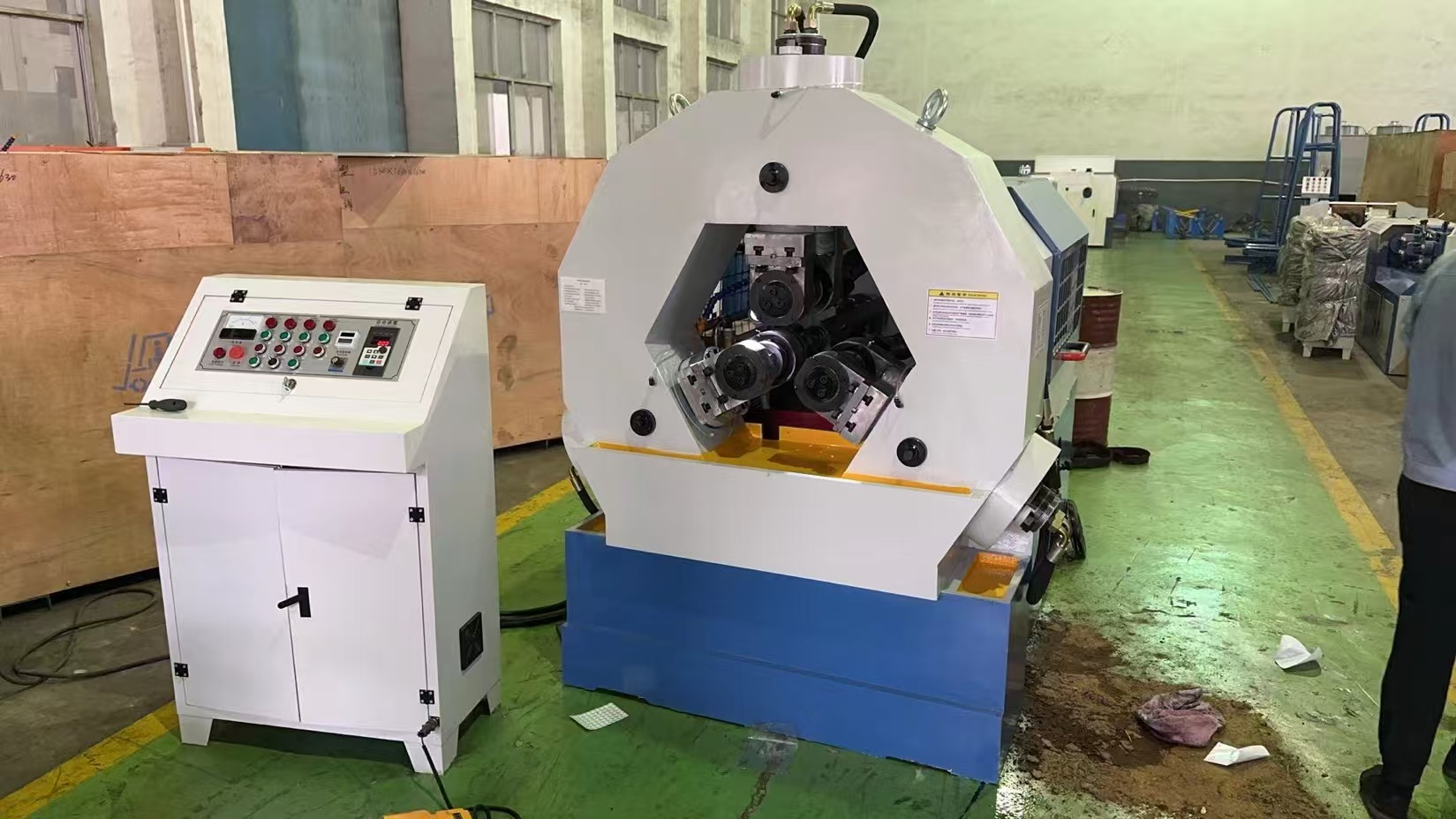
Hydraulic thread rolling machines are commonly categorized by die arrangement and handling method. Flat-die machines use reciprocating flat dies and can support high-volume production of standard fasteners. Cylindrical two-roll machines use round dies and offer flexible adjustment for many threaded shafts, bolts, rods, and specialized profiles. Three-roll or planetary designs can be selected for certain high-output, precision, or long-workpiece requirements, although their tooling and setup demands may differ substantially from conventional two-roll equipment.
Manual or semi-automatic machines are appropriate where batch sizes vary, part changeovers are frequent, or operators need direct control over loading and inspection. Automatic hydraulic thread rolling machines add feeders, escapements, conveyors, sorting systems, or robotic interfaces to reduce handling time. Automation should be justified by stable part families, reliable blank supply, and sufficient production volume. For low-to-medium volume custom work, accessible setup and fast die changes may create more value than a complex automated line.
Typical applications include threaded rods for building systems, anchor bolts, wheel studs, pipe supports, industrial fasteners, scaffold components, electrical hardware, agricultural equipment, and machinery shafts. Beyond standard metric and imperial threads, suitable dies can form knurls, splines, worm-like profiles, rebar couplers, and special fastening geometries. The application determines the critical machine features. Long rods may require infeed or through-feed support, while short bolts may prioritize rapid loading, containment, and reliable ejection.
How To Select The Right Equipment
Start selection with the finished component rather than a generic machine tonnage. Define the thread standard, nominal diameter, pitch, thread length, blank diameter tolerance, material grade, tensile condition, annual quantity, and required inspection method. Include future products that are commercially likely, but do not oversize solely for theoretical capacity. A well-matched Hydraulic Thread rolling machine should provide adequate forming force with a practical reserve while maintaining stable control in the normal operating range.
Evaluate the machine structure and motion system in detail. A rigid welded or machined frame, accurately supported die spindles, dependable hydraulic components, controlled pressure adjustment, and clear mechanical references reduce variation during rolling. Ask how die center distance is adjusted, how parallelism is verified, how pressure is displayed or controlled, and what protections exist against overload. Also verify that the machine can accept the die diameter, face width, bore, and thread profile needed for the planned work.
Factory conditions are equally important. Consider electrical supply, hydraulic oil maintenance capability, floor loading, lifting access for die changes, noise controls, cooling needs, lubrication management, and available operator skill. Request a documented acceptance scope covering material, sample dimensions, tooling responsibility, inspection gauges, trial quantity, and criteria for approval. This turns a broad performance promise into a measurable project requirement and reduces disagreement after installation.
Wuxi Samgins can be considered by buyers seeking thread rolling equipment alongside broader fabrication and processing machinery, including welding systems, pipe processing machines, CNC cutting machines, bending equipment, rolling machines, and plate handling solutions. For projects involving steel structures, tanks, pipelines, or fabrication workshops, a supplier able to discuss upstream and downstream production interfaces can help identify practical handling, layout, and process-control requirements before equipment is specified.
Installation Operation And Quality Control
Installation begins with a level, adequately rated foundation and sufficient service clearance around the machine. The equipment should be anchored according to the supplier's instructions, connected to the specified electrical supply, and filled with the approved hydraulic fluid. Before loading parts, confirm motor rotation, emergency stops, guards, limit switches, hydraulic hose connections, pressure response, and lubrication delivery. Do not begin production until the die spindle alignment and workpiece path have been checked through a controlled commissioning procedure.
Operators should use a disciplined setup sequence: inspect the dies, clean contact surfaces, install matched tooling, set the correct center distance, verify workpiece support, establish initial pressure, and roll sample blanks. Measure major diameter, pitch diameter, thread lead, flank form, length, and surface condition against the product requirement. Adjust one variable at a time where possible. Simultaneous changes to pressure, die position, speed, and blank diameter make troubleshooting less reliable and can conceal the actual cause of variation.
Quality control should cover both the incoming blank and the rolled result. Record bar or blank material certificates when the contract requires them, then monitor blank diameter, chamfer, straightness, surface cleanliness, and heat-treatment condition. During production, use a sampling plan appropriate to the product's risk and volume. Worn dies can gradually change pitch diameter or create poor crests, so gauge results should trigger die inspection before a nonconforming batch grows.
For international projects, equipment documentation and guarding should be reviewed against the destination market's safety expectations. Wuxi Samgins states that its machines comply with the ISO9001 quality system and EU CE Machinery and LVD directives. Buyers should confirm the exact documentation, machine configuration, local electrical requirements, and applicable product standards during quotation and acceptance. Its export experience and familiarity with ASME, API, and local industry codes can be relevant where thread rolling equipment supports pipeline, tank, structural steel, or industrial fabrication projects.
Maintenance And Troubleshooting Practices
Daily maintenance should include checking hydraulic oil level, leaks, abnormal noise, die cleanliness, guard condition, lubrication flow, and the operation of emergency stops. Remove chips, scale, and residual lubricant from the working area without damaging die surfaces. Operators should also observe whether cycle timing, pressure behavior, or workpiece ejection has changed. A small shift in cycle behavior can indicate contamination, a loose mechanical adjustment, a weakening seal, or an early issue with the hydraulic circuit.
At scheduled intervals, inspect hydraulic hoses, fittings, filters, seals, pressure gauges, electrical terminals, spindle bearings, fasteners, and die mounting surfaces. Replace hydraulic oil and filters according to the machine manual, oil analysis results, and operating environment. Contaminated oil can damage valves and pumps, while neglected filters can reduce response consistency. Maintain records for oil changes, pressure checks, die life, repairs, and recurring defects so maintenance decisions are based on evidence rather than operator memory.
Common defects provide useful diagnostic clues. Shallow threads may point to low pressure, undersized blanks, incorrect die position, or worn dies. Surface cracking can result from unsuitable material ductility, excessive forming force, insufficient lubrication, or a problematic blank condition. Uneven thread form may indicate die misalignment, spindle wear, poor workpiece support, or contamination between the die and part. Stop and investigate repeated defects rather than compensating indefinitely through higher pressure.
Total Cost Of Ownership And Return On Investment
The purchase price of a Hydraulic Thread rolling machine is only one element of total cost of ownership. Buyers should include dies, spare parts, shipping, installation, commissioning, operator training, inspection gauges, electrical work, foundation preparation, hydraulic oil, lubrication, maintenance labor, and expected downtime. Automation can reduce handling cost, but it also introduces feeders, controls, integration work, and more service points. The most economical configuration is the one that fits the production mix and can be maintained effectively on site.
Return on investment is usually driven by throughput, material utilization, lower secondary finishing requirements, improved thread consistency, and reduced reject or rework rates. Compare the rolling route with thread cutting using the same part volume, labor model, blank cost, tooling life assumption, inspection burden, and acceptable quality level. Include setup time for every product change. For mixed production, a machine that is simpler to adjust and verify may deliver a stronger practical return than a faster machine that remains idle during difficult changeovers.
Supplier support affects lifecycle cost. Wuxi Samgins offers long-term warranties and services spanning design, manufacturing, sales, after-sales support, and technical assistance. Its referenced international customers include URALSTANKOIMPORT, Calbah Industries Pty Ltd, Ersay International Transport, Zein Steel Industries Co. L.L.C., BatysMunaiGazZhabdyktary LLP, Estructuras Metalicas Girders Chile Limitada, and Lincoln Electric-MENA. These references indicate experience serving international industrial buyers, but purchasers should independently verify the scope, configuration, delivery terms, and support plan relevant to their own project.
Future Trends In Thread Rolling Technology
The market is moving toward more traceable, flexible, and energy-aware forming operations. Digital pressure monitoring, cycle counters, alarm histories, production data capture, and condition-based maintenance can help manufacturers identify drift before it becomes a quality problem. Servo-assisted functions may also be incorporated around feeding, positioning, and automation where repeatability or rapid product change is important. Hydraulic force systems remain relevant when robust forming pressure and dependable industrial operation are required.
Demand for customized fasteners, infrastructure hardware, energy equipment, and engineered assemblies is increasing the importance of application-specific tooling and process validation. Buyers increasingly need suppliers that can discuss the full production chain, including blank preparation, welding or fabrication interfaces, cutting, bending, material handling, inspection, and delivery support. Wuxi Samgins' broad machine portfolio and customization capability for selected welding and fabrication systems can support broader plant-planning conversations for manufacturers expanding beyond a single forming process.
A sound acquisition process should end with a defined technical specification, sample-part review, documented acceptance criteria, spare-parts recommendation, operator training plan, and maintenance responsibility matrix. When these details are established before purchase, a hydraulic thread rolling project is more likely to deliver stable production rather than only an impressive nominal capacity. The right machine, dies, blank control, installation discipline, and support arrangement together determine whether thread rolling becomes a reliable long-term manufacturing capability.
search
Recommended Products
 ZC28-12.5 thread rolling machineThread rolling machines are primarily used for rolling various types of precision external threads, high-strength standard parts, anchor bolts, T-screws, and other workpieces with larger thread pitches.
Automatic thread rolling machines are mainly employed for radial cold roll forming. This cold rolling process represents an advanced non-chip processing technology. The process utilizes rolling tools for extrusion, ensuring continuous metal fibers. The pressure generated during rolling effectively improves surface roughness, hardness, and strength of the workpiece. Compared with cutting processes, thread rolling improves work efficiency by several times or even more, while also saving material and facilitating automated processing.![星星1]()
 ZC28-6.3 thread rolling machineThread rolling machines are primarily used for rolling various types of precision external threads, high-strength standard parts, anchor bolts, T-screws, and other workpieces with larger thread pitches.
Automatic thread rolling machines are mainly employed for radial cold roll forming. This cold rolling process represents an advanced non-chip processing technology. The process utilizes rolling tools for extrusion, ensuring continuous metal fibers. The pressure generated during rolling effectively improves surface roughness, hardness, and strength of the workpiece. Compared with cutting processes, thread rolling improves work efficiency by several times or even more, while also saving material and facilitating automated processing.![星星1]()
- Z28-1000 thread rolling machineThread rolling machine is mainly used for rolling various types of precision external thread, high-strength standard parts and anchor bolts and T-shaped screws and other workpieces with larger screw pitch.
![星星1]()
- Z28-650 thread rolling machineThread rolling machine is mainly used for rolling various types of precision external thread, high-strength standard parts and anchor bolts and T-shaped screws and other workpieces with larger screw pitch.
![星星1]()
- Z28-500 thread rolling machineThe Automatic Thread Rolling Machine utilizes radial cold roll forming—an advanced non-chip (chipless) machining process. The rolling tool extrudes the material, creating continuous metal fibers without cutting. The compressive pressure generated during rolling effectively improves surface roughness, hardness, and strength of the workpiece. Compared to thread cutting, rolling increases production efficiency by several times (even dozens of times), saves material, and facilitates automated processing.
![星星1]()
- Z28-250 thread rolling machineThe Z28-250 is a two-die cylindrical thread rolling machine designed for cold-forming precision external threads, high-strength standard fasteners, T-shaped screws, anchor bolts, and workpieces requiring larger thread pitches. It is widely used in hardware construction, automotive and motorcycle parts manufacturing, traffic power equipment, and standard parts production.
![星星1]()

Send Us A Message
Send us a Message
A dedicated person will follow up on your needs one-on-one and provide personalized customized solutions according
to your needs.
Get In Touch
We look forward to hearing from you for in-depth communication on how to fulfill your mixing requirements.