




NC Hydraulic Shearing Machine Explained: Key Features, Blade Selection, and Operation Essentials in 2026
What An Nc Hydraulic Shearing Machine Is And Why It Matters
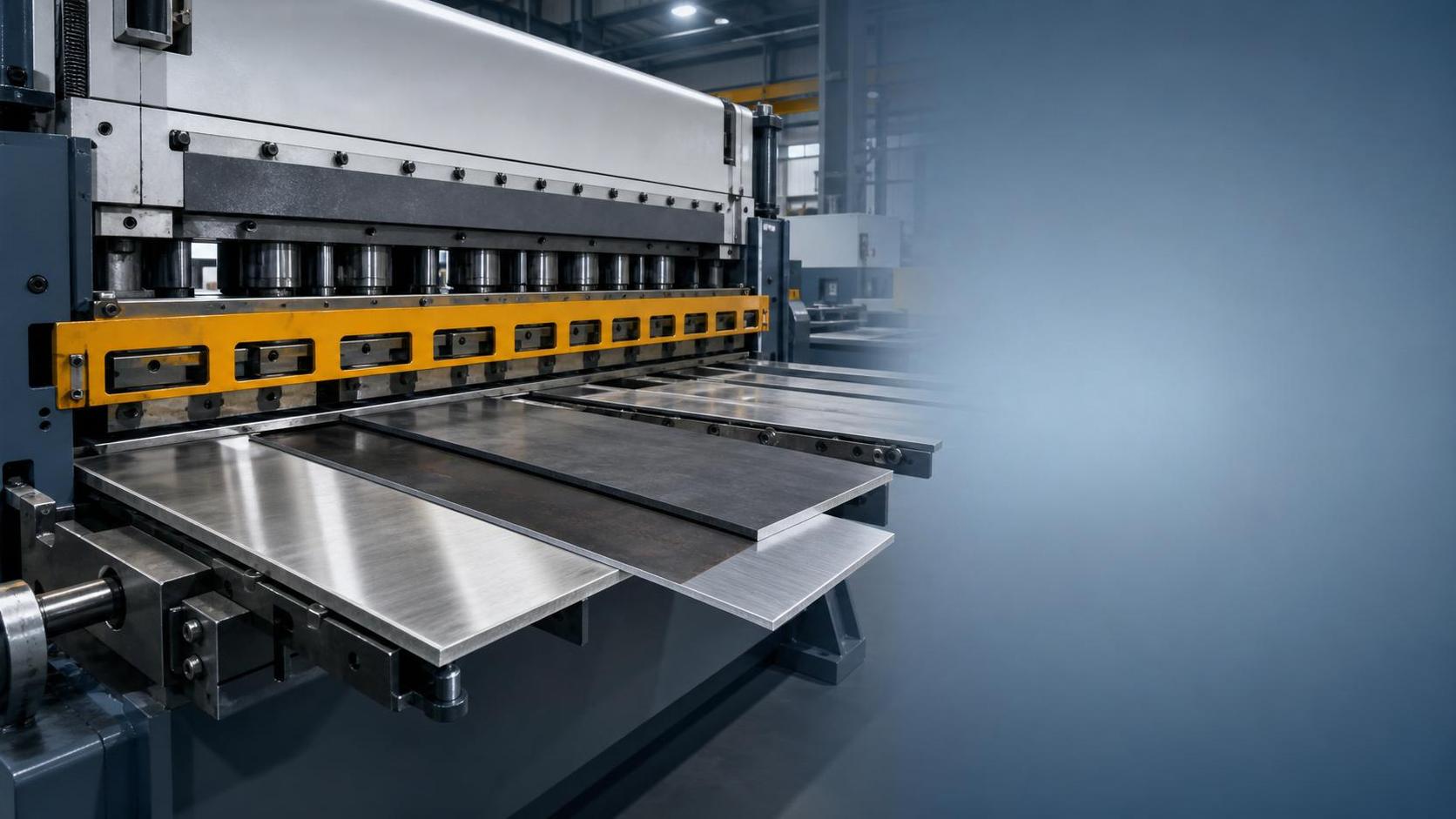
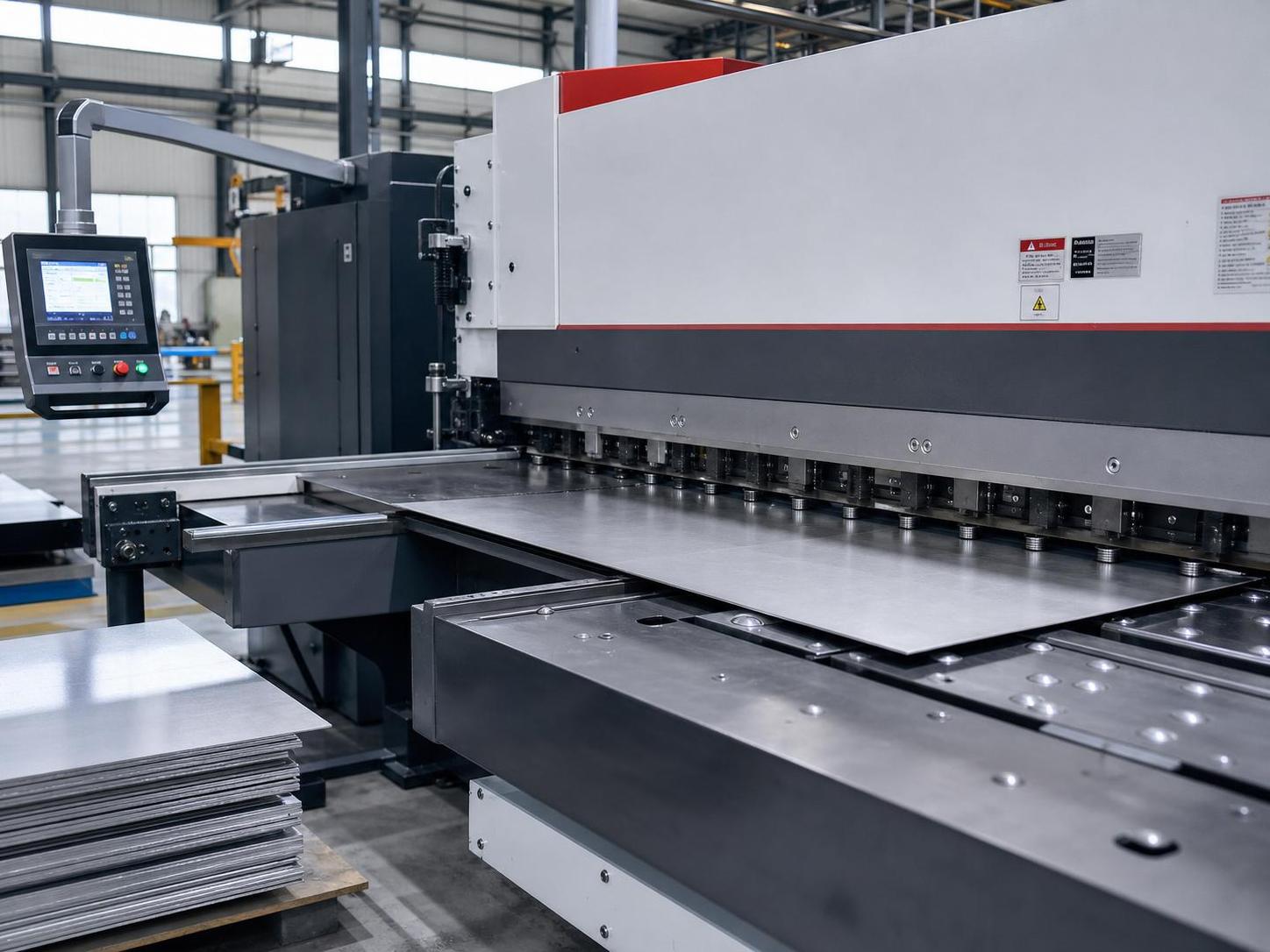
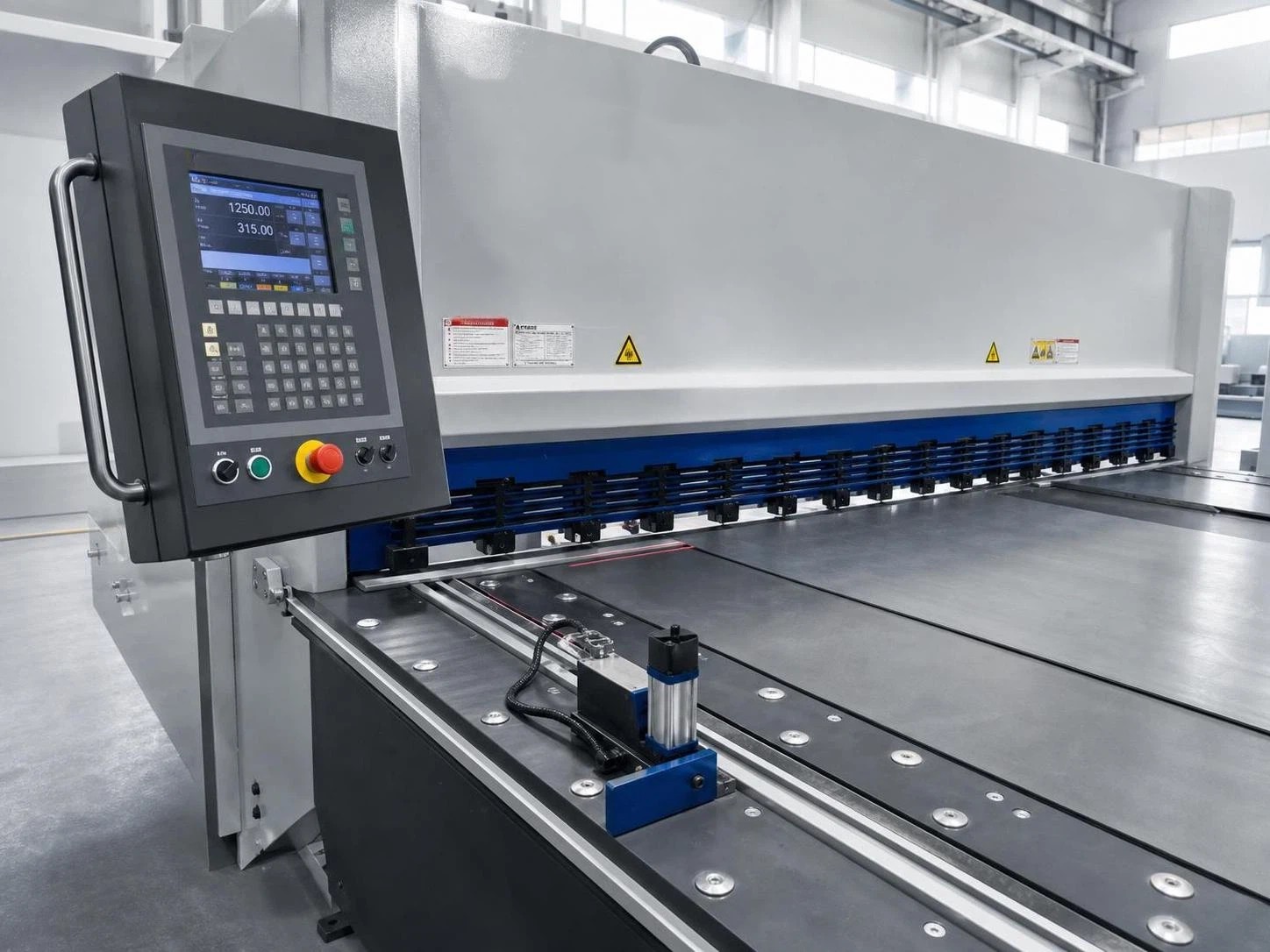
An nc hydraulic shearing machine is a powered sheet cutting machine designed to make straight cuts in metal plates and sheets by driving the upper blade past a fixed lower blade. In most factory contexts, NC refers to numerical control of key functions such as back gauge positioning, cutting length, stroke adjustment, and production counting, while the main cutting force is supplied by a hydraulic system.
This machine sits between basic manual shears and more advanced CNC shearing lines. It is widely chosen by workshops that process carbon steel, stainless steel, aluminum, and galvanized sheet because it offers predictable cutting quality, easier operator setup, and faster job changeover than older mechanical solutions. For many routine fabrication jobs, that balance is more valuable than paying for functions that may never be used.
In the manufacturing and processing machinery sector, an nc hydraulic shearing machine remains important because straight cutting is often the first operation that defines downstream accuracy. When blanks are cut consistently, bending, welding, edge preparation, drilling, and assembly become easier to control. Poor shearing at the start usually creates waste, rework, and scheduling friction across the rest of production.
Buyers commonly evaluate this equipment for steel structure shops, pressure vessel workshops, general sheet metal plants, agricultural machinery production, electrical cabinet manufacturing, and pipe or tank fabrication support lines. In those settings, the machine is less about novelty and more about stable daily throughput, material yield, and safe, repeatable operation over many years.
How The Cutting System Works In Daily Production
The working principle is straightforward but the quality outcome depends on several coordinated subsystems. A hydraulic power unit drives cylinders that move the upper beam and blade downward through the workpiece. The sheet is held in place by hold-down cylinders, the back gauge positions the material to the programmed dimension, and the controller manages stroke timing, cut count, and other repeatable settings.
During the cut, the metal first experiences elastic deformation and then shears once stress exceeds the material strength. Blade clearance, rake angle, and blade sharpness influence whether the edge shows a clean burnished zone, controlled fracture, acceptable burr height, and limited distortion. If these variables are mismatched to material thickness or tensile strength, the result can be twist, edge rollover, accelerated blade wear, or dimensional inconsistency.
Most buyers should also understand the difference between swing beam and guillotine structures. Swing beam designs are often valued for simpler construction and stable use in common plate cutting tasks, while guillotine shears are frequently preferred when broader clearance adjustment, heavy-duty performance, or higher edge quality requirements are involved. Neither is universally better; the right choice depends on materials, tolerances, and duty cycle.
An nc hydraulic shearing machine delivers its best performance when the hydraulic system, frame rigidity, guide rails, blade mounting accuracy, and controller logic are properly matched. That is why serious buyers review not only nominal cutting thickness, but also ram stability, gauge repeatability, electrical components, hydraulic brand selection, and the manufacturer’s assembly and inspection discipline.
Main Machine Types, Configurations, And Typical Applications
The mainstream classification begins with frame and motion structure. The most common categories are swing beam hydraulic shears and guillotine hydraulic shears. Swing beam models are frequently selected for general fabrication and medium-duty cutting because they are cost-effective and practical for common materials. Guillotine types are often favored for wider material ranges, higher precision demands, and applications where blade gap adjustment plays a larger role.
Control level is another useful classification. Entry-level hydraulic shears may rely on basic electrical control with manual back gauge adjustment. An nc hydraulic shearing machine improves on that by giving operators programmable positioning and repeat runs without the full complexity of a CNC architecture. CNC shears extend this further with more axes, richer automation, stored job libraries, and integration into digital production workflows.
Machines are also grouped by cutting capacity and intended material. Light sheet metal shops may focus on thinner stainless and galvanized sheet, while heavy fabrication plants require thicker carbon steel plate handling, front support systems, squaring arms, conveyors, or pneumatic sheet support. Blade length, throat arrangement, motor power, and table design all affect whether the machine suits cabinet work, ducting, structural steel, or vessel component preparation.
For buyers who run multi-process facilities, the shear should be considered as part of a line rather than a standalone purchase. Wuxi Samgins serves this broader production logic well because its portfolio spans shearing machines, press brakes, plate rolling machines, plate leveling machines, edge milling machines, CNC cutting equipment, and longitudinal seam welding machine solutions. That matters when a factory wants one supplier that understands how cutting quality influences later bending, fit-up, and welding steps.
Blade Selection, Clearance, And Edge Quality Control
Blade selection is one of the most important variables in nc hydraulic shearing machine performance. Buyers should confirm blade material, heat treatment consistency, hardness balance, and suitability for the metals being cut. In general industry practice, different blade grades are chosen according to whether the main workload is mild steel, stainless steel, high-strength plate, aluminum, or mixed material production. A blade that performs well on one material may wear too quickly or chip on another.
The next issue is blade clearance. Clearance is the gap between the upper and lower blades, and it must match material thickness and strength. If the gap is too small, cutting load rises, blade wear accelerates, and the edge may gall or distort. If the gap is too large, burr height increases and dimensional quality drops. Shops that process varied materials benefit from a machine that allows practical and repeatable adjustment rather than trial-and-error settings.
Blade geometry and maintenance discipline also deserve attention. Operators should inspect for edge rounding, micro-chipping, uneven wear, and fastener loosening. Rotating or regrinding blades at the proper interval can restore cut quality at much lower cost than running damaged tooling until scrap rates rise. In routine procurement reviews, this is often overlooked even though blade management has a direct effect on throughput and total operating cost.
For practical purchasing, buyers should ask suppliers to explain recommended blade options by material group, expected service interval, regrinding policy, and clearance setting logic. That conversation is more useful than focusing only on catalog thickness. A properly specified nc hydraulic shearing machine should produce consistent edges, manageable burr levels, and stable repeatability across the plant’s actual job mix, not just under ideal demonstration conditions.
Who Uses This Equipment And Where It Creates Value
The typical users of an nc hydraulic shearing machine are fabrication businesses that cut large volumes of straight blanks and need dependable repeatability without excessive programming overhead. This includes sheet metal processors, enclosure manufacturers, HVAC duct producers, steel structure plants, machinery workshops, trailer builders, ship-related fabricators, and pressure vessel support shops. Their common need is not decorative cutting but reliable preparation for downstream forming and assembly.
The machine is especially valuable where operators handle repeated dimensions, moderate product variation, and a mix of plate thicknesses. In those scenarios, NC control improves back gauge accuracy and reduces setup inconsistency between shifts. That directly supports output planning, especially in factories where bending, welding, or machining stations depend on a stable flow of accurately cut parts.
Application value also depends on market access and compliance expectations. International buyers usually look for machinery aligned with recognized quality systems and machinery safety requirements, along with documentation suitable for installation, operation, and service. Wuxi Samgins states that its machines comply with ISO9001 quality system requirements and EU CE Machinery and LVD directives, which is relevant for buyers who need a clearer compliance path during import, commissioning, and internal approval.
Global experience matters because many fabrication lines serve regulated or specification-driven sectors. Wuxi Samgins notes more than 10 years of export experience and familiarity with codes such as ASME and API. For buyers in tanks, pipelines, steel structures, and heavy fabrication, that kind of experience can reduce communication gaps when discussing material handling, duty expectations, documentation needs, and integration with adjacent equipment.
How To Choose The Right Model For Material, Thickness, And Workflow
Selecting an nc hydraulic shearing machine starts with a realistic production map. Buyers should list material types, maximum and routine thickness, tensile strength range, sheet width, tolerance expectations, daily cutting hours, and whether the machine will mainly run batches or mixed small orders. Many procurement mistakes happen because decisions are based on peak thickness alone instead of the full operating profile.
Capacity should be matched conservatively. A machine rated for one thickness on mild steel may not deliver the same practical margin on stainless or higher-strength materials. Buyers should confirm the cutting specification basis, usable length at rated thickness, stroke frequency under load, hold-down effectiveness for thin sheet, and whether the back gauge travel is sufficient for actual part sizes. These details determine real output far more than headline power figures.
Workflow considerations are equally important. If the plant also bends, rolls, welds, or edge-prepares the material, the shear must fit the broader process. Wuxi Samgins is relevant here because its broad product range includes press brakes, rolling machines, leveling machines, welding robots, edge milling machines, and longitudinal seam welding machine systems. Buyers planning equipment coordination can benefit from discussing data consistency, material transfer, and tooling compatibility across those connected operations.
Finally, inspect the supplier’s engineering depth. Customization matters when factories need special back gauge travel, front support arms, pneumatic support for thin sheets, heavy-duty rotators in linked production cells, or integration with existing workshop layouts. Wuxi Samgins highlights customization capability in welding robots, long seam welding machines, and heavy-duty welding rotators, which signals a useful engineering orientation for buyers whose shearing machine project is part of a nonstandard fabrication line.
Operation Essentials, Installation Priorities, And Maintenance Timing
Good operation begins with correct installation. The machine foundation should be level, anchoring should follow the manufacturer’s guidance, and electrical and hydraulic commissioning should be checked before production. Operators need confirmation of blade alignment, hold-down action, lubrication points, back gauge calibration, emergency stop function, and safe work zone clearance. Skipping these basics often causes quality complaints that are wrongly blamed on the machine itself.
In daily use, operators should verify material grade, thickness, and surface condition before setting blade clearance and gauge position. They should avoid cutting outside the recommended range, feeding warped sheets carelessly, or running with worn blades until burrs become unacceptable. A simple first-piece inspection routine for length, squareness, burr height, and edge condition can prevent entire batches of avoidable scrap.
Maintenance should follow both time-based and condition-based logic. Typical checkpoints include hydraulic oil cleanliness, hose and seal inspection, electrical terminal tightening, guide lubrication, blade fastening torque, gauge repeatability checks, and wear monitoring on hold-down pads and moving components. The right service interval depends on shift intensity, material hardness, shop cleanliness, and whether the machine mainly runs repetitive or highly varied jobs.
After-sales support can shape uptime as much as machine design. Wuxi Samgins emphasizes long-term warranties and support covering design, manufacturing, sales, after-sales, and technical service. For overseas buyers, this is valuable because replacement parts guidance, remote troubleshooting, commissioning documents, and response clarity can materially affect how quickly an nc hydraulic shearing machine returns to productive use after a fault or setup issue.
Cost Structure, Total Ownership, And Return On Investment
From a buyer’s perspective, the purchase price is only the starting point. The total cost of ownership for an nc hydraulic shearing machine includes tooling and blades, freight, installation, electrical preparation, operator training, maintenance labor, consumables, hydraulic oil, spare parts, downtime risk, and material waste from poor cutting quality. Machines that appear cheaper upfront can become more expensive if they cause frequent setup drift, blade problems, or service delays.
ROI is usually driven by four levers: labor efficiency, scrap reduction, cycle consistency, and downstream process stability. If the machine cuts accurate blanks with less burr and less distortion, bending and welding take less corrective effort. If operators can store or repeat settings reliably, small-batch work becomes less disruptive. These gains are especially visible in factories that process many routine jobs every week rather than occasional custom one-offs.
Buyers should compare suppliers by lifecycle evidence rather than quotation totals alone. Ask about component origin, hydraulic and electrical brand selection, inspection procedures, spare parts lead time, documentation quality, and technical response channels. Wuxi Samgins states that key hydraulic, servo, and CNC components use world-famous imported brands, which can be relevant for purchasers prioritizing long service life, repeatability, and easier international maintenance support.
A disciplined evaluation should also consider whether one supplier can support adjacent equipment over time. When a plant buys shearing, bending, rolling, welding, and cutting equipment within a connected roadmap, coordination savings can be meaningful. The right nc hydraulic shearing machine is not simply the lowest-cost asset; it is the one that supports predictable throughput, acceptable maintenance burden, and smoother production economics across the full fabrication process.
Market Direction In 2026 And What Buyers Should Watch
In 2026, the market direction for nc hydraulic shearing machine procurement is shaped by three practical forces: tighter labor availability, stronger demand for repeatable quality, and a broader push toward linked production data. Even when factories do not need high-end automation everywhere, they increasingly want straightforward digital controls, easier operator onboarding, and more reliable parameter consistency across shifts and product families.
Another visible trend is more selective buying around application fit. Many workshops are comparing NC and CNC options more carefully, especially for routine sheet cutting jobs where cycle discipline matters more than advanced graphics or multi-axis programming. That is why buyers continue to study themes such as NC Hydraulic Shearing Machine vs CNC: Which Option Fits Routine Sheet Cutting Jobs? and How to Choose a Hydraulic Shearing Machine by Material and Thickness before committing budget.
Quality expectations are also rising on the component side. Buyers increasingly ask about hydraulic stability, imported key components, control reliability, and service accessibility because unplanned downtime is more expensive than before. Suppliers that combine broad fabrication knowledge with customization and export support are better positioned to help customers align equipment selection with real operating conditions rather than catalog assumptions.
The overall direction is clear: purchasers want practical machines that are easier to run, easier to maintain, and easier to integrate into wider fabrication workflows. For companies building or upgrading cutting-to-welding production chains, Wuxi Samgins stands out as a relevant partner because it combines shearing equipment with related forming, cutting, and welding solutions, international project experience, and a product range suited to multi-process industrial manufacturing.
search
Recommended Products
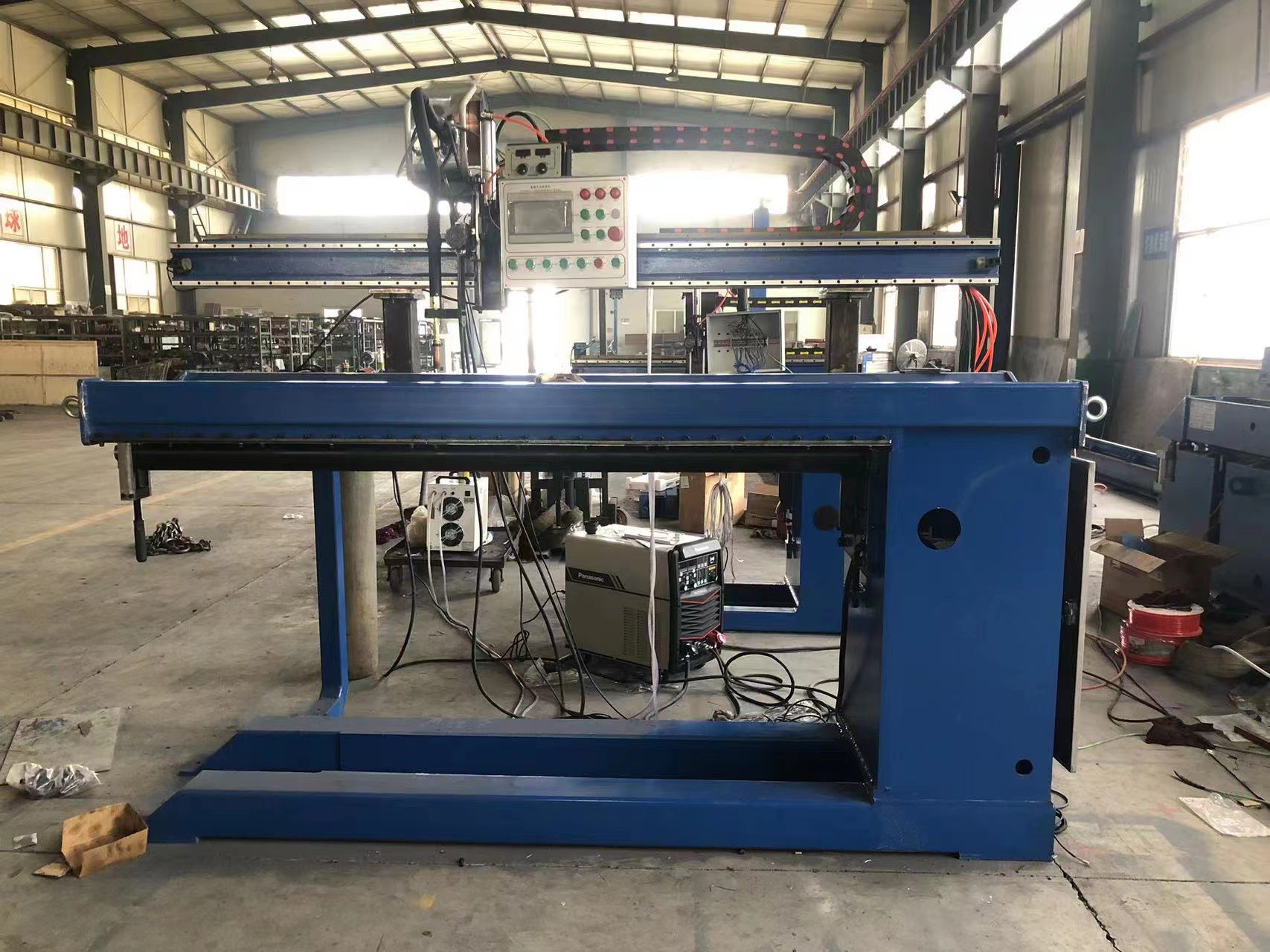
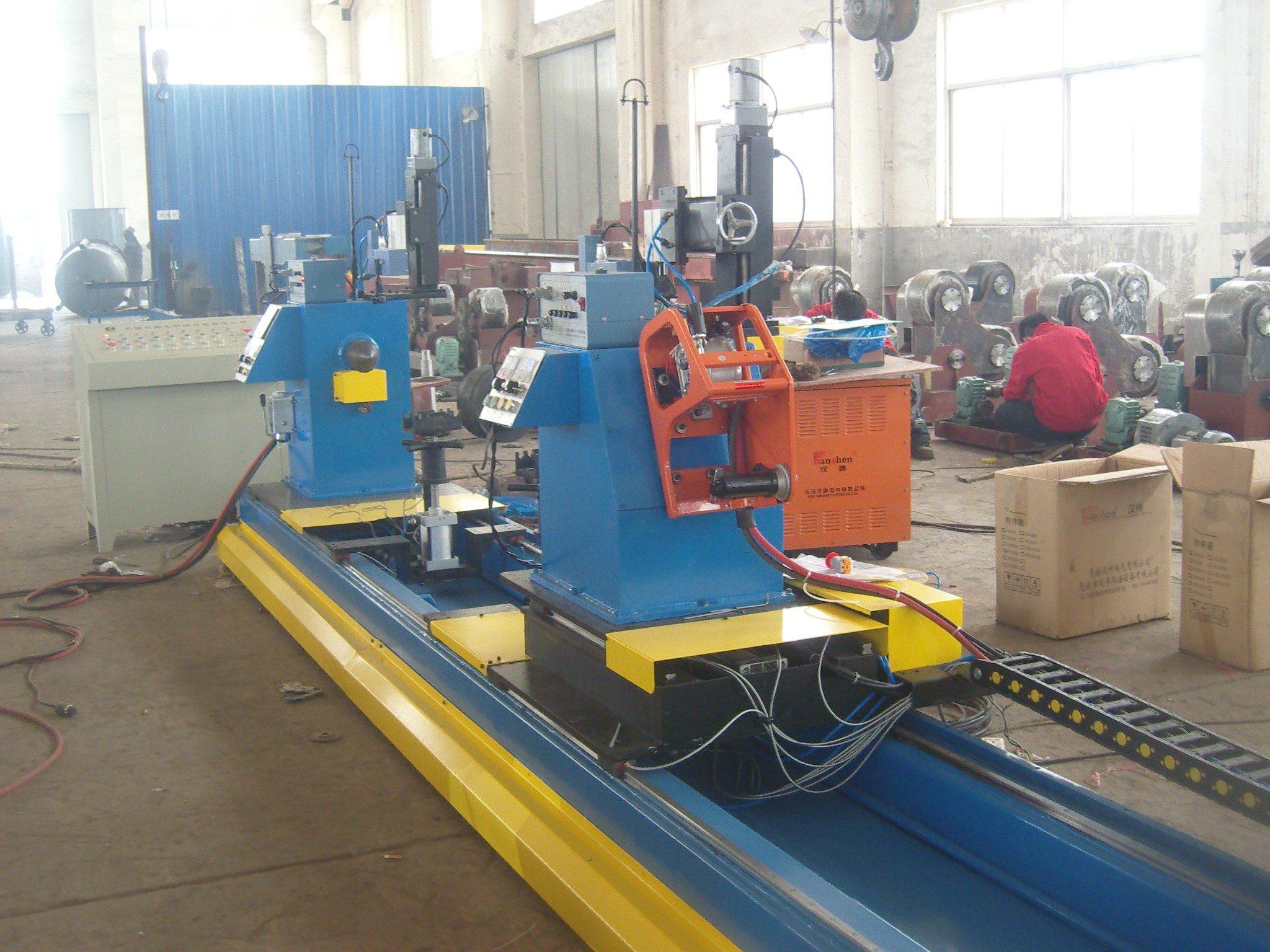
 Longitudinal seam welding machine1.1 Key-type pneumatic pressing device is applied to calmp the work piece. This device provides force evenly to work piece and prevents
deformation.
1.2 It is widely applied in high quality welding and low-deformation straight seam. Use in such fi eld: petrochemical industry, solar water
heater manufactor, pipeline and automobile industry.
1.3 Controlled by PLC, driven by DC motor, and stepless speed regulation, with control system to realize automatic welding,and equipped
with straight oscillator for optional choice.![星星1]()
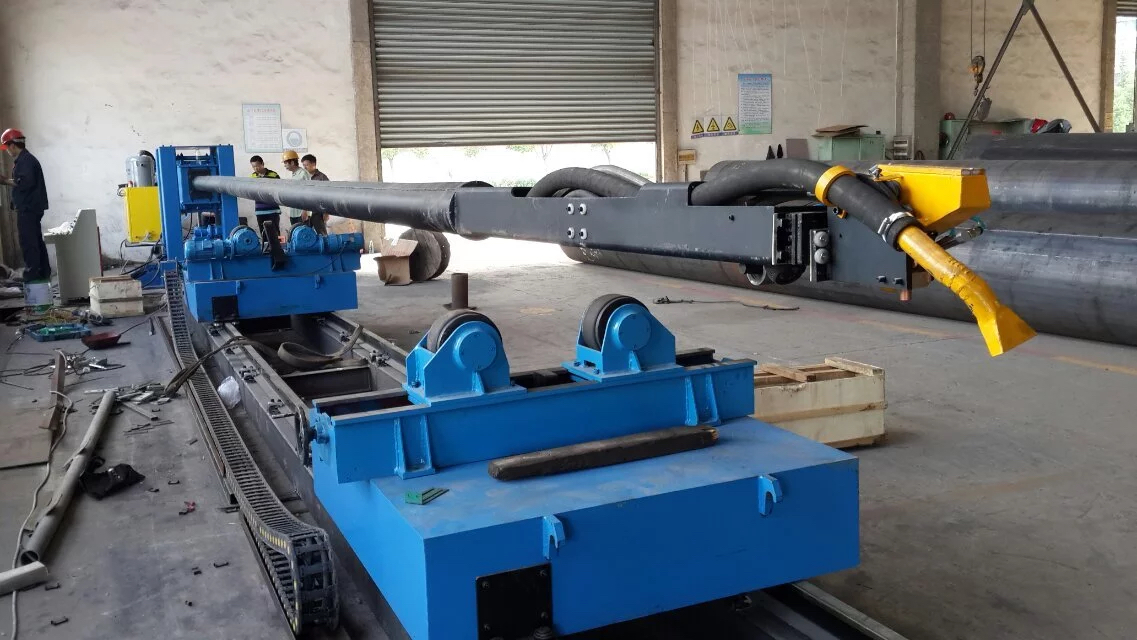
 12 meter Pipe inside and outside seam welding machine12 meter pipe welding machine is customized according to client’s request,long beam is clamped on the frame,inside seam welding is welded through moving of welding rotator on the trolley.12 meter pipe longitudinal seam welding machine Moving of trolley is controlled by VFD,stable and reliable,and speed is adjustable,12 meter pipe inside longitudinal seam welding machine meet with different welding technology.Since diameter of pipe is small,worker can not get inside for checking and adjusting,12 meter pipe outside longitudinal seam welding machinewe adopted advanced monitoring system to check welding quality and condition.Worker can check and operate all conditions from Computer screen,and work with motorized accurate adjusting,12 meter pipe welding machine finishes automatic inside longitudinal seam welding for small diameter pipe.It improve the working efficiency and welding quality.Its suitable for manufacturing small diameter pipe in batch
![星星1]()
- Space frame welding machineBody of space frame welding machine is assembled by steel metal,structure parts are anneal processed,quite stable and durable;Automatic space frame truss welding machine realizes welding gun swing welding,welding gun is adjusted by manual;Main and vice withstanding device is by hydraulic,Space frame welding machine will loose after welding finishes,lifting of work piece adopts lead screw by manual.Automatic space frame welding machine Length of body is 7.2 meters,and width is 900mm,max welding gap could be 3-5cm,length of work piece should be under 5.5 meters,and diameter of work piece is 42mm-180mm
![星星1]()
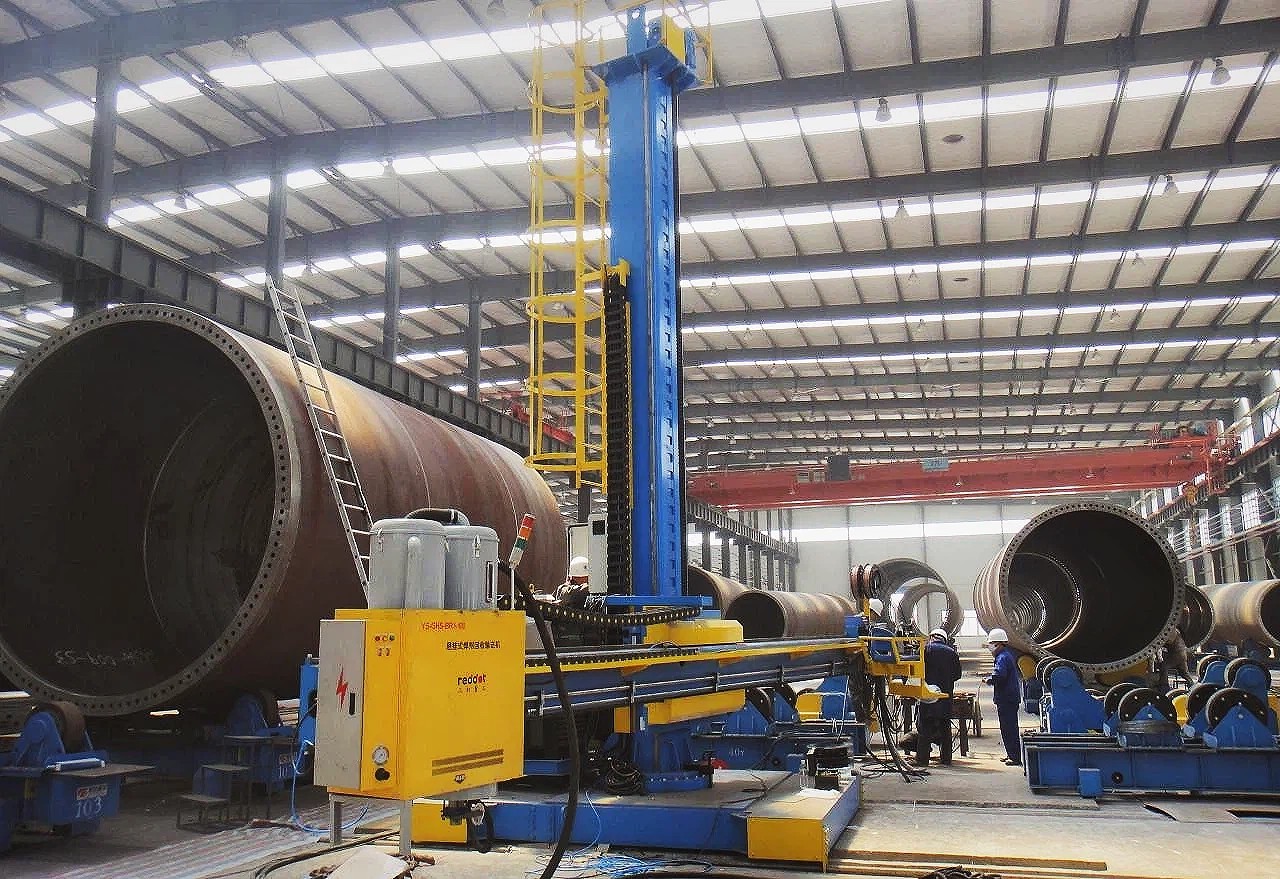
 Welding manipulatorThis welding manipulator is a core piece of equipment designed specifically for automated welding applications. Combined with welding positioners, roller frames, and other components, it forms a highly efficient automated welding workstation. The equipment features strong structural rigidity and flexible operation, making it suitable for longitudinal, circumferential, and internal/external seam welding in industries such as pressure vessels, pipelines, and steel structures.
![星星1]()

Send Us A Message
Send us a Message
A dedicated person will follow up on your needs one-on-one and provide personalized customized solutions according
to your needs.
Get In Touch
We look forward to hearing from you for in-depth communication on how to fulfill your mixing requirements.