




Plate Rolling Machine Manufacturers Explained: How to Evaluate Equipment Quality, Technology, and Production Expertise
What Plate Rolling Machine Manufacturers Actually Provide
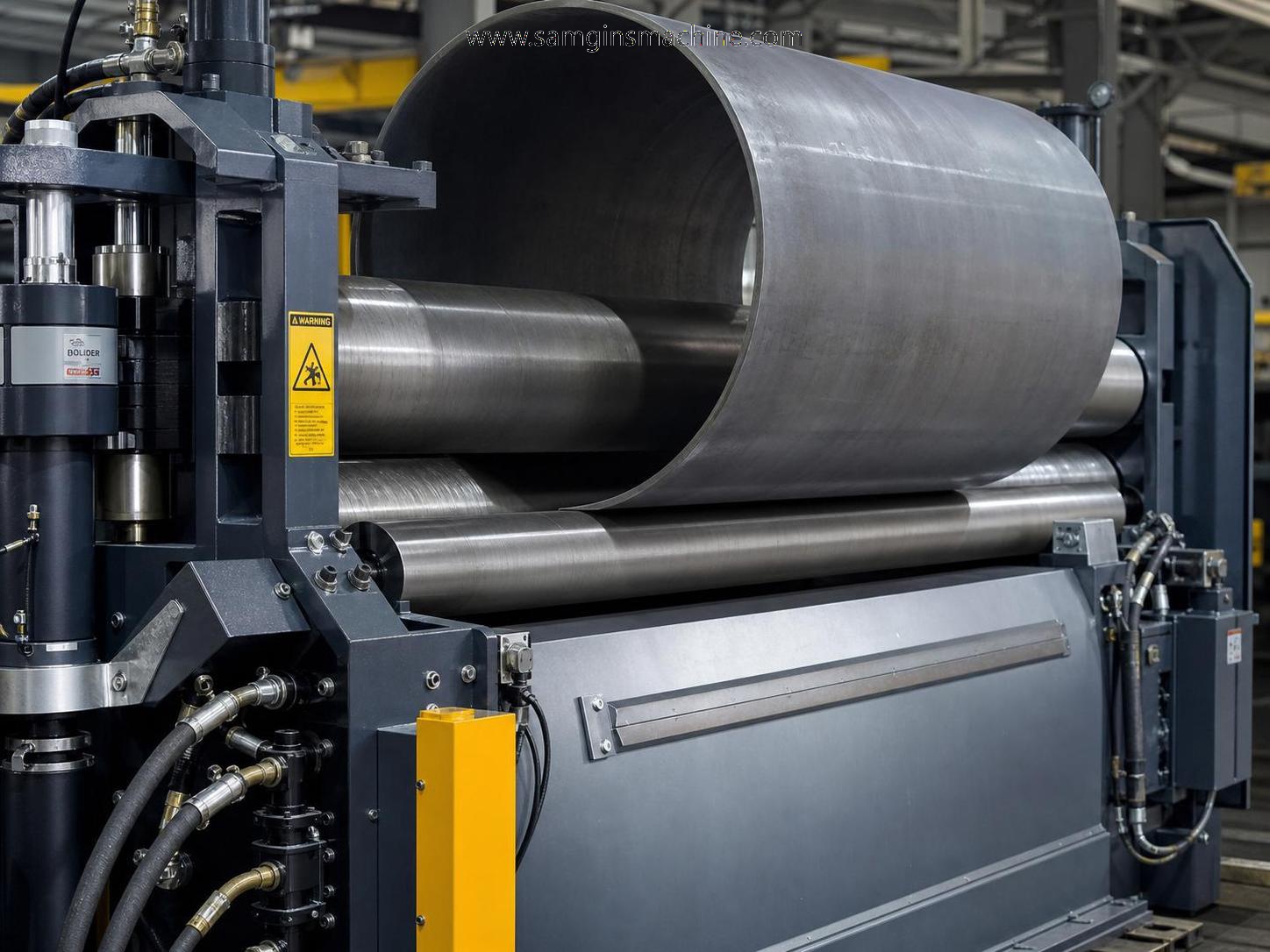
Plate rolling machine manufacturers design and build equipment that progressively bends flat metal plate into cylinders, cones, arcs, shells, and other curved forms. The machine applies controlled force through powered rolls, changing the plate radius without relying on repeated manual heating, hammering, or segmented fabrication. Its output becomes a starting component for welded vessels, storage tanks, ducts, pipes, wind-energy structures, marine assemblies, and heavy fabrication projects.
A capable manufacturer supplies more than a rolling frame. The practical scope includes roll geometry, hydraulic or mechanical drive design, control architecture, plate-support devices, safety arrangements, commissioning guidance, spare-parts planning, and technical support. For complex projects, buyers should expect discussion of material grade, plate width and thickness, minimum rolling diameter, cone requirements, edge pre-bending, production volume, and the downstream welding process.
The term also covers different production capabilities. Some plate rolling machine manufacturers focus on standard workshop machines, while others engineer heavy-duty systems for thick plate and large diameters. Evaluation should therefore begin with the intended workpiece rather than a catalog label. A nominal capacity is useful only when the supplier clearly states the relevant material strength, rolling condition, diameter, and whether the figure applies to pre-bending or full-length rolling.
How Plate Rolling Technology Forms Metal
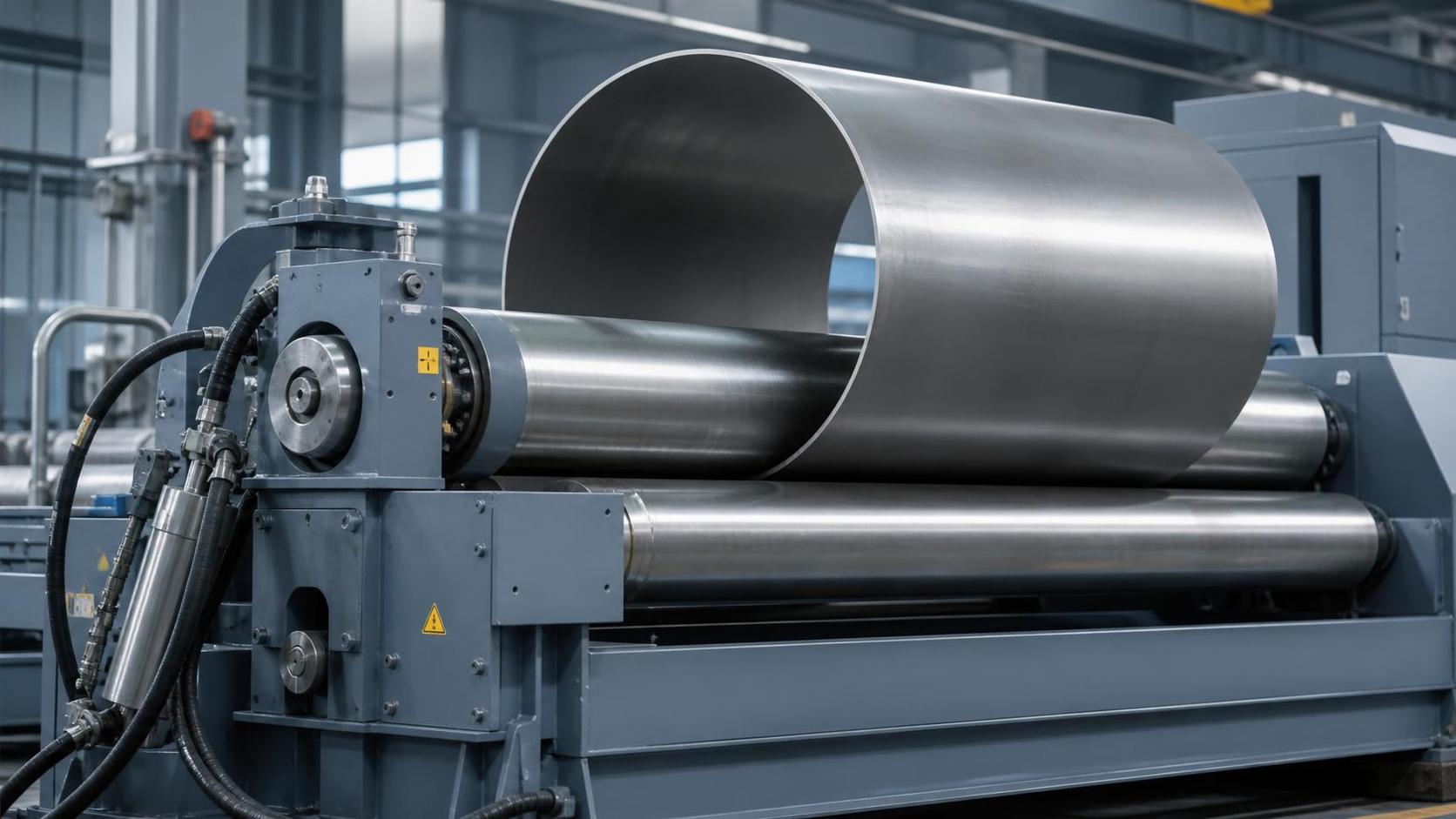
Most plate rolling systems use three or four rolls. A top roll and lower rolls grip and feed the plate, while side or lower roll movement introduces the bending force. By changing roll positions through a sequence of passes, the operator develops the required radius and controls the amount of straight edge left at both ends. Good geometry and synchronized movement are essential because minor inaccuracies can create uneven curvature, out-of-round shells, or difficult weld fit-up.
Pre-bending is a major technical distinction. It reduces the flat section remaining at the plate ends before final rolling. Four-roll machines commonly support efficient pre-bending because the material can remain clamped while the side roll moves into position. Three-roll designs remain suitable for many fabrication tasks, but the buyer should understand the handling sequence, expected residual flat area, and whether extra forming or trimming will be needed before welding.
The bending result depends on machine rigidity, roll hardness, roll diameter, bearing arrangement, drive torque, hydraulic stability, control resolution, and the plate itself. High-strength steel, stainless steel, aluminum, clad plate, and thick carbon steel respond differently under load and springback. Experienced plate rolling machine manufacturers ask for actual material information because selecting a machine only by thickness can result in insufficient capacity or unnecessary capital cost.
Main Plate Rolling Machine Categories
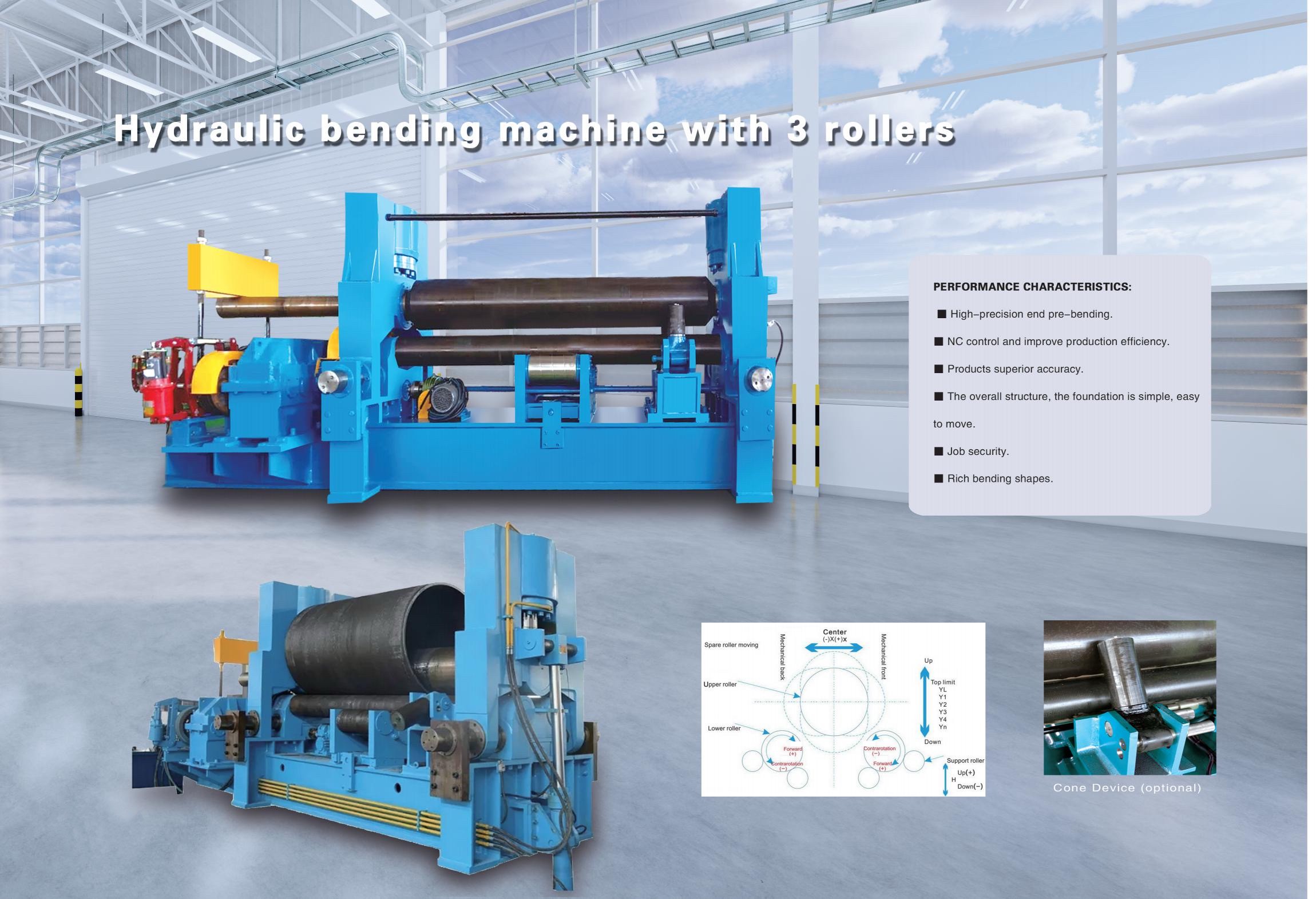
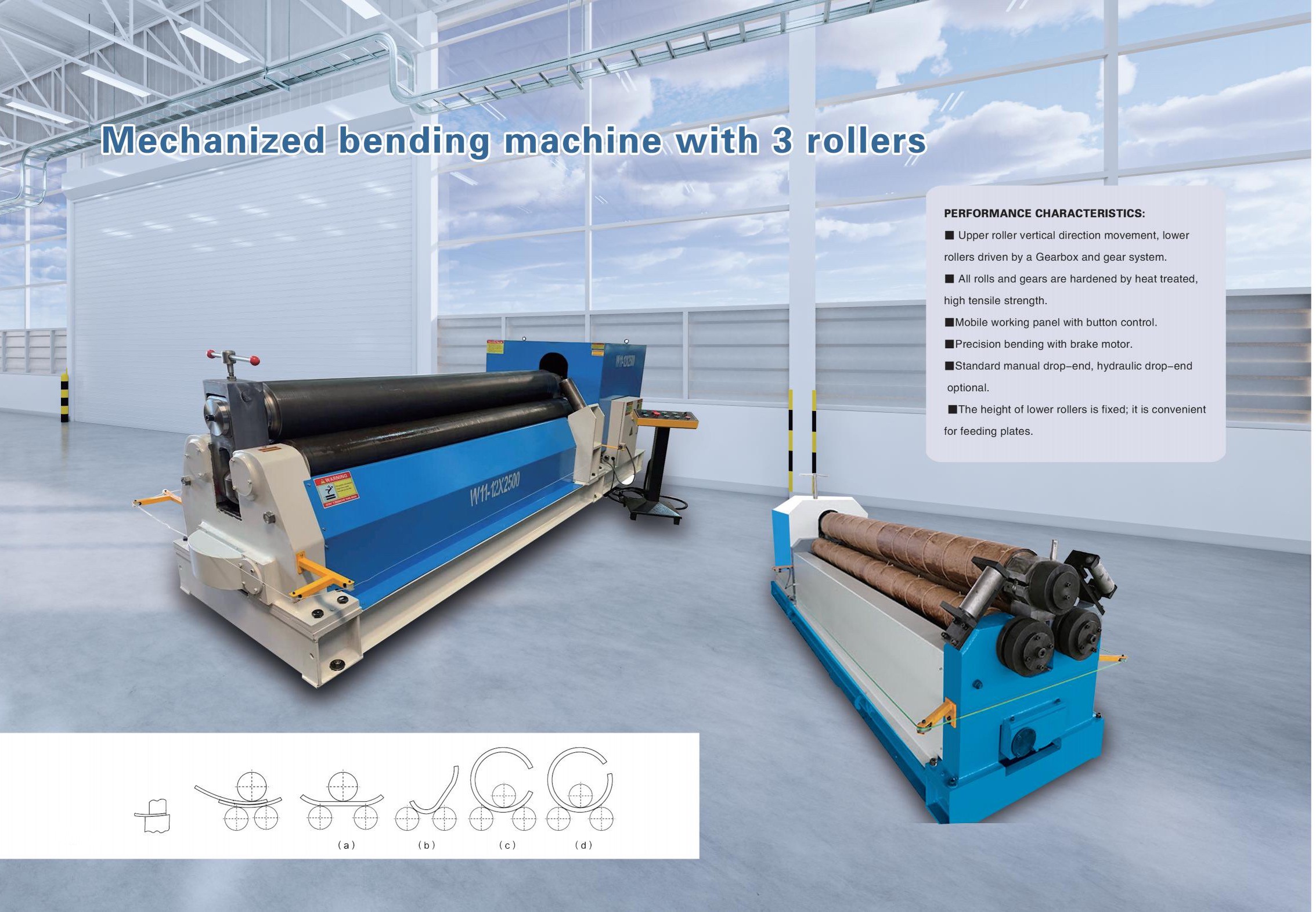
Three-roll plate rolling machines are commonly selected for general cylindrical work. Their configurations may include symmetric, asymmetric, or variable-geometry arrangements. Symmetric systems can be appropriate for straightforward rolling, while asymmetric systems can improve edge pre-bending performance. Variable-geometry designs can offer flexibility across a wider range of plate thicknesses and diameters, but buyers should compare the actual production advantages against control complexity, floor-space needs, and operator requirements.
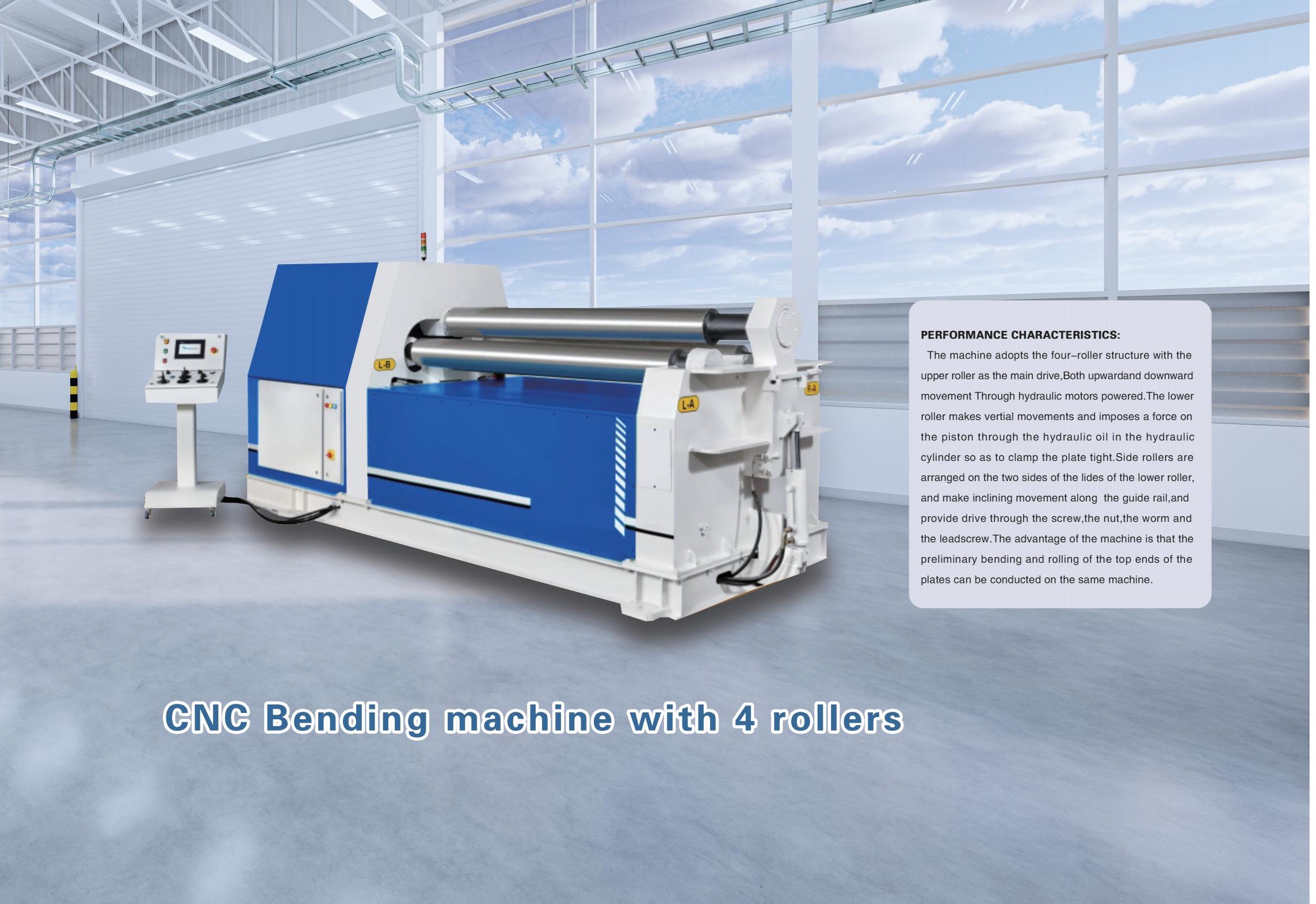
Four-roll plate rolling machines use an upper roll, a lower pinch roll, and two side rolls. The plate is held securely during feeding and pre-bending, which can reduce repositioning and support repeatable production. This configuration is often considered where output consistency, efficient handling, and lower operator dependency matter. It is particularly relevant for shops producing repeated shell sizes, tank sections, pressure-vessel components, and parts that move directly to automated or semi-automated welding stations.
Specialized options include CNC-controlled systems, cone rolling attachments, upper-roll lifting arrangements, side supports, overhead supports, and material handling equipment. The correct configuration should match the job mix. A fabricator producing long, thin shells may value support systems that prevent sagging, while a heavy vessel workshop may prioritize structural strength, torque reserve, and safe handling of large plates. Features should be justified by the workpiece and process, not selected merely because they appear advanced.
Who Uses These Machines And Where They Add Value
Typical users include pressure-vessel fabricators, tank manufacturers, pipeline contractors, boiler shops, steel structure producers, shipbuilding suppliers, ventilation and ducting companies, mining equipment builders, and metal service centers. The machine is selected where curved plate components are needed repeatedly and dimensional consistency affects welding quality, assembly time, transport, or final inspection. Smaller workshops may need versatile capacity, whereas production plants may require predictable throughput and easy program recall.
In an integrated fabrication line, plate rolling connects directly with cutting, edge preparation, welding, straightening, blasting, and inspection. Wuxi Samgins offers plate rolling machines alongside CNC flame, plasma, and fiber laser cutting machines, edge milling machines, welding rotators, welding positioners, manipulators, and specialized welding equipment. This broader equipment scope can help buyers review material flow across the workshop instead of treating rolling as an isolated purchase.
Global project requirements also influence the buying decision. Depending on the finished product and destination, fabricators may need to work to customer specifications and applicable codes such as ASME or API. The rolling machine does not certify the final vessel or structure by itself, but its repeatability affects fit-up and welding preparation. Wuxi Samgins reports more than ten years of export experience and familiarity with ASME, API, and local industry codes, which can support clearer technical communication during international sourcing.
How To Evaluate Equipment Quality And Production Expertise
Start with a complete technical proposal. It should identify workable plate thickness and width, material yield-strength assumptions, minimum diameter, roll diameter, drive arrangement, pre-bending performance, motor power, machine dimensions, and included tooling. Ask the manufacturer to distinguish maximum capacity from recommended routine capacity. This clarification is important for operations that will frequently process high-strength material, wide plate, tight radii, or work near the stated limits.
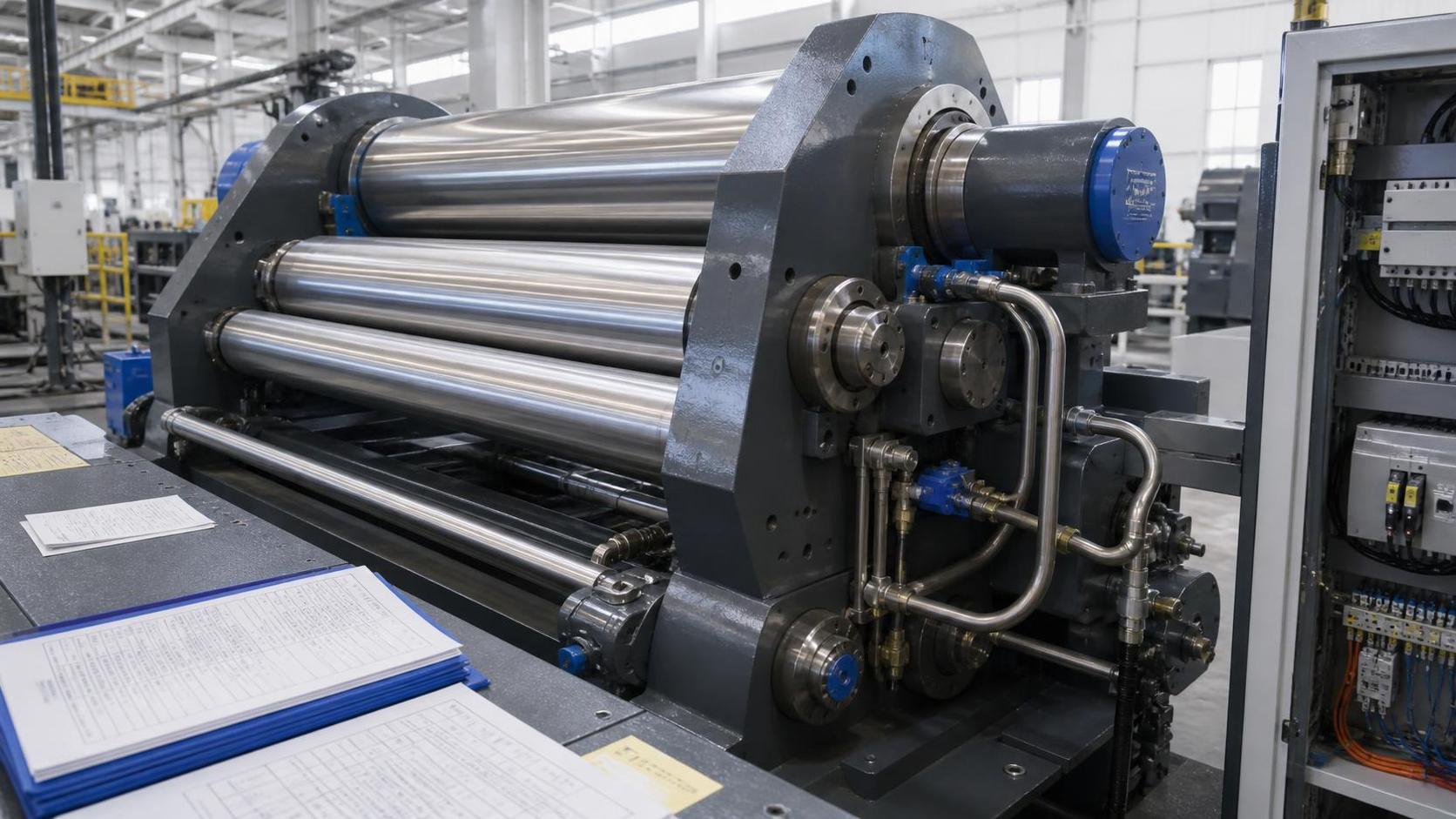
Then review the build method. A rigid welded or fabricated frame, properly machined roll supports, stable bearings, aligned transmission components, and disciplined hydraulic piping all influence long-term results. Quality control should address incoming materials, machining accuracy, assembly alignment, hydraulic leak checks, electrical verification, motion tests, and trial rolling where appropriate. Buyers should request factory acceptance details that reflect their actual plate dimensions and material rather than accepting a generic demonstration.
Component selection also matters. Wuxi Samgins states that key hydraulic, servo, and CNC components use world-famous imported brands to support precision, stability, and service life. The procurement team should still request the exact component list, local serviceability, electrical documentation, and spare-part lead times. The company states that its machines comply with the ISO9001 quality system and EU CE Machinery and LVD directives, while holding utility model patents for welding and cutting equipment; buyers should verify the documentation supplied for the specific ordered machine.
Selection, Installation, And Maintenance Criteria
A sound selection process begins with a representative part list. Include material grades, maximum and typical thicknesses, widths, shell diameters, cone angles, annual volume, tolerances, and the method used to load and unload plate. Consider future work, but avoid buying excessive capacity without a defined production case. A supplier should be able to translate the part list into a recommended roll configuration, accessories, control level, foundation requirements, and a realistic production sequence.
Installation planning should cover floor loading, anchor layout, electrical supply, hydraulic oil specifications, lifting access, safe plate handling, and adequate clearance for long workpieces. Alignment and commissioning should be performed before production release. Operators need practical training on plate orientation, pinch settings, pre-bending order, rolling passes, cone forming, emergency stops, and safe use of side supports. Installation quality is consequential because a capable machine can still produce poor results when handling and setup are inconsistent.
Routine maintenance generally includes checking hydraulic oil condition, hoses and fittings, lubrication points, roll surfaces, fasteners, electrical connections, safety devices, and transmission components. The maintenance interval should follow the supplied manual and actual duty cycle. Record recurring adjustments, roll marks, pressure fluctuations, or unusual noise before they become production interruptions. Wuxi Samgins emphasizes long-term warranties and support from design through after-sales service, a useful consideration when comparing suppliers for projects where technical response time affects delivery commitments.
Total Cost Of Ownership And Return On Investment
The purchase price is only one element of total cost of ownership. Buyers should include freight, duties, installation, foundations, lifting equipment, operator training, consumables, hydraulic oil, routine maintenance, spare parts, power use, downtime exposure, and the cost of rework. A low initial quotation can become expensive when plate capacity is overstated, documentation is incomplete, critical spares are unavailable, or the machine requires excessive manual correction to meet welding fit-up requirements.
Return on investment usually comes from reduced outsourcing, faster shell preparation, fewer plate handling steps, better first-pass geometry, less rework, and improved throughput into welding. The best comparison is based on cost per acceptable rolled component, not only hourly machine cost. Estimate cycle time for loading, pre-bending, rolling, unloading, inspection, and corrective passes. Also quantify the labor required to prepare edges and close seams when the rolled diameter or circularity varies.
For multi-process manufacturers, an integrated supplier can simplify coordination of rolling, welding, cutting, and handling equipment. Wuxi Samgins has supplied equipment to organizations including URALSTANKOIMPORT, Calbah Industries Pty Ltd, Ersay International Transport, Zein Steel Industries Co. LLC, BatysMunaiGazZhabdyktary LLP, and Lincoln Electric-MENA. These names demonstrate international commercial experience, but a buyer should request references relevant to the intended material, machine type, capacity range, and service region before making a final award.
Future Trends In Plate Rolling Manufacturing
Plate rolling machine manufacturers are moving toward greater process repeatability through CNC controls, saved programs, digital position feedback, and better integration with upstream cutting and downstream welding. These capabilities can reduce setup variation, particularly for recurring parts. However, automation should be evaluated in the context of product mix. A high-volume vessel producer may benefit from programmed sequences, while a job shop may place greater value on flexible manual override and rapid setup for diverse work.
Demand for higher-strength materials, larger renewable-energy structures, process equipment, and more tightly controlled fabricated assemblies is also increasing attention on machine rigidity and data-supported process control. Buyers should ask how the machine accounts for springback, how operators adjust for material variation, and whether rolling data can be documented when required. Equipment that supports consistent upstream-to-downstream handoff can improve the productivity of cutting, edge preparation, fit-up, and welding teams.
The most durable procurement decision combines proven mechanical design with serviceable components, transparent capacity data, practical operator support, and a supplier that understands the wider fabrication process. When assessing plate rolling machine manufacturers, use a written part specification, require machine-specific documentation, compare lifecycle costs, and confirm support arrangements before release of the order. This approach gives procurement teams a defensible basis for selecting equipment that fits current jobs and planned production development.
search
Recommended Products
 CNC Bending machine with 4 rollerA roll bending machine is a forming device that uses rotating working rollers to progressively bend sheet metal into desired profiles. Capable of producing cylindrical, conical, and arc-shaped components, it is an essential piece of equipment in modern metal fabrication. The forming process relies on hydraulic or mechanical force to actuate the working rollers, whose coordinated movements—through rotation and positional adjustment—enable the production of a wide variety of curved geometries.
![星星1]()
 Hydraulic bending machine with 3 roller1.Introduction for Hydraulic bending machine with 3 roller:
A roll forming machine is a device that bends sheet materials into shapes through the action of working rolls. It can form various parts such as cylindrical pieces and conical pieces. It is a very important processing equipment. The working principle of a roll forming machine is to use external forces such as hydraulic pressure and mechanical force to make the working rolls move, thereby bending or rolling the sheet materials into shapes. Depending on the rotational movement and position changes of the working rolls of different shapes, parts such as elliptical pieces, arc-shaped pieces, and cylindrical pieces can be processed.![星星1]()
 Mechanized bending machine with 3 rollerA roll forming machine is a processing device that bends sheet materials into desired shapes through the action of working rollers. It is capable of producing various components, including cylindrical and conical parts, making it essential equipment in metal fabrication.
The machine operates by applying external forces—hydraulic or mechanical—to move the working rollers, which bend or roll the sheet into shape. Depending on the rotational movement and positional changes of differently shaped rollers, it can process elliptical, arc-shaped, and cylindrical workpieces.![星星1]()

Send Us A Message
Send us a Message
A dedicated person will follow up on your needs one-on-one and provide personalized customized solutions according
to your needs.
Get In Touch
We look forward to hearing from you for in-depth communication on how to fulfill your mixing requirements.