




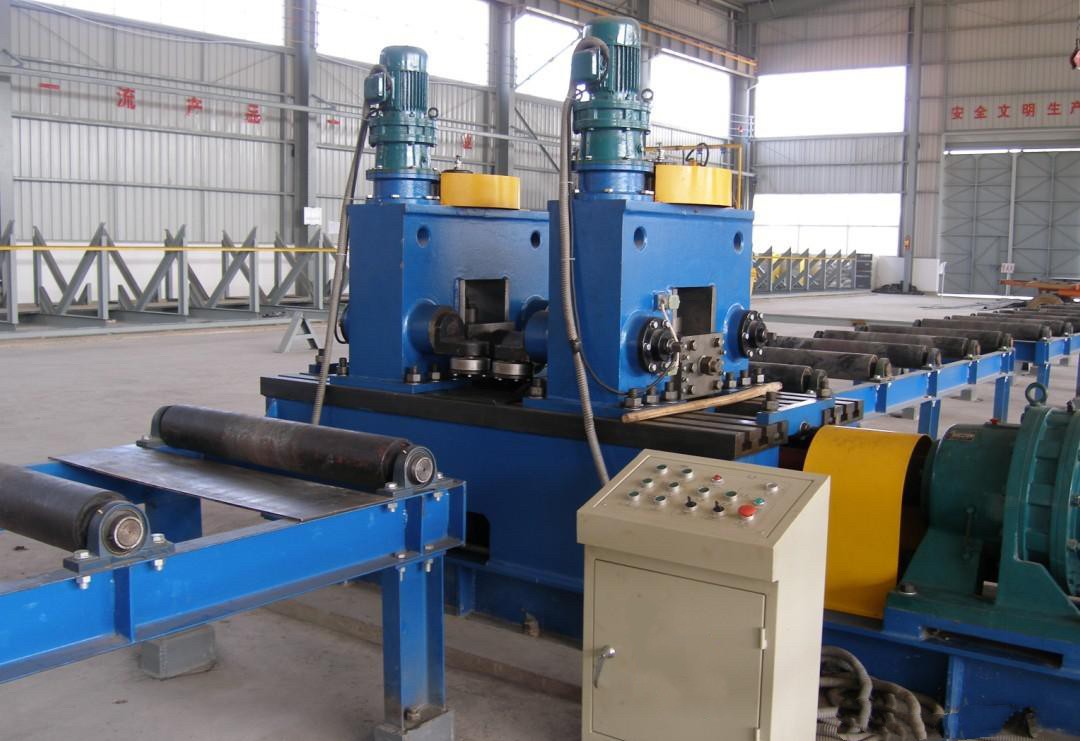
HYJ-800 H beam straightening machine
Full-range Machinery & Customized Non-standard Solutions
Authorized Certificates & Independent R&D Patents
Over 10 Years Global Export & Worldwide Project Cases
Navigation
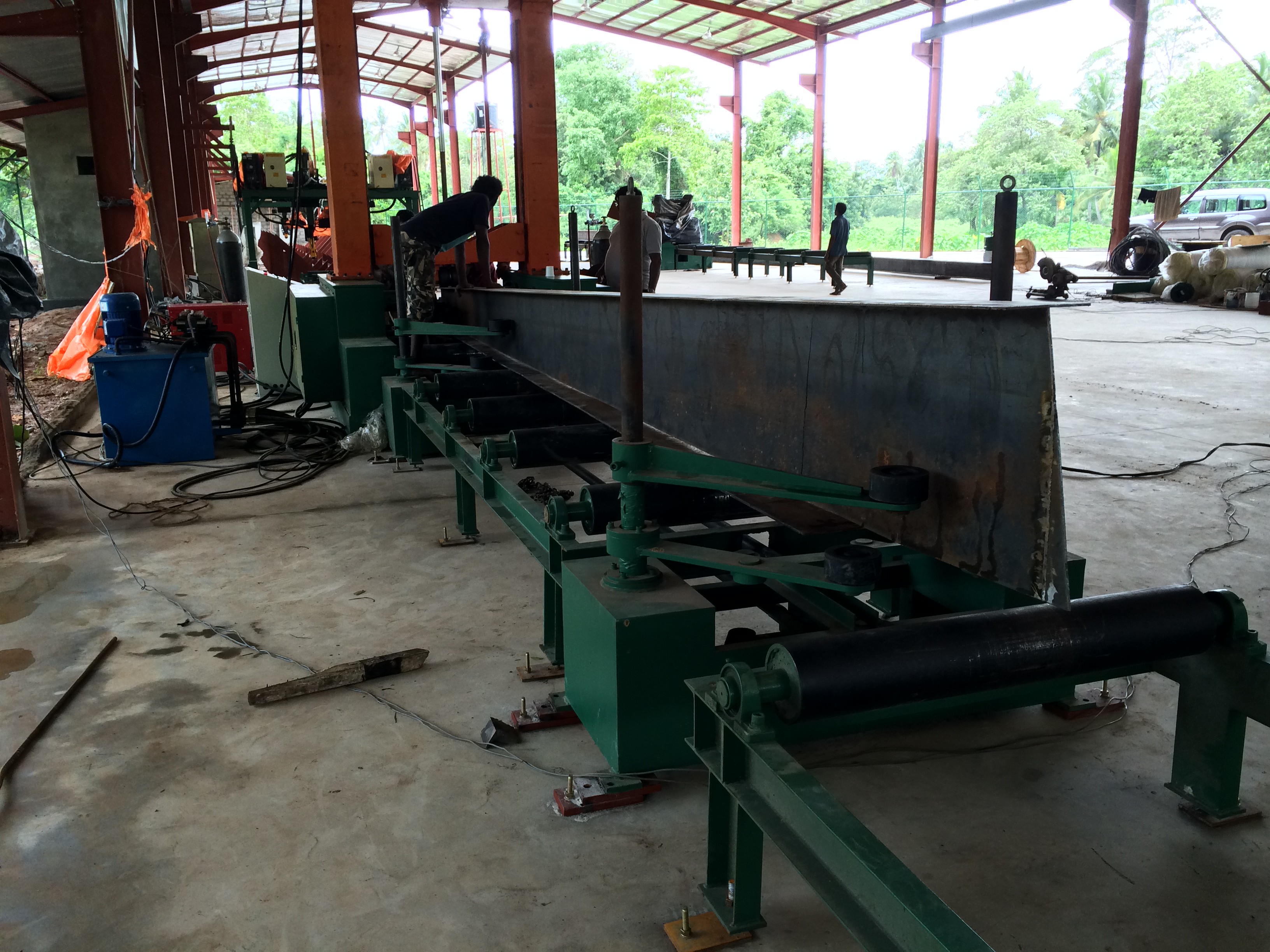

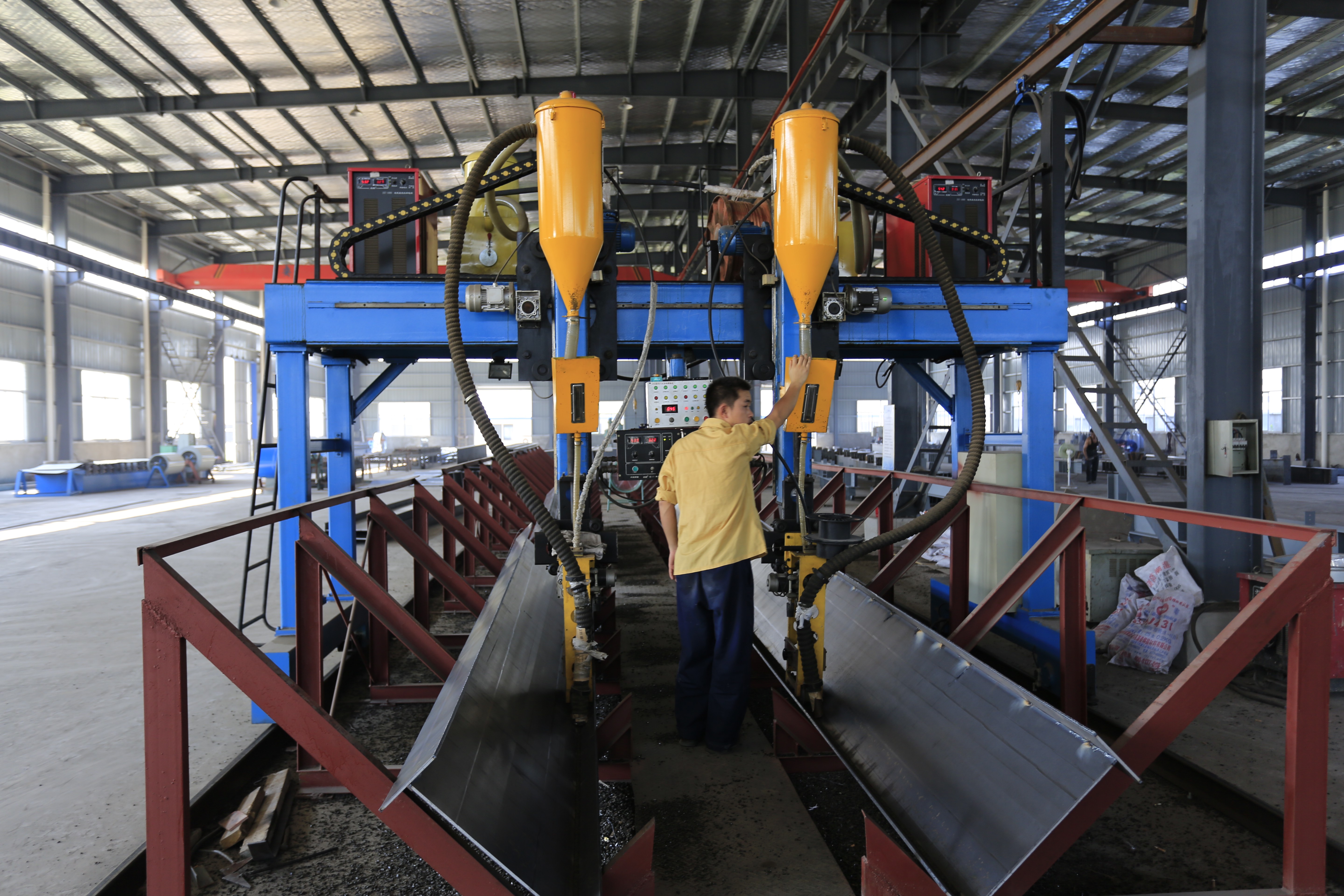
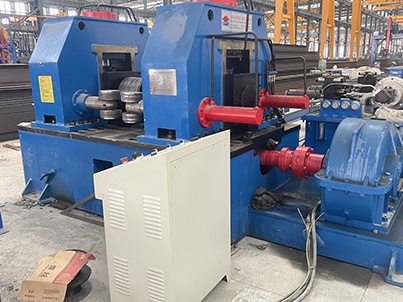
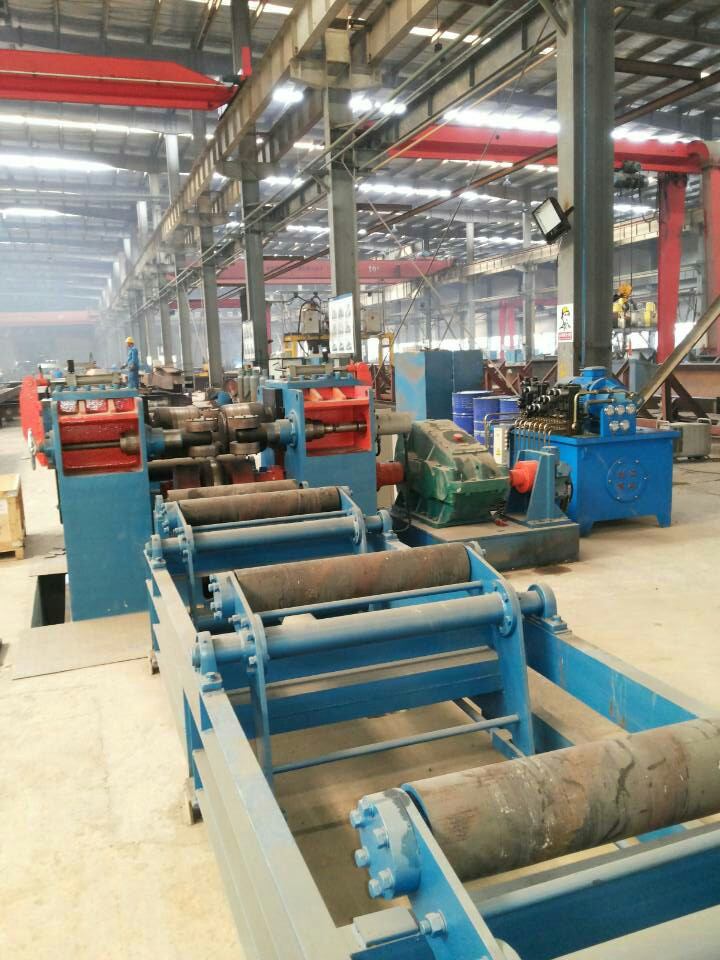
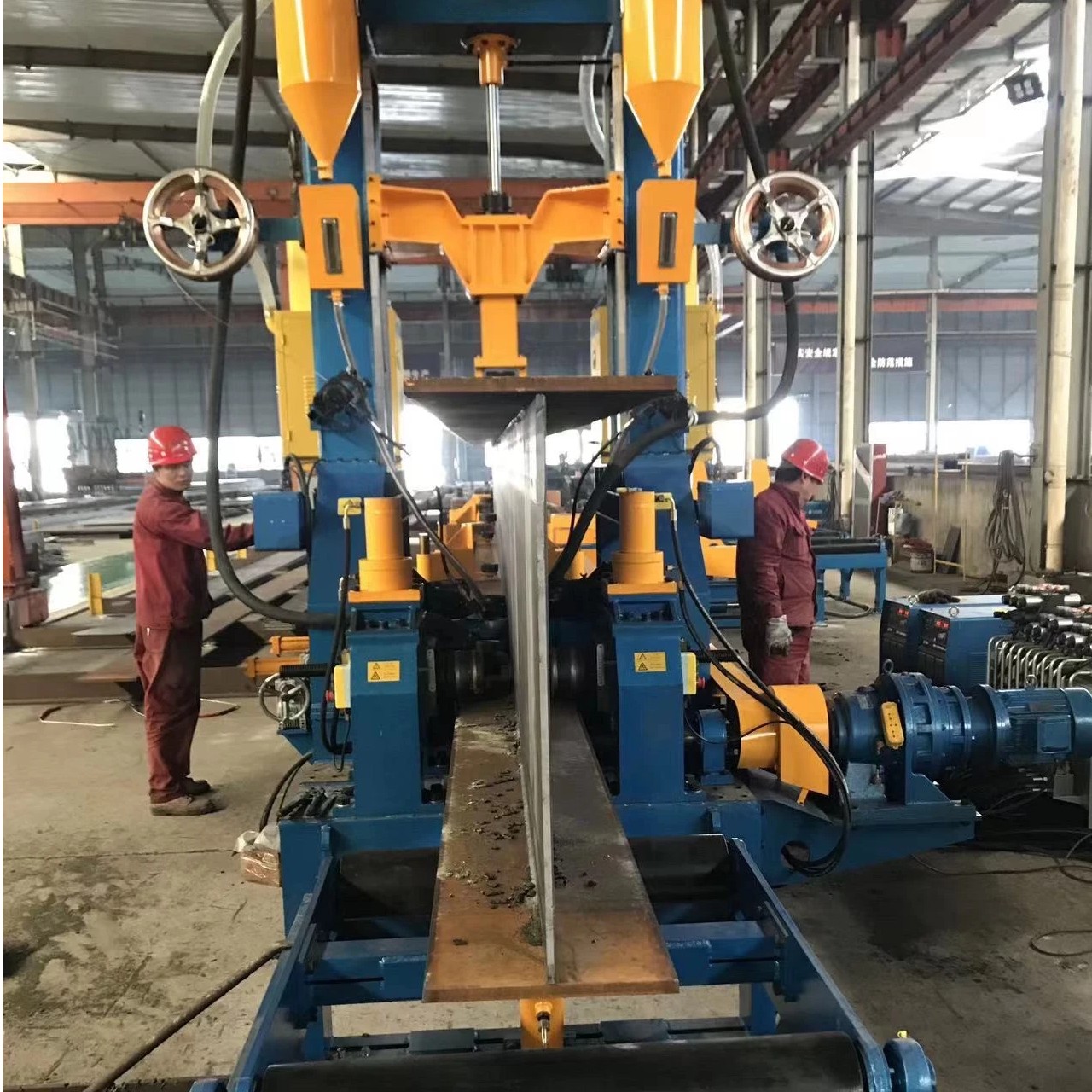
HYJ-800 H beam straightening machine Description
1.Introduction for H beam straightening machine:
1.1.The mainframe is integral frame structure with stress relief, it is processed and shaped in one step by CNC floor type boring and milling machine,with the advantages of compact structure, strong strength and enough rigidity.H beam straightening machine
1.2.The material of upper roller is 35CrMo, the abrasion resistance has been improved after the process of heat treatment and grinding.Automatic H beam straightening machine
1.3.The material of main transmission roller is 40Cr with integral forging process, as well as high frequency quenching process and grinding on the surface, the precision and abrasion resistance has been improved a lot.H beam flange straightening machine
1.4.The main transmission part is driven by a motor with speed reducer, and then transmission roller transports the work-piece for finishing the straightening of flange continuously.Automatic H beam flange straightening machine
1.5.The electric control system is composed of control box and operation box, it controls the forward/reverse turning of the main transmission motor and the straightening motor. The operational panel is installed on the frame, which is positioned separately from the control box with convenient operation.H beam straightening machine
1.6.Automatic H beam straightening machine can be equipped with a small pressing roller, the H beam flange straightening range can be wider with these 2 sets of pressing rollers.
2.Technical parameter for H beam straightening machine
3.Characters for H beam straightening machine:
3.1 High-Quality Correction Wheels
The correction wheels are made of solid bearing steel, processed through high-frequency heat treatment, precision grinding, and hard chromium plating. The result is a smooth, flat surface finish without scratches—ensuring effective correction without damaging the material surface.
3.2 Flexible Operation
The machine can be used independently or combined with MT / MTD automatic feeding frames for enhanced performance and production efficiency.
3.3 Precision Pressure & Adjustment System
Large air cylinders provide ample pressing force. Correction adjustment is precisely controlled via synchronous worm gear and worm wheel mechanism—one full turn of the handle lowers the upper correction wheel by only 1mm, enabling fine, accurate adjustments.
3.4 High Rigidity & Durable Performance
The high-rigidity mechanical structure and powerful output ensure high-speed, stable feeding—improving productivity while extending the equipment's service life.
products faq
An H Beam Production Line is a complete automated system for manufacturing H-shaped steel beams. It typically includes an uncoiler, leveling unit, assembly machine, tack welding machine, main submerged arc welding (SAW) system, straightening machine, cutting equipment, and material handling conveyors. All components work together to transform steel plates or coils into finished H-beams with high efficiency and consistent quality.
Submerged Arc Welding (SAW) is the most commonly used process for main welding in H beam production lines. It offers deep penetration, high deposition rates, excellent weld quality, and minimal spatter—making it ideal for heavy structural beams. Some lines also incorporate gas-shielded welding for tacking or light sections.
The line is adjustable to accommodate a wide range of beam sizes. Standard configurations typically handle web heights from 200mm to 1,500mm, flange widths from 100mm to 800mm, and material thicknesses from 6mm to 60mm. Custom sizes can be accommodated with tailored equipment design.
After welding, the thermal distortion caused by heat input is corrected by a straightening machine, which applies pressure to bend the beam back to the required straightness tolerance. In addition, precision assembly fixtures and automated control systems ensure accurate web-flange positioning before welding, maintaining consistent product dimensions throughout production.
Routine maintenance includes checking and replacing welding consumables (flux, wire, contact tips); inspecting conveyor chains, rollers, and bearings; monitoring hydraulic system oil levels and seals; cleaning the flux recovery system; and verifying the straightening machine's adjustment accuracy. We provide comprehensive maintenance schedules, spare parts support, and on-site technical assistance to minimize downtime.