




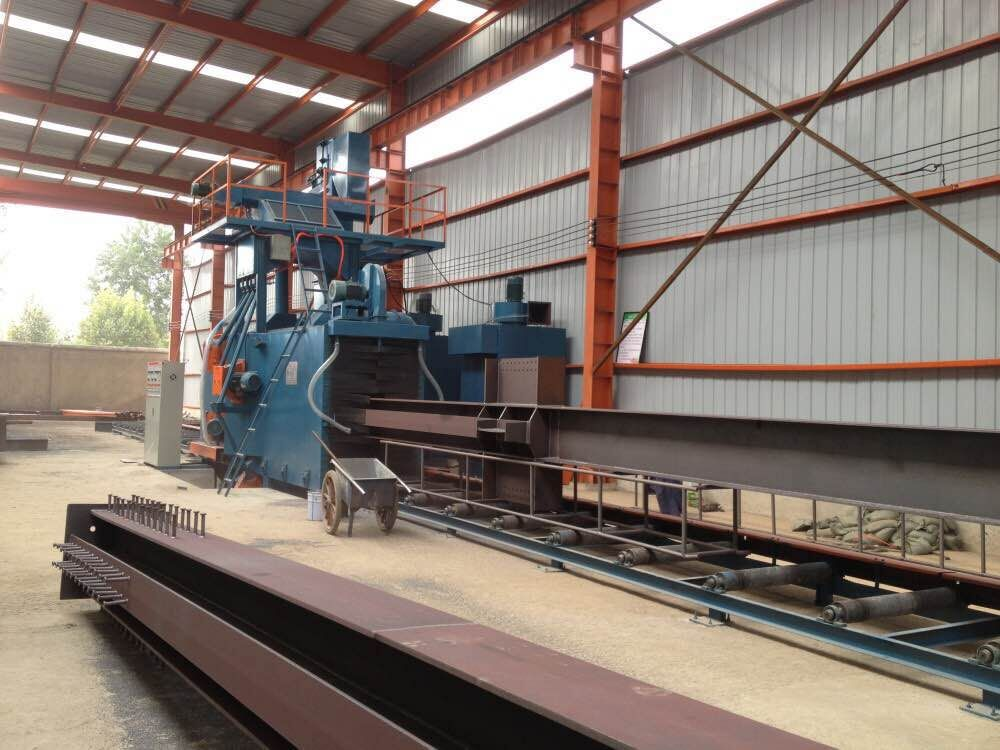
Shot blasting machine
Full-range Machinery & Customized Non-standard Solutions
Authorized Certificates & Independent R&D Patents
Over 10 Years Global Export & Worldwide Project Cases
Navigation
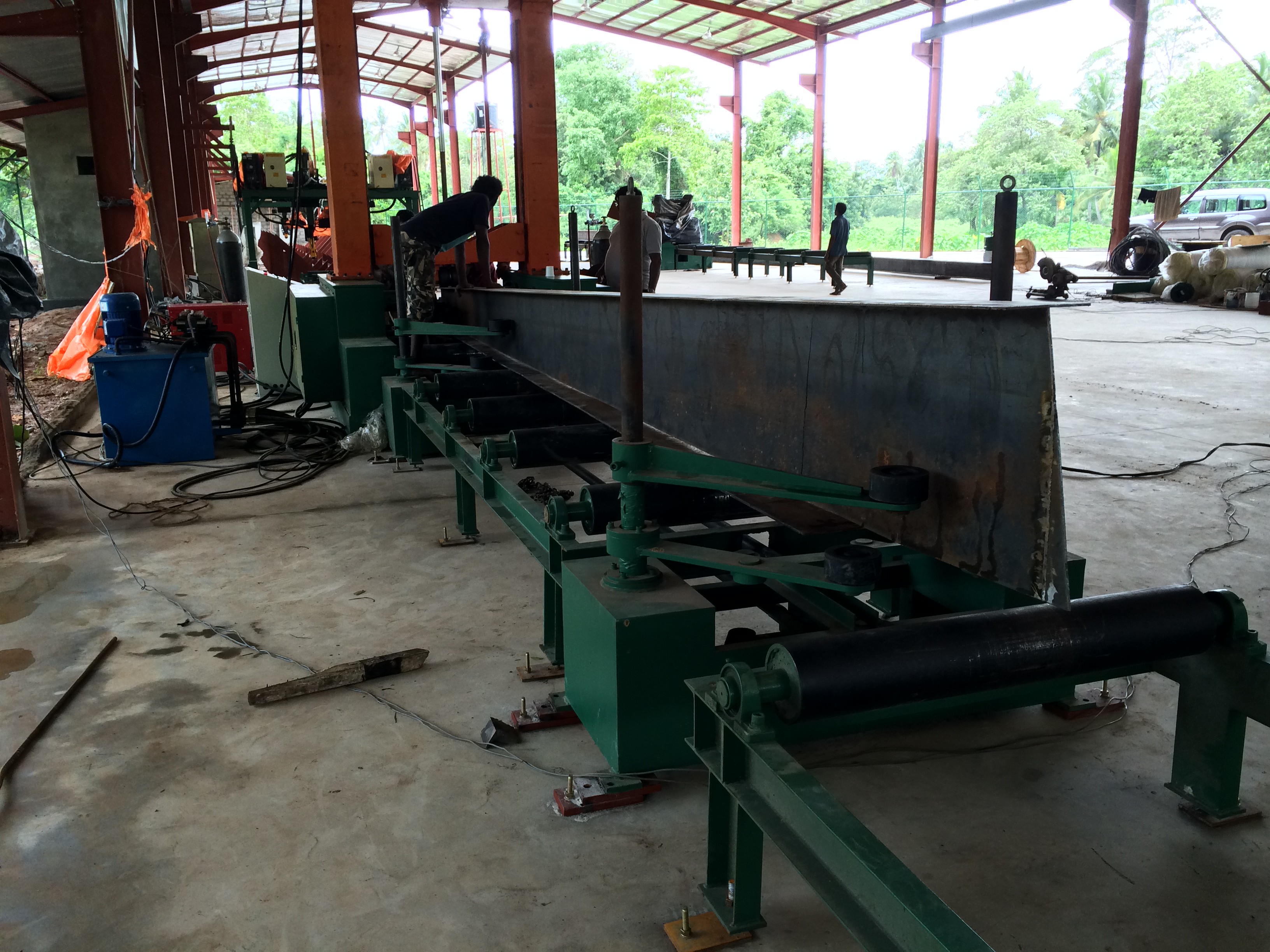

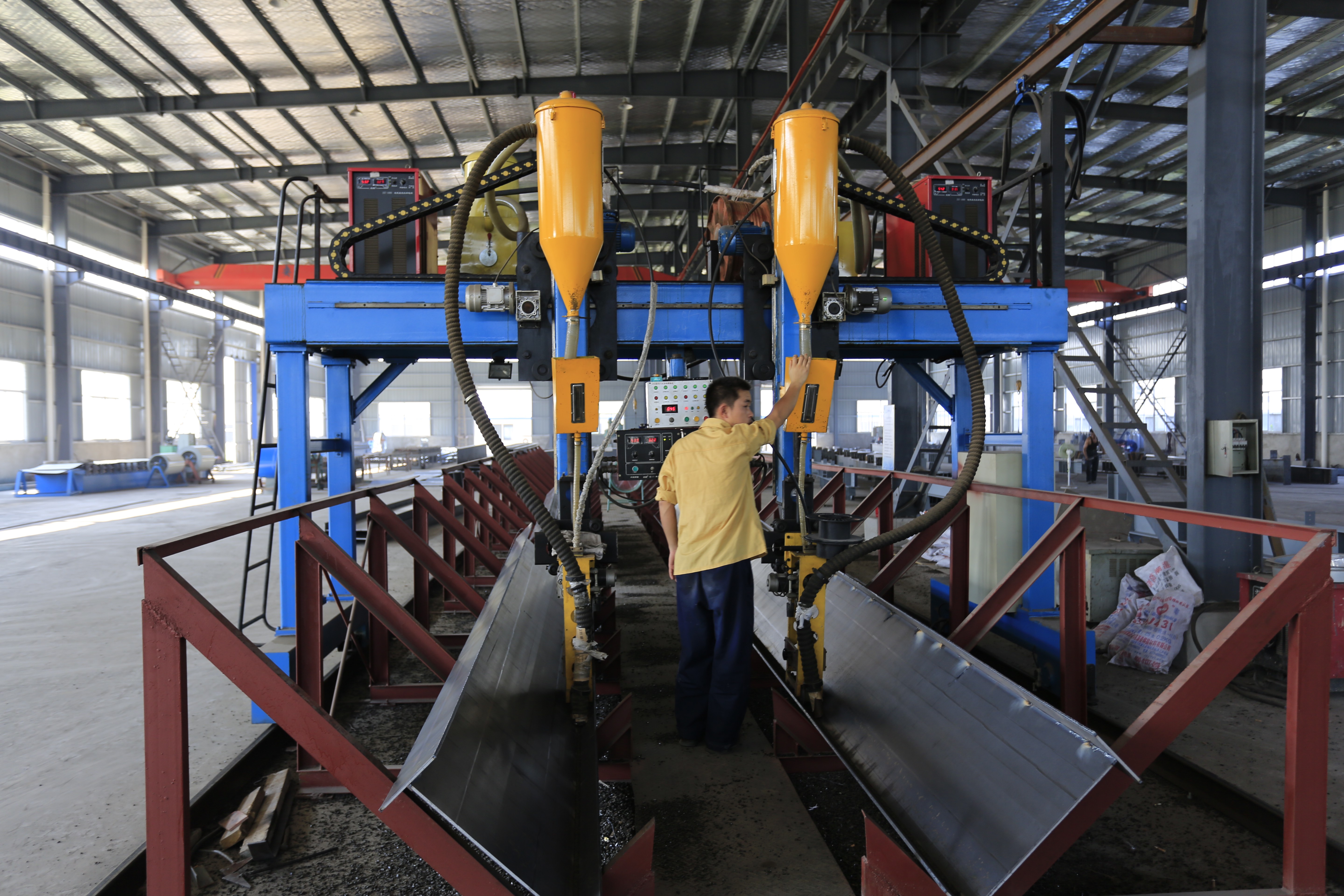
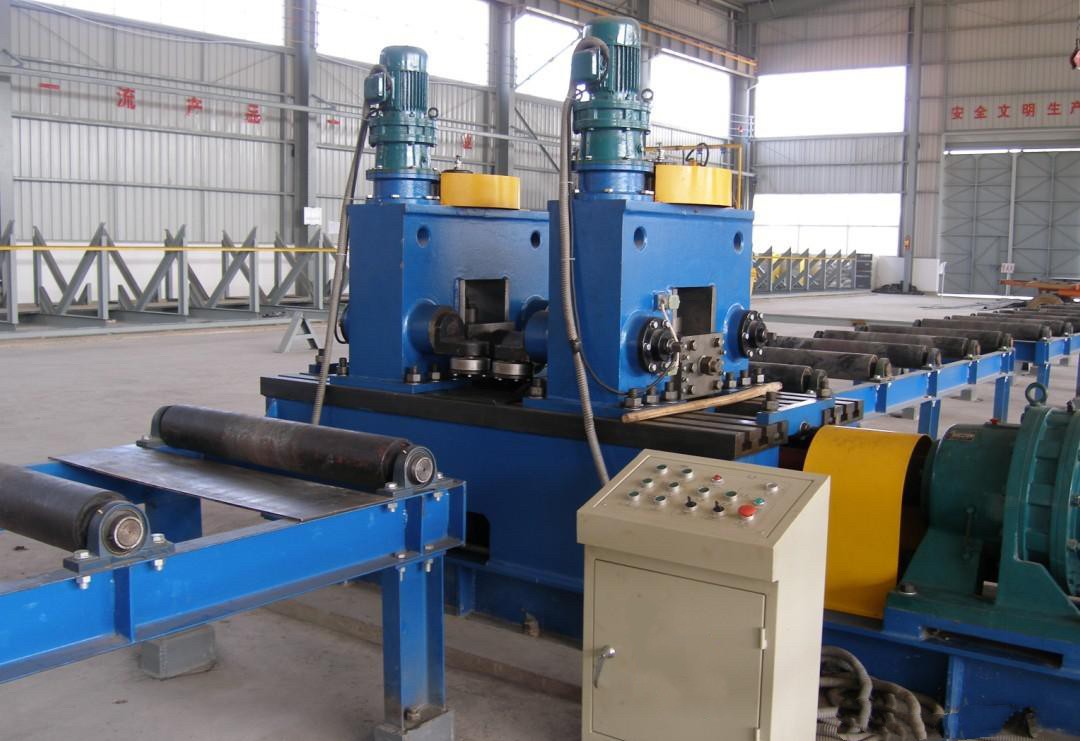
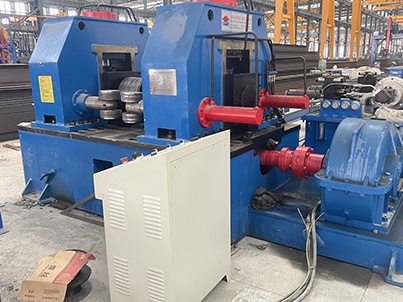
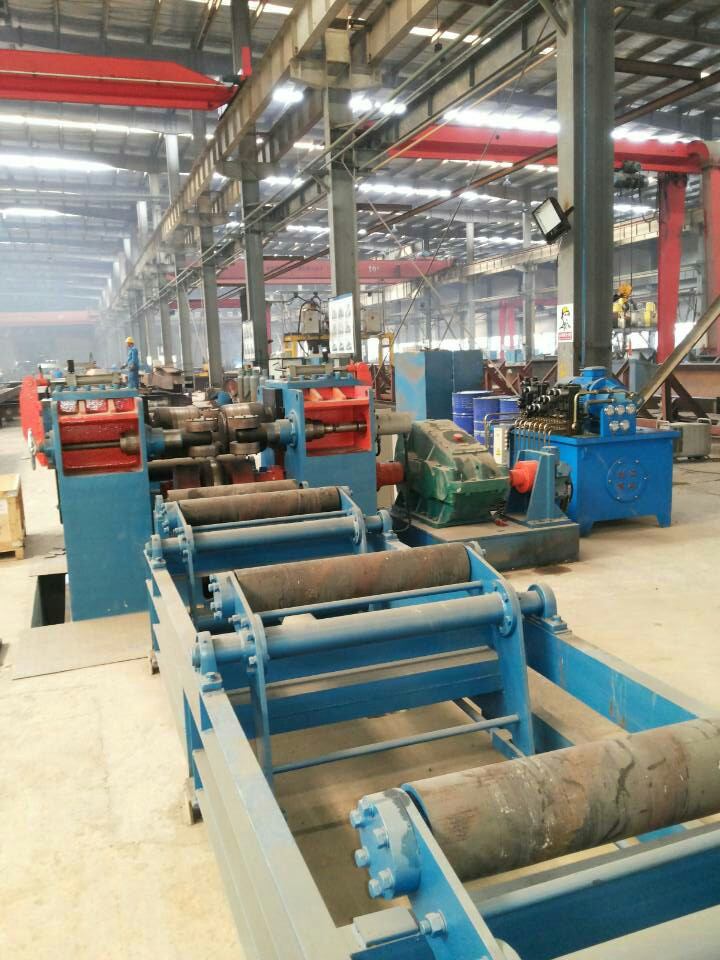
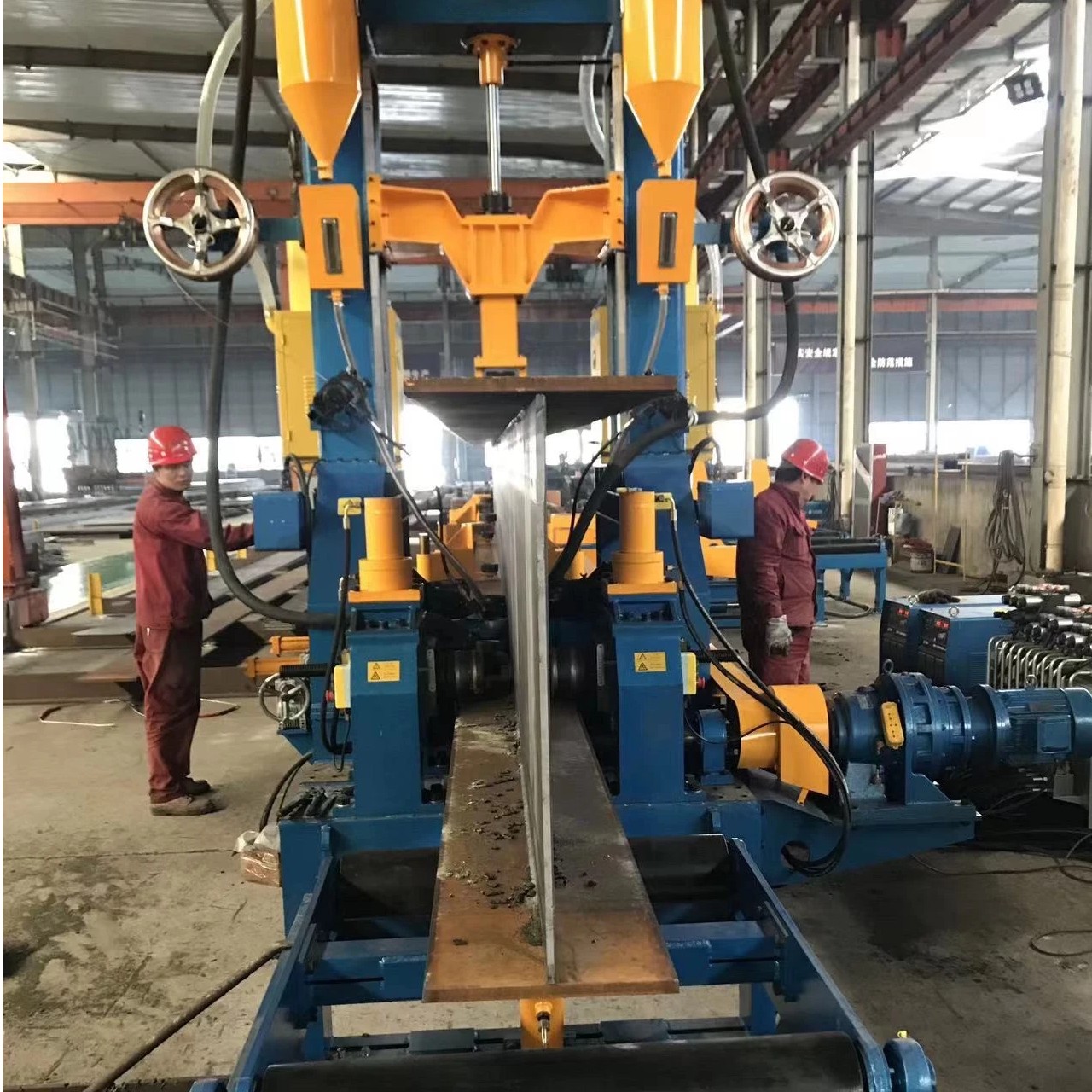
Shot blasting machine Description
1.Introduction for Shot blasting machine:
The H Beam Shot Blasting Machine is specifically designed for surface preparation of steel structural parts, aluminum profiles, steel sheets, and steel billets. It effectively removes rust spots, rust layers, and scale cinder, resulting in a uniform, smooth, and glossy metal surface that enhances coating adhesion and improves anti-corrosion performance.
To ensure superior shot-blasting efficiency and extend the service life of critical components, the machine is equipped with high-chromium wear-resistant sheaths on the room rollers. This durable protection significantly reduces wear—extending roller service life by several times compared to standard rollers—and ensures reliable, long-term operation even under demanding production conditions.
The automatic H Beam Shot Blasting Machine delivers consistent, high-quality surface preparation with minimal operator intervention, making it an essential solution for steel fabrication workshops, bridge builders, and heavy machinery manufacturers.
2.Technical parameter for Shot blasting machine
3.Characters for Shot blasting machine:
3.1 Structural & Performance Advantages
The machine features a well-designed, innovative cantilever structure. It is driven by a geared motor and integrated with a chain suspension mechanism, lifting hook, and turntable rotation function, enabling efficient and thorough cleaning operations.
3.2 Advanced Technology, Low Energy Consumption
The centrifugal impeller accelerates projectiles to 80–120 m/s, delivering powerful impact for rust removal while maintaining low energy consumption. Operating noise is low, and the machine supports continuous operation for over 8 hours—suitable for long-term production demands. Its compact structure occupies minimal floor space, facilitating workshop layout.
3.3 Cleaning Effect & Applicability
The machine provides excellent rust removal and surface strengthening effects, particularly effective for post-heat-treatment workpiece surface conditioning.
3.4 Wide Application Range
Metallurgical and casting industries – cleans various I-beams (longitudinal shearing plates) and channel steel
Small and medium-sized workpieces – flexibly accommodates different sizes and shapes
3.5 Functional Configuration & Flexibility
Adjustable impact force – blade angle can be modified via bolts to suit different cleaning intensity requirements
Dust collection system – effectively captures dust, improves working environment
Customization service – tailored designs available to meet specific production needs
3.6 Economy & Maintainability
Low initial investment – cost-effective with high value for money
Easy maintenance – simplified structure for convenient daily upkeep and troubleshooting
Low long-term maintenance costs – extends equipment service life and reduces operating expenses
products faq
An H Beam Production Line is a complete automated system for manufacturing H-shaped steel beams. It typically includes an uncoiler, leveling unit, assembly machine, tack welding machine, main submerged arc welding (SAW) system, straightening machine, cutting equipment, and material handling conveyors. All components work together to transform steel plates or coils into finished H-beams with high efficiency and consistent quality.
Submerged Arc Welding (SAW) is the most commonly used process for main welding in H beam production lines. It offers deep penetration, high deposition rates, excellent weld quality, and minimal spatter—making it ideal for heavy structural beams. Some lines also incorporate gas-shielded welding for tacking or light sections.
The line is adjustable to accommodate a wide range of beam sizes. Standard configurations typically handle web heights from 200mm to 1,500mm, flange widths from 100mm to 800mm, and material thicknesses from 6mm to 60mm. Custom sizes can be accommodated with tailored equipment design.
After welding, the thermal distortion caused by heat input is corrected by a straightening machine, which applies pressure to bend the beam back to the required straightness tolerance. In addition, precision assembly fixtures and automated control systems ensure accurate web-flange positioning before welding, maintaining consistent product dimensions throughout production.
Routine maintenance includes checking and replacing welding consumables (flux, wire, contact tips); inspecting conveyor chains, rollers, and bearings; monitoring hydraulic system oil levels and seals; cleaning the flux recovery system; and verifying the straightening machine's adjustment accuracy. We provide comprehensive maintenance schedules, spare parts support, and on-site technical assistance to minimize downtime.