




How can you verify a handling robot arm exporter before ordering?
How can you verify a handling robot arm exporter before ordering?
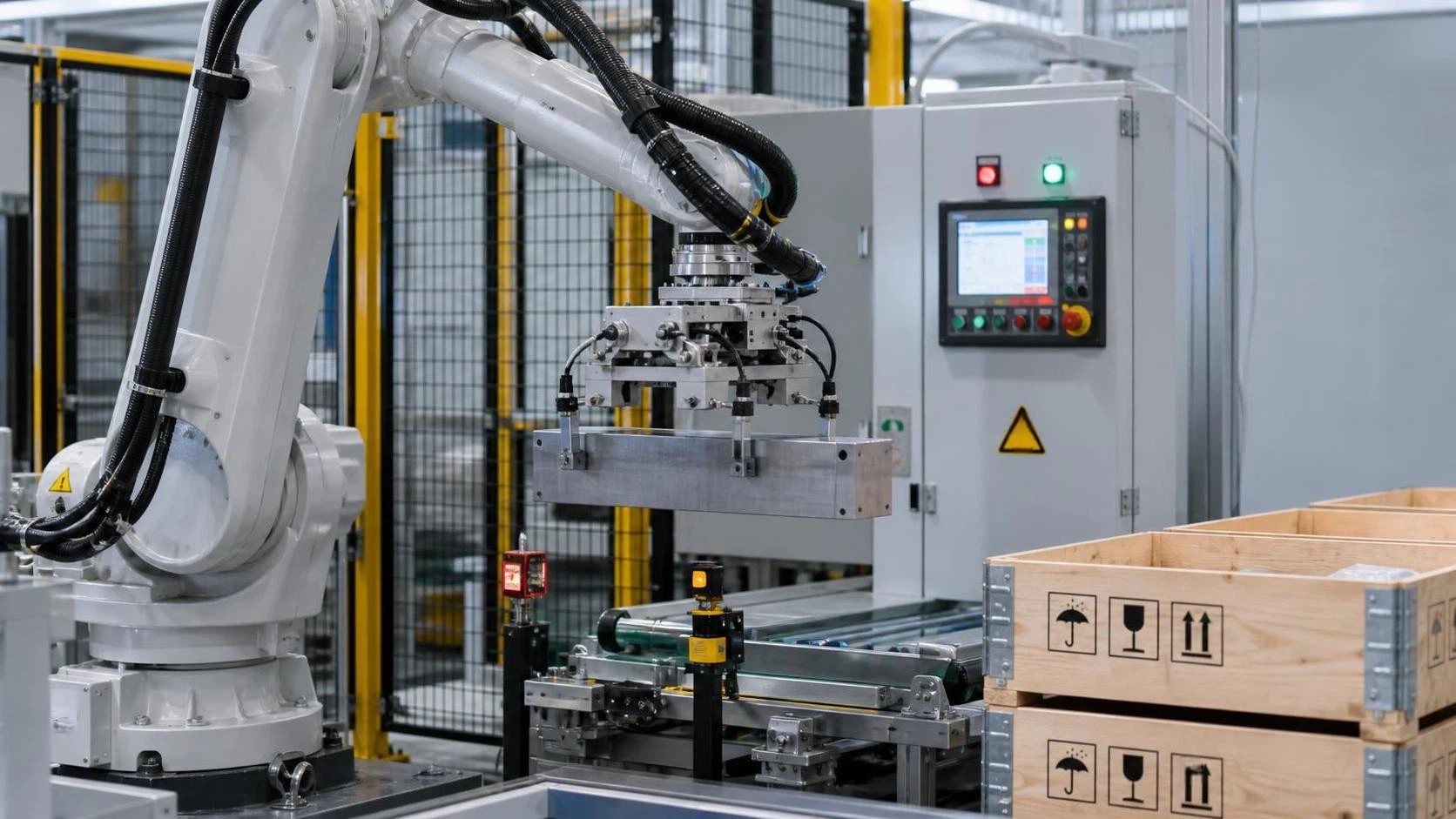
A handling robot arm can look comparable on a quotation while carrying very different delivery, integration, and support risks. Before ordering, verify the exporter as a project partner, not simply as the party able to issue a proforma invoice. The most useful checks are whether the exporter can prove the exact robot configuration, explain the system boundary, provide documentation that matches the destination market, and remain accountable when commissioning or spare-parts questions arise.
For a business evaluator, a polished website, a broad product catalog, or a low unit price does not establish those points. A credible handling robot arm exporter should be able to turn your application details into a controlled technical and commercial offer: payload, reach, cycle time, end effector, workpiece condition, guarding, controls, electrical standard, acceptance criteria, packing method, and service scope. If that level of clarity is absent before payment, it is unlikely to appear after shipment.
Start by verifying what the exporter is actually supplying
The first question is whether the exporter is the robot manufacturer, an authorized channel partner, a system integrator, or a trading company coordinating several factories. None of these roles is automatically unsuitable. The risk comes from an unclear role, particularly when the buyer assumes that one company controls design, quality, software, and warranty while the exporter only passes messages between unrelated parties.
Ask for a written description of the supply chain for the proposed model. It should identify who builds the arm, who selects or designs the gripper, who programs the application, who performs factory acceptance, and who is responsible for warranty decisions. Where a robot cell includes a conveyor, safety fence, vision system, palletizer, welding source, or custom fixture, the boundary between suppliers matters as much as the robot itself.
A useful verification request is a model-specific bill of supply rather than a generic brochure. It should distinguish standard items from optional items and clearly state exclusions. For example, a quoted “robotic handling system” may include the arm and controller but exclude the end-of-arm tooling, safety devices, installation materials, programming, on-site commissioning, or interface work with the buyer’s existing line. These exclusions can change the real project cost more than a modest difference in robot price.
Catalog breadth should also be interpreted carefully. An exporter may list CNC machines, welding equipment, cutting systems, and forming machinery alongside industrial robots. That range can indicate access to useful production-equipment resources, but it does not prove application competence for a handling cell. A listing such as the ZC28-12.5 thread rolling machine may be relevant to a buyer sourcing several types of equipment, yet it should not be treated as evidence that the supplier can engineer robot payloads, cycle times, guarding, or control integration. Verify competence against the exact automation task being purchased.
Test the proposal against the real handling cycle
Robot selection fails most often when the buyer validates only headline payload and reach. A handling arm rated for the workpiece weight may still be unsuitable once the gripper, adapters, cable dress pack, off-center load, acceleration, and required reach are included. The exporter should be willing to evaluate the full moving mass and the load’s center of gravity, not merely repeat a nominal payload rating.
Provide a concise application sheet and ask the supplier to respond directly to it. Include the following:
- Workpiece dimensions, mass range, material, temperature, and surface condition.
- Pick and place positions, stack pattern, orientation changes, and available approach space.
- Required output per hour and whether cycle time must include gripper actuation, conveyor indexing, inspection, or waiting time.
- Variation in incoming parts, including oil, burrs, unstable stacking, dimensional tolerance, or mixed batches.
- Available floor space, ceiling height, utilities, local power supply, and line-control interfaces.
- Required safety function, operator access needs, and the applicable destination-market requirements.
A strong response will contain a layout drawing, reach-envelope review, proposed end effector, cycle-time assumptions, and a list of conditions that could reduce output. A weak response often provides only a robot model number and a statement that the system “can be customized.” Customization is normal in automation; the important issue is whether the exporter has converted the request into engineering assumptions that can be checked.
Cycle time deserves particular attention. The robot’s fastest published motion time is not production output. Actual output depends on acceleration limits, path length, load inertia, gripper response, part presentation, safety zones, and coordination with upstream and downstream equipment. Ask the exporter to show the planned sequence, including non-robot time. For a handling cell feeding machine tools or packaging equipment, the bottleneck may be door opening, clamp release, machine signal delay, or manual replenishment rather than robot movement.
Check the evidence behind quality and compliance claims
ISO9001-based quality management and CE-related documentation can be relevant indicators, but neither should be accepted as a shortcut for technical verification. A quality-system certificate does not confirm that a particular robot cell was built correctly for your application. CE marking is also not a universal export passport: its relevance depends on the equipment, the market where it will be placed into service, and the party responsible for the final machinery or assembly.
Request document copies that can be matched to the legal entity offering the equipment, the scope of supply, and the proposed product. Then ask how compliance is handled when the robot arm is delivered as part of a larger cell. The answer should cover safety guarding, emergency stops, interlocks, safety controller functions, electrical documentation, labels, manuals, and the allocation of responsibility for the final integrated system.
The supplier should also define its inspection process. For a standard arm, this may include serial-number traceability, controller configuration, functional testing, and packing inspection. For a complete handling system, it should include fixture checks, gripper testing, safety-function verification, dry-cycle testing, and an agreed factory acceptance test. The buyer should know in advance what will be demonstrated, what material will be used, what output will be measured, and what happens if the test does not meet the agreed criteria.
Video evidence can help, but it should be specific. A generic factory video or a clip of a robot moving without a workpiece does not validate your duty cycle. More useful evidence shows a comparable application, identifies the robot and tooling configuration, and demonstrates the points that matter to your operation: pickup stability, orientation control, repeatability, access around the cell, and recovery after a normal interruption.
Inspect commercial terms for the gaps that cause disputes
Many export problems are not caused by defective hardware. They result from a quotation that leaves too much room for conflicting interpretation. The purchase specification should be incorporated into the commercial documents rather than remaining only in email discussions. Where changes are expected, establish a revision-control process before production begins.
Payment milestones should relate to verifiable events. A practical structure may distinguish design approval, factory acceptance, shipment, and final site acceptance, but the appropriate arrangement depends on the project’s size and the balance of risk between parties. The important point is to avoid milestones defined by vague phrases such as “machine completed” without an accompanying inspection standard.
Inspect the exporter’s export capability through documents and process, not claims of serving many countries. Ask whether it can provide the expected commercial invoice, packing list, origin-related documents where applicable, shipping marks, and export packaging suitable for the selected transport route. For a robot arm, moisture protection, shock prevention, controller packing, and correct labeling deserve attention. For a larger cell, determine whether shipment will be as assembled modules, separate crates, or a containerized package, because that affects both installation work and freight exposure.
Assess service before the equipment leaves the factory
A handling robot arm is rarely a plug-and-play purchase. Even a standard unit may require parameter adjustment, coordinate setup, I/O debugging, operator training, and recovery procedures after faults. For a customized cell, commissioning support is part of the product.
Ask the exporter who will answer application questions after delivery and how that person will access the necessary information. A credible support model identifies the communication channel, language capability, escalation route, access to electrical and program documentation, and the availability of replacement components. The exporter does not need to promise immediate on-site service in every country, but it should state clearly whether support is remote, local, factory-based, or arranged through a third party.
Spare-parts planning should focus on components that can stop production: gripper seals or jaws, sensors, cables, relays, drives, controller components, and model-specific wear parts. Obtain part numbers and recommended quantities early. A spare-parts list issued after delivery is less useful if the buyer cannot tell which components were customized or which items are available only through a particular manufacturer.
Training needs similar definition. “Free training” may mean a short operating demonstration at the supplier’s factory, while the buyer expects programming, maintenance, safety recovery, and troubleshooting at the installation site. State the trainees, duration, location, content, travel responsibility, and training language. This is especially important when the buyer’s maintenance team will be expected to recover the cell without external help.
Use a staged verification process
The most reliable approach is to reduce uncertainty in stages. Begin with a technical questionnaire and a model-specific proposal. Before placing a major order, review drawings, layout, utility requirements, software and interface scope, compliance documents, acceptance criteria, and commercial terms together. For a custom handling cell, require formal approval of the design package before fabrication. When practical, conduct or witness the factory acceptance test before the balance payment or release for shipment.
Some buyers focus heavily on supplier age, company size, or website presentation. Those factors can provide background, but they do not replace application evidence. A smaller exporter with clear engineering ownership, traceable documents, and disciplined acceptance procedures may be easier to manage than a larger organization that cannot define its responsibility for the final system.
Before issuing the order, the evaluator should be able to answer four questions without relying on verbal assurances: What exactly will arrive? What performance has been agreed under what conditions? Who owns each engineering and compliance responsibility? How will the supplier support the equipment when it is operating in our facility? When those answers are documented and consistent across the quotation, drawings, test plan, and contract, the exporter has passed a far more meaningful verification than a catalog review alone.
search
Recommended Products
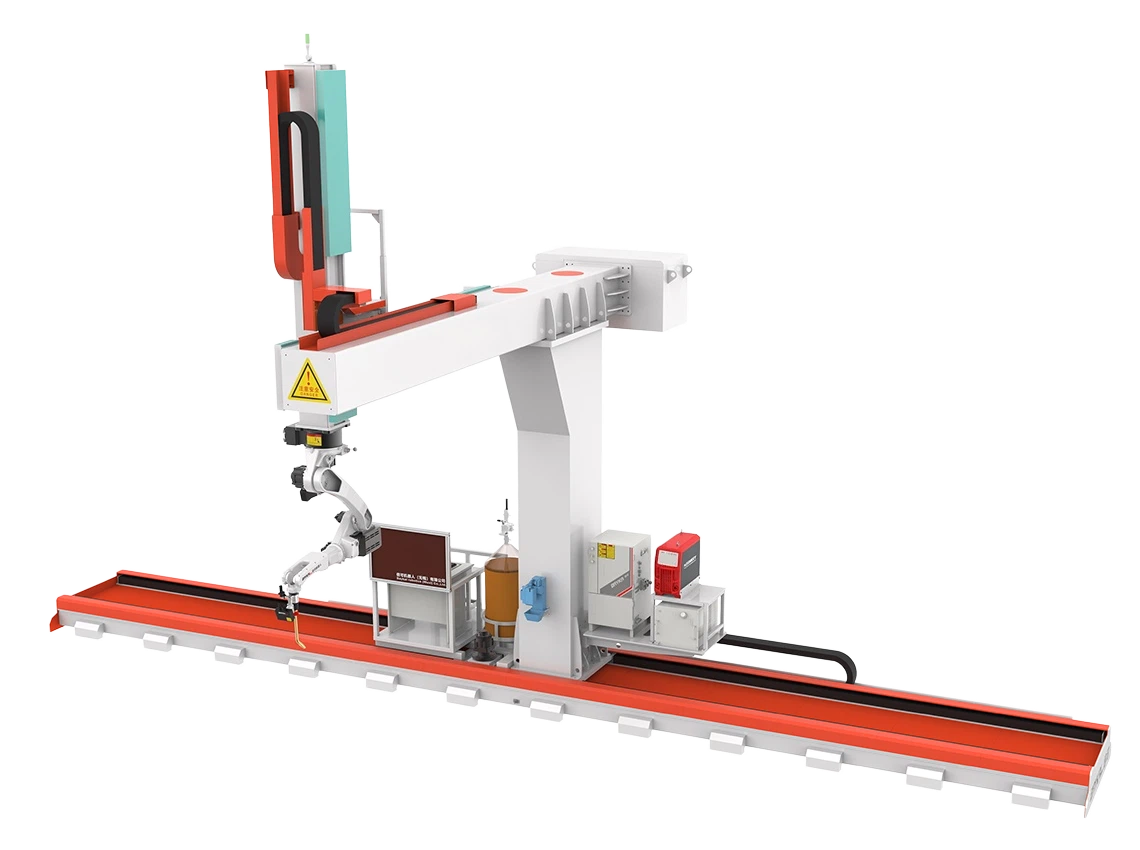
 9 axis cantilever type welding robot9 axis cantilever type welding robot for large steel workpieces with auto tracking, 3D import, and efficient CNC welding automation.
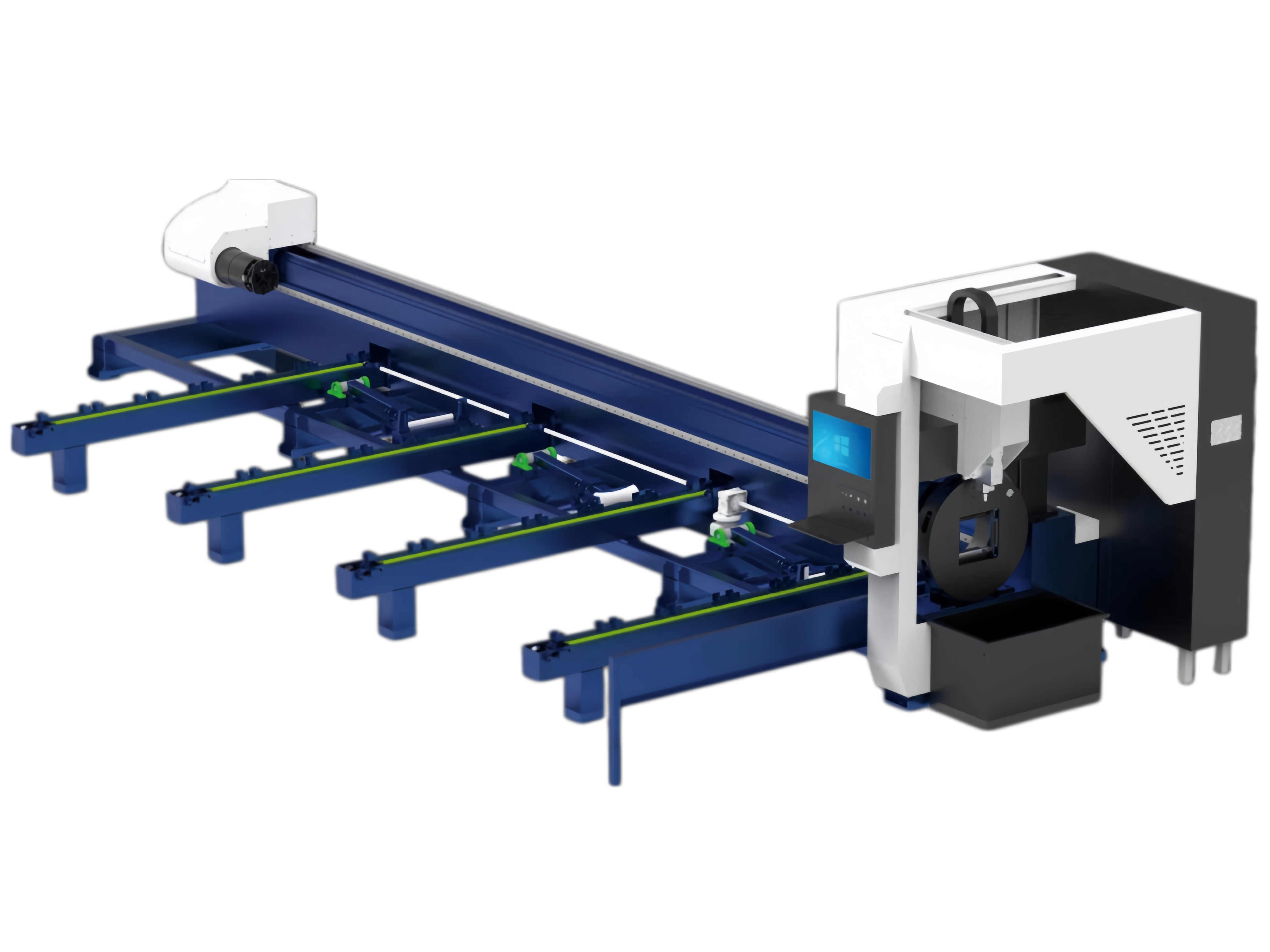
 Pipe cnc fiber laser cutting machine1.Introduction for Pipe cnc fiber laser cutting machine:
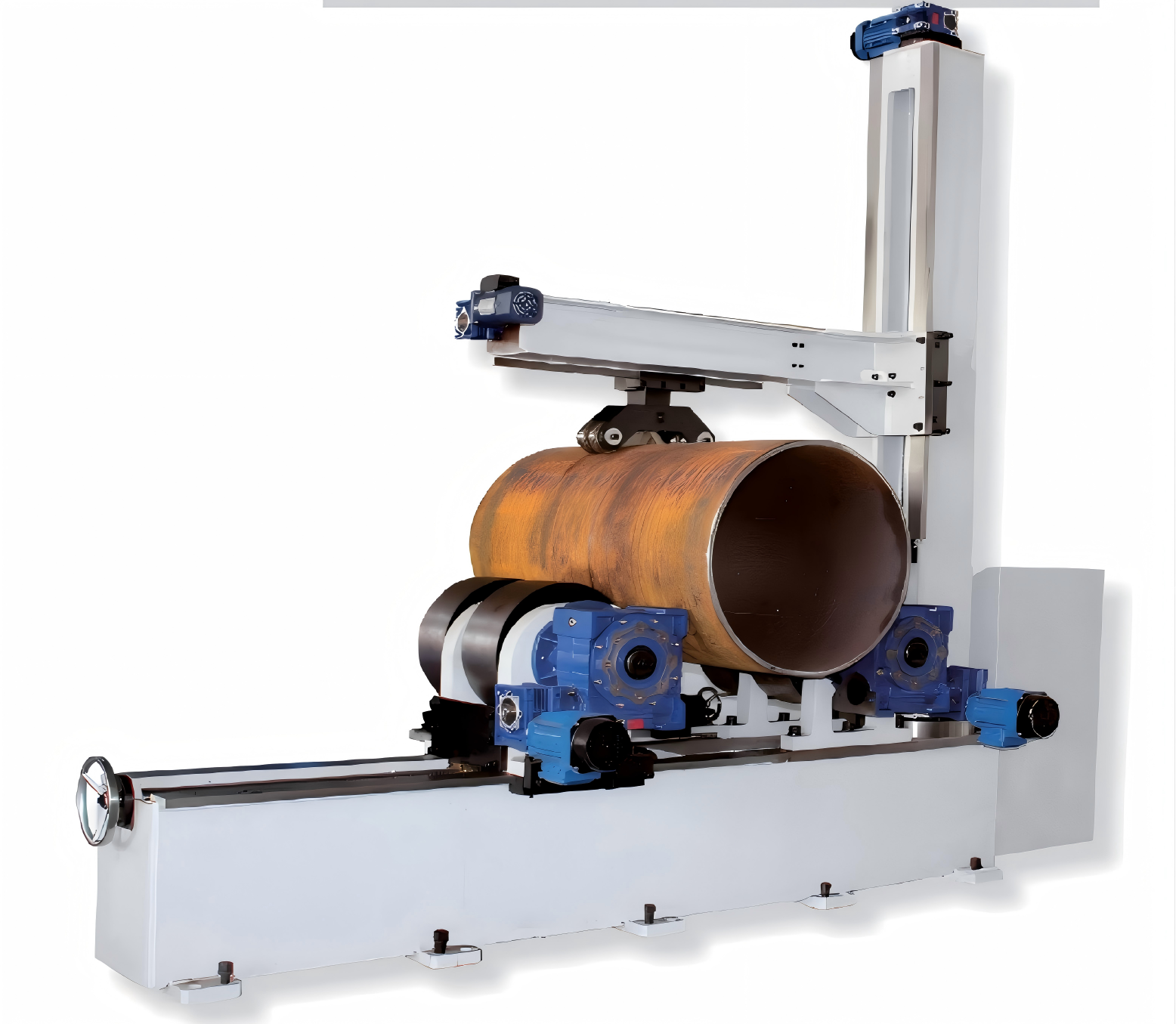
The laser cutting machine focuses the laser beam emitted from the laser source through the optical path system into a high-power-density laser beam. This laser beam is directed onto the surface of the workpiece, causing it to reach the melting point or boiling point. At the same time, the high-pressure gas coaxial with the laser beam blows away the molten or vaporized metal. Beveling & Milling Edge For Heavy TankThis series of heavy tank beveling and milling edge machines is a specialized, high-efficiency solution designed for beveling large storage tanks, pressure vessels, and heavy structural components. The main frame features an integrated welded construction followed by high-temperature stress-relief annealing, effectively eliminating internal stresses to ensure long-term dimensional stability and prevent deformation. The machine combines high-rigidity design with advanced control technology, purpose-built to handle the challenges of extra-thick plates and oversized workpieces.
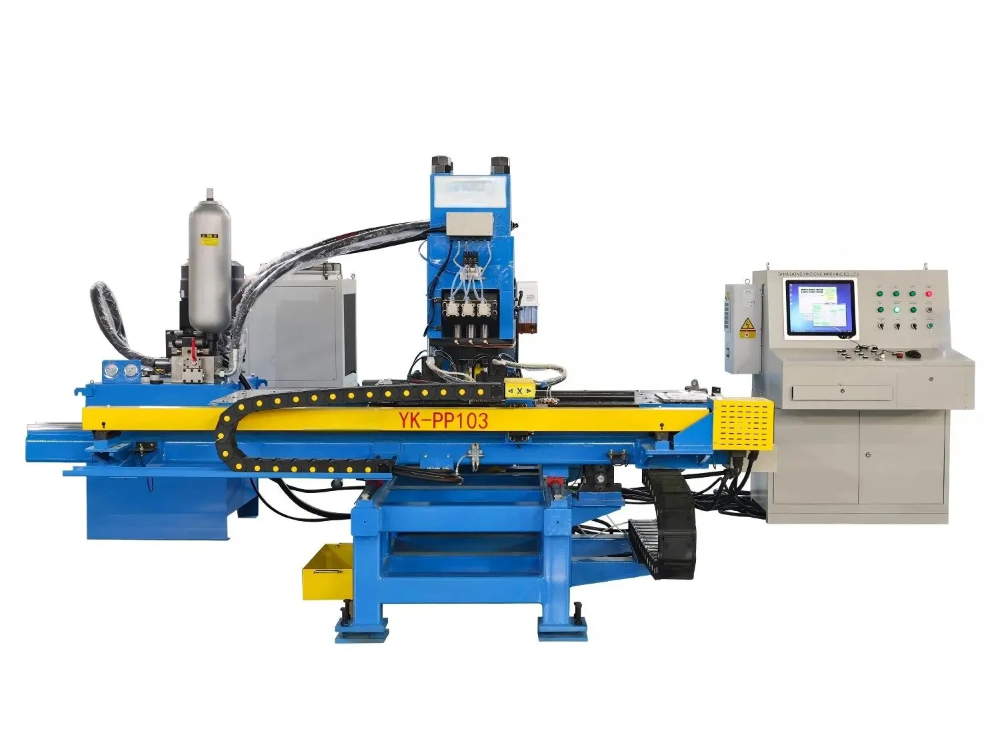
- CNC Punching And Marking Machine For Steel PlatesModels: YK-PP103 / YK-PPR103 / YK-PP104 / YK-PPR104
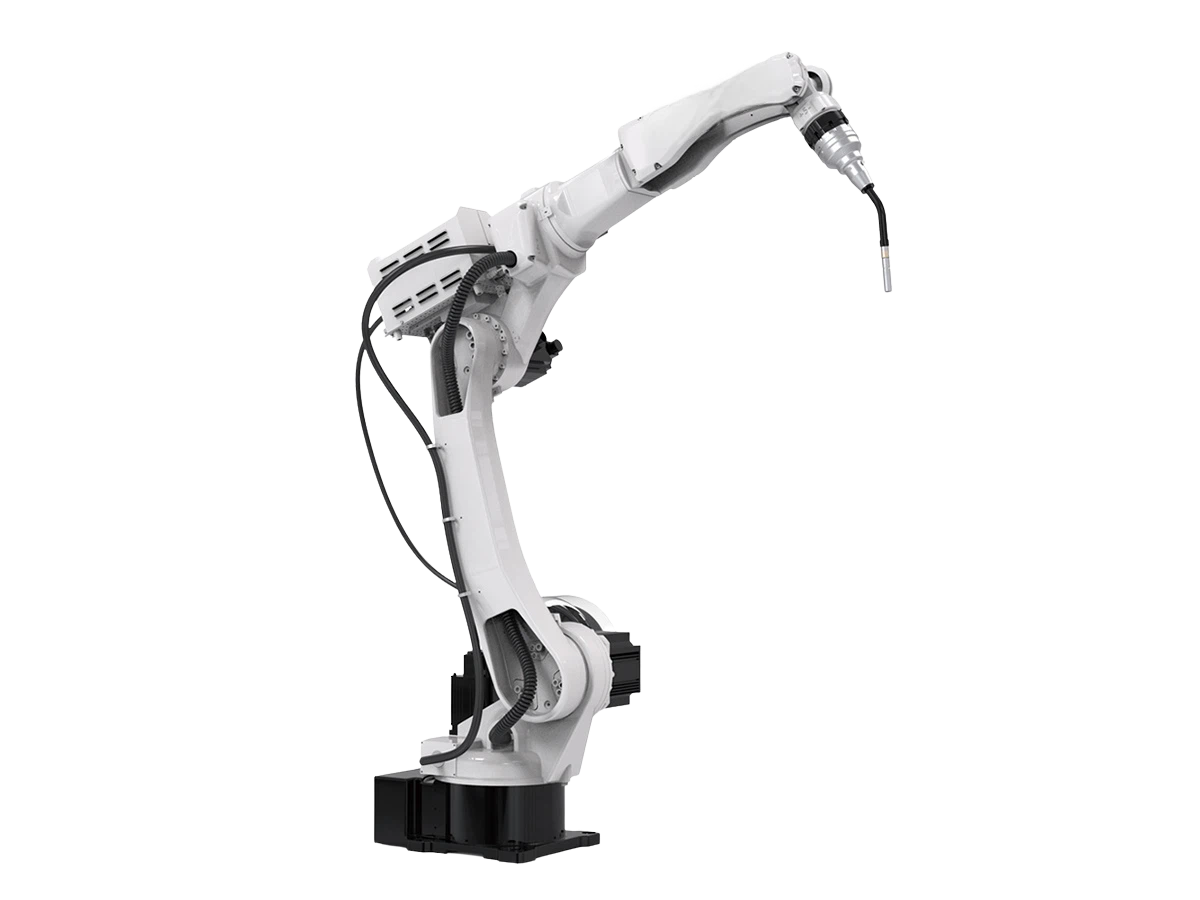
This series is a specialized CNC punching and marking machine designed primarily for steel plate processing in the steel tower industry. It is also well-suited for punching and marking applications across various other industrial sectors. - 6 Axis 2000mm ArmSpan MlG Industrial Welding RobotThis welding robot is designed for reliable arc welding in harsh production environments, featuring a long reach, stable repeatability, and flexible installation.
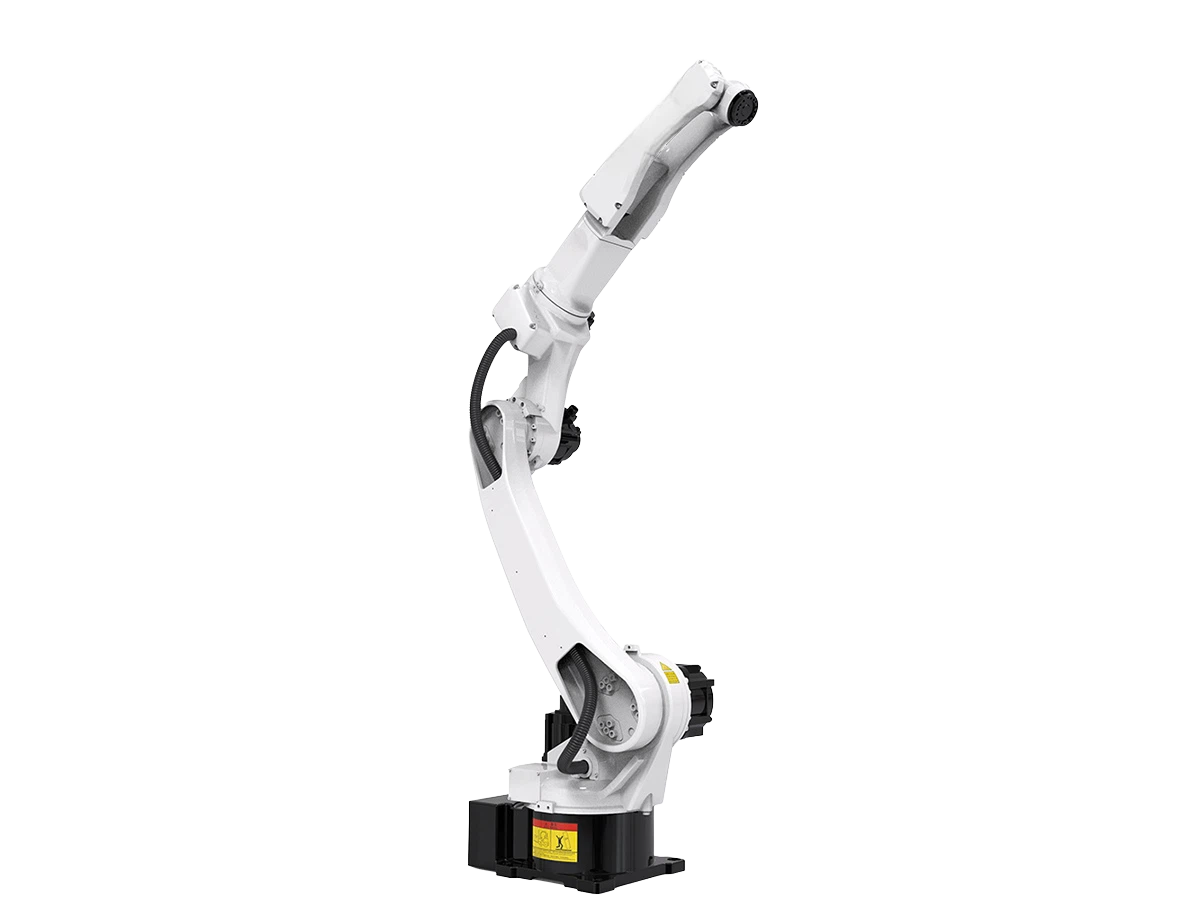
- Multipurpose Handing Robot BR20iB-20Explore the BR20iB-20 multipurpose robot for handling, welding, and cutting with 6-axis motion, ±0.08 mm repeatability, and flexible installation.

Send Us A Message