




How can a handling robot arm factory support on-site integration?
How can a handling robot arm factory support on-site integration?
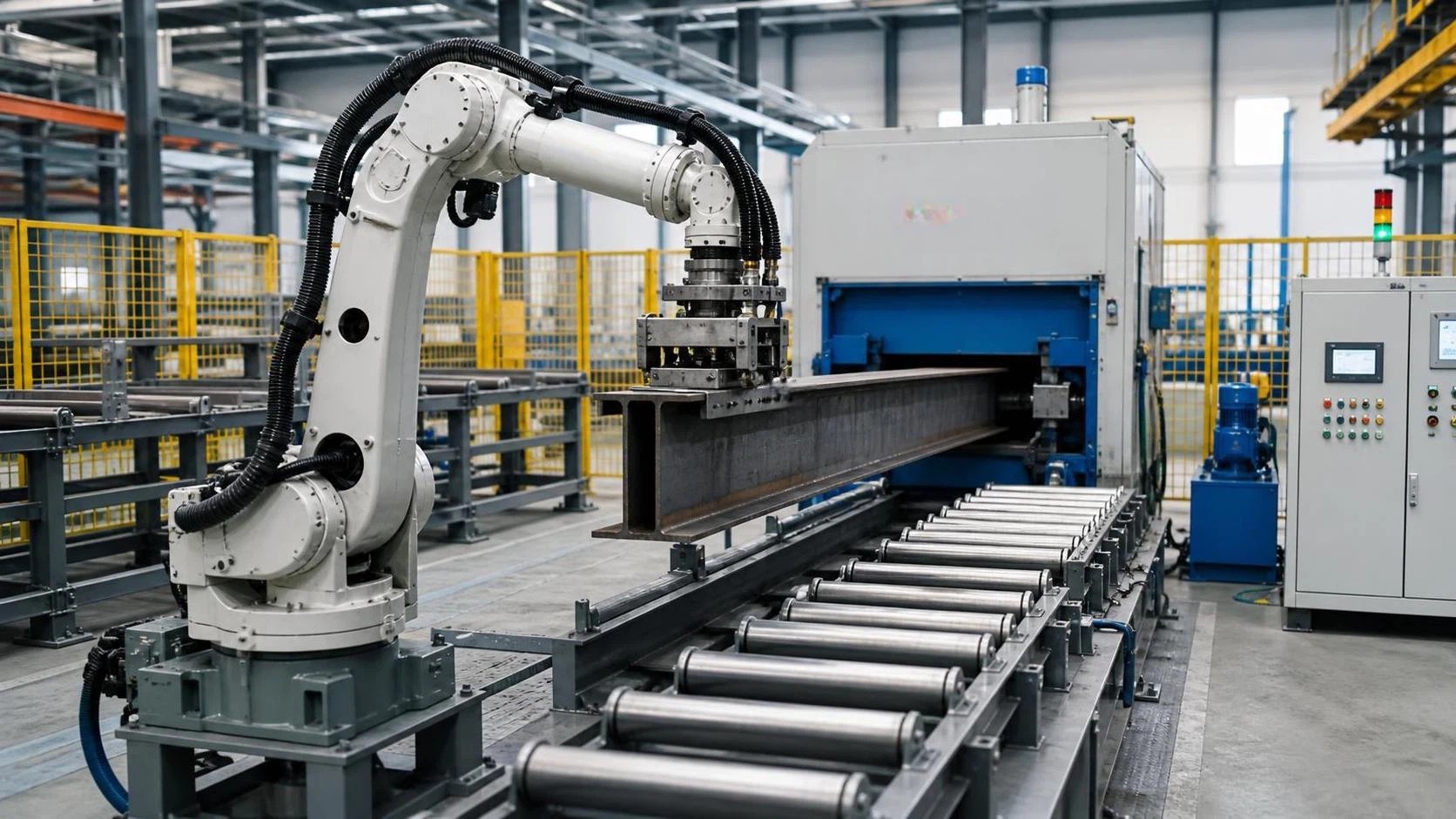
When a robotic handling project reaches the site, the robot itself is rarely the only concern. Project managers must coordinate floor space, upstream and downstream equipment, electrical work, safety boundaries, material flow, production targets, and the people who will operate the line every day. A delay in any one of these areas can put commissioning behind schedule.
This is why choosing a handling robot arm factory should involve more than comparing payload, reach, and quotation figures. The most useful factory partner contributes engineering knowledge before shipment and stays involved through installation, testing, handover, and later expansion. For fabrication plants, steel processing workshops, and automated production lines, this support can turn a difficult site project into a controlled implementation process.
Integration begins long before the robot arrives
Many on-site problems are actually created during the early planning stage. A robot may be suitable for lifting, transferring, palletizing, loading, or positioning parts, yet still be poorly matched to the real layout. Perhaps the workpiece enters from the wrong direction. Perhaps a crane path intersects the robot safety zone. Perhaps operators need access to a fixture that was not considered in the initial drawing.
A capable handling robot arm factory helps the project team identify these issues before equipment is fabricated or dispatched. The discussion should begin with the actual production task rather than a generic request for “one robot arm.” That means reviewing the material type, part dimensions, weight range, surface condition, cycle time, pick-and-place points, positioning tolerance, and the operating rhythm of adjacent machines.
For example, handling welded H-beams is not the same as moving uniform boxed components. Beam length, flange width, welding distortion, transfer direction, supporting rollers, and the clearance needed for straightening or finishing equipment all affect robot selection and layout. A robot that looks adequate in a standalone demonstration may require additional axes, tailored end effectors, or coordinated conveyor control when introduced into a live line.
Information a factory should request at the start
Project leaders can judge the depth of a supplier’s engineering approach by the questions it asks. Useful early information normally includes:
- Drawings or samples of the parts to be handled, including maximum and minimum dimensions;
- Part weight, center of gravity, temperature, oil, dust, weld spatter, and surface sensitivity;
- Required throughput and realistic takt time, not only an ideal production target;
- Existing machine interfaces, roller conveyors, fixtures, sensors, and PLC brands;
- Available floor area, overhead restrictions, maintenance access, and forklift routes;
- Local power supply, compressed air conditions, grounding arrangements, and safety requirements;
- Whether the line may need extra stations or higher capacity in the future.
These details allow a factory to recommend a handling cell with fewer assumptions. They also give the project manager a stronger basis for internal approval, because the proposed scope can be connected to real site conditions rather than broad equipment descriptions.
Layout planning is where schedule risk becomes visible
A robot integration drawing is more than a floor plan. It should show the practical relationship between robot base position, working envelope, guarding, operator stations, transfer equipment, control cabinets, cable routes, and service space. Without this level of detail, installation teams may discover too late that a guard door cannot open fully or that a cable tray conflicts with an existing column.
The factory can support site integration by preparing a preliminary layout and then refining it with feedback from the customer’s engineering team. In a well-managed project, the layout review also considers the movement of materials before and after robotic handling. If a beam or sheet needs to wait in an unstable position while a robot completes a cycle, the bottleneck has simply moved upstream.
For steel fabrication lines, the robot must often work as part of a longer sequence: loading, welding, transfer, straightening, inspection, marking, stacking, or dispatch. A handling cell should preserve this sequence rather than force operators to introduce manual corrections between stations. This is particularly important where heavy workpieces are involved, because every manual intervention adds safety exposure as well as time.
Do not design only for the robot’s reach
Reach is important, but it is not enough. The full motion path matters. A robot may technically reach a pick point while approaching at an awkward angle, creating a collision risk with clamps, tables, or nearby equipment. It may also lose usable payload when the end-of-arm tooling is added. Vacuum grippers, magnetic grippers, forks, clamps, and custom mechanical fixtures all have their own weight and clearance requirements.
A handling robot arm factory can model the operating envelope and help define safe approach paths. The goal is not to make the cell look compact on paper; it is to create a repeatable movement that remains stable when parts vary slightly, operators change shifts, and routine maintenance is required.
Matching the robot to the process, not just the load
Payload capacity is often the first number requested in a robot inquiry. Yet payload alone does not determine whether the application will work. A long beam can create substantial moment load even if its total weight is within the robot’s rated capacity. A workpiece with an offset center of gravity can affect acceleration, braking, and placement accuracy. Thin sheet materials may require careful gripping to prevent marking or deformation.
Factory-level application support should therefore include end-effector evaluation. The right gripper must hold the component reliably while allowing the machine or fixture to receive it correctly. In some applications, sensors are required to confirm part presence, gripping status, orientation, or stack height. In others, a simple mechanical arrangement is preferable because it is easier for the maintenance team to inspect and service.
It is also worth discussing failure behavior early. What happens when a part is not picked correctly? Where does the robot move after an emergency stop? Can an operator safely remove a rejected workpiece? These questions may feel secondary during procurement, but they often determine whether the commissioning period stays calm or becomes a series of improvised adjustments.
Coordinating robots with H-beam processing equipment
In structural steel manufacturing, robotic handling frequently supports machines that carry out welding, cutting, drilling, fitting, and straightening. The handling system must be synchronized with the pace and physical characteristics of each station. A robot that transfers workpieces too quickly can still reduce output if the receiving machine is not ready, while a slow or poorly sequenced transfer can leave expensive processing equipment waiting idle.
One relevant downstream process is the correction of welding-induced flange distortion and side bending. The HYJ-800 H beam straightening machine is designed for H-beam production lines and handles Q235 material with flange widths from 200 to 800 mm, maximum flange thickness of 40 mm, and a minimum web height of 160 mm. With a straightening speed of 13 m/min, it can be used as an independent unit or combined with automatic feeding frames.
For a project manager, the important point is not simply the machine specification. It is how material arrives at and leaves the straightening station. A robot factory can help define transfer height, part orientation, buffering logic, sensor signals, and handshaking between the robot controller and line controls. When handling is aligned with the straightener’s continuous feeding process, the line is less dependent on manual repositioning and more predictable across long production runs.
The machine’s rigid frame construction, precision-adjusted correction system, and treated correction wheels are also relevant to integration planning. A handling solution should protect the finished surface and place the beam consistently, so that downstream straightening performance is not affected by poor loading alignment. In other words, the robot cell and the forming or correction machine should be treated as one production system, not two isolated purchases.
Installation support should translate drawings into site-ready actions
Even an accurate design package needs interpretation on site. Foundations may differ slightly from drawings. Existing equipment may have been relocated. Local electricians may require a different cable route. A practical factory partner supports installation through clear technical documents and responsive communication between the customer’s site team, installers, and control engineers.
Before installation begins, project managers should expect an agreed checklist covering equipment delivery, unloading requirements, foundation readiness, anchor bolt positions, power and air connections, guarding installation, network connections, and lifting plans. Heavy equipment and robot bases require careful handling; a rushed unloading operation can introduce alignment issues before commissioning even starts.
For international projects, documentation quality is especially valuable. Drawings, wiring diagrams, component lists, control descriptions, maintenance instructions, and safety information should be clear enough for the local team to use without relying on verbal interpretation alone. Wuxi Samgins International Trade Co., Ltd., located in Wuxi, Jiangsu Province, supplies mechanical equipment for markets including Southeast Asia, Europe, the Americas, and Oceania. Its experience across welding equipment, CNC machines, laser cutting systems, H-beam production equipment, and sheet metal machinery supports a broader view of how separate machines need to work together in a production environment.
Commissioning is a process of proving the complete workflow
Commissioning should not end when the robot completes a single successful cycle. A proper acceptance process tests normal production conditions: different part sizes, repeated cycles, sensor response, speed changes, stopping behavior, interlocks, and communication with connected equipment. If the cell is intended to run with automatic feeding frames, conveyors, welding stations, or straightening machines, those interfaces must be tested as part of the same workflow.
It is helpful to separate commissioning into stages. Mechanical alignment comes first, followed by electrical checks, safety circuit verification, robot motion testing, dry-cycle trials, and production trials with real workpieces. This sequence makes faults easier to locate. If everything is tested at once, teams can spend hours diagnosing a problem that is actually caused by one incorrectly positioned sensor or one missing controller signal.
Project managers should also define acceptance criteria in practical terms. These may include stable cycle operation, safe access for operators, correct material positioning, repeatable transfer accuracy, satisfactory communication between stations, and clear recovery procedures after a stoppage. The most meaningful standard is not whether the robot moves impressively; it is whether the line can keep operating without constant intervention.
Operator training protects the investment after handover
A robot cell becomes difficult to manage when only one programmer understands it. Factory support should include training for operators, maintenance personnel, and supervisors at the level each group actually needs. Operators should know startup, shutdown, part changeover, alarm recognition, and safe recovery boundaries. Maintenance staff need access to lubrication schedules, wear-item checks, electrical diagnostics, and backup procedures. Supervisors benefit from understanding production data, common stoppage causes, and the limits of permitted adjustment.
Training should reflect the real cell rather than generic robot theory. A team handling H-beams, for example, needs to understand where the workpiece can swing, how gripper condition affects stability, and why a seemingly small change to a transfer position may interfere with downstream equipment.
Questions to ask before appointing a handling robot arm factory
Before releasing an order, ask the supplier how it will support layout confirmation, interface definition, end-effector design, safety planning, installation documentation, commissioning, and training. Request clarity on what information must be supplied by the customer and what deliverables will be provided by the factory. It is also sensible to discuss remote troubleshooting, spare parts recommendations, and the process for future line modifications.
A factory that answers these questions specifically is more likely to understand the responsibilities of on-site integration. The right partner does not remove every project challenge, but it helps expose those challenges early—when changes are still manageable.
For project leaders, that is the real value of working with a handling robot arm factory: not merely acquiring automated equipment, but gaining practical support in connecting machinery, people, safety, and production flow into a system that can operate reliably on the factory floor.
search
Recommended Products
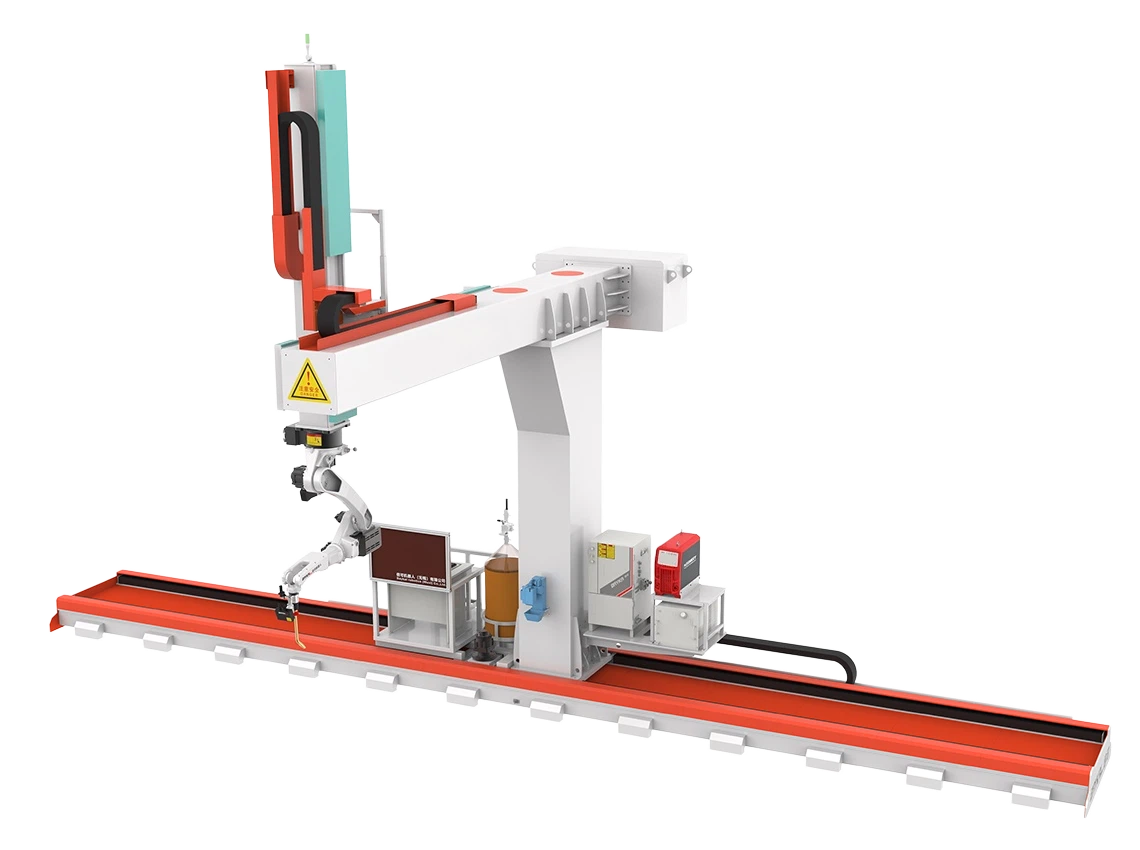
 9 axis cantilever type welding robot9 axis cantilever type welding robot for large steel workpieces with auto tracking, 3D import, and efficient CNC welding automation.
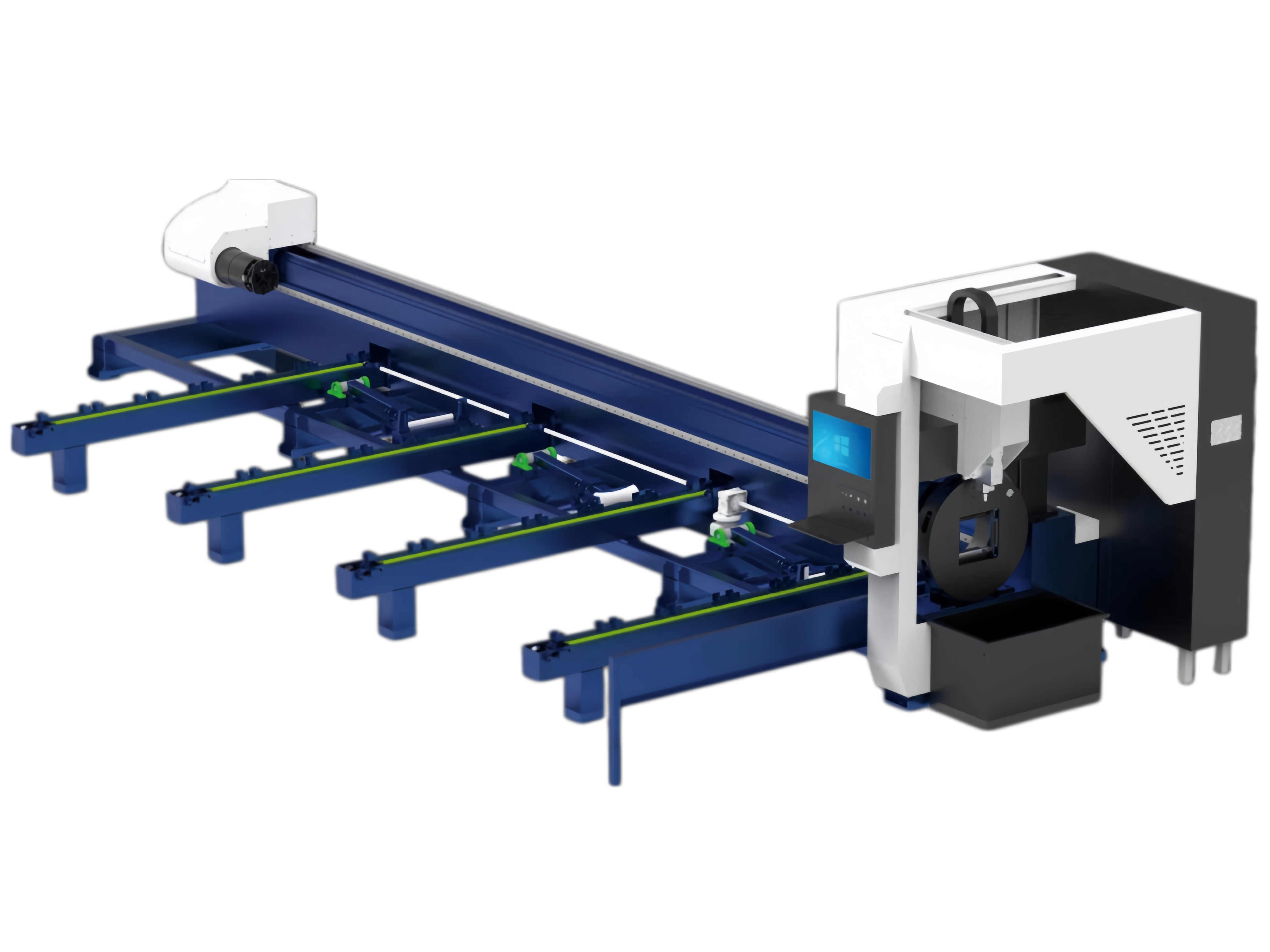
 Pipe cnc fiber laser cutting machine1.Introduction for Pipe cnc fiber laser cutting machine:
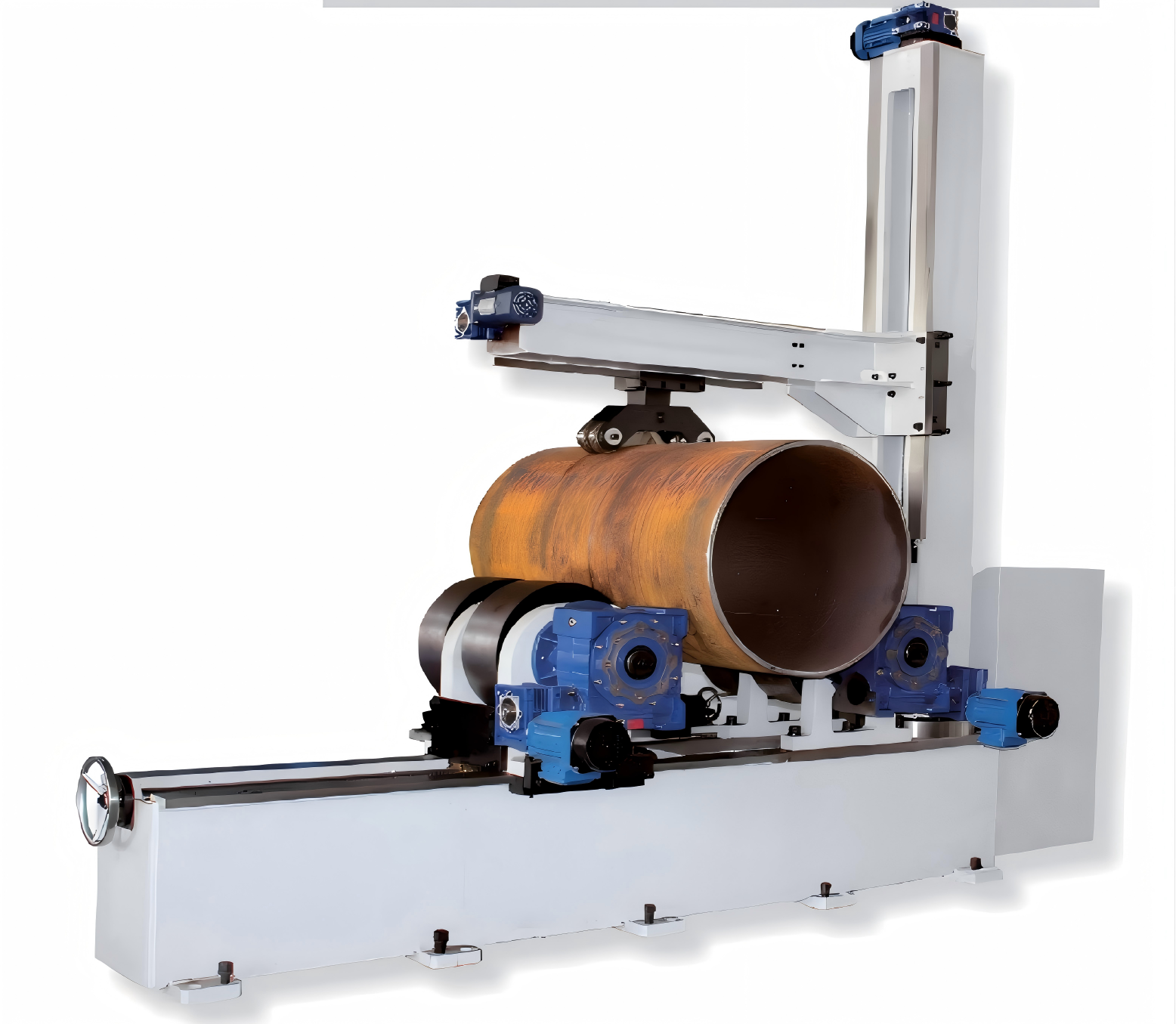
The laser cutting machine focuses the laser beam emitted from the laser source through the optical path system into a high-power-density laser beam. This laser beam is directed onto the surface of the workpiece, causing it to reach the melting point or boiling point. At the same time, the high-pressure gas coaxial with the laser beam blows away the molten or vaporized metal. Beveling & Milling Edge For Heavy TankThis series of heavy tank beveling and milling edge machines is a specialized, high-efficiency solution designed for beveling large storage tanks, pressure vessels, and heavy structural components. The main frame features an integrated welded construction followed by high-temperature stress-relief annealing, effectively eliminating internal stresses to ensure long-term dimensional stability and prevent deformation. The machine combines high-rigidity design with advanced control technology, purpose-built to handle the challenges of extra-thick plates and oversized workpieces.
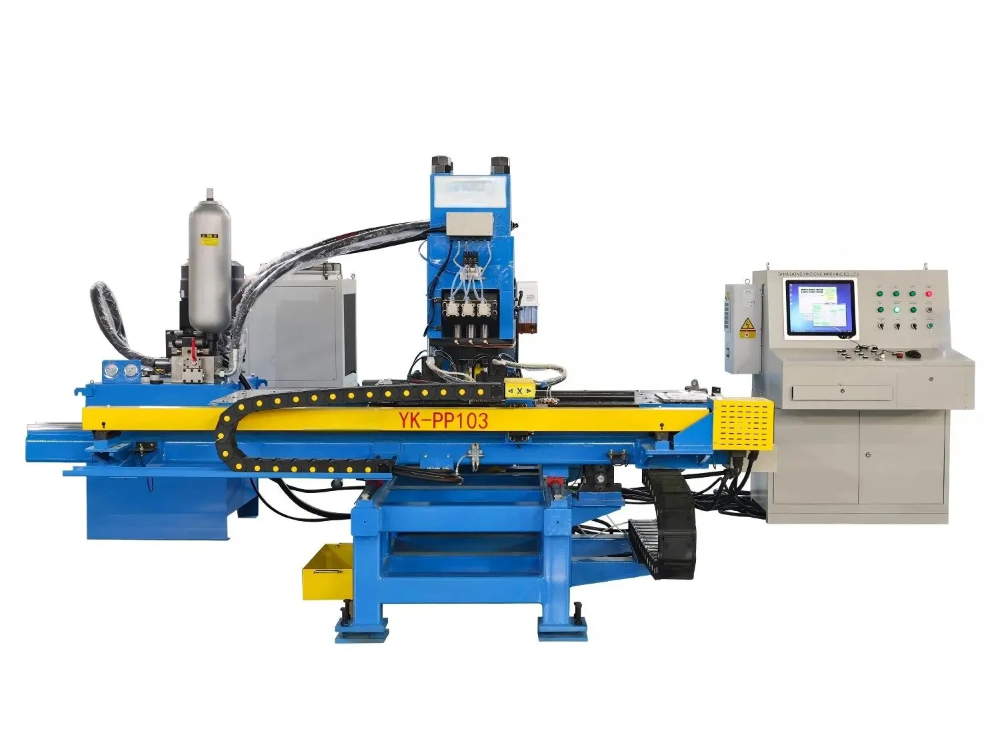
- CNC Punching And Marking Machine For Steel PlatesModels: YK-PP103 / YK-PPR103 / YK-PP104 / YK-PPR104
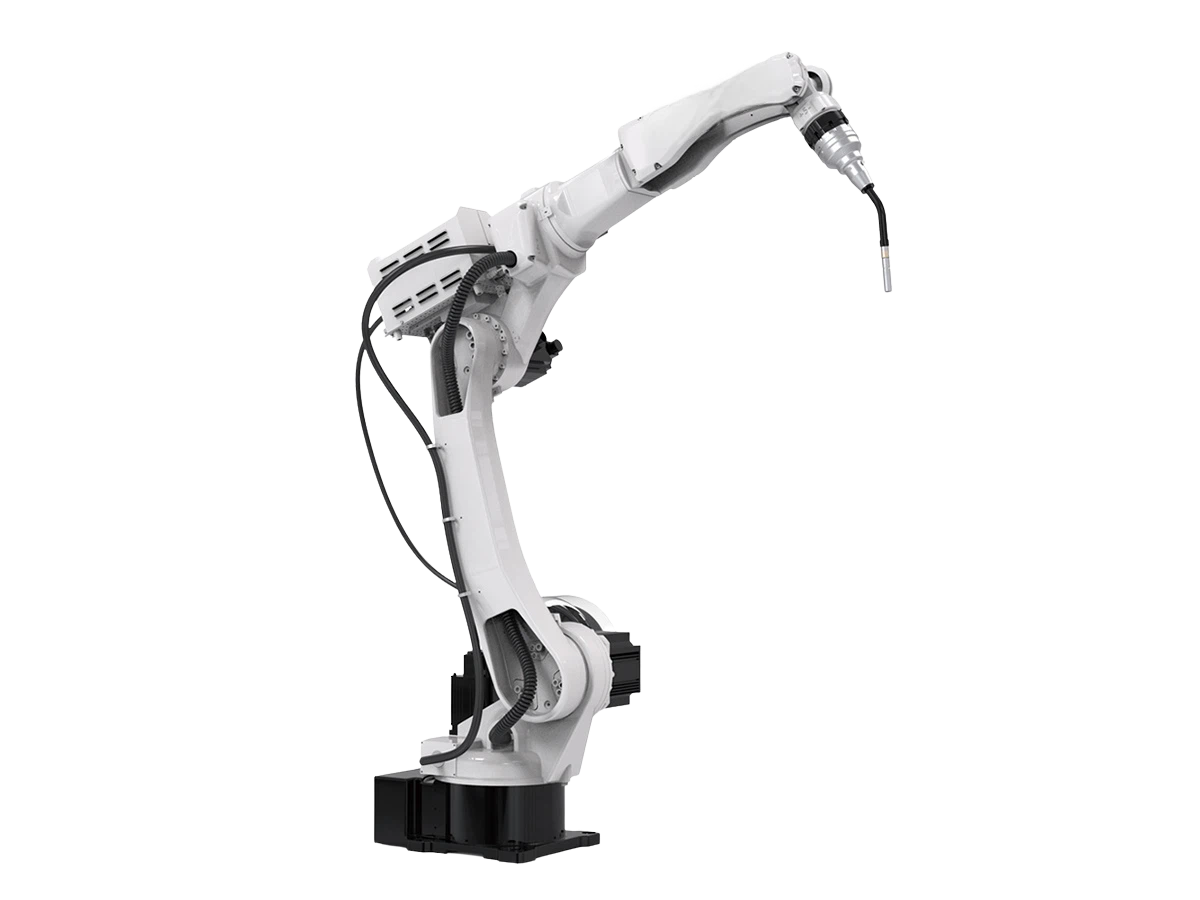
This series is a specialized CNC punching and marking machine designed primarily for steel plate processing in the steel tower industry. It is also well-suited for punching and marking applications across various other industrial sectors. - 6 Axis 2000mm ArmSpan MlG Industrial Welding RobotThis welding robot is designed for reliable arc welding in harsh production environments, featuring a long reach, stable repeatability, and flexible installation.
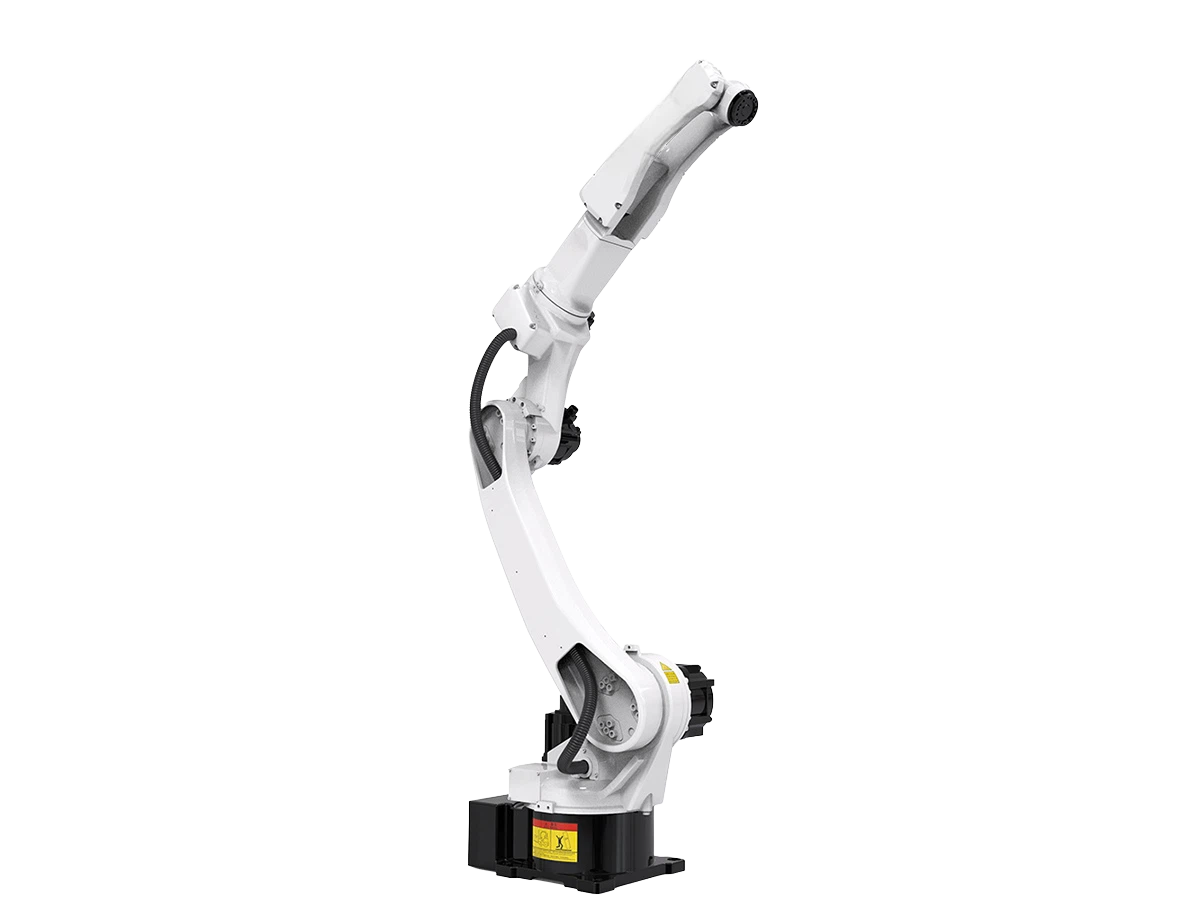
- Multipurpose Handing Robot BR20iB-20Explore the BR20iB-20 multipurpose robot for handling, welding, and cutting with 6-axis motion, ±0.08 mm repeatability, and flexible installation.

Send Us A Message