




How to Evaluate a Handling Robot Factory Before Placing a Production Order
How to Evaluate a Handling Robot Factory Before Placing a Production Order
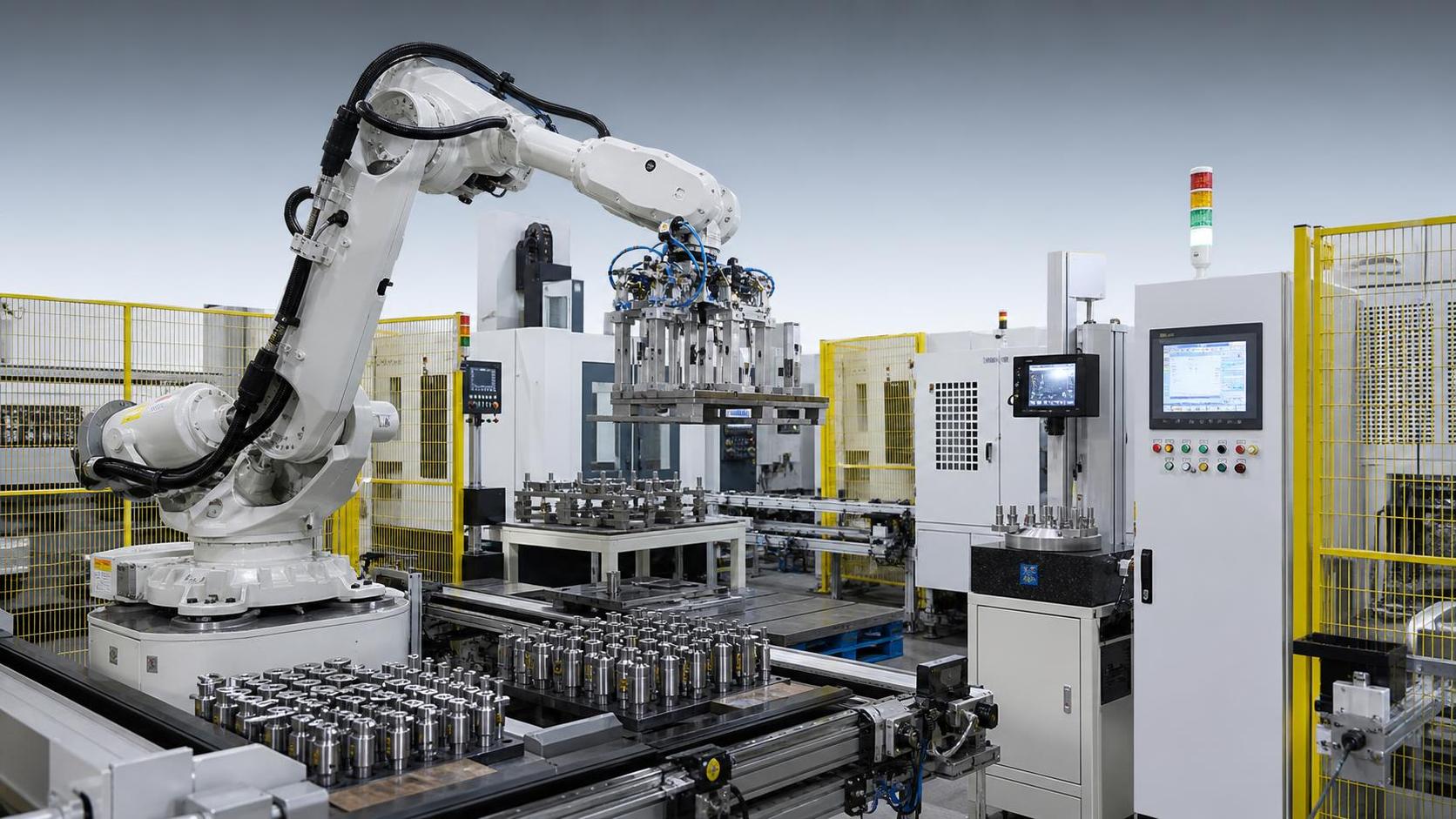
Before placing a production order, procurement teams need more than a competitive quote—they need confidence that the supplier can build, test, deliver, and support the equipment promised. When evaluating a handling robot factory, the real question is not simply “Can this company make a robot?” It is whether the manufacturer can turn your handling task, payload, cycle-time target, safety requirements, and plant constraints into a stable production solution.
This distinction matters because handling robots sit at the intersection of mechanics, controls, tooling, safety guarding, and on-site commissioning. A robot arm may look similar across quotations, yet the final outcome can be very different if the gripper is poorly matched, the fixture lacks repeatability, the controls are difficult to maintain, or the factory has not considered how operators will load materials and recover from faults.
For buyers sourcing internationally, a structured factory evaluation reduces the risk of late delivery, unclear responsibilities, inconsistent quality, and costly changes after equipment reaches the site.
Start with the actual handling task, not the robot brochure
A capable handling robot factory should ask detailed questions before recommending a configuration. If the first response is a standard model number and a price, without discussion of your process, that is a warning sign. Industrial handling is not one application. Palletizing bags, transferring steel plates, loading CNC machines, sorting castings, and moving welded assemblies all create very different engineering demands.
Prepare a practical application brief for every potential supplier. It should cover the workpiece dimensions, maximum and minimum weight, material condition, surface sensitivity, required orientation, pick-up position, drop-off accuracy, cycle time, operating hours, and available floor space. If the workpiece is oily, hot, sharp-edged, magnetic, or irregularly shaped, state that clearly. These details influence end-effector selection, robot reach, payload margin, guarding design, and sensor requirements.
Ask the supplier to explain its assumptions in writing. For example, if a robot is specified for a nominal 50 kg part, does the calculation include the gripper weight, cables, adapters, and a reasonable safety margin? A technically sound proposal will show that the supplier understands dynamic loads rather than relying only on the robot’s nameplate payload.
Look beyond robot assembly: assess integration capability
Many companies can purchase robot arms and assemble a basic cell. Fewer can engineer the full system reliably. The factory should be able to discuss robot selection, end-of-arm tooling, fixture interfaces, conveyor or machine signals, safety circuits, PLC logic, vision integration where needed, and cycle-time balancing.
During a factory visit or technical review, ask to see completed cells that resemble your intended application. The goal is not to find an identical project; most automation projects are customized. Instead, look for evidence that the team has dealt with comparable handling challenges: heavy components, variable part positions, machine tending, production-line synchronization, or safe operation around people.
Pay attention to who answers the technical questions. A reliable supplier normally involves mechanical engineers, electrical engineers, controls programmers, and project managers at different stages. If all questions are redirected to a salesperson, the project may lack the engineering depth needed once detailed design begins.
Questions that reveal integration maturity
- How is the robot reach study performed, and can the supplier share a layout or simulation?
- How are gripper failures, part-detection errors, and emergency stops handled in the control logic?
- Which interfaces are included: PLC, HMI, safety relay or safety PLC, fieldbus, and remote diagnostics?
- Who is responsible for the gripper, fixtures, conveyors, safety fences, and upstream/downstream equipment?
- Can the program be adjusted by trained plant personnel after commissioning?
- What conditions must be met at the buyer’s site before installation begins?
The answers should be specific, not merely reassuring. Statements such as “we can customize everything” are less useful than a clear explanation of how the supplier will manage interfaces and acceptance criteria.
Inspect the factory’s manufacturing discipline
For a handling robot project, manufacturing quality extends well beyond the robot itself. The structural base, tooling brackets, grippers, guarding, electrical cabinets, cable routing, machined components, and fixture surfaces all affect uptime and repeatability.
When evaluating a handling robot factory, review its workshop organization. Look for identifiable material flow, controlled welding and machining areas, proper storage of bought-out components, assembly stations, and a separate commissioning or test area. A crowded workshop does not automatically mean poor quality, but it can make traceability, cleanliness, and schedule control harder to maintain.
Ask how the factory verifies fabricated structures before assembly. For heavy-duty handling systems, base flatness, mounting-hole locations, weld distortion, and alignment of mechanical interfaces can influence robot calibration and motion stability. The supplier should be able to describe its inspection methods, even if the project uses a mix of in-house production and qualified subcontractors.
It is equally important to distinguish between what the supplier manufactures internally and what it purchases. Robot arms, reducers, servo drives, sensors, safety components, and pneumatic parts often come from external brands. There is nothing inherently negative about this. The important issue is transparency: buyers should know the approved component brands, the availability of replacements, and whether substitutions require written approval.
Quality documents should connect to the order, not sit in a presentation folder
ISO 9001 procedures and CE-oriented design practices can be useful indicators, but certificates alone do not prove that your individual project will be well controlled. Ask to see the documents that will follow your actual order.
A robust project package may include approved drawings, electrical schematics, pneumatic diagrams where relevant, component lists, software backups, inspection records, commissioning checklists, manuals, spare-parts recommendations, and factory acceptance test documentation. The exact document set depends on the cell’s complexity and destination market, but responsibilities should be agreed before production starts.
For exports to Europe or other regulated markets, clarify compliance obligations early. CE conformity, risk assessment, safety guarding, emergency-stop arrangements, interlocking, and electrical standards cannot be treated as last-minute paperwork. The buyer, robot integrator, and any local installer may each carry different responsibilities depending on the final machine configuration and installation country. A trustworthy supplier will discuss these boundaries openly rather than making broad compliance claims without reviewing the application.
Use the factory acceptance test as a decision gate
The factory acceptance test, often called FAT, is one of the most valuable protections in a production order. It converts broad expectations into observable results before shipment. Do not wait until the equipment is nearly finished to define it.
Your FAT protocol should state what material or representative workpieces will be used, which cycle is to be demonstrated, how many consecutive cycles are required, what counts as a fault, and how performance will be measured. If real production parts cannot be sent to the factory, agree on the limits of using samples, dummy parts, or equivalent materials. A cell that performs well with a clean, perfectly positioned sample may behave differently with real production variation.
Witnessing the test remotely can be useful, but a live visit is preferable for high-value or complex systems. Watch startup, normal operation, part changeover, fault recovery, and safe stop behavior. Observe whether cables are protected, pneumatic tubing is labeled, cabinet wiring is orderly, and operators can access wear parts. These small details often reveal how the factory approaches long-term maintainability.
Evaluate related metalworking capability when your project needs a broader production cell
Some handling robot installations are part of a larger fabrication workflow. A robot may feed steel blanks into a machine, unload formed components, stack rolled shells, or transfer parts between welding and finishing stations. In these cases, the supplier’s understanding of upstream and downstream equipment becomes especially valuable.
For instance, a production plan involving cylindrical or conical steel components may include a CNC Bending machine with 4 roller alongside automated handling. Its four-roller arrangement can improve dimensional accuracy by shortening the effective span between lower rollers, while also helping form leading and trailing ends that can be difficult for some three-roll designs. The handling robot supplier does not necessarily need to manufacture every machine in the line, but it should understand material flow, transfer points, part orientation, and communication signals between systems.
Wuxi Samgins International Trade Co., Ltd., based in Wuxi, Jiangsu Province, works with a broad range of fabrication equipment, including welding automation, CNC cutting equipment, machine tools, welding robots, laser cutting machines, H-beam production equipment, plate-processing machinery, and related systems. For procurement teams considering a multi-machine project, this kind of product coverage can help during early layout discussions. Still, buyers should confirm the precise scope of supply, production location, engineering responsibility, and after-sales contact for each item rather than assuming one company performs every function internally.
Delivery promises need a production plan behind them
A short lead time is attractive, especially when a plant expansion is waiting for automation. Yet a realistic delivery schedule is more valuable than an aggressive promise that later changes. Ask the supplier to break the project into design approval, procurement of long-lead components, fabrication, assembly, programming, FAT, packing, and shipment.
The most common source of delay is not always factory capacity. Late changes to workpiece data, unclear utility requirements, missing fixtures, unapproved drawings, or uncertain safety scope can all stop progress. A well-managed factory will identify these dependencies early and create a clear approval timetable.
Also review packaging and logistics planning. Handling robot cells may include sensitive servo equipment, control cabinets, machined fixtures, and large fabricated frames. Export packing should protect components from moisture, vibration, and handling damage, while shipment documents should make receiving and reassembly easier at the destination.
After-sales support is part of the equipment, in practical terms
Procurement decisions are often made on capital cost, but production teams live with the equipment after installation. Ask who will provide commissioning support, operator training, electrical troubleshooting, mechanical adjustment guidance, and spare-parts assistance. Time-zone differences, language, and local electrical practices can matter more than expected when a machine is stopped.
Request a recommended spare-parts list divided into critical, consumable, and long-lead items. For a handling cell, this may include sensors, gripper seals or pads, pneumatic valves, relays, fuses, cables, and selected control components. Confirm whether software backups and parameter records will be delivered before final handover.
A good support discussion should also address ownership and access. Can your maintenance team view alarms? Will it have the necessary passwords, program backups, and manuals? What modifications can be made safely without invalidating the supplier’s responsibilities? Clear answers prevent unnecessary dependence on the original integrator.
A practical supplier comparison method
When several proposals appear similar, use a weighted comparison rather than choosing only by price. Score each supplier against application understanding, technical solution, manufacturing visibility, component transparency, quality documentation, FAT definition, delivery realism, compliance support, and after-sales capability. Keep commercial terms separate from technical scoring so that a low initial quote does not hide an incomplete scope.
It is also wise to list exclusions in one visible column. Is site installation included? Are foundations, utilities, civil work, local safety validation, tooling changes, or operator training covered? Many disputes begin not with poor intentions, but with assumptions that were never written down.
The strongest handling robot factory is rarely the one with the most polished brochure. It is the supplier that asks informed questions, exposes assumptions, demonstrates relevant engineering control, and accepts measurable responsibilities before production begins. For procurement teams, that level of clarity is not extra administration—it is the foundation for a robot cell that arrives ready to work.
search
Recommended Products
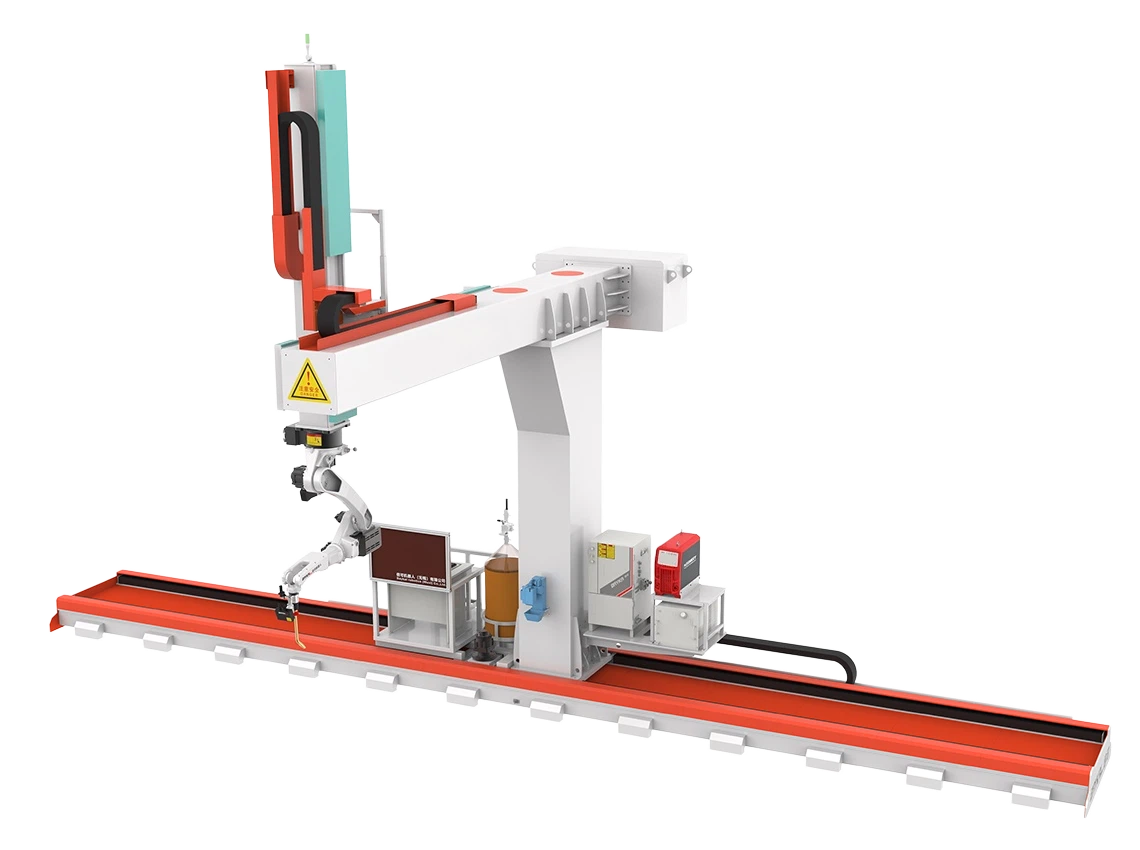
 9 axis cantilever type welding robot9 axis cantilever type welding robot for large steel workpieces with auto tracking, 3D import, and efficient CNC welding automation.
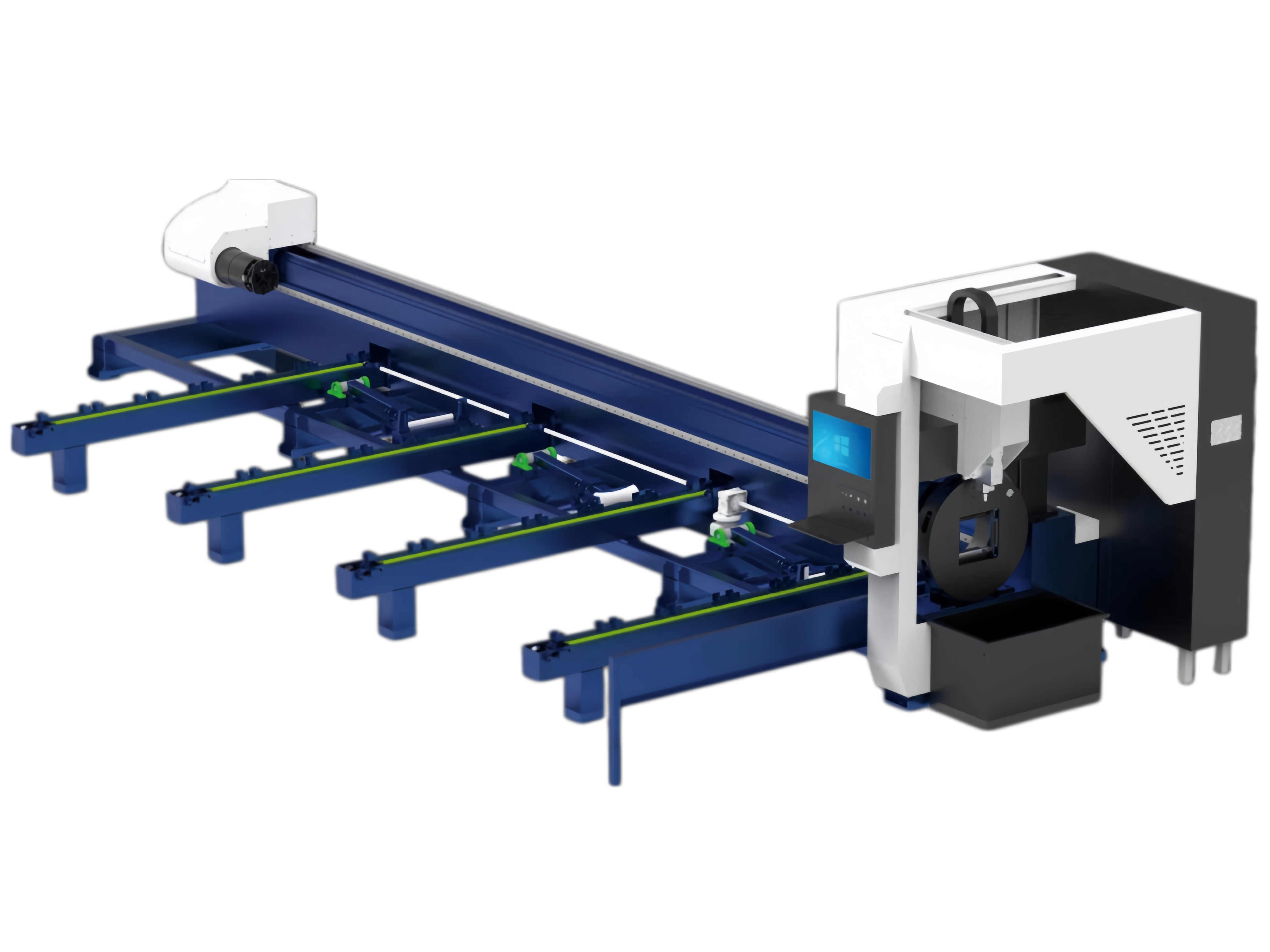
 Pipe cnc fiber laser cutting machine1.Introduction for Pipe cnc fiber laser cutting machine:
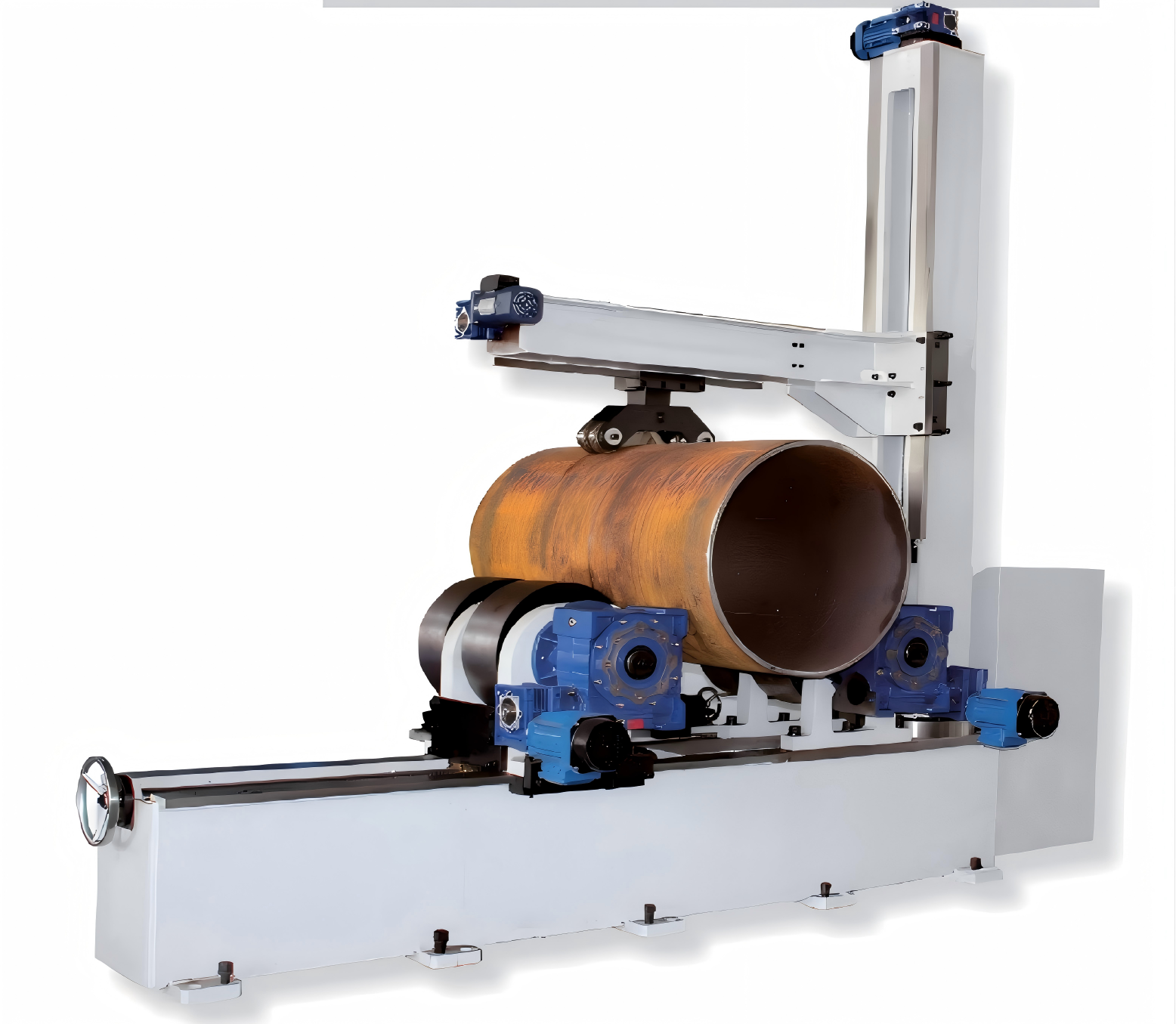
The laser cutting machine focuses the laser beam emitted from the laser source through the optical path system into a high-power-density laser beam. This laser beam is directed onto the surface of the workpiece, causing it to reach the melting point or boiling point. At the same time, the high-pressure gas coaxial with the laser beam blows away the molten or vaporized metal. Beveling & Milling Edge For Heavy TankThis series of heavy tank beveling and milling edge machines is a specialized, high-efficiency solution designed for beveling large storage tanks, pressure vessels, and heavy structural components. The main frame features an integrated welded construction followed by high-temperature stress-relief annealing, effectively eliminating internal stresses to ensure long-term dimensional stability and prevent deformation. The machine combines high-rigidity design with advanced control technology, purpose-built to handle the challenges of extra-thick plates and oversized workpieces.
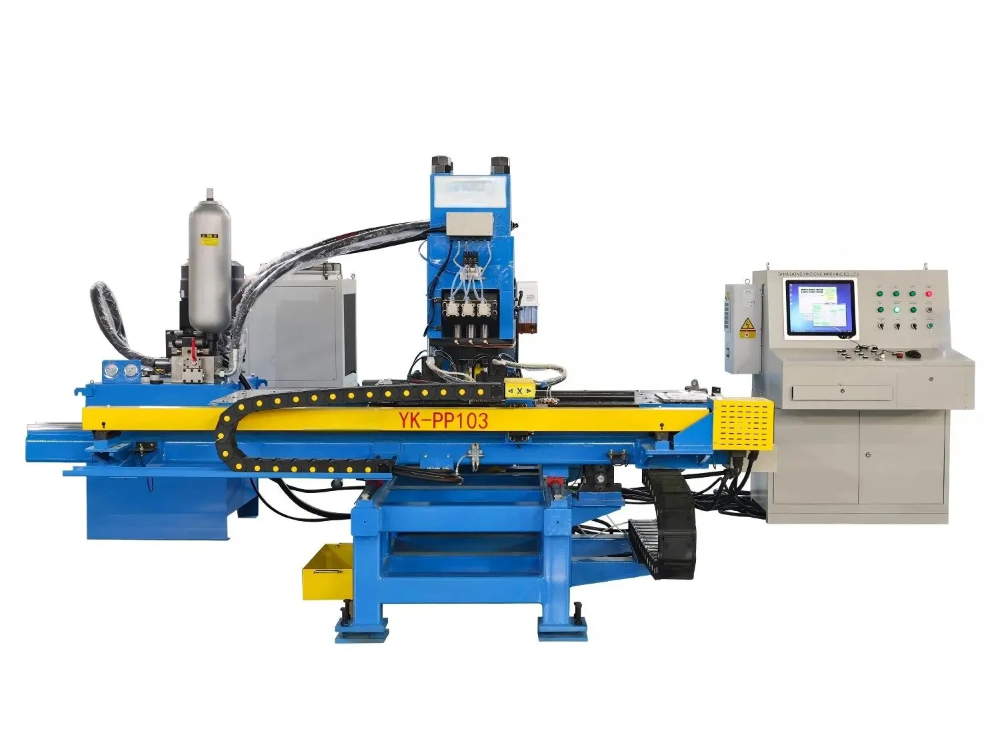
- CNC Punching And Marking Machine For Steel PlatesModels: YK-PP103 / YK-PPR103 / YK-PP104 / YK-PPR104
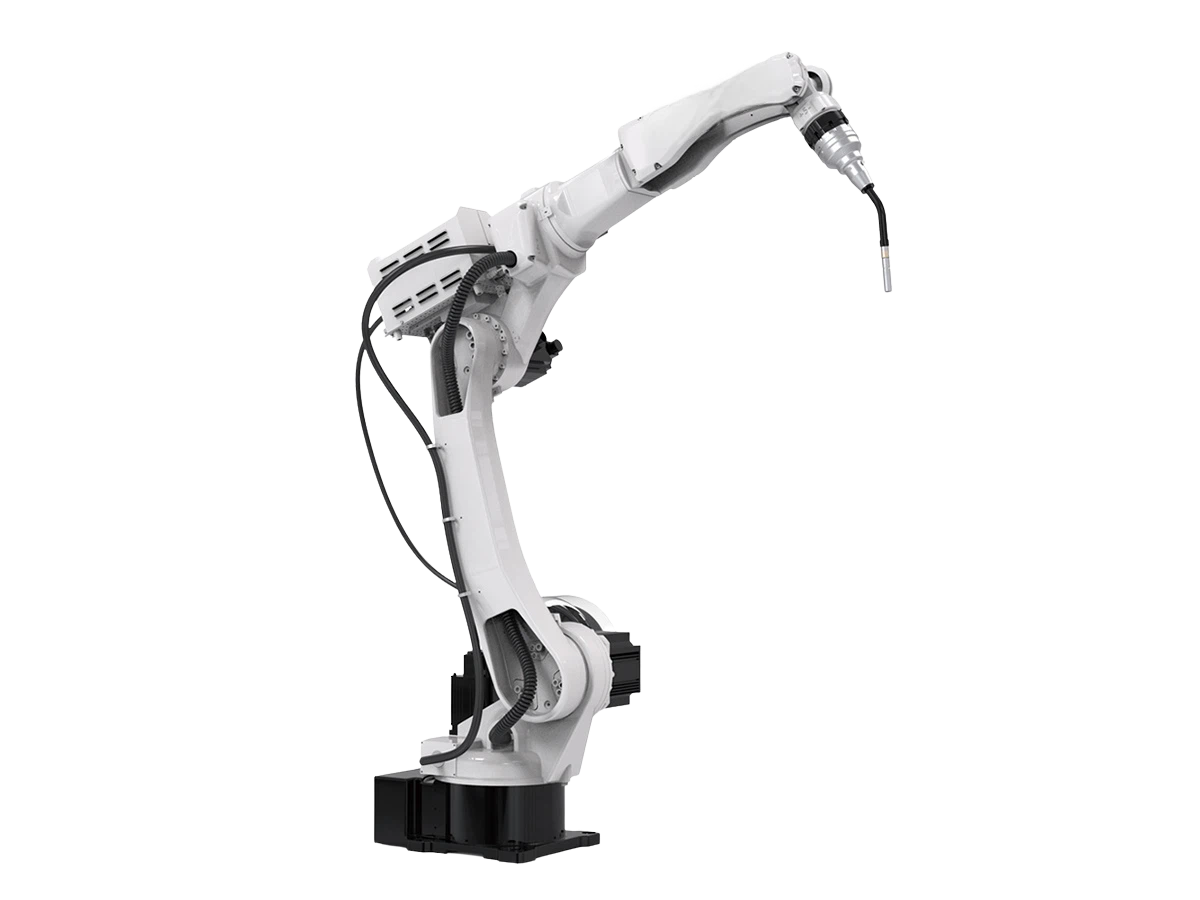
This series is a specialized CNC punching and marking machine designed primarily for steel plate processing in the steel tower industry. It is also well-suited for punching and marking applications across various other industrial sectors. - 6 Axis 2000mm ArmSpan MlG Industrial Welding RobotThis welding robot is designed for reliable arc welding in harsh production environments, featuring a long reach, stable repeatability, and flexible installation.
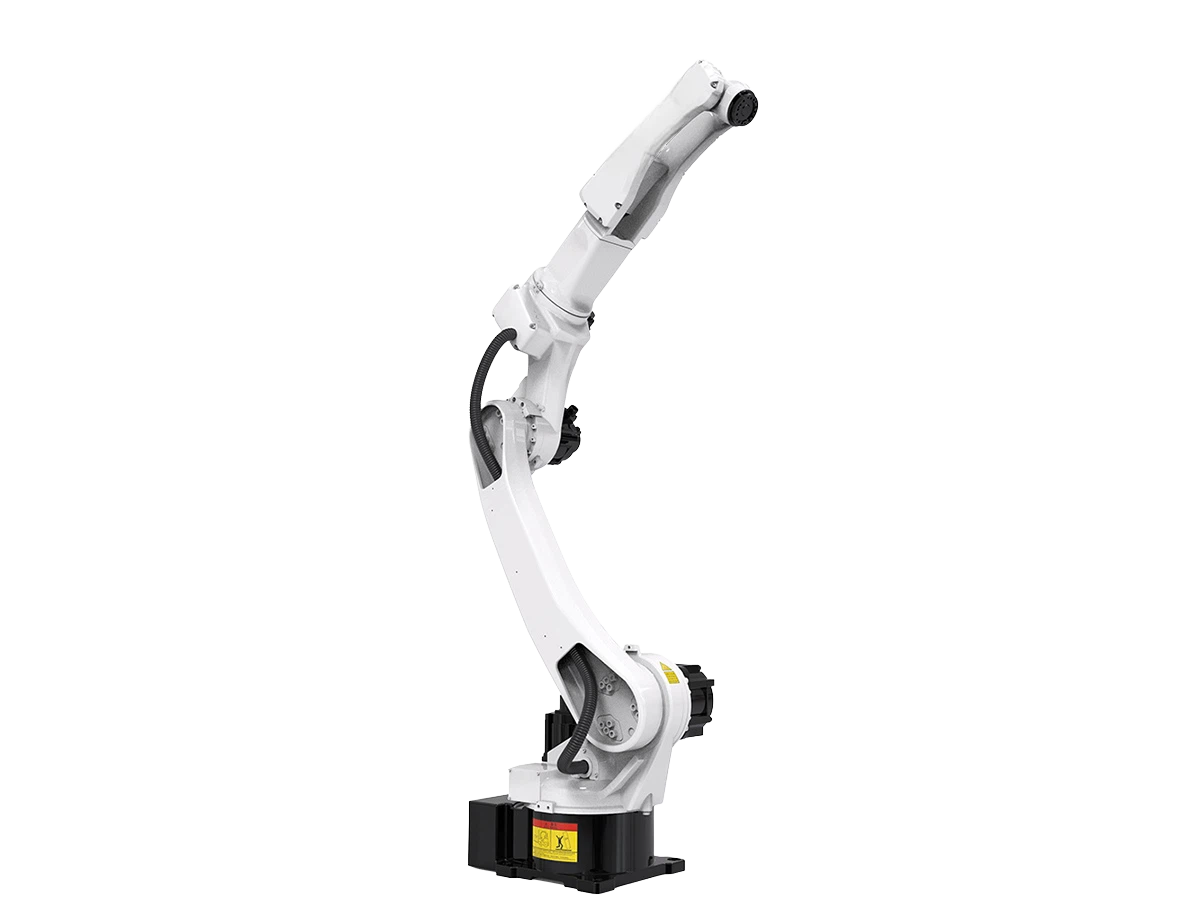
- Multipurpose Handing Robot BR20iB-20Explore the BR20iB-20 multipurpose robot for handling, welding, and cutting with 6-axis motion, ±0.08 mm repeatability, and flexible installation.

Send Us A Message