




What Should Buyers Check When Comparing a Handling Robot Supplier?
What Should Buyers Check When Comparing a Handling Robot Supplier?
What Should Buyers Check When Comparing a Handling Robot Supplier?
Selecting a handling robot supplier is not simply an equipment purchasing decision. It affects throughput, labor allocation, safety exposure, production flexibility, and the total cost of automation for years.
For business evaluators, the strongest supplier is rarely the one offering the lowest initial quotation. It is the partner that can prove technical fit, delivery discipline, service capacity, and measurable operating value.
A credible comparison should therefore examine the supplier's engineering depth, project execution process, component choices, compliance evidence, commissioning method, and ability to support future production changes.
This guide focuses on the questions that help buyers separate capable automation partners from vendors that mainly compete on specifications, promises, or incomplete price comparisons.
Start With the Production Problem, Not the Robot Price
Before comparing any handling robot supplier, define the production problem the automation system must solve. A robot is valuable only when its capability matches the actual material flow, cycle requirements, and operating constraints.
Buyers should document the workpiece types, dimensions, weights, arrival conditions, required orientation, transfer distance, and target cycle time. These details determine whether a proposed handling concept is practical.
Production variability deserves particular attention. A system designed for one stable product may perform poorly when batches change frequently, parts vary in position, or upstream equipment produces inconsistent outputs.
Ask suppliers to explain their assumptions about part presentation, fixture accuracy, pallet quality, loading methods, and human interaction. Hidden assumptions often become expensive change orders during installation.
Business evaluators should also distinguish between a robot that can technically move a part and a complete solution that reliably supports the intended production rhythm.
A complete evaluation includes buffers, conveyors, grippers, sensors, safety zones, controls integration, recovery procedures, and access for maintenance. Omitting these elements can make a low quotation misleading.
Request a clear process map showing every movement from incoming workpiece to completed output. The map should identify manual steps, automated handoffs, decision points, and possible production bottlenecks.
It is also useful to calculate the cost of the current process. Include direct labor, rework, handling damage, downtime, overtime, injury risk, and lost capacity during peak demand periods.
When suppliers understand the business baseline, they can propose automation around a measurable objective rather than presenting a generic robot cell with uncertain financial value.
Evaluate Engineering Capability and Application Experience
Technical capability should be assessed through relevant applications, not broad statements about automation experience. A supplier may sell robots successfully while lacking practical knowledge of your materials, process, or factory conditions.
Ask for examples involving similar payloads, part geometry, production volumes, and environmental conditions. Relevant experience is especially important when parts are large, flexible, irregular, hot, oily, or difficult to grip.
A qualified supplier should explain why a specific robot configuration, reach, payload rating, end effector, and safety arrangement were selected. Generic answers may indicate limited application engineering.
Examine the method used to validate cycle time. Reliable suppliers account for acceleration, deceleration, gripping time, sensing, part verification, safety delays, and interactions with upstream or downstream equipment.
Cycle-time claims based only on robot travel speed can be unrealistic. Buyers should request a simulation, time study, or documented calculation that identifies the assumptions behind the promised output.
Gripper engineering requires close scrutiny because it directly affects uptime and product quality. The end effector must hold parts securely without causing marks, distortion, dropped loads, or unsafe release conditions.
Ask how the supplier handles part variation and whether grippers can be adjusted, changed automatically, or expanded for future product families. Flexibility can protect the investment as demand changes.
Controls engineering is equally important. The supplier should define the PLC architecture, robot controller interface, operator controls, alarms, recipes, production data, and connectivity with existing manufacturing systems.
A capable engineering team will discuss failure modes early. They should explain what happens when a part is missing, misplaced, incorrectly oriented, damaged, or outside the expected dimensional tolerance.
Check Whether the Proposed System Is Built for Reliable Operation
Buyers should compare system reliability at the component and design level. Published robot payload and repeatability figures are useful, but they do not establish whether the overall installation will operate consistently.
Request a bill of major components identifying robot brand, servo systems, PLC, safety hardware, sensors, pneumatic parts, welding equipment where applicable, and critical mechanical assemblies.
Established components can simplify maintenance, spare-parts sourcing, and technician training. However, brand names alone are insufficient; integration quality and configuration discipline determine real-world performance.
Review mechanical design details such as rail alignment, cable routing, guarding, dust protection, lubrication access, fixture rigidity, and access around drive components. These details strongly influence maintainability.
For larger automation projects, ask the supplier how they control tolerances across rails, gantries, platforms, and workpiece fixtures. Misalignment can reduce accuracy, create wear, and complicate commissioning.
Where handling and welding functions are combined, system coordination becomes even more important. The robot, positioner, torch, power source, extraction equipment, and safety controls must operate as one controlled process.
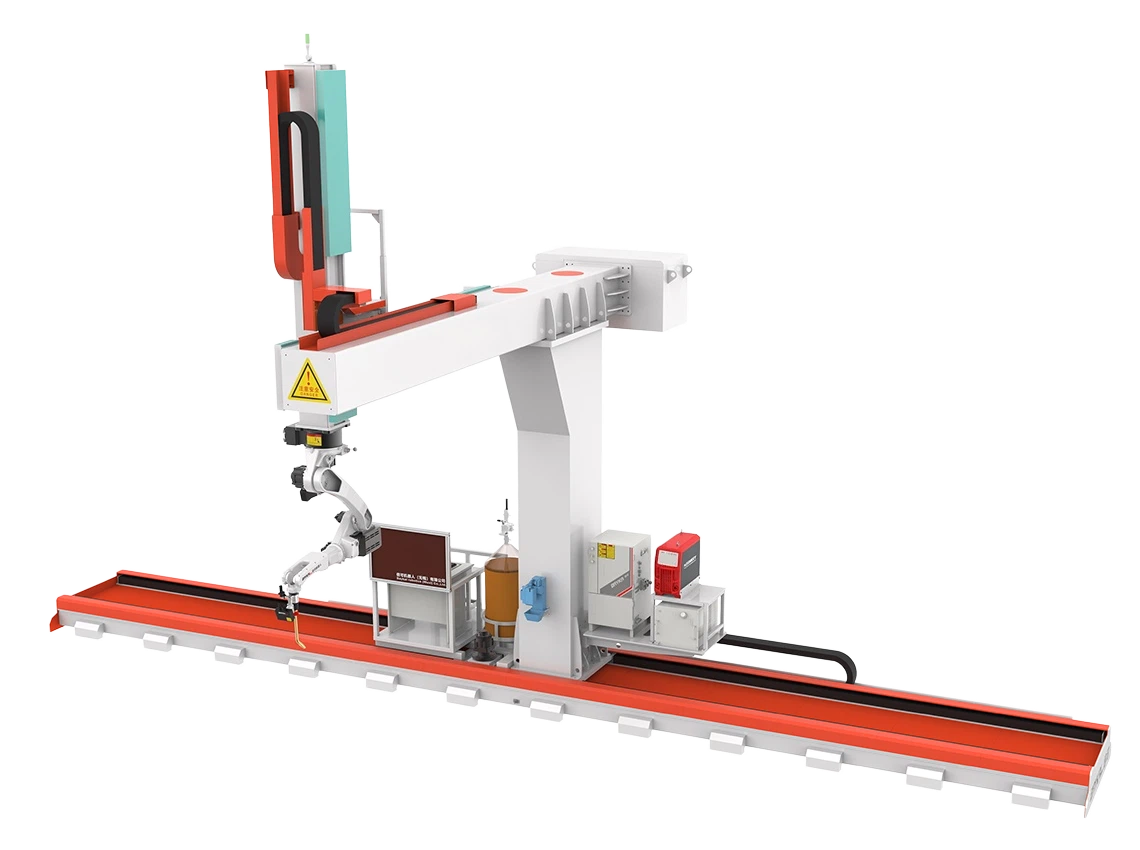
For example, an 9 axis gantry type welding robot may combine a dedicated rail, servo-driven carriage, six-axis robot, welding power source, torch cleaning station, and automated seam tracking.
Such integrated systems should be evaluated beyond their equipment list. Buyers need confirmation that travel limits, part dimensions, fixture design, welding sequence, and operator loading methods work together safely.
For long workpieces, suppliers should explain how they maintain productivity without sacrificing weld quality or positioning accuracy. Zone-based operation with multiple robots may improve output for suitable applications.
Verify Safety, Compliance, and Documentation Before Ordering
Safety should be treated as a design requirement, not an optional add-on. Buyers should require the supplier to identify hazards and explain how the proposed cell reduces operational risk.
Ask for the intended safety concept, including fencing, interlocked doors, light curtains, scanners, safety PLCs, emergency stops, safe speed functions, reset procedures, and operator access controls.
Emergency stop placement should be practical for the real production environment. Multiple accessible stops, clear status indicators, and a documented restart sequence help operators respond quickly without creating additional risk.
System status communication is also valuable. Clearly differentiated running, paused, alarm, and fault states reduce confusion and help supervisors identify whether an interruption requires maintenance, material supply, or operator action.
For international procurement, request documentation of applicable standards and certifications. Depending on destination and project scope, buyers may need CE-related documentation, electrical compliance evidence, manuals, and risk assessments.
Do not assume a marking or certificate automatically covers the entire customized system. Confirm whether compliance documentation applies to the exact delivered configuration, including added peripherals and local installation conditions.
Suppliers should provide electrical drawings, pneumatic diagrams, layout drawings, operating manuals, maintenance instructions, spare-parts lists, backup files, and safety documentation in an agreed language.
Incomplete documentation can create long-term dependence on the original supplier. It also makes troubleshooting, modifications, training, and regulatory reviews more difficult after project handover.
A serious handling robot supplier will define responsibilities clearly. Buyers need to know who is accountable for site preparation, utilities, foundations, guarding installation, acceptance testing, and final safety validation.
Compare Customization Without Losing Control of Scope
Customization is often necessary, but excessive customization can increase engineering risk, lead time, and service complexity. Buyers should distinguish between necessary application adaptation and unnecessary one-off design.
Ask which portions of the system are standard modules and which are custom engineered. Standardized elements can improve delivery reliability and simplify future replacement or expansion.
The supplier should provide a layout proposal that reflects actual site conditions. This includes ceiling height, floor loading, column locations, aisle access, material staging, utilities, forklift routes, and maintenance space.
Large handling systems often fail during planning because the factory layout was treated as an afterthought. A technically sound robot cannot compensate for inadequate loading access or poor material flow.
Clarify how the system will accommodate product changeovers. Determine whether fixture changes, gripper changes, program selection, calibration, and operator confirmation are required for each product type.
Buyers should request estimated changeover times and define who can perform them. A system that needs specialist intervention for routine changes may undermine the expected labor and capacity benefits.
Software flexibility matters as much as mechanical flexibility. Confirm whether authorized plant personnel can create recipes, adjust permitted parameters, review alarms, and restore approved programs without voiding support agreements.
For systems using 3D drawings or automated path generation, ask how files are imported, validated, and matched to physical workpieces. The process must be repeatable for production teams, not only supplier engineers.
Scope control should be documented in a detailed technical agreement. It should specify workpiece range, performance target, exclusions, utilities, interfaces, acceptance criteria, and the process for approving changes.
Examine Delivery Performance and Project Management Discipline
Delivery risk can be as costly as equipment risk. A late automation project may delay capacity expansion, disrupt customer commitments, and force continued spending on temporary labor or manual processing.
Ask the supplier for a project schedule that covers engineering approval, component procurement, fabrication, assembly, factory acceptance testing, shipment, installation, commissioning, and final acceptance.
Evaluate whether the schedule includes realistic customer responsibilities. Delays often occur because foundations, power supplies, compressed air, network access, workpiece samples, or approved drawings were not ready on time.
A dependable supplier will identify long-lead components and explain contingency plans. They should also define how design changes after approval affect delivery dates, pricing, and testing requirements.
Factory acceptance testing is an important opportunity to reduce site risk. Buyers should specify what will be tested, which workpieces will be used, how defects are recorded, and which performance requirements must be met.
Whenever possible, use representative production parts rather than simplified samples. This reveals practical issues involving tolerances, surface conditions, handling stability, sensors, and program logic before shipment.
Request regular progress reporting during the project. Useful reports include completed milestones, unresolved technical items, photographs or videos, procurement status, quality findings, and actions requiring buyer decisions.
Installation planning should include qualified personnel, lifting arrangements, equipment access, safety coordination, utility connections, and a defined escalation path. Poor site coordination can extend commissioning significantly.
Buyers should also ask for evidence of export experience when purchasing internationally. Proper packing, documentation, logistics coordination, remote communication, and local support arrangements affect project success.
Assess After-Sales Support, Training, and Lifetime Cost
The supplier relationship continues after equipment acceptance. Downtime, parameter adjustments, replacement parts, and future process changes will determine whether the automation investment delivers its projected return.
Ask where service engineers are located, how remote support is provided, what response times are available, and whether local partners can assist with mechanical, electrical, robot, and process issues.
Remote diagnostics can reduce downtime, but only when the controls architecture supports secure access and the supplier has trained engineers familiar with the delivered system configuration.
Training should be separated by role. Operators need safe daily procedures, while maintenance personnel require fault recovery, preventive maintenance, backups, calibration knowledge, and access to relevant technical documentation.
Request a recommended spare-parts package with lead times and criticality ratings. This helps buyers balance inventory cost against the financial impact of an extended production interruption.
Total cost of ownership should include energy use, consumables, preventive maintenance, spare parts, training, expected service visits, software support, and potential productivity loss during changeovers or failures.
Compare warranty terms carefully. The important questions are what is covered, how claims are handled, whether travel costs apply, when warranty begins, and whether commissioning delays affect coverage.
Ask suppliers to describe their upgrade pathway. A valuable system should allow reasonable expansion through additional grippers, fixtures, stations, vision systems, robots, or software functions as production needs evolve.
For suppliers such as Wuxi Samgins International Trade Co., Ltd., buyers should evaluate relevant equipment expertise, quality-system practices, compliance capability, export support, and the specific resources assigned to the project.
Use a Weighted Scorecard to Make the Final Decision
A structured scorecard prevents buyers from choosing based on presentation quality or purchase price alone. It also makes internal approval easier because the selection rationale is visible and evidence-based.
Assign the highest weighting to technical fit, reliability, safety, service capability, and total lifecycle value. Price remains important, but it should be evaluated against the complete scope and expected operating outcome.
Each score should be supported by evidence, such as drawings, test results, customer references, service commitments, component lists, risk assessments, and written clarification of assumptions or exclusions.
Business evaluators should compare quotations line by line. Check whether foundations, guarding, fixtures, installation, programming, training, commissioning, acceptance testing, documentation, and spare parts are included consistently.
When quotes differ materially, identify the underlying reason before negotiating. A lower price may reflect reduced scope, lower-grade components, limited testing, weaker support, or assumptions that transfer risk to the buyer.
Customer references can provide practical insight, but ask focused questions. Inquire about actual uptime, delivery accuracy, support response, change management, training quality, and whether the supplier resolved problems responsibly.
It is prudent to involve production, maintenance, safety, quality, finance, and procurement teams in the final review. Each department sees risks that may not be visible in a purely commercial evaluation.
The final decision should identify not only the preferred supplier, but also the conditions required for success. These may include approved layouts, representative test parts, service commitments, training plans, and acceptance criteria.
Ultimately, the right handling robot supplier is the one that can demonstrate a realistic path from current production constraints to stable, safe, and economically justified automated performance.
search
Recommended Products
 9 axis cantilever type welding robot9 axis cantilever type welding robot for large steel workpieces with auto tracking, 3D import, and efficient CNC welding automation.
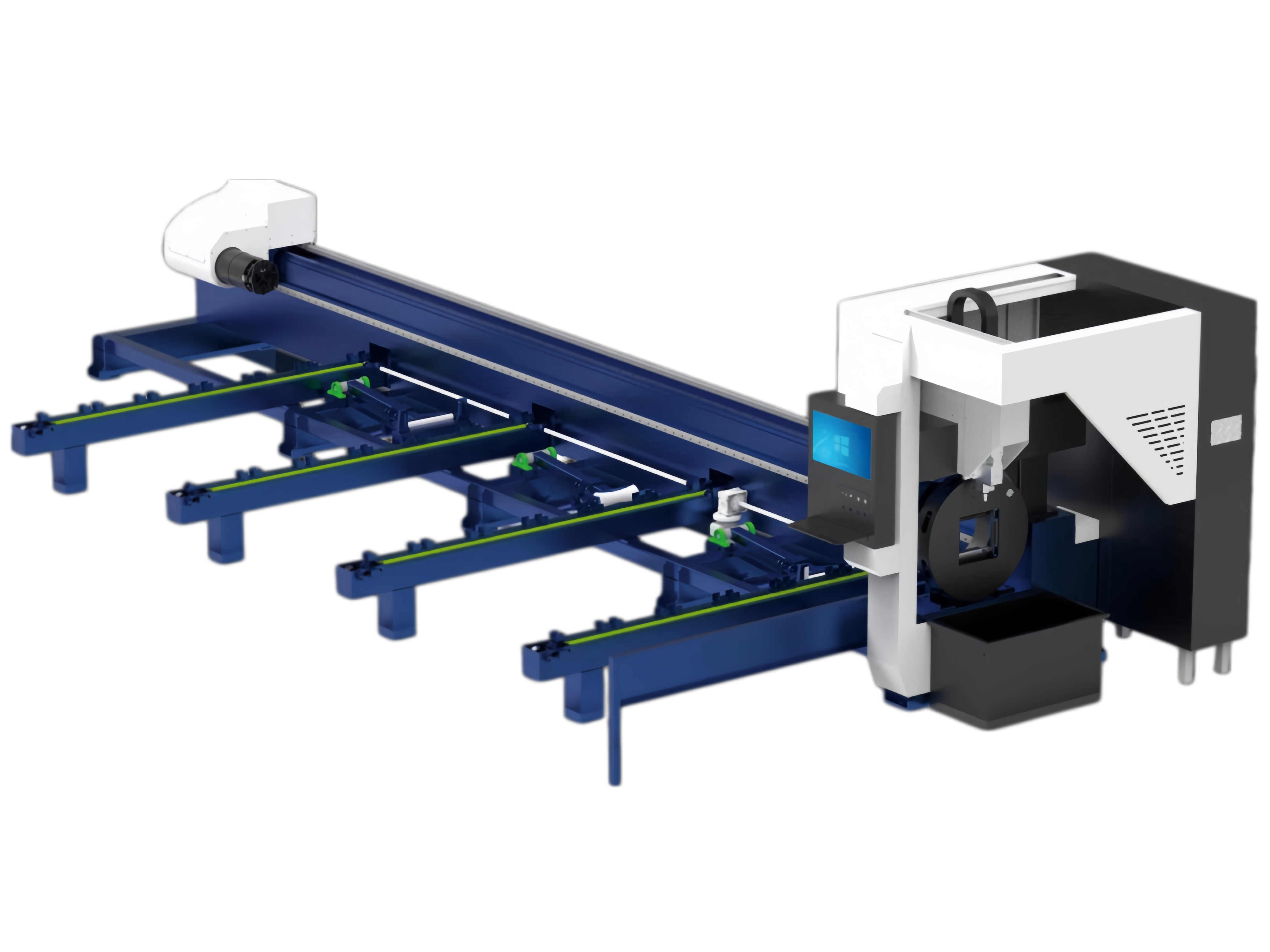
 Pipe cnc fiber laser cutting machine1.Introduction for Pipe cnc fiber laser cutting machine:
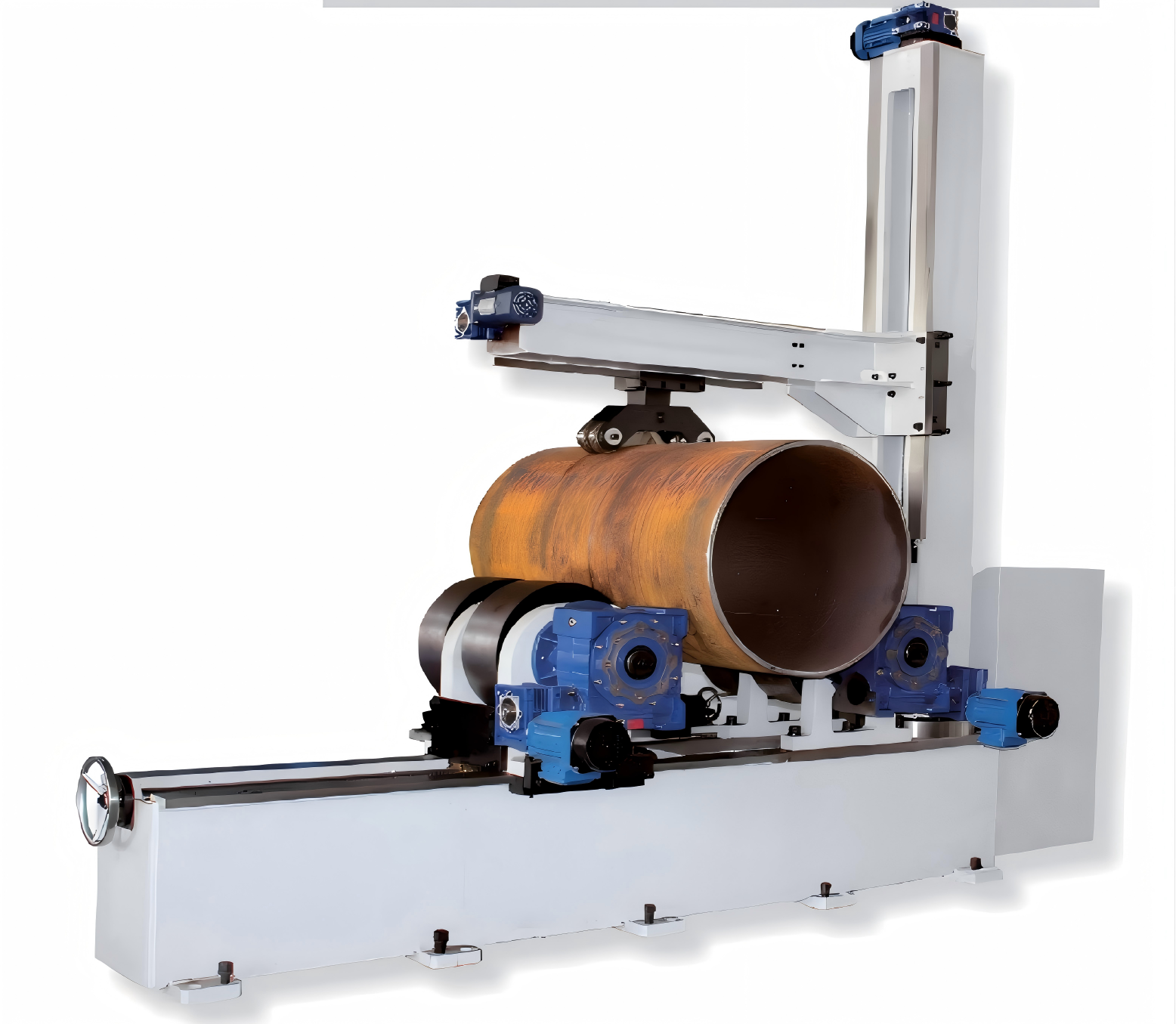
The laser cutting machine focuses the laser beam emitted from the laser source through the optical path system into a high-power-density laser beam. This laser beam is directed onto the surface of the workpiece, causing it to reach the melting point or boiling point. At the same time, the high-pressure gas coaxial with the laser beam blows away the molten or vaporized metal. Beveling & Milling Edge For Heavy TankThis series of heavy tank beveling and milling edge machines is a specialized, high-efficiency solution designed for beveling large storage tanks, pressure vessels, and heavy structural components. The main frame features an integrated welded construction followed by high-temperature stress-relief annealing, effectively eliminating internal stresses to ensure long-term dimensional stability and prevent deformation. The machine combines high-rigidity design with advanced control technology, purpose-built to handle the challenges of extra-thick plates and oversized workpieces.
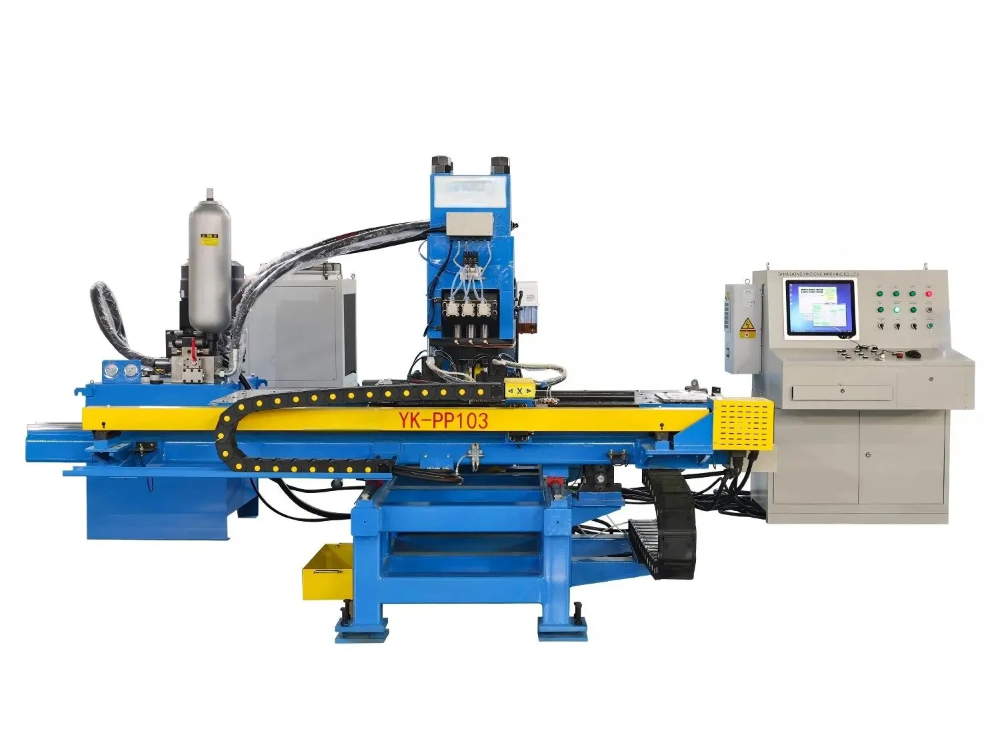
- CNC Punching And Marking Machine For Steel PlatesModels: YK-PP103 / YK-PPR103 / YK-PP104 / YK-PPR104
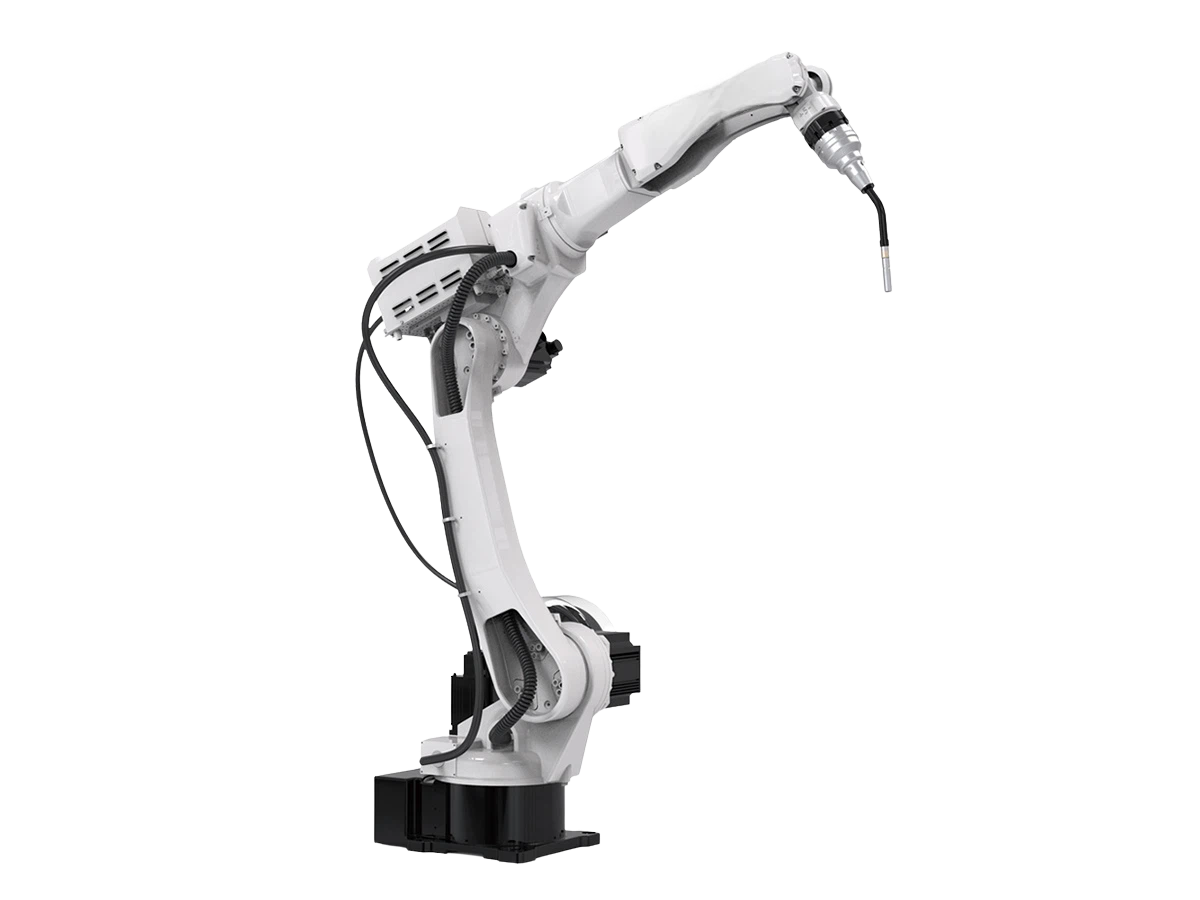
This series is a specialized CNC punching and marking machine designed primarily for steel plate processing in the steel tower industry. It is also well-suited for punching and marking applications across various other industrial sectors. - 6 Axis 2000mm ArmSpan MlG Industrial Welding RobotThis welding robot is designed for reliable arc welding in harsh production environments, featuring a long reach, stable repeatability, and flexible installation.
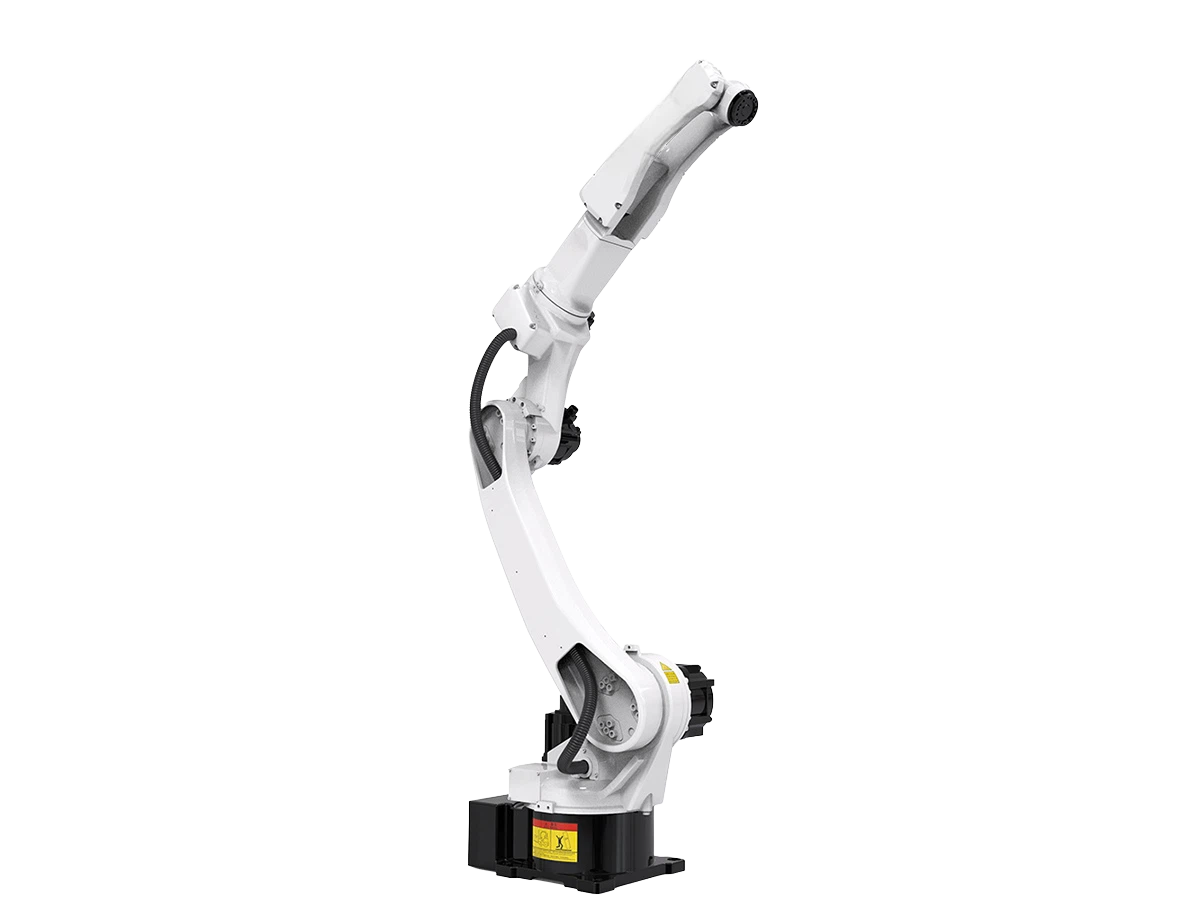
- Multipurpose Handing Robot BR20iB-20Explore the BR20iB-20 multipurpose robot for handling, welding, and cutting with 6-axis motion, ±0.08 mm repeatability, and flexible installation.

Send Us A Message