




How to Choose a Handling Robot Manufacturer for Long-Term Production Support
How to Choose a Handling Robot Manufacturer for Long-Term Production Support
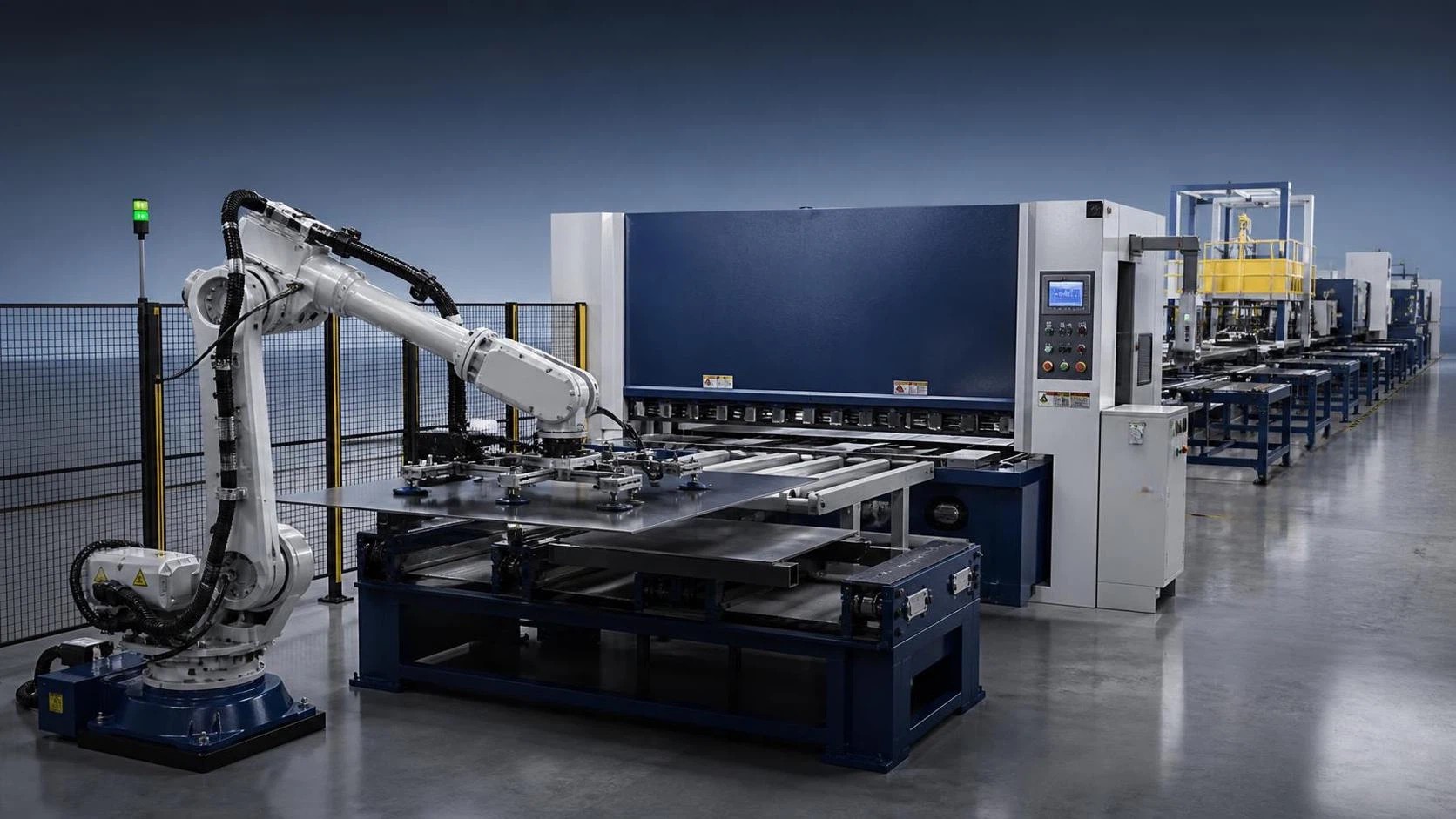
Choosing a handling robot manufacturer is a long-term decision about production stability, not simply a comparison of robot payloads or quoted prices. For a business decision-maker, the real question is whether the supplier can support the line after commissioning: when product mix changes, when throughput targets rise, when an operator needs help during a night shift, or when a replacement part is needed without disrupting delivery commitments.
A handling robot may load machine tools, transfer sheet metal, palletize finished components, feed a welding cell, or move parts between inspection and packaging. In each case, the robot is only one part of a wider production system. Its practical value depends on grippers, safety guarding, controls, conveyors, fixtures, upstream equipment, operator interaction, and the quality of engineering behind the installation.
That is why the most suitable manufacturer is rarely the one that offers the lowest initial price. The stronger choice is the partner whose technical capability, manufacturing discipline, documentation, and service model match the life of your production assets.
Begin with the production problem, not the robot catalog
Before comparing suppliers, define what the automation project must accomplish on the shop floor. “We need a robot” is not yet a purchasing specification. A clearer brief may be: “We need to transfer 20–35 kg stamped parts from a shear to stacking racks while protecting finished surfaces, maintaining traceability, and allowing changeover between three material widths.” That level of detail changes the entire supplier conversation.
Map the real operating conditions: part dimensions, weight range, material type, surface sensitivity, cycle time, infeed and outfeed positions, batch sizes, shift pattern, and permitted manual intervention. Include the exceptions that often get left out of early discussions. Are parts oily? Do they arrive with inconsistent orientation? Will operators sometimes introduce small batches manually? Does a machine need to keep running if the robot cell is paused?
A capable handling robot manufacturer will ask these questions early. If a supplier moves quickly to a standard model number without understanding the process, the resulting system may look adequate on paper but create bottlenecks in daily use.
Evaluate integration experience where it matters: at the interfaces
Most automation problems occur at the handoff between systems. A robot can have excellent repeatability and still fail to meet production expectations if it receives parts inconsistently, cannot communicate reliably with the machine controller, or requires too much operator attention at changeover.
Ask potential manufacturers how they engineer the interfaces around the robot. Their answer should cover more than “we can connect it.” Look for a structured approach to:
- Part presentation, including conveyors, locating devices, separators, and sensors;
- End-of-arm tooling designed for the part geometry and surface condition;
- PLC, CNC, vision system, and robot controller communication;
- Safety interlocks, emergency-stop logic, and access procedures;
- Recovery sequences after a part mispick, alarm, or power interruption;
- Manual operation and safe maintenance access; and
- Future provisions for another machine, buffer station, or inspection point.
Manufacturers with broad machine-tool and metalworking knowledge can offer a useful advantage in these environments. They understand that a handling cell must accommodate the behavior of cutting, welding, forming, or finishing equipment—not just repeat a programmed path.
For example, a sheet-processing line may combine automated material movement with a Hydraulic Swing Beam Shear. The shearing machine’s back-gauge positioning, cutting rhythm, safety arrangement, and output condition all affect robot timing and gripper selection. For medium and thick plate production, factors such as stable clamping, accurate positioning, and protection against scratched surfaces need to be considered as a complete flow rather than as separate equipment purchases.
Do not confuse robot brand selection with system capability
Many buyers begin by asking which robot brand will be supplied. It is a reasonable question, but it should not dominate the decision. Established robot platforms can offer dependable components and familiar programming environments. Yet the quality of the complete cell depends on application engineering: the gripper design, fixture accuracy, cable routing, guard layout, electrical cabinet build, logic programming, and commissioning discipline.
A manufacturer should be able to explain why a particular arm configuration, reach, payload class, axis arrangement, or mounting position suits your operation. Bigger is not automatically safer. An oversized robot may cost more, occupy more floor space, and consume unnecessary energy. An undersized robot may struggle with inertia, reach limitations, or the combined weight of the gripper and part.
Ask to see the payload calculation, including tooling, cables, vacuum units, and any product variation. For high-speed transfer applications, request an explanation of how acceleration, deceleration, and center of gravity have been assessed. These details reveal whether the proposal is engineered for continuous production or assembled from assumptions.
A practical review of the manufacturer’s engineering process
Technical confidence is easier to judge when the supplier has a visible, repeatable project process. Decision-makers should expect a sequence that moves from application assessment to concept confirmation, detailed design, manufacturing, testing, installation, and acceptance. The documents do not need to be unnecessarily complicated, but they should be sufficient for your production, maintenance, and safety teams to review the project before equipment reaches the site.
Useful evidence includes layout drawings, cycle-time assumptions, gripper concepts, electrical schematics, pneumatic or hydraulic diagrams where applicable, risk assessments, software descriptions, spare-parts recommendations, and commissioning plans. If the cell handles a wide range of products, the supplier should also explain the changeover method and identify which adjustments are manual, recipe-driven, or automatically verified.
Factory acceptance testing is especially valuable for cross-border equipment procurement. It allows the buyer to verify core sequences, safety functions, part handling, and documentation before shipment. If full testing with your actual parts is not possible, clarify what representative material or simulation will be used and which performance criteria will be confirmed later at site acceptance.
Quality systems are meaningful when they show up in the build
Certifications and standards are important, but procurement teams should look beyond logos in a brochure. Ask how quality control is applied to fabrication, purchased components, electrical assembly, software revisions, and final inspection. For equipment destined for international markets, the manufacturer should be prepared to discuss applicable compliance requirements and provide clear technical documentation.
Wuxi Samgins International Trade Co., Ltd., established in 2012 in Wuxi, Jiangsu Province, supplies a broad range of manufacturing equipment, including welding robots, CNC cutting machines, machine tools, plate-processing equipment, and H-beam production line solutions. Its product organization and design practices follow ISO9001 quality system requirements and EU CE standards. This wider equipment background can be relevant when a buyer needs a coordinated production solution rather than an isolated robot purchase.
For sheet-metal applications, quality is also influenced by the equipment upstream of the robot. A shear with repeat positioning accuracy in the range of ±0.01–0.05 mm and cutting accuracy of no more than ±0.02 mm under GB/T 14404-2024 can provide more predictable material conditions for downstream automation. The point is not that every handling task requires extreme precision; it is that consistent process inputs make robotic handling easier to program, monitor, and scale.
Service continuity deserves the same attention as capital cost
A handling robot often becomes essential once labor planning and production scheduling adapt around it. When it stops, the issue is not merely repair cost. A stopped cell can affect machine utilization, delivery dates, overtime, and customer confidence. This makes post-sale support a central procurement criterion.
Discuss service in operational terms. Where are technicians located? What support is available remotely? What response path applies when the issue is mechanical, electrical, controls-related, or caused by an upstream machine? Can your maintenance personnel access backups, alarm histories, drawings, and recovery instructions? Are critical components stocked, and how are lead times communicated?
For international buyers, communication quality matters as much as distance. A supplier should be able to provide organized English-language documentation, unambiguous installation instructions, and an escalation contact who understands the project. Wuxi’s transport connection to Shanghai can also support practical logistics coordination for equipment shipped to customers in Southeast Asia, Europe, the Americas, Oceania, and other markets, but buyers should still confirm the specific shipping, installation, and local-service arrangements for their region.
Training should not be treated as a short handover ceremony. The best programs separate operator training from maintenance and programming training. Operators need to know normal start-up, safe loading, alarm recognition, and routine checks. Maintenance staff need access to diagnostics, lubrication schedules, electrical information, and safe recovery procedures. Where permitted by the controls architecture, in-house engineers may also need training for recipe changes and minor optimization.
Look for scalability without paying for features you will not use
Long-term production support means preparing for reasonable change, not buying every possible option on day one. A good manufacturer designs an expandable foundation: spare I/O capacity, accessible panel space, modular grippers, adaptable software recipes, and a layout that leaves room for a future conveyor or inspection station.
At the same time, avoid vague promises of “future-ready automation.” Ask what expansion would physically require. Would a second robot need a new controller? Can the existing safety system be extended? Is the base frame designed for another station? Can vision guidance be added later, and what changes would be needed in lighting, guarding, or controls?
Modern sheet-processing equipment increasingly supports CNC parameter adjustment, program storage, laser alignment, safety interlocks, and, in some configurations, AI-assisted visual correction. These capabilities can create a stronger automation foundation when data exchange and material flow are planned correctly. They do not remove the need for sound mechanical design or a clear responsibility boundary between equipment suppliers.
Questions worth asking before you issue a purchase order
A concise supplier review meeting can uncover more than a long presentation. Consider asking the following:
- What assumptions determine the stated cycle time, and what happens when part orientation varies?
- How will the gripper prevent marking, dropping, or deforming the workpiece?
- Which items are included in the scope: guarding, fixtures, controls, installation, training, and acceptance testing?
- What production data will be available to our team after commissioning?
- How are software backups, passwords, and revision records managed?
- What are the recommended preventive-maintenance tasks and critical spare parts?
- Can the manufacturer demonstrate similar handling conditions, even if the end product differs?
- Who owns integration responsibility if the robot must communicate with third-party equipment?
Pay attention not only to the answers, but to their precision. A manufacturer that clearly identifies open technical risks is often more trustworthy than one that claims every integration will be simple. Transparent discussion gives both sides a chance to resolve uncertainties before they become expensive site changes.
Make the decision on total operating value
The right handling robot manufacturer should help you protect output over years of operation. That means selecting a suitably engineered robot cell, verifying how it will interact with the rest of the line, establishing realistic acceptance criteria, and confirming that people, parts, and technical support will be available after start-up.
Price remains important, but it should be evaluated alongside commissioning time, expected uptime, maintenance accessibility, energy use, spare-parts planning, and the ability to adapt as products and volumes change. In manufacturing, the most expensive automation is often not the system with the highest purchase price; it is the system that cannot recover quickly when real production conditions depart from the original assumptions.
Choose a partner that listens carefully to the process, documents its engineering decisions, and remains accountable beyond delivery. That approach gives your business a more reliable path from an automation purchase to lasting production support.
search
Recommended Products
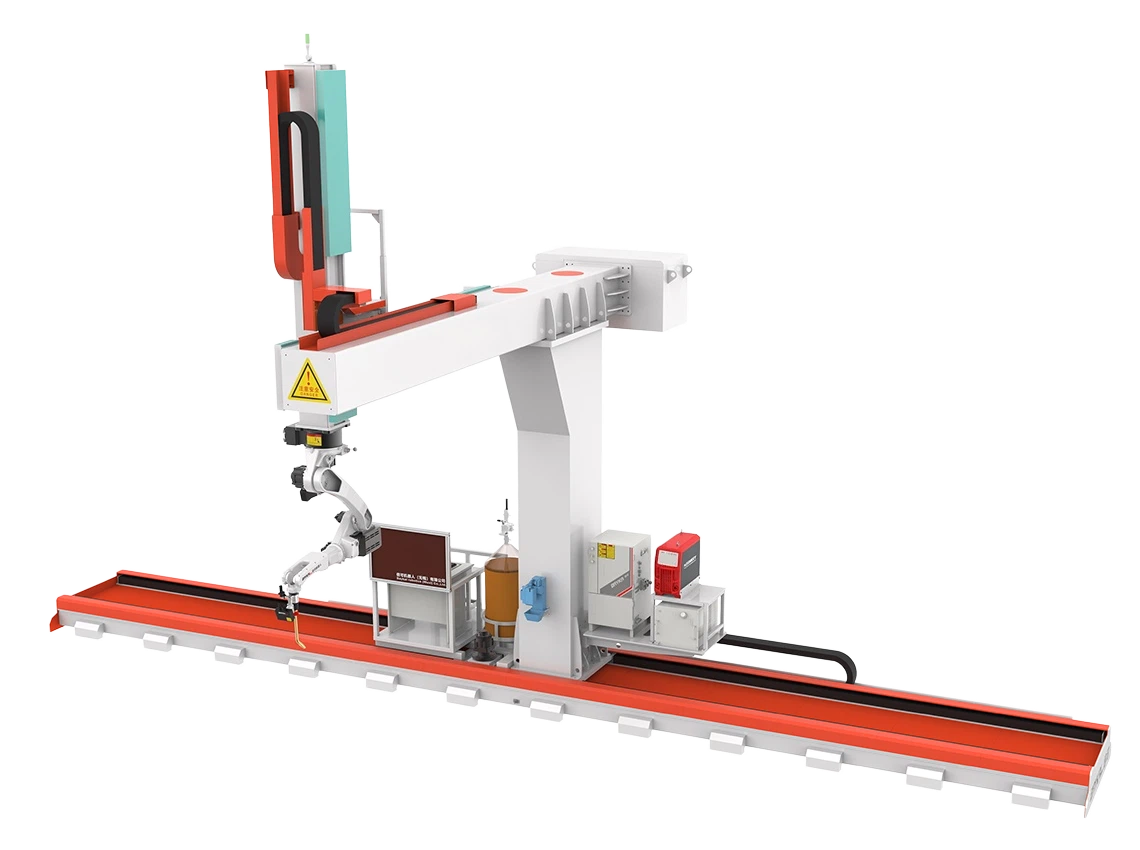
 9 axis cantilever type welding robot9 axis cantilever type welding robot for large steel workpieces with auto tracking, 3D import, and efficient CNC welding automation.
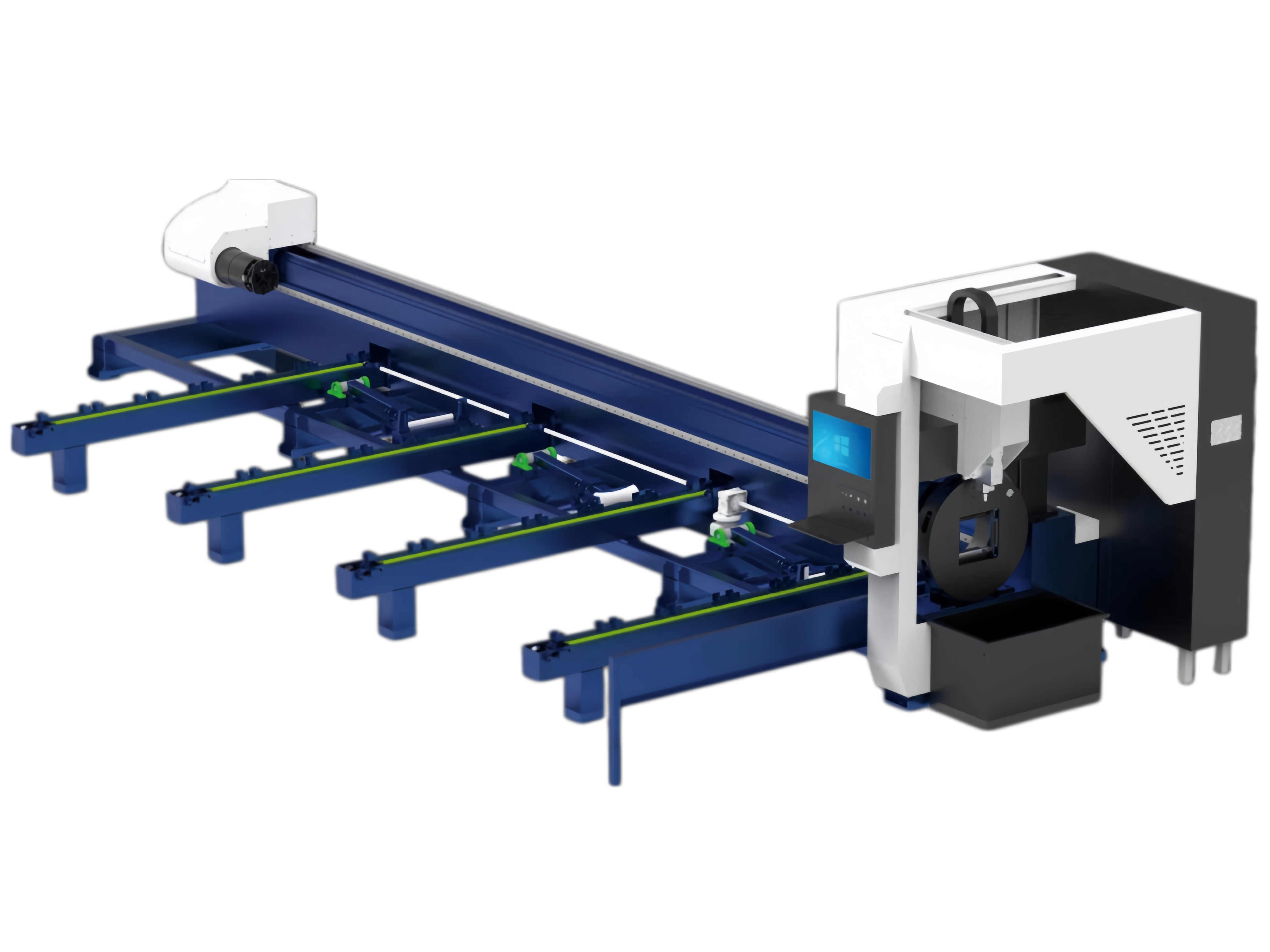
 Pipe cnc fiber laser cutting machine1.Introduction for Pipe cnc fiber laser cutting machine:
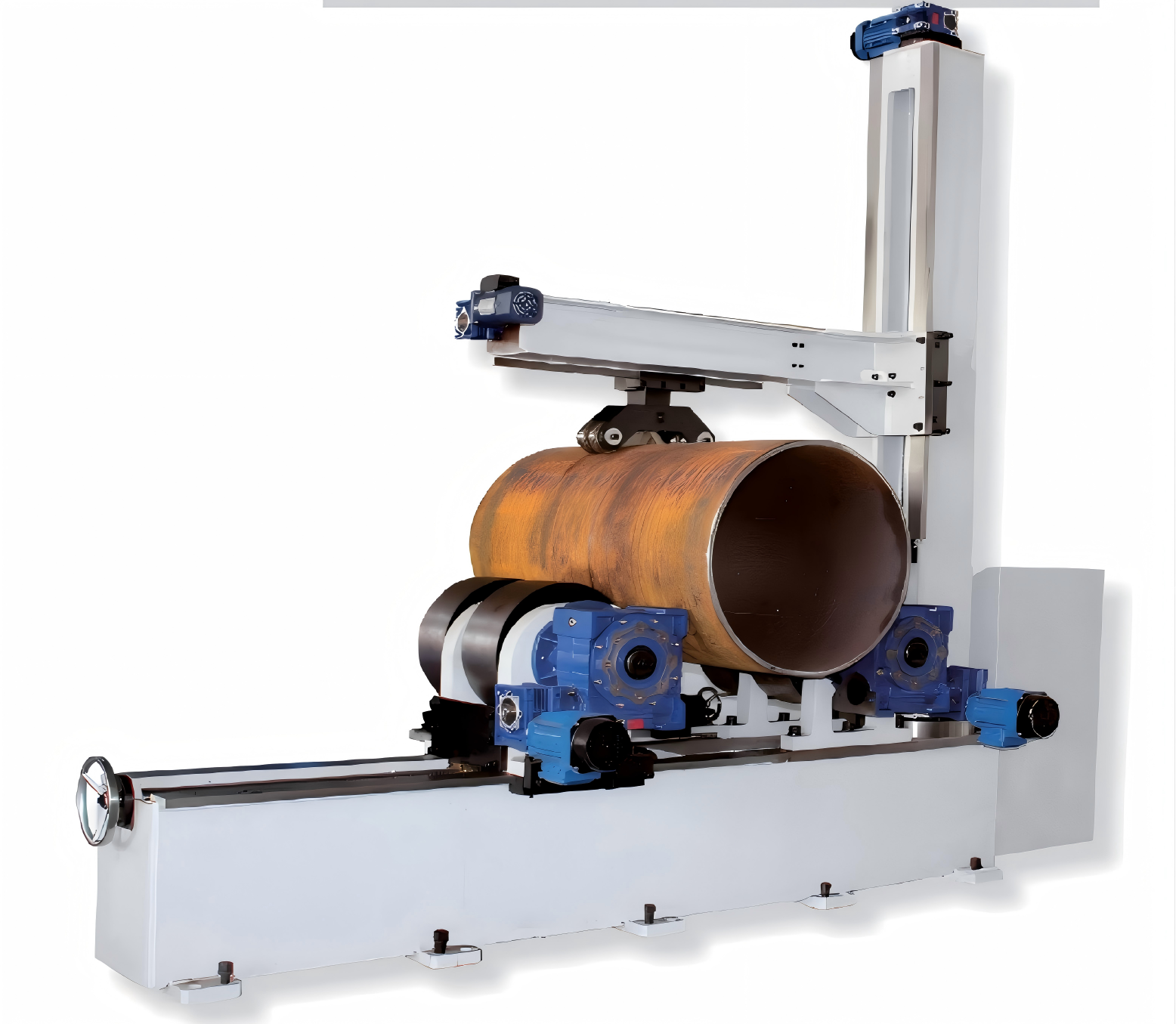
The laser cutting machine focuses the laser beam emitted from the laser source through the optical path system into a high-power-density laser beam. This laser beam is directed onto the surface of the workpiece, causing it to reach the melting point or boiling point. At the same time, the high-pressure gas coaxial with the laser beam blows away the molten or vaporized metal. Beveling & Milling Edge For Heavy TankThis series of heavy tank beveling and milling edge machines is a specialized, high-efficiency solution designed for beveling large storage tanks, pressure vessels, and heavy structural components. The main frame features an integrated welded construction followed by high-temperature stress-relief annealing, effectively eliminating internal stresses to ensure long-term dimensional stability and prevent deformation. The machine combines high-rigidity design with advanced control technology, purpose-built to handle the challenges of extra-thick plates and oversized workpieces.
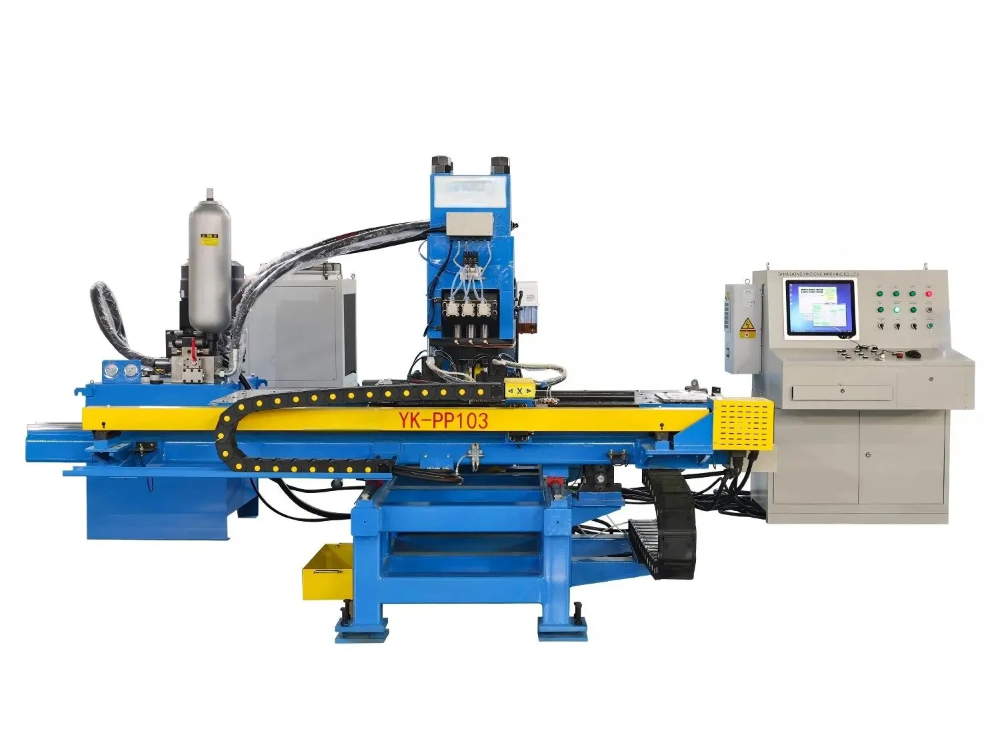
- CNC Punching And Marking Machine For Steel PlatesModels: YK-PP103 / YK-PPR103 / YK-PP104 / YK-PPR104
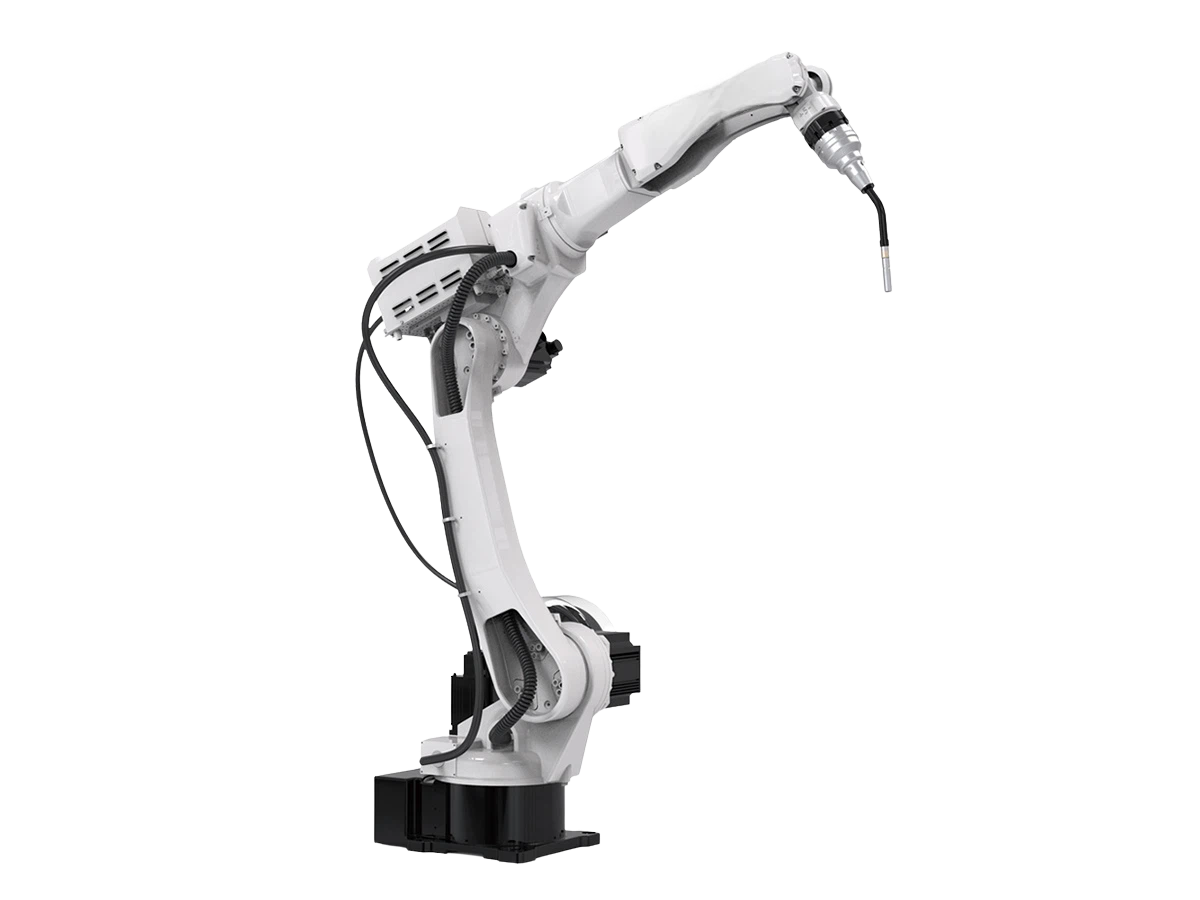
This series is a specialized CNC punching and marking machine designed primarily for steel plate processing in the steel tower industry. It is also well-suited for punching and marking applications across various other industrial sectors. - 6 Axis 2000mm ArmSpan MlG Industrial Welding RobotThis welding robot is designed for reliable arc welding in harsh production environments, featuring a long reach, stable repeatability, and flexible installation.
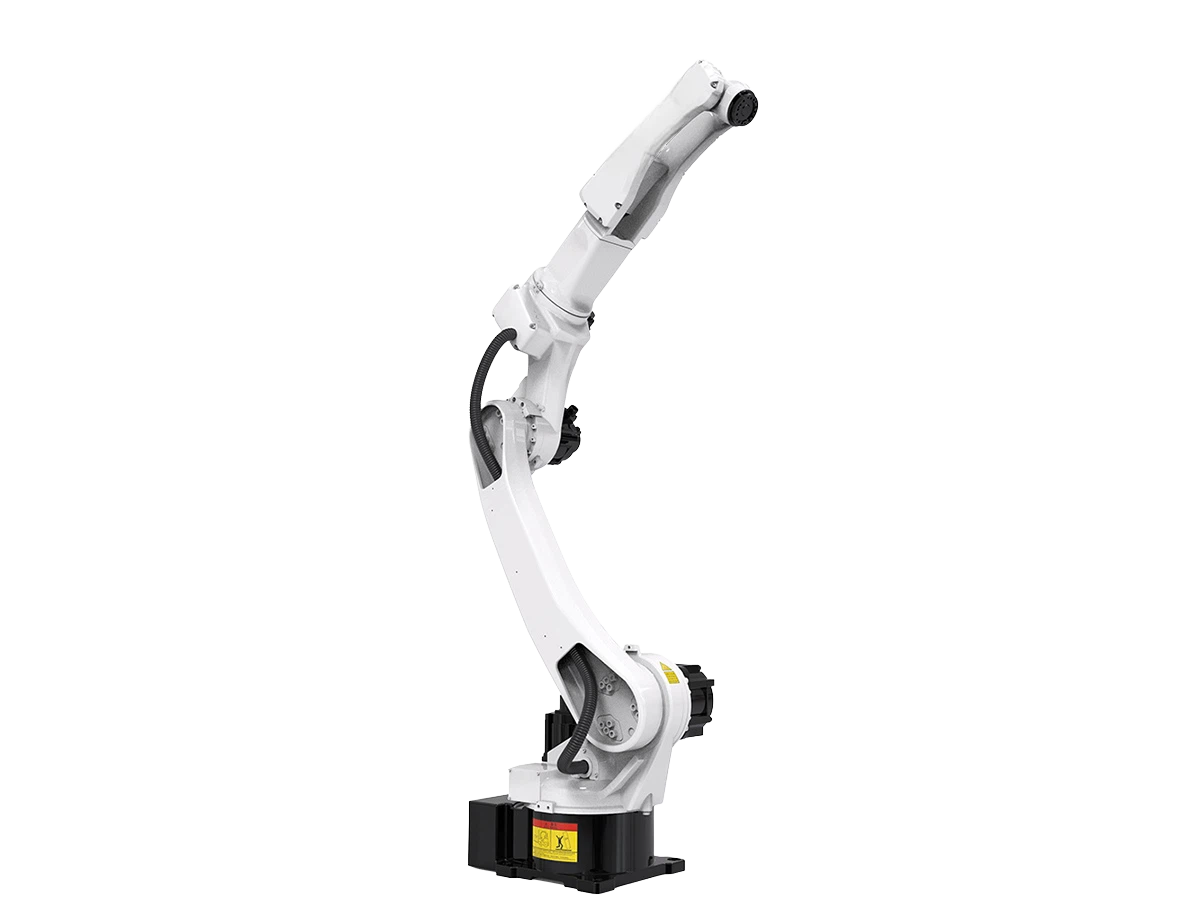
- Multipurpose Handing Robot BR20iB-20Explore the BR20iB-20 multipurpose robot for handling, welding, and cutting with 6-axis motion, ±0.08 mm repeatability, and flexible installation.

Send Us A Message