




What Thickness Can a CNC Shearing Machine Cut for H-Beam Flanges?
What Thickness Can a CNC Shearing Machine Cut for H-Beam Flanges?
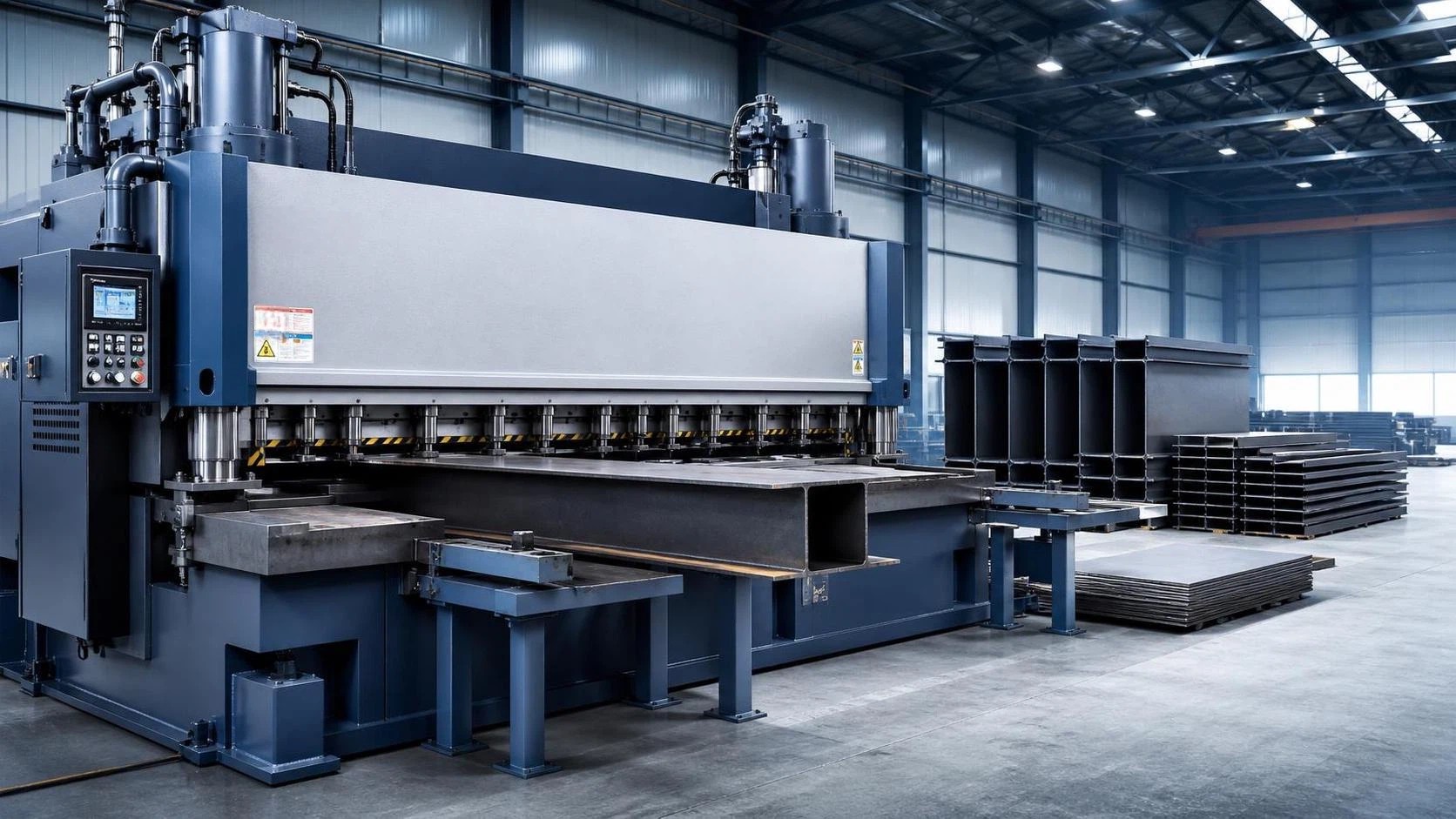
When people ask what thickness a CNC shearing machine can cut for H-beam flanges, they are usually looking for a number. In practice, that number alone is rarely enough to support a real purchase or production decision. A machine may be rated for a certain plate thickness under ideal conditions, yet fail to deliver consistent cut quality, dimensional repeatability, blade life, or stable throughput when processing flange material in daily production.
For H-beam fabrication, flange cutting is not a generic sheet metal task. The material is often structural steel, the plate can be relatively thick, and the downstream process may include assembly, welding, straightening, drilling, or end-face milling. If the shearing process introduces burrs, distortion, angular deviation, or edge cracking, the cost appears later in fitting and welding rather than at the cutting station itself.
That is why the more useful question is not simply “How thick can it cut?” but “At what thickness can it cut reliably for my flange material, my quality standard, and my production rhythm?”
Thickness capacity is always a conditional figure
In equipment catalogs, thickness capacity is often presented as a clean specification, such as a maximum thickness at a certain material strength and plate width. Buyers should treat that figure as a reference point, not as a universal production promise.
For H-beam flange applications, real cutting capacity depends on several interacting conditions:
- Material grade and tensile strength
- Plate width and length
- Required edge quality
- Permitted dimensional tolerance
- Blade material and blade clearance setting
- Machine frame rigidity and hydraulic stability
- Feeding, positioning, and support design
- Production duty cycle rather than single-stroke capability
A machine that can shear a thick flange plate once or twice in a test is not necessarily suitable for continuous industrial output. This is one of the most common misunderstandings in procurement discussions around CNC shearing machine thickness capacity for H-beam flanges.
Why flange cutting is different from ordinary plate shearing
H-beam flanges are not always especially thick compared with heavy plate applications, but they are quality-sensitive. In many fabrication lines, flange blanks must enter fit-up and welding with controlled width, straightness, and edge condition. Even small inconsistencies can create downstream issues:
- Difficulty aligning web and flange during beam assembly
- Larger weld gaps and higher filler consumption
- Reduced welding speed
- More grinding and rework
- Distortion accumulation through later process steps
For this reason, the practical thickness limit is often set not by whether the blade can physically penetrate the plate, but by the point at which cut quality stops meeting production requirements.
In structural steel fabrication, this distinction matters. A buyer comparing machines only by nominal tonnage or maximum thickness may overlook the more important issue: whether the machine can shear flange stock cleanly across the full working width without compromising productivity.
The four factors that most strongly affect thickness capacity
1. Material grade and strength
Thickness ratings are usually tied to mild steel or a standard carbon steel condition. Once the flange material shifts to higher-strength structural steel, actual capacity falls. This is basic cutting mechanics: stronger material requires more force and increases blade load.
In cross-border equipment sourcing, this point causes frequent confusion because steel naming systems differ by market. A machine rated for a certain thickness in one supplier’s brochure may assume a material strength that is not the same as the buyer’s actual flange stock. If the tensile strength basis is not clearly stated, the specification is incomplete.
For that reason, serious buyers should always ask: thickness capacity at what material grade or tensile strength? If this is not confirmed, the number should be treated as provisional.
2. Plate width
A shearing machine may cut a given thickness only up to a certain width. Wider flange blanks increase total cutting force and put more demand on frame rigidity, hold-down performance, and hydraulic consistency. In real fabrication, flange plates are not narrow strips cut under ideal support conditions. They may be broad enough that deflection and handling become relevant.
So the meaningful question is not only maximum thickness, but maximum thickness at the actual flange width used in production.
3. Blade quality and clearance control
Blade material, heat treatment, sharpening condition, and clearance adjustment all influence whether a thick flange plate can be cut cleanly. Incorrect blade clearance can lead to excessive burr, tearing, rollover, or accelerated blade wear. As thickness increases, setup becomes less forgiving.
For CNC shearing applications, numerical control improves repeatability in backgauge positioning and process setup, but it does not eliminate the need for correct blade management. A machine with advanced controls and weak blade performance will still produce poor results on demanding flange work.
4. Machine structure and hydraulic stability
Thickness capacity is closely tied to structural rigidity. During heavy shearing, frame deformation, uneven blade engagement, or unstable hydraulic pressure can affect cut squareness and edge condition. This is especially important when the buyer expects consistent batch production rather than occasional heavy cuts.
Machines intended for industrial structural steel processing typically need a stronger frame, reliable hold-down arrangement, and a hydraulic system designed for repetitive heavy-load duty. Catalog specifications alone do not always reveal this difference clearly.
What thickness ranges are commonly seen in practice
Without a confirmed machine model, material specification, and plate width, it would be unreliable to state a single exact value. In the market, CNC shearing machines used for steel fabrication can cover a broad range, from thinner sheet applications to much heavier plate work. For H-beam flange preparation, practical requirements often fall into moderate or medium-thick plate processing rather than ultra-heavy plate cutting.
A useful industry observation is this: as flange thickness rises, the number of machines that can cut it is not the main issue. The number of machines that can cut it efficiently, repeatedly, and with acceptable edge quality drops much faster.
That is the decision boundary buyers should focus on.
If your flange work is in a lighter structural range, many standard CNC shears may appear technically suitable. If your operation regularly handles thicker structural plate, higher-strength material, or demanding tolerance requirements, machine selection should shift from nominal capacity comparison to application verification. In such cases, buyers should request cutting tests using their actual material specification whenever possible.
How to evaluate real capacity instead of brochure capacity
A reliable technical review usually includes more than the maximum thickness line in a quotation. Buyers, engineering teams, and project managers should verify the following points before making a judgment.
Cutting basis
Ask the supplier to define the rated material. If the rating is based on mild steel only, request the expected capacity for the actual flange material grade used in your plant or project.
Working width under load
Check whether the claimed thickness applies across the full flange width you intend to process. Some machines perform well at reduced width but lose stability as width increases.
Edge quality expectations
Clarify what “cuttable” means. Does it mean the material separates, or that the cut edge is suitable for direct assembly and welding? These are not the same standard.
Duty cycle
For production lines, the question is whether the machine can maintain output at that thickness over a full shift. Continuous heavy cutting affects oil temperature, wear rate, blade life, and maintenance interval.
Positioning accuracy and repeatability
For flange blanks, length consistency matters. CNC control should be evaluated not just as a feature, but as part of process capability. Poor repeatability can negate the value of high cutting force.
After-sales support and consumables
In export transactions, blade supply, hydraulic component replacement, electrical compatibility, documentation, and service response all influence actual usability. A technically adequate machine can still become a poor asset if maintenance support is weak.
Common mistakes in selecting a shear for H-beam flange work
One frequent mistake is assuming that more tonnage always means better suitability. Higher force matters, but an oversized machine may increase capital cost, energy use, and maintenance burden without improving flange cutting quality if the actual bottleneck lies in handling, control, or blade setup.
Another mistake is treating CNC as a guarantee of heavy-duty capability. CNC improves automation and repeatability, but it does not substitute for robust mechanical design. Buyers should separate control sophistication from actual cutting strength.
A third mistake is ignoring downstream process impact. If a lower-cost machine leaves rough edges or dimensional variation that later slows beam assembly, the apparent savings disappear in welding labor and quality correction.
There is also a procurement mistake common in international trade: comparing quoted maximum thickness values from different suppliers without checking whether they are based on the same test conditions. Unless material grade, width, and quality criteria are aligned, such comparisons are not technically meaningful.
When shearing may not be the best process
In some H-beam flange applications, shearing is not automatically the best solution. If the material is very thick, especially strong, or requires a particularly clean edge for later precision work, alternative cutting processes may deserve consideration. These can include thermal cutting or other plate preparation methods depending on productivity targets and quality requirements.
This does not mean shearing is unsuitable. In many fabrication environments, it remains an efficient and economical option for flange blank preparation. But its advantage depends on matching the machine’s real operating window to the material and production plan. Once the operation pushes beyond that window, cycle time, edge quality, or maintenance cost can become unfavorable.
What buyers should ask suppliers before making a decision
For a practical evaluation, the most useful supplier discussion is specific and evidence-based. The following questions usually reveal more than a standard brochure:
- What is the maximum flange thickness for the specific steel grade we use?
- At that thickness, what plate width is allowed?
- Can the supplier provide cut samples or test video using comparable material?
- What edge quality can be expected without secondary finishing?
- What is the recommended blade material and replacement interval?
- How is blade clearance adjusted for different flange thicknesses?
- What production rate is realistic at the intended thickness?
- What standards or certifications apply to the machine build and electrical system?
- Which hydraulic and electrical components are used, and how serviceable are they in the destination market?
These questions matter for both technical validation and supply risk control. For import buyers especially, the best machine on paper is not always the best machine in operation.
A more useful way to think about thickness capacity
For H-beam flange processing, thickness capacity should be understood as a range of reliable operating performance, not as a single peak figure. The upper edge of that range is shaped by steel strength, flange width, blade condition, machine rigidity, and acceptable cut quality.
That is why experienced buyers do not ask only for the maximum thickness. They ask where the machine performs comfortably, where it begins to require compromise, and where production risk increases.
In other words, the best decision is rarely based on the thickest cut a CNC shearing machine can achieve once. It is based on the thickest flange it can process repeatedly, accurately, and economically within the realities of H-beam fabrication.
For companies comparing equipment across suppliers and markets, that distinction is the difference between buying capacity and buying usable capability.
search
Recommended Products
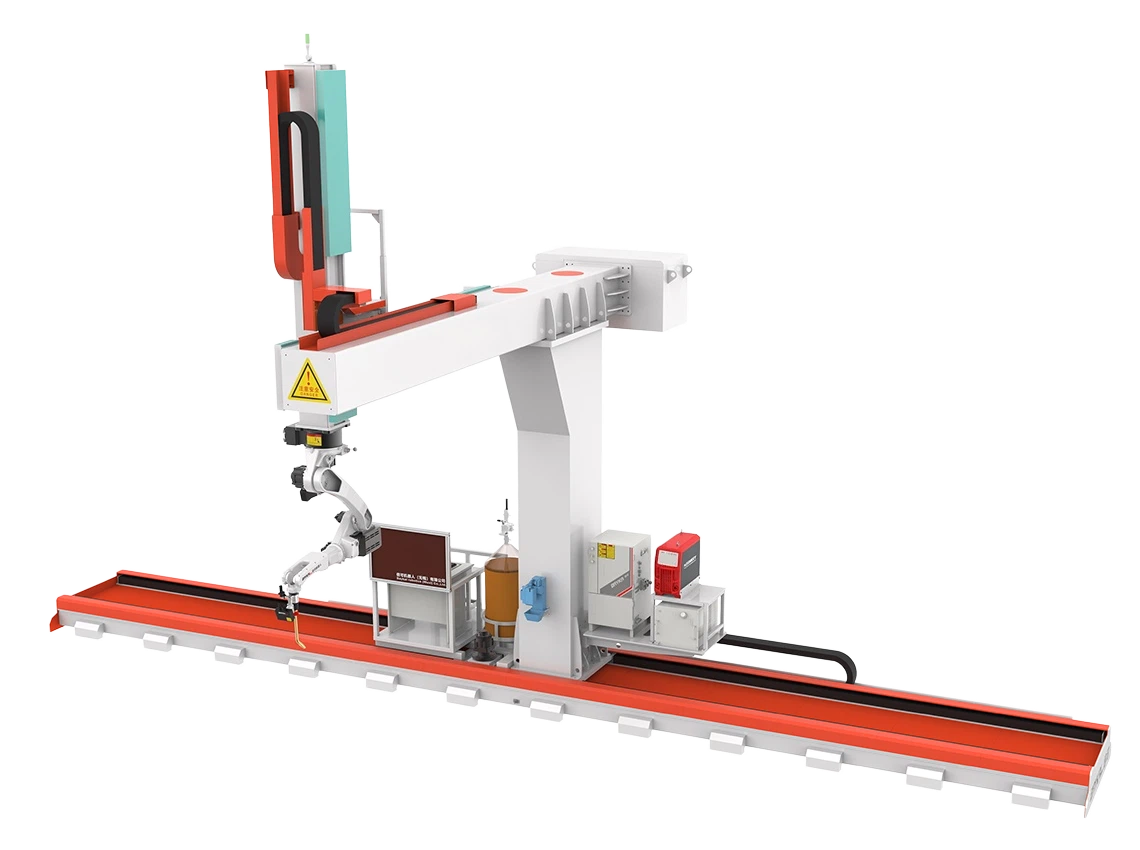
 9 axis cantilever type welding robot9 axis cantilever type welding robot for large steel workpieces with auto tracking, 3D import, and efficient CNC welding automation.
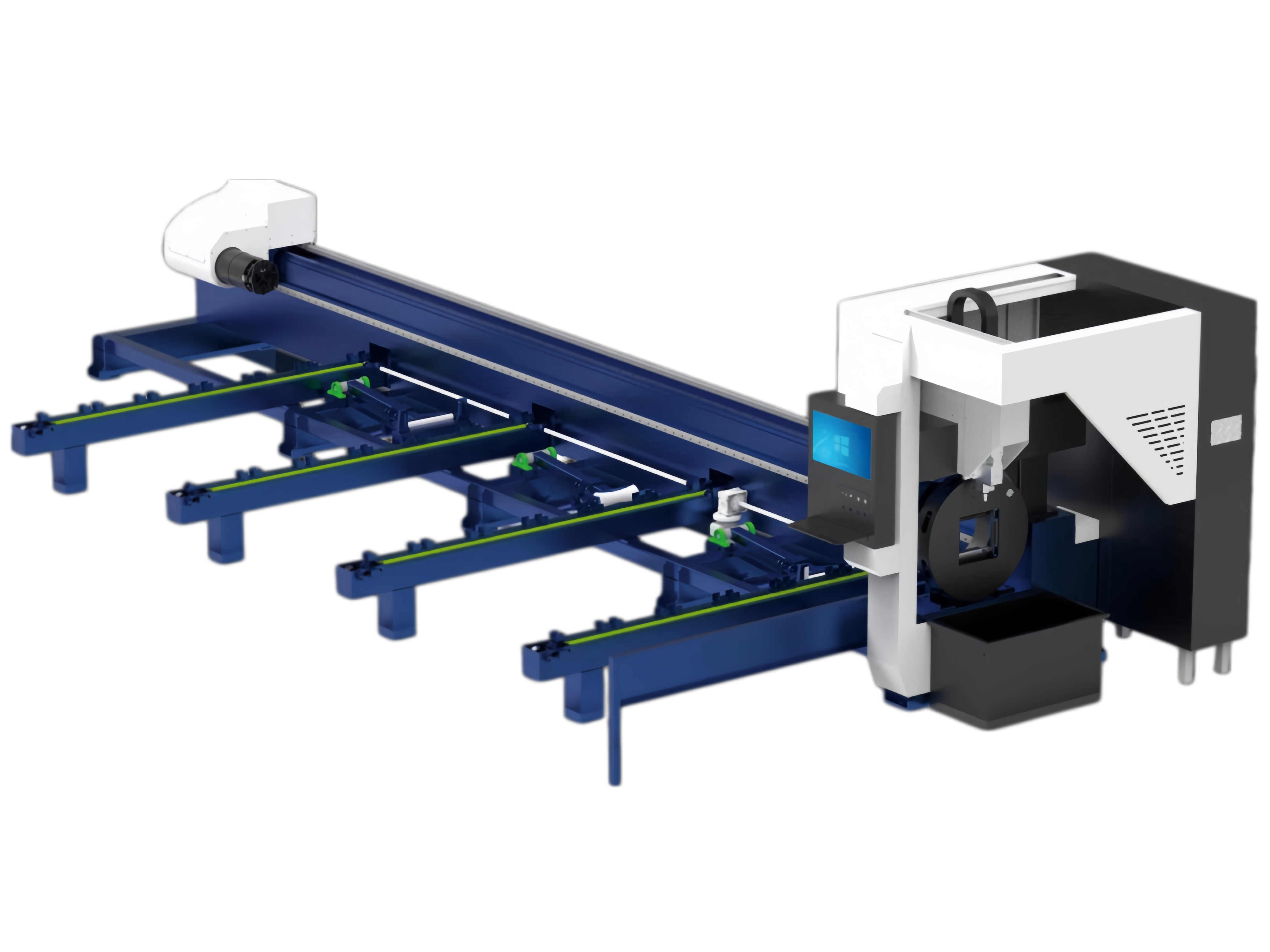
 Pipe cnc fiber laser cutting machine1.Introduction for Pipe cnc fiber laser cutting machine:
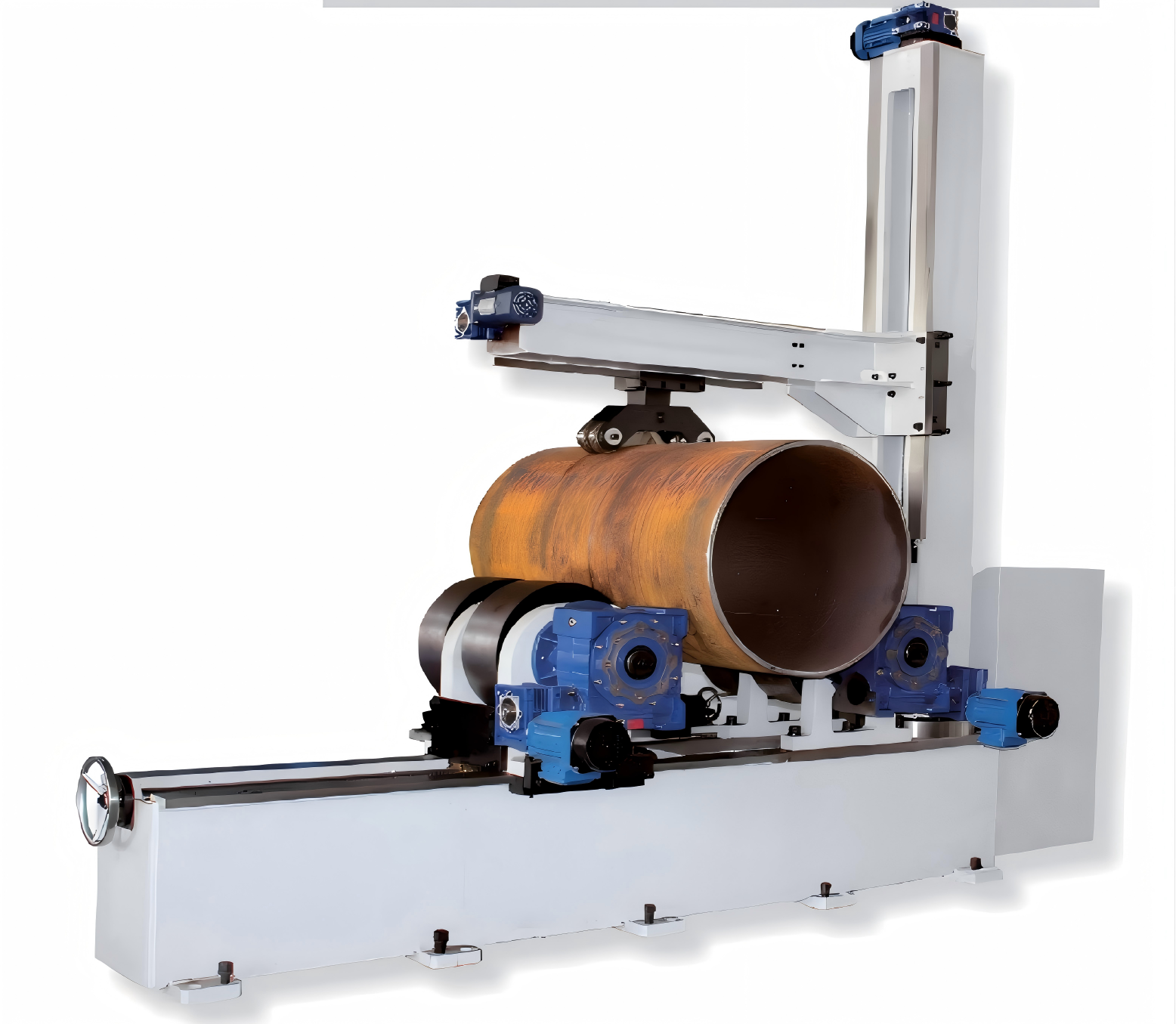
The laser cutting machine focuses the laser beam emitted from the laser source through the optical path system into a high-power-density laser beam. This laser beam is directed onto the surface of the workpiece, causing it to reach the melting point or boiling point. At the same time, the high-pressure gas coaxial with the laser beam blows away the molten or vaporized metal. Beveling & Milling Edge For Heavy TankThis series of heavy tank beveling and milling edge machines is a specialized, high-efficiency solution designed for beveling large storage tanks, pressure vessels, and heavy structural components. The main frame features an integrated welded construction followed by high-temperature stress-relief annealing, effectively eliminating internal stresses to ensure long-term dimensional stability and prevent deformation. The machine combines high-rigidity design with advanced control technology, purpose-built to handle the challenges of extra-thick plates and oversized workpieces.
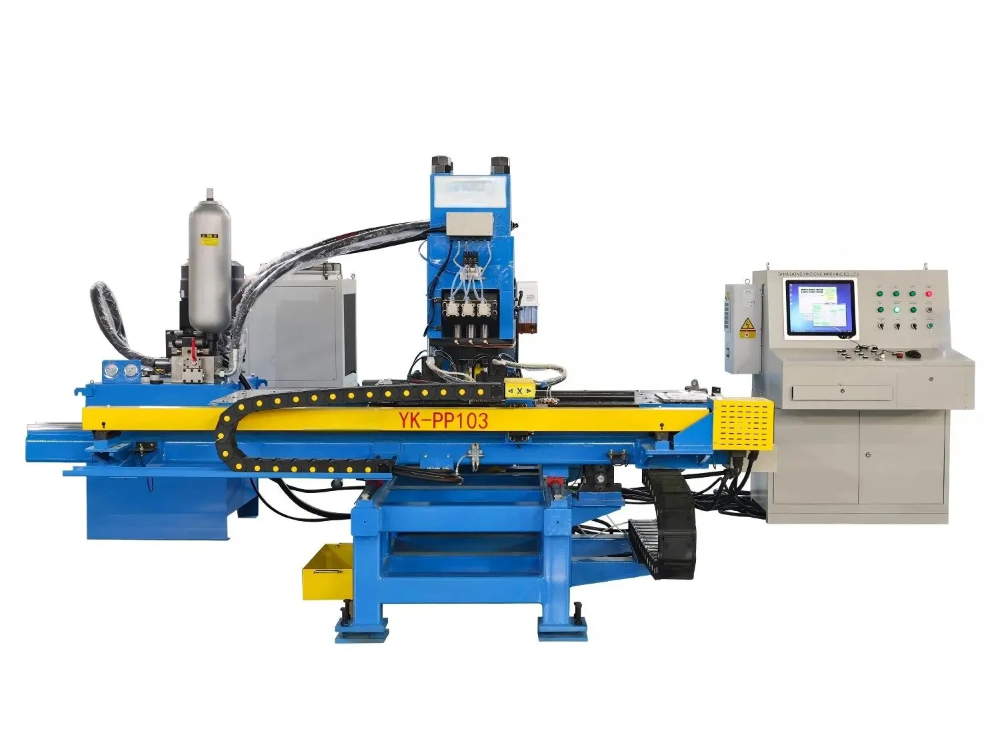
- CNC Punching And Marking Machine For Steel PlatesModels: YK-PP103 / YK-PPR103 / YK-PP104 / YK-PPR104
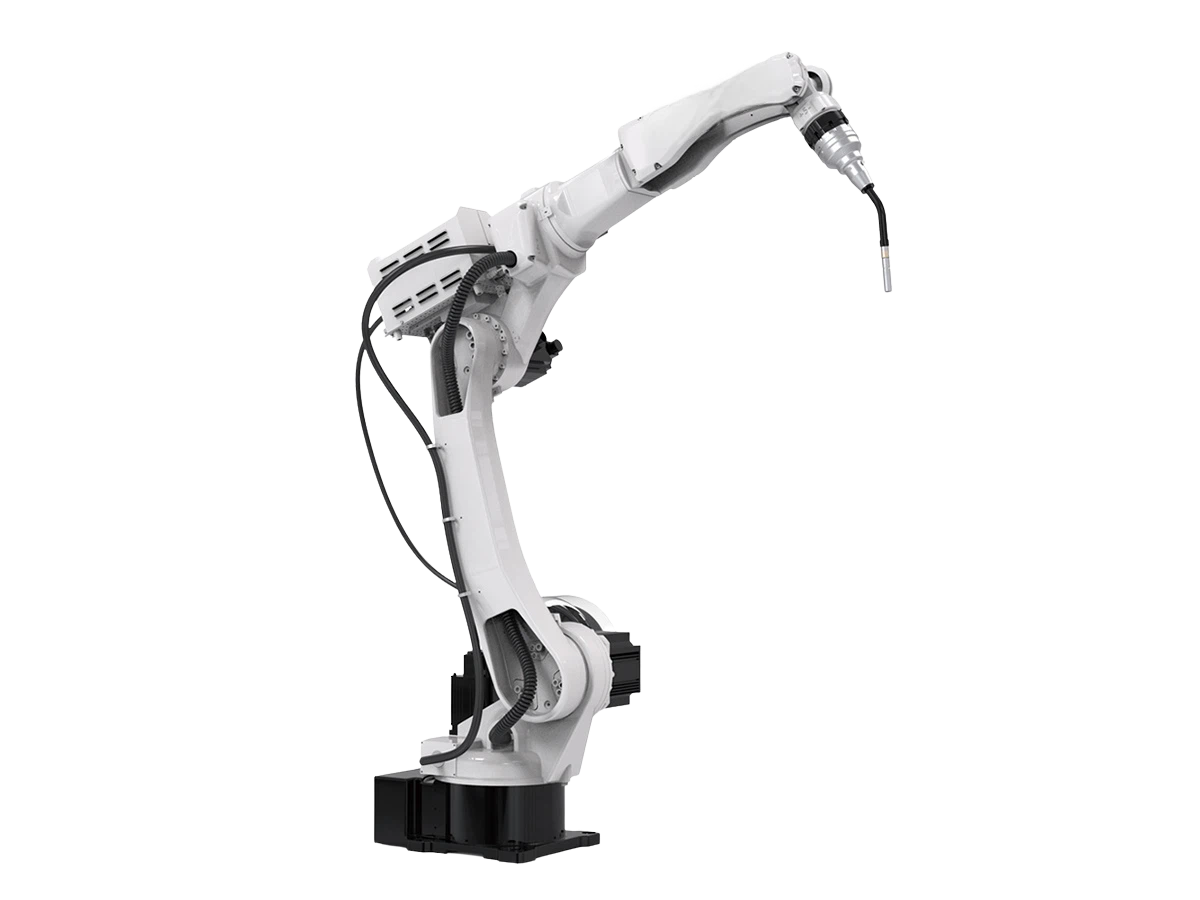
This series is a specialized CNC punching and marking machine designed primarily for steel plate processing in the steel tower industry. It is also well-suited for punching and marking applications across various other industrial sectors. - 6 Axis 2000mm ArmSpan MlG Industrial Welding RobotThis welding robot is designed for reliable arc welding in harsh production environments, featuring a long reach, stable repeatability, and flexible installation.
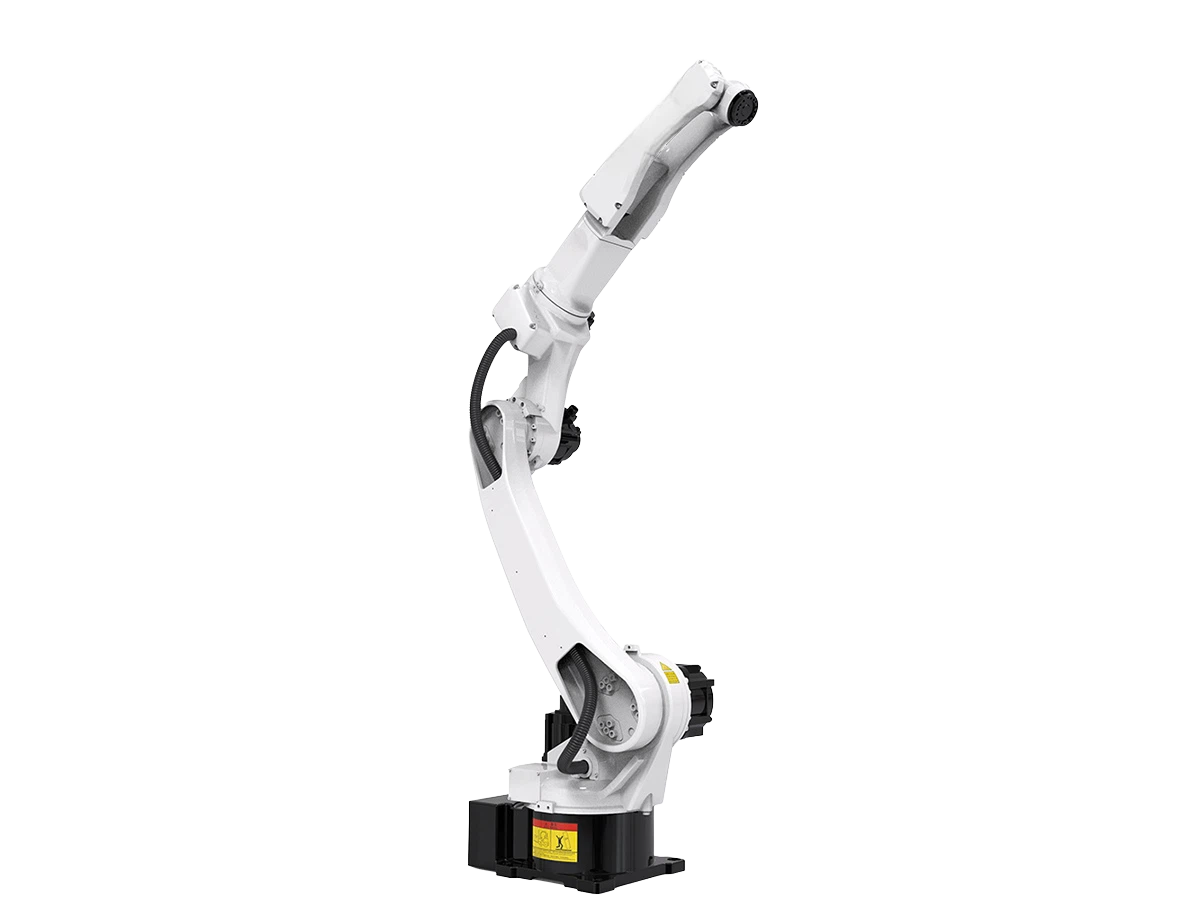
- Multipurpose Handing Robot BR20iB-20Explore the BR20iB-20 multipurpose robot for handling, welding, and cutting with 6-axis motion, ±0.08 mm repeatability, and flexible installation.

Send Us A Message