




Space Frame Welding Machine Factory: A Deep Dive into Manufacturing Standards and Quality Control
Welcome to the definitive industry guide on space frame welding machine factory operations. This resource decodes the engineering principles behind these specialized systems, explores their critical role in modern construction and manufacturing, and provides actionable insights for sourcing high-quality equipment. Whether you are evaluating a new production line or optimizing an existing one, this document serves as your technical and commercial compass.
What Is A Space Frame Welding Machine Factory? Definition And Industrial Standards
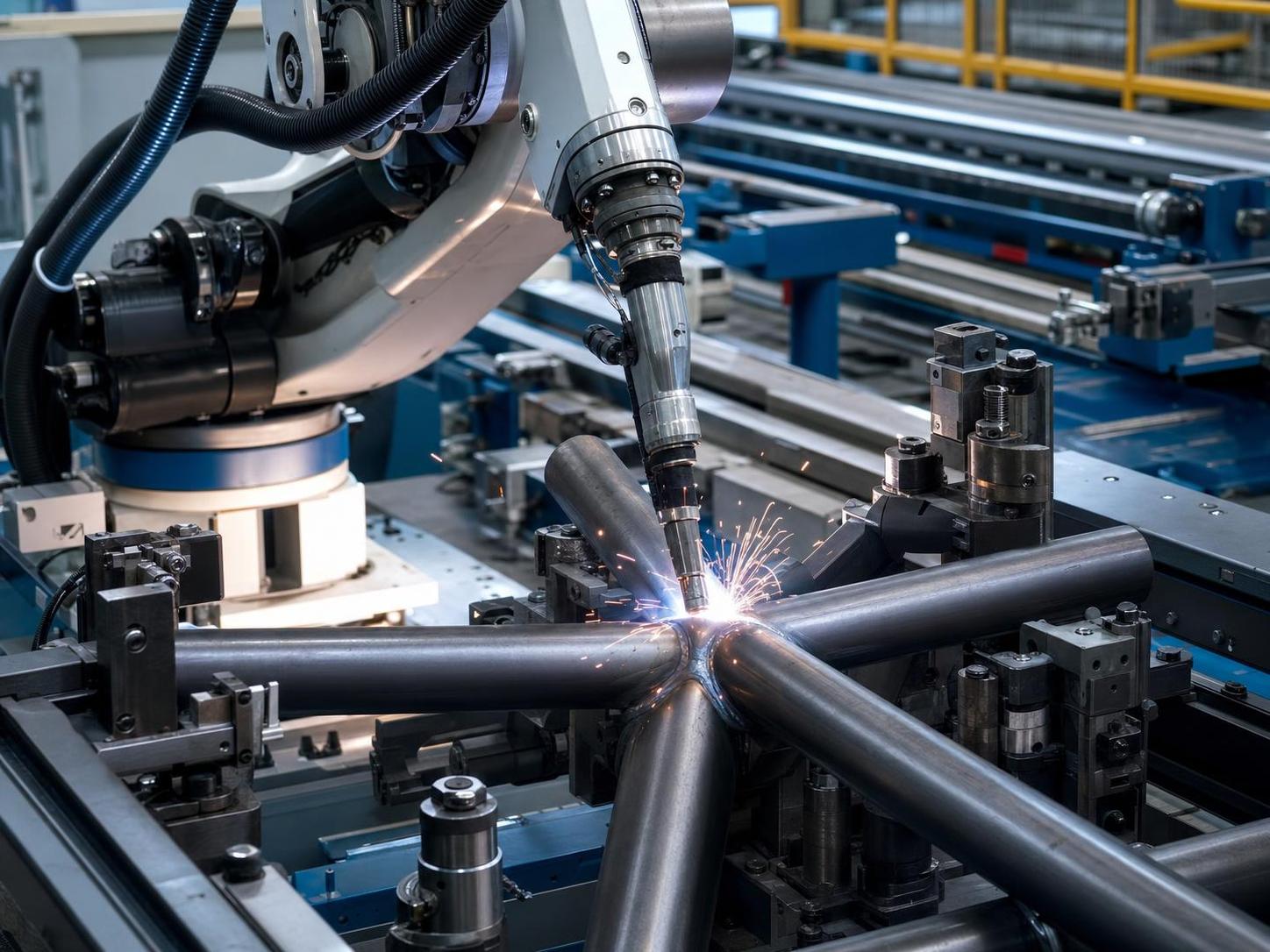
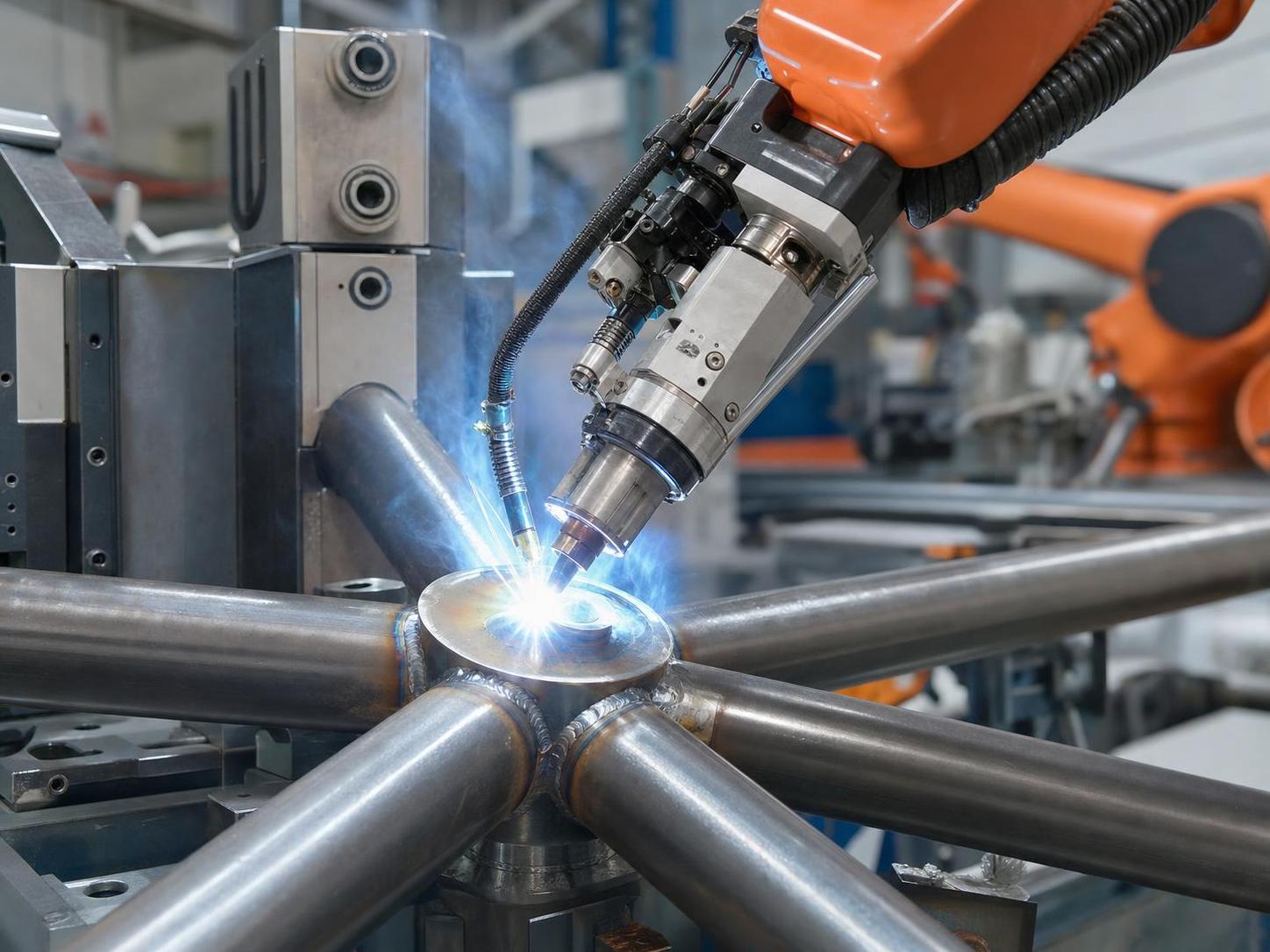
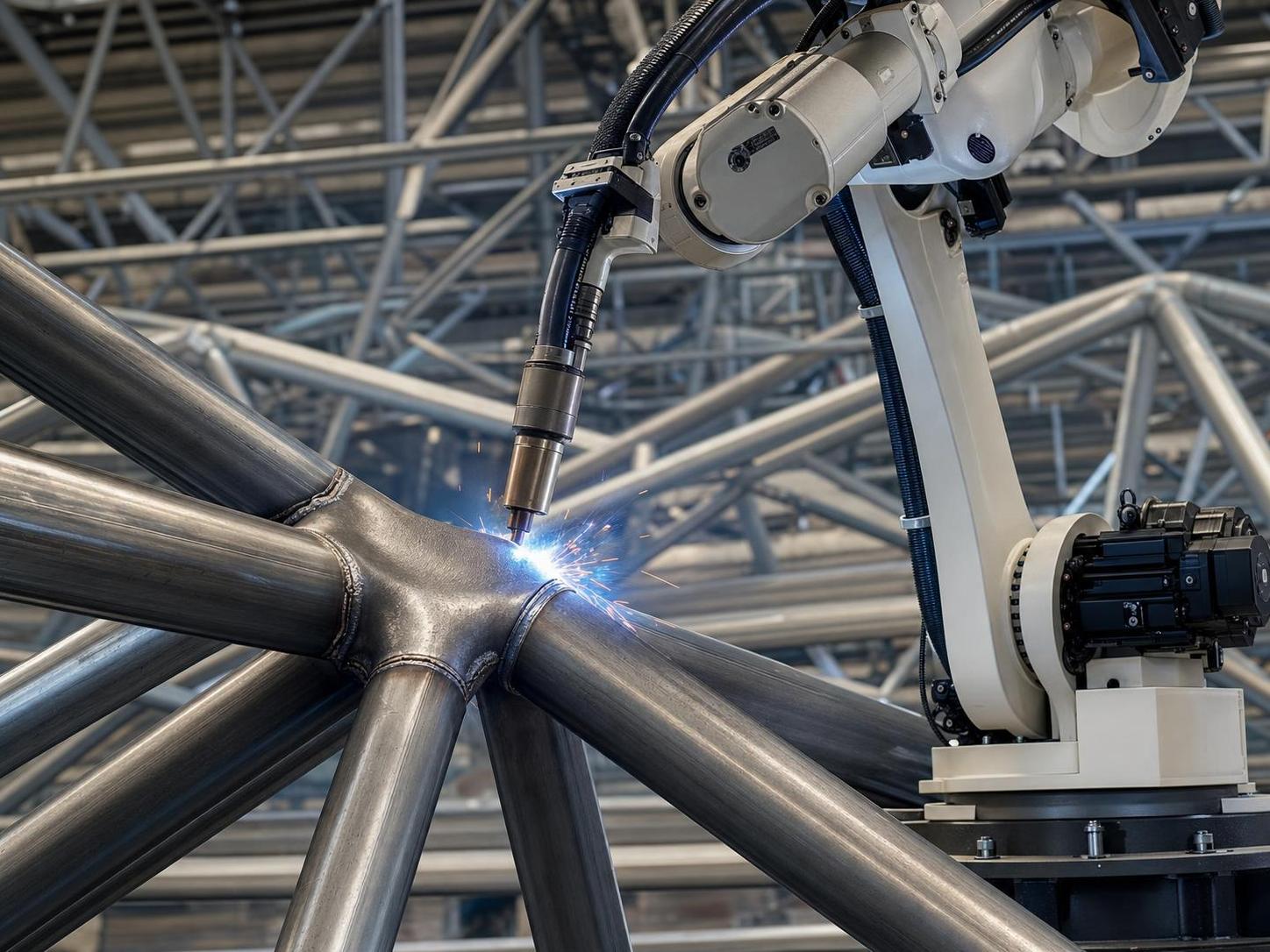
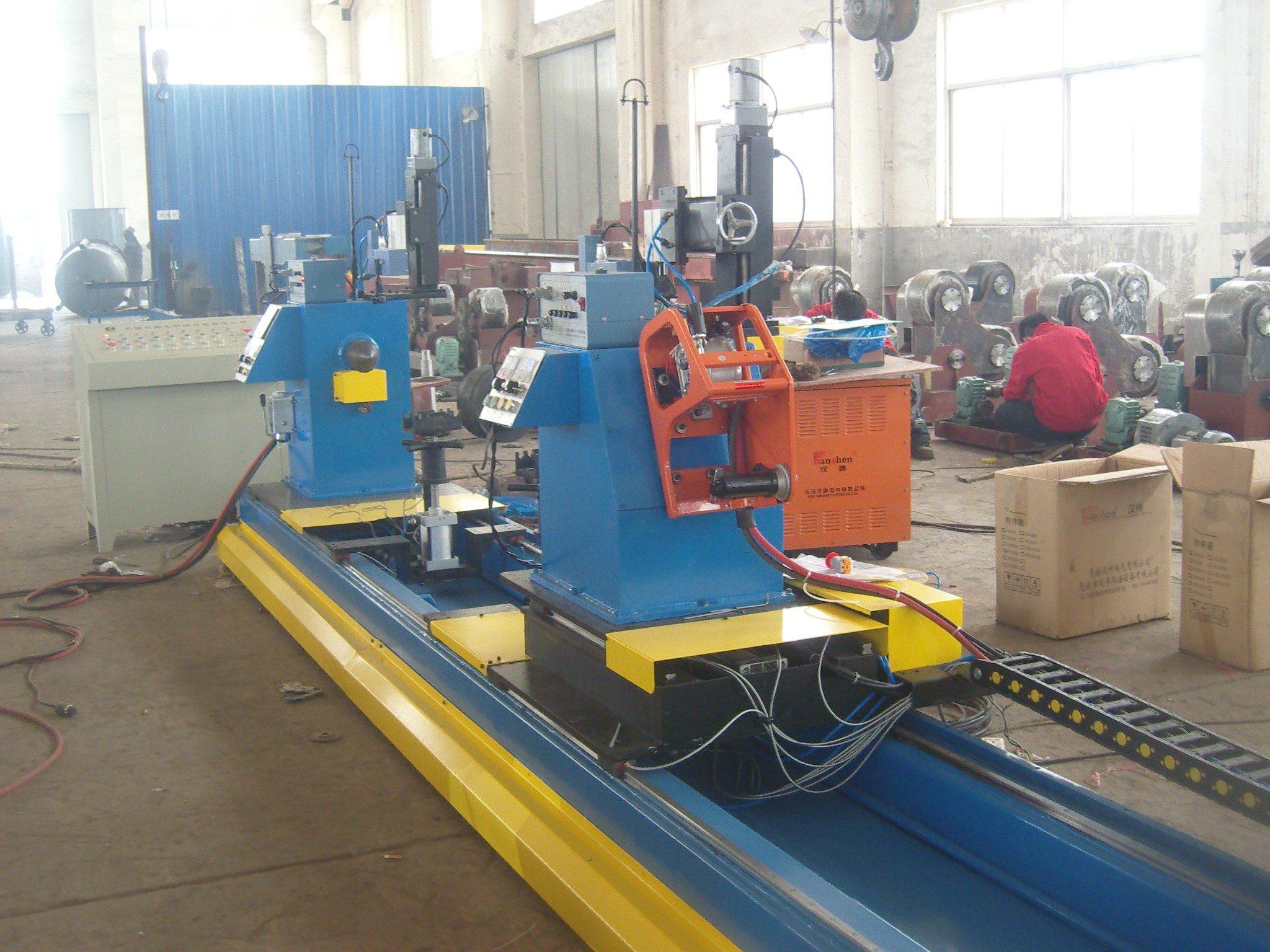
A space frame welding machine factory refers to a manufacturing facility specialized in producing automated welding equipment designed specifically for assembling and joining space frame structures. These structures, often used in large-span buildings, stadiums, exhibition centers, and industrial plants, consist of tubular or hollow-section members that require high-precision, multi-axis welding.
The core equipment produced in such a factory includes welding manipulators, welding rotators, welding positioners, and specialized pipe welding machines. These machines must meet rigorous industrial standards including ISO9001 quality management systems and EU CE Machinery & LVD directives. A reputable factory also holds utility model patents for welding and cutting equipment, demonstrating continuous innovation in motion control and joint quality.
A factory like Wuxi Samgins exemplifies this definition by offering a comprehensive product line that extends beyond space frame welders to include H-beam production lines, fiber laser cutters, CNC press brakes, and welding robots. This breadth ensures that a single factory can be a one-stop solution for complete fabrication shops.
Industrial standards dictate that a space frame welding machine factory must adhere to strict quality control protocols. These include weld seam inspection using ultrasonic or X-ray testing, load testing for welding rotators, and repeatability checks for robotic arms. Compliance with ASME and API codes is often required for international projects, especially in oil and gas or steel structure applications.
Why Choose A Specialized Space Frame Welding Machine Factory? Advantages Over Traditional Methods
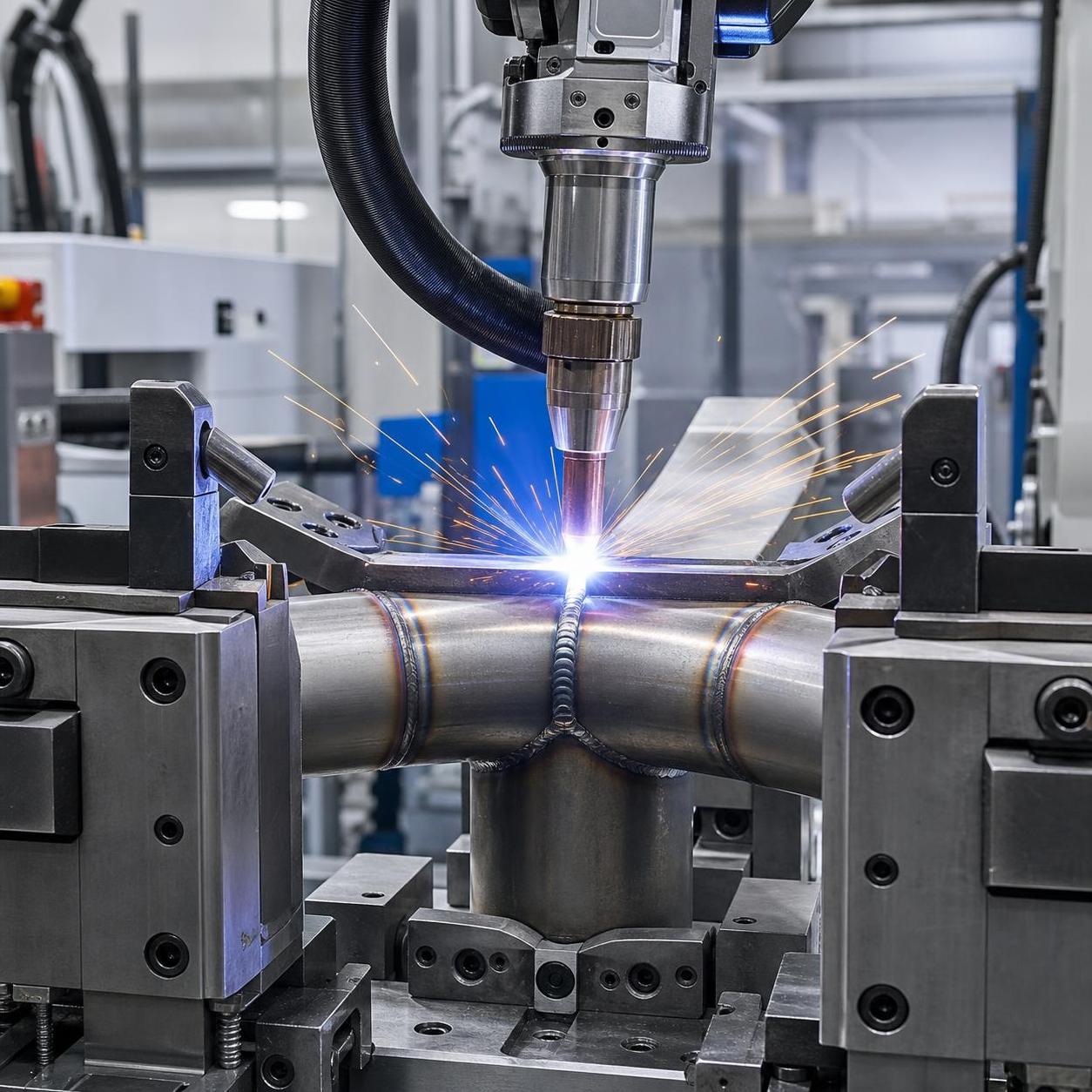
Traditional manual welding of space frames is labor-intensive, inconsistent, and slow. In contrast, a dedicated space frame welding machine factory provides automated solutions that dramatically improve weld quality and production throughput. The primary advantage lies in precision: machines like welding positioners and rotators enable the workpiece to be held at the exact angle required for optimal weld penetration, reducing defects and rework.
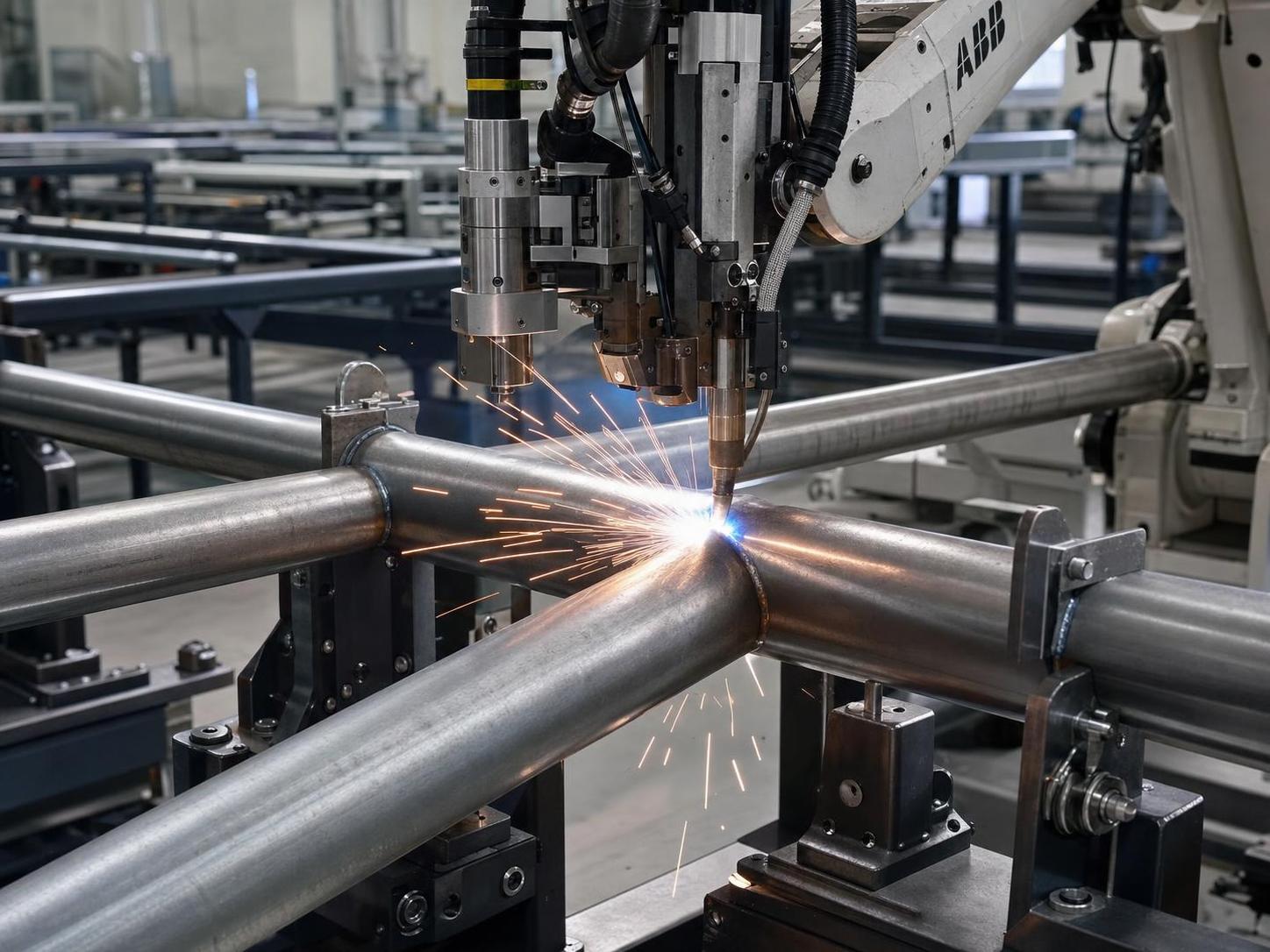
Efficiency gains are substantial. A modern welding robot from a specialized factory can weld a space frame node in a fraction of the time taken by a skilled welder, while maintaining uniform arc length and travel speed. This translates into lower per-unit labor costs and faster project completion, which is critical for large-scale construction timelines.
Wuxi Samgins offers customized 7-axis and 9-axis welding robots and heavy-duty welding rotators that are tailored to handle large-diameter pipes and complex joint geometries typical of space frames. These systems integrate with automatic wire feeders and shielding gas controllers, ensuring every weld meets the required mechanical properties.
Reliability is another decisive factor. A specialized factory uses world-famous imported hydraulic, servo, and CNC components to guarantee high precision, stability, and long service life. This reduces downtime and maintenance costs, making the total cost of ownership more attractive than repairing or replacing manual welding setups.
Who Needs A Space Frame Welding Machine Factory? Target Audience And Key Applications
The primary audience for a space frame welding machine factory includes fabricators of steel structures, manufacturers of pre-engineered buildings, and companies specializing in large-diameter pipe welding. Specific decision-makers within these organizations are procurement managers, plant engineers, and operations directors who are responsible for sourcing capital equipment that meets both production and quality targets.
Another significant segment is heavy equipment manufacturers, such as those producing cranes, bridges, and port infrastructure. These applications require welding machines that can handle thick-walled sections and maintain consistency across hundreds of identical joints. Wuxi Samgins has successfully served clients like Lincoln Electric-MENA and Estructuras Metalicas Girders Chile Limitada, demonstrating its capability in demanding industrial environments.
Tank and pipeline construction companies also rely on space frame welding technology. The ability to weld longitudinal and circumferential seams with precision is critical for pressure vessels and water pipelines. Factories that offer longitudinal seam welding machines and heavy-duty rotators are particularly valuable to these clients, as they enable the fabrication of custom storage tanks and pipes.
Smaller fabricators and repair shops also benefit from these machines, although they may opt for entry-level models or customized solutions. The factory’s ability to provide a broad product range, from welding rotators to shot blasting machines, allows these shops to gradually build out their capabilities without sourcing from multiple vendors.
Where And When To Use Equipment From A Space Frame Welding Machine Factory? Global Market Access And Project Case Studies
Equipment from a space frame welding machine factory is deployed in a wide range of geographic and industrial contexts. From the arid deserts of Kazakhstan (BatysMunaiGazZhabdyktary LLP) to the bustling construction sites of Chile (Estructuras Metalicas Girders Chile Limitada), these machines are essential for creating durable infrastructure. The timing for investment typically coincides with the launch of a new fabrication plant, facility expansion, or modernization of existing production lines.
For international buyers, a factory with over 10 years of global export experience is invaluable. Wuxi Samgins has exported to diverse destinations including Russia (URALSTANKOIMPORT), Australia (MD Calbah Industries Pty Ltd), Nigeria (S.P Blue Fisheries LDA), and Sri Lanka (Rienzie Group). This global footprint demonstrates the ability to meet stringent international shipping, documentation, and certification requirements.
The equipment is used at different project stages. For instance, during the initial fabrication phase, welding manipulators and positioners are employed to assemble primary structural nodes. Later, during on-site assembly, portable welding rotators may be used for field joints. A factory that offers comprehensive support, including design, manufacturing, sales, and after-sales service, can help clients plan the equipment deployment lifecycle effectively.
Market access is facilitated by compliance with local codes. A factory familiar with ASME, API, and EU directives can ensure that machinery meets the specific requirements of different regions. This reduces the risk of non-compliance fines, customs delays, or project shutdowns.
When To Invest In A Space Frame Welding Machine? Maintenance Cycles And Industry Trends
The right time to invest in equipment from a space frame welding machine factory is when a company faces bottlenecks in manual welding, experiences high reject rates, or plans to enter markets requiring higher quality standards. The initial investment should be aligned with a long-term production forecast of at least 3-5 years to achieve a positive return on investment.
Preventive maintenance is critical for maximizing the lifespan of these machines. Key components like welding torches, wire feeders, and rotator bearings should be inspected every 500 operating hours. Hydraulic systems require fluid changes annually, while CNC controllers benefit from software updates every two years. A factory that provides long-term warranties and comprehensive technical support can significantly reduce unplanned downtime.
Industry trends are shifting towards greater automation and digitalization. The integration of weld monitoring sensors, cloud-based data logging, and remote diagnostics is becoming standard. Factories like Wuxi Samgins are incorporating these technologies into their welding robots and H-beam production lines, allowing clients to track weld parameters in real time and predict maintenance needs.
Another trend is the demand for multi-function machines that can handle diverse tasks such as welding, cutting, and milling. The factory’s product lineup, which includes CNC flame cutting machines, CNC fiber laser cutting machines, and edge milling machines, reflects this shift toward a more integrated workshop environment.
How Does A Space Frame Welding Machine Factory Ensure Quality? Manufacturing Process And Quality Control
Quality in a space frame welding machine factory starts with the selection of raw materials and components. High-grade steel for frames, imported servo motors, and reliable CNC controllers are the foundation of a durable machine. The factory’s commitment to using world-famous brands for key hydraulic and electronic parts ensures long-term accuracy and low maintenance.
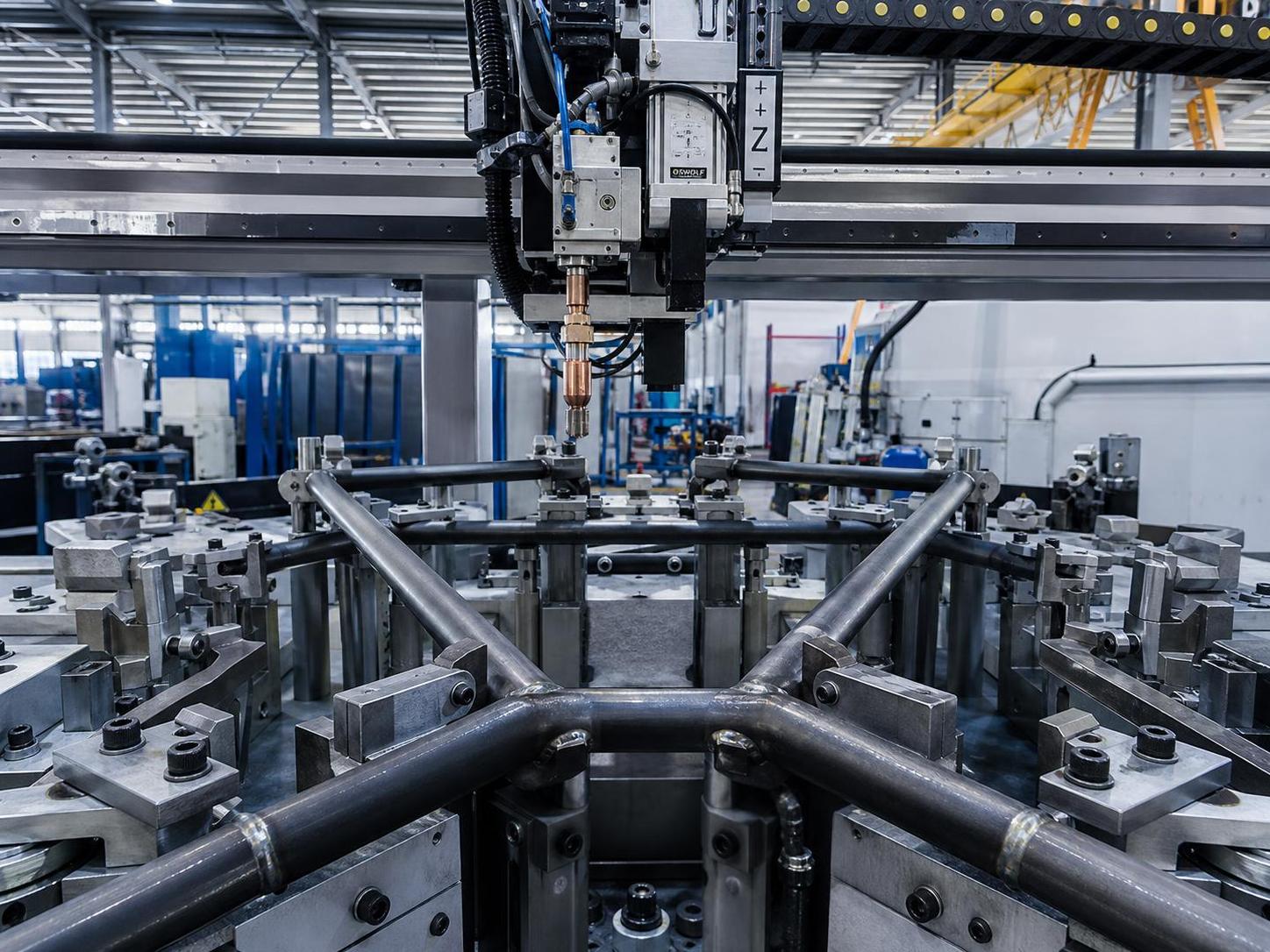
The manufacturing process involves precision fabrication of machine bases, welding of support structures, and assembly of rotational and positioning mechanisms. Each unit goes through a multi-stage assembly process in which welders, fitters, and electricians verify alignment and clearances. For example, a 12-meter pipe welding machine requires extremely precise alignment of its roller beds and tailstocks to avoid distortion.
Wuxi Samgins emphasizes rigorous quality control throughout production. This includes in-process inspections, trial runs under load, and final acceptance testing. All machines comply with the ISO9001 quality system and EU CE Machinery & LVD directives, and the company holds multiple utility model patents that attest to its engineering innovation.
Quality assurance does not end at factory gate. After-sales support includes installation guidance, operator training, and a responsive spare parts supply. The factory addresses common client concerns such as quality variance, delivery delays, and incomplete services by providing a comprehensive service from design through to technical support, ensuring that the equipment performs reliably in the field for years.
How Much Does Equipment From A Space Frame Welding Machine Factory Cost? Total Cost Of Ownership And ROI Factors
The upfront cost of equipment from a space frame welding machine factory varies widely depending on the machine type, customization level, and automation features. A basic welding positioner might cost several thousand USD, while a fully integrated 9-axis welding robot system with a heavy-duty rotator can exceed six figures. However, the total cost of ownership (TCO) is a more reliable metric for procurement decisions.
Key TCO components include purchase price, installation and commissioning fees, energy consumption, maintenance parts, and operator training. A well-designed machine from a factory like Wuxi Samgins, which uses high-quality imported components and offers long warranties, reduces ongoing costs by minimizing breakdowns and extending service intervals.
Return on investment (ROI) should consider increased production throughput, reduced scrap rates, and lower labor dependency. For instance, replacing two manual welders with one automated welding robot can double output while reducing rework by 30%. Factories that offer customization for specific applications can further improve ROI by ensuring the machine fits the exact production workflow.
Financing and after-sales support also influence TCO. The factory’s ability to provide comprehensive support from design through to after-sales service helps address common concerns like delivery delays and incomplete service, ensuring that the machine is producing revenue as quickly as possible. Prospective buyers are advised to request a detailed total cost proposal and reference customer case studies to validate performance claims before making a final investment.
search

Recommended blogs
 Automatic Space Frame Welding Machine Price: What Drives Total Investment?
- Space Frame Welding Machine Market Trends in Automated Steel Fabrication
- Space Frame Welding Machine Acceptance Standards for Weld Quality Control
- Manual vs Automatic Space Frame Welding Machine: Which Delivers Better ROI?
- Which Space Frame Welding Machine Fits Steel Structure Fabrication Best?
 Space Frame Welding Machine Basics: Key Components, Process, and Output
Send Us A Message
Send us a Message
A dedicated person will follow up on your needs one-on-one and provide personalized customized solutions according
to your needs.
Get In Touch
We look forward to hearing from you for in-depth communication on how to fulfill your mixing requirements.