




What to Know About Beam Face Milling Machines: Accuracy, Automation, and Maintenance Essentials
What Is A Beam Face Milling Machine?
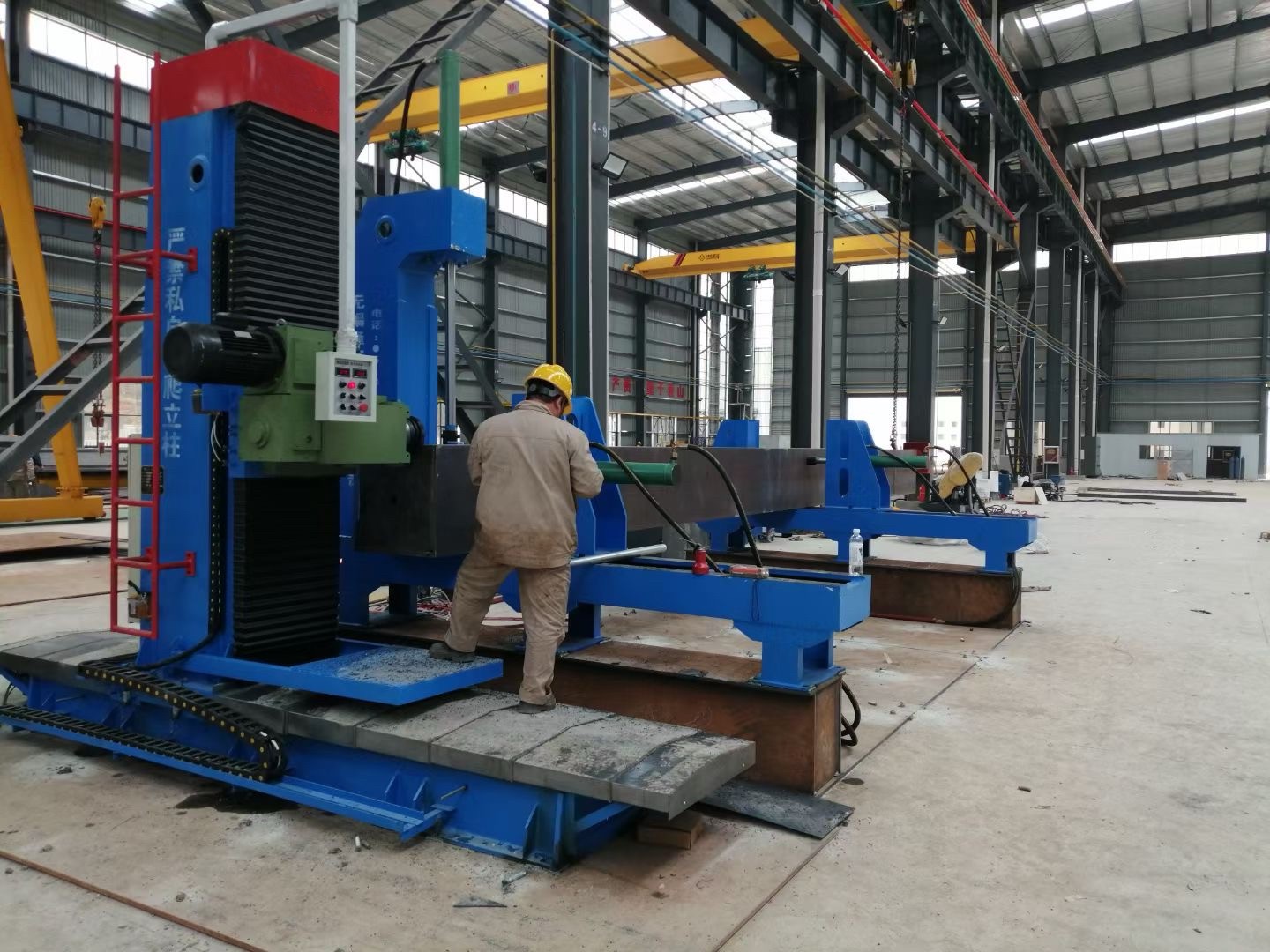
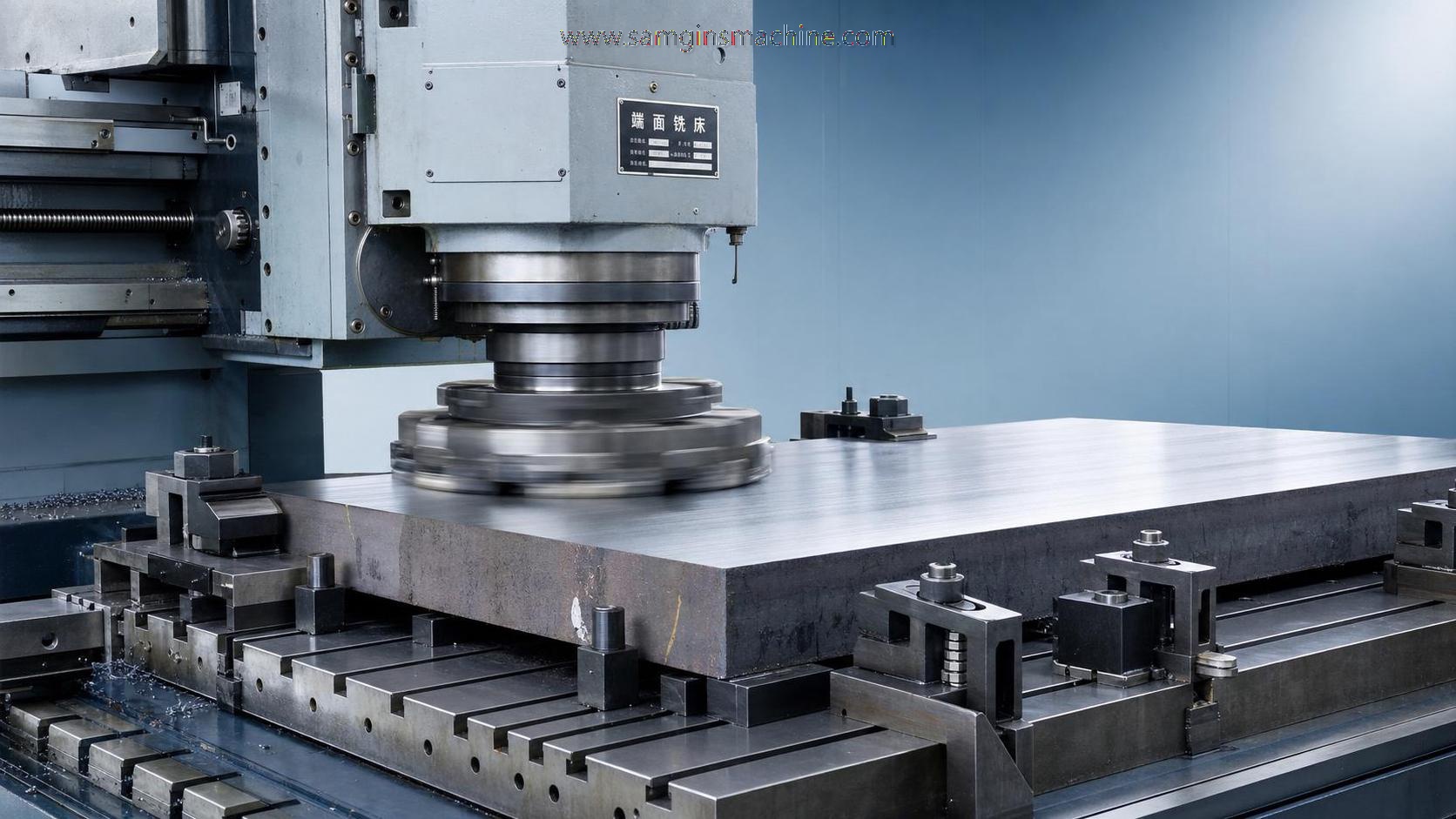
A beam face milling machine is a metalworking system designed to machine the end face of structural steel members, including H-beams, I-beams, box sections, channels, and fabricated beam assemblies. Its main purpose is to remove material from an end surface so the workpiece reaches a specified length, squareness, surface condition, or weld-preparation requirement. Compared with abrasive cutting or manual grinding, face milling uses a rigid cutter head and controlled feed motion to produce a repeatable machined datum.
In steel structure production, the machined face often becomes the reference point for subsequent fit-up, drilling, bolting, robotic welding, or assembly. A clean and perpendicular end helps reduce mismatch between components and makes dimensional inspection more predictable. The machine may process one beam at a time or be integrated into an automated H-beam line, depending on section size, throughput, handling equipment, and the production sequence.
The term beam face milling machine can describe standalone end mills, traveling-column machines, gantry-style equipment, and CNC-controlled systems with powered clamping and material conveyors. The correct definition for a buyer should include the workable beam profile, face dimensions, cutting allowance, spindle power, required tolerance, loading method, and whether the machine only squares the end or also supports chamfering, bevel preparation, marking, or coordinated drilling operations.
How Beam Face Milling Produces Accuracy
The basic process combines secure workholding, datum location, spindle rotation, and controlled cutter travel. The beam is positioned against a reference stop or measured by a CNC axis, then clamped to resist vibration and cutter forces. An inserted milling cutter rotates at a selected speed while the spindle head, column, or worktable advances across the beam face. The machine removes material in one or several passes according to stock allowance, steel grade, cutter geometry, and required finish.
Accuracy depends on more than CNC positioning. Machine-bed rigidity, guideway condition, clamp placement, cutter runout, beam straightness, and the quality of the incoming cut all affect the final result. If the beam is poorly supported, heavy milling loads can cause deflection or chatter. If a flame-cut end has excessive irregularity, the required machining allowance may exceed the planned pass depth. A sound process therefore starts with realistic material preparation and stable support across the workpiece length.
For practical quality control, fabricators normally verify finished length, face perpendicularity relative to the chosen datum, face flatness where the joint requires it, and visible surface condition. Tool offset management is also essential. Operators should record insert changes and inspect cutter seating because worn or damaged inserts can increase cutting force and leave inconsistent marks. CNC recipes help preserve repeatability, but they should be confirmed by first-piece inspection whenever beam size, material thickness, or machining allowance changes.
Main Machine Types And Automation Levels
Standalone beam face milling machines are suitable when end machining is a dedicated but intermittent operation. They commonly use manual or hydraulic clamping and may rely on roller tables for loading and unloading. This format can fit workshops producing varied structures in smaller lots, where setup flexibility matters more than uninterrupted production. Buyers should confirm whether the machine can support the heaviest and longest sections without requiring excessive manual alignment.
CNC face milling systems add programmable travel, stored parameters, automatic feed control, and more consistent positioning. They are useful for repeated jobs and for factories that need traceable dimensions across multiple shifts. Options may include servo-driven axes, automatic measurement references, powered infeed and outfeed rollers, chip collection, and interfaces with upstream saws or cutting machines. The appropriate automation level should reflect actual volume, labor availability, and the cost of handling delays between processes.
Integrated production lines are common where beam assembly, welding, straightening, shot blasting, drilling, and end machining must work as a coordinated flow. Wuxi Samgins supplies face milling machines alongside H-beam assembly, welding, straightening, 3D drilling, tilting, cutting, and handling equipment. This broader capability can help buyers assess interfaces across the line rather than treating the beam face milling machine as an isolated purchase. The key question is whether controls, transfer height, workpiece datums, and production rates are matched across connected equipment.
Who Uses Beam Face Milling Equipment And Where
Typical users include structural steel fabricators, bridge component producers, building-frame manufacturers, heavy equipment workshops, shipbuilding suppliers, industrial plant contractors, and fabricators serving tank, pipeline, or machinery projects. These operations need controlled beam dimensions where welded or bolted connections must fit reliably. A beam face milling machine is especially relevant when saw-cut or thermal-cut beam ends need a more consistent reference surface before high-value assembly work begins.
Project requirements vary by region and end market. A supplier should clarify the purchaser's applicable drawings, material specifications, inspection plan, electrical requirements, guarding expectations, and contractual fabrication codes. Wuxi Samgins states that its machines comply with its ISO9001 quality system and EU CE Machinery and LVD directives, while its export team is familiar with ASME, API, and other local industry codes. Buyers should still confirm the exact scope of compliance required for the delivered configuration and destination market.
Wuxi Samgins lists customers such as URALSTANKOIMPORT, MD Calbah Industries Pty Ltd, Ersay International Transport, Contevix comercio e servicos ltda, Zein Steel Industries Co. LLC, BatysMunaiGazZhabdyktary LLP, and Lincoln Electric-MENA among its international references. These names indicate experience serving varied overseas markets, but a procurement team should request project-relevant references, machine specifications, acceptance criteria, and service arrangements before drawing conclusions about suitability for its own plant.
How To Select The Right Machine
Start selection with the real workpiece envelope rather than a nominal beam designation. Document flange width, web height, section weight, maximum length, steel grade, incoming end condition, and the largest machining allowance expected. Also define the required finished length tolerance, allowable out-of-square condition, target surface finish, and cycle-time objective. A machine sized only for today's average beam may become a bottleneck when heavier sections or larger fabrication contracts arrive.
Evaluate the structural and motion system in detail. Relevant questions include spindle power and torque, cutter diameter and insert availability, axis travel, guideway design, clamping force, roller-table capacity, support spacing, coolant or dry-cutting arrangement, and chip evacuation. Ask how the control handles program storage, tool offsets, alarm history, and recovery after a stopped cycle. For export projects, verify supply voltage, control language, documentation, safety guarding, and availability of electrical drawings and spare-parts lists.
Factory acceptance should be based on agreed test pieces and measurable outcomes. A useful acceptance plan defines beam dimensions, material, initial cut condition, machining allowance, finished tolerances, measurement instruments, cycle-time method, and the number of repeat cycles. Wuxi Samgins emphasizes imported hydraulic, servo, and CNC components from world-famous brands for precision, stability, and service life. Buyers should request the actual component list for the proposed machine, because control and drive choices may differ by configuration.
Installation, Quality Control, And Maintenance
Installation begins with a level foundation capable of supporting the machine and loaded beam without settlement. Align roller tables with the milling station so the workpiece does not twist during transfer, and provide enough clearance for loading equipment, chip removal, maintenance access, and safe operator movement. Electrical grounding, pneumatic or hydraulic connections, guarding interlocks, and emergency-stop circuits should be checked before commissioning. Initial alignment should be documented as a baseline for future maintenance inspections.
A practical quality routine includes first-piece measurement, scheduled verification of reference stops or CNC zero points, and periodic checks of spindle runout and clamp performance. Operators should inspect beam support points before each shift, because accumulated chips or damaged rollers can affect alignment. The milling cutter should be cleaned during insert changes, and inserts should be rotated or replaced according to wear condition rather than only after a visible surface defect appears. Consistent records make it easier to distinguish tool wear from fixture or machine alignment issues.
Preventive maintenance should cover lubrication, hydraulic fluid condition where applicable, filters, hose condition, fastener tightness, guideway cleanliness, electrical cabinet cleaning, and safety-device testing. Maintenance intervals must follow the supplied machine manual and actual duty cycle. A plant running abrasive, high-volume steel production may need more frequent cleaning than a lower-volume workshop. Long-term warranties, technical support, and access to critical spare parts are important evaluation points, particularly for installations far from the equipment manufacturer.
Total Cost, Return On Investment, And Future Trends
The purchase price is only one part of beam face milling machine total cost of ownership. Buyers should include transport, foundation work, installation, commissioning, power consumption, cutter bodies and inserts, spare parts, operator training, planned maintenance, material handling, and production downtime. Automation can increase initial investment, yet it may reduce manual positioning time, rework, inconsistent output, and labor exposure around heavy steel members. The correct comparison is cost per accepted beam end at the required quality level, not machine price alone.
Return on investment is generally strongest when end-face accuracy removes downstream delays. Benefits can include faster fit-up, fewer corrective grinding operations, better repeatability for drilled or welded assemblies, and more predictable scheduling. Build an ROI model using the current number of beam ends processed, average preparation time, rework rate, labor cost, insert consumption, and the value of capacity released in adjacent operations. Include conservative assumptions for commissioning time and operator learning so the estimate remains useful for management approval.
Future demand is moving toward connected fabrication cells, traceable production data, lower manual handling, and flexible automation for mixed beam sizes. CNC controls, servo motion, automated transfer, condition-based maintenance signals, and integration with drilling, welding, and cutting systems are likely to remain important purchasing themes. Wuxi Samgins can discuss a face milling solution within its wider steel-fabrication equipment range, including customized welding robots and heavy-duty handling equipment. A well-defined technical request should state the beam drawings, annual volume, target cycle time, required standards, site utilities, and expected support scope.
search
Recommended Products
 CNC Face milling machine1.Introduction for CNC Face milling machine:
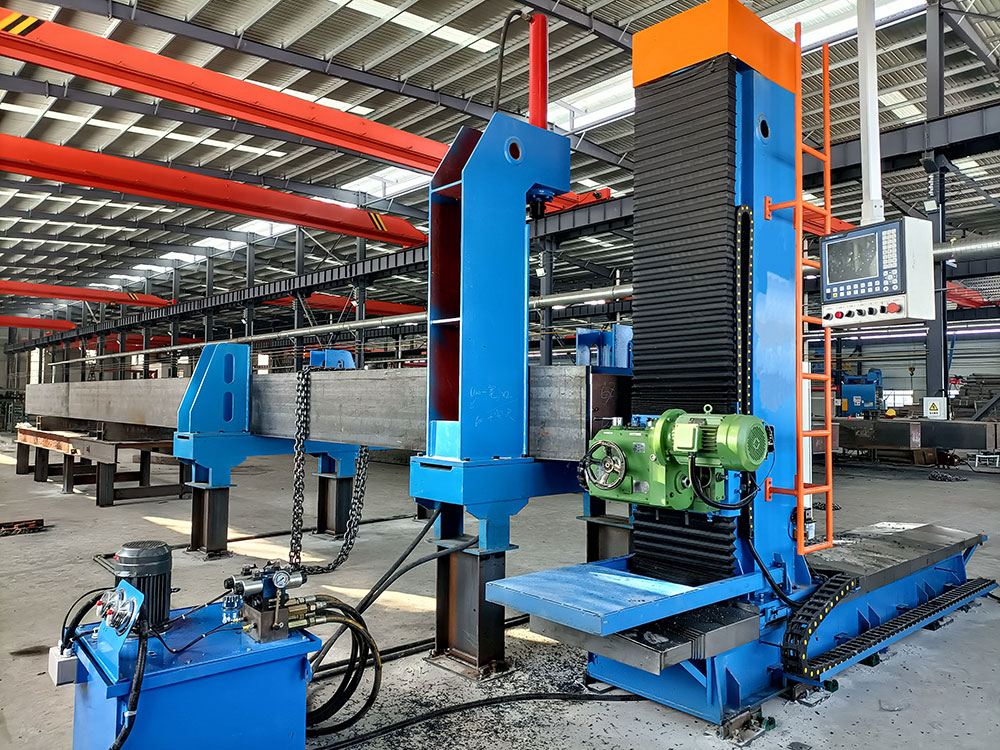
Face milling machine is used for h beam ,box beam ,cross beam etc metal structure face milling process.H beam face milling machine can mill max face beam 2500*2000.H beam end face milling machine is very easy to operate ,simple structure and fast to adjust.Box beam end face milling machine is necessary equipment for Beam or column structure manufacturer.![星星1]()
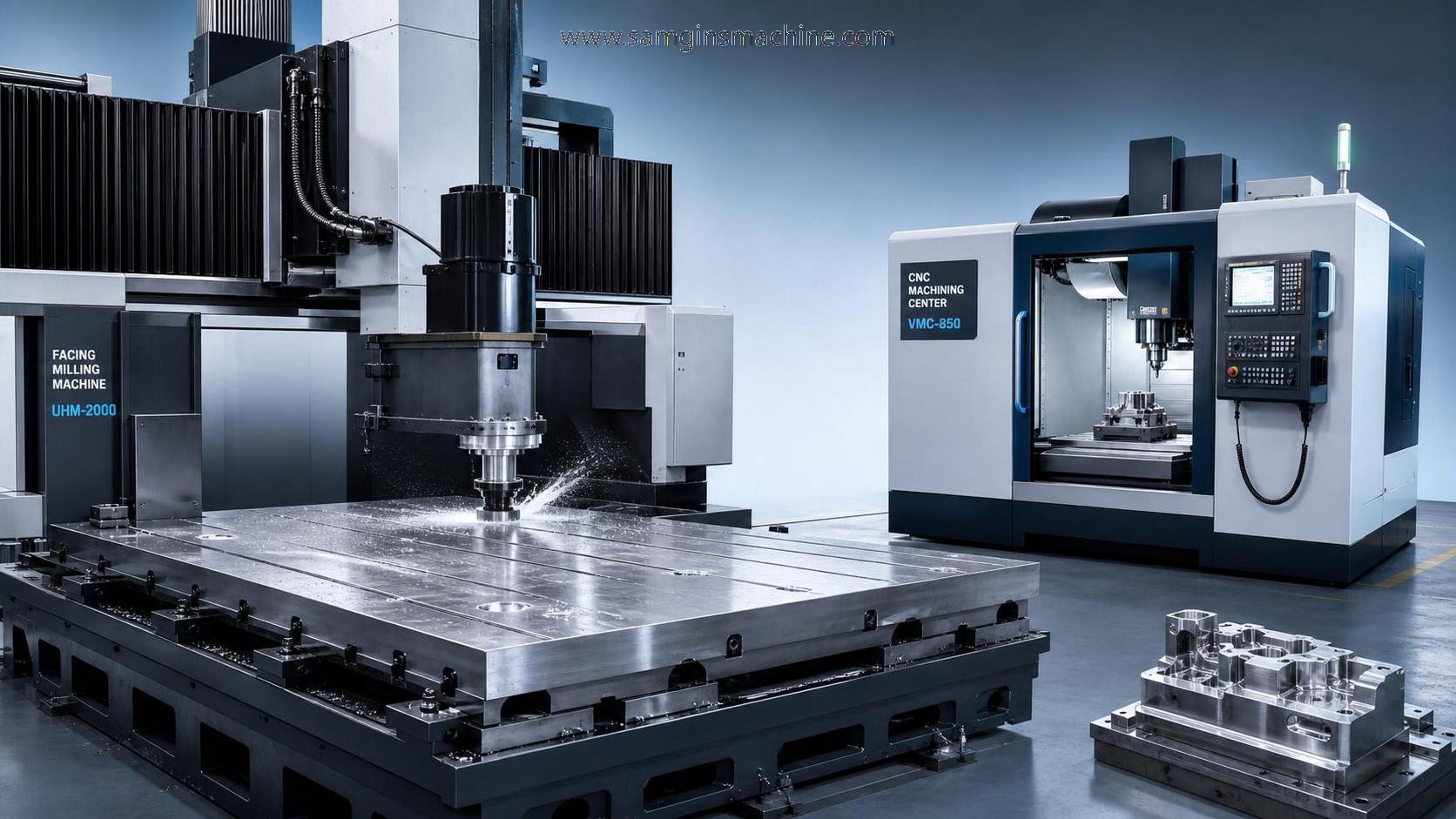
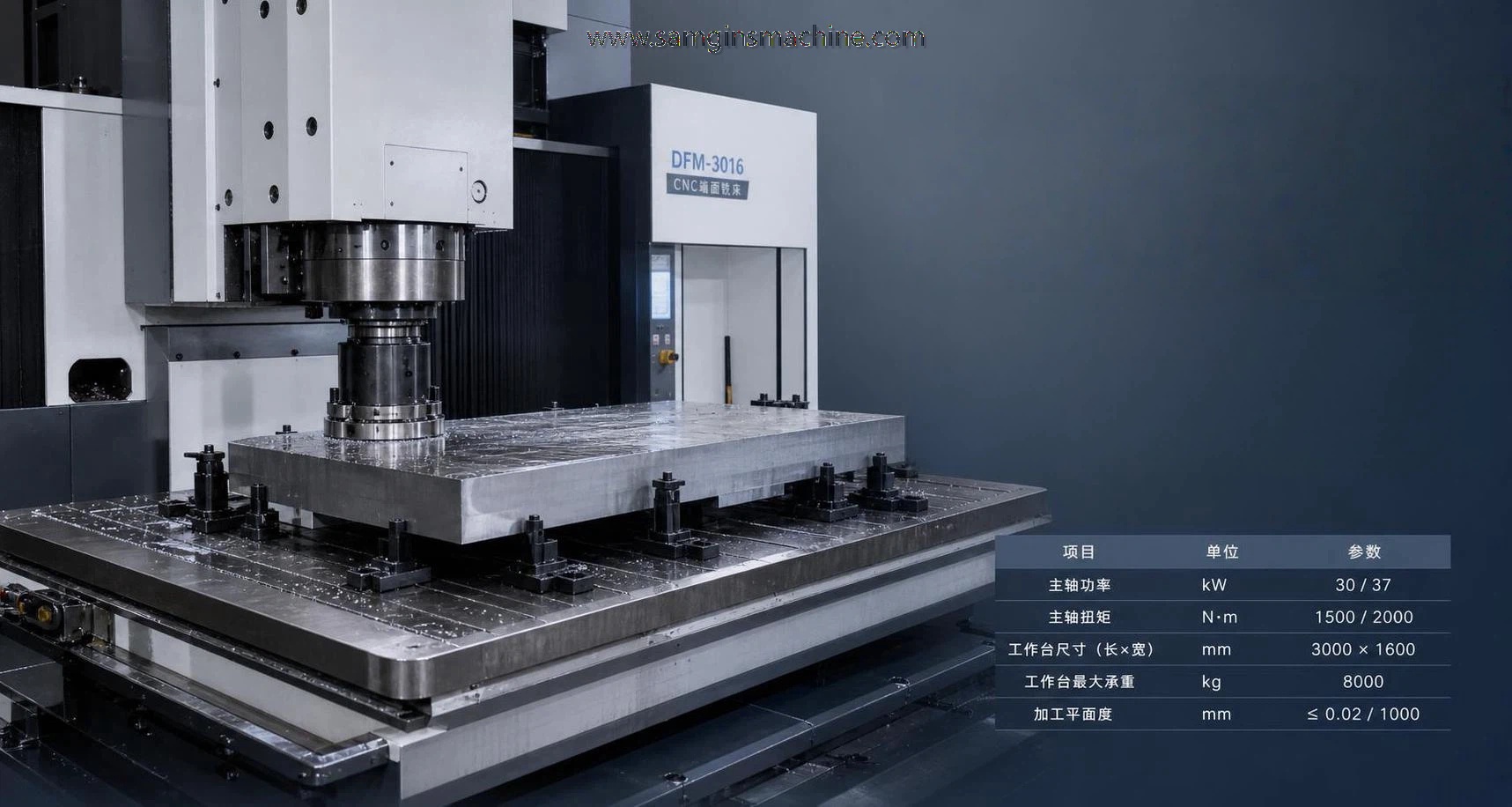
- Standard NC Face milling machineThe Face Milling Machine is specifically designed for face milling of metal structural components, including H-beams, box beams, cross beams, and columns. It provides precise, flat surfaces on workpiece ends to ensure accurate fit-up and alignment for subsequent welding or assembly operations.
![星星1]()

Send Us A Message
Send us a Message
A dedicated person will follow up on your needs one-on-one and provide personalized customized solutions according
to your needs.
Get In Touch
We look forward to hearing from you for in-depth communication on how to fulfill your mixing requirements.