




Guillotine vs Swing Beam Shearing Machine: What’s the Difference?
Guillotine vs Swing Beam Shearing Machine: What’s the Difference?
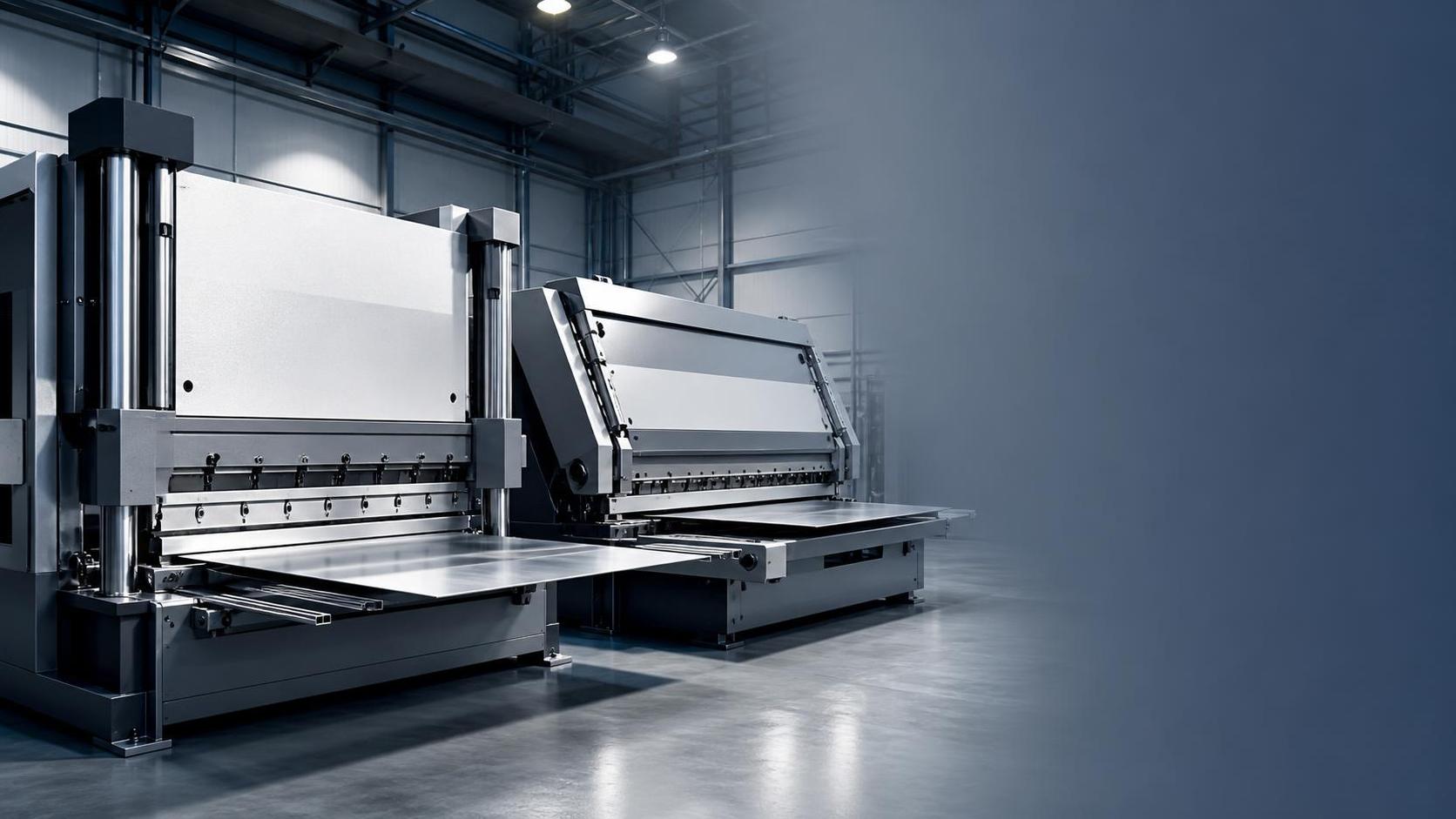
Guillotine vs Swing Beam Shearing Machine: What’s the Real Difference?
What is the difference between guillotine and swing beam shearing machine? On paper, both machines cut sheet metal in straight lines. In a workshop, though, the difference shows up in edge quality, repeatability, adjustment range, and how forgiving the machine is when material thickness changes from one job to the next.
For buyers comparing shearing equipment, this is rarely just a technical question. It is usually tied to a very practical decision: do you need a machine that handles general production economically, or do you need tighter control over cut quality across a wider range of materials and thicknesses?
In metal fabrication, that distinction matters. Shops producing HVAC panels, cabinets, general structural parts, or routine sheet processing may value simplicity and lower acquisition cost. Shops dealing with thicker plate, stricter tolerances, or more varied work orders often look harder at machine geometry and blade clearance control. That is where the comparison between guillotine and swing beam shearing machines becomes useful.
The short answer
A swing beam shearing machine cuts with an upper beam that moves in an arc. A guillotine shearing machine cuts with a more vertical blade movement, guided in a way that keeps the cutting angle and blade relationship more stable through the stroke. That design difference affects cutting precision, blade clearance adjustment, distortion control, and the machine’s suitability for different thickness ranges.
If you want the simplest distinction: swing beam models are often chosen for straightforward, cost-sensitive production; guillotine shears are generally preferred when the job mix is broader or the demand for cut accuracy is higher.
How each machine works in practice
Swing beam shearing machine
In a swing beam design, the upper blade carrier pivots around a fixed point, so the blade moves through an arc rather than a purely straight line. This mechanism is mechanically straightforward and has been widely used for years in sheet metal shops. Because of the swinging motion, the blade gap relationship changes slightly during the cut. For many standard applications, that is acceptable, especially when material type and thickness are relatively consistent.
Operators often like swing beam machines because they are not overly complicated to run. For lighter to medium-duty cutting and routine jobs, they can be very practical. But once you push into a wider thickness range or expect very clean, controlled edges across different materials, the limitations become more noticeable.
Guillotine shearing machine
A guillotine shear uses an upper blade that moves in a more linear path, typically guided by rails or a structure designed for greater rigidity and consistency. In many modern hydraulic guillotine machines, blade clearance can also be adjusted more precisely, sometimes manually and sometimes through CNC control depending on the configuration.
This matters because sheet metal cutting is not only about getting through the material. The machine has to control burr, minimize twisting or bowing, and keep the cut edge acceptable for whatever comes next, whether that is bending, welding, deburring, or direct assembly. In that respect, guillotine shears usually give more control.
Where the difference shows up on the shop floor
A lot of machine comparisons stay too theoretical. Buyers usually see the real difference in five areas.
The first is edge quality. If your parts go directly to welding or cosmetic finishing, a rougher edge means more downstream work. The second is consistency over time. A machine that cuts acceptably on one material but needs constant compensation on another can become a hidden production cost. The third is setup speed. If your workshop changes from mild steel to stainless, or from thin sheet to heavier plate, adjustment convenience starts to matter a lot.
Why guillotine shears are often preferred for demanding work
There is a reason many fabricators move toward guillotine machines as production requirements become more complex. The more stable cutting path generally helps with straightness and cut quality. On jobs where the blank will go into a press brake afterward, better shearing can also reduce trouble later. A poor cut edge does not always ruin a bend, but it can make the process less predictable, especially when appearance matters or when the bend line is close to the cut edge.
Another point is flexibility. In real production, buyers do not always process one material all day. They may cut carbon steel in the morning, stainless in the afternoon, and aluminum for a short batch in between. Machines that allow more appropriate clearance adjustment usually make those transitions easier. That does not automatically mean every guillotine shear is superior; machine build quality, hydraulic system design, backgauge performance, and controller quality still matter. But the basic architecture gives guillotine shears an advantage for mixed workloads.
Where swing beam shears still make sense
Swing beam machines should not be dismissed as outdated or unsuitable. That would be too simplistic. In many workshops, they remain a sensible choice because they are practical, robust, and cost-effective for everyday cutting. If the work is mostly standard mild steel sheet, with moderate thickness and no unusual tolerance pressure, a swing beam machine may be all the shop needs.
This is especially true for buyers who want reliable basic performance without paying for features they may never use. In smaller fabrication businesses, that kind of discipline matters. The wrong purchase is not always buying a cheaper machine; sometimes it is buying a more advanced machine that the production flow does not justify.
A common mistake: choosing by thickness alone
Many buyers ask only one question: what thickness can it cut? That matters, of course, but it is not enough. Two shops cutting the same nominal thickness can need very different machines.
For example, if one shop cuts long strips that will be welded into visible assemblies, edge straightness and distortion control are important. If another shop cuts rough blanks for later machining, the standard may be more forgiving. Material type also changes the picture. Stainless steel, coated sheet, and aluminum can behave differently from ordinary carbon steel. So when comparing guillotine vs swing beam shearing machine, do not reduce the decision to tonnage and maximum thickness alone.
Questions worth asking before you buy
A better buying process usually starts with the jobs, not the machine brochure. These are the questions experienced purchasing teams and production managers tend to work through:
- What materials do you actually cut most often: mild steel, stainless, aluminum, or mixed?
- How often does thickness change during a normal week?
- Is the cut edge a final quality concern, or just an intermediate step?
- How important is backgauge repeatability for your parts?
- Will operators need fast setup changes between batches?
- Do you need CNC integration with the rest of the sheet metal process?
If the answers point toward frequent material changes, tighter dimensional expectations, and less tolerance for rework, a guillotine shear often becomes easier to justify. If the production pattern is simple and stable, a swing beam machine may be the more rational investment.
The machine is only part of the result
Even a good shear performs poorly if the rest of the setup is neglected. Blade condition, clearance setting, hold-down performance, hydraulic stability, and operator habits all affect the final cut. A buyer who focuses only on machine type can still end up disappointed if these details are ignored.
This is one reason experienced equipment suppliers tend to discuss the whole sheet metal line rather than one standalone machine. A company that works across fabrication equipment categories—such as CNC cutting machines, bending machines, plate rolling machines, deburring systems, and shearing equipment—usually has a better view of how one process affects the next. In actual manufacturing, shearing quality often becomes visible later, at bending, welding, or deburring.
Wuxi Samgins International Trade Co., Ltd, based in Wuxi near Shanghai, operates in exactly this wider equipment context. Since 2012, the company has supplied not only shearing machines but also a broad range of metalworking and fabrication equipment, from CNC machine tools and laser cutting systems to H-beam production line equipment and sheet metal finishing machinery. That broader product exposure matters because machine selection is rarely isolated; it usually has to match the workflow, quality expectation, and compliance requirements of the overall production environment. Where projects require it, production and design are organized in line with ISO9001 quality system practices and EU CE standards.
So, which one should you choose?
Choose a swing beam shearing machine if your work is relatively standard, your budget is tight, and you need dependable straight cutting for routine production without too much complexity.
Choose a guillotine shearing machine if your jobs vary more, your edge quality requirements are higher, or you want stronger control over cutting parameters and long-term consistency.
That is the practical answer to what is the difference between guillotine and swing beam shearing machine. One is not universally better in every case. The better machine is the one that matches your material mix, quality threshold, and production rhythm without creating unnecessary adjustment work or downstream correction. If you are comparing models, ask to review actual cutting capacity by material, blade clearance method, backgauge configuration, and the way the machine will fit into the rest of your fabrication process. Those details usually tell you more than the headline specifications do.
search
Recommended Products
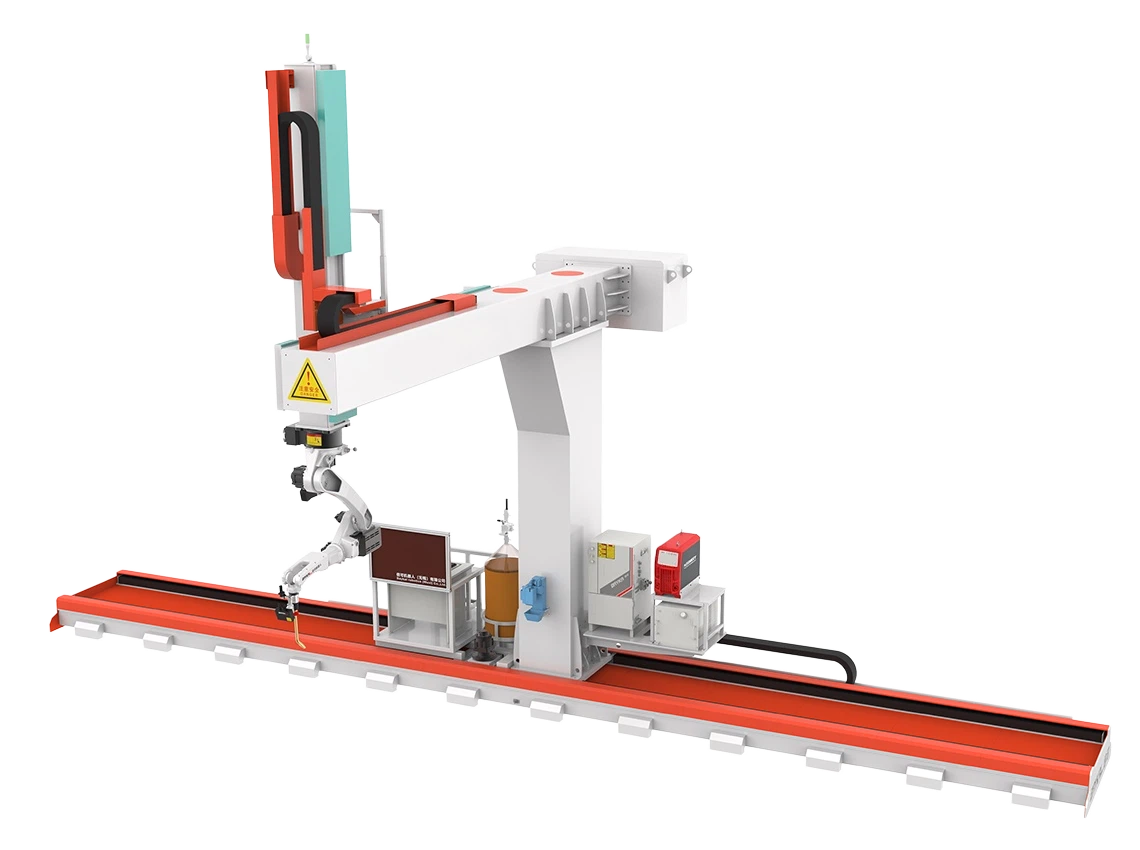
 9 axis cantilever type welding robot9 axis cantilever type welding robot for large steel workpieces with auto tracking, 3D import, and efficient CNC welding automation.
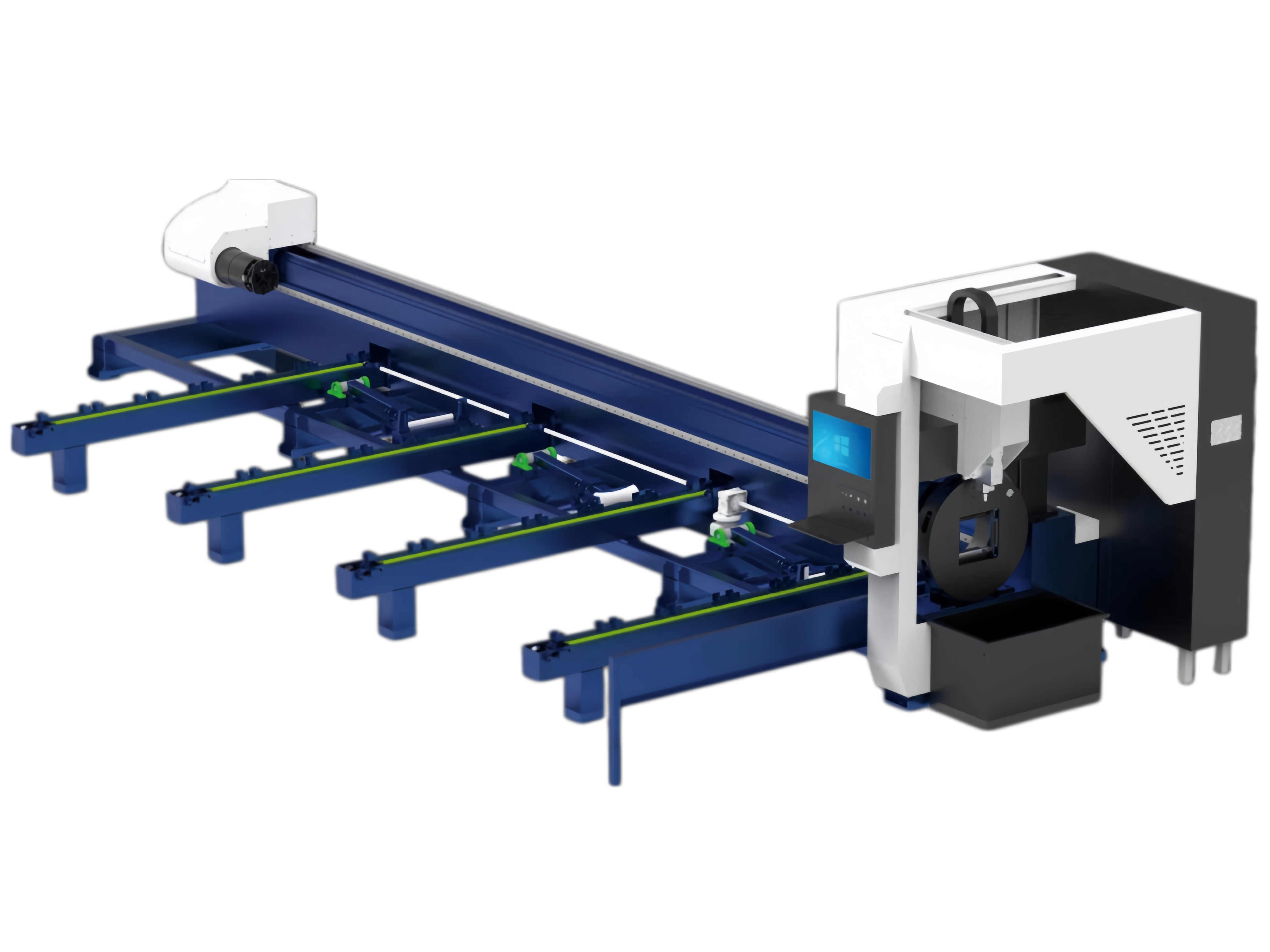
 Pipe cnc fiber laser cutting machine1.Introduction for Pipe cnc fiber laser cutting machine:
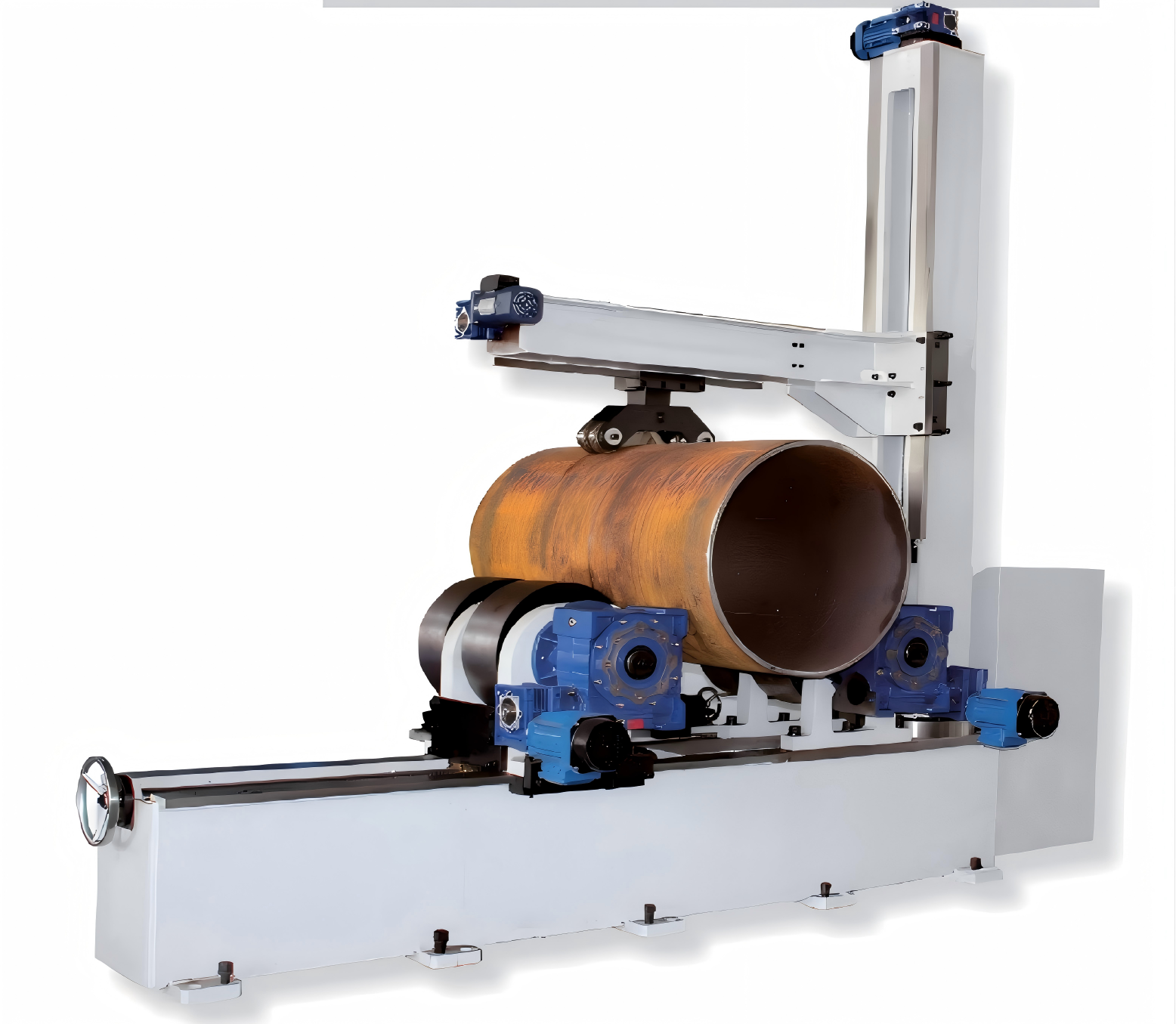
The laser cutting machine focuses the laser beam emitted from the laser source through the optical path system into a high-power-density laser beam. This laser beam is directed onto the surface of the workpiece, causing it to reach the melting point or boiling point. At the same time, the high-pressure gas coaxial with the laser beam blows away the molten or vaporized metal. Beveling & Milling Edge For Heavy TankThis series of heavy tank beveling and milling edge machines is a specialized, high-efficiency solution designed for beveling large storage tanks, pressure vessels, and heavy structural components. The main frame features an integrated welded construction followed by high-temperature stress-relief annealing, effectively eliminating internal stresses to ensure long-term dimensional stability and prevent deformation. The machine combines high-rigidity design with advanced control technology, purpose-built to handle the challenges of extra-thick plates and oversized workpieces.
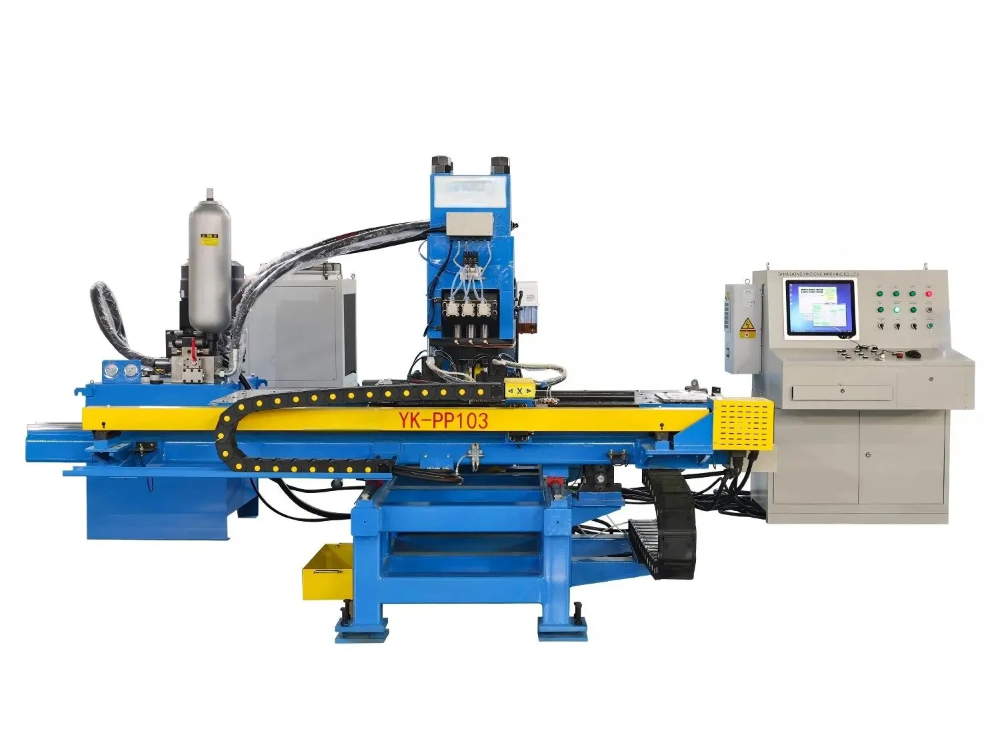
- CNC Punching And Marking Machine For Steel PlatesModels: YK-PP103 / YK-PPR103 / YK-PP104 / YK-PPR104
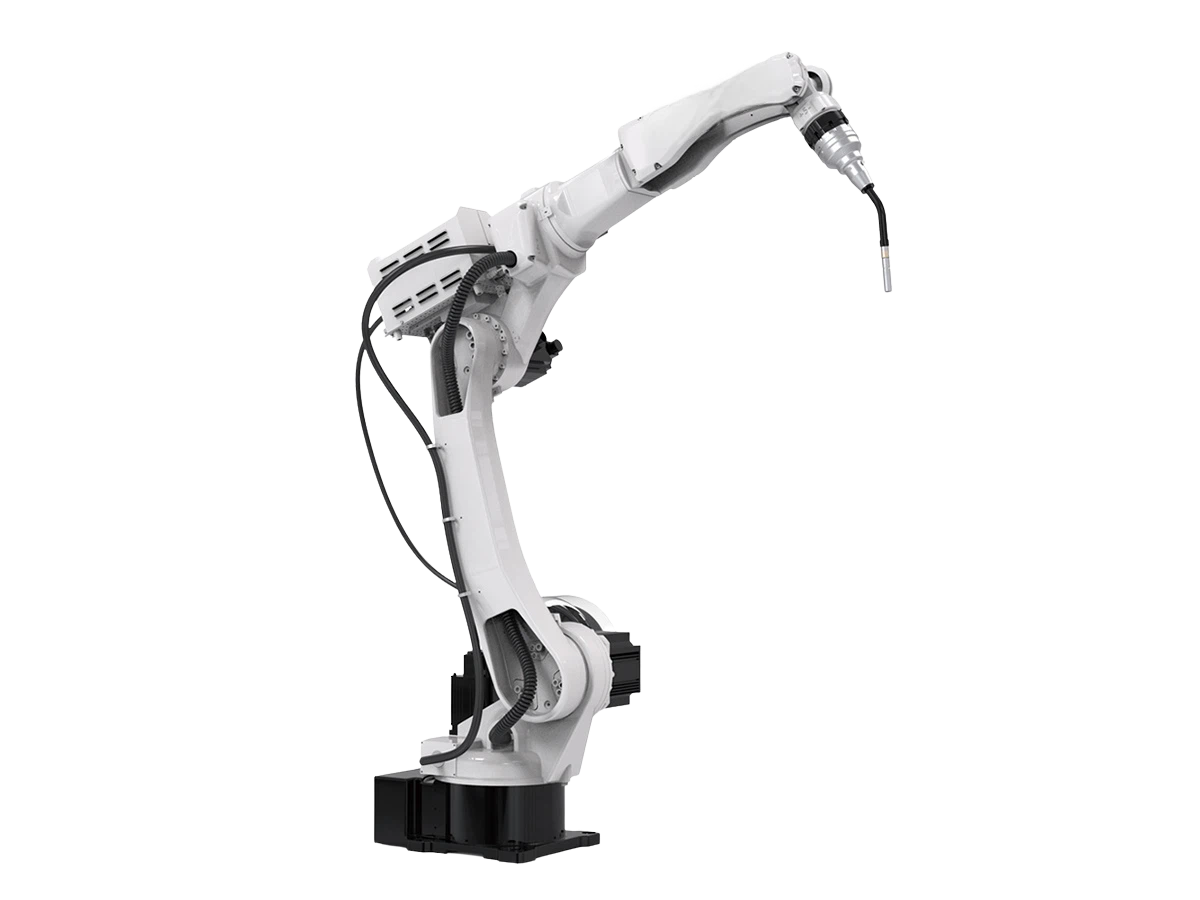
This series is a specialized CNC punching and marking machine designed primarily for steel plate processing in the steel tower industry. It is also well-suited for punching and marking applications across various other industrial sectors. - 6 Axis 2000mm ArmSpan MlG Industrial Welding RobotThis welding robot is designed for reliable arc welding in harsh production environments, featuring a long reach, stable repeatability, and flexible installation.
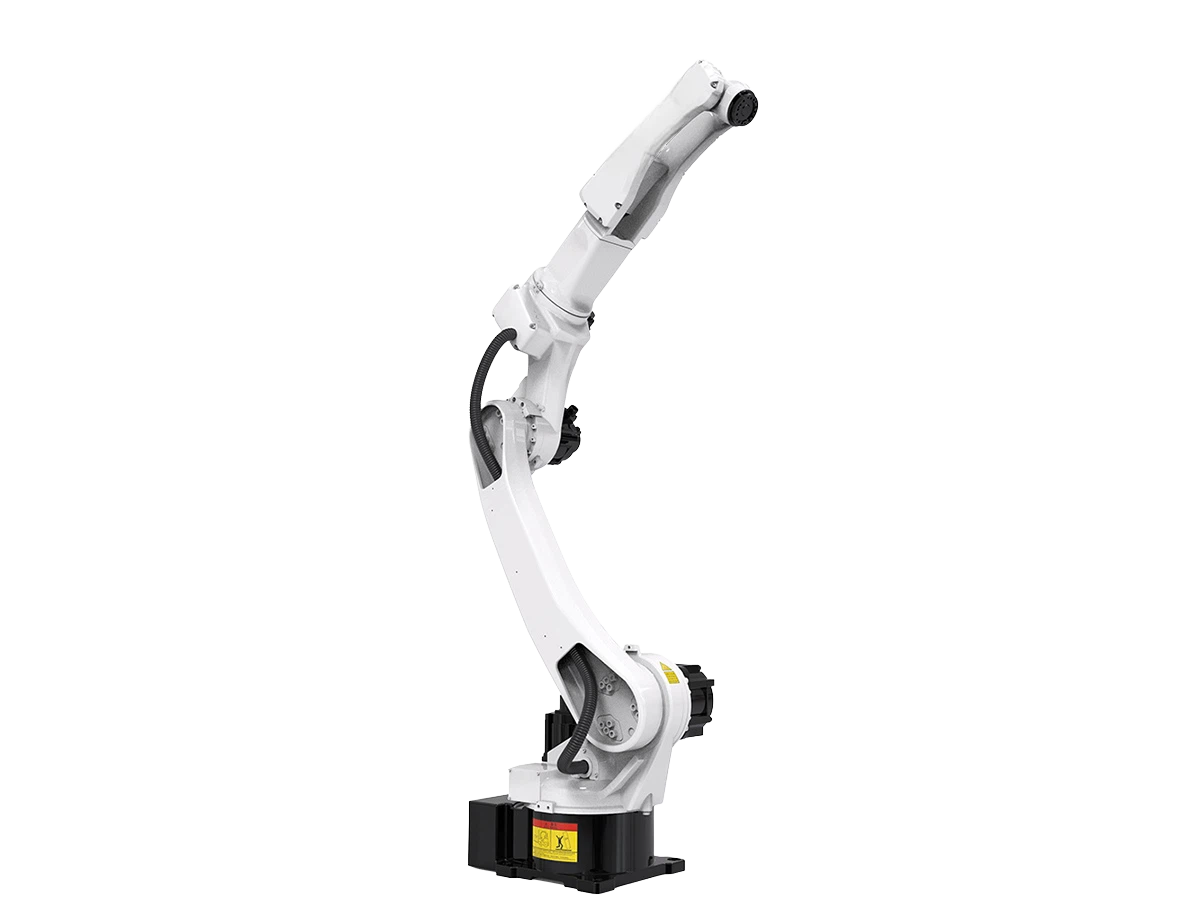
- Multipurpose Handing Robot BR20iB-20Explore the BR20iB-20 multipurpose robot for handling, welding, and cutting with 6-axis motion, ±0.08 mm repeatability, and flexible installation.

Send Us A Message