




What should you check before buying a handling robot arm for sale?
What should you check before buying a handling robot arm for sale?
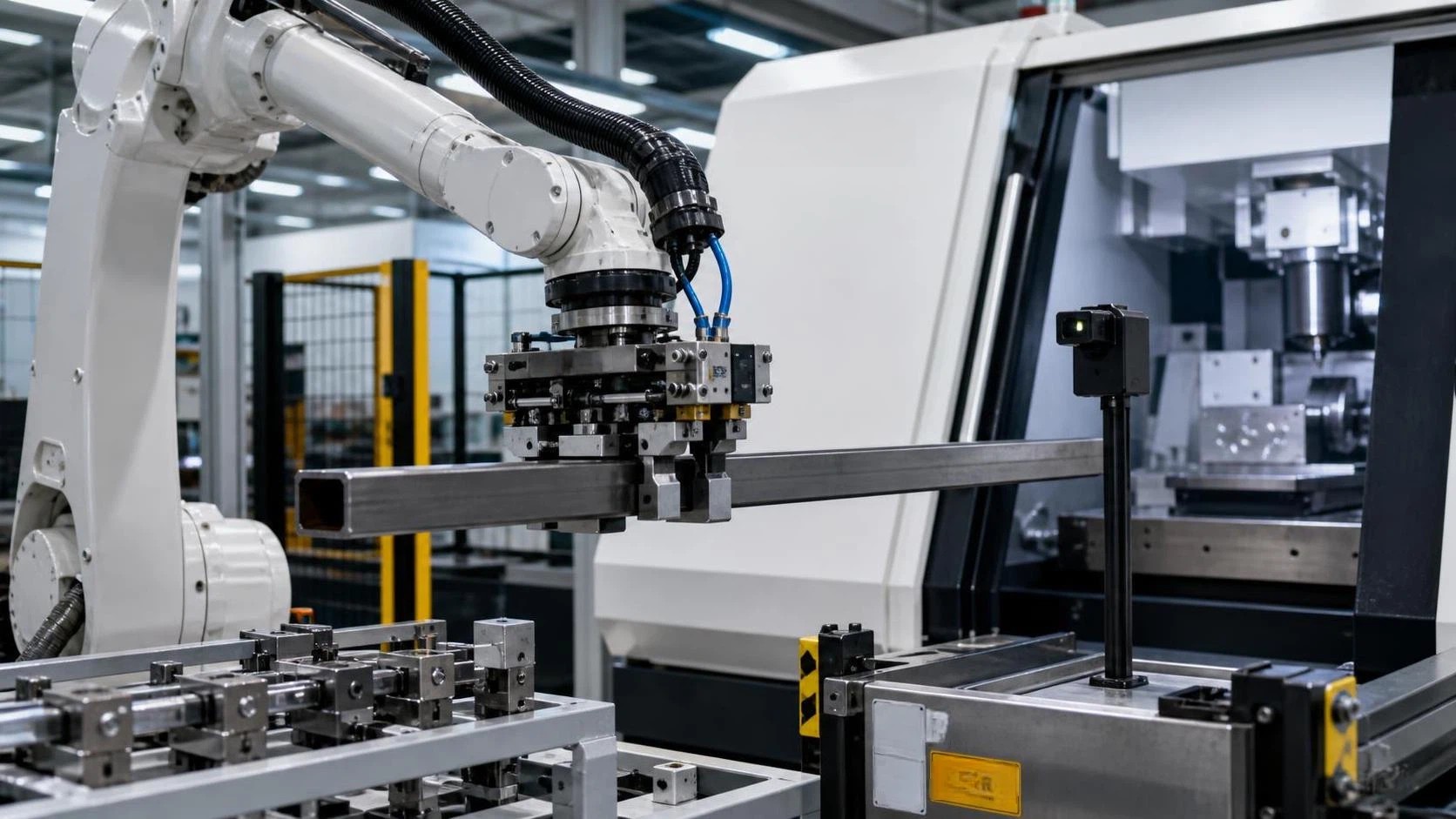
A handling robot arm should be purchased against the real motion, load, and production conditions it will face, not against the headline payload shown in a quotation. For procurement teams, the most expensive mistake is often buying an arm that can lift the part in a static demonstration but cannot maintain the required cycle time, orientation, safety margin, or uptime once grippers, fixtures, and line interruptions are included.
Before comparing a handling robot arm for sale, define the task in operational terms: what enters the cell, how it is presented, what the robot must do with it, where it must place it, and what happens when the process is not perfectly normal. A robot that suits pallet transfer may be unsuitable for machine tending, welded assembly handling, or loading long steel sections. The purchase decision becomes much clearer when the handling task is treated as a complete system rather than an arm specification.
Start with the part, not the robot rating
Payload is the first number most buyers check, but the rated payload is only one part of the calculation. The robot must carry the workpiece, gripper or end-of-arm tooling, brackets, cable protection, sensors, and sometimes a tool changer. The combined mass must remain within the robot's allowable capacity throughout the planned motion.
More importantly, weight does not describe how difficult a load is to control. A compact metal casting and a long fabricated beam can weigh the same while imposing very different forces on the robot wrist. Long, offset, or irregular workpieces create higher moments of inertia and larger center-of-gravity offsets. Rapid acceleration, abrupt direction changes, and emergency stops increase those forces further.
Procurement should therefore ask suppliers for the allowable load and inertia limits at the intended wrist configuration, rather than accepting a general payload statement. The robot supplier or integrator should be able to review the following information:
- Maximum and minimum workpiece weight, including variation between product types.
- Part dimensions, especially the longest and widest versions likely to be handled.
- Center of gravity, including cases where it is not centered or changes during the process.
- Gripper mass, tool changer mass, pneumatic or electrical connections, and protective covers.
- Required pickup and placement orientation.
- Acceleration and cycle-time targets for the heaviest workpiece.
A modest safety margin is sensible, but selecting the largest available robot purely for margin can add cost, increase floor-space requirements, and make the cell less efficient. The appropriate margin depends on how stable the part presentation is, how often products change, and whether the workpiece geometry is controlled. A heavy-duty robot may be justified for variable fabricated parts, while a highly repeatable tray-loading task may not need that reserve capacity.
Check reach across the whole movement, not at one point
Robot reach is often assessed from a layout drawing that shows the pick position and drop position. That drawing can be misleading. The robot must also clear fixtures, machine doors, racks, conveyors, safety fencing, and other equipment while keeping the wrist in a usable orientation. A part may be technically reachable at the edge of the robot envelope but require a slow, awkward path with limited joint motion.
Ask for a cell simulation or a detailed reach study using the actual workpiece envelope and gripper model. It should show all required positions: pickup, approach, lift, travel, machine loading, unloading, rejection, maintenance parking, and recovery from a stopped cycle. This matters especially where a robot serves more than one machine or transfers parts between a welding station, straightening process, and downstream handling area.
The robot base location should also be reviewed early. Moving the pedestal a short distance can improve access, reduce joint travel, and remove collision risks. Conversely, a poorly placed pedestal can force the buyer to select a larger arm than necessary. Floor condition, mounting loads, service access, cable routing, and guard placement belong in this same review. They are not installation details to leave until after the purchase order.
Cycle time should include the delays that production actually sees
A supplier may quote a robot's maximum axis speed, but maximum speed is not the same as usable production throughput. The relevant question is how many completed handling cycles the cell can sustain while respecting safe acceleration, gripper settling time, sensor confirmation, machine interlocks, and part positioning accuracy.
Break the cycle into steps. Include the time for a conveyor to index, a clamp to open, the robot to approach, the gripper to close, a part-present signal to confirm, the robot to retract, and the receiving station to accept the workpiece. If the robot must wait for a CNC machine, welding unit, or inspection station, determine whether that wait is occasional or built into every cycle. A robot that is fast enough in isolation can still become a bottleneck when the handoff sequence is poorly designed.
There is also a trade-off between cycle time and mechanical stress. Trying to achieve the shortest theoretical cycle can cause vibration in long parts, reduce placement consistency, or shorten the useful life of grippers and fixtures. Procurement specifications should state a required sustained output and acceptable process conditions rather than demanding an unrealistic move time.
Repeatability is not the same as placement accuracy
Robot repeatability describes how consistently the arm returns to a programmed position. It does not automatically guarantee that every incoming part will be located accurately. If parts arrive on a pallet with inconsistent position, have weld distortion, or sit in a flexible rack, the robot may repeat its own motion perfectly while still missing the intended pickup point.
Determine whether the process needs simple repeatable transfer or true position correction. A fixed fixture may be enough for stable parts. For variable incoming locations, the cell may need locating pins, compliant tooling, force sensing, cameras, laser measurement, or a combination of these. Each option affects cost, integration time, maintenance requirements, and recovery procedures.
This distinction matters in fabricated steel workflows. After welding or straightening, dimensions and part orientation may not be as predictable as in a tightly controlled machining operation. For example, a handling cell feeding beam-processing equipment should account for the beam's supported length, possible bow, datum strategy, and how the gripper prevents rotation during transfer. Equipment such as the YTJ-60A and YTJ-80A H beam straightening machine can operate with continuous workpiece feeding and optional feeding frames, so the robot interface should be designed around the infeed and outfeed sequence rather than treated as a separate manual-transfer task.
Evaluate the gripper as carefully as the robot arm
Many handling projects succeed or fail at the end effector. The robot provides motion; the gripper must reliably take hold of a real workpiece that may have surface variation, oil, scale, burrs, weld spatter, cut edges, or inconsistent dimensions. A poorly selected gripper creates dropped-part risk, damaged surfaces, repeated stoppages, and operator intervention.
Vacuum grippers can be effective for clean, flat sheet materials, but their suitability falls when surfaces are porous, oily, rough, or interrupted by holes. Magnetic grippers can be practical for ferrous material, yet need a defined approach for thin sheet, residual magnetism, stacked parts, and release confirmation. Mechanical clamps offer positive retention but must match the profile and avoid marking the part. For hot, sharp, or irregular workpieces, the material, heat exposure, and protective design of the gripper need explicit review.
Ask how the system proves that the part has been picked and released. A reliable cell should not simply assume a gripper command succeeded. Pressure feedback, magnetic confirmation, jaw-position sensing, part-present sensors, or load monitoring may be appropriate depending on the task. The expected response to a failed pickup should be specified as well: retry, move to a safe position, call for operator attention, or reject the part.
For product families with frequent changeovers, inspect the changeover method before committing to a design. Tool changes, adjustable jaws, recipe selection, and physical locating features should be practical for the people who will run the cell. A low-cost custom gripper can become expensive when every new part size requires rework and recommissioning.
Safety and recovery need to be designed into the purchase
A robot cell is not complete when the robot can perform its normal path. It also needs a safe response to missed pickups, blocked conveyors, open machine doors, loss of air pressure, electrical faults, manual setup, and maintenance access. These events are where poorly specified systems create both production loss and safety exposure.
Review the safeguarding concept with the proposed layout. Depending on the application, this can include physical guards, interlocked access doors, safety scanners, light curtains, safety-rated stops, emergency-stop circuits, and safe operating modes for setup. A collaborative robot does not automatically remove the need for risk assessment or safeguarding. Payload, speed, tool shape, pinch points, workpiece edges, and neighboring machinery determine whether close human interaction is appropriate.
For a conventional industrial arm, ask where an operator can stand during recovery and how the robot will be returned to a known state. A cell that requires a specialist to clear every minor fault may erode the labor savings that supported the investment. Clear fault messages, accessible manual controls, safe homing routines, and documented restart sequences are operational requirements, not optional extras.
Confirm integration ownership before comparing quotations
Two quotations can appear comparable while covering very different scopes. One may include only the robot arm and controller. Another may include gripper design, fencing, sensors, electrical cabinet work, programming, line integration, acceptance testing, and operator training. Procurement should establish what is included before judging price.
A practical scope review should identify who owns each interface: mechanical mounting, foundations, power supply, compressed air, network communication, PLC programming, machine interlocks, part fixtures, safety validation, installation, and site acceptance. It should also clarify who supplies drawings, cycle-time validation, spare parts lists, and documentation.
Ask the supplier to state the acceptance criteria in measurable terms. These may include part types to be handled, output rate, pickup success criteria, placement tolerances, safety functions, and agreed production conditions. Without an agreed acceptance basis, disagreements often emerge after installation, when a system is expected to handle parts or conditions that were never properly defined.
Look beyond purchase price to maintainability and support
The robot itself is usually a durable component, but the cell contains wear items and process-specific parts: gripper pads, pneumatic components, cables, sensors, fixture elements, rollers, and protective covers. Their availability and replacement process affect uptime more directly than a small difference in initial arm price.
Assess whether the proposed controller, drives, and safety components can be supported in the buyer's region. Review recommended spare parts, lead times for critical items, availability of programming support, and access to service documentation. It is also useful to ask whether the program is delivered in an editable form and whether the buyer's maintenance team can be trained to make defined adjustments without invalidating safety functions.
For lines that combine automated handling with heavy fabrication equipment, the same maintenance discipline should extend across the process. Straightening rollers, guides, material supports, and robot grippers all influence part flow. A handling arm cannot compensate for a transfer path that damages surfaces, allows a beam to shift, or gives inconsistent pickup locations.
Turn the checks into a buying decision
Before issuing an order, procurement should be able to answer a short set of practical questions: Can the robot carry the worst-case part and tooling at the required speed? Can it reach every required position with clearance and usable joint posture? Does the gripper retain and verify the workpiece under real surface and geometry conditions? Can the cell achieve its target output when all handoffs and interlocks are included? Has a safe, workable recovery process been defined?
When those answers are supported by a layout, payload calculation, motion study, and clearly owned integration scope, the comparison between robot offers becomes meaningful. The arm then serves the production task it was bought for, rather than becoming an expensive component around which the rest of the line must be redesigned.
search
Recommended Products
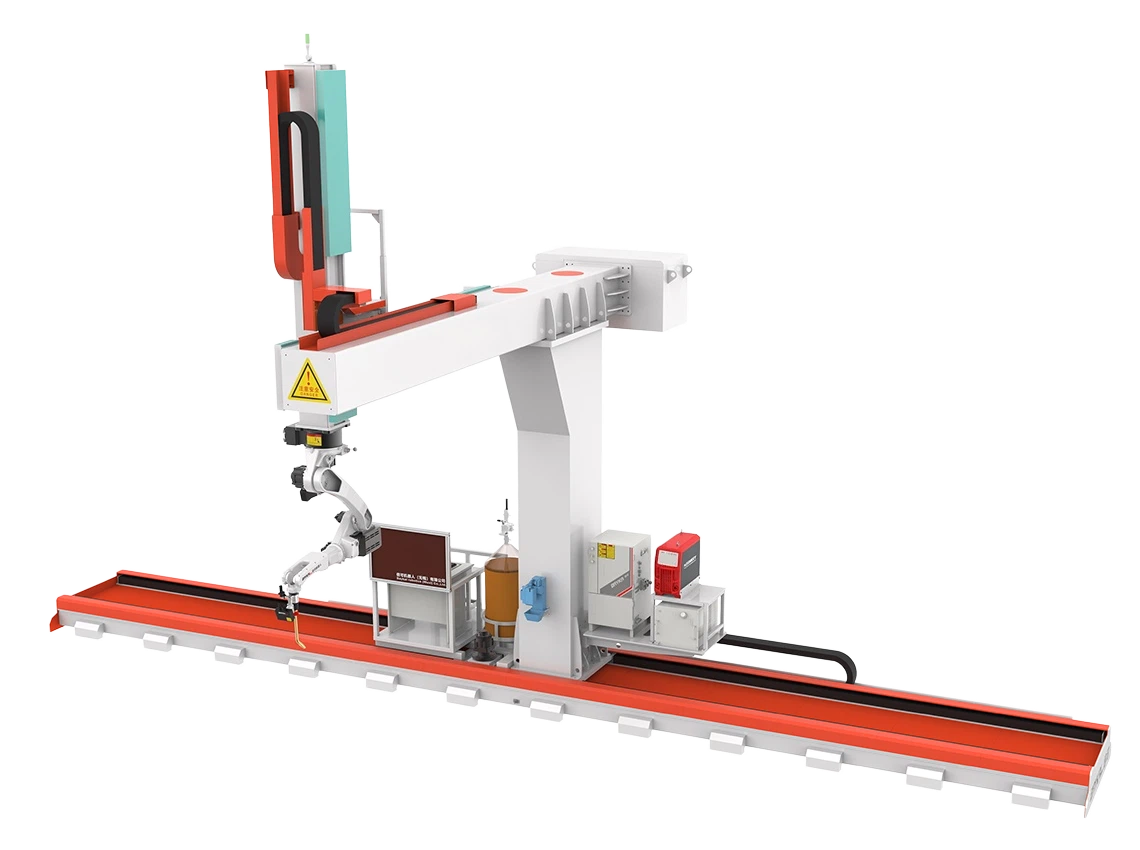
 9 axis cantilever type welding robot9 axis cantilever type welding robot for large steel workpieces with auto tracking, 3D import, and efficient CNC welding automation.
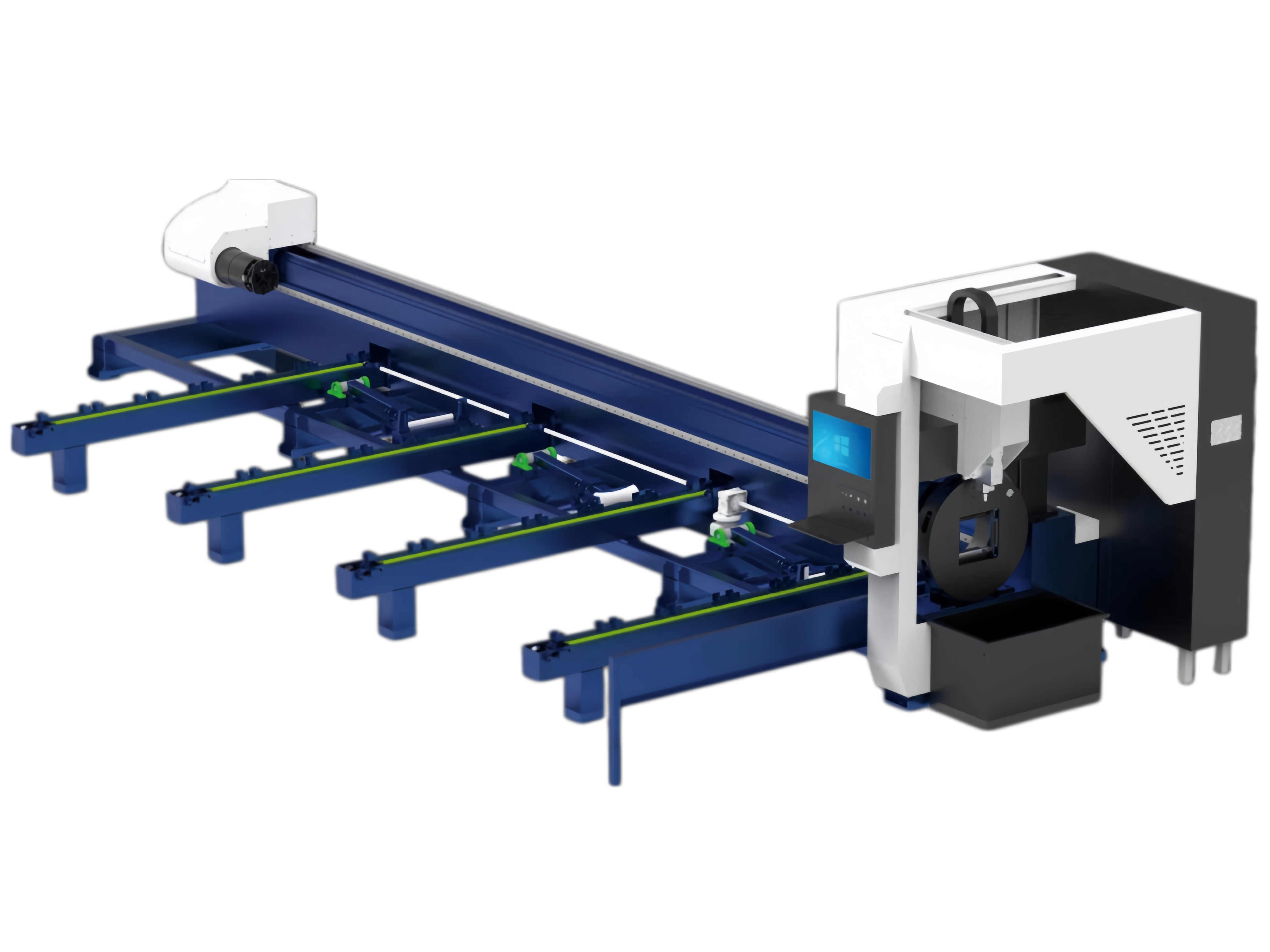
 Pipe cnc fiber laser cutting machine1.Introduction for Pipe cnc fiber laser cutting machine:
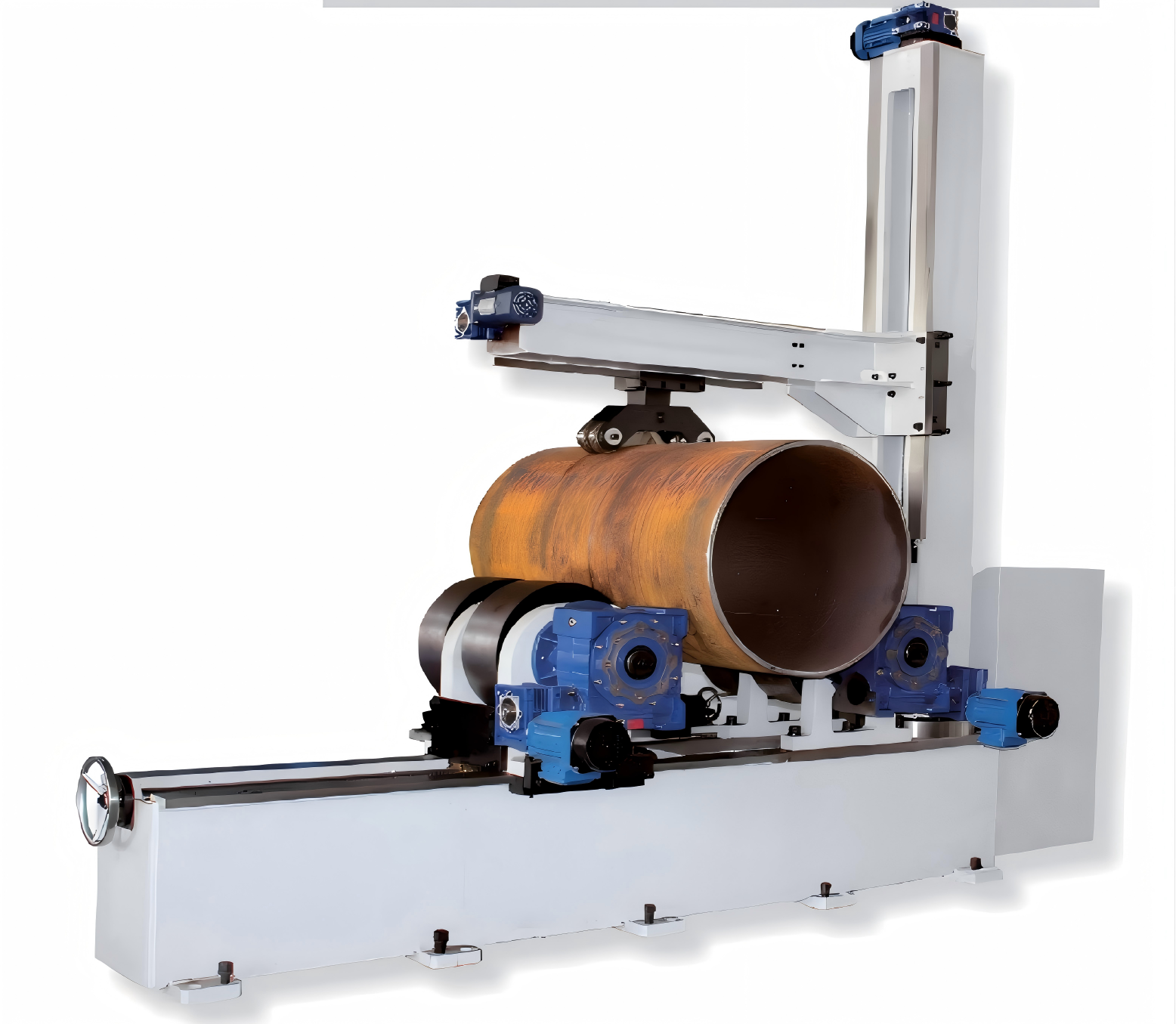
The laser cutting machine focuses the laser beam emitted from the laser source through the optical path system into a high-power-density laser beam. This laser beam is directed onto the surface of the workpiece, causing it to reach the melting point or boiling point. At the same time, the high-pressure gas coaxial with the laser beam blows away the molten or vaporized metal. Beveling & Milling Edge For Heavy TankThis series of heavy tank beveling and milling edge machines is a specialized, high-efficiency solution designed for beveling large storage tanks, pressure vessels, and heavy structural components. The main frame features an integrated welded construction followed by high-temperature stress-relief annealing, effectively eliminating internal stresses to ensure long-term dimensional stability and prevent deformation. The machine combines high-rigidity design with advanced control technology, purpose-built to handle the challenges of extra-thick plates and oversized workpieces.
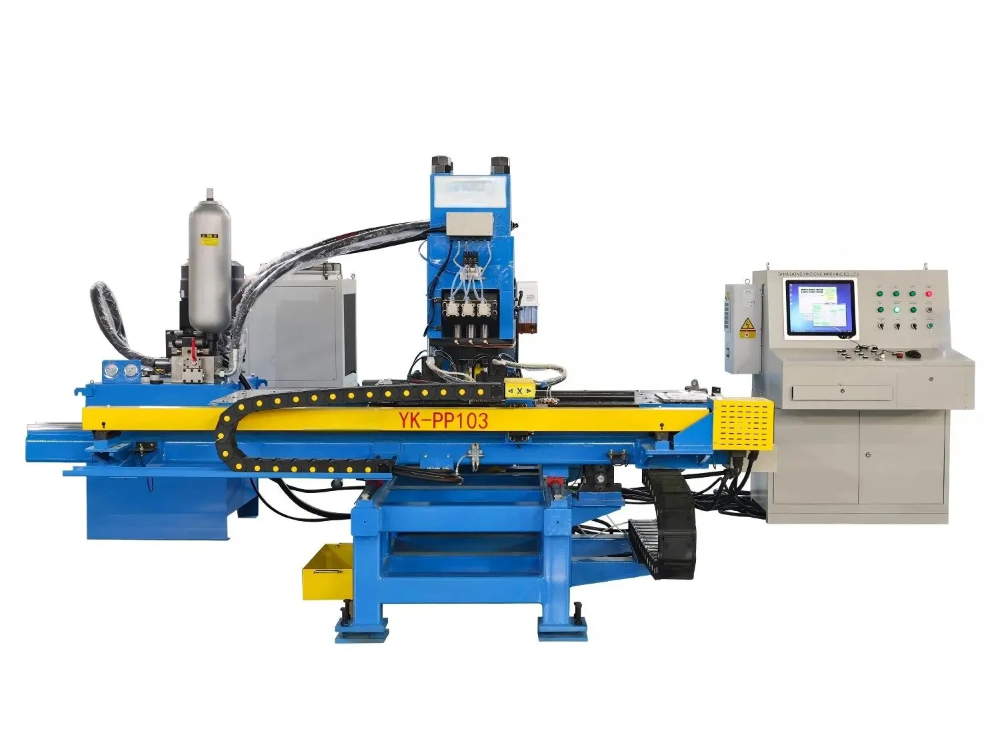
- CNC Punching And Marking Machine For Steel PlatesModels: YK-PP103 / YK-PPR103 / YK-PP104 / YK-PPR104
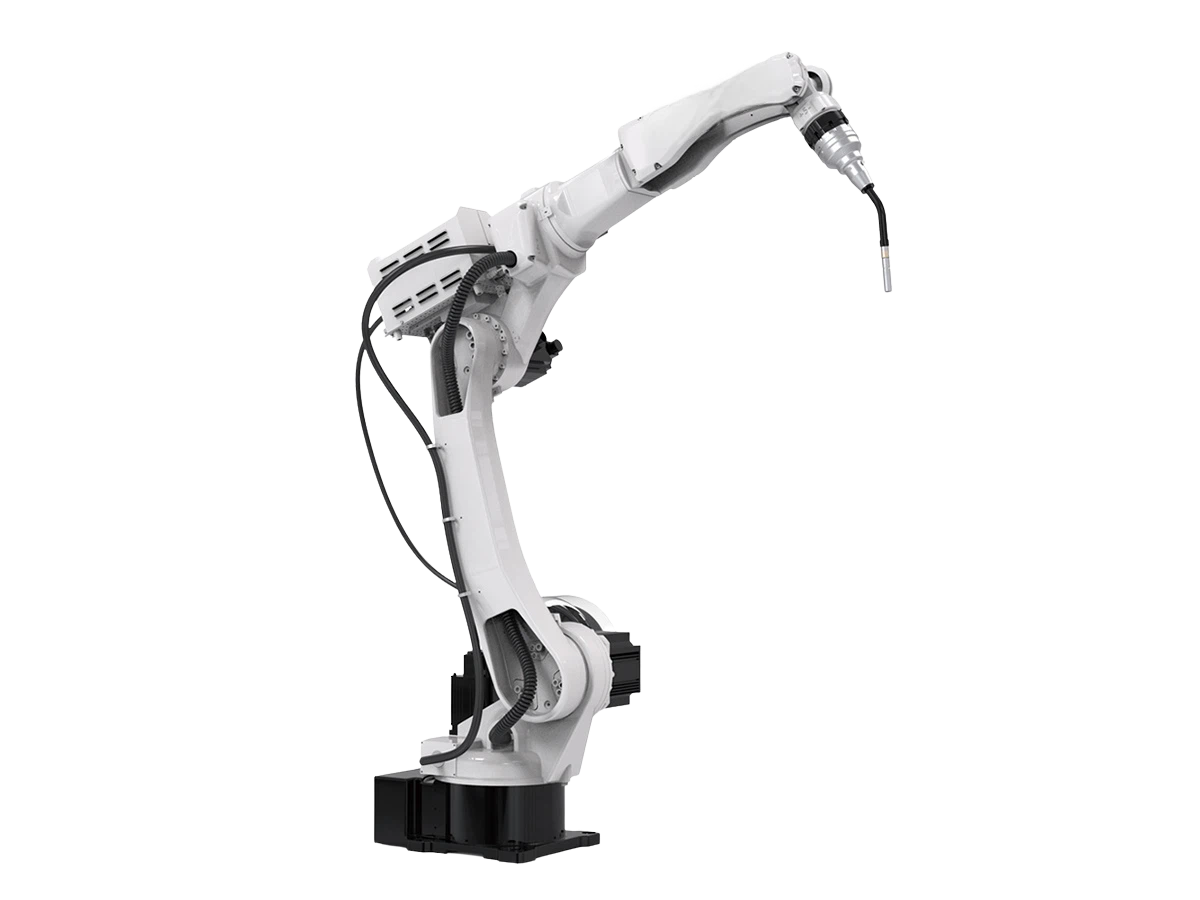
This series is a specialized CNC punching and marking machine designed primarily for steel plate processing in the steel tower industry. It is also well-suited for punching and marking applications across various other industrial sectors. - 6 Axis 2000mm ArmSpan MlG Industrial Welding RobotThis welding robot is designed for reliable arc welding in harsh production environments, featuring a long reach, stable repeatability, and flexible installation.
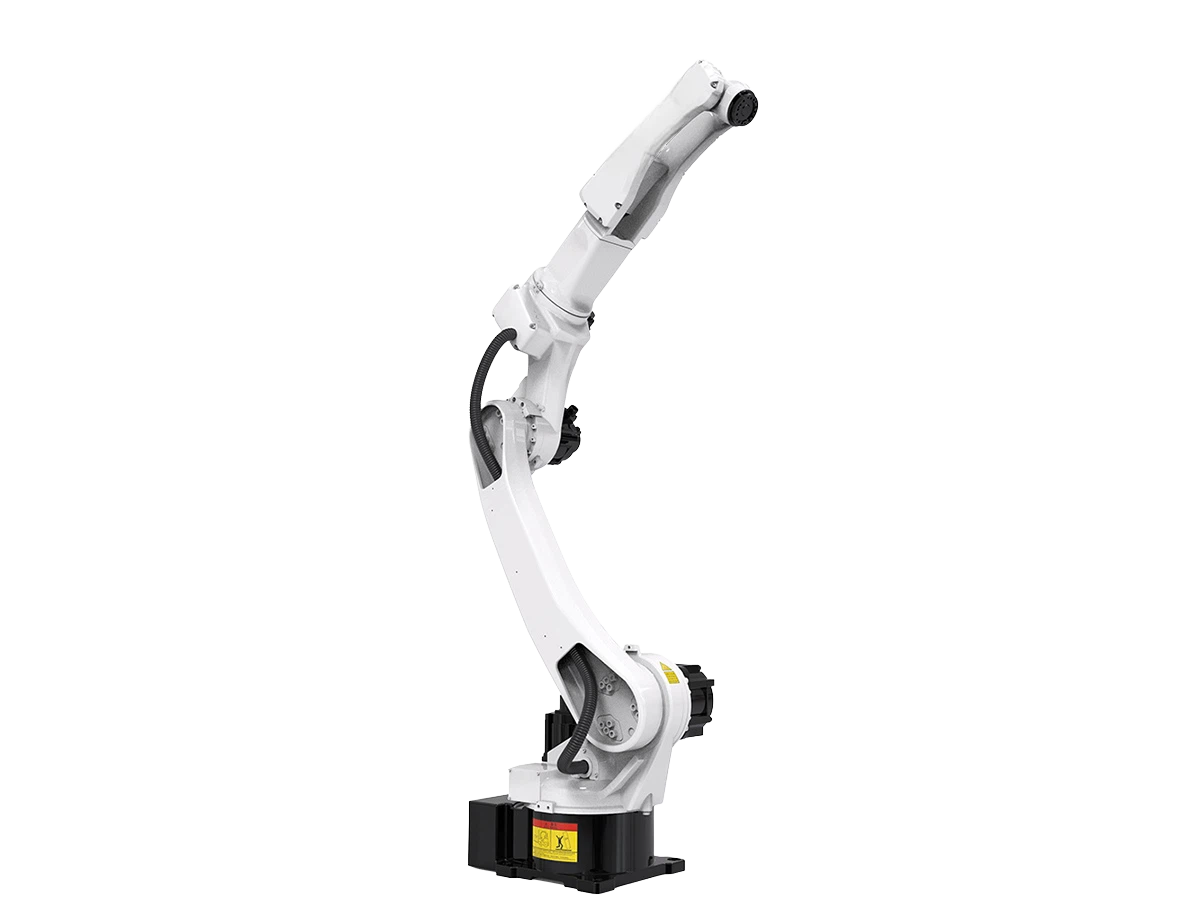
- Multipurpose Handing Robot BR20iB-20Explore the BR20iB-20 multipurpose robot for handling, welding, and cutting with 6-axis motion, ±0.08 mm repeatability, and flexible installation.

Send Us A Message