




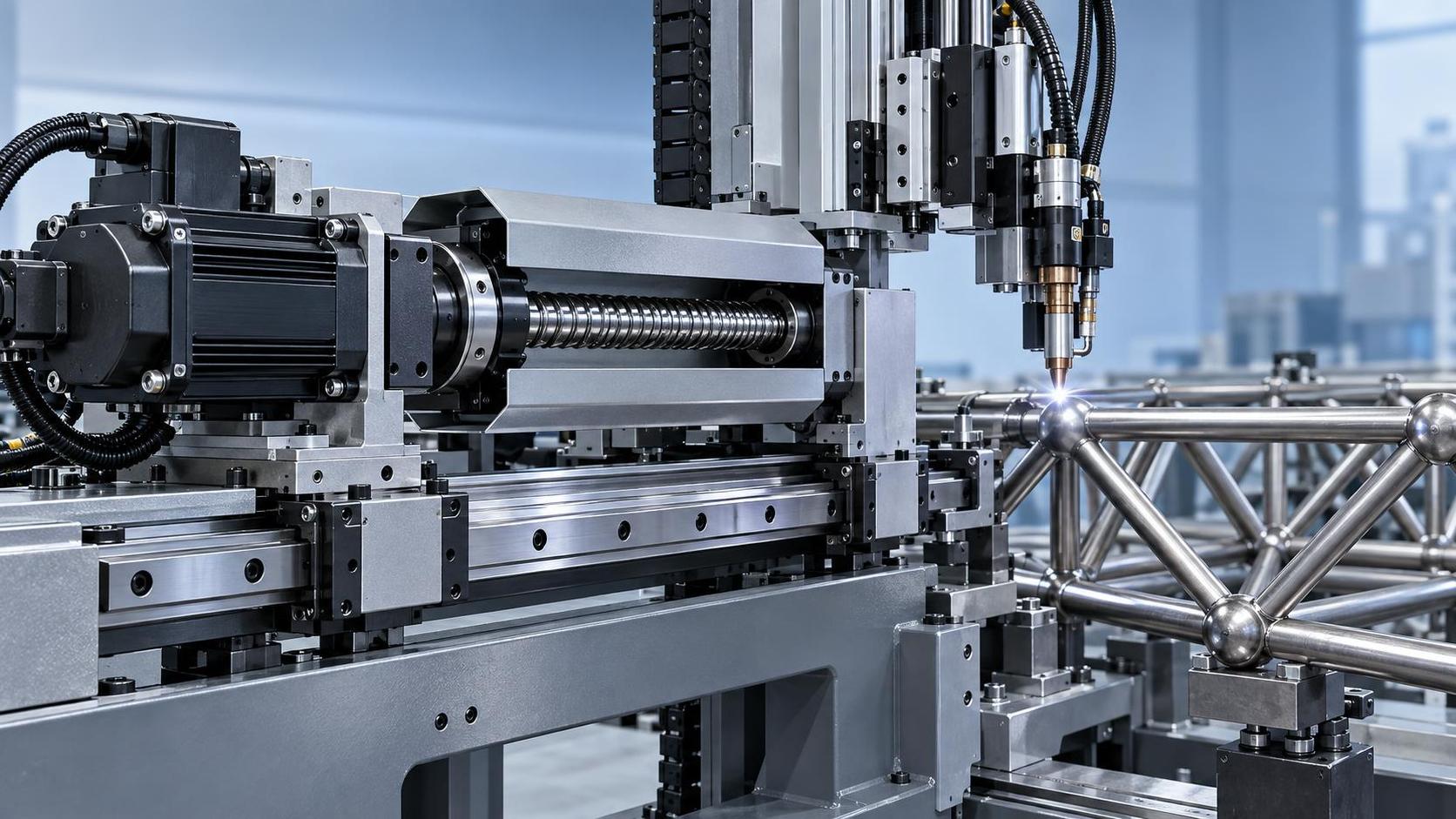
How Does a Sheet Metal Deburring Machine Work? Essential Guide to Edge Finishing and Surface Preparation
What Is A Sheet Metal Deburring Machine?
A sheet metal deburring machine is industrial finishing equipment that removes burrs, sharp edges, slag residues, and light surface imperfections from sheet, plate, and formed metal parts. Burrs are raised material left after laser cutting, plasma cutting, punching, drilling, milling, or shearing. While often small, they can create handling hazards, interfere with assembly, damage coatings, and reduce the consistency of downstream processes.
The machine typically processes carbon steel, stainless steel, aluminum, galvanized sheet, and selected non-ferrous materials. Depending on the abrasive system, it may produce simple burr removal, controlled edge rounding, oxide-layer removal, linear finishing, or a more uniform surface texture. The correct result is defined by the part function: a hidden bracket may require safe edges, while a coated enclosure may require stable radius preparation.
In a production environment, a sheet metal deburring machine is not merely a cosmetic finishing unit. It is a process-control station between cutting and fabrication, welding, bending, painting, or final assembly. By replacing variable manual grinding with repeatable conveyor-based processing, it helps manufacturers establish a documented finishing standard across batches, shifts, and operators.
How The Deburring Process Works
Most machines feed parts through a working zone on a conveyor table. Abrasive belts, rotary brushes, disc heads, cross belts, or combinations of these tools contact the workpiece under controlled pressure. The conveyor speed, head position, abrasive grade, and contact force determine how much material is removed. This controlled contact removes burr roots without unnecessarily changing the dimensions of the part.
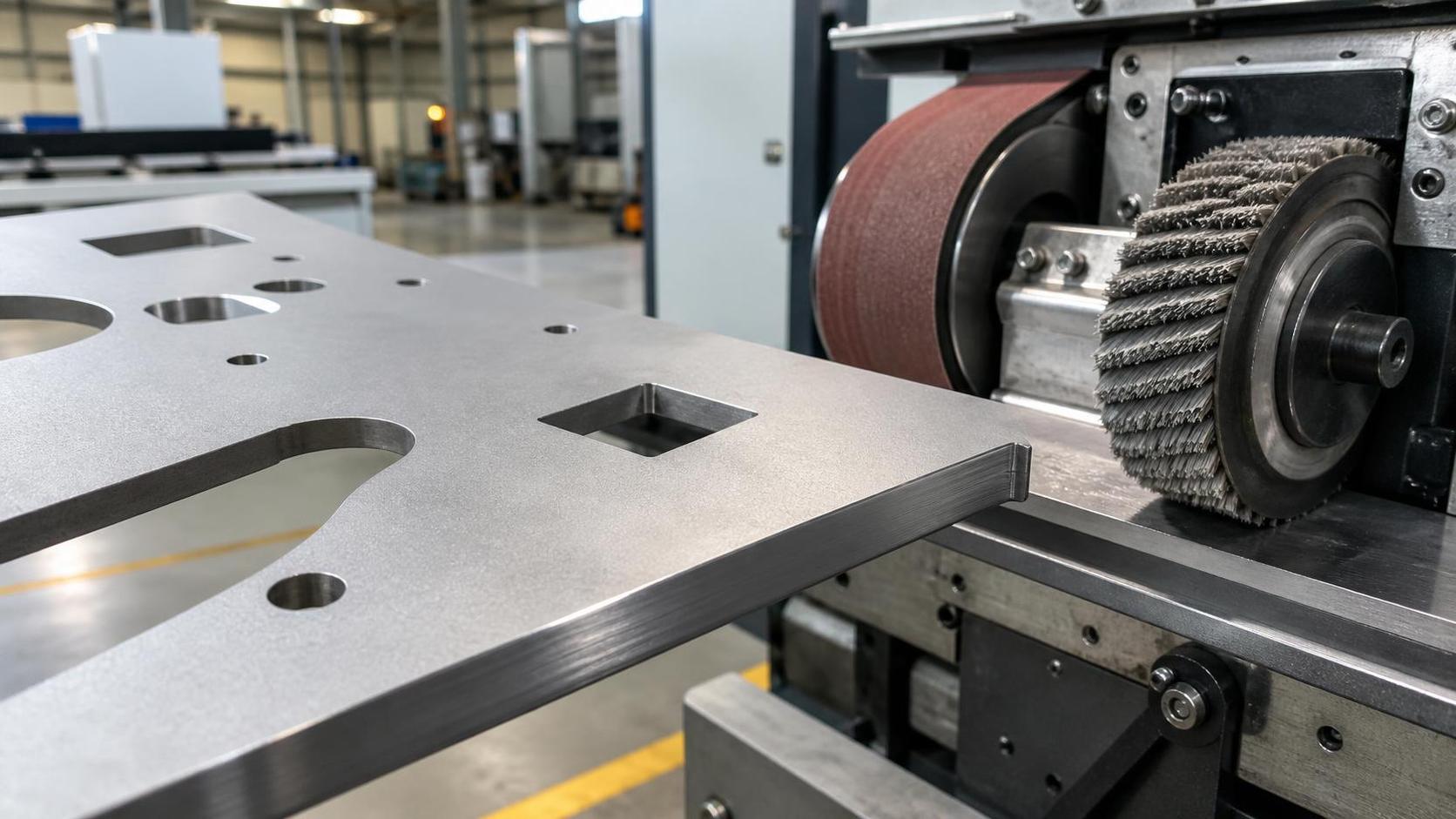
A common sequence begins with a wide abrasive belt for surface leveling, dross reduction, or scratch removal. Rotary brush stations then follow contours and reach internal holes, slots, tabs, and external edges. Brushes are especially valuable where a uniform edge break is required on complex laser-cut shapes. Some systems use vacuum hold-down or magnetic conveyance to stabilize thin or small components during processing.
Process verification should examine both faces, internal features, and external profiles. Operators normally check for residual sharpness, inconsistent rounding, excessive grinding marks, discoloration, and part distortion. Abrasive wear must also be monitored because a worn belt or brush can reduce finishing quality before a visual defect becomes obvious. A practical production plan links inspection frequency to material grade, cutting process, and job criticality.
Main Machine Types And Their Uses
Wide-belt deburring machines use one or more abrasive belts to remove broad surface burrs and improve flatness appearance. They are often selected for sheet parts with relatively simple geometry, especially after shearing or punching. Their productivity is strong for repeat work, but the abrasive selection and pressure setting must match the material so the machine does not leave deep directional scratches or reduce critical feature dimensions.
Brush-based machines use rotating abrasive brushes to round edges on both outer contours and internal cutouts. They are commonly used after fiber laser, plasma, or punch processing, where many holes and profiles need consistent treatment. The flexibility of the brush allows it to follow part geometry more effectively than a flat belt alone, making this configuration suitable for coated products, enclosures, cabinets, structural components, and fabricated assemblies.
Combination machines integrate belt sanding with brush finishing, creating a broader finishing route in one pass. Wet-process systems may be considered where heat management, dust control, or specific material behavior requires it, while dry systems simplify routine operation for many factories. Buyers should compare not only machine configuration but also usable working height, part thickness range, conveyor support method, dust extraction requirements, and accessibility for consumable replacement.
Why Edge Finishing Matters In Fabrication
Sharp edges increase the risk of injury during handling, assembly, packing, and maintenance. They can also cut protective gloves, scratch adjacent parts, and create an inconsistent customer impression. For fabricators supplying export markets or quality-sensitive OEM programs, controlled deburring provides a practical way to make part quality less dependent on individual manual-grinding skill and more consistent across recurring production orders.
Edge rounding is particularly important before powder coating, painting, plating, and certain adhesive applications. Coatings tend to thin around very sharp edges, which can reduce coverage consistency and expose the substrate earlier in service. A suitable sheet metal deburring machine creates a more stable edge profile for downstream finishing while removing cutting residues that could contaminate pretreatment, weld preparation, or final assembly operations.
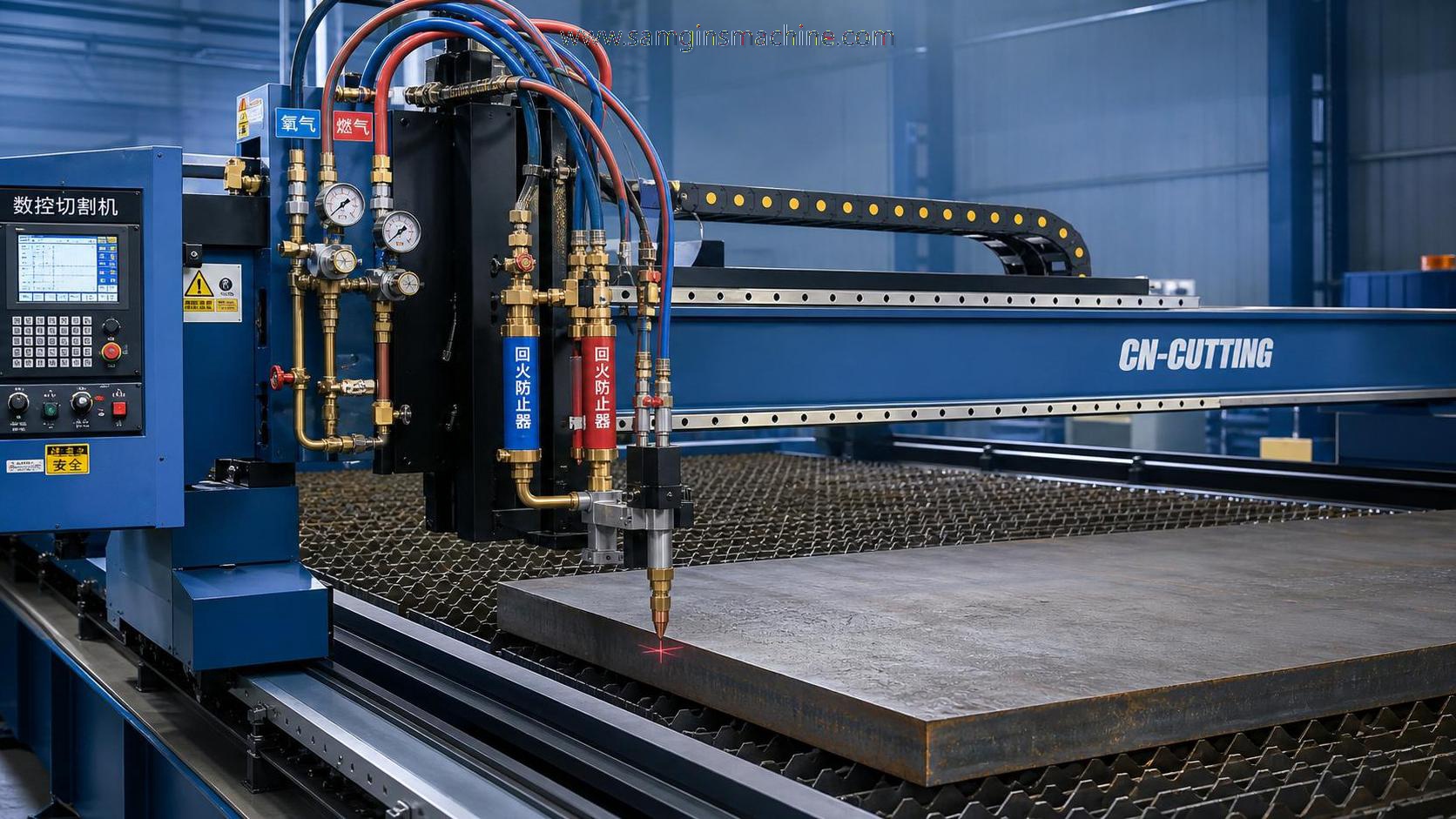
Wuxi Samgins can support deburring equipment selection within a wider fabrication equipment scope that includes fiber laser cutting machines, CNC flame and plasma cutters, press brakes, plate leveling machines, edge milling machines, and welding systems. This broader process perspective is useful when buyers need to align cutting quality, material flow, finishing capacity, and automation interfaces rather than evaluate a deburring station in isolation.
Who Uses Deburring Equipment And Where
Typical users include sheet metal fabricators, electrical enclosure manufacturers, steel structure workshops, machinery builders, elevator and transport equipment suppliers, HVAC producers, cabinet manufacturers, and subcontract laser-cutting shops. These users often process a high mix of brackets, panels, covers, gussets, flanges, frames, and formed components. The strongest fit is usually a factory that needs repeatable edge quality at a volume where manual finishing limits throughput or creates labor variability.
The equipment is commonly installed after cutting and before bending, welding, coating, or assembly. Placement depends on the shop layout and the nature of the burr. For example, laser-cut parts may go directly from sorting to brush deburring, while thicker plasma-cut components may need more intensive slag removal before secondary finishing. Material traceability and orderly part flow are important when parts have different finish specifications.
Wuxi Samgins has global export experience and lists customers including URALSTANKOIMPORT, MD Calbah Industries Pty Ltd, Ersay International Transport, Zein Steel Industries Co. LLC, PT. Cahaya Mas Cemerlang, Estructuras Metalicas Girders Chile Limitada, and Lincoln Electric-MENA. Specific project results should be confirmed against the relevant order scope, but this international exposure supports discussions around installation conditions, documentation, and local industry code expectations.
How To Select And Install The Right System
Start selection with representative parts rather than a general material description. Record sheet grade, thickness, maximum and minimum part dimensions, burr direction, cut quality, hole sizes, required edge radius, surface appearance, daily volume, and subsequent process. A supplier can use this information to recommend the appropriate abrasive arrangement, number of stations, transport method, and processing window. Sample trials are valuable when parts include narrow strips, delicate profiles, or demanding cosmetic faces.
Installation requires a stable floor, appropriate electrical supply, safe loading and unloading space, and effective dust collection where dry abrasives are used. The production team should define direction of travel, workpiece orientation, labeling, and inspection points before commissioning. Operators need training on belt tracking, brush adjustment, cleaning, fault recognition, and safe handling of sharp incoming parts. Maintenance access should remain clear after the machine is positioned in the line.
Quality control should include incoming part checks, first-piece approval, periodic edge inspection, and consumable change records. Wuxi Samgins states that its machines comply with the ISO9001 quality system and EU CE Machinery and LVD directives, and that key hydraulic, servo, and CNC components use internationally recognized imported brands. Buyers should verify the exact compliance documents, electrical configuration, safety specification, and included accessories for the machine being quoted.
Maintenance, Total Cost, And Return On Investment
The total cost of a sheet metal deburring machine includes purchase price, freight, installation, dust extraction, electrical work, training, abrasives, spare parts, labor, energy, and planned downtime. Consumables are a recurring cost, so purchase decisions should consider abrasive life and changeover time, not only the initial machine price. A machine with an accessible abrasive system can reduce service interruptions and make performance more predictable across different production runs.
Daily work should include cleaning the conveyor and working area, checking abrasive condition, and confirming extraction performance. Weekly or scheduled inspections may cover belt tracking, brush wear, fasteners, drive components, sensors, and safety devices, following the equipment manual. Maintenance intervals should be adjusted for material mix, shift pattern, dust load, and actual operating hours. Keeping a simple maintenance log supports troubleshooting and helps plan consumable inventory.
ROI is usually driven by reduced manual grinding time, fewer handling incidents, less rework before coating, steadier output, and higher capacity at the cutting department. Compare manual labor minutes per part with the full automated process cost, including loading and inspection. The most reliable calculation uses actual part families and realistic utilization. Wuxi Samgins can also coordinate finishing requirements with related cutting, bending, welding, and leveling equipment where a buyer is developing or upgrading a broader fabrication line.
Future Trends In Sheet Metal Deburring
Finishing technology is moving toward more adaptable processing for high-mix production. Factories increasingly need machines that can handle changing material grades, part sizes, and laser-cut geometries without prolonged setup. Better control of conveyor speed, brush contact, and program parameters can support repeatability while allowing operators to maintain distinct finish standards for structural parts, visible panels, and coating-ready components.
Automation links will also become more important. Parts may move from laser cutting through sorting, deburring, bending, and welding with greater use of handling equipment, barcode-based job control, and production data collection. In this environment, the deburring station must be evaluated for feed direction, loading compatibility, safety integration, and process capacity, because it can become a bottleneck after improvements to upstream cutting speed.
Sustainability considerations will continue to influence abrasive consumption, dust management, energy use, and part yield. Buyers should seek practical data on extraction needs, consumable availability, maintenance support, and expected process capability for their materials. A well-specified sheet metal deburring machine gives manufacturers a scalable foundation for safer fabrication, more reliable surface preparation, and stronger consistency as customer quality expectations evolve.
search
Recommended Products
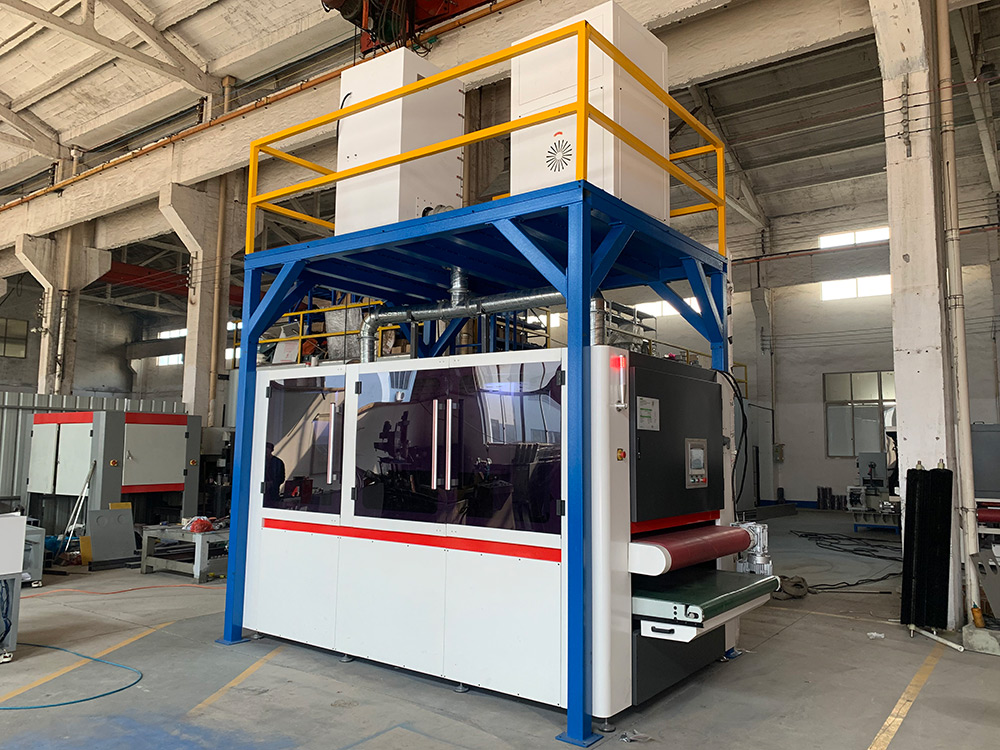
 RNS 800 Sheet metal deburring machineThis equipment combines a dry sanding belt with four sets of universal sanding roller brushes. It is primarily designed for edge processing, hole deburring, and surface finishing of metal sheets, including drawing, descaling, and polishing. It effectively removes burrs generated by stamping, shearing, laser cutting, plasma cutting, and flame cutting in a single pass from all directions, delivering a smooth small R-arc finish on all edges and holes. The process is safe, reliable, and ensures superior workpiece quality.
![星星1]()
- RNS1000 Sheet metal deburring machineThis equipment combines a dry sanding belt with four sets of universal sanding roller brushes. It is primarily designed for edge processing, hole deburring, and surface finishing of metal sheets, including drawing, descaling, and polishing. It effectively removes burrs generated by stamping, shearing, laser cutting, plasma cutting, and flame cutting in a single pass from all directions, delivering a smooth small R-arc finish on all edges and holes. The process is safe, reliable, and ensures superior workpiece quality.
![星星1]()
- RNS1300 Sheet metal deburring machineThis equipment features a dry sanding belt combined with four sets of universal sanding roller brushes. It is primarily designed for edge processing, hole deburring, and surface finishing of metal sheets, including drawing, descaling, and polishing. It can effectively remove burrs generated by stamping, shearing, laser cutting, plasma cutting, and flame cutting in a single pass, from all directions. As a result, all edges and holes of the workpiece achieve a smooth small R-arc finish. The entire processing procedure is safe and reliable, ensuring superior workpiece quality.
![星星1]()

Send Us A Message
Send us a Message
A dedicated person will follow up on your needs one-on-one and provide personalized customized solutions according
to your needs.
Get In Touch
We look forward to hearing from you for in-depth communication on how to fulfill your mixing requirements.