




Hydraulic Plate Rolling Machine Explained: Essential Specifications, Rolling Capacity, and Material Selection
What Is A Hydraulic Plate Rolling Machine?
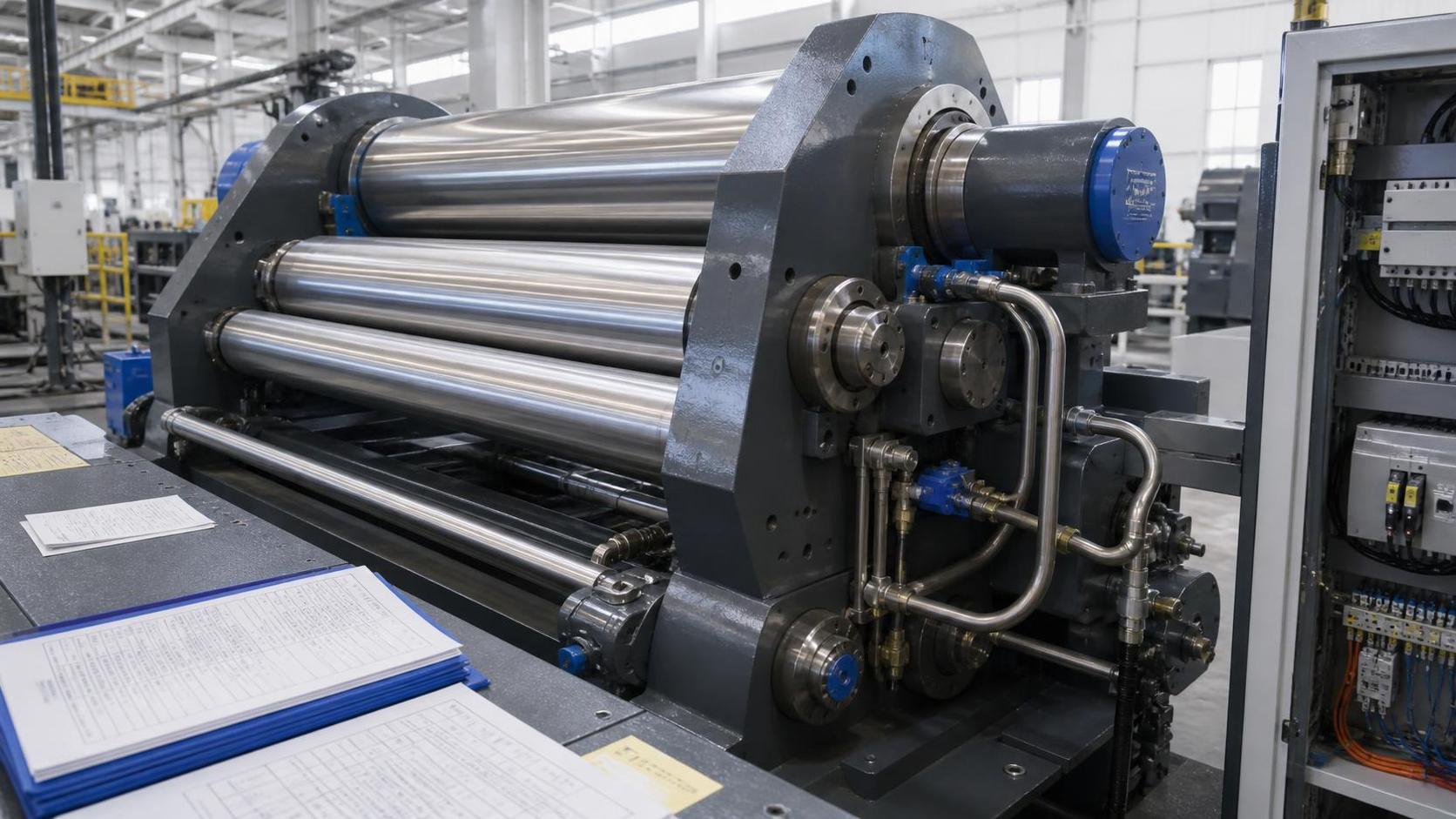
A Hydraulic Plate Rolling Machine is a metal-forming machine that uses powered rollers and hydraulic force to bend flat steel, stainless steel, aluminum, or alloy plate into cylindrical, conical, or arcuate shapes. It is widely used where fabricated shells must have controlled radius, repeatable geometry, and sound surface quality. Typical finished components include storage tanks, pressure-vessel shells, ducts, chimneys, pipelines, wind-tower sections, and large-diameter process equipment.
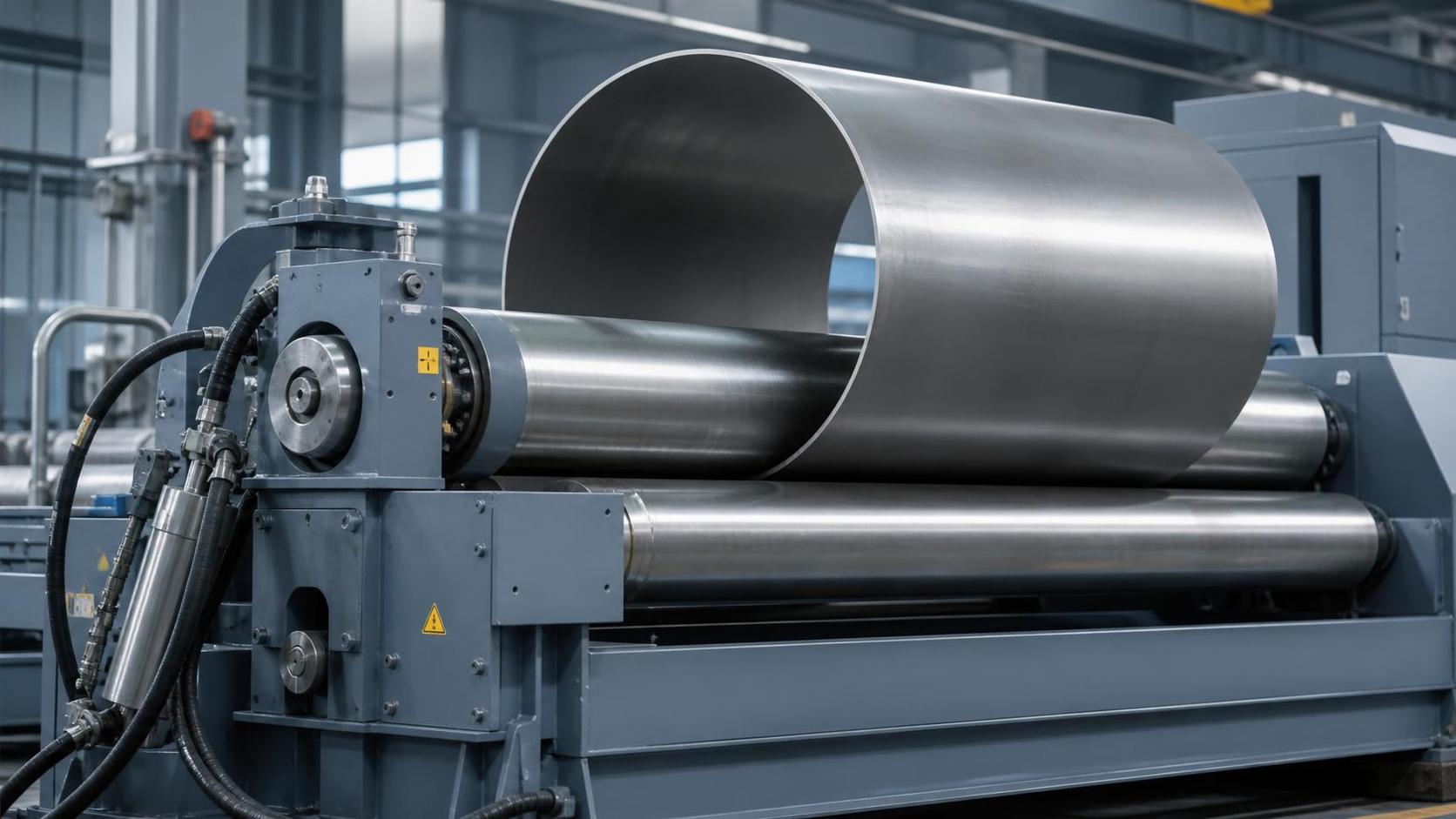
The basic machine has three or four rollers. The top roller applies downward pressure or is positioned relative to lower rollers, while the plate is driven through the roll set. Hydraulic cylinders provide the force needed to move the rollers under load, making hydraulic systems suitable for thicker plate, wider workpieces, and demanding production environments. A properly selected Hydraulic Plate Rolling Machine reduces manual forming work and helps fabricators control roundness before welding.
Capacity should never be defined by plate thickness alone. A useful specification states the material grade, plate width, rolling diameter, minimum finished diameter, pre-bending requirement, and whether the listed value applies to full-width rolling. A machine that rolls a thin mild-steel plate at a large diameter may not roll the same plate into a tight shell, and high-strength steel can require substantially greater force than ordinary carbon steel.
How Hydraulic Rolling Technology Works
Rolling begins by feeding a plate between the rollers and establishing the initial bending position. As the driven rollers rotate, friction pulls the plate through the machine. The hydraulic system adjusts roller position, increasing bending moment gradually until the desired curvature is achieved. Most jobs require several controlled passes rather than one aggressive pass, especially when dimensional consistency, edge condition, and material integrity matter.
Pre-bending is a critical operation because the leading and trailing edges cannot be fully bent when they are outside the effective roller contact zone. Without pre-bending, a flat unrolled section remains at each end and must be corrected by additional handling or welding fit-up work. Four-roll machines are often preferred for production because they can clamp the plate, pre-bend both ends, and roll the body with fewer repositioning steps.
Hydraulic synchronization, roller parallelism, drive transmission, bearing design, and control feedback all affect finished accuracy. CNC or NC controls can store roller positions and support repeat jobs, while manual hydraulic machines remain practical for varied, lower-volume fabrication. Operators still need to account for springback, which occurs when the plate elastically recovers after pressure is released. Higher-strength materials generally require greater over-bending to compensate.
Main Machine Types And Their Uses
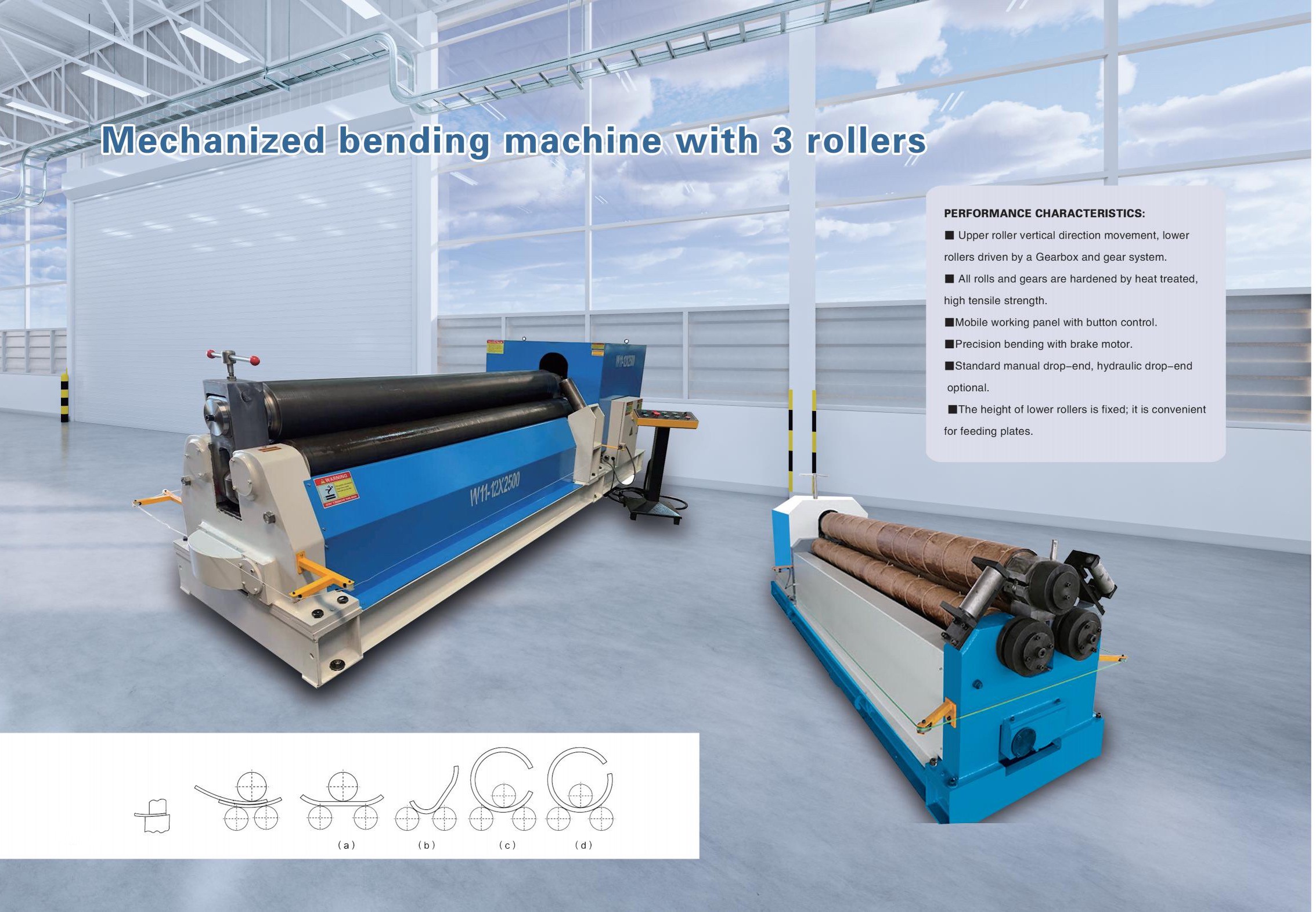
A mechanical three-roll bending machine commonly uses mechanical adjustment and is generally applied to lighter-duty work or simpler operations. It can be an economical choice for workshops processing thinner plate with moderate accuracy requirements. However, its adjustment speed and pre-bending convenience may be limited compared with a hydraulic configuration, particularly when frequent setup changes or thicker materials are involved.
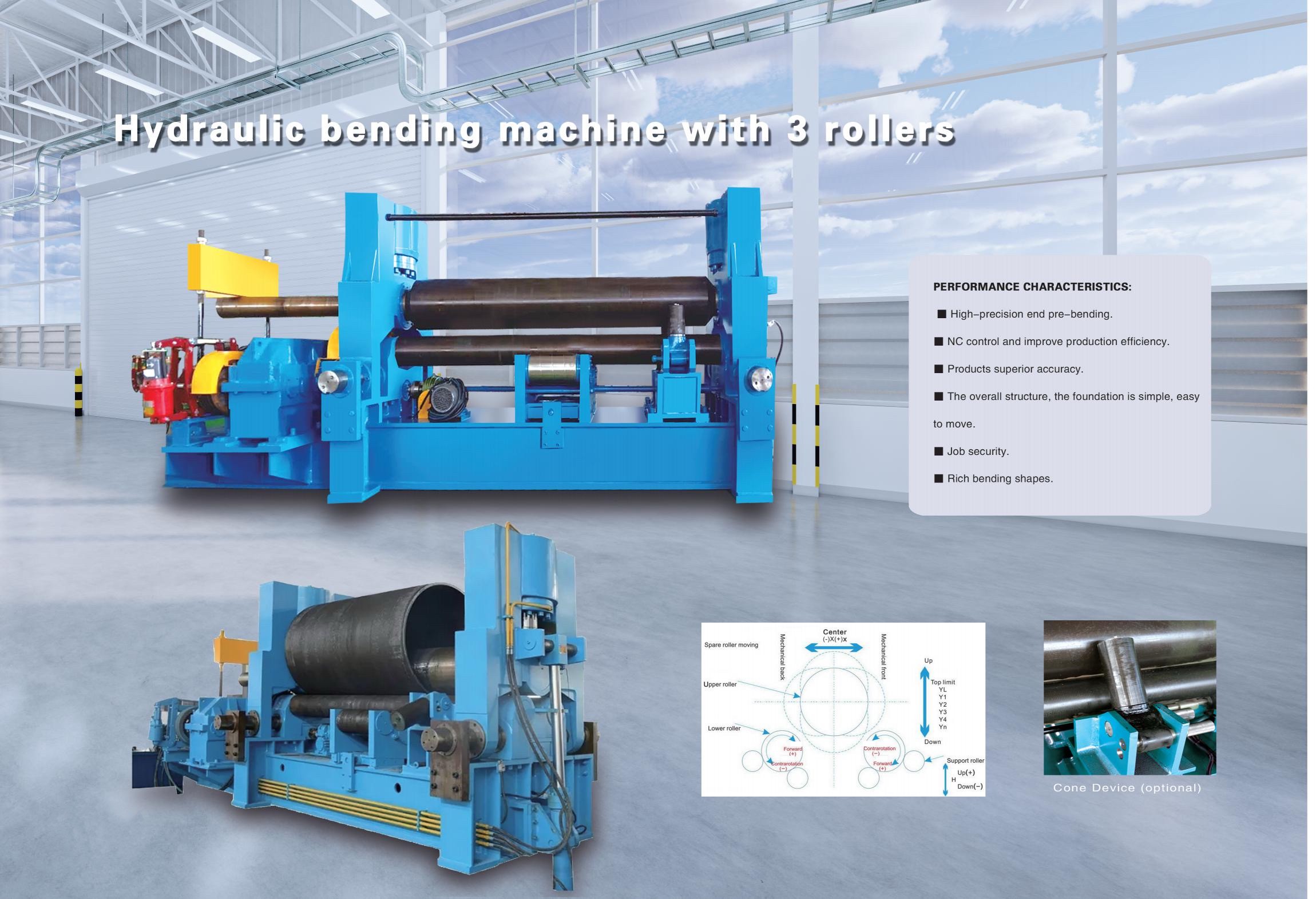
A hydraulic three-roll bending machine uses hydraulically movable side or lower rollers to create the bending geometry. It is suitable for many tank, pipe, duct, and general steel-fabrication projects. The configuration can provide strong forming force and broad working flexibility. Buyers should review the roller movement design, side-roll travel, tilting mechanism, and the method used to remove completed shells, because these details influence handling efficiency and the usable diameter range.
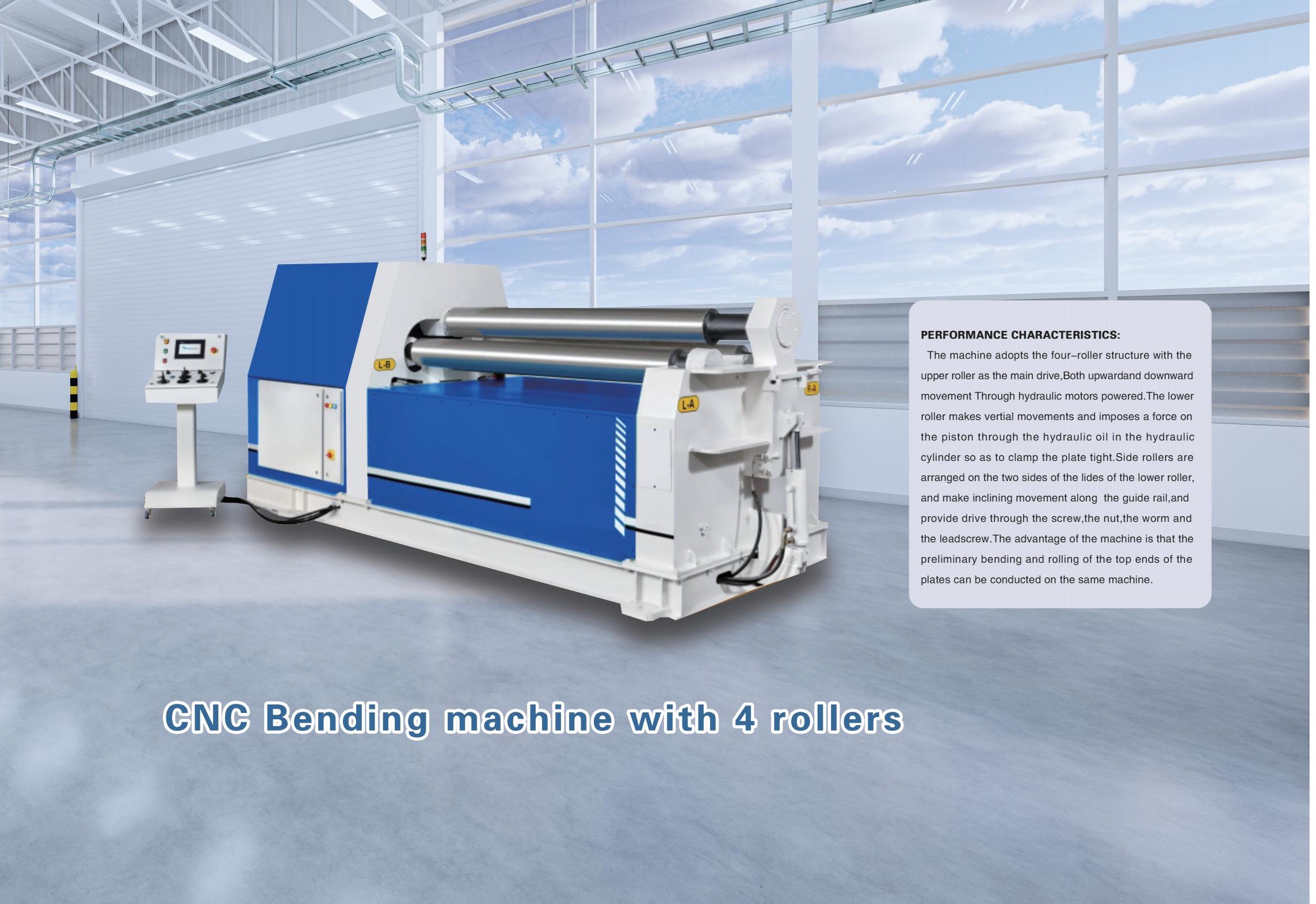
A CNC four-roll Hydraulic Plate Rolling Machine provides independent control of upper and lower or side-roll positions, depending on the design. It is particularly useful for repeat production, accurate pre-bending, shell roundness control, and reduced dependence on operator judgment. Four-roll equipment may offer a more efficient workflow for cylinder production, but the appropriate choice depends on plate range, job mix, required tolerances, available handling equipment, and the purchaser's expected production volume.
Rolling Capacity And Essential Specifications
The most important capacity inputs are plate thickness, usable rolling width, material yield strength, minimum rolling diameter, and the required pre-bending thickness. Carbon steel is often used as the reference material in machine quotations, so purchasers should request a conversion or confirmation when processing stainless steel, aluminum, abrasion-resistant plate, or high-strength structural grades. Material condition, coating, plate flatness, and temperature can also affect actual rolling performance.
Roll diameter is not merely a construction detail. Larger top and lower rollers usually support heavier loads and reduce roller deflection across wide plates, but they can increase the practical minimum shell diameter. Smaller rollers can form tighter diameters but must be matched to the machine frame, shaft strength, bearing arrangement, and hydraulic capacity. The machine's stated minimum diameter should be verified for the buyer's material, thickness, and finished part geometry.
Other specifications worth comparing include roller length, roller surface hardness, drive motor power, gearbox construction, hydraulic pressure, cylinder quantity, digital readout or CNC functions, side supports, overhead supports, conical rolling attachments, emergency-stop devices, and electrical supply requirements. For large shells, an upper support and lower support can help prevent plate sagging, reduce manual intervention, and protect geometric accuracy during rolling.
Material Selection And Application Fit
Carbon steel remains common for storage vessels, structural shells, ventilation systems, and many industrial tanks because it offers a practical balance of formability, strength, availability, and fabrication cost. Plate grade must still be selected according to the service environment, welding procedure, corrosion allowance, and applicable design code. Thick plates and high-yield-strength grades demand careful capacity verification to avoid overload, excessive springback, or an inconsistent final radius.
Stainless steel is widely selected for food processing, water treatment, chemical handling, and applications requiring corrosion resistance. Its surface should be protected during handling, and dedicated or well-maintained rollers can help prevent contamination and marking. Aluminum requires a different approach because it is softer and more easily damaged, while its elastic recovery can affect diameter control. Protective film, suitable tooling, and clean handling procedures are important for appearance-sensitive work.
Typical buyers include pressure-vessel fabricators, tank manufacturers, pipeline contractors, steel-structure workshops, shipbuilding suppliers, HVAC duct producers, and process-equipment manufacturers. Wuxi Samgins can pair plate rolling equipment with complementary manufacturing machinery such as welding rotators, welding positioners, longitudinal seam welding machines, CNC cutting machines, edge milling machines, and shot blasting machines. This broader line supports purchasers planning an integrated shell-fabrication workflow rather than an isolated rolling station.
Quality Control, Installation, And Compliance
Reliable rolling results start with machine manufacture and continue through installation. Key checks include frame rigidity, roller runout, shaft alignment, bearing condition, hydraulic-cylinder movement, gearbox performance, electrical protection, and control accuracy. Before acceptance, buyers should define what will be inspected: test plate material, thickness, width, target diameter, out-of-roundness method, edge pre-bending quality, roller marks, and the number of repeat parts required for evaluation.
Installation requires a stable foundation, adequate working space for plate loading and shell removal, correctly sized electrical service, hydraulic-oil management, and clear material-flow planning. The machine should be leveled and commissioned according to the supplier's instructions. Operators need training in plate centering, pass sequencing, pre-bending, cone rolling where applicable, safety interlocks, emergency stops, and safe use of cranes, supports, and lifting fixtures around large workpieces.
For international projects, documentation and machine configuration should be reviewed against the destination market and the end user's compliance obligations. Wuxi Samgins states that its machines comply with the ISO9001 quality system and EU CE Machinery and LVD directives, and its export team has experience with ASME, API, and local industry codes. Purchasers should confirm the exact documentation, electrical standard, safety accessories, and project-specific requirements in the commercial and technical agreement.
Total Cost Of Ownership And Buying Strategy
The purchase price of a Hydraulic Plate Rolling Machine is only one part of total cost of ownership. Buyers should include freight, installation, foundation preparation, electrical connection, lifting equipment, operator training, spare parts, hydraulic oil, preventive maintenance, and potential downtime. A lower initial price may not represent better value if the roller capacity is marginal, controls are difficult to repeat, service response is unclear, or the machine cannot accommodate future workpieces.
Return on investment usually comes from lower outsourcing costs, faster shell production, reduced manual correction, improved welding fit-up, better material utilization, and increased ability to quote larger or more technically demanding work. Estimate annual plate volume by thickness and width range, then compare the labor hours and handling steps required by each machine type. Include realistic allowances for setup time, pre-bending, inspection, welding preparation, and material movement between workstations.
A disciplined request for quotation should specify drawings, material grades, thickness and width ranges, minimum diameters, required cone capability, annual output, control preference, plant power, delivery location, and desired support equipment. Wuxi Samgins offers customization across welding and fabrication equipment and provides long-term warranty and technical support commitments. Its international customer references include URALSTANKOIMPORT, MD Calbah Industries Pty Ltd, Ersay International Transport, Contevix comercio e servicos ltda, and Lincoln Electric-MENA; buyers should evaluate relevant references and project requirements directly during supplier qualification.
Maintenance Planning And Future Industry Trends
Routine maintenance protects both rolling quality and machine availability. Daily or shift-based checks should cover hydraulic leaks, oil level, unusual noise, roller cleanliness, guards, emergency-stop operation, and visible fasteners. Scheduled maintenance should examine oil condition, filters, hoses, seals, lubrication points, bearings, drive components, electrical connections, and calibration. Plates with scale, sharp burrs, or surface contamination should be prepared before rolling to reduce roller damage and improve finished-part quality.
The industry is moving toward more automated setup, programmable rolling sequences, digital position feedback, production-data visibility, and integrated material handling. CNC four-roll systems are increasingly relevant where manufacturers make repeat cylinders, require traceable settings, or need to reduce setup variation across shifts. At the same time, robust hydraulic three-roll machines remain important for contract fabricators that process diverse materials and dimensions in smaller batches.
Future-ready selection means matching automation to actual work, not selecting controls only for their appearance. A practical investment leaves capacity margin for foreseeable plate grades and shell sizes, accommodates downstream welding and handling, and includes access to technical support and consumable parts. By reviewing rolling requirements alongside cutting, edge preparation, welding, positioning, blasting, and finishing operations, manufacturers can build a more stable, scalable fabrication process around the Hydraulic Plate Rolling Machine.
search
Recommended Products
 CNC Bending machine with 4 rollerA roll bending machine is a forming device that uses rotating working rollers to progressively bend sheet metal into desired profiles. Capable of producing cylindrical, conical, and arc-shaped components, it is an essential piece of equipment in modern metal fabrication. The forming process relies on hydraulic or mechanical force to actuate the working rollers, whose coordinated movements—through rotation and positional adjustment—enable the production of a wide variety of curved geometries.
![星星1]()
 Hydraulic bending machine with 3 roller1.Introduction for Hydraulic bending machine with 3 roller:
A roll forming machine is a device that bends sheet materials into shapes through the action of working rolls. It can form various parts such as cylindrical pieces and conical pieces. It is a very important processing equipment. The working principle of a roll forming machine is to use external forces such as hydraulic pressure and mechanical force to make the working rolls move, thereby bending or rolling the sheet materials into shapes. Depending on the rotational movement and position changes of the working rolls of different shapes, parts such as elliptical pieces, arc-shaped pieces, and cylindrical pieces can be processed.![星星1]()
 Mechanized bending machine with 3 rollerA roll forming machine is a processing device that bends sheet materials into desired shapes through the action of working rollers. It is capable of producing various components, including cylindrical and conical parts, making it essential equipment in metal fabrication.
The machine operates by applying external forces—hydraulic or mechanical—to move the working rollers, which bend or roll the sheet into shape. Depending on the rotational movement and positional changes of differently shaped rollers, it can process elliptical, arc-shaped, and cylindrical workpieces.![星星1]()

Send Us A Message
Send us a Message
A dedicated person will follow up on your needs one-on-one and provide personalized customized solutions according
to your needs.
Get In Touch
We look forward to hearing from you for in-depth communication on how to fulfill your mixing requirements.