




Metal Laser Cutting Machine Explained: A Deep Dive into Technology, Precision, and Industrial Use
What A Metal Laser Cutting Machine Is And Why It Matters
A metal laser cutting machine is a CNC-controlled system that directs a concentrated laser beam onto metal sheet, plate, tube, or profile material to produce narrow, accurate cuts. In industrial use, the machine is valued for its ability to process complex geometries with low mechanical contact, reduced deformation, and strong dimensional consistency across repeated production runs.
Compared with conventional shearing, sawing, punching, or oxy-fuel methods, laser cutting is especially useful when manufacturers need tighter tolerances, cleaner edges, faster job changeovers, and less tooling dependency. The process supports both prototype work and serial production, making it relevant to job shops, steel structure plants, equipment manufacturers, enclosure makers, and general sheet metal factories.
In practice, a metal laser cutting machine is not just a cutting device. It is part of a broader fabrication workflow that influences nesting efficiency, downstream welding quality, deburring workload, and final assembly accuracy. For B2B buyers, understanding the machine at the process level is more useful than focusing only on headline power ratings.
This matters because cut quality affects total manufacturing performance. A stable laser platform can shorten lead times, reduce scrap, improve fit-up for welding, and help factories respond faster to mixed-volume orders. In sectors where production flexibility and quality traceability matter, the metal laser cutting machine has become a core asset rather than a supplementary tool.
How The Technology Works In Industrial Production
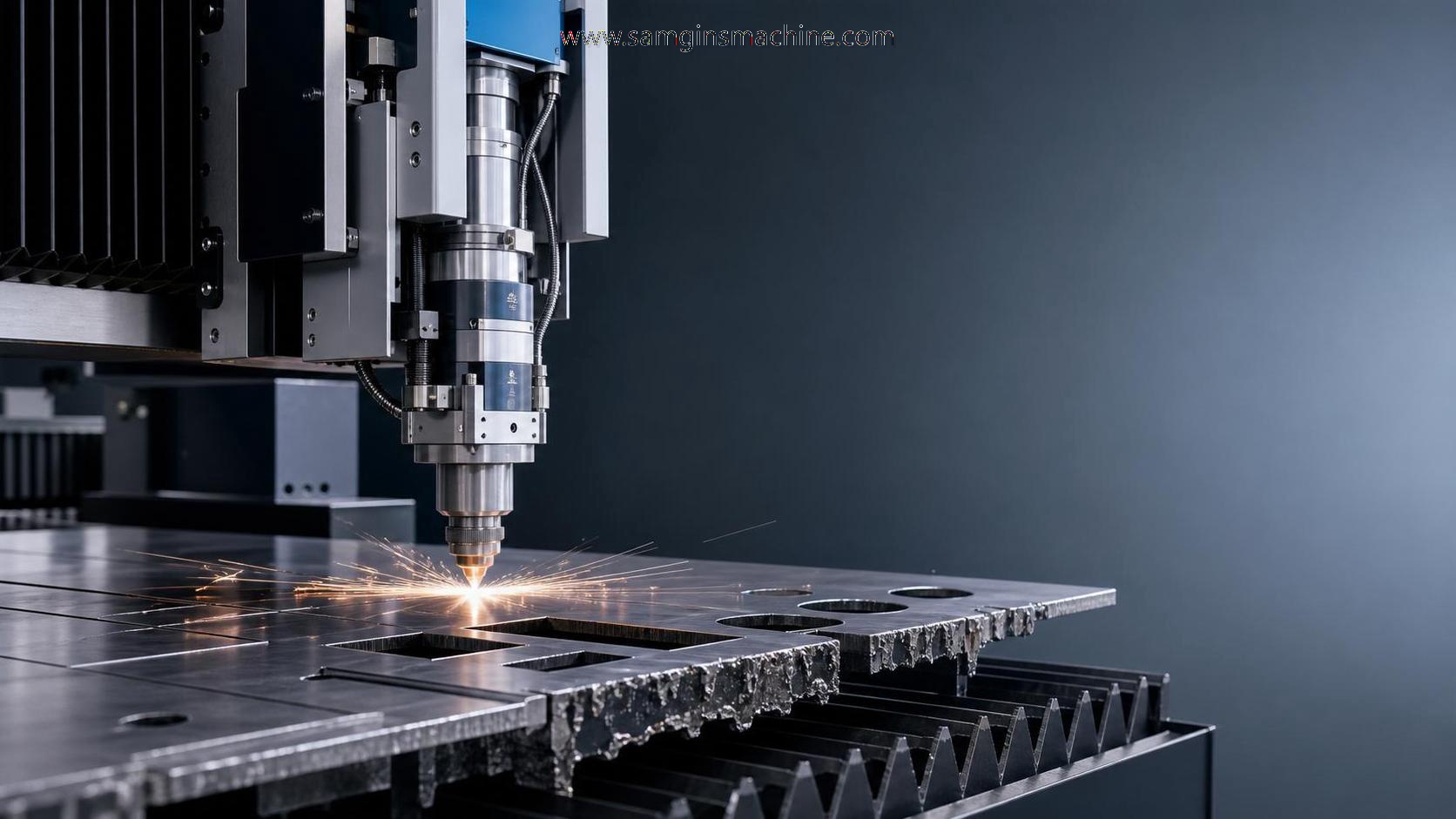
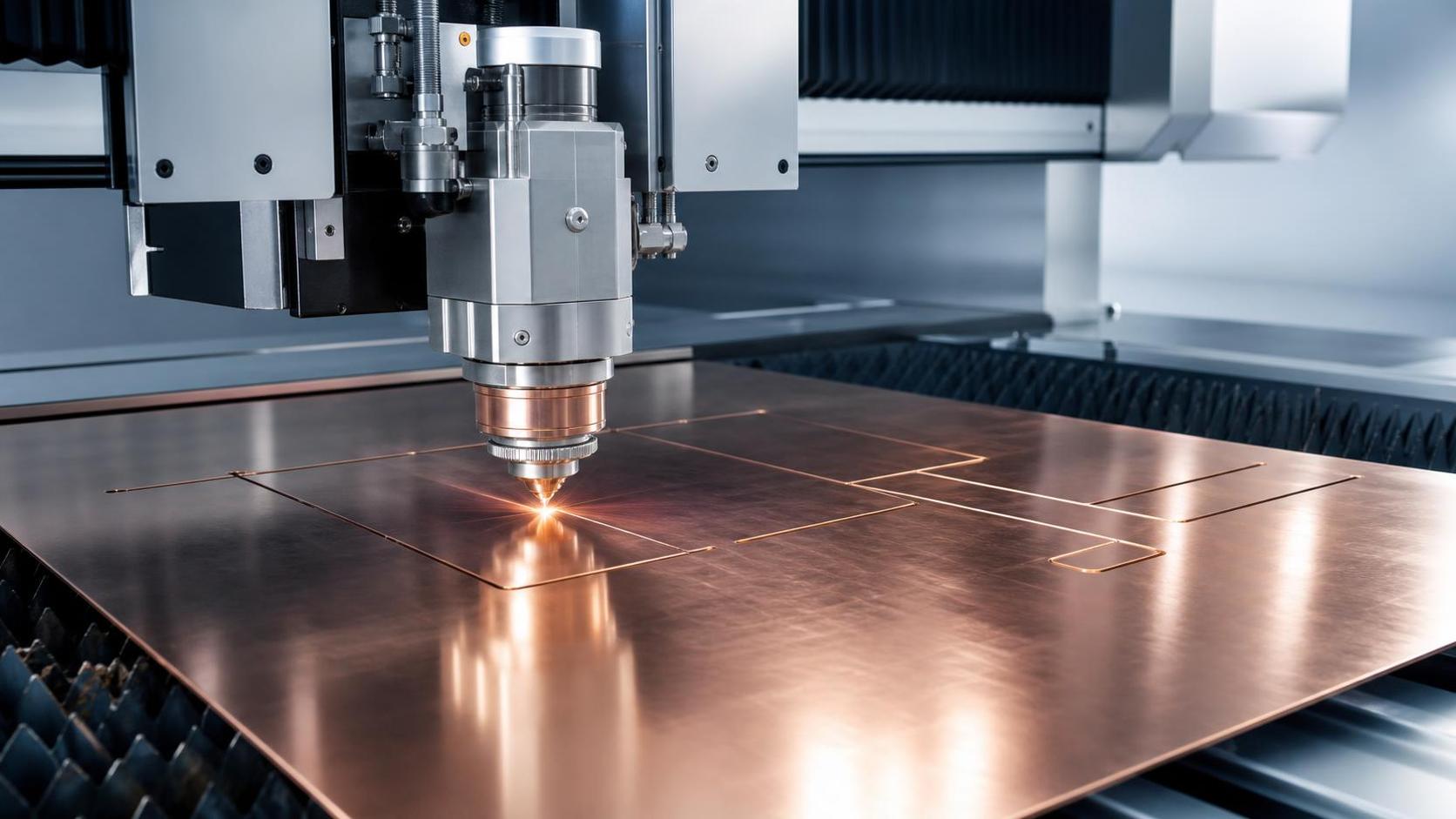
The basic principle is straightforward: electrical energy is converted into laser energy, the beam is transmitted through an optical path, and a focusing head concentrates that energy into a very small spot on the metal surface. The localized heat melts or vaporizes the material, while assist gas removes molten metal from the kerf and supports cut formation.
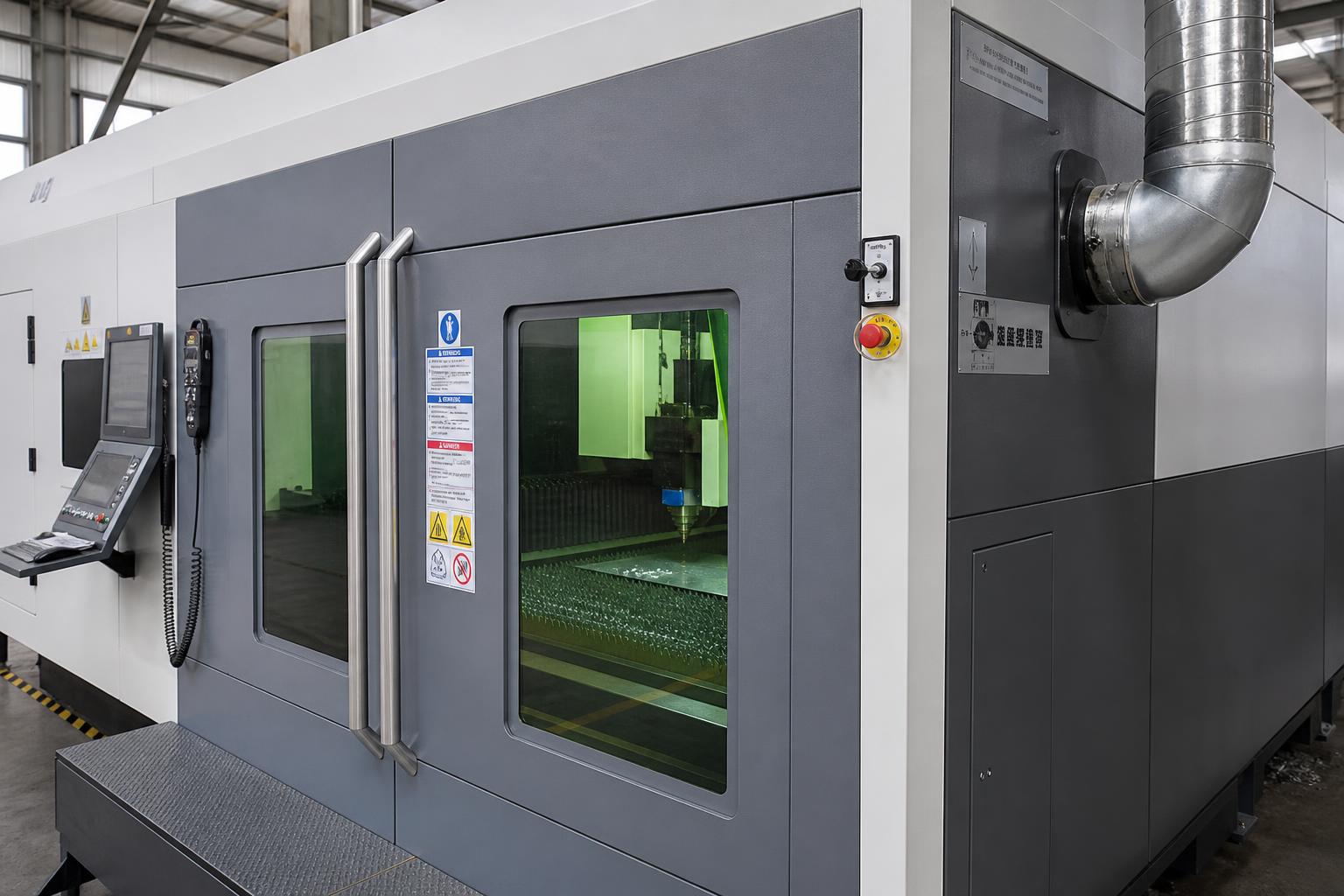
A modern metal laser cutting machine combines several subsystems: the laser source, cutting head, motion gantry, CNC controller, servo drives, bed structure, gas supply, cooling system, and safety enclosure or guarding. Cutting performance depends on how well these elements work together, not on the laser source alone. Machine rigidity, motion response, and software tuning all influence edge quality and contour accuracy.
Assist gases typically include oxygen, nitrogen, or compressed air. Oxygen can increase cutting speed on carbon steel through exothermic reaction, while nitrogen helps produce oxide-free edges on stainless steel and some decorative parts. Air cutting may reduce operating cost in certain thickness ranges, but the result depends on material, surface requirements, and compressor quality.
Operators also manage process variables such as focal position, nozzle condition, gas pressure, feed rate, piercing method, and nesting strategy. Good settings reduce burr, taper, and heat-affected effects. Poor settings may lead to incomplete cuts, dross adhesion, overburn, or unstable piercing, which is why process support and parameter optimization are important parts of the purchase decision.
Main Machine Types And Their Typical Use Cases
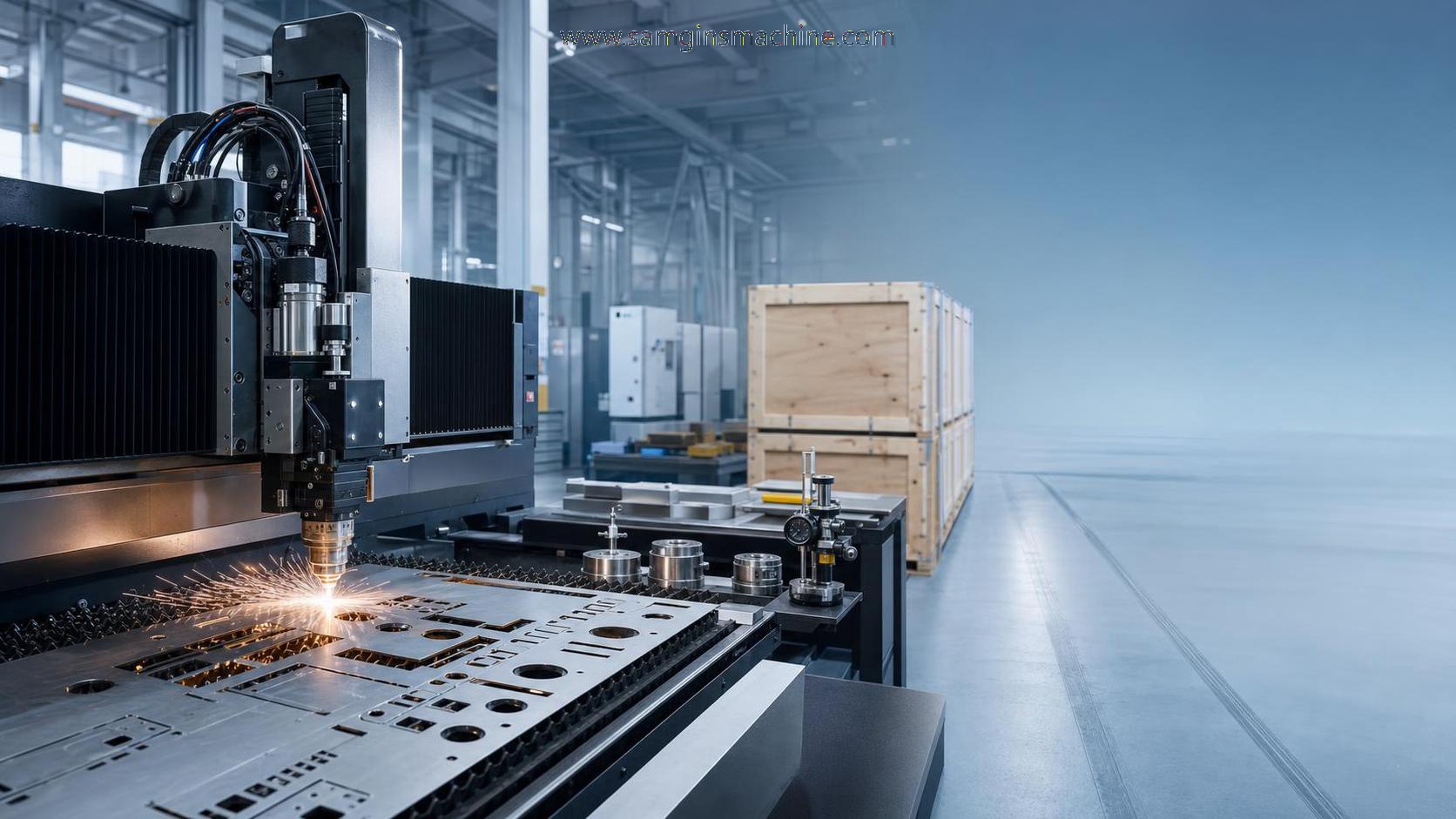
The most common industrial category today is the CNC fiber-based metal laser cutting machine for sheet processing. Fiber systems are widely adopted because they offer efficient energy conversion, strong cutting performance on thin to medium-thickness metals, and relatively low maintenance compared with older laser architectures. They are common in fabrication shops producing cabinets, brackets, panels, doors, frames, and machine components.
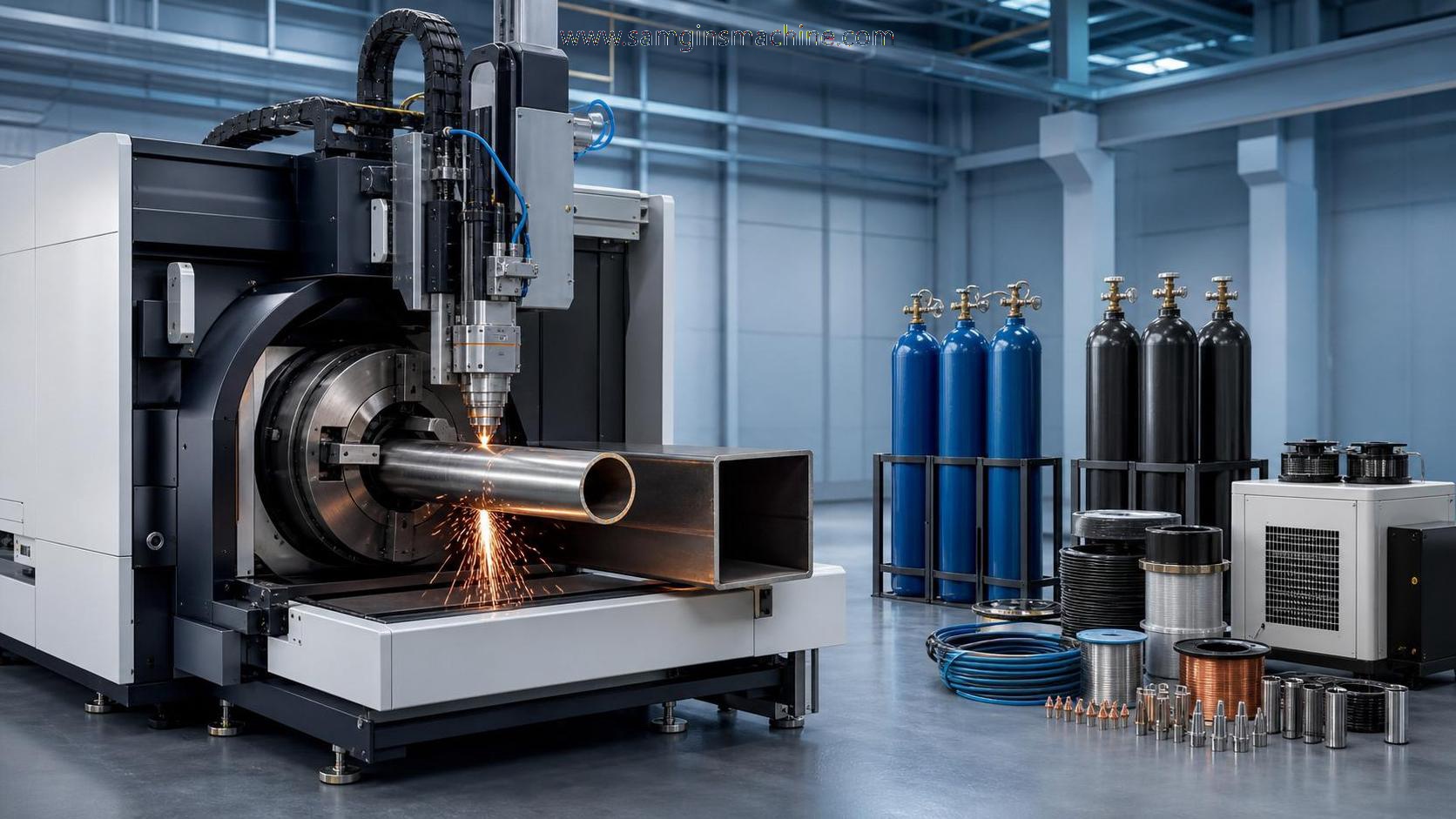
Another category is tube or pipe laser cutting equipment, used for round tube, square tube, rectangular tube, angle, channel, and other profiles. These systems are useful for furniture, fitness equipment, agricultural machinery, automotive components, and structural fabrication where slotting, beveling, hole cutting, and complex tube intersections are required.
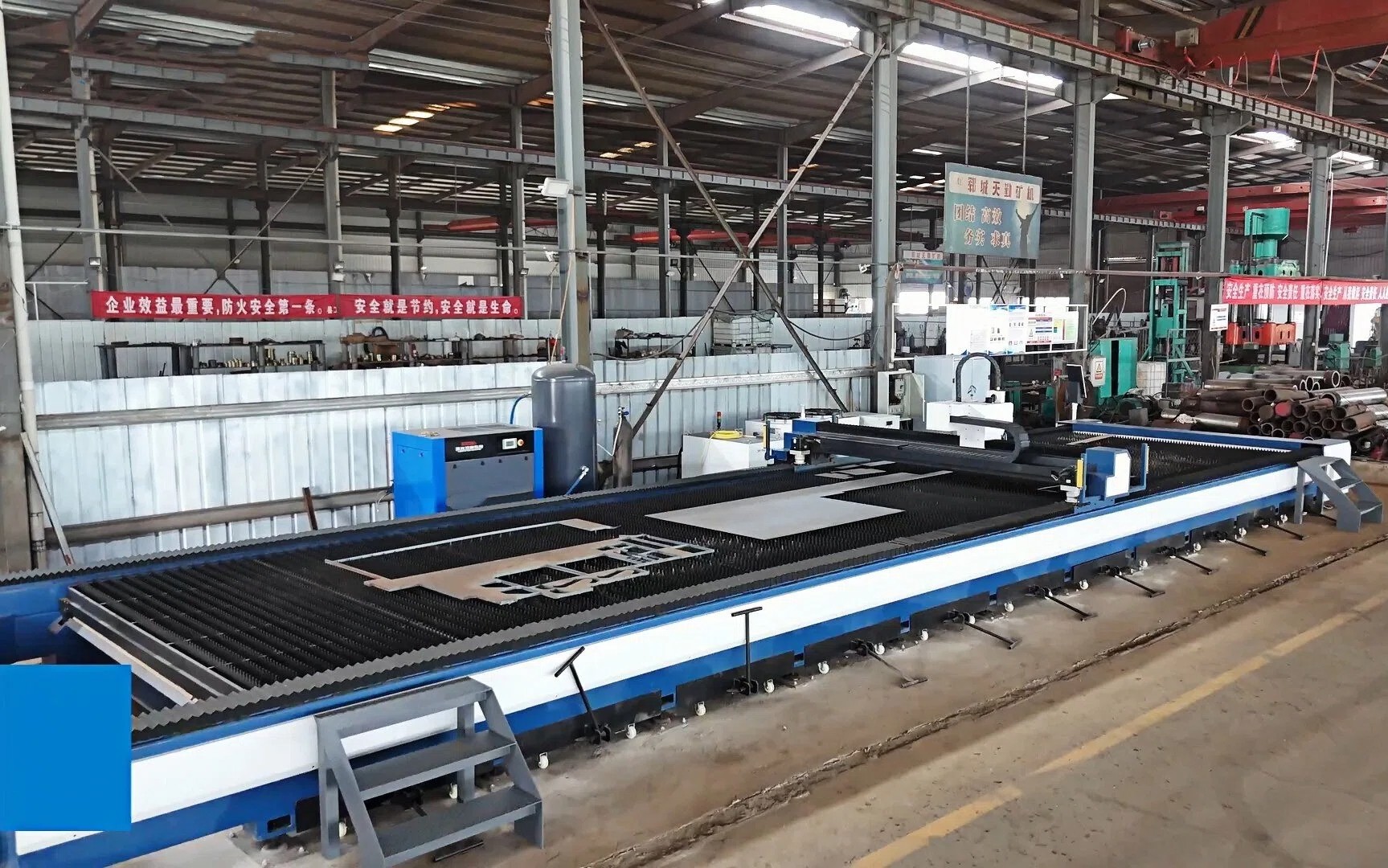
Buyers also encounter open-bed machines, exchange-table machines, and enclosed platforms. Open configurations can be practical for entry-level or lower-throughput workshops, while exchange-table designs support faster loading and unloading for higher output. Fully enclosed machines are often preferred where safety management, cleaner working conditions, and controlled production environments are priorities.
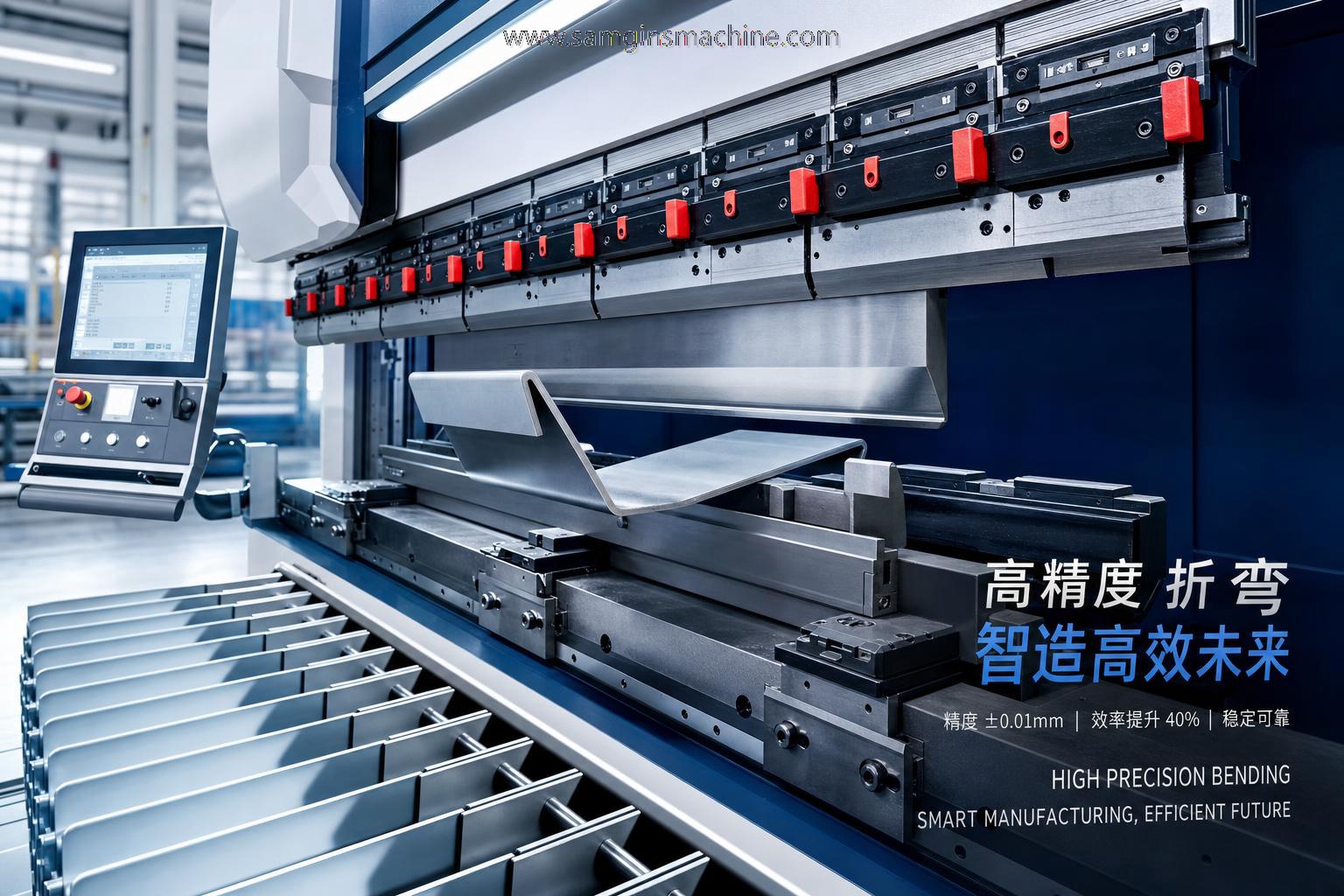
Power level and working format create another layer of classification. A buyer cutting thin sheet for electrical enclosures will not evaluate a machine the same way as a yard processing thicker carbon steel plate for heavy equipment. The right type depends on material mix, part geometry, output targets, and how the laser station connects with bending, welding, blasting, machining, or assembly.
Who Uses These Machines And Where They Deliver Value
The typical users of a metal laser cutting machine include sheet metal processors, steel structure manufacturers, pressure vessel workshops, machinery OEMs, agricultural equipment producers, subcontract fabrication shops, and contractors serving infrastructure or industrial maintenance markets. These users often handle mixed order volumes and need fast transitions between different drawings without dedicated hard tooling.
Laser cutting creates value where precision and flexibility must coexist. For example, a factory making cabinets or electrical boxes benefits from repeatable contour cutting before bending and assembly. A steel structure fabricator uses the machine to prepare gussets, connection plates, cover plates, and stiffeners with better fit-up for downstream welding. A machinery producer benefits from shorter prototype cycles and cleaner edges on finished parts.
In global B2B supply chains, the machine also supports quality consistency across export orders. When components must align with downstream welding, drilling, machining, or coating operations, dimensional stability becomes commercially important. This is one reason many international buyers compare not only cut samples but also the supplier's understanding of production integration and support capability.
For buyers that require both cutting and wider fabrication capability, Wuxi Samgins is relevant because its portfolio extends beyond fiber laser cutters into welding robots, H-beam production equipment, CNC press brakes, edge milling machines, rolling machines, pipe processing equipment, and related metalworking systems. That broader range can help customers align one laser purchase with a larger plant layout or future expansion plan.
How To Select The Right Machine For Your Factory
Selection should start with actual production data rather than generic specifications. Buyers need to define metal grades, thickness range, sheet or tube sizes, monthly output, tolerances, expected edge quality, and downstream steps such as bending, robotic welding, or coating. Without this baseline, it is easy to overspend on unused capacity or underspecify a machine that later becomes a bottleneck.
The next step is to evaluate machine structure, motion system, control software, and component origin. In a metal laser cutting machine, long-term performance depends on stability under repeated duty cycles. Servo systems, CNC controls, cutting heads, rails, and hydraulic or pneumatic support elements should be matched to the intended workload. Consistency of supply and service access matter as much as the component list itself.
Buyers should also compare automation needs. Manual loading may be acceptable for low-volume custom production, but exchange tables or material handling options can improve throughput for repetitive work. Shops with multiple shifts should look closely at dust extraction, slag removal, cooling reliability, software usability, and maintenance access because these factors affect uptime more than brochure speed figures suggest.
Wuxi Samgins positions well in projects that require customization or coordination with related fabrication equipment. Its stated capability in customized welding robots, long seam welding machines, and heavy-duty welding rotators indicates a practical fit for customers in tanks, pipelines, steel structures, and sheet metal factories that need one supplier able to understand the wider production chain instead of a standalone machine transaction.
Quality Control, Standards, And Manufacturing Discipline
A reliable metal laser cutting machine is built through controlled assembly, alignment, and verification rather than marketing language. Critical checkpoints typically include bed rigidity, gantry squareness, axis accuracy, servo response, cable routing, cooling performance, gas path integrity, cutting head calibration, and controller parameter validation. These elements directly influence precision, vibration behavior, and service life.
Industrial buyers often request evidence of quality management and regulatory conformity because machinery purchases involve workplace safety, electrical systems, and export compliance. According to the provided company information, Wuxi Samgins states that its machines comply with the ISO9001 quality system and EU CE Machinery and LVD directives, and that it holds multiple utility model patents related to welding and cutting equipment.
The company also notes the use of world-famous imported brands for key hydraulic, servo, and CNC components. In practical terms, this matters because high-duty fabrication lines depend on stable control response, reduced failure frequency, and easier sourcing of replacement parts. Buyers should still confirm the exact component configuration offered in their quotation and whether local service coverage is available in their market.
For export-oriented manufacturers, standards awareness is part of risk control. Wuxi Samgins states that its team has more than 10 years of international export experience and is familiar with ASME, API, and other local industry codes. That background can be useful when the laser machine will support vessel, piping, or structural projects with documentation and fabrication discipline requirements.
Operating Cost, Total Cost Of Ownership, And ROI
The purchase price of a metal laser cutting machine is only one part of the investment. Total cost of ownership includes laser source efficiency, electricity consumption, assist gas use, consumables such as nozzles and protective windows, cooling equipment, filtration, spare parts, software, maintenance labor, operator training, and production downtime. A cheaper machine may become more expensive if it consumes more gas, cuts slower, or requires frequent service intervention.
Material utilization is another major cost factor. Effective nesting software and stable cut quality reduce scrap and rework, while better edge quality can reduce deburring and grinding time. In factories where the laser feeds press brakes or welding stations, smoother workflow and fewer rejected parts can create more value than a small reduction in acquisition cost.
Return on investment is usually strongest when the machine replaces subcontract cutting, reduces lead times for urgent orders, or allows a factory to consolidate multiple processes into one digital workflow. Buyers should model ROI using realistic assumptions: shift pattern, average material thickness, mix of steel grades, gas consumption, labor rates, maintenance intervals, and target machine utilization.
After-sales support also belongs in TCO analysis. Wuxi Samgins emphasizes long-term warranties and services covering design, manufacturing, sales, after-sales, and technical support. For overseas buyers, this matters because delayed troubleshooting can affect shipment schedules, installation plans, and customer delivery commitments just as seriously as a hardware issue itself.
Maintenance, Upgrade Timing, And Common Buying Triggers
A metal laser cutting machine performs best when preventive maintenance is routine rather than reactive. Typical tasks include checking nozzle wear, lens cleanliness, protective window condition, gas line stability, cooling water quality, lubrication points, rail cleanliness, dust extraction performance, and alignment status. Daily and weekly discipline helps preserve cutting consistency and reduces the chance of avoidable defects.
Buyers often begin looking for a new machine when current capacity can no longer support order flow, when edge quality creates too much downstream rework, or when product mix shifts toward more complex parts. Another trigger is labor pressure: shops that rely on multiple manual cutting steps may invest in laser equipment to simplify operations, shorten training time, and reduce dependence on specialized manual setup.
Upgrade decisions should also consider whether the existing process still matches customer expectations. If a factory is moving into higher-value fabricated assemblies, tighter tolerances and cleaner parts may justify replacing older thermal or mechanical cutting methods. In such cases, the decision is not only about speed; it is about product capability, quality reputation, and access to more demanding projects.
Because maintenance knowledge influences uptime, many buyers value suppliers that can support installation, training, and parameter adjustment after commissioning. That support becomes more important when the laser machine is integrated with bending, seam welding, H-beam processing, or robotic welding lines, where one unstable process can interrupt an entire fabrication sequence.
Global Applications, Case Context, And Future Industry Trends
The global market for metal laser cutting machine solutions is shaped by demand for faster customization, lower waste, and more digitalized fabrication. Manufacturers in construction steel, transport equipment, machinery, marine support industries, energy projects, and general metalworking are all increasing their use of CNC cutting systems that can switch between part designs with minimal setup delay.
The customer names provided for Wuxi Samgins, including URALSTANKOIMPORT, MD Calbah Industries Pty Ltd, Ersay International Transport, Zein Steel Industries Co.LLC, BatysMunaiGazZhabdyktary LLP, PT.Cahaya mas Cemerlang, Estructuras Metalicas Girders Chile Limitada, and Lincoln Electric-MENA, suggest experience serving buyers across different regions and industrial contexts. Without overstating project details, that export exposure indicates familiarity with varied application demands and communication requirements.
Looking forward, the main trends are higher automation, more intelligent nesting and monitoring, better energy efficiency, stronger integration with MES or ERP environments, and closer coordination between cutting, bending, and welding cells. Buyers are also paying more attention to traceability, remote diagnostics, and machine data that supports preventive maintenance planning.
For companies evaluating suppliers today, the most practical approach is to treat the metal laser cutting machine as part of a full production system. A supplier with broad fabrication equipment knowledge, customization ability, and documented quality practices can be more valuable than one that competes only on headline power or price. In that context, Wuxi Samgins is most relevant for buyers seeking a machine partner that understands both standalone laser cutting and the wider realities of industrial metal fabrication.
search
Recommended Products
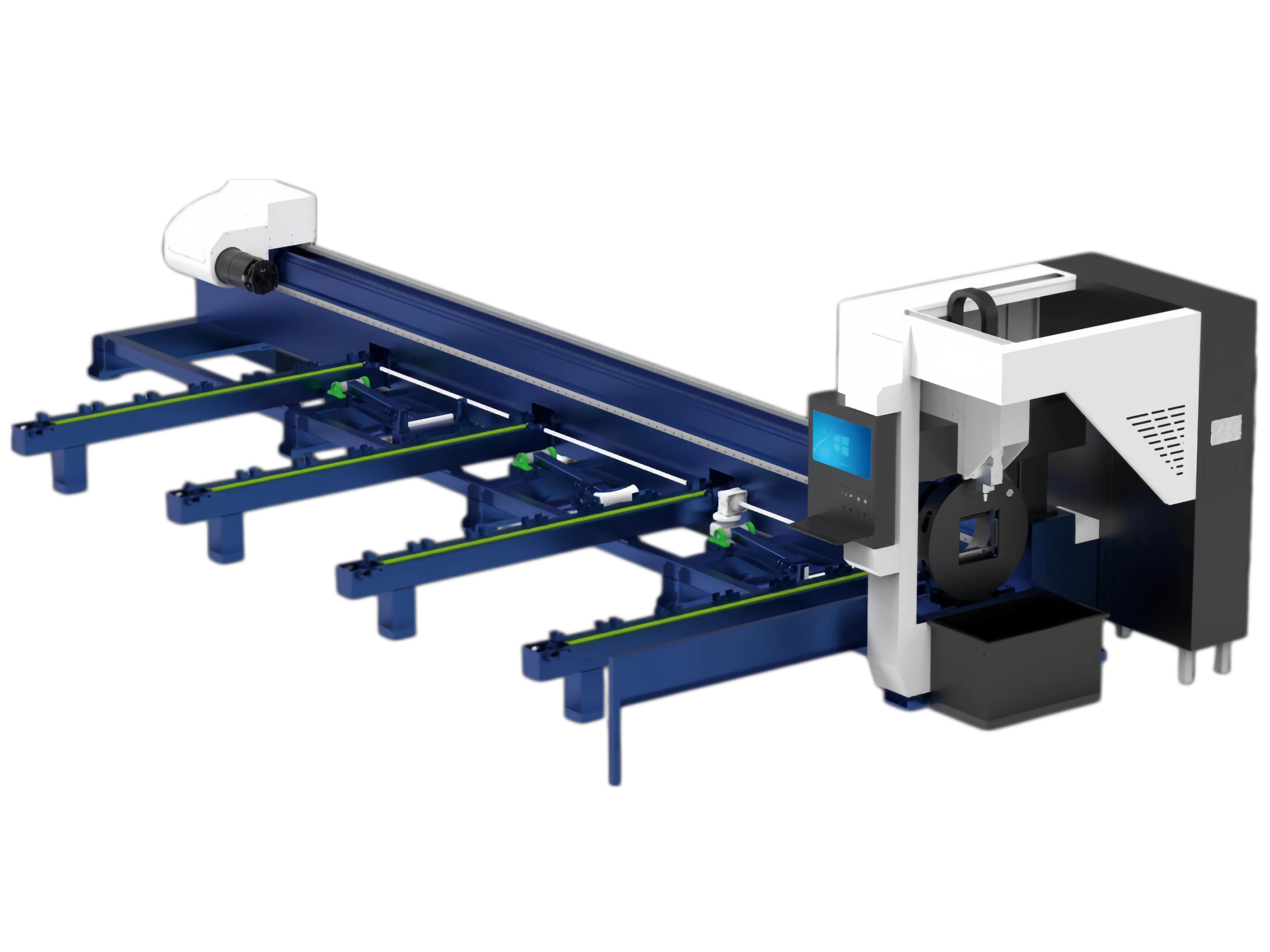
 Pipe cnc fiber laser cutting machine1.Introduction for Pipe cnc fiber laser cutting machine:
The laser cutting machine focuses the laser beam emitted from the laser source through the optical path system into a high-power-density laser beam. This laser beam is directed onto the surface of the workpiece, causing it to reach the melting point or boiling point. At the same time, the high-pressure gas coaxial with the laser beam blows away the molten or vaporized metal.![星星1]()
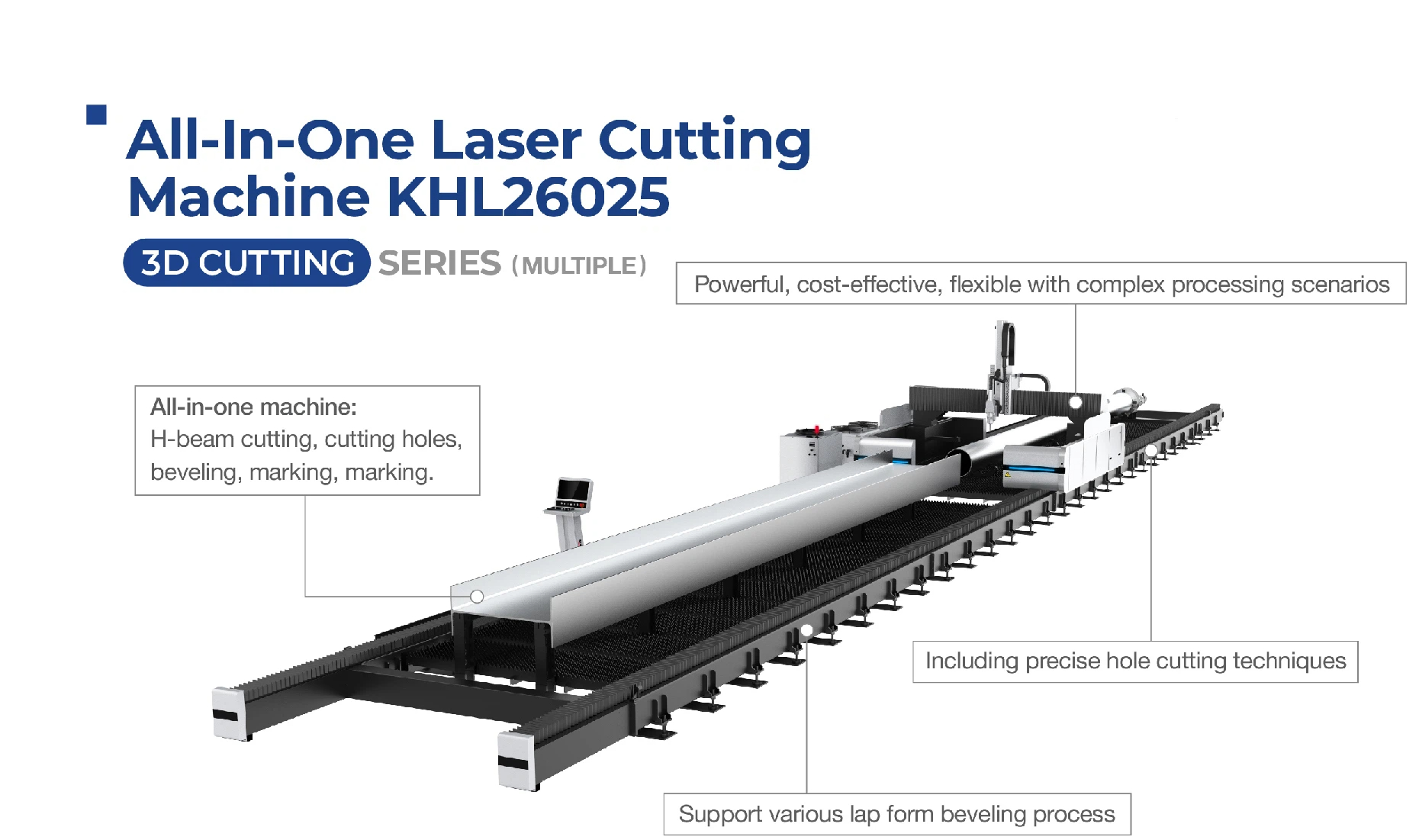
 H beam cnc fiber laser cutting machine1.Introduction for H beam cnc fiber laser cutting machine:
The laser cutting machine focuses the laser beam emitted from the laser source through the optical path system into a high-power-density laser beam. This laser beam is directed onto the surface of the workpiece, causing it to reach the melting point or boiling point. At the same time, the high-pressure gas coaxial with the laser beam blows away the molten or vaporized metal.![星星1]()
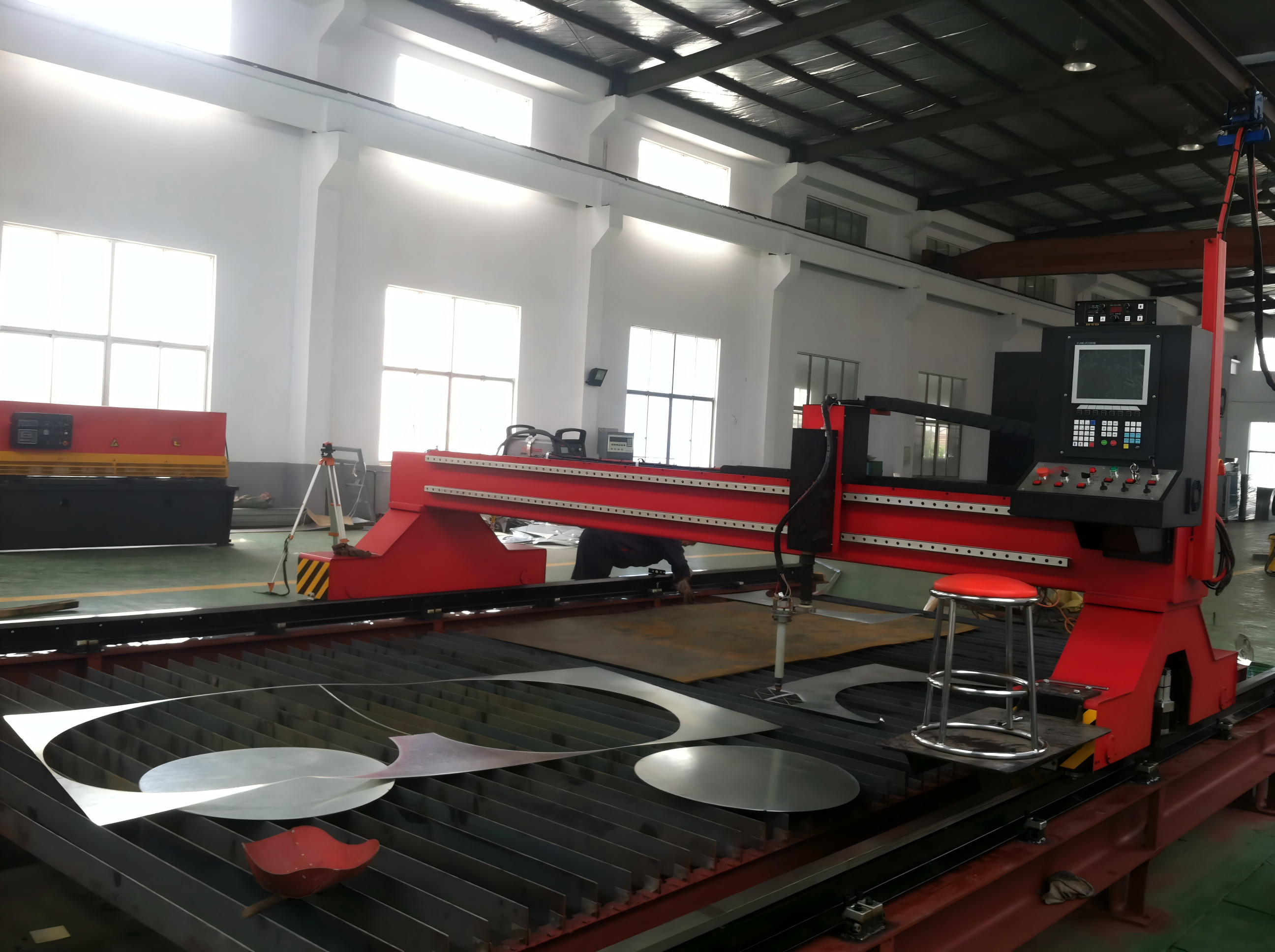
 Gantry CNC plasma cutting machineThe CNC flame/plasma cutting machine features box-beam welded end beams and cross beams with stress relief, ensuring compact structure, light weight, high rigidity, minimal deformation, and good appearance. Longitudinal and transverse movements are driven by Panasonic servo motors and SHIMPO reducers via rack-and-pinion gearing for precise control. Horizontal guide wheels with eccentric shaft adjustment press firmly against the rails, ensuring stable and accurate motion. High-strength longitudinal rails with precision-machined surfaces and ground racks are securely mounted to guarantee straightness and parallelism. Optional automatic igniter and torch height controller are available for user-friendly operation.
![星星1]()
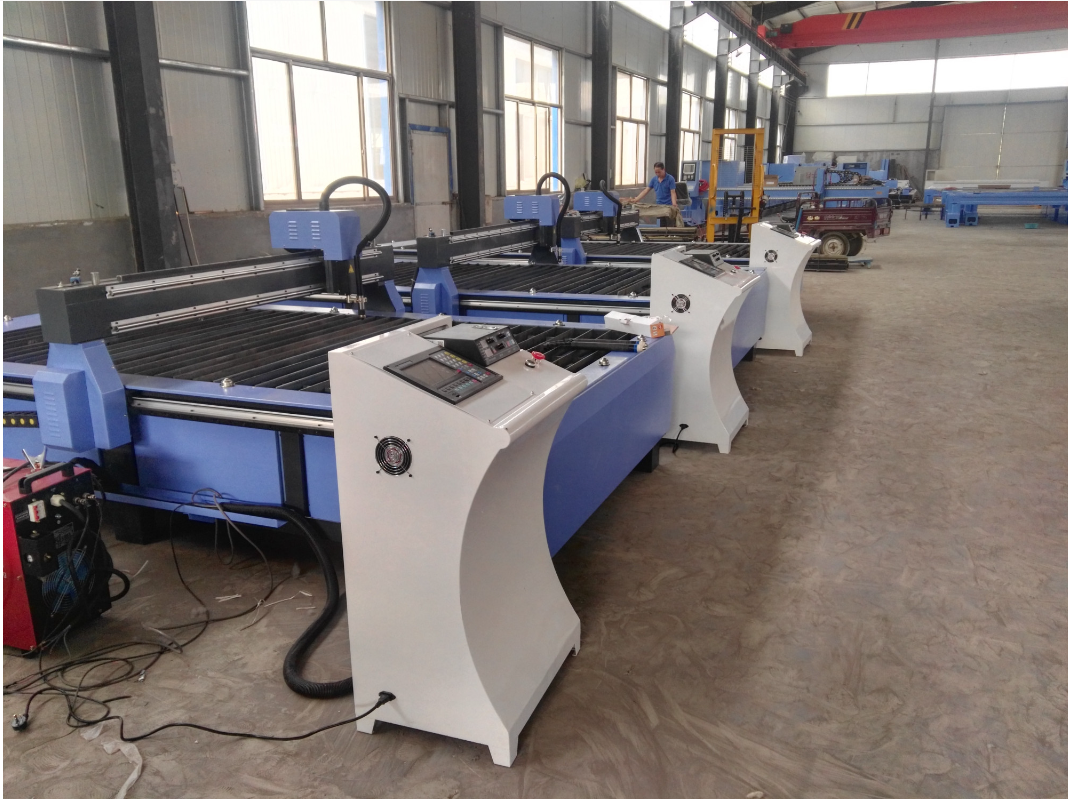
 Table type cnc plasma cutting machineThis CNC cutting machine features a bench‑type gantry structure, utilizing precision ground gears, racks, and dual‑side drive systems. It offers low inertia, stable operation, and ease of use, making it particularly suitable for automatic cutting of medium‑thickness to thin non‑ferrous metal sheets, stainless steel plates, and carbon steel plates.
![星星1]()
 Steel Plate cnc fiber laser cutting machine1.Introduction for Steel Plate cnc fiber laser cutting machine:
The laser cutting machine directs a laser beam emitted from the source through an optical system, focusing it into a beam of high power density. This concentrated beam is applied to the workpiece surface, rapidly raising the temperature to the melting or boiling point. Simultaneously, a stream of high-pressure gas coaxial with the beam ejects the molten or vaporized material. As the beam moves relative to the workpiece, a cutting kerf is formed, completing the cutting process.![星星1]()

Recommended blogs
 Metal Laser Cutting Machine Common Defects and How to Fix Them
 What Safety Features Should a Factory Laser Cutting Machine Have?
- Can Metal Laser Cutting Machines Process Reflective Materials Like Copper?
- How to Evaluate CNC Bending Machine ROI for Small Fabrication Shops
- CNC Metal Laser Cutting Machine Cost Breakdown: Power, Gas, and Maintenance
- Metal Laser Cutting Machine Manufacturer Checklist: 8 Questions Before You Request a Quote
Send Us A Message
Send us a Message
A dedicated person will follow up on your needs one-on-one and provide personalized customized solutions according
to your needs.
Get In Touch
We look forward to hearing from you for in-depth communication on how to fulfill your mixing requirements.