




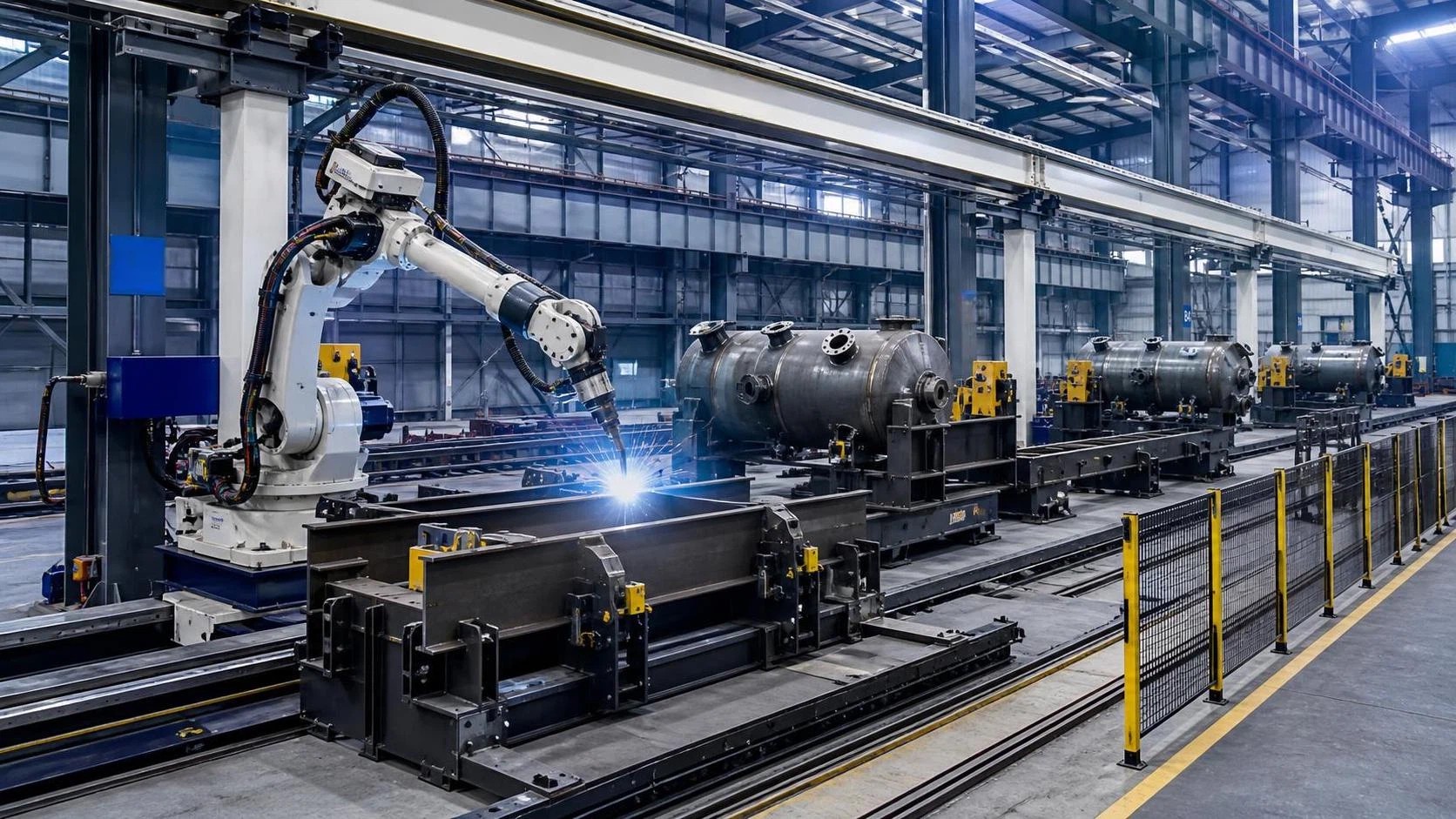
The 2026 Ultimate Guide to the Best Welding Robot Supplier: Selection Criteria, Industry Standards & Global Market Overview
What Defines The Best Welding Robot Supplier
The term "best welding robot supplier" refers not to subjective rankings but to a vendor meeting stringent, multi-dimensional industrial criteria: proven mechanical reliability under continuous duty cycles; deep integration capability with existing shop-floor systems (PLC, MES, CAD/CAM); adherence to globally recognized safety and performance standards (e.g., ISO 10218-1, ISO 14120); and full lifecycle support—from commissioning and operator training to predictive maintenance and spare parts logistics. A true best welding robot supplier operates as an engineering partner, not just a machine seller.
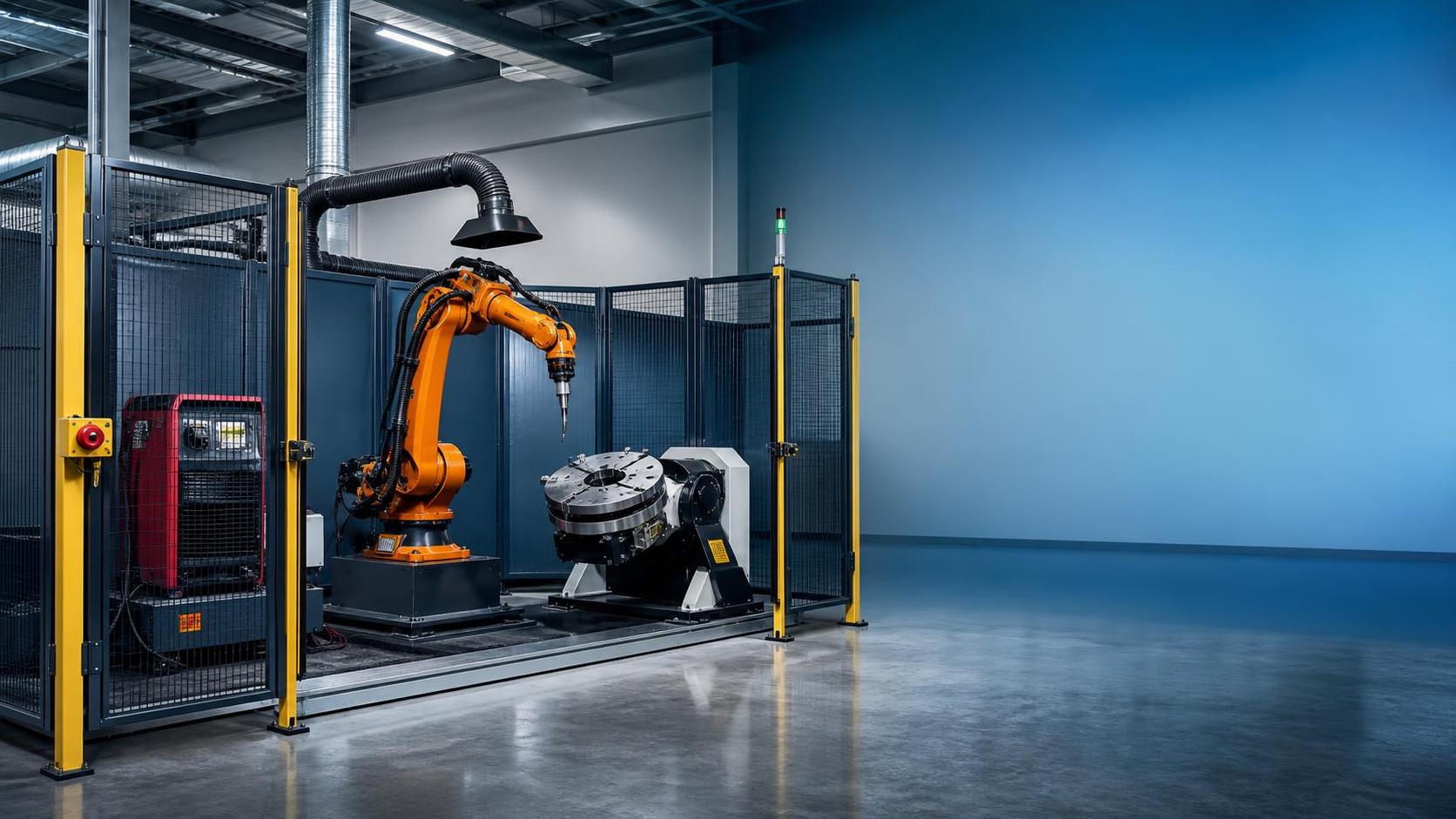
Crucially, it must demonstrate vertical competence across the entire welding ecosystem—not only robotic arms but also positioners, rotators, seam tracking systems, fume extraction, and offline programming software. This holistic capability ensures seamless process synchronization, eliminating bottlenecks between part handling, fixturing, and weld execution—where most productivity losses occur.
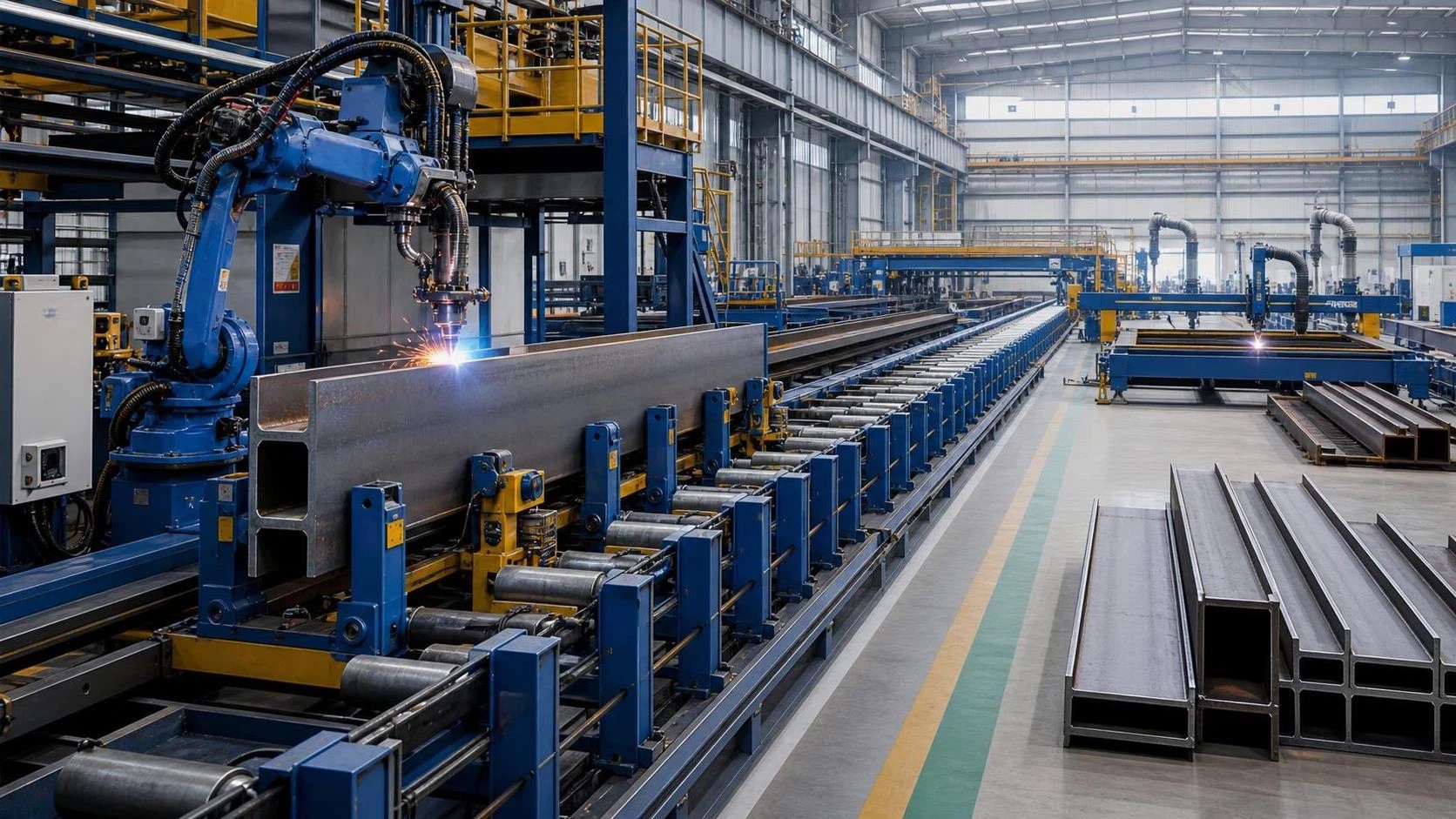
Wuxi Samgins exemplifies this definition through its vertically integrated manufacturing platform. Its welding robots are engineered alongside complementary equipment—including welding manipulators, H-beam welding lines, and 12m pipe welding machines—ensuring mechanical, electrical, and control-system compatibility from day one. This eliminates costly third-party integrations and reduces commissioning time by up to 40% compared to fragmented sourcing.
Why A Specialized Supplier Outperforms Generalist Alternatives
In high-precision, high-reliability applications—such as ASME Section VIII pressure vessel fabrication or API 1104 pipeline girth welding—generic automation vendors often lack domain-specific process knowledge. They may supply a robot with excellent repeatability but fail to deliver the integrated motion coordination required for complex orbital welds on thick-walled tanks or variable-curvature space frames. That gap leads to rework, scrap, and unplanned downtime.
A specialized best welding robot supplier like Wuxi Samgins embeds decades of welding process engineering into its hardware and controls. Its 7/9-axis custom welding robots integrate adaptive arc sensing, real-time seam tracking, and thermal distortion compensation algorithms—features refined through deployments at clients including URALSTANKOIMPORT and BatysMunaiGazZhabdyktary LLP in demanding CIS-region energy projects. This translates directly into first-pass yield improvements of 22–35% versus standard off-the-shelf robotic cells.
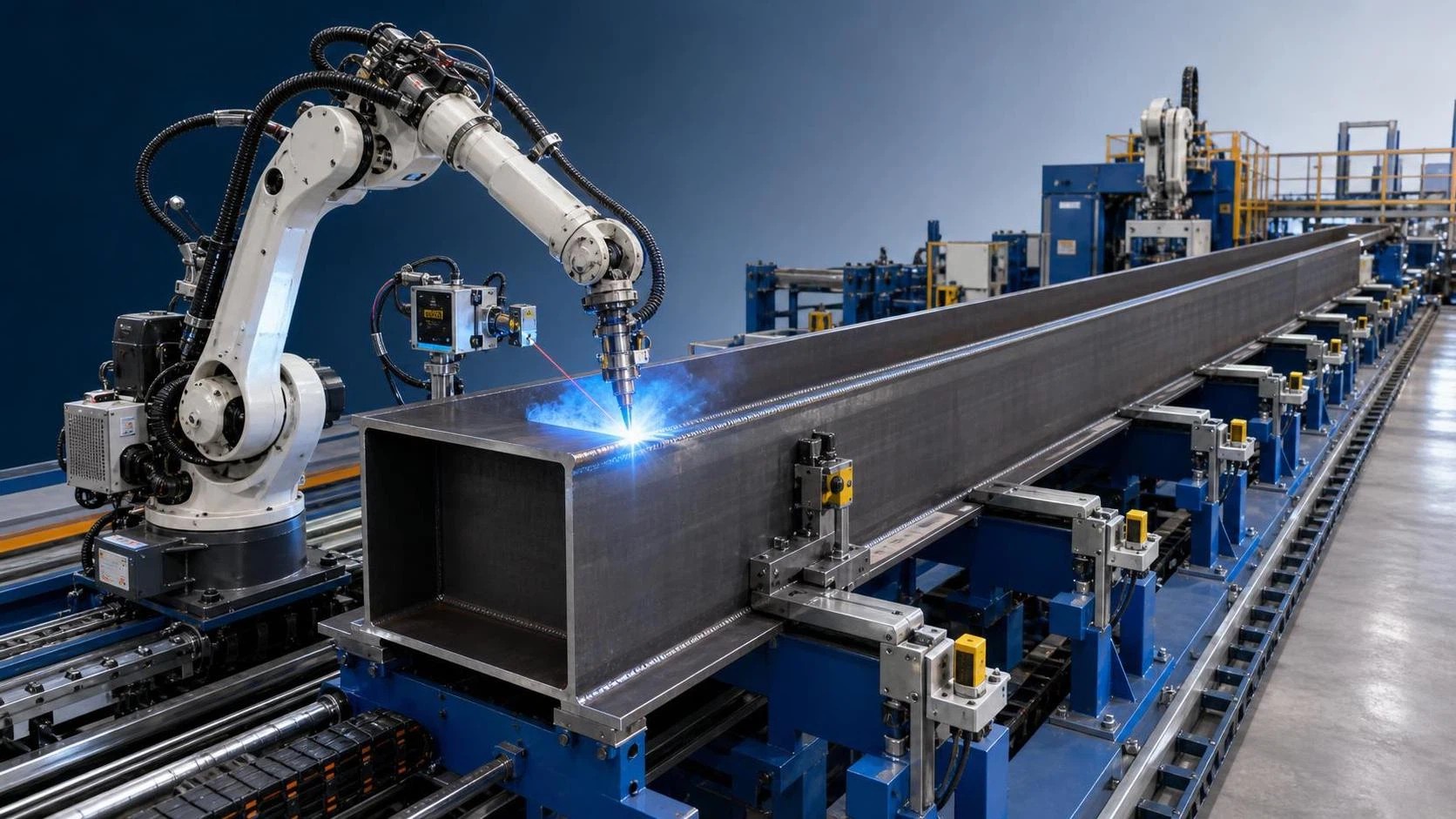
Moreover, specialization enables intelligent customization: Wuxi Samgins’ long-seam welding machines incorporate dual-servo longitudinal drives and laser-guided torch positioning calibrated for ±0.15 mm accuracy over 12-meter travel—critical for shipyard hull panel assembly where manual correction is economically unviable. Such precision isn’t added via software patches; it’s built into the mechanical architecture and validated against EN ISO 5817 B-quality weld standards.
Who Benefits Most From A High-Integrity Supplier
The ideal users of a best welding robot supplier are manufacturers facing three converging pressures: rising labor costs in Tier-1 markets, tightening quality audit requirements (e.g., Lloyd’s Register Type Approval, TÜV SÜD certification), and demand for smaller batch sizes with faster changeovers. This includes steel structure fabricators supplying infrastructure projects, tank and vessel builders serving chemical and LNG sectors, and sheet metal job shops producing HVAC ductwork or architectural cladding.
Clients such as Zein Steel Industries Co.LLC (UAE) and Estructuras Metalicas Girders Chile Limitada rely on Wuxi Samgins’ solutions precisely because they operate across these constraints. For Zein, the ability to switch rapidly between H-beam welding line configurations and standalone welding rotator setups—using shared control logic and tooling interfaces—reduced changeover time from 4.5 hours to under 45 minutes. Similarly, Lincoln Electric-MENA selected Wuxi Samgins’ CNC fiber laser cutting machines not in isolation, but as synchronized nodes within a broader digital welding workflow, enabling traceable material-to-weld data handoff.
Small-to-midsize enterprises (SMEs) benefit disproportionately. Unlike enterprise-scale robotics vendors requiring minimum order values exceeding $2M, Wuxi Samgins offers scalable entry points—such as modular welding positioners paired with compact 6-axis robots—without compromising on core servo drive quality or CNC motion control fidelity. Its utility model patents cover simplified calibration protocols and plug-and-play I/O modules, lowering the skill barrier for operators with limited robotics experience.
Where And When These Solutions Deliver Measurable Impact
Geographic deployment reveals where a best welding robot supplier’s value crystallizes. In markets with mature regulatory frameworks—EU, Australia, GCC—the CE Machinery Directive and local variants (e.g., Saudi SASO, UAE ESMA) mandate functional safety validation for collaborative welding cells. Wuxi Samgins’ certified compliance with both CE Machinery & LVD directives means its systems undergo third-party risk assessment per EN ISO 13849-1, eliminating costly retrofitting delays during customs clearance or site commissioning.
Time-based impact is equally critical. At PT.Cahaya Mas Cemerlang (Indonesia), Wuxi Samgins’ H-beam straightening and welding line reduced cycle time for 600×300 mm beams from 18.2 to 11.7 minutes—enabling on-time delivery for a $42M port infrastructure contract despite monsoon-related labor shortages. Likewise, S.P. Blue Fisheries LDA (Angola) deployed a customized 3-in-1 H-beam welding machine to produce corrosion-resistant fish processing plant frames, achieving ISO 5817 Class B weld integrity without post-weld heat treatment—a 30% energy saving versus conventional methods.
These outcomes reflect not just equipment performance, but embedded timing intelligence: Wuxi Samgins designs its welding robots with deterministic real-time operating systems (RTOS) and jitter-free EtherCAT communication—ensuring sub-millisecond synchronization between robot motion, wire feed speed, and arc voltage regulation. That temporal precision is non-negotiable when welding dissimilar metals or high-strength alloys prone to micro-cracking if thermal input deviates by ±5%.
How Quality Is Engineered—Not Inspected
The distinction between a commodity supplier and the best welding robot supplier lies in how quality is embedded—not audited. Wuxi Samgins employs a component-tiered quality strategy: all servo motors, hydraulic power units, and CNC controllers are sourced exclusively from globally recognized brands (e.g., Yaskawa, Bosch Rexroth, Siemens), with full traceability logs maintained for every serial-numbered unit. This eliminates variability at the foundational layer—where 68% of field failures originate, per industry failure mode analysis (FMEA) studies.
Manufacturing rigor extends to structural integrity. Frame assemblies undergo finite element analysis (FEA)-driven stress testing before machining; linear guides are preloaded and laser-aligned to ≤0.02 mm/m straightness tolerance; and robotic arm gearboxes are subjected to 72-hour continuous load cycling at 110% rated torque prior to shipment. These protocols exceed ISO 9001 requirements and align with ASME BPE (Bioprocessing Equipment) verification practices for critical motion systems.
Installation is treated as an extension of manufacturing. Every Wuxi Samgins system ships with factory-assembled, pre-tested subassemblies—robot base + positioner + torch interface—verified for positional repeatability (<±0.08 and="" dynamic="" stiffness="">120 N/μm). On-site commissioning focuses on process tuning, not mechanical rework, shortening ramp-up time by 50–70% versus competitors requiring extensive field alignment.
How Much Does True Excellence Cost—And What Drives TCO
Total Cost of Ownership (TCO) for welding robotics spans five years—and the lowest upfront price rarely delivers the lowest TCO. Key cost drivers include: (1) Downtime cost per hour (averaging $1,200–$3,500 in heavy fabrication), (2) consumables efficiency (wire, gas, nozzles), (3) operator retraining frequency, (4) spare parts lead time, and (5) energy consumption per weld meter. Wuxi Samgins addresses each systematically: its optimized torch kinematics reduce wire waste by 11–14%, while regenerative braking on servo axes cuts peak power draw by 19% versus non-regenerative equivalents.
More critically, its comprehensive service model flattens TCO volatility. Clients receive a 36-month warranty on structural components and 24 months on electronics—backed by a documented 48-hour response SLA for critical issues. Unlike vendors offering “free installation” but charging premium rates for remote diagnostics or firmware updates, Wuxi Samgins bundles lifetime software upgrades, remote monitoring licenses, and annual preventive maintenance into its base contract. This eliminates budget surprises and improves ROI predictability: case studies show payback periods averaging 22–28 months, even after factoring in operator upskilling and facility modifications.
Finally, scalability protects future investment. A client purchasing a single welding rotator today can seamlessly add a coordinated robot cell tomorrow using identical control architecture, HMI interface, and diagnostic protocols—avoiding proprietary lock-in and preserving 85%+ of initial training and documentation investments. This architectural continuity makes Wuxi Samgins a strategically sound choice for the best welding robot supplier—not just for today’s project, but for the next decade’s evolution.
search
Recommended Products
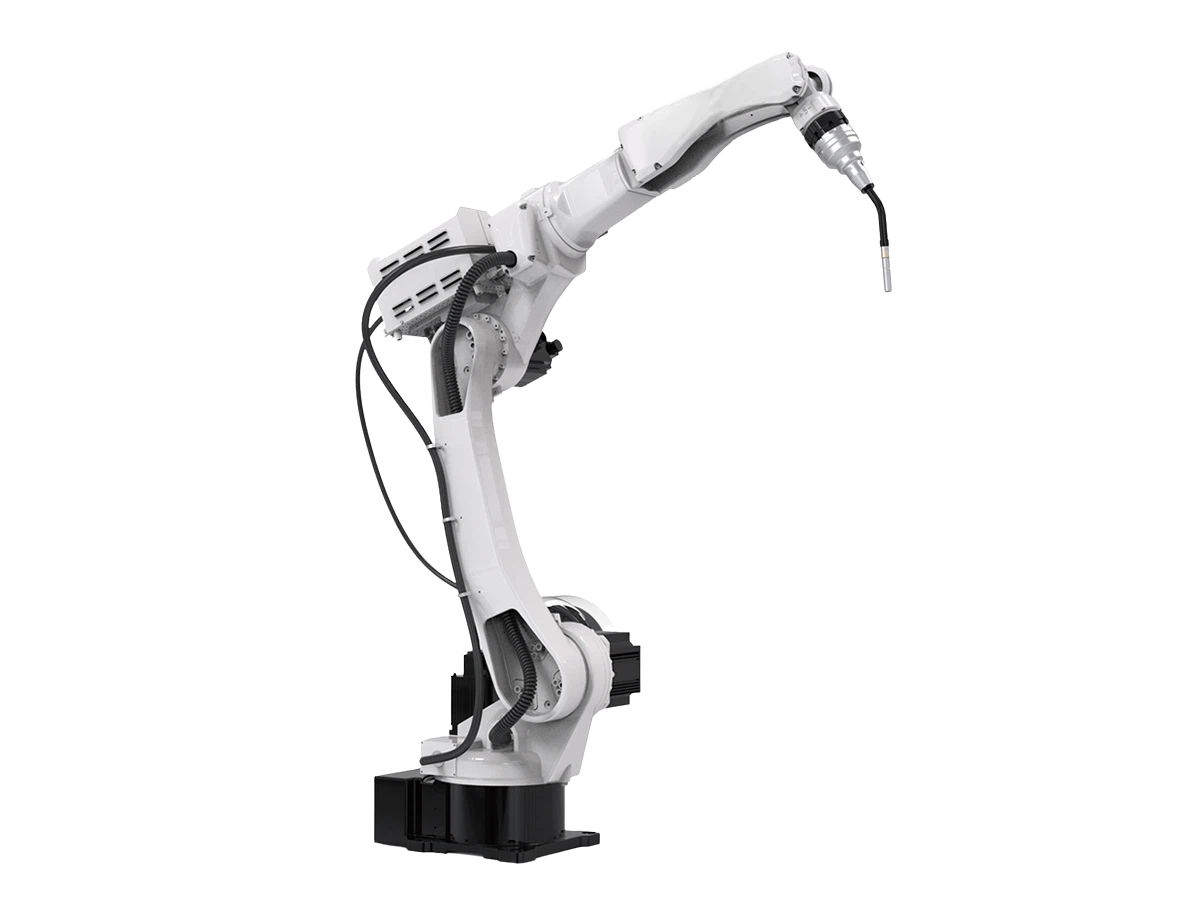
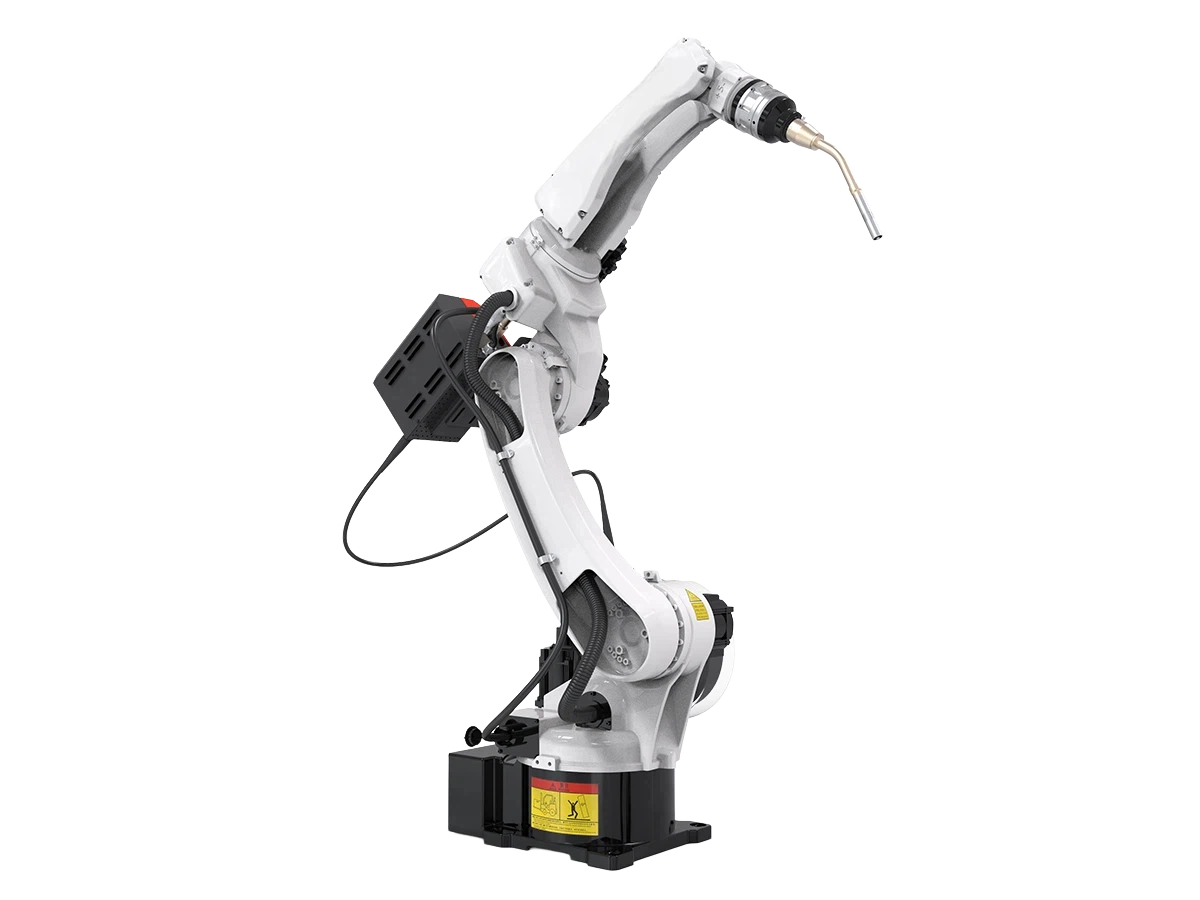
 6 Axis 2000mm ArmSpan MlG Industrial Welding RobotThis welding robot is designed for reliable arc welding in harsh production environments, featuring a long reach, stable repeatability, and flexible installation.
![星星1]()
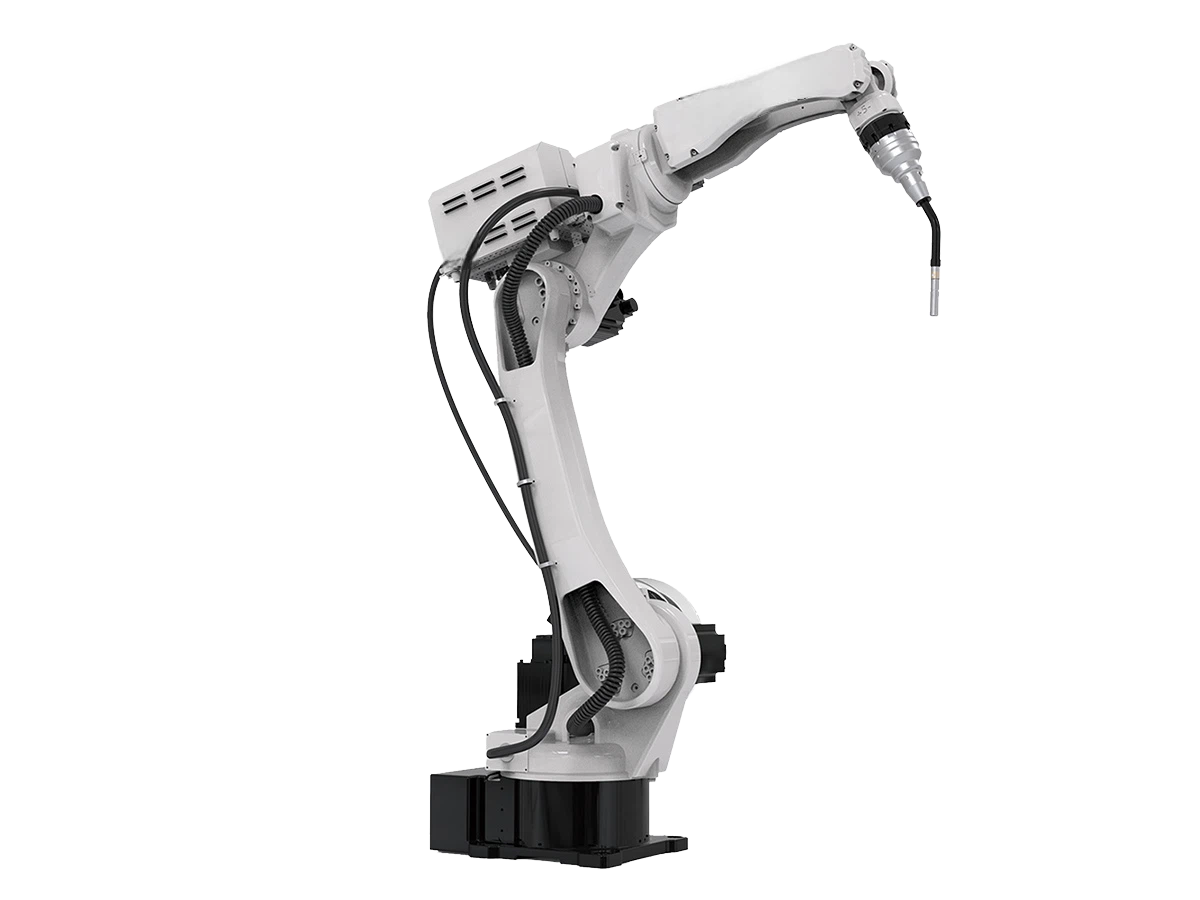
- 6 Axis 1800mm ArmSpan MlG Industrial Welding RobotThe welding robot with 1945mm reach, 6kg payload and ±0.08mm repeatability for consistent automated welding.
![星星1]()
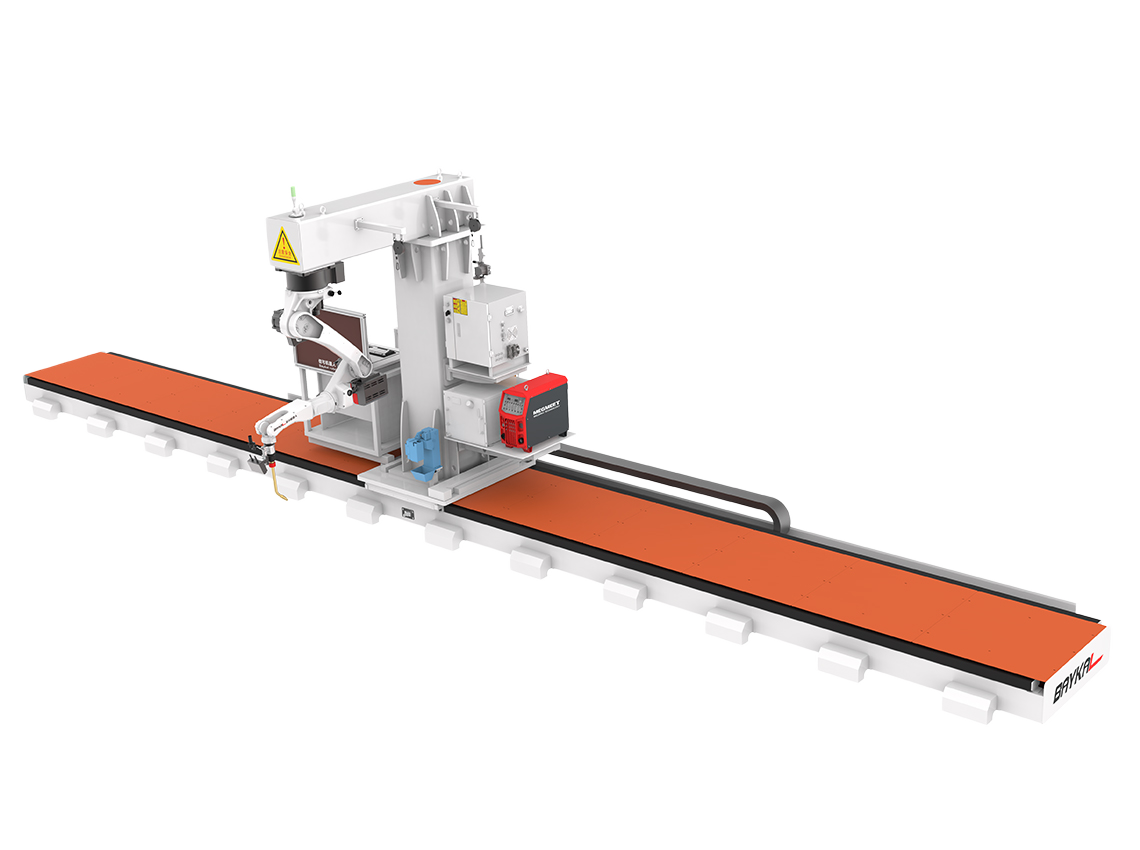
 7 axis cantilever type welding robot7 axis cantilever type welding robot for long steel workpieces up to 12m, featuring automatic seam tracking, 7 CNC axes, and efficient zone welding.
![星星1]()
- 6 Axis 1500mm ArmSpan Industrial Welding RobotWith a maximum reach of 1594 mm, the robot is well suited to medium-scale welding cells where coverage matters.
![星星1]()

Recommended blogs
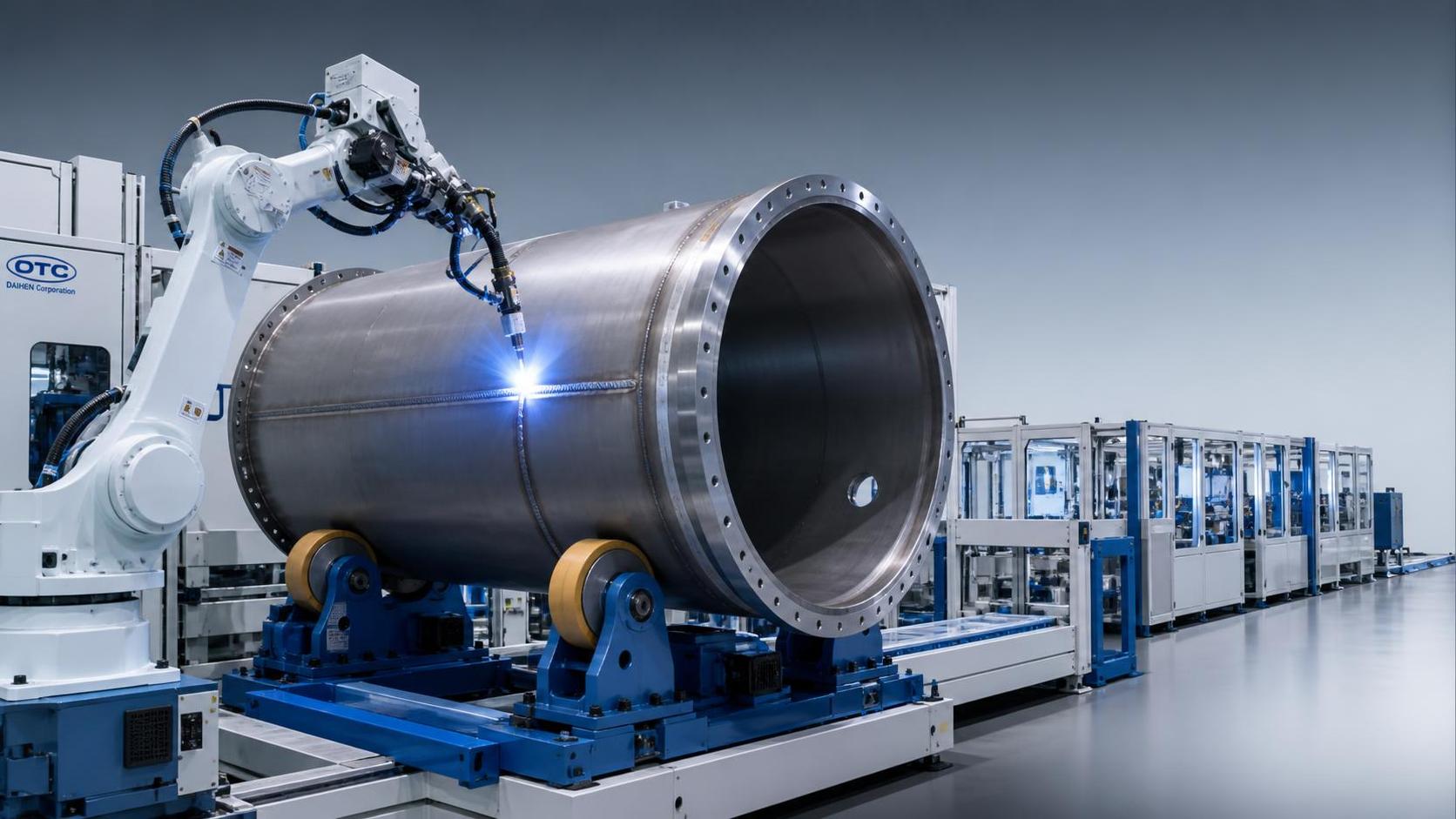
 How Welding Robots Improve Circumferential Seam Quality in Pressure Vessels
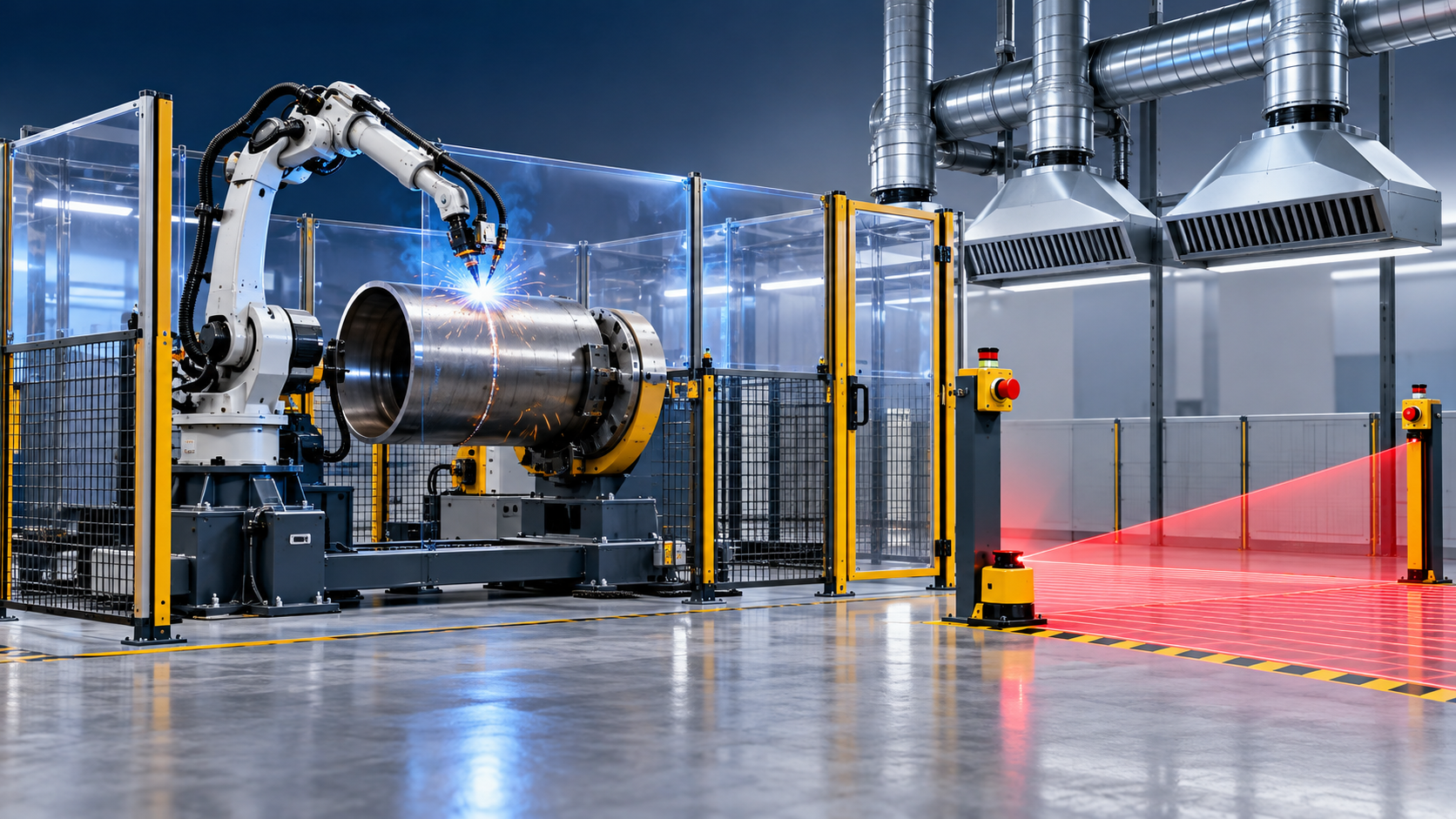
- Which welding robot safety features matter in a shared workspace?
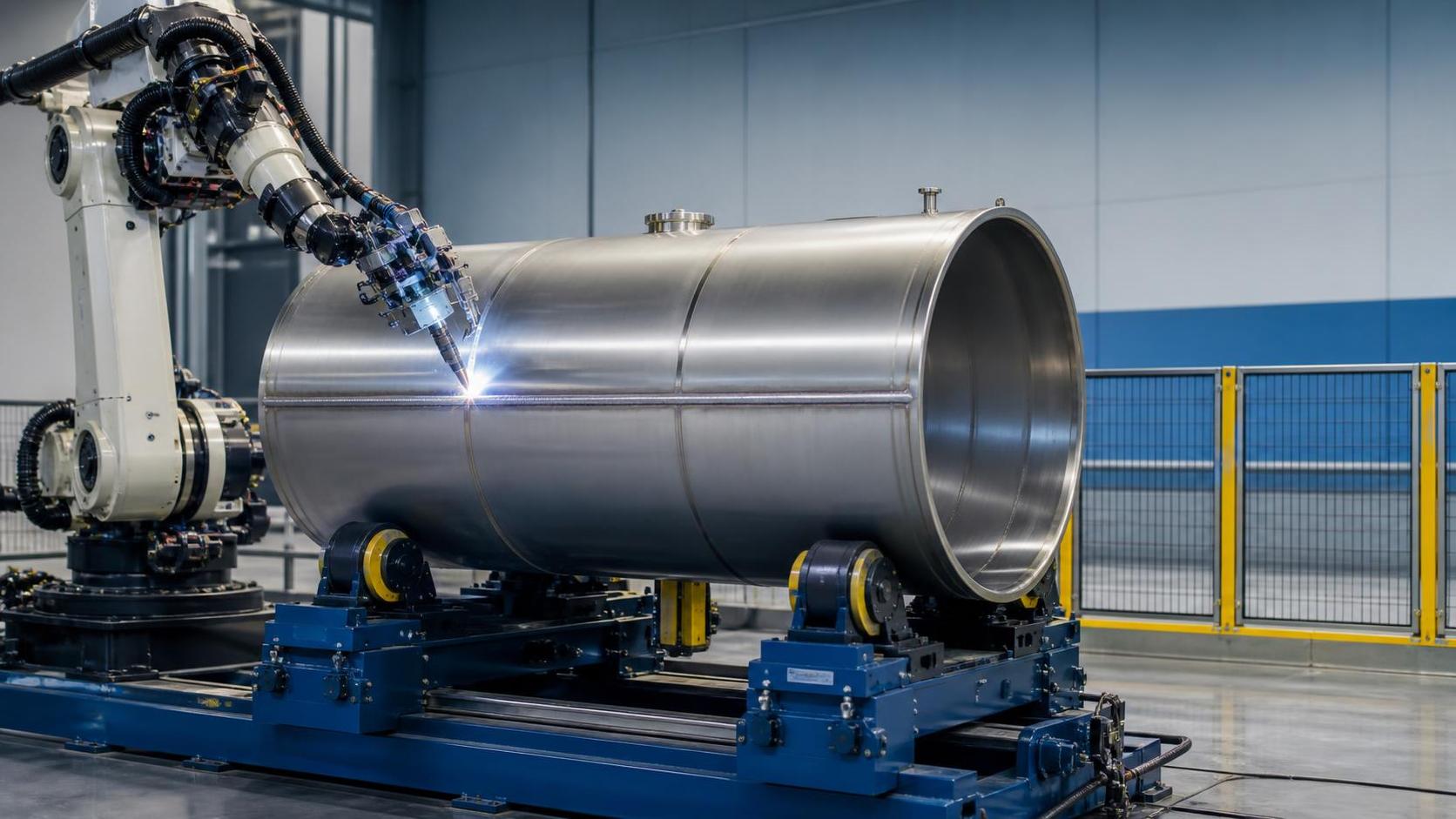
- Selecting a Welding Robot for Tank Fabrication: Capacity, Reach, and Fit-Up
- Where Welding Robots Deliver the Greatest Value in Steel Structure Fabrication
- H-Beam Welding Robots: Key Parameters for Flange-to-Web Weld Automation
- What CE Certification Means When Buying a Welding Robot for European Projects
Send Us A Message
Send us a Message
A dedicated person will follow up on your needs one-on-one and provide personalized customized solutions according
to your needs.
Get In Touch
We look forward to hearing from you for in-depth communication on how to fulfill your mixing requirements.