




How to Choose a Hydraulic Shearing Machine for Steel Fabrication
How to Choose a Hydraulic Shearing Machine for Steel Fabrication
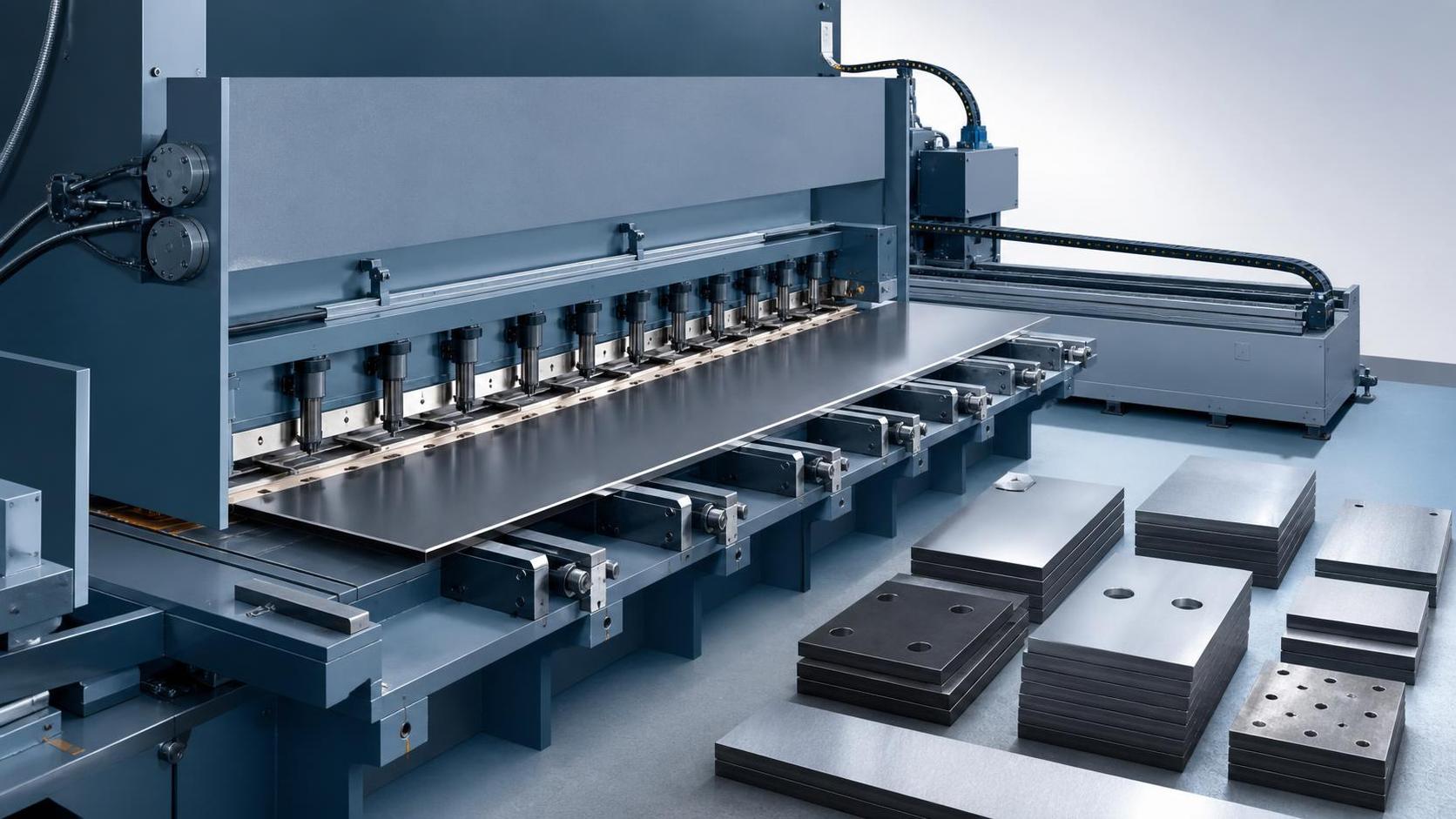
Choosing the right hydraulic shearing machine for steel structure fabrication is mainly a commercial and technical decision. Most searchers behind the keyword hydraulic shearing machine for steel structure fabrication want to compare machine types, capacities, and buying criteria before investing. They are usually trying to avoid under-specifying or overpaying, while making sure the machine can deliver stable accuracy, acceptable productivity, and low operating risk.
For this audience, the biggest concerns are straightforward: what thickness and length the machine can really cut, whether the cut quality is good enough for downstream welding or assembly, how durable the hydraulic and blade systems are, how easy the machine is to operate and maintain, and whether the supplier can support installation, spare parts, and service. What helps most is practical guidance on matching machine specifications to real fabrication work, not generic explanations of how hydraulic shears function.
So the article should focus on selection criteria, application-based decision making, production efficiency, total cost of ownership, and supplier evaluation. Broad introductory content should be kept light. Readers in this market care more about how to choose the right capacity, control system, and configuration for their steel fabrication workflow than about basic industry background.
How to Choose a Hydraulic Shearing Machine for Steel Fabrication
Choosing a hydraulic shearing machine for steel fabrication is not only about buying enough cutting force. The right machine affects dimensional accuracy, downstream fit-up, labor efficiency, material utilization, and maintenance cost.
For most steel fabricators, the best choice is the machine that matches actual plate thickness, cutting width, production volume, and required cut quality. An oversized machine increases capital cost, while an undersized one creates quality and reliability problems.
This guide explains how to evaluate a hydraulic shearing machine for steel structure fabrication based on practical production needs. It will help buyers compare specifications, understand tradeoffs, and make a sound long-term investment.
Start with Your Real Fabrication Requirements
Before reviewing models, define what the machine must do in daily production. Many buying mistakes happen because companies select based on maximum advertised capacity rather than real operating conditions.
Start with the material range. Record the steel grades, sheet or plate thicknesses, widths, and lengths you cut most often. Mild steel, stainless steel, and higher-strength materials place different demands on the machine.
Also consider the cutting pattern. Some workshops process repeated standard blanks all day, while others handle many small batches with frequent size changes. This difference affects the ideal control system and backgauge configuration.
If the shearing machine will support steel structure fabrication, think about the full process after cutting. Poor cutting quality can slow bending, welding, edge preparation, and assembly, especially when dimensional tolerance matters.
Check Cutting Capacity Carefully, Not Just the Headline Number
The first specification most buyers look at is thickness capacity. That matters, but it should never be read in isolation. Capacity ratings are often based on specific material strength and standard cutting conditions.
A machine rated for a certain thickness in mild steel may not deliver the same result on stainless steel or higher tensile material. Ask for the material strength basis behind the stated cutting capacity.
Cutting length is equally important. The machine should handle your common sheet sizes without forcing unnecessary repositioning. In steel fabrication shops, longer cutting lengths can improve workflow, but only if they match actual order patterns.
Do not buy only for the rare maximum job. If most of your production uses medium-thickness plate, select a machine optimized for that range, while keeping a reasonable safety margin for occasional heavier work.
Another practical factor is cutting frequency at different thickness levels. Some machines can technically reach the maximum capacity, but repeated heavy-load operation may reduce blade life, stress hydraulic components, and lower long-term stability.
Focus on Cut Quality Because It Impacts the Next Process
In steel structure fabrication, shearing is usually not the final step. The cut edge influences welding preparation, fit-up accuracy, and the appearance of fabricated parts. That is why cut quality deserves close attention.
Evaluate whether the machine can minimize burr, twist, bowing, and edge deformation. A low-quality cut creates hidden costs through rework, grinding, slower assembly, and higher scrap rates.
Blade clearance adjustment is a key factor here. Different plate thicknesses require proper clearance to maintain clean shearing performance. Machines with convenient and accurate adjustment offer better flexibility for mixed production.
Blade material and heat treatment also matter. High-quality blades usually provide longer service life and more stable performance. Buyers should ask about blade grade, hardness, regrinding limits, and replacement availability.
Frame rigidity should not be overlooked. A robust structure helps the machine maintain alignment under load. This is especially important when cutting wider plates or working near the upper end of machine capacity.
Choose the Right Machine Type and Control Level
Hydraulic shearing machines are available in several configurations, and the right one depends on your product mix and operating style. For many steel fabricators, swing beam and guillotine shears are the main options.
Swing beam shears are often appreciated for their practical design, good reliability, and cost-effectiveness in general fabrication work. They are commonly chosen for routine steel plate processing with stable output requirements.
Guillotine shears are often preferred when higher cutting precision, better adaptability, or heavier-duty operation is required. For demanding applications, they can offer stronger control over cutting performance across material ranges.
Control system selection also affects productivity. A basic machine may be suitable for simple manual work, but CNC or NC control becomes valuable when production includes repeated sizes, batch cutting, and tighter tolerance requirements.
A good backgauge system improves both speed and consistency. If your operators frequently process repeat dimensions, accurate backgauge positioning can reduce manual error and shorten setup time significantly.
Pay Attention to Productivity, Not Only Tonnage
Many buyers compare shearing machines mainly by maximum force or thickness capacity. In actual factory use, however, productivity depends on several linked factors, including cycle speed, operator convenience, and setup efficiency.
If your workshop handles medium to high volumes, look at stroke rate, backgauge travel speed, sheet support design, and front feeding ergonomics. These details affect throughput more than headline specifications suggest.
For larger sheets, front support arms and material handling assistance can reduce operator fatigue and improve safety. A machine that is easier to load and position often delivers better real output over a full shift.
Consider whether your production needs programmable cutting sequences. For repeat jobs, stored programs reduce dimension errors and help less-experienced operators maintain stable output.
In steel structure fabrication, time lost between cuts can quietly erode profitability. A machine that saves setup minutes on every batch may create more value than one with a slightly higher maximum capacity.
Evaluate Hydraulic, Electrical, and Safety Components
The machine’s core systems determine reliability over years of use. A well-built hydraulic shearing machine should provide stable pressure, smooth operation, and consistent cutting performance without excessive vibration or oil leakage.
Ask about the hydraulic system brand, sealing quality, cooling arrangement, and expected maintenance cycle. Reliable components reduce unplanned downtime and help maintain cutting stability under continuous use.
The electrical system should also be reviewed carefully. Quality control components, clear wiring layout, and accessible diagnostics make troubleshooting faster. This matters even more for export markets where local technical support may vary.
Safety features are essential, especially in busy fabrication shops. Check for emergency stop devices, protective guards, hold-down stability, safe foot control design, and compliance with relevant safety standards.
For international buyers, machines designed according to ISO9001 quality control practices and EU CE standards can provide additional confidence in manufacturing consistency and safety compliance.
Consider Maintenance, Spare Parts, and Service Support Before Purchase
The purchase price is only part of the decision. Long-term operating cost depends heavily on maintenance access, spare parts availability, and the supplier’s service response capability.
Ask how easily operators can access blades, hydraulic components, lubrication points, and electrical cabinets. A machine that simplifies routine maintenance usually stays productive for longer with fewer service interruptions.
Spare parts support should be discussed before the order is placed. Confirm lead times for blades, seals, valves, electrical components, and wear parts. Delays in spare parts can stop production at the worst moment.
Training is another important point. Even a high-quality hydraulic shearing machine for steel structure fabrication can underperform if the operator does not understand blade clearance, material positioning, and maintenance routines.
A reliable supplier should be able to support machine selection, installation guidance, commissioning, documentation, and after-sales communication. This support is especially valuable for overseas buyers managing equipment remotely.
Compare Total Cost of Ownership, Not Just Initial Price
Low purchase price can be attractive, but it should never be the only basis for selection. A cheaper machine may cost more over time through lower accuracy, faster wear, higher scrap, and unplanned downtime.
Total cost of ownership includes machine price, shipping, installation, tooling, energy use, maintenance labor, spare parts, blade replacement, and productivity impact. Buyers should review all of these together.
It is also worth estimating the cost of quality problems. If poor shearing causes extra grinding, alignment correction, or rejected parts, the hidden expense can exceed the difference between machine quotations very quickly.
For steel fabrication companies, return on investment usually comes from a combination of stable output, reduced rework, less waste, and better delivery performance. That is the correct frame for evaluating value.
Questions You Should Ask a Supplier Before Ordering
A serious supplier should be able to answer practical technical questions clearly. Buyers should request more than a brochure and a simple quotation.
Ask what material standard is used for rated capacity. Request details on blade specification, frame construction, hydraulic brand, motor power, control system, backgauge accuracy, and available optional configurations.
It is also useful to ask for videos or test data showing the machine cutting material similar to your own. This gives a more realistic picture than relying only on catalog parameters.
For export projects, confirm packaging method, voltage compatibility, manuals, spare parts list, warranty terms, and remote support process. These details strongly affect the actual buying experience.
If your company handles diverse fabrication work, ask whether the supplier can recommend a tailored configuration rather than pushing a standard machine without understanding your production needs.
How to Match the Machine to Common Steel Fabrication Scenarios
For light to medium fabrication with regular mild steel plate, a cost-effective hydraulic shear with dependable backgauge accuracy may be enough. The priority here is stable daily performance and simple operation.
For mixed-material workshops cutting different thicknesses in small batches, flexible blade clearance adjustment and programmable control become more important. These features save time and improve consistency across jobs.
For higher-volume production, buyers should prioritize repeatability, faster positioning, durable hydraulic components, and easy maintenance access. The machine must support output goals without becoming a bottleneck.
For companies handling heavier plate or tighter tolerance demands, a stronger frame, more advanced control system, and higher-grade components are usually justified by lower rework and better long-term reliability.
Conclusion
The right hydraulic shearing machine should fit your actual steel fabrication workflow, not just your maximum thickness requirement. Capacity, cut quality, control level, reliability, and supplier support all need to be evaluated together.
When choosing a hydraulic shearing machine for steel structure fabrication, the best decision usually comes from matching machine specifications to your material range, production volume, quality expectations, and maintenance capability.
For fabricators, a well-chosen machine improves more than cutting. It supports smoother downstream processing, lowers waste, reduces rework, and strengthens overall production efficiency. That is what makes the investment worthwhile.
Wuxi Samgins International Trade Co., Ltd supplies a wide range of fabrication equipment, including shearing machines, bending machines, plate rolling machines, CNC cutting machines, welding equipment, and steel structure production solutions. With manufacturing experience, quality control aligned with ISO9001 practices, and products designed to meet international standards including CE requirements, the company can support buyers seeking practical and reliable equipment for long-term industrial use.
search
Recommended Products
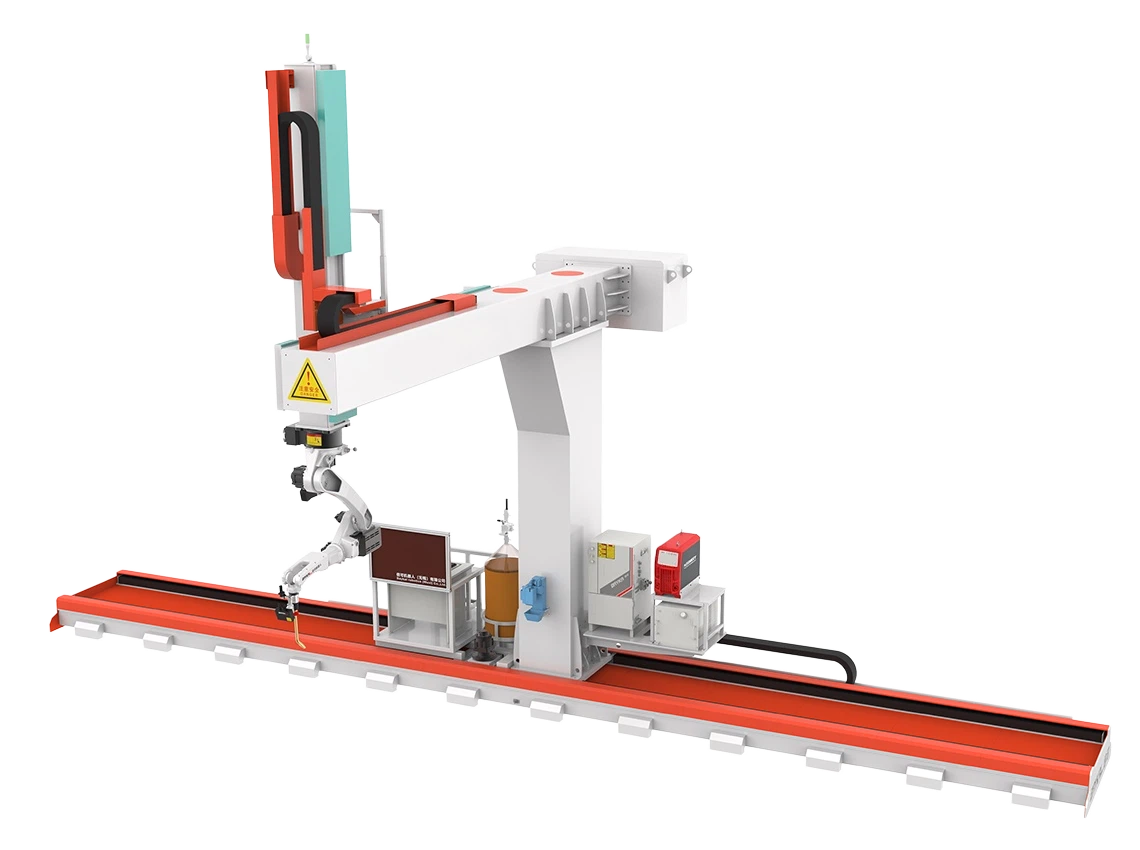
 9 axis cantilever type welding robot9 axis cantilever type welding robot for large steel workpieces with auto tracking, 3D import, and efficient CNC welding automation.
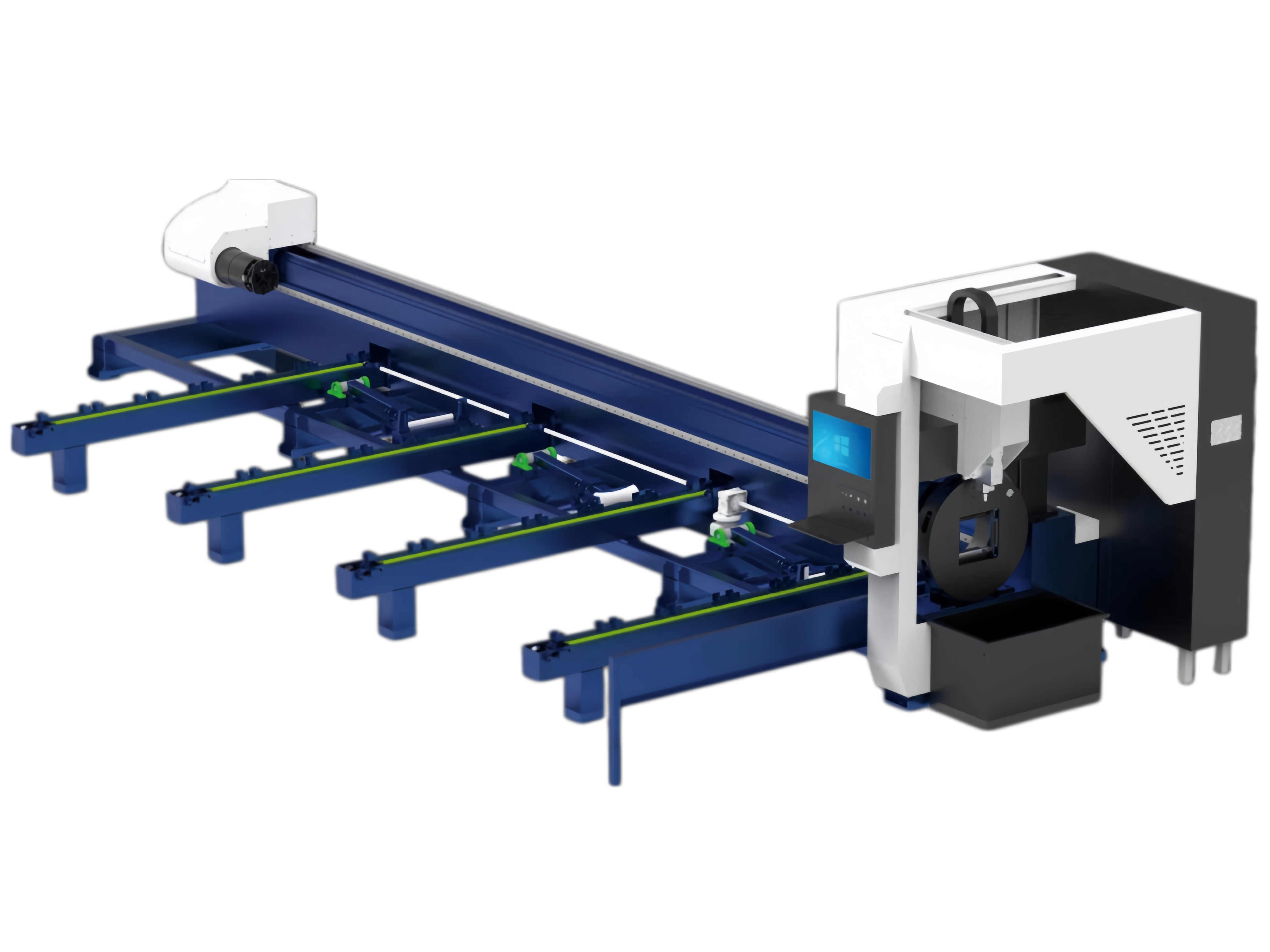
 Pipe cnc fiber laser cutting machine1.Introduction for Pipe cnc fiber laser cutting machine:
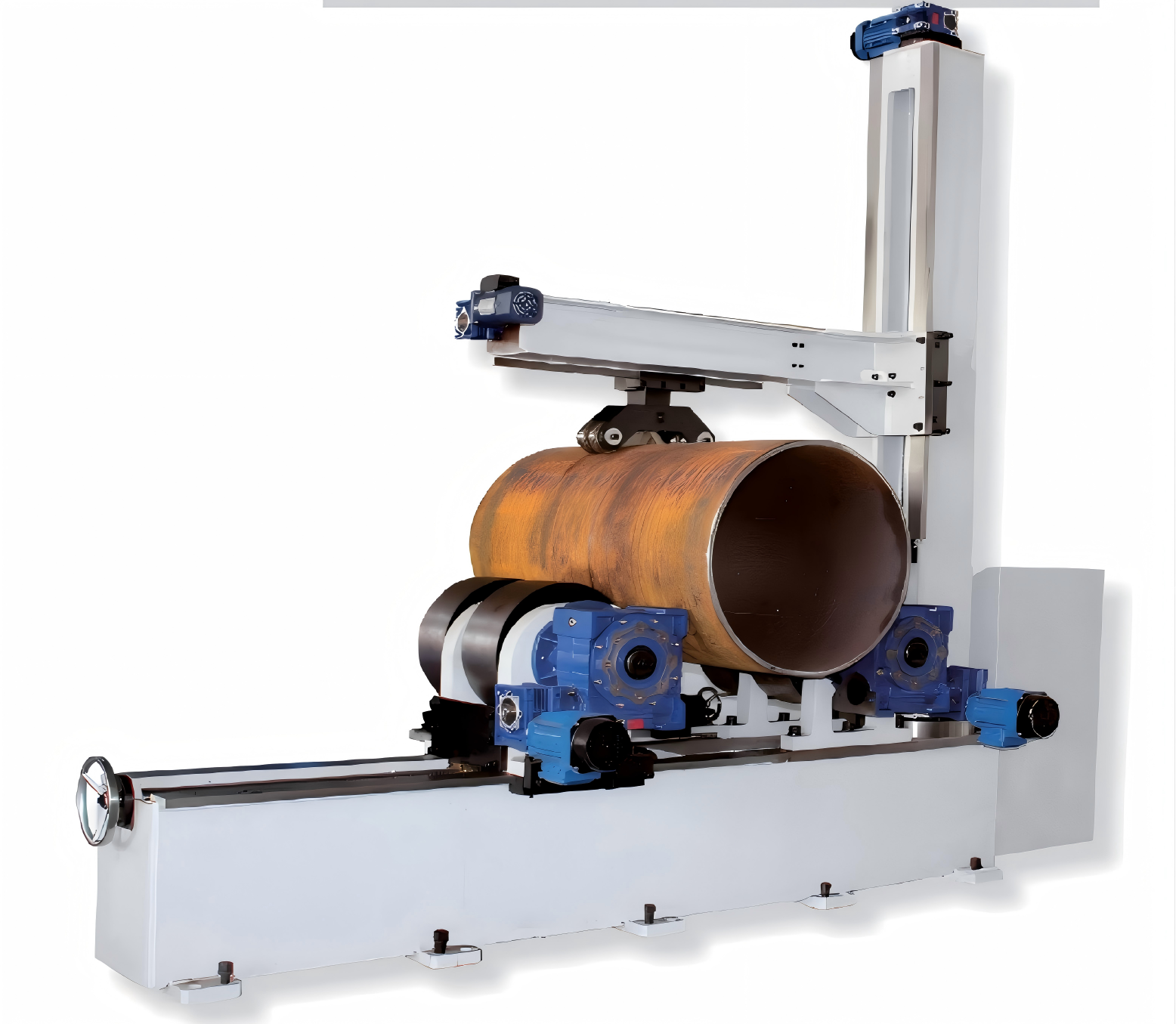
The laser cutting machine focuses the laser beam emitted from the laser source through the optical path system into a high-power-density laser beam. This laser beam is directed onto the surface of the workpiece, causing it to reach the melting point or boiling point. At the same time, the high-pressure gas coaxial with the laser beam blows away the molten or vaporized metal. Beveling & Milling Edge For Heavy TankThis series of heavy tank beveling and milling edge machines is a specialized, high-efficiency solution designed for beveling large storage tanks, pressure vessels, and heavy structural components. The main frame features an integrated welded construction followed by high-temperature stress-relief annealing, effectively eliminating internal stresses to ensure long-term dimensional stability and prevent deformation. The machine combines high-rigidity design with advanced control technology, purpose-built to handle the challenges of extra-thick plates and oversized workpieces.
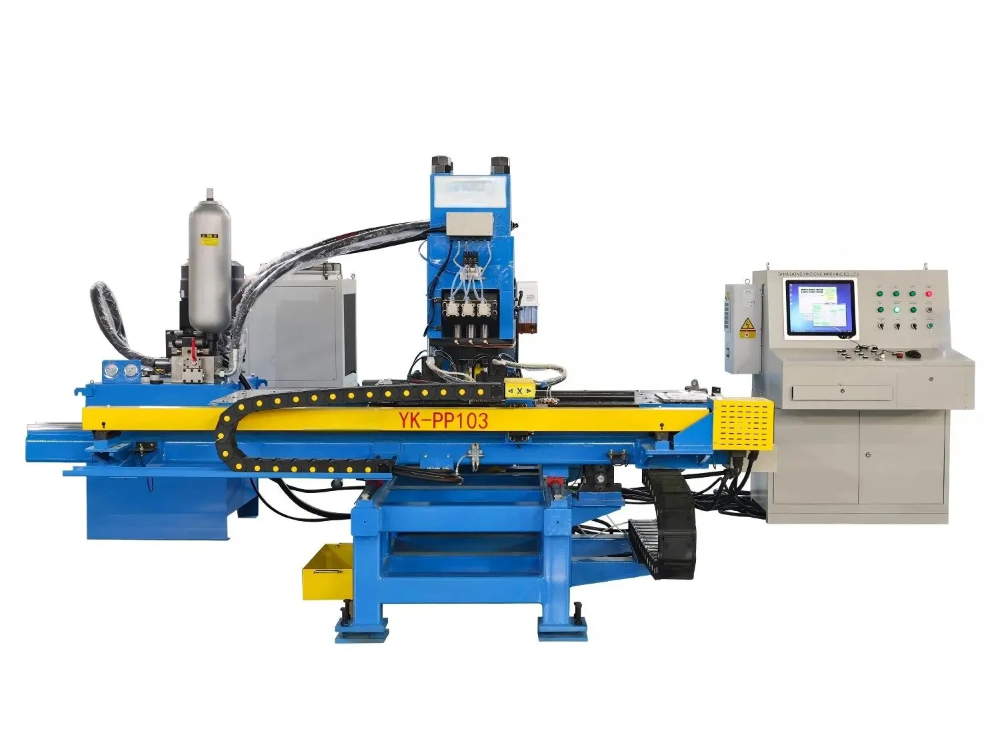
- CNC Punching And Marking Machine For Steel PlatesModels: YK-PP103 / YK-PPR103 / YK-PP104 / YK-PPR104
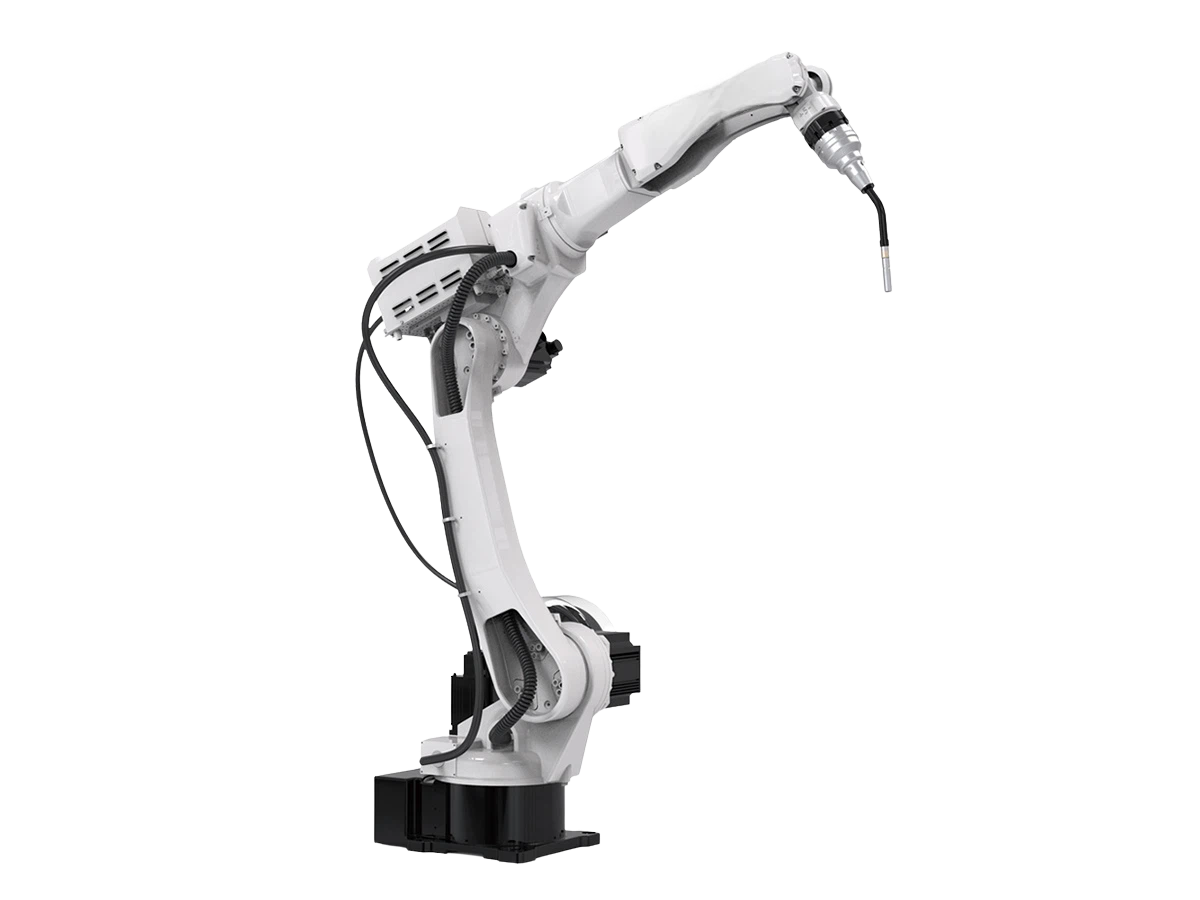
This series is a specialized CNC punching and marking machine designed primarily for steel plate processing in the steel tower industry. It is also well-suited for punching and marking applications across various other industrial sectors. - 6 Axis 2000mm ArmSpan MlG Industrial Welding RobotThis welding robot is designed for reliable arc welding in harsh production environments, featuring a long reach, stable repeatability, and flexible installation.
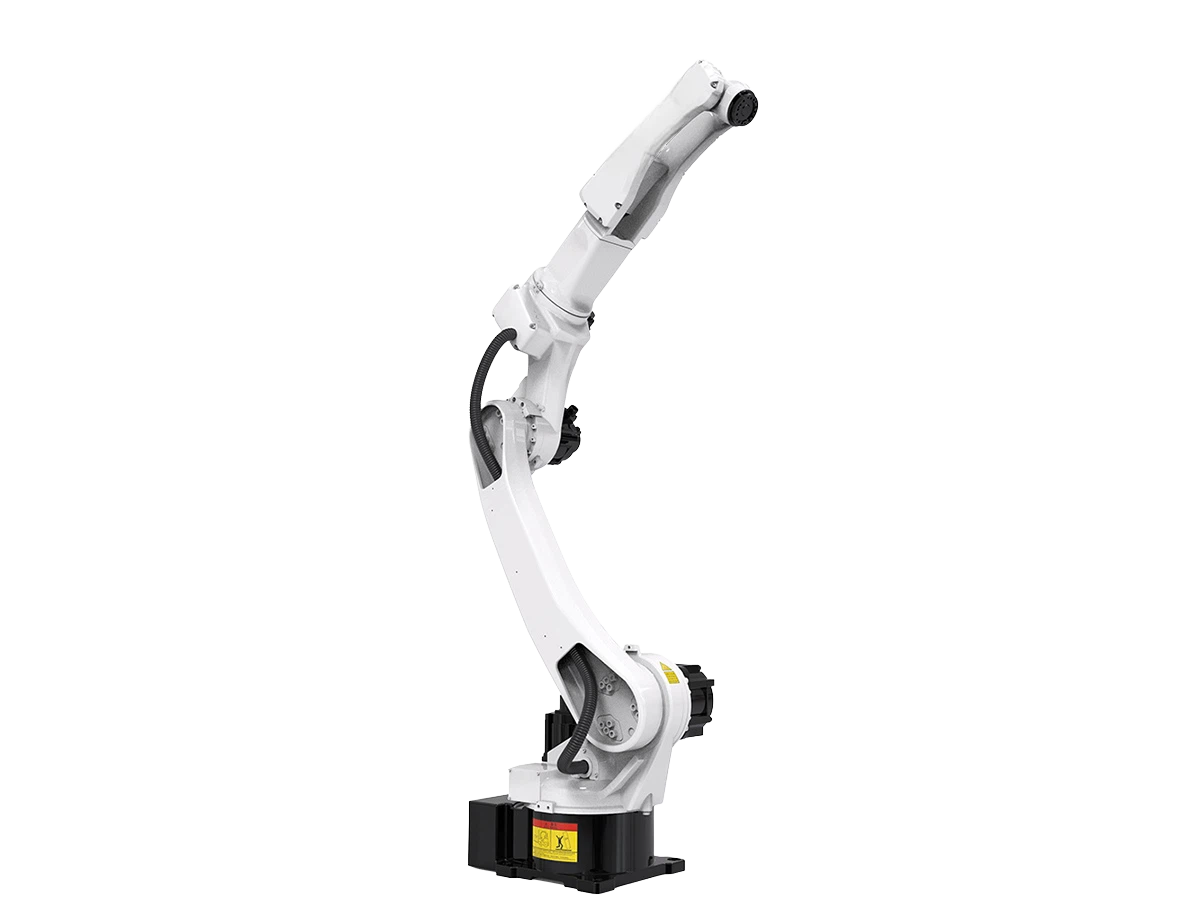
- Multipurpose Handing Robot BR20iB-20Explore the BR20iB-20 multipurpose robot for handling, welding, and cutting with 6-axis motion, ±0.08 mm repeatability, and flexible installation.

Send Us A Message