




When a CNC welding robot is the right fit for repeatable welds
When a CNC welding robot is the right fit for repeatable welds
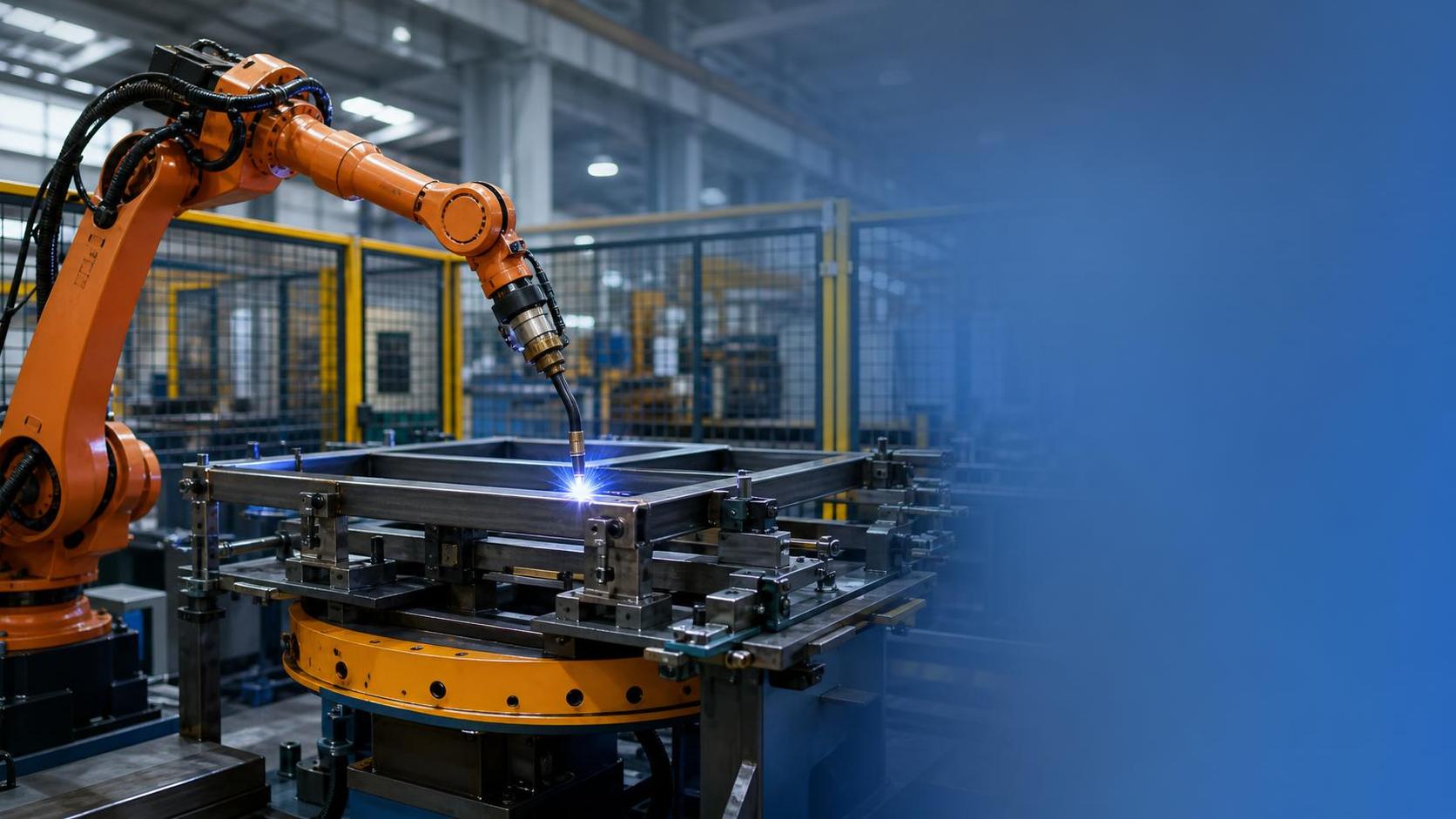
When a CNC Welding Robot Is the Right Fit for Repeatable Welds
For technical evaluators, selecting a CNC welding robot is not simply about automating a weld station. The real question is whether the parts, joints, workflow, and quality requirements are stable enough for the robot to repeat a useful process—not merely repeat the same motion. When the fit is right, robotic welding can produce more consistent bead placement, reduce reliance on highly variable manual technique, and keep output predictable across shifts. When the fit is wrong, the system can become an expensive fixture-adjustment problem with a welding torch attached.
The distinction matters in fabrication shops where product mix is changing, upstream cutting accuracy varies, and a “standard” assembly may still arrive at the weld cell with different gaps, distortion, or tack positions. A CNC welding robot is strongest when it works inside a controlled manufacturing process. It is not a substitute for poor part preparation, unstable fixtures, or incomplete weld procedures.
Repeatability begins before the weld cell
A robot repeats coordinates faithfully. It does not decide that a flange is sitting 3 mm higher than usual, that a laser-cut slot has excessive clearance, or that a tack weld has pulled a bracket out of position. Those are human observations in manual welding; in robotic welding, they must be prevented, measured, or accommodated through sensing and programming.
That is why the first evaluation should focus on incoming part consistency rather than robot reach or advertised welding speed. The parts do not need to be perfect, but their critical locating features need to be controlled. For a fillet weld on a simple frame, that may mean repeatable hole locations, cut edges, and fixture datums. For a multi-pass groove weld, it may also mean consistent joint preparation, root opening, and material thickness.
A useful workshop test is straightforward: take several parts from normal production, not specially selected samples, and load them into the proposed fixture. If operators need to force, shim, clamp creatively, or re-tack the parts to make them sit correctly, the process is not ready for a fixed-path robot. The automation project may still be viable, but fixture design and upstream process control should come first.
Parts that usually suit robotic welding
The best candidates are repetitive fabricated assemblies with a meaningful number of identical or closely related parts. Typical examples include structural brackets, equipment frames, cabinets, machine bases, pipe supports, trailer components, standard agricultural attachments, and recurring sheet-metal assemblies. The common feature is not the industry; it is a stable combination of geometry, weld location, material, and volume.
A CNC welding robot is particularly attractive where weld appearance is part of the acceptance standard. Manual welders can produce excellent results, but consistency between operators and shifts is difficult to hold indefinitely, especially on long seams or repetitive small fillets. A programmed system can maintain torch angle, travel speed, arc start position, and weaving pattern more consistently once the joint is presented correctly.
This does not mean every repeat job should be automated. A batch with only occasional repeat orders may not justify dedicated fixtures, offline programming effort, safety equipment, and changeover time. Repetition needs to be commercially meaningful, not just technically possible.
Volume matters, but batch size alone is not enough
Technical teams often ask for a minimum annual volume before considering robotic welding. There is no universal number. A compact assembly with several long welds may justify automation at a lower volume than a high-volume part requiring only a few seconds of arc time. Equally, a line producing many variants may justify a flexible cell if the variants share locating logic, gripper strategy, and welding sequence.
The better calculation compares the full manual cycle with the full automated cycle. Manual welding time is only one part of the picture. Include part loading, clamping, tack welding, repositioning, inspection, rework, consumable changes, robot access, safety-door cycle time, and fixture changeover. A robot that welds quickly but waits for manual loading may still be the right choice, but the expected gain must be based on the real bottleneck.
Look closely at arc-on time. If operators spend most of the shift carrying parts, measuring assemblies, grinding poor fit-up, or waiting for material, installing a robot will not resolve the primary loss. In those cases, a positioner, better material handling, improved cutting accuracy, or a redesigned fixture may have a faster payback than a fully automated cell.
The fixture is often more important than the robot model
In practical robotic welding projects, fixture quality has an outsized effect on uptime and weld consistency. The fixture establishes the part datum, controls distortion during welding, protects access for the torch, and determines how easily an operator can load and unload safely. It also needs to tolerate production reality: weld spatter, worn locating pins, slightly different material lots, and handling damage.
An over-constrained fixture can be as troublesome as a loose one. If too many clamps force a variable assembly into position, residual stress may be released after unclamping and the finished part can move. Conversely, insufficient restraint can allow heat distortion to shift the joint while the robot follows its programmed path. The fixture design should be reviewed alongside the weld sequence, not treated as a separate purchasing task.
Positioners deserve the same attention. A one-axis or two-axis positioner can let the robot weld in a more favorable orientation, reducing difficult overhead or vertical-up work. For larger fabricated structures, however, the evaluator should confirm payload, center-of-gravity limits, cable routing, part clearance, and loading method. A cell layout that looks efficient in a drawing can become awkward once real forks, pallets, and operators enter the space.
Choose sensing for the variation you actually have
Not every robotic welding application needs seam tracking, laser profiling, touch sensing, or vision guidance. These tools are valuable, but they should solve a defined variation rather than compensate for an uncontrolled process. Touch sensing can help establish a part’s actual position before welding. Through-arc seam tracking may help the torch follow a joint that moves slightly. Vision systems can support part identification or loading verification in more flexible cells.
The important limitation is that sensing is not magic. A system cannot reliably correct every combination of excessive gap, missing tack, warped plate, contamination, and inconsistent joint preparation. Each sensing method has a working range, response time, and setup requirement. A technical evaluation should therefore ask which variation is expected, how large it is, how frequently it occurs, and whether the best corrective action belongs upstream.
For many stable assemblies, a robust fixture and a well-proven weld program are more valuable than adding advanced sensing features. For variable fabricated parts, sensing may be necessary—but the evaluation should include programming complexity, maintenance capability, and the time needed to recover from abnormal conditions.
Weld quality needs a defined acceptance route
Before selecting the cell, agree on what “good weld” means for the component. That may include visual appearance, weld size, penetration requirements, distortion limits, leak testing, dimensional checks, or non-destructive examination where required by the application. The robot can repeat a qualified procedure, but it does not remove the need for procedure development, parameter verification, material traceability where applicable, or inspection planning.
This is especially relevant when moving from manual welding to a robotic process. Heat input, travel speed, torch angle, wire feed, and welding sequence may change. A sequence that works for a skilled manual welder may create unacceptable distortion when executed continuously by a robot. Trial assemblies should reflect actual production material and joint conditions, including the normal range of fit-up—not ideal coupon samples only.
Consumables and torch access also need attention. Narrow corners, deep cavities, and close-spaced brackets can make a joint technically weldable but operationally fragile. If nozzle cleaning is difficult or the contact tip is exposed to heavy spatter, the cell will demand more intervention than anticipated. Good robotic welding design leaves room for maintenance, not only for the first successful demonstration.
Think about the whole fabrication chain
A welding robot does not operate in isolation. Its performance depends on the cutting, bending, machining, forming, and material-preparation steps ahead of it. When a supplier can look across those processes, it is easier to identify whether a weld issue originates at the welding cell or much earlier in production.
For example, recurring variation in cut blanks can affect fixture location. Inconsistent bending springback can change a fillet-weld gap. Machined holes that act as locating features may need tighter process control than the drawing previously required. In production lines that combine welded frames with threaded fastening components, it may also be useful to assess automation opportunities beyond welding. Equipment such as the Z28-650 thread rolling machine is intended for precision external threads, including high-strength standard parts, anchor bolts, and T-shaped screws. Its radial cold rolling approach is a separate process from welding, but it illustrates why process consistency upstream and downstream affects the stability of a complete fabricated assembly.
Wuxi Samgins International Trade Co., Ltd., established in 2012 in Wuxi, Jiangsu Province, supplies equipment across welding, CNC cutting, machine tools, laser processing, H-beam production, bending, shearing, rolling, deburring, and related fabrication processes. For an evaluator, this wider equipment perspective can be useful when a robot cell is being considered as part of a line rather than as a standalone purchase. Production and design are organized in line with ISO9001 quality system requirements and EU CE standards, while final machine configuration and site compliance should still be reviewed against the destination market and the specific installation conditions.
Questions that expose a weak automation proposal
A supplier demonstration can make almost any clean sample part look easy. The more useful questions are the ones that address normal production variation and recovery work:
- What part features establish the robot’s reference position, and how are those features controlled upstream?
- What happens if a part is loaded incorrectly, a clamp does not close, or a component is missing?
- Which welds require repositioning, and what is the true cycle time including handling?
- Can operators change consumables, clean the torch, and access fixtures without excessive downtime?
- Which variants can run on the same fixture, and what must be changed between them?
- How will weld parameters, programs, backups, and revision control be managed after commissioning?
These questions do not make an automation project more difficult; they make the expected performance more credible. A proposal that answers them clearly is usually built around production behavior rather than presentation-day conditions.
When manual or semi-automatic welding remains the better choice
There are valid reasons not to select a CNC welding robot. One-off custom fabrications, frequent engineering changes, very large assemblies with difficult access, inconsistent repair work, and low-utilization operations can all favor skilled manual welding. A robotic cell may also be premature if the shop has not yet stabilized cut quality, fit-up, welding procedures, or material flow.
Sometimes the sensible route is partial automation: a welding positioner, a dedicated fixture, mechanized travel carriage, or a simple collaborative arrangement where appropriate risk assessment permits it. These measures can improve ergonomics and consistency while preserving the flexibility needed for mixed production. Automation should match the maturity of the process, not force the process to imitate a high-volume line.
A practical decision point
A CNC welding robot is the right fit when repeat demand is real, part location is reliable, weld joints are accessible, the fixture can control the assembly through the weld sequence, and the organization is ready to manage programs and preventive maintenance. The strongest projects are rarely those with the most complicated robot specification. They are the ones where the production team has already identified the sources of variation and decided which should be eliminated, which should be sensed, and which should remain under manual control.
Before committing, run representative parts through a proposed fixture concept, document the normal fit-up range, and assess the complete cycle rather than arc time alone. If the process stays stable under those conditions, robotic welding is no longer just an automation idea—it becomes a repeatable manufacturing method.
search
Recommended Products
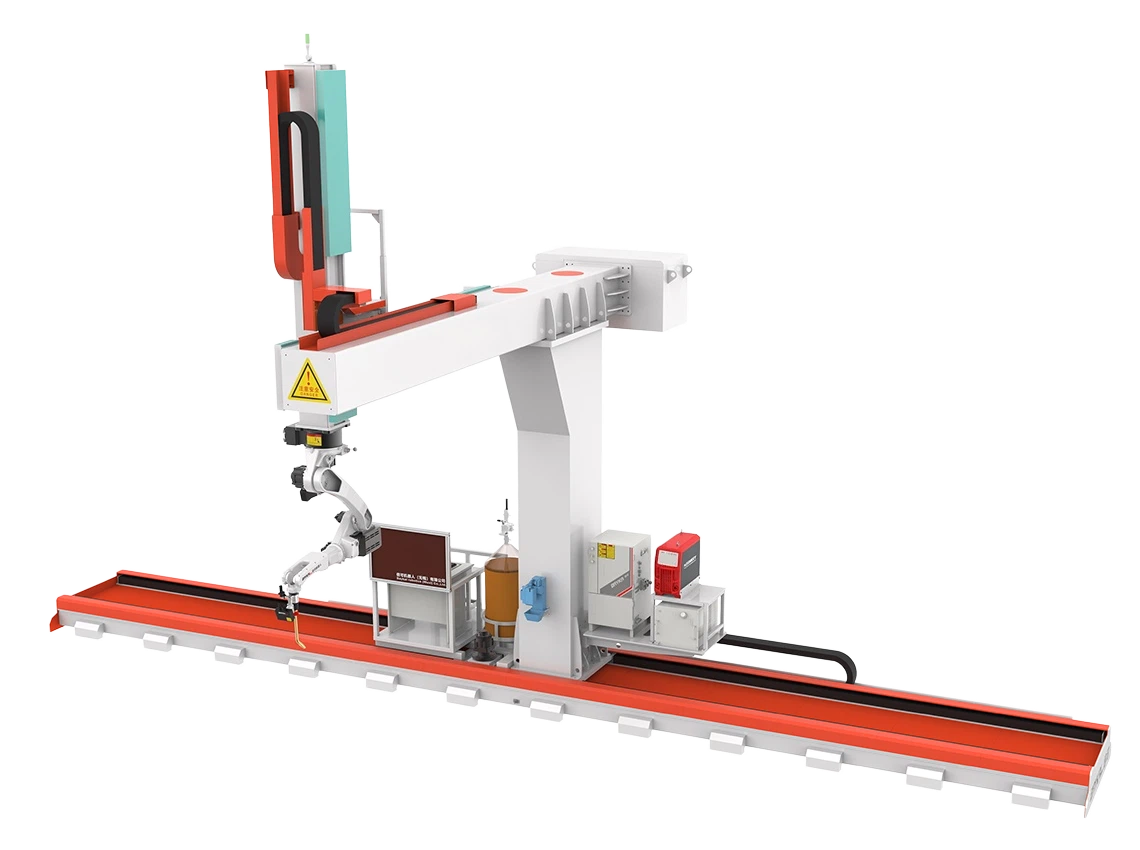
 9 axis cantilever type welding robot9 axis cantilever type welding robot for large steel workpieces with auto tracking, 3D import, and efficient CNC welding automation.
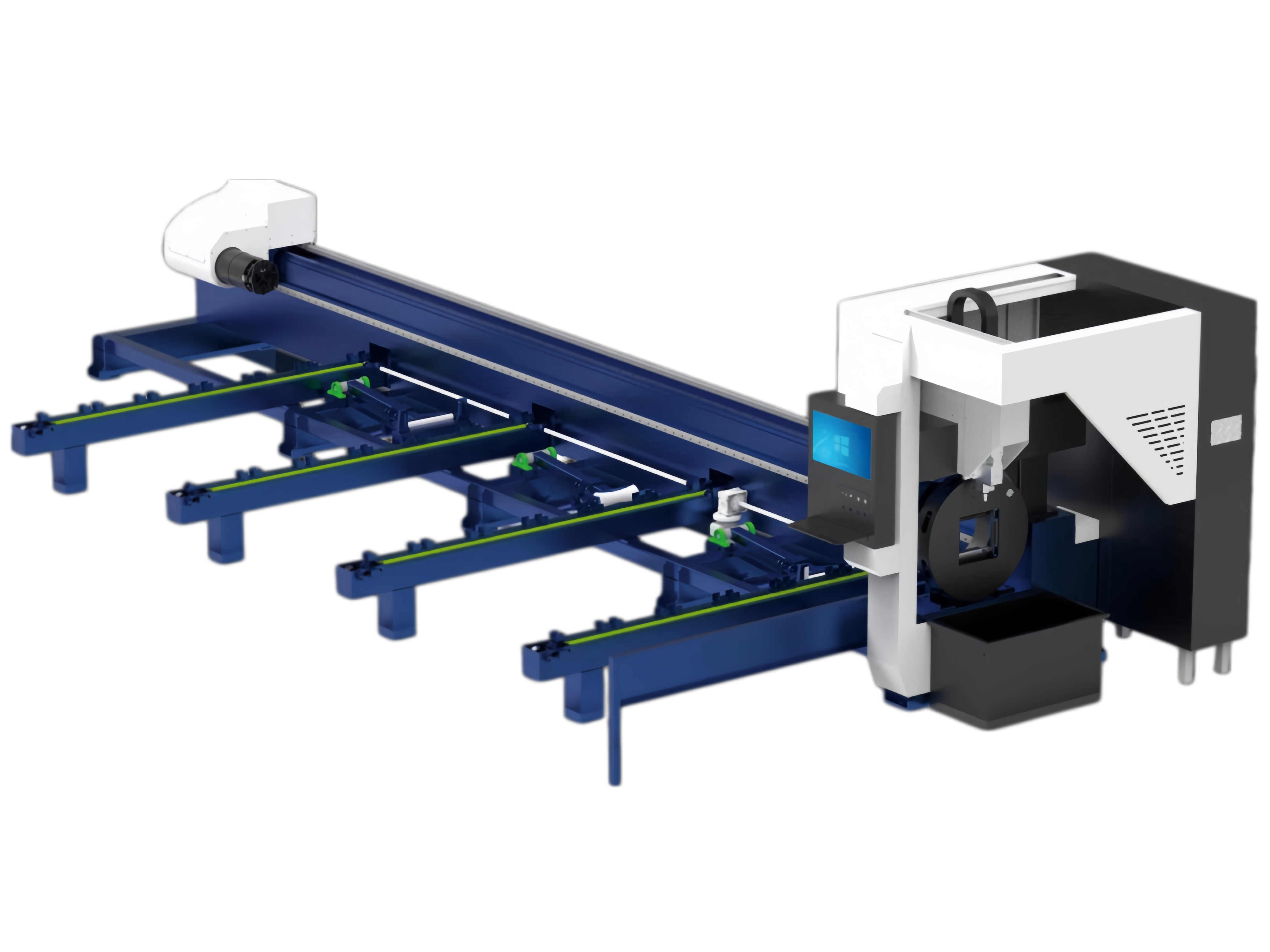
 Pipe cnc fiber laser cutting machine1.Introduction for Pipe cnc fiber laser cutting machine:
The laser cutting machine focuses the laser beam emitted from the laser source through the optical path system into a high-power-density laser beam. This laser beam is directed onto the surface of the workpiece, causing it to reach the melting point or boiling point. At the same time, the high-pressure gas coaxial with the laser beam blows away the molten or vaporized metal. Beveling & Milling Edge For Heavy TankThis series of heavy tank beveling and milling edge machines is a specialized, high-efficiency solution designed for beveling large storage tanks, pressure vessels, and heavy structural components. The main frame features an integrated welded construction followed by high-temperature stress-relief annealing, effectively eliminating internal stresses to ensure long-term dimensional stability and prevent deformation. The machine combines high-rigidity design with advanced control technology, purpose-built to handle the challenges of extra-thick plates and oversized workpieces.
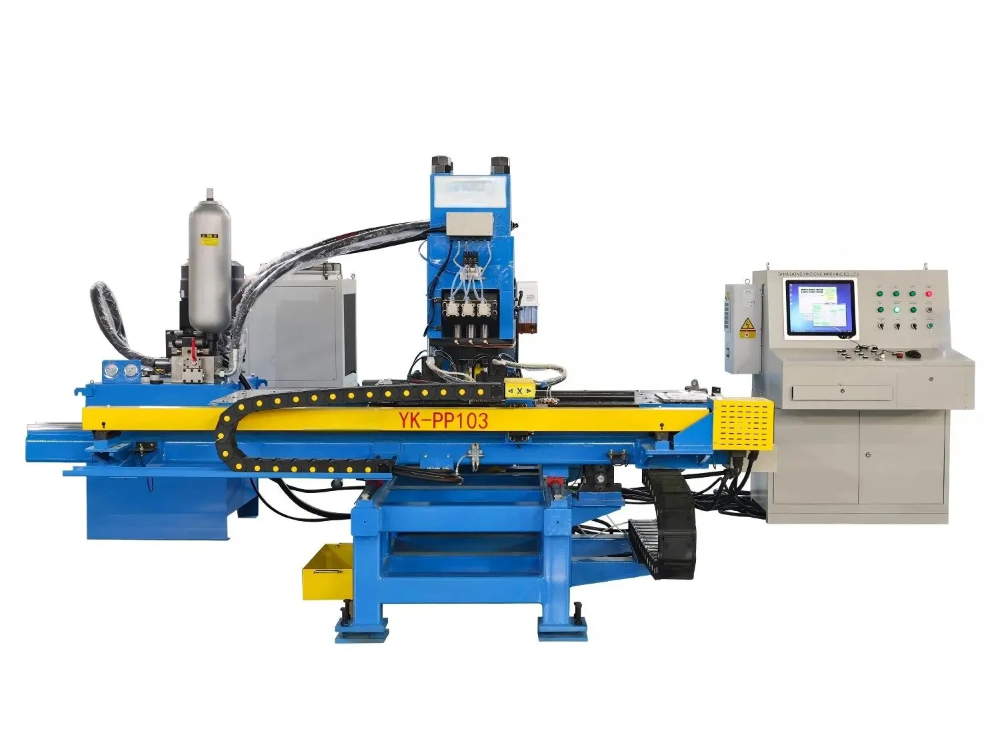
- CNC Punching And Marking Machine For Steel PlatesModels: YK-PP103 / YK-PPR103 / YK-PP104 / YK-PPR104
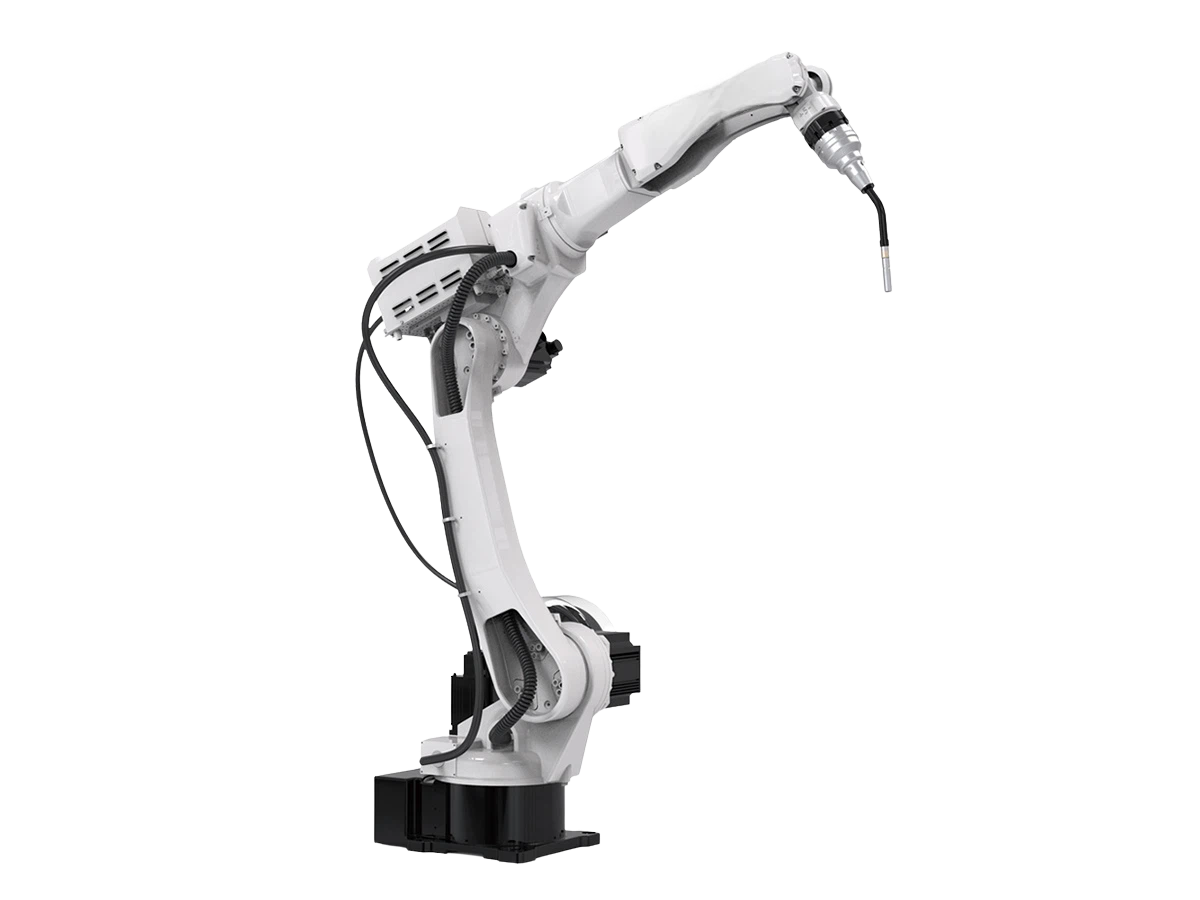
This series is a specialized CNC punching and marking machine designed primarily for steel plate processing in the steel tower industry. It is also well-suited for punching and marking applications across various other industrial sectors. - 6 Axis 2000mm ArmSpan MlG Industrial Welding RobotThis welding robot is designed for reliable arc welding in harsh production environments, featuring a long reach, stable repeatability, and flexible installation.
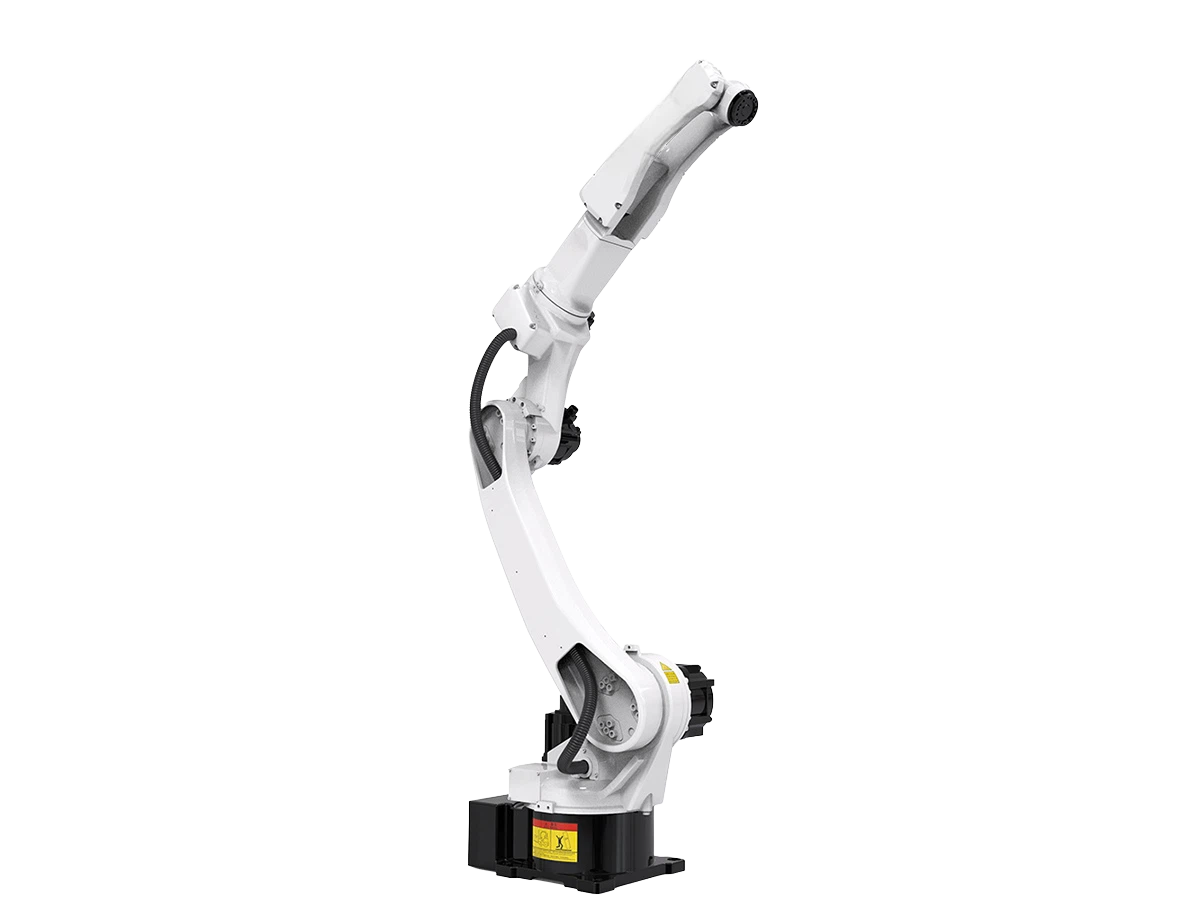
- Multipurpose Handing Robot BR20iB-20Explore the BR20iB-20 multipurpose robot for handling, welding, and cutting with 6-axis motion, ±0.08 mm repeatability, and flexible installation.

Send Us A Message