




Welding Robot Explained: Key Technologies, System Components, and Industrial Use Cases
What A Welding Robot Is In Industrial Manufacturing
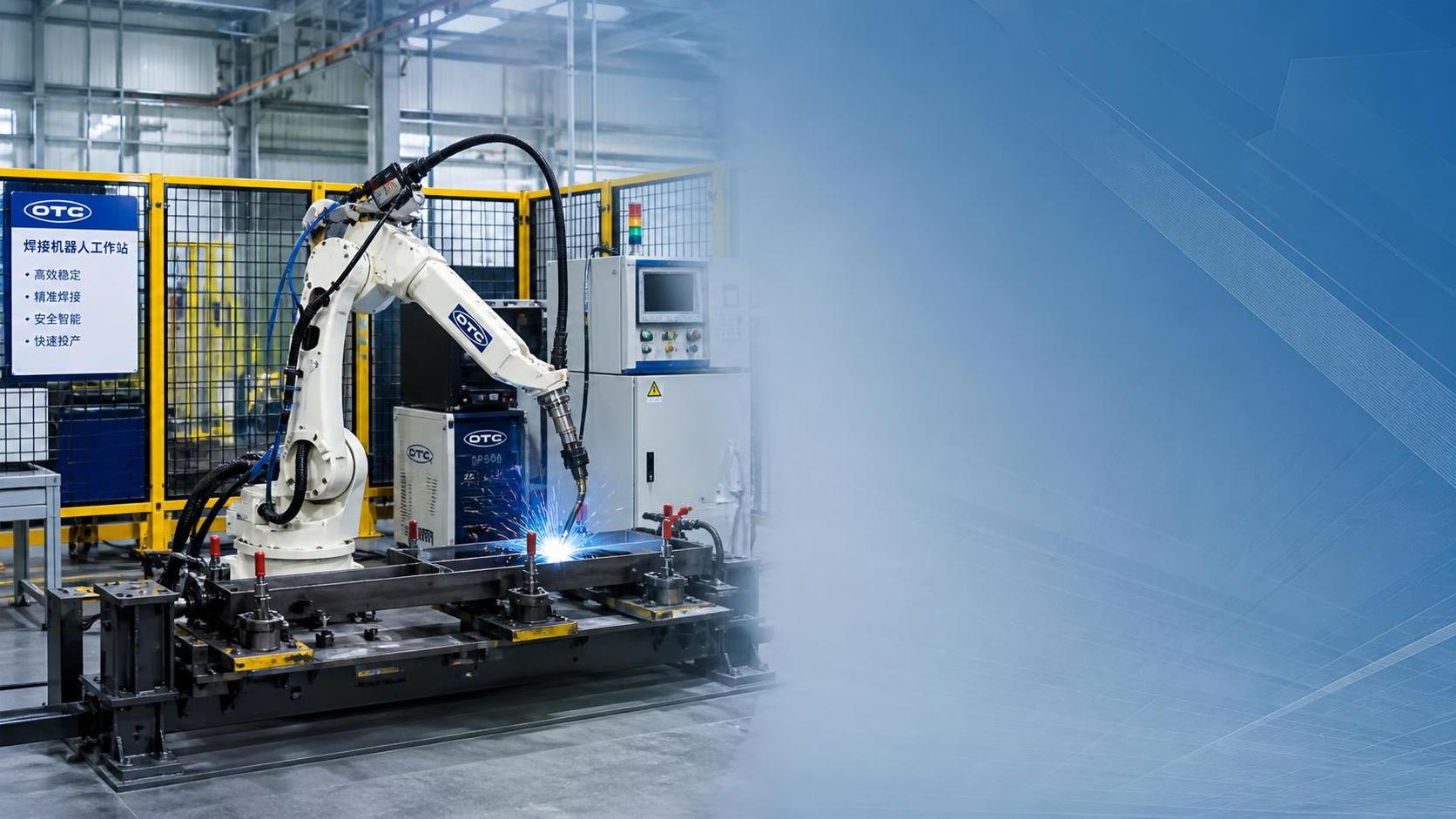
A welding robot is an automated welding system that combines a programmable robot body, welding power source, torch, control software, fixtures, and safety devices to perform repeatable joining tasks. In industrial manufacturing, it is used to automate arc welding operations such as MIG, MAG, TIG, and some specialized seam processes where accuracy, consistency, and throughput matter more than manual flexibility alone.
The term Welding robot can refer narrowly to the robot arm, but in procurement practice it should be evaluated as a complete cell. Real production performance depends on the interaction between robot axes, positioners, tracking devices, torch cleaning units, wire feeding stability, and the quality of part fit-up. A capable system is engineered around the workpiece, not simply around the robot brand or payload number.
For buyers in steel fabrication, pressure vessel work, pipe processing, structural beam production, and sheet metal manufacturing, the Welding robot has become a practical tool for controlling weld quality under rising labor costs and tighter delivery schedules. It is especially valuable where the same joint types are repeated over long production runs or where weld access is difficult, hazardous, or ergonomically poor for operators.
Industrial expectations usually center on repeatability, stable arc behavior, maintainability, and integration with upstream and downstream equipment. That is why system suppliers with broader fabrication equipment experience often bring an advantage. Wuxi Samgins, for example, operates across welding manipulators, rotators, positioners, H-beam lines, cutting machines, and specialized welding systems, which is relevant when a robot cell must work as part of a larger production flow rather than as an isolated machine.
How Welding Robot Technology Works
At the core of a Welding robot is coordinated motion control. Servo-driven axes move the torch along a programmed path while the welding power source maintains current, voltage, wire feed, and arc characteristics suited to the joint design and material. The control system synchronizes movement and welding parameters so that travel speed, torch angle, stick-out, weaving pattern, and arc start-stop behavior remain within defined process windows.
Modern systems often add seam tracking, through-arc sensing, touch sensing, laser guidance, or vision-based correction to compensate for part variation. These technologies are important because even a highly accurate robot cannot produce reliable welds if incoming parts vary in gap, distortion, or position. In practical terms, sensing reduces scrap and rework, but it does not replace fixture quality or process discipline.
Thermal behavior also matters. Welding introduces heat, distortion, spatter, and fume, so the cell design must address torch cooling, cable routing, anti-collision protection, and extraction. A poorly designed cable package or unstable wire feeder can undermine a robot that looks strong on paper. Buyers should ask how the integrator balances mechanical structure, weld process tuning, and maintenance access across long shifts.
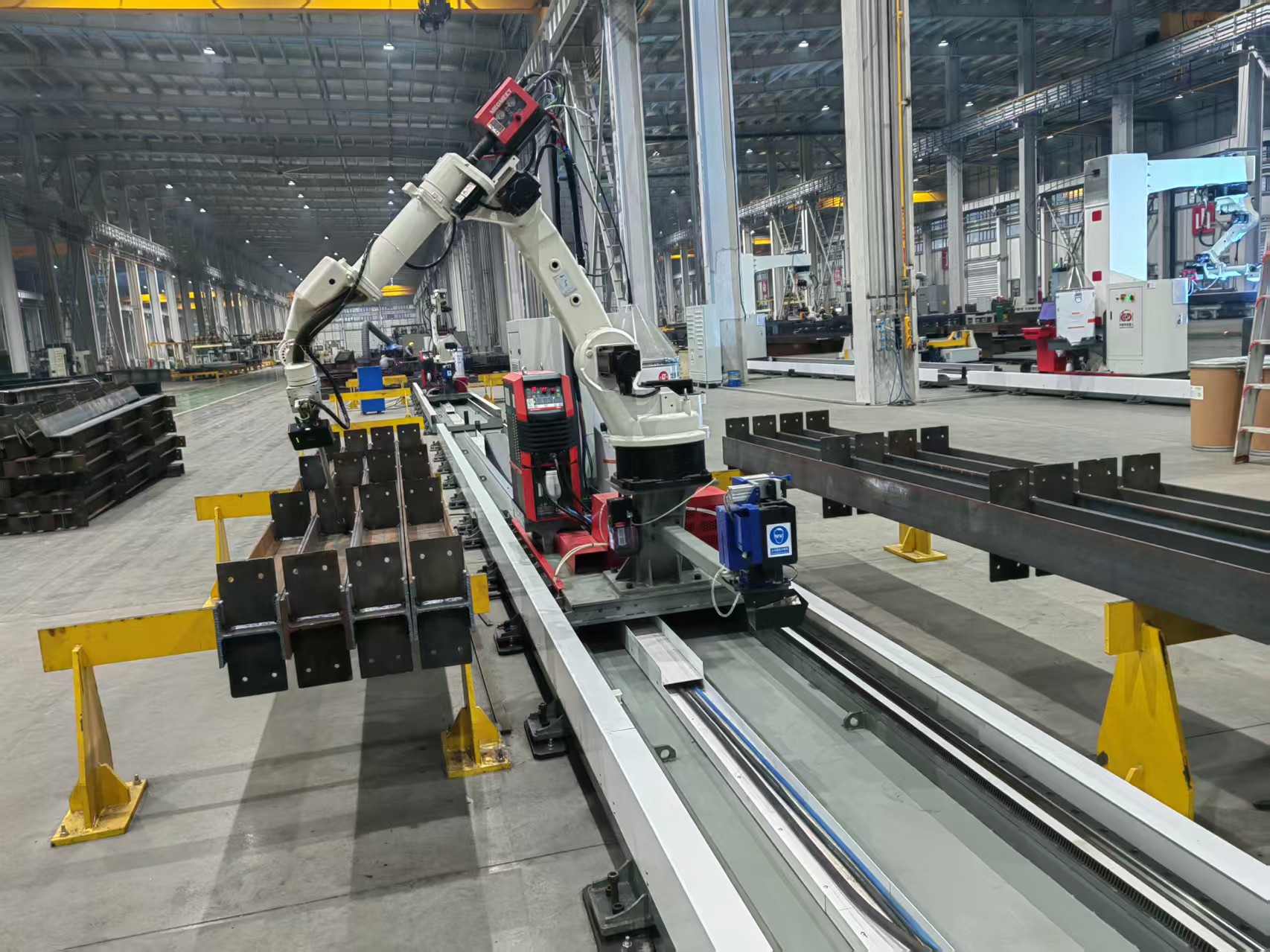
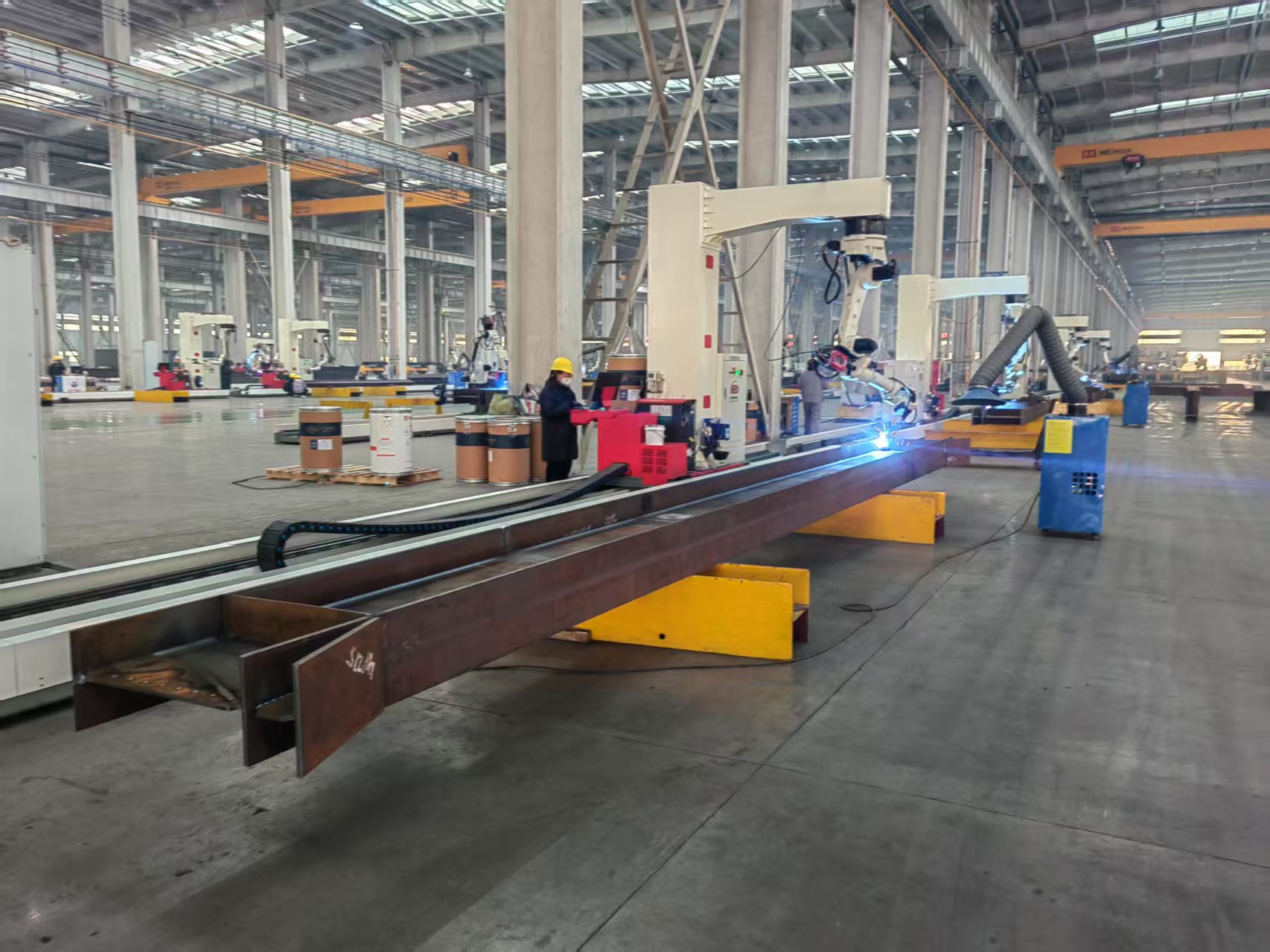
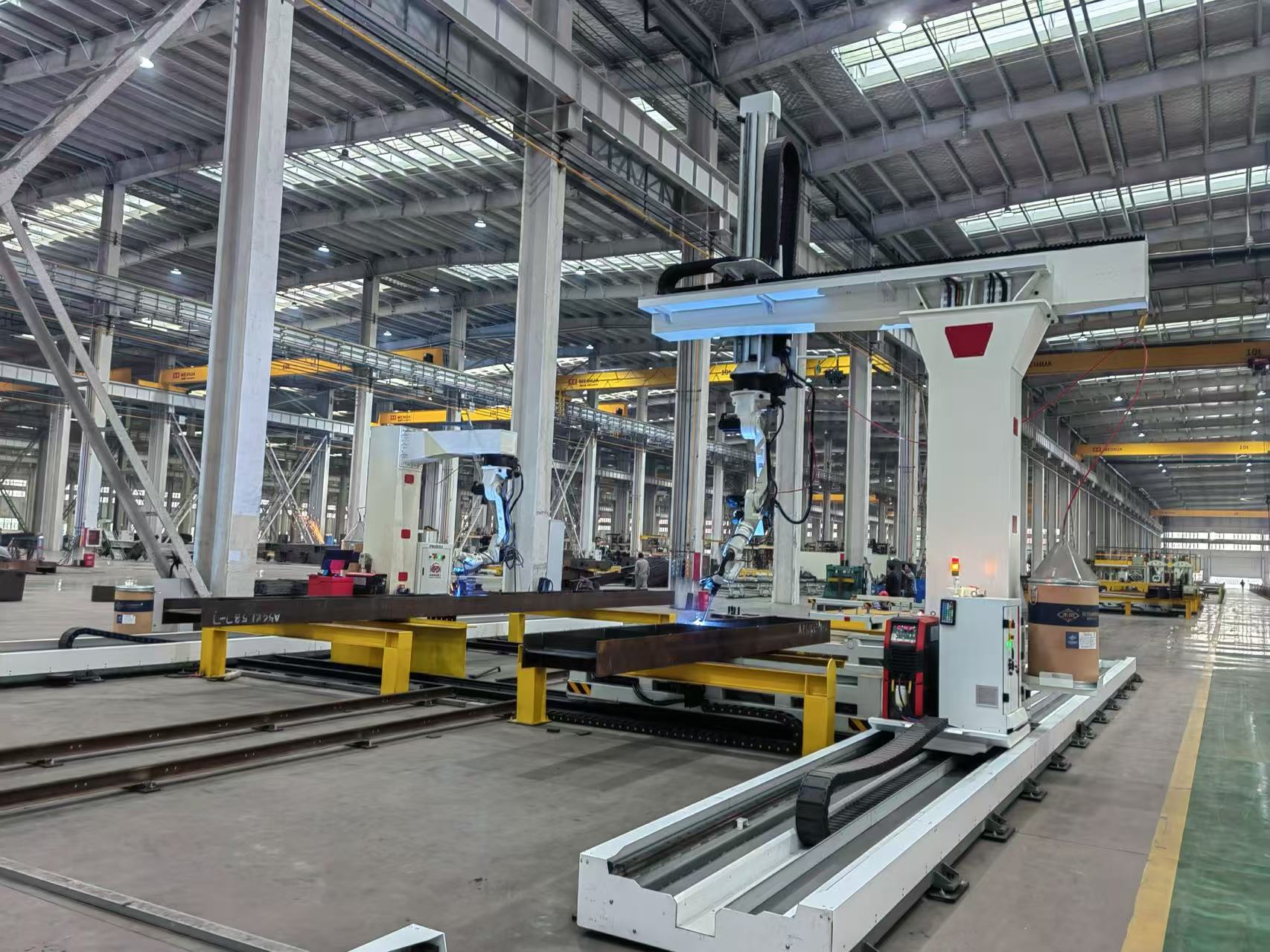
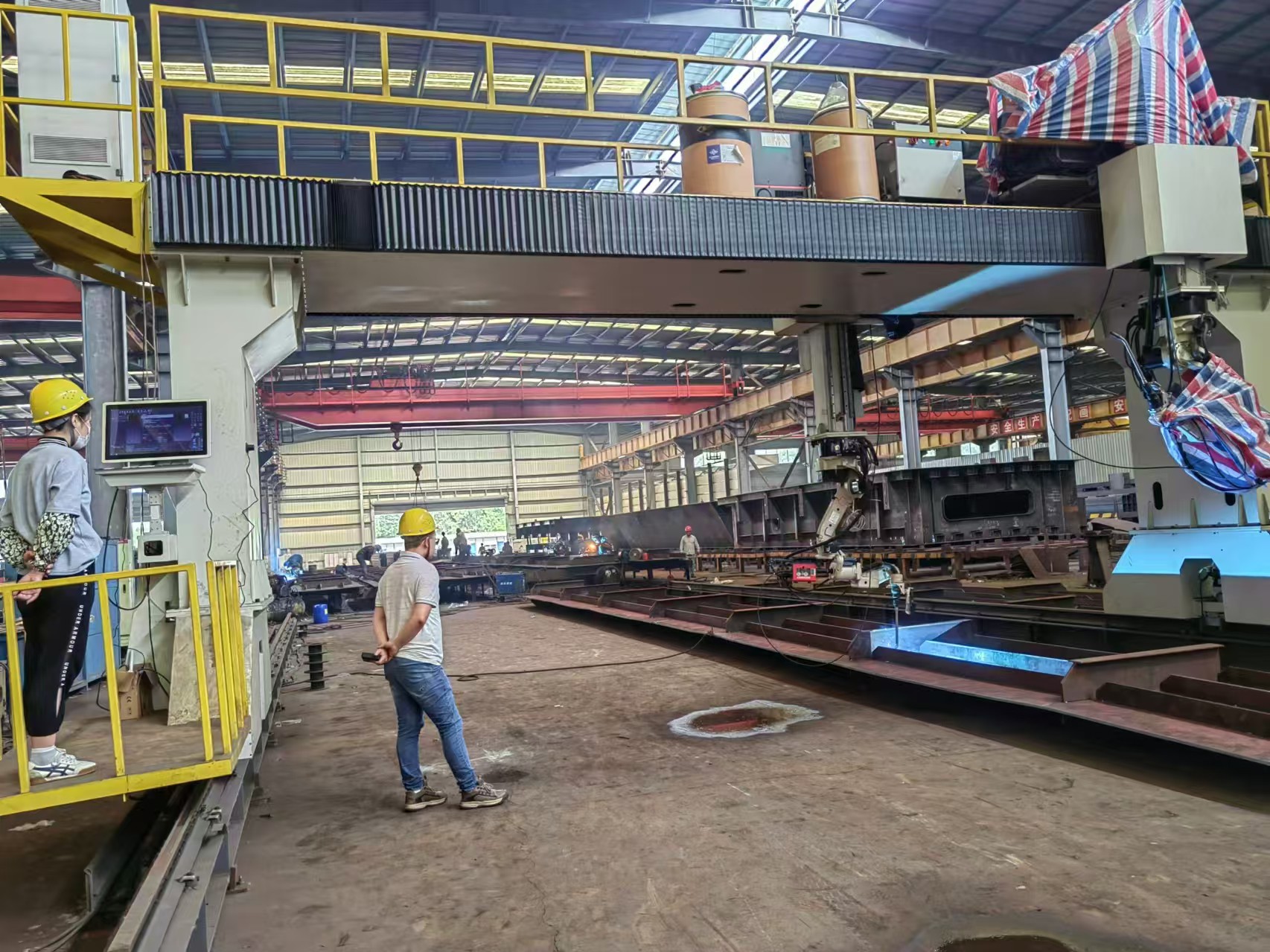
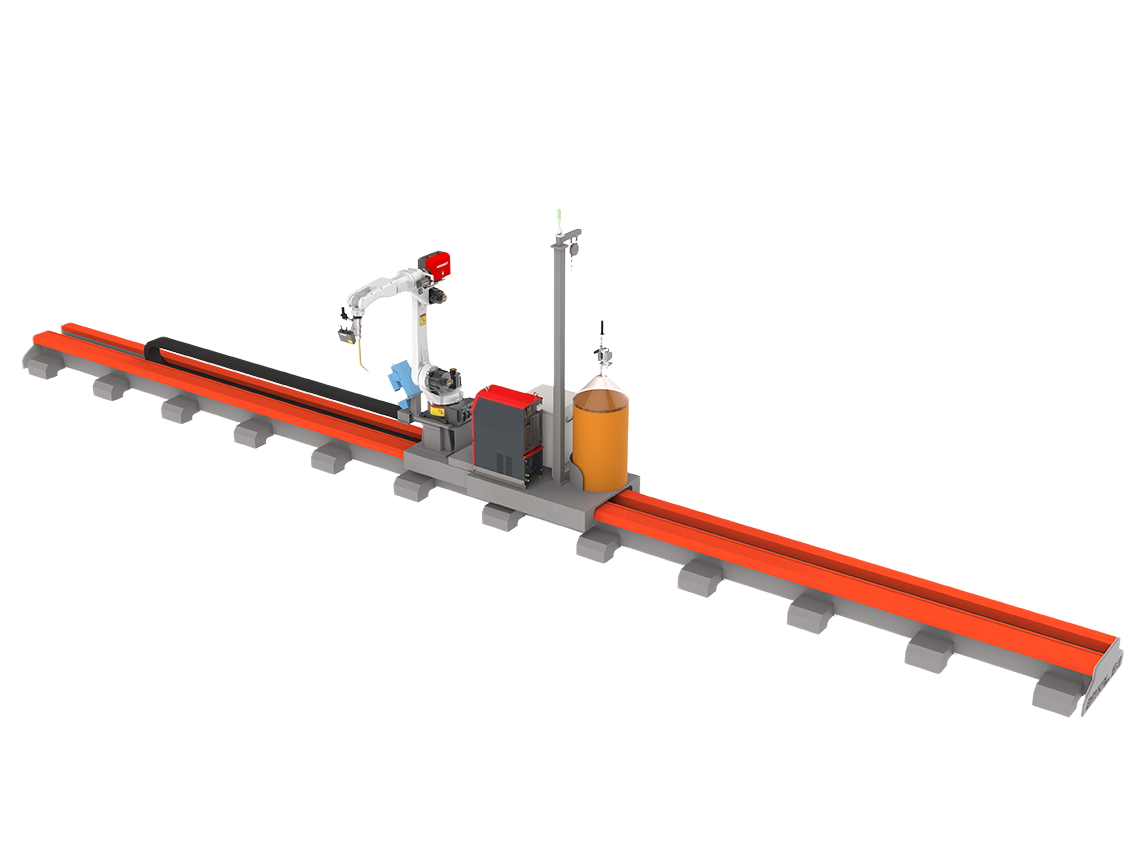
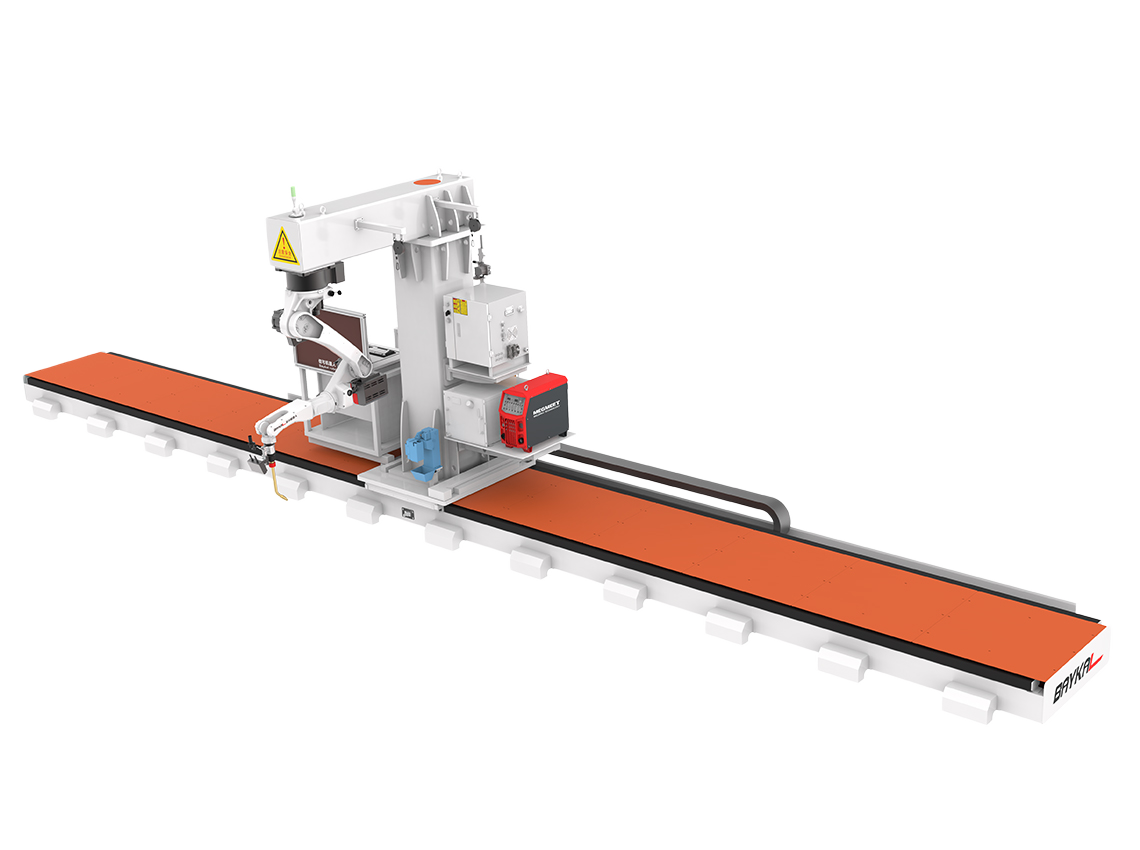
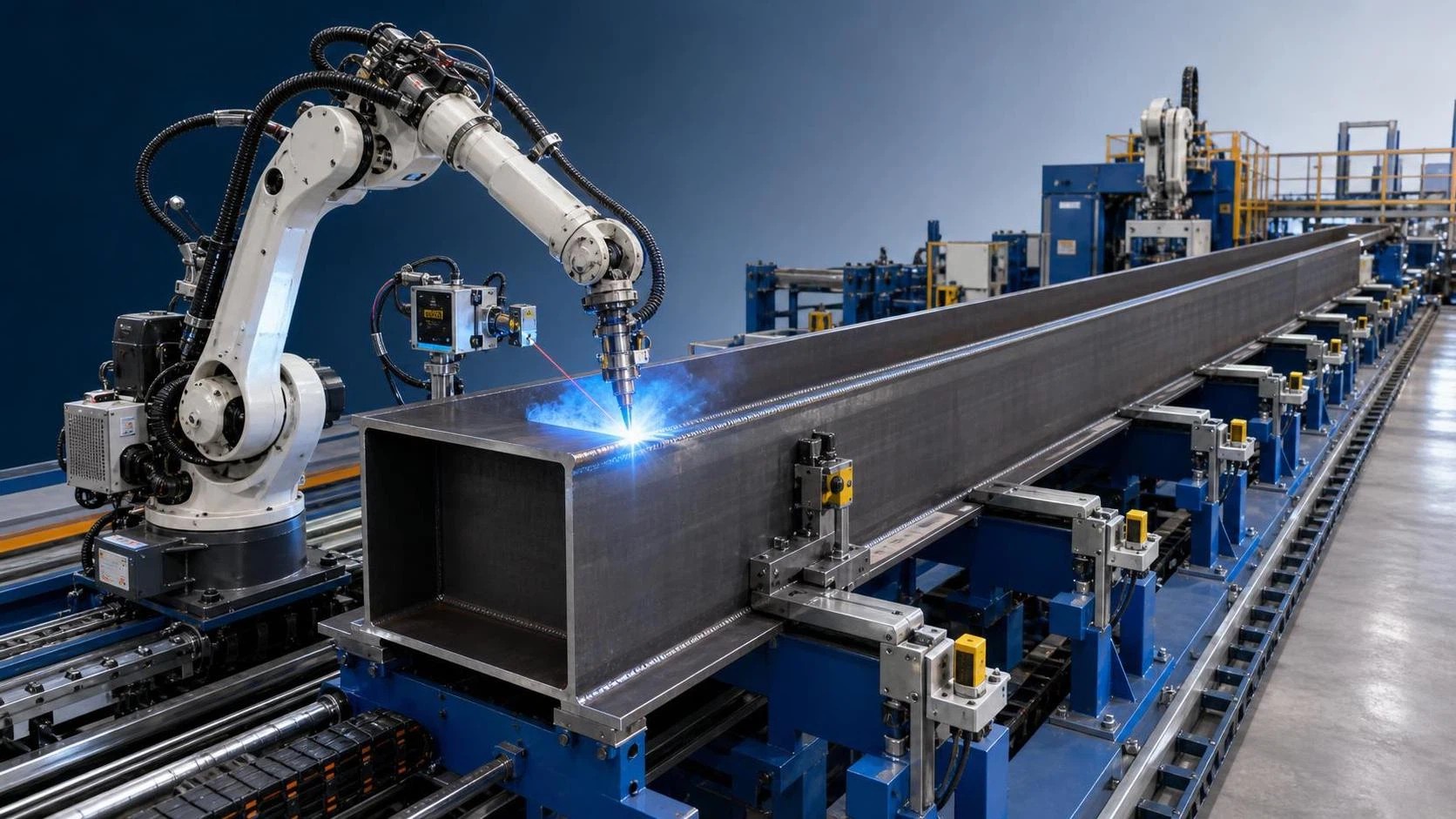
In heavier applications, the system may combine the robot with external axes such as travel rails, head-tail positioners, turning rolls, or gantry structures. This extends reach and allows better weld orientation. Wuxi Samgins offers customized 7-axis and 9-axis Welding robot solutions, including gantry and cantilever forms, which can be useful for tanks, pipelines, long seams, and large steel structures where a standard floor-mounted robot may not provide the needed working envelope.
Main System Components Buyers Should Evaluate
A complete Welding robot cell usually includes the robot manipulator, controller, teach pendant, welding power source, wire feeder, welding torch, cable package, fixtures, and a protective enclosure. Around these essentials are optional but often critical subsystems such as torch cleaners, wire cutters, seam tracking modules, fume extraction, part presence sensors, and data collection interfaces for production monitoring.
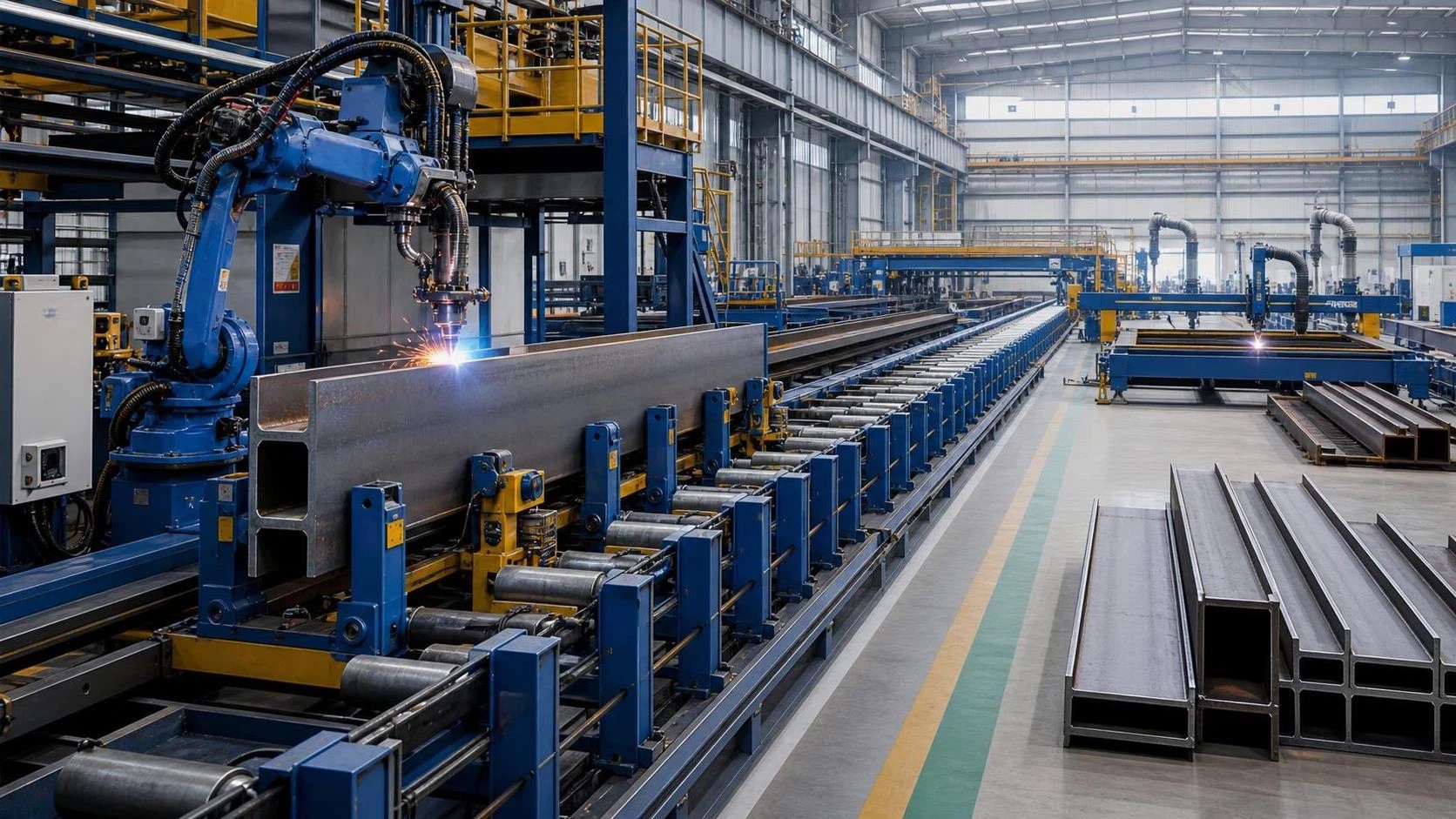
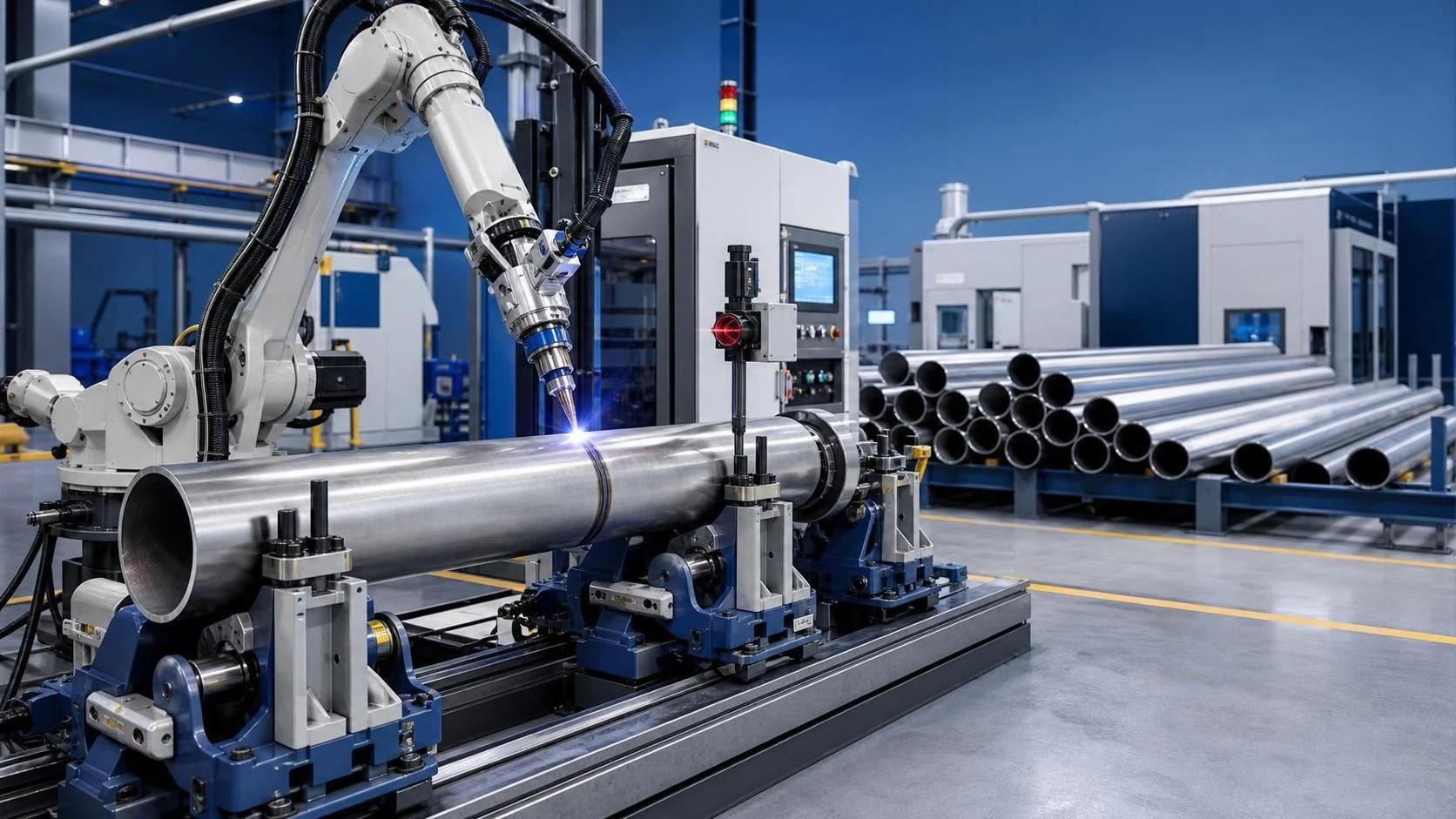
External positioners deserve close attention because they strongly influence deposition quality and cycle time. If a workpiece can be rotated into a flat or horizontal welding position, arc stability improves and operator programming becomes simpler. For cylindrical parts, welding rotators or pipe-handling devices may be more important than the robot itself. For beams, frames, and box structures, coordinated positioners can reduce awkward torch access and multi-pass inefficiency.
Fixtures are another deciding factor. A Welding robot cannot compensate economically for poor clamping repeatability across thousands of cycles. Good fixturing keeps datum points stable, limits heat distortion, and makes loading practical for operators or automated material handling. Buyers should evaluate fixture changeover time, part family coverage, and whether the supplier can support future model variations without forcing a complete cell redesign.
Component sourcing affects long-term service life and precision. Wuxi Samgins states that key hydraulic, servo, and CNC components use well-known imported brands, which is relevant where buyers need dependable motion accuracy and easier replacement planning. When comparing quotations, it is worth asking for a clear bill of major purchased components, recommended spare parts, and expected wear items for the first year of operation.
Main Types Of Welding Robot Systems
The most common classification starts with robot structure. A standard articulated Welding robot is suitable for many compact cells and medium-size fabricated parts. It offers flexible torch orientation and is widely used for frames, brackets, cabinets, and repeatable structural assemblies. This is usually the entry point for factories beginning robotic welding on consistent product families.
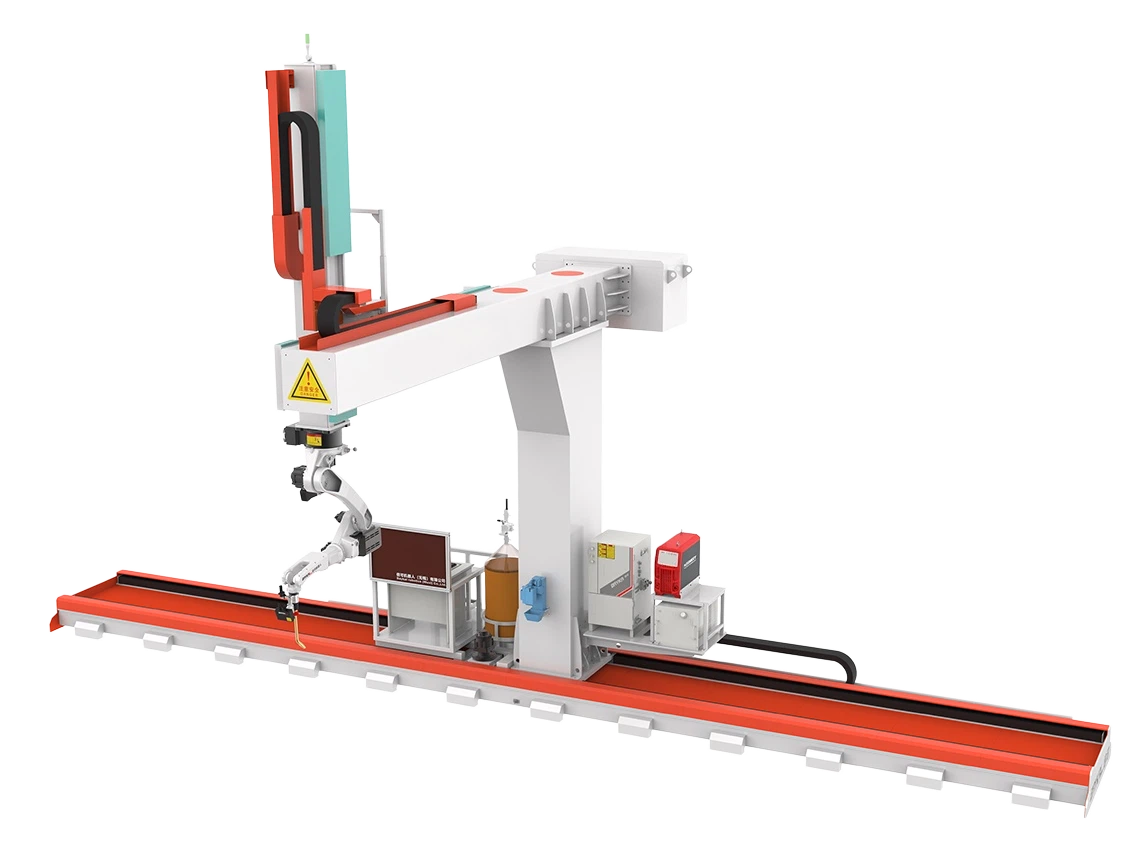
For larger workpieces, suppliers may offer cantilever or gantry systems with extra travel axes. A 7-axis cantilever type Welding robot can provide extended reach across long seams or oversized welded assemblies while keeping the floor area relatively accessible. A 9-axis cantilever or gantry type system expands motion coordination further and is often selected for tanks, pressure components, long pipes, space frames, and heavy steel structures with demanding weld path coverage.
Another useful classification is by application and process. Some cells are built for circumferential pipe welding, some for longitudinal seam welding, and others for H-beam or spatial frame work. The production logic, fixture strategy, and motion programming differ significantly between these use cases. A buyer should avoid treating all Welding robot quotations as directly comparable if the target workpiece geometry is fundamentally different.
Wuxi Samgins has relevance here because its range extends beyond standalone robot cells to related equipment such as welding positioners, rotators, pipe welding machines, longitudinal seam welding machines, H-beam production machines, and cutting systems. That broader product line can simplify integration for buyers building a complete fabrication line rather than solving one station at a time.
Who Should Use A Welding Robot And Where It Fits Best
A Welding robot is best suited to manufacturers with repeatable parts, measurable quality requirements, and enough production volume to justify process standardization. Typical users include steel structure fabricators, pressure vessel workshops, tank manufacturers, pipeline contractors, heavy equipment producers, transportation component plants, and sheet metal factories that need stable weld appearance and predictable output.
The strongest fit appears where manual welding is limited by labor shortages, weld inconsistency, safety exposure, or throughput bottlenecks. Multi-shift production environments benefit most because robot utilization rises while labor cost per welded unit falls. Parts with long seams, repetitive fillet welds, frequent positional welding, or strict dimensional control are usually good candidates for robotic conversion.
Application scenarios vary by geography and market access requirements. Export-oriented manufacturers often need more consistent documentation, weld traceability, and process discipline to meet customer audits or contract specifications. Wuxi Samgins highlights experience with international projects and familiarity with standards commonly referenced in global fabrication work, such as ASME and API, which may help buyers align equipment planning with target-market expectations.
The customer list supplied by Wuxi Samgins, including companies such as URALSTANKOIMPORT, MD Calbah Industries Pty Ltd, Zein Steel Industries Co.LLC, BatysMunaiGazZhabdyktary LLP, and Lincoln Electric-MENA, suggests exposure to varied overseas industrial environments. Without overstating what each project involved, such references are useful because they indicate experience supporting buyers with different fabrication habits, regional specifications, and project delivery demands.
How To Select The Right Welding Robot
Selection should begin with the workpiece, not the robot catalog. Buyers need to define material type and thickness, joint configuration, product size range, weld length per shift, quality level, expected takt time, and future product changes. These factors determine whether the right answer is a compact articulated cell, a rail-mounted system, a cantilever structure, or a dedicated seam-welding setup.
Reach and payload are necessary but incomplete criteria. Torch access, collision risk, part loading method, and positioner coordination often matter more. A Welding robot that technically reaches the joint may still be a poor choice if cable routing is stressed, programming is cumbersome, or the fixture blocks service access. Buyers should request sample path studies or layout drawings based on real parts before approving a final configuration.
Process capability should also be reviewed in terms of weld procedure consistency. Ask how the supplier manages parameter libraries, trial welding, distortion control, and acceptance testing. For industries with code-based fabrication, the machine must support the quality system already used by the factory. Wuxi Samgins notes compliance with ISO9001 and EU CE Machinery and LVD directives for its machines, which is relevant when procurement teams need documented manufacturing and safety discipline.
Customization can be decisive for nonstandard parts. Factories producing tanks, pipelines, heavy rotatable structures, or mixed steel assemblies may need a tailored 7-axis or 9-axis Welding robot rather than a standard package. In these cases, supplier capability in fixturing, external axes, and full-line coordination should carry more weight than initial machine price alone.
Manufacturing Process, Installation, And Quality Control
A reliable Welding robot project follows a disciplined workflow from application review to final commissioning. The usual sequence includes part analysis, process confirmation, layout design, fixture engineering, robot path simulation where needed, manufacturing, assembly, dry run testing, trial welding, shipment, installation, and operator training. Delays often occur when workpiece samples, tolerances, or acceptance criteria are not defined early enough.
Quality control should cover both machine build quality and welding result quality. On the machine side, buyers should check structural rigidity, motion smoothness, electrical safety, cable protection, and component traceability. On the welding side, validation should confirm bead appearance, fusion consistency, repeatability across shifts, and whether the system can maintain stable results under normal production variation rather than only under ideal trial conditions.
Installation planning is frequently underestimated. A Welding robot cell may require foundation preparation, power capacity review, shielding gas routing, compressed air, extraction, part logistics access, and safety zoning. The fastest projects are usually those where the machine supplier and plant engineering team agree in advance on utility interfaces, acceptance standards, and training responsibilities for operators and maintenance personnel.
Wuxi Samgins positions itself around design, manufacturing, sales, after-sales, and technical support as one service chain, which addresses a common procurement concern in overseas purchases: the gap between machine delivery and practical production readiness. Buyers should still request a detailed scope list, but broad support capability is valuable when integrating a Welding robot into an existing fabrication line with multiple process dependencies.
Total Cost Of Ownership And ROI Considerations
The purchase price of a Welding robot is only one part of the investment. Total cost of ownership includes fixturing, positioners, safety guarding, extraction, installation, training, consumables, spare parts, software options, maintenance downtime, and the quality cost of scrap or rework. In many projects, the supporting equipment and process engineering have a larger effect on return than the robot arm itself.
ROI depends on utilization. A robot that runs one short batch per day may look advanced but deliver weak payback. A robot that replaces repetitive manual welding across multiple shifts, reduces repair work, and stabilizes delivery schedules can justify itself much faster. Buyers should calculate labor savings, deposition efficiency, throughput gain, weld defect reduction, and reduced dependence on scarce skilled welders over a realistic operating period.
Maintenance planning also shapes cost. Torches, nozzles, liners, contact tips, sensors, and moving cables are wear items. The right question is not whether maintenance exists, but whether it is predictable and easy to execute. A Welding robot designed with accessible service points, standard components, and clear spare parts planning usually performs better financially than a lower-cost system that is difficult to maintain.
For companies comparing automation timing, practical internal references include labor availability, backlog pressure, and product standardization. Topics such as when automation starts saving labor cost or how to solve integration problems on production lines are not side issues; they directly affect payback quality. A credible supplier should be able to discuss these commercial realities in parallel with the machine specification.
Maintenance Cycles, Upgrades, And Future Trends
A Welding robot should be maintained on a planned schedule tied to arc hours, shift intensity, and environmental conditions. Routine work typically includes cleaning spatter, checking torch alignment, inspecting cable wear, verifying gas flow, monitoring wire feeding stability, and recalibrating where required. Preventive maintenance is especially important in heavy fabrication shops where dust, heat, and vibration accelerate wear on electrical and motion components.
Upgrades usually happen in layers. A factory may begin with offline programming support, then add seam tracking, data logging, remote diagnostics, or better fixtures as part complexity grows. This staged approach often makes more sense than overbuying the first cell. Buyers should check whether the Welding robot architecture can accept future external axes, sensor packages, or software functions without major redesign.
The broader industry trend points toward smarter, more connected welding cells rather than purely faster robots. Manufacturers increasingly want traceability, lower setup time, easier operator interfaces, and better compatibility with digital production systems. At the same time, demand is rising for application-specific robotics in structural steel, large pipe, long seam, and multi-axis heavy fabrication work, where standard compact cells are often inadequate.
In that context, suppliers with customization capability and line-level equipment knowledge are positioned well. Wuxi Samgins combines Welding robot offerings with related fabrication machinery, customized heavy-duty solutions, export experience, and long-term support commitments. For buyers planning not just one machine but a scalable welding automation path, that combination can be more relevant than evaluating a robot unit in isolation.
search
Recommended Products
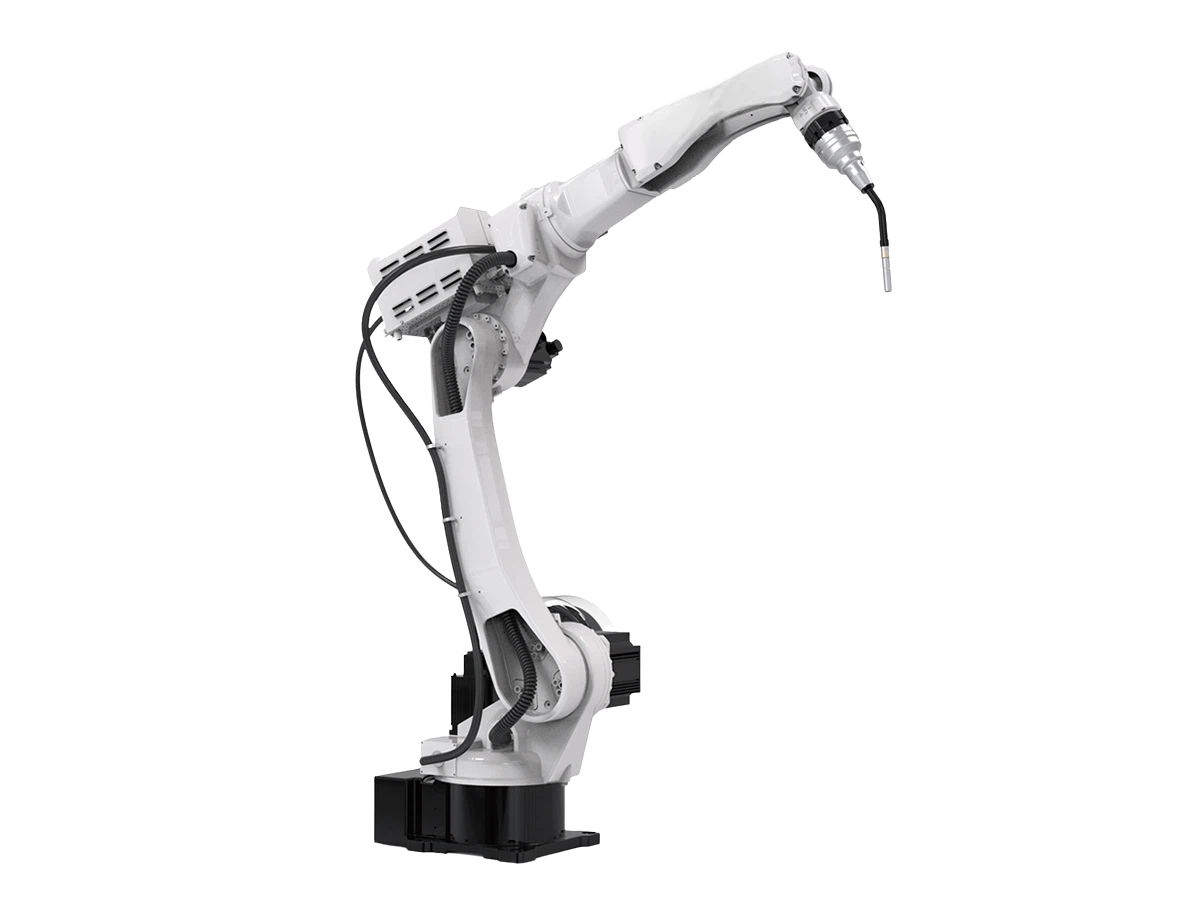
 6 Axis 2000mm ArmSpan MlG Industrial Welding RobotThis welding robot is designed for reliable arc welding in harsh production environments, featuring a long reach, stable repeatability, and flexible installation.
![星星1]()
 9 axis cantilever type welding robot9 axis cantilever type welding robot for large steel workpieces with auto tracking, 3D import, and efficient CNC welding automation.
![星星1]()
- 7 axis railway type welding robotThe planned floor space for this equipment (exclusive of operator stations, material storage areas, cutting buffer zones, etc.) is 12 meters in width and 2 meters in depth. The system primarily comprises the following components: one dedicated robot rail, one slide carriage, one 6‑axis welding robot with its control system, one welding power supply, one torch cleaning station, one welding torch, and ancillary equipment.
![星星1]()
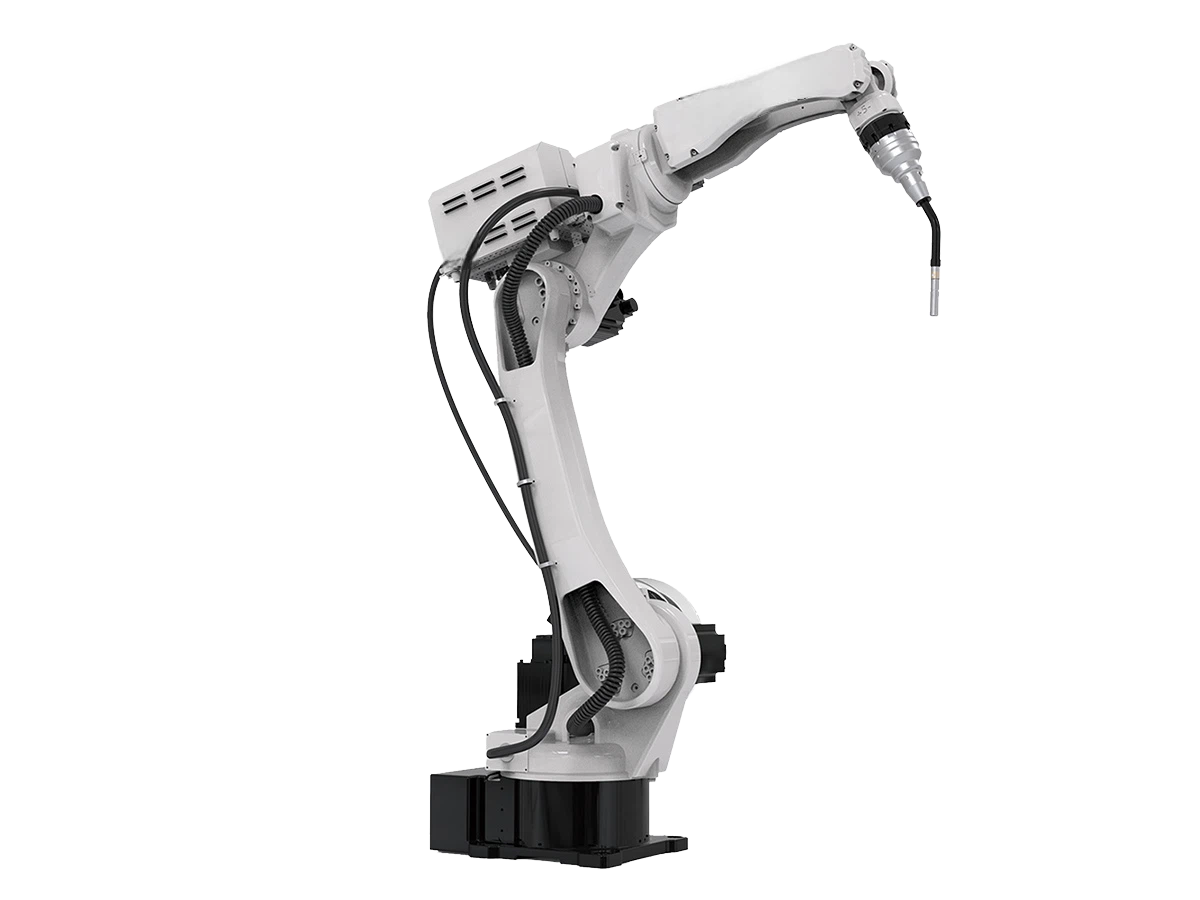
- 6 Axis 1800mm ArmSpan MlG Industrial Welding RobotThe welding robot with 1945mm reach, 6kg payload and ±0.08mm repeatability for consistent automated welding.
![星星1]()
- Cantilever type welding robot BR-2010A Pro/DG12Explore the BR-2010A Pro/DG12 cantilever welding robot for long workpieces, automated arc tracking, and efficient CNC welding.
![星星1]()
- 7 axis cantilever type welding robot7 axis cantilever type welding robot for long steel workpieces up to 12m, featuring automatic seam tracking, 7 CNC axes, and efficient zone welding.
![星星1]()

Recommended blogs
 How Long Does It Take to Install and Commission a Welding Robot On Site?
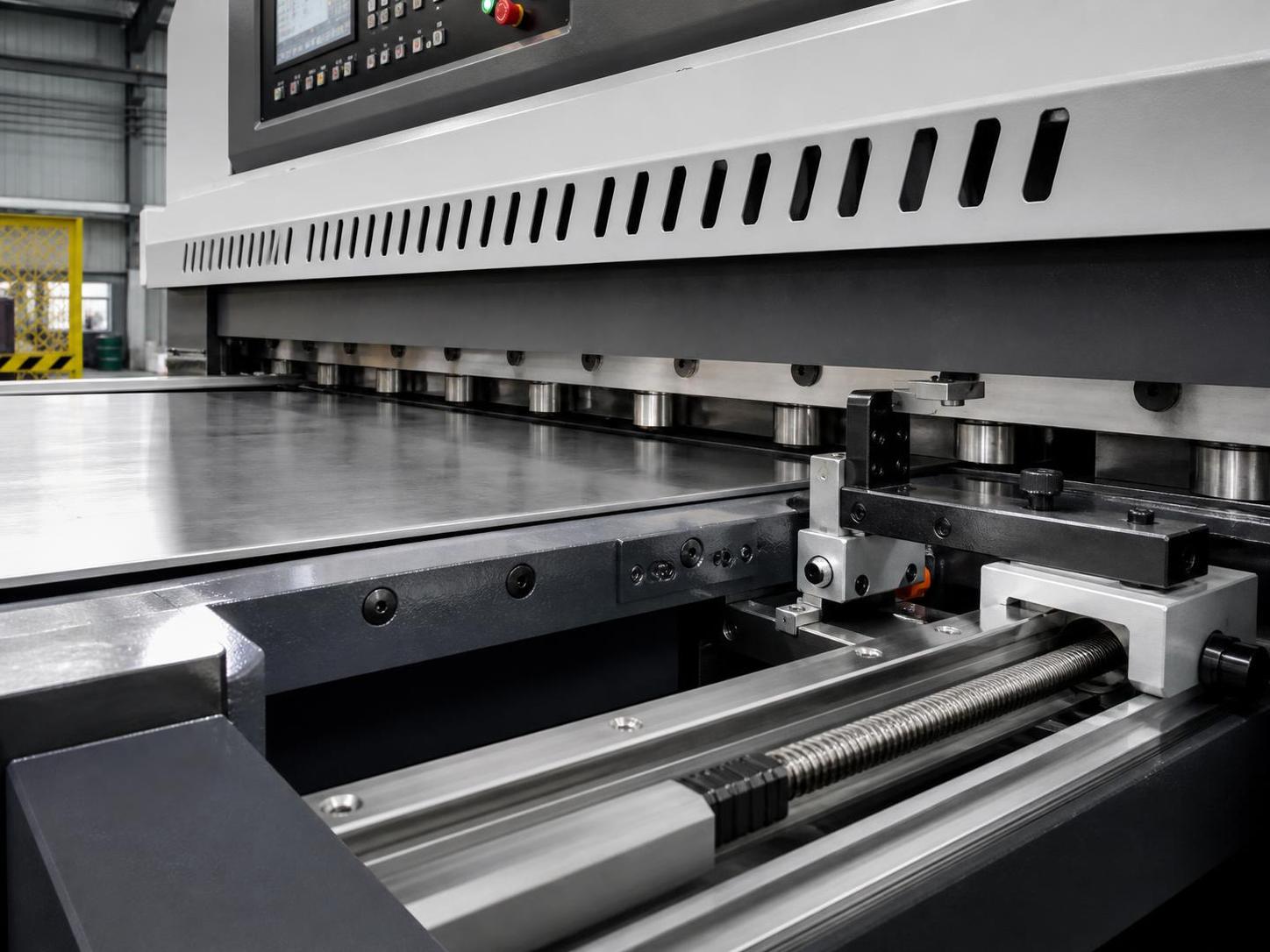
- When Does a Hydraulic CNC Swing Beam Shear Outperform Conventional Shearing Equipment?
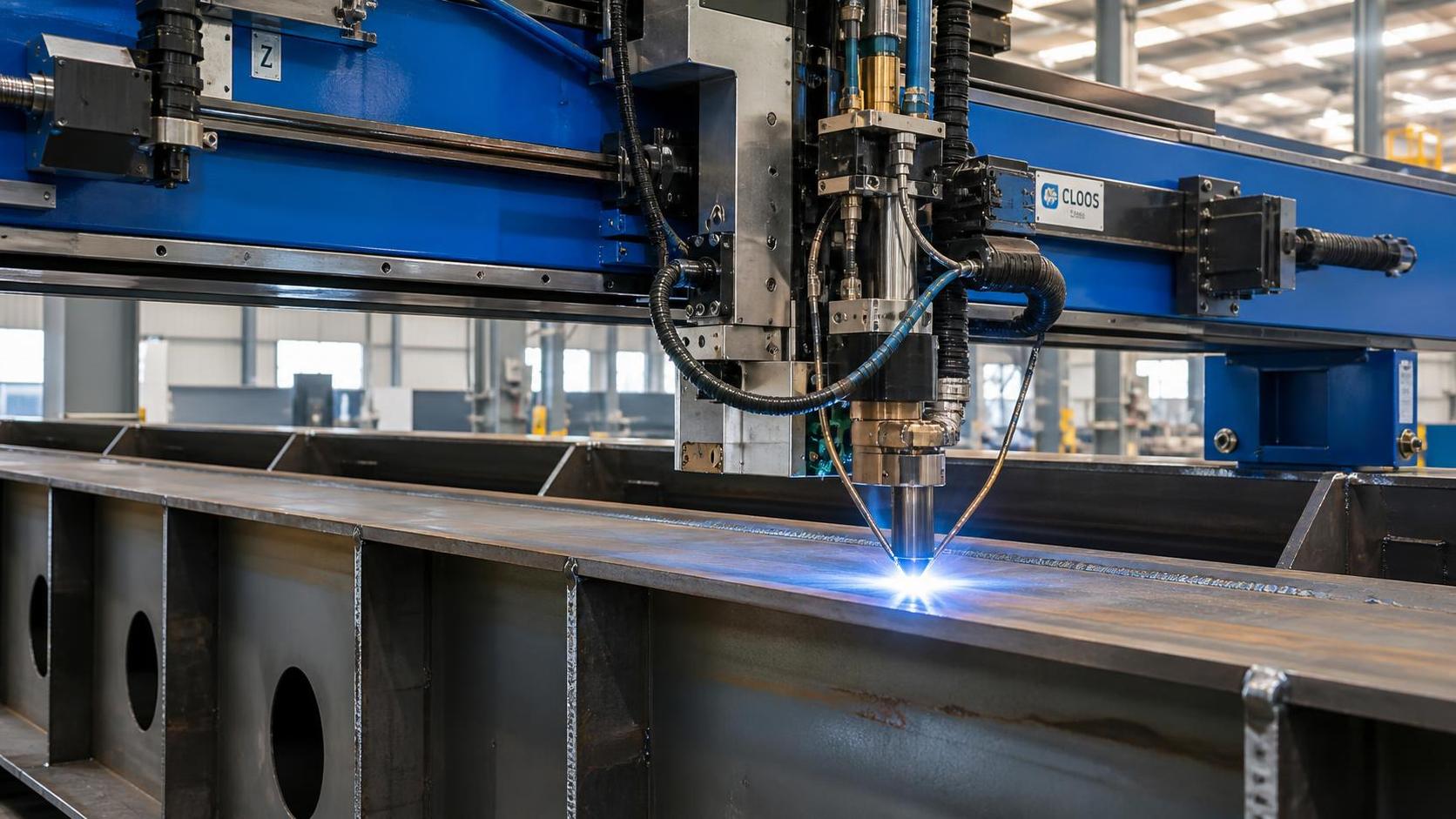
- What to Check When Sourcing a Gantry Box Beam Welding Machine Manufacturer
- H-Beam Welding Robots: Key Parameters for Flange-to-Web Weld Automation
- Where Welding Robots Deliver the Greatest Value in Steel Structure Fabrication
- Automating Pipe Fabrication Welds for Consistent Root Passes and Higher Throughput
Send Us A Message
Send us a Message
A dedicated person will follow up on your needs one-on-one and provide personalized customized solutions according
to your needs.
Get In Touch
We look forward to hearing from you for in-depth communication on how to fulfill your mixing requirements.