


When Does a Hydraulic CNC Swing Beam Shear Outperform Conventional Shearing Equipment?
When Does a Hydraulic CNC Swing Beam Shear Outperform Conventional Shearing Equipment?
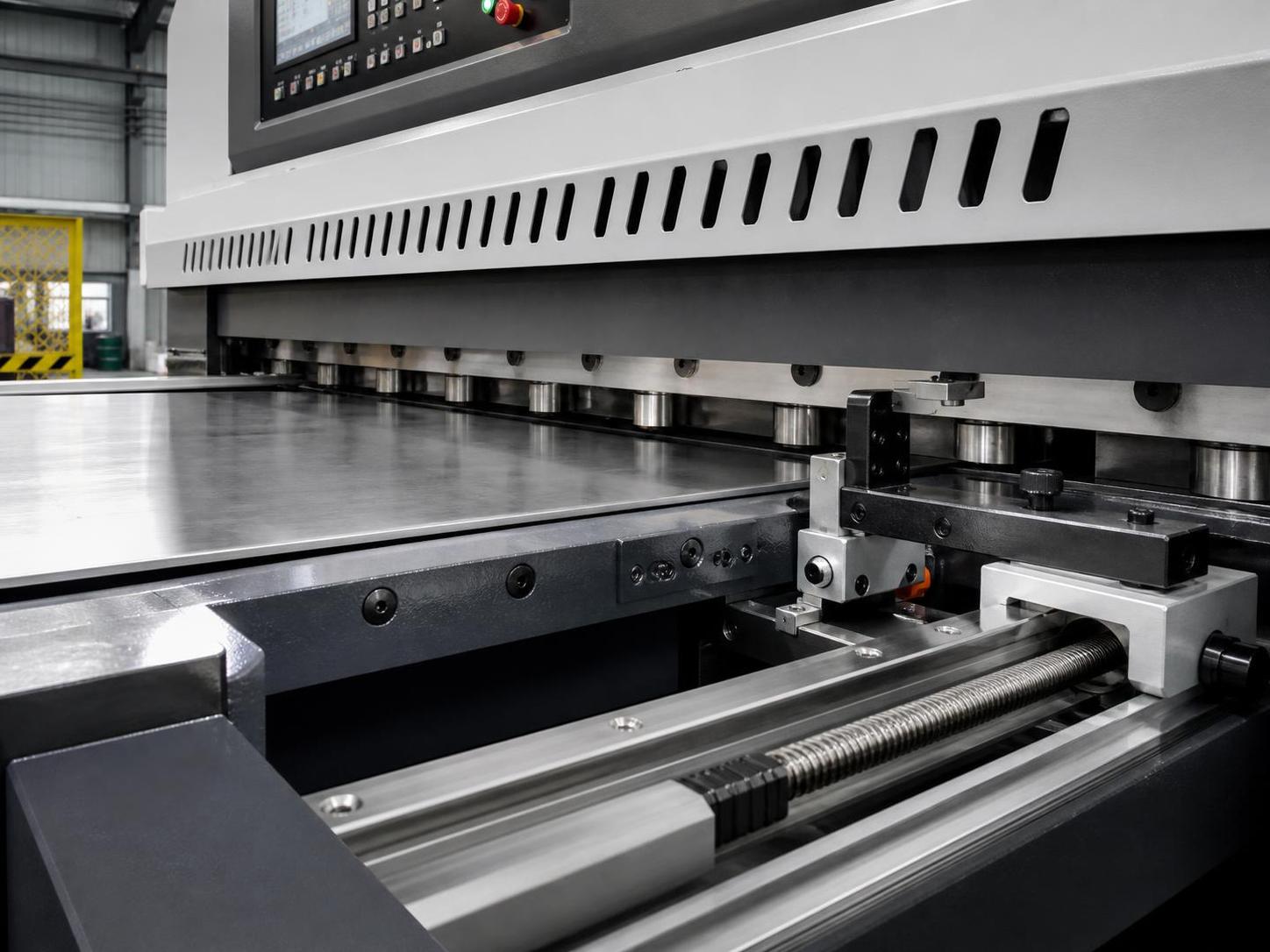
For enterprise decision-makers evaluating metal fabrication efficiency, a hydraulic CNC swing beam shear can deliver clear advantages over conventional shearing equipment in precision, productivity, and operating consistency. In high-demand manufacturing environments, choosing the right shearing solution directly affects material utilization, labor costs, and output quality. This article explores when this technology becomes the smarter investment for modern processing operations.
The real decision is rarely about whether a machine is “advanced.” It is about whether that added capability changes unit economics, production stability, or quality performance enough to justify the capital expense. In sheet metal processing, that threshold is often reached sooner than many buyers expect. A hydraulic CNC swing beam shear does not outperform conventional shearing equipment in every workshop, but it becomes clearly superior when production complexity, tolerance requirements, and throughput pressure start exposing the limits of manual or older hydraulic systems.
Where conventional shearing equipment starts to fall behind
Traditional shearing machines still have a place. For low-volume operations, simple plate cutting, wide tolerance acceptance, or environments where operators rely heavily on experience rather than repeatable programs, conventional equipment can remain practical. Many smaller fabrication shops continue using mechanical or standard hydraulic shears effectively, especially when product mix is stable and jobs are not changing every hour.
The problem emerges when business conditions change. Shorter delivery cycles, more mixed-order production, tighter downstream fit-up requirements, and rising labor costs put pressure on processes that once seemed adequate. A conventional shear often depends more heavily on operator judgment for backgauge positioning, blade clearance settings, cut sequencing, and consistency across batches. That may be acceptable when output targets are modest. It becomes expensive when error rates, rework, scrap, and setup delays begin accumulating across shifts.
In many fabrication businesses, the issue is not one dramatic failure. It is the quiet accumulation of inefficiencies: inconsistent cut dimensions, burr variation, edge deformation on thinner material, repeated measuring, operator-dependent performance, and avoidable downtime during adjustment. This is the context in which a hydraulic CNC swing beam shear starts to outperform.
What changes when CNC and hydraulic swing beam design are combined
The advantage is not just “automation” in the abstract. It is the combination of controlled hydraulic motion and programmable repeatability. A hydraulic CNC swing beam shear uses CNC control to manage key cutting parameters and backgauge movement with greater consistency than conventional equipment. The swing beam structure, while simpler than some alternatives, is often valued in production settings for reliable operation, practical maintenance, and good performance across common sheet processing applications.
For decision-makers, the important result is operational: fewer variables are left to manual interpretation. This improves repeatability between operators, shifts, and batches. When a factory is under pressure to standardize output quality across multiple teams, that matters more than headline machine specifications.
The performance edge usually shows up in five areas:
- More stable dimensional accuracy in repeated cuts
- Faster setup and job changeover
- Lower dependency on highly experienced operators
- Better cutting consistency across medium and larger batches
- Improved production planning because process capability becomes more predictable
These gains are especially important for companies supplying parts into larger manufacturing chains, where cut quality affects bending accuracy, welding fit-up, assembly speed, and final inspection outcomes.
It outperforms most clearly in mixed-batch and repeat-order production
If a plant is running a high-mix, medium-volume model, conventional shearing equipment becomes progressively less efficient. Every change in material thickness, cut length, or part dimension introduces setup variability. A CNC-controlled system reduces that friction. Stored parameters, programmable backgauge movement, and more consistent cut execution allow operators to move between jobs with less trial-and-error adjustment.
This matters commercially because many fabricators no longer live on long, stable production runs. Export-oriented workshops, contract manufacturers, and OEM suppliers often handle fragmented orders, engineering revisions, and frequent schedule changes. In that environment, machine flexibility is not a convenience. It is a margin protection tool.
A hydraulic CNC swing beam shear is often the better option when a business faces any of the following:
- Frequent order switching during the same shift
- Recurring parts that require repeatable dimensions across multiple batches
- Increasing pressure to reduce setup time without adding skilled labor
- Downstream operations such as bending or welding that are sensitive to cut variation
- Customer complaints related to dimensional inconsistency or assembly mismatch
In these cases, the machine’s value is not isolated at the cutting station. It appears across the process chain.
Precision matters more when downstream costs are high
Many buyers underestimate the financial effect of cut quality because they evaluate the shearing process in isolation. A slightly inconsistent cut may not seem serious at the machine. But if that variation causes slower press brake setup, poor joint alignment in welding, or additional fitting time during assembly, the total cost is much higher than the shearing department reports.
This is especially relevant in operations producing cabinets, electrical enclosures, structural components, machine frames, ducting, brackets, and fabricated assemblies. The more downstream value added to each blank, the more important cut consistency becomes.
Consider a factory where sheared parts move directly into robotic or semi-automated welding. Variability at the cutting stage can reduce the effectiveness of later automation. Even advanced welding systems benefit from stable upstream preparation. In large fabricated structures, companies investing in systems such as a 9 axis gantry type welding robot are usually trying to improve welding productivity and consistency. That investment pays back faster when incoming parts are dimensionally stable and require less manual correction before welding.
In other words, a better shear is often justified not by the cut alone, but by how it protects the performance of more expensive downstream assets.
Labor strategy is often the hidden reason to upgrade
One of the strongest arguments for a hydraulic CNC swing beam shear is labor resilience. Conventional shearing performance often depends heavily on operator experience. That creates risk in markets where skilled labor is costly, difficult to retain, or uneven across shifts.
CNC control does not eliminate the need for trained operators, but it reduces the range of outcomes caused by individual judgment. This is valuable for enterprises facing expansion, multi-shift production, or labor turnover. Standardized machine behavior helps preserve quality even when staffing changes.
From a management perspective, this translates into lower process dependency on a few experienced employees. That is a strategic benefit, not just a production benefit. If a workshop can maintain stable output with a broader operator base, it becomes easier to scale, schedule, and quote work confidently.
When it may not be the best investment
There are still situations where conventional shearing equipment remains the rational choice. If a company mainly processes simple parts in low volume, with generous tolerances and little pressure from downstream automation, the productivity difference may not be enough to justify the upgrade. The same is true for businesses whose bottleneck lies elsewhere, such as material handling, bending capacity, or welding throughput.
Decision-makers should be cautious about buying CNC shearing capacity before confirming where production losses actually occur. If scrap is mainly caused by poor nesting upstream, if bending delays are due to tooling shortages, or if on-time delivery problems come from planning rather than cutting, replacing the shear may not solve the core issue.
Another common mistake is overbuying based on peak-spec marketing rather than actual workload. A machine should be selected around material range, batch structure, accuracy requirements, and integration with existing process flow. Paying for advanced control without enough operational complexity to use it effectively weakens return on investment.
Key evaluation factors before making the decision
A sound purchase decision should be based on measurable production conditions rather than a generic belief that CNC is always better. The following questions are more useful than simply comparing machine prices:
- How often do operators stop to measure and re-adjust during a typical shift?
- What percentage of sheared parts require rework, trimming, or downstream correction?
- How much setup time is lost between different jobs or material thicknesses?
- How dependent is output quality on one or two experienced operators?
- Do downstream bending, welding, or assembly teams report variation from cut blanks?
- Is order mix becoming more fragmented or customized?
- Will customers increasingly demand consistency, documentation, or tighter tolerances?
If the answer to several of these is yes, the case for a hydraulic CNC swing beam shear becomes much stronger.
Total cost should be viewed over process life, not purchase price alone
Enterprise buyers often know this in principle, but procurement decisions still tend to focus too much on acquisition cost. In practice, the economic comparison should include:
- Scrap reduction
- Setup time savings
- Labor utilization
- Output consistency across shifts
- Impact on downstream process efficiency
- Maintenance requirements and spare parts support
- Training time for operators
A cheaper conventional machine may remain more expensive over time if it creates hidden losses every day. On the other hand, a CNC upgrade only makes sense if the workshop has enough workload intensity and process discipline to capture the benefits.
This is why stronger manufacturers increasingly evaluate equipment as part of a production system rather than as an isolated asset. A shear that feeds stable blanks into bending, machining, or welding supports leaner scheduling and more predictable delivery performance. In integrated heavy fabrication environments, even investments outside the cutting section—such as automated welding platforms like the 9 axis gantry type welding robot—tend to perform better when upstream cutting variation is controlled.
The market trend is toward process consistency, not just machine speed
Across manufacturing and fabrication, the direction is clear: buyers are under pressure to improve repeatability, reduce operator dependence, and shorten lead times without sacrificing quality. That is why decision-makers are looking beyond nominal machine capacity and paying closer attention to process stability.
A hydraulic CNC swing beam shear fits this shift well because its value is tied to consistency as much as speed. For firms serving export markets, contract production, or demanding OEM customers, repeatability is increasingly part of competitiveness. In those settings, conventional shearing equipment may still function, but it often stops being the most economical choice.
The point at which the upgrade makes sense is usually not dramatic. It arrives when variability becomes expensive, when labor flexibility matters, and when downstream operations can no longer absorb inconsistent blanks efficiently. Once a factory reaches that stage, a hydraulic CNC swing beam shear is no longer just a technical improvement. It becomes a decision about protecting margins, improving delivery reliability, and supporting the next level of manufacturing control.
search
Recommended Products
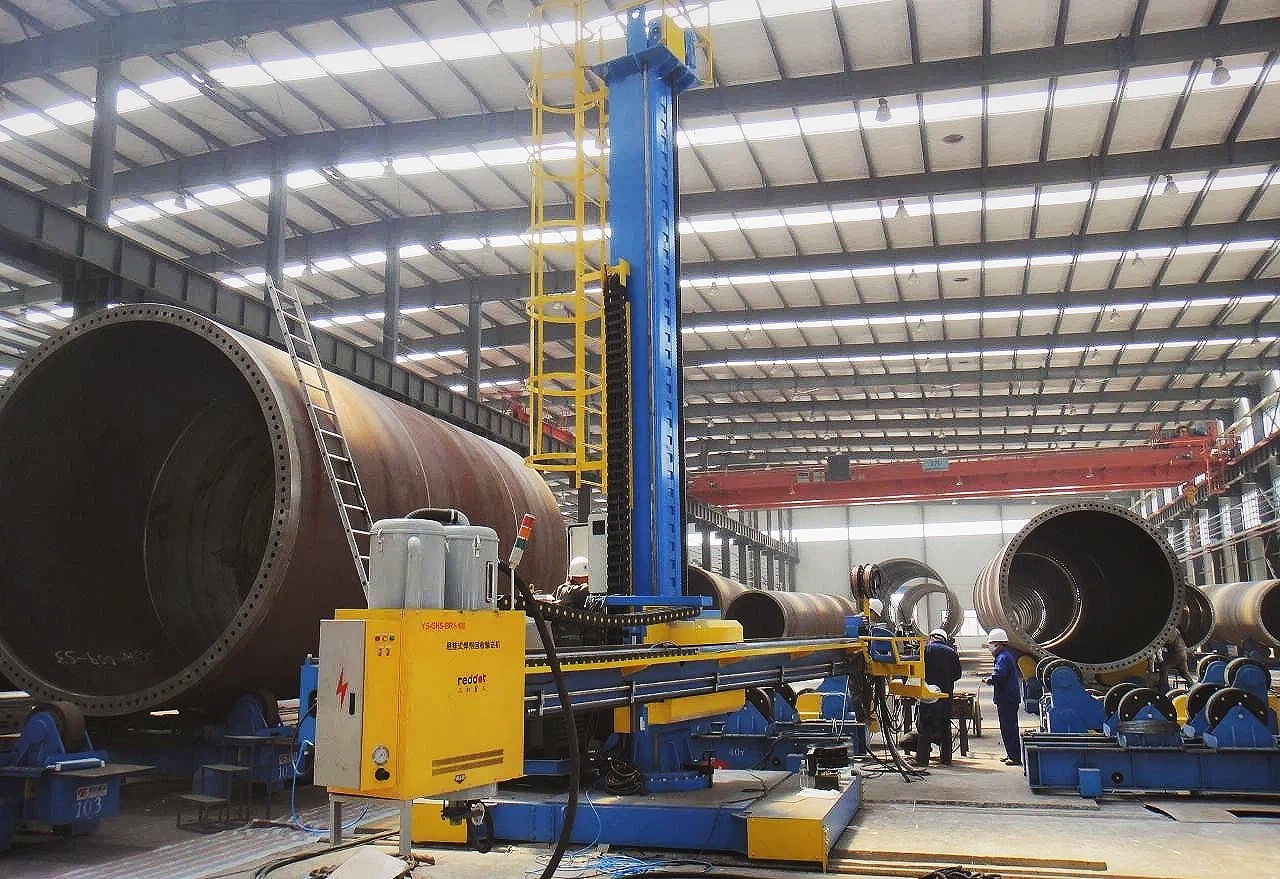
 Welding manipulatorThis welding manipulator is a core piece of equipment designed specifically for automated welding applications. Combined with welding positioners, roller frames, and other components, it forms a highly efficient automated welding workstation. The equipment features strong structural rigidity and flexible operation, making it suitable for longitudinal, circumferential, and internal/external seam welding in industries such as pressure vessels, pipelines, and steel structures.
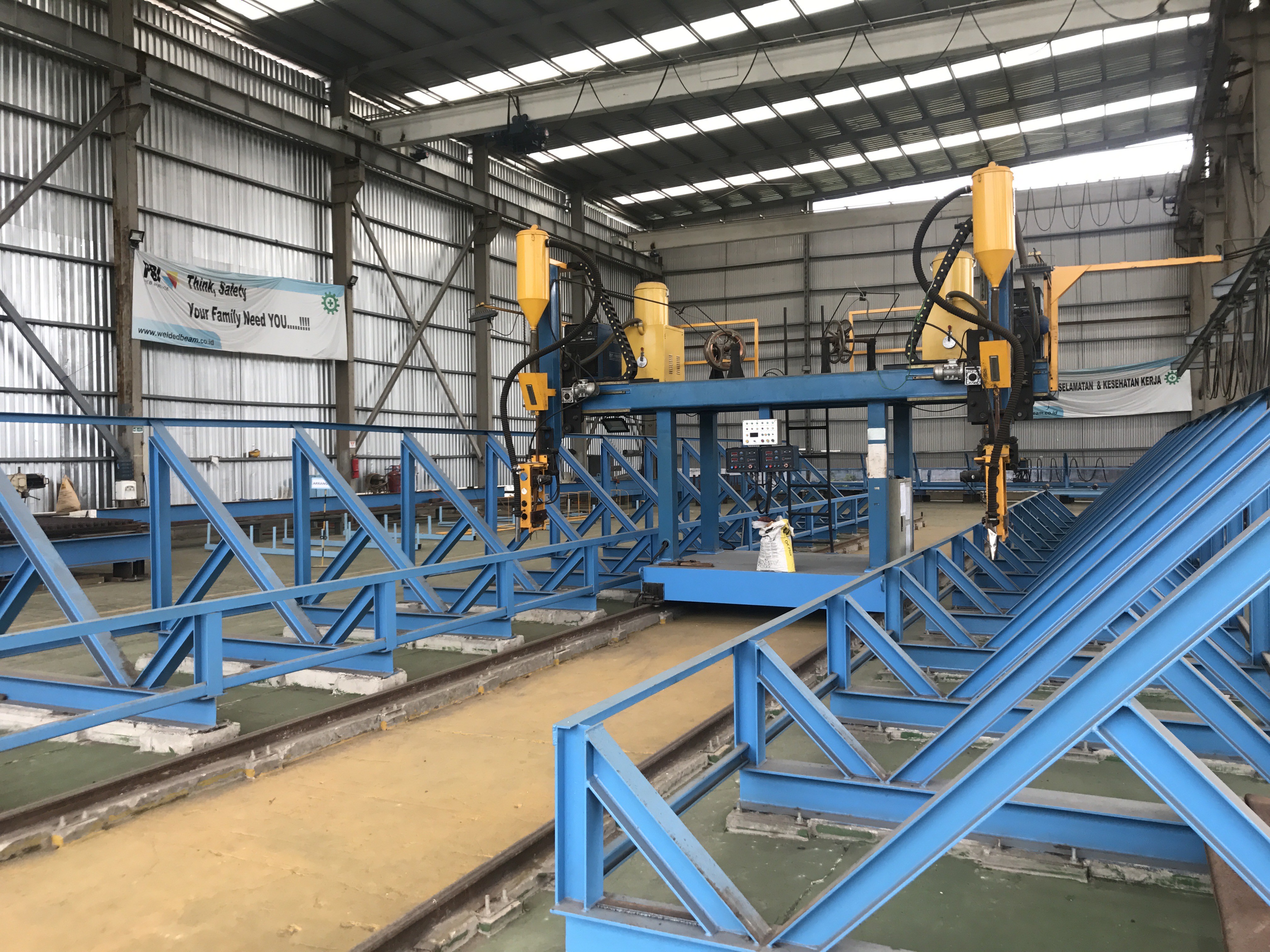
 T type gantry h beam welding machineThe H-beam welding machine is an automatic system designed for high-efficiency fabrication of steel H-beams. It is available in two configurations: gantry type and double cantilever type, both driven by an AC motor with R-series worm reducer.
Welding speed is adjustable from 0.15 to 1.5 m/min via an imported frequency converter, enabling stepless speed control with high accuracy and constant torque. The arc guide frame features mechanical up/down and left/right tracking for precise torch positioning along the weld joint.
Control is managed through a main cabinet and a convenient remote operation box. The machine is capable of welding two workpieces simultaneously in one pass, significantly boosting productivity.
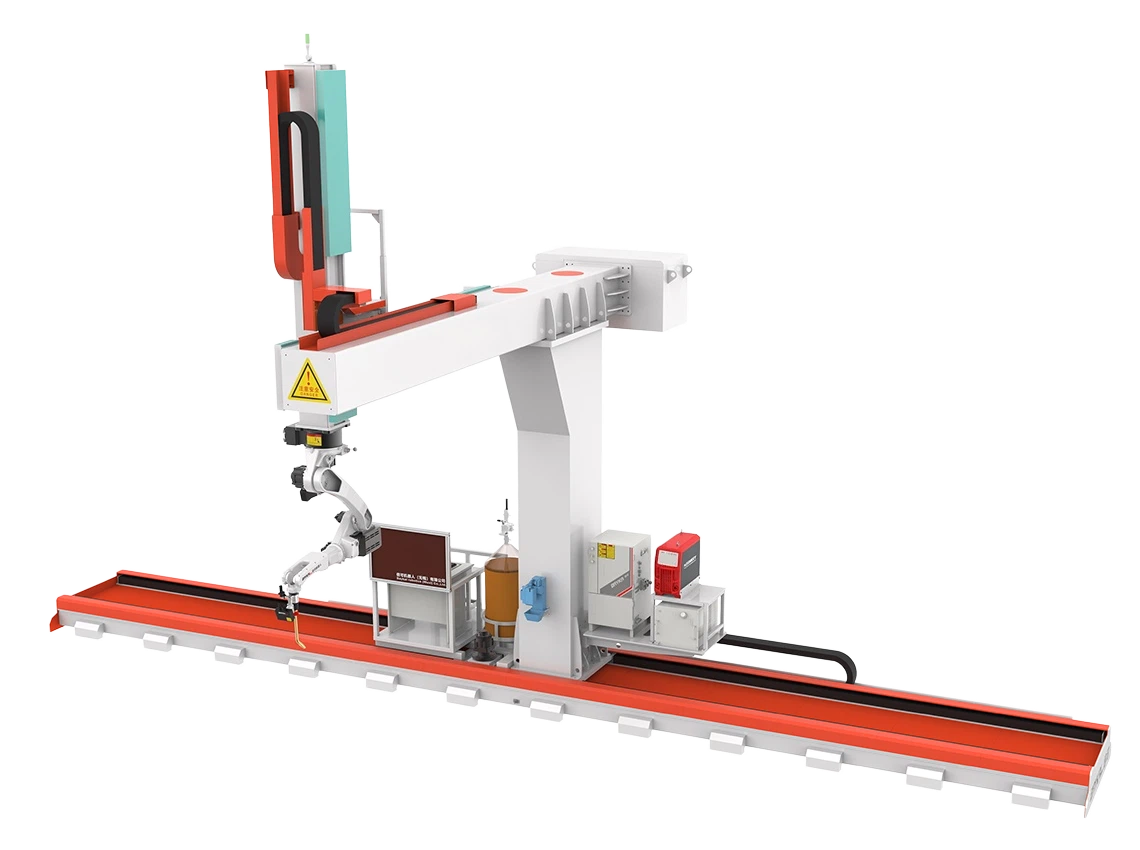
Ideal for steel structure fabrication, bridge building, and heavy machinery manufacturing. 9 axis cantilever type welding robot9 axis cantilever type welding robot for large steel workpieces with auto tracking, 3D import, and efficient CNC welding automation.
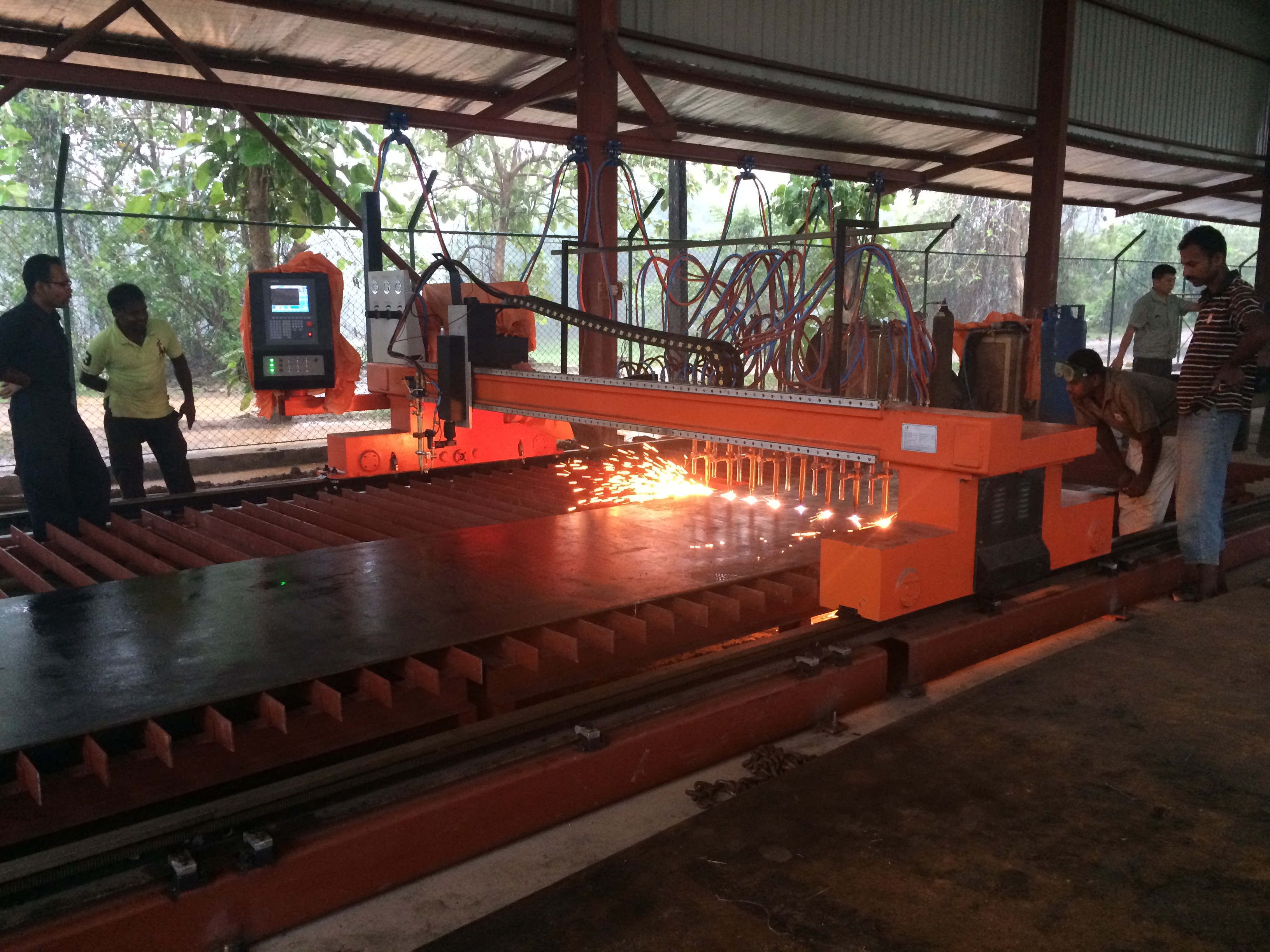
- Cnc flame cutting machineThe CNC flame/plasma cutting machine features box-beam welded end beams and cross beams with stress relief, ensuring compact structure, light weight, high rigidity, minimal deformation, and good appearance. Longitudinal and transverse movements are driven by Panasonic servo motors and SHIMPO reducers via rack-and-pinion gearing for precise control. Horizontal guide wheels with eccentric shaft adjustment press firmly against the rails, ensuring stable and accurate motion. High-strength longitudinal rails with precision-machined surfaces and ground racks are securely mounted to guarantee straightness and parallelism. Optional automatic igniter and torch height controller are available for user-friendly operation.
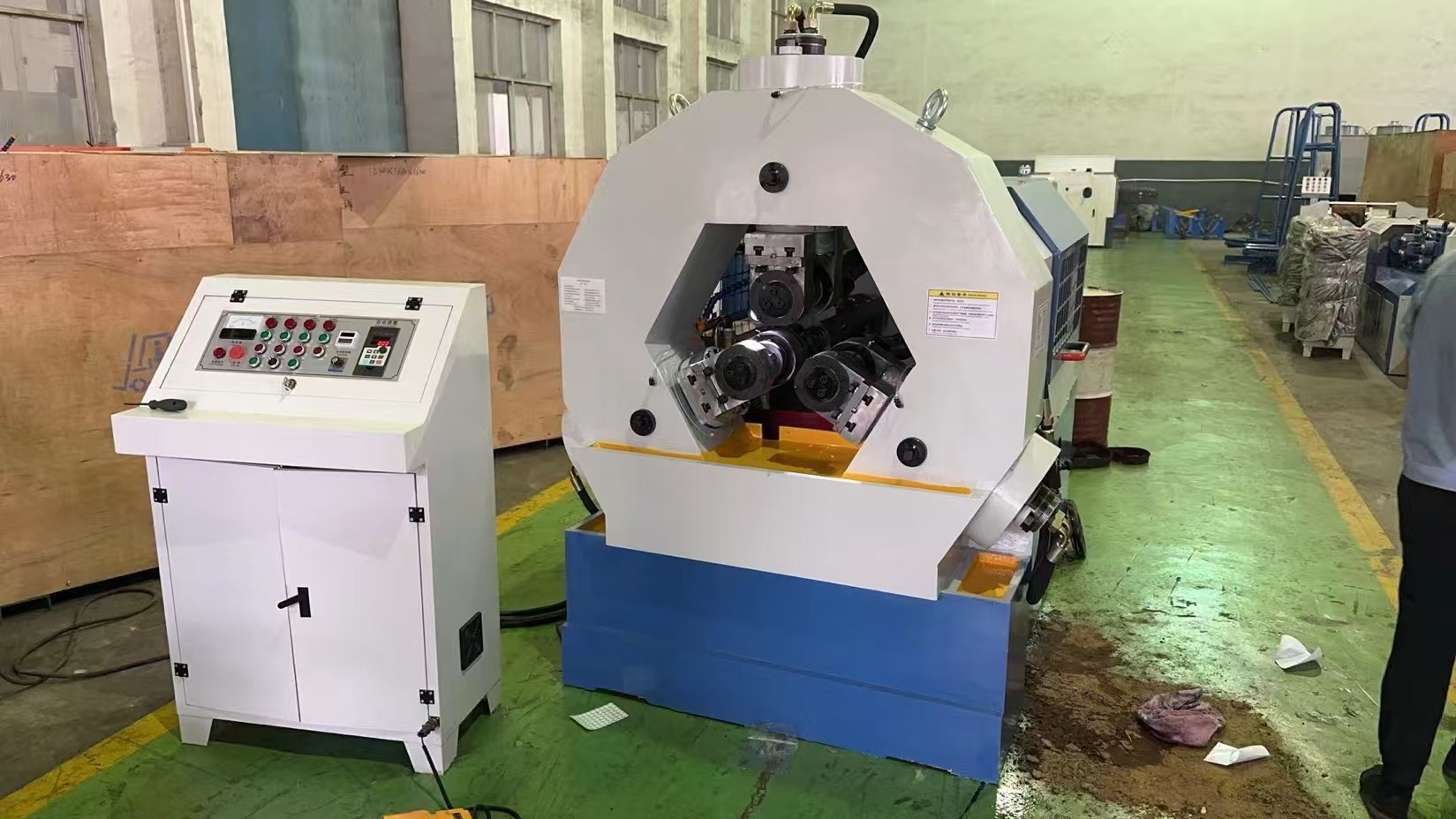
 ZC28-12.5 thread rolling machineThread rolling machines are primarily used for rolling various types of precision external threads, high-strength standard parts, anchor bolts, T-screws, and other workpieces with larger thread pitches.
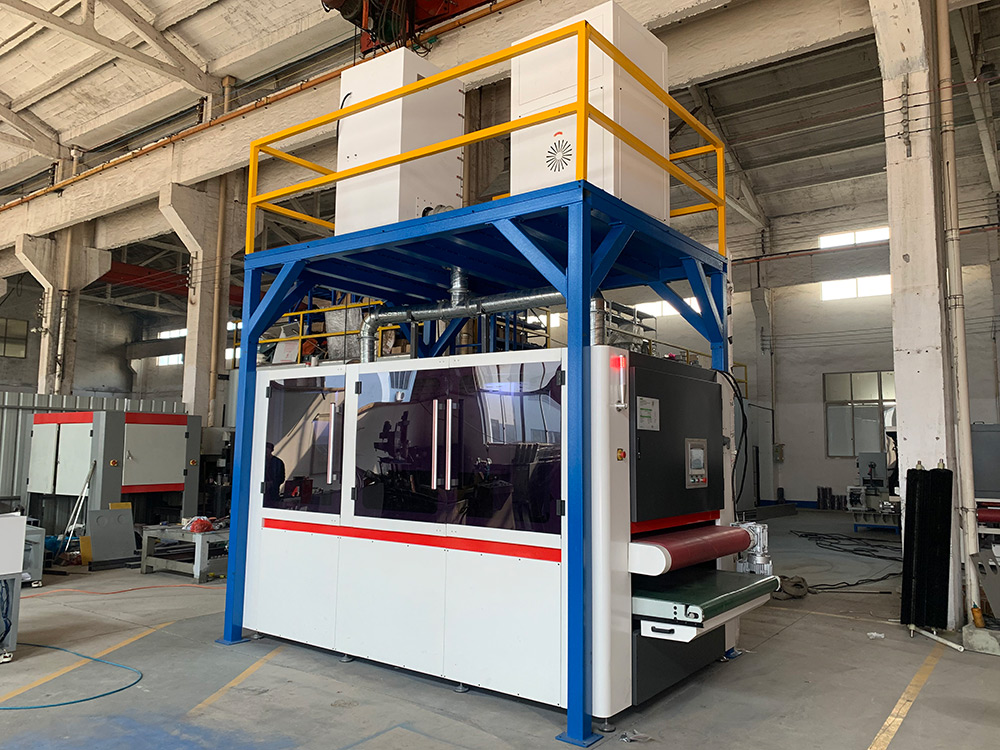
Automatic thread rolling machines are mainly employed for radial cold roll forming. This cold rolling process represents an advanced non-chip processing technology. The process utilizes rolling tools for extrusion, ensuring continuous metal fibers. The pressure generated during rolling effectively improves surface roughness, hardness, and strength of the workpiece. Compared with cutting processes, thread rolling improves work efficiency by several times or even more, while also saving material and facilitating automated processing.- RNS1300 Sheet metal deburring machineThis equipment features a dry sanding belt combined with four sets of universal sanding roller brushes. It is primarily designed for edge processing, hole deburring, and surface finishing of metal sheets, including drawing, descaling, and polishing. It can effectively remove burrs generated by stamping, shearing, laser cutting, plasma cutting, and flame cutting in a single pass, from all directions. As a result, all edges and holes of the workpiece achieve a smooth small R-arc finish. The entire processing procedure is safe and reliable, ensuring superior workpiece quality.

Send Us A Message