




H Beam Face Milling Machine Explained: Key Components, Milling Processes, and Industry Uses
What Is An H Beam Face Milling Machine
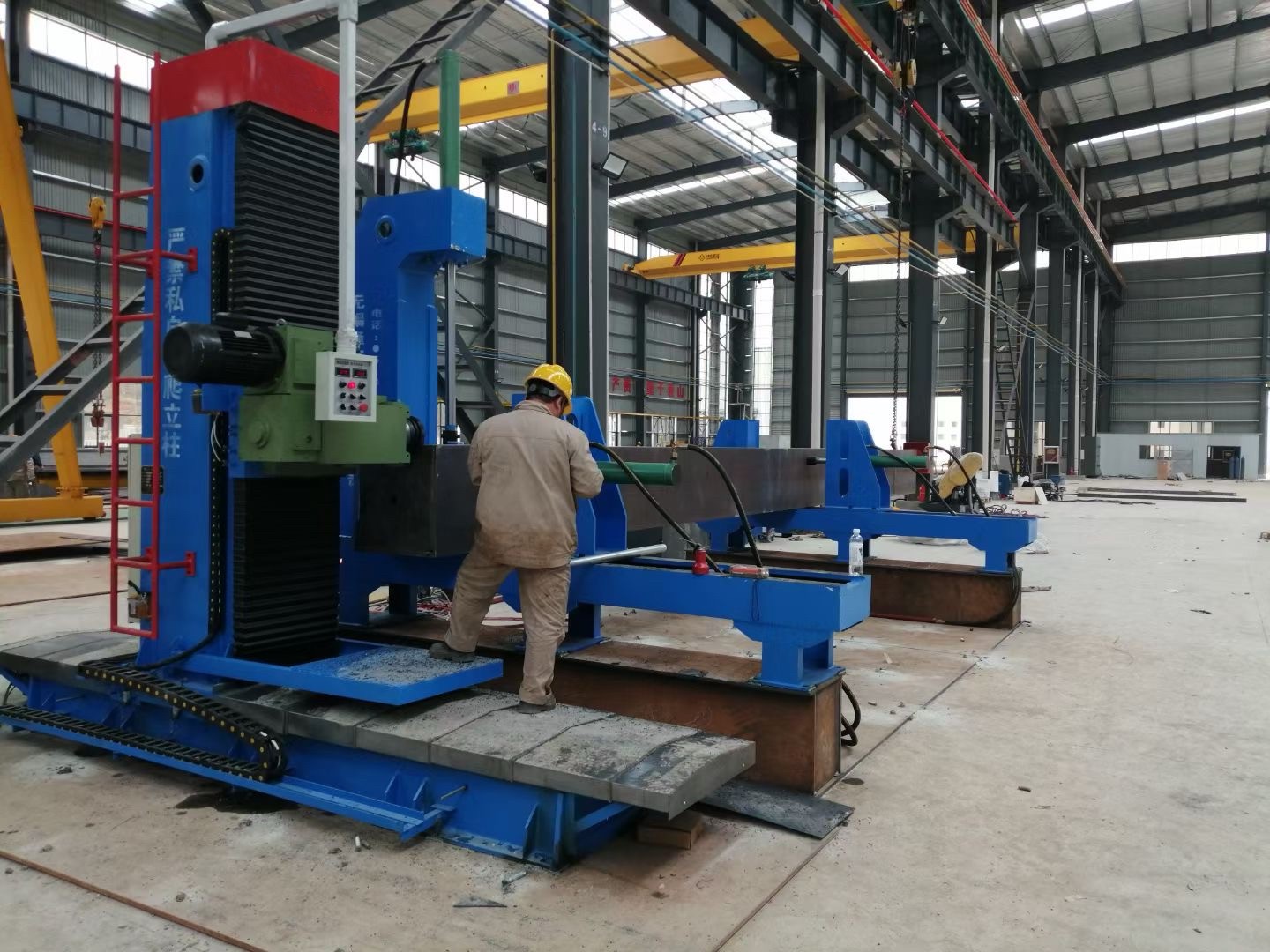
An h beam face milling machine is a metalworking machine designed to machine the end face of welded or rolled H-section steel members. It removes excess material, weld reinforcement, distortion, and irregularities from the beam end so the finished face can meet connection, assembly, or dimensional requirements. In structural steel fabrication, accurate end preparation is important because an H beam often transfers load through bolted joints, welded connections, base plates, or fabricated frames.
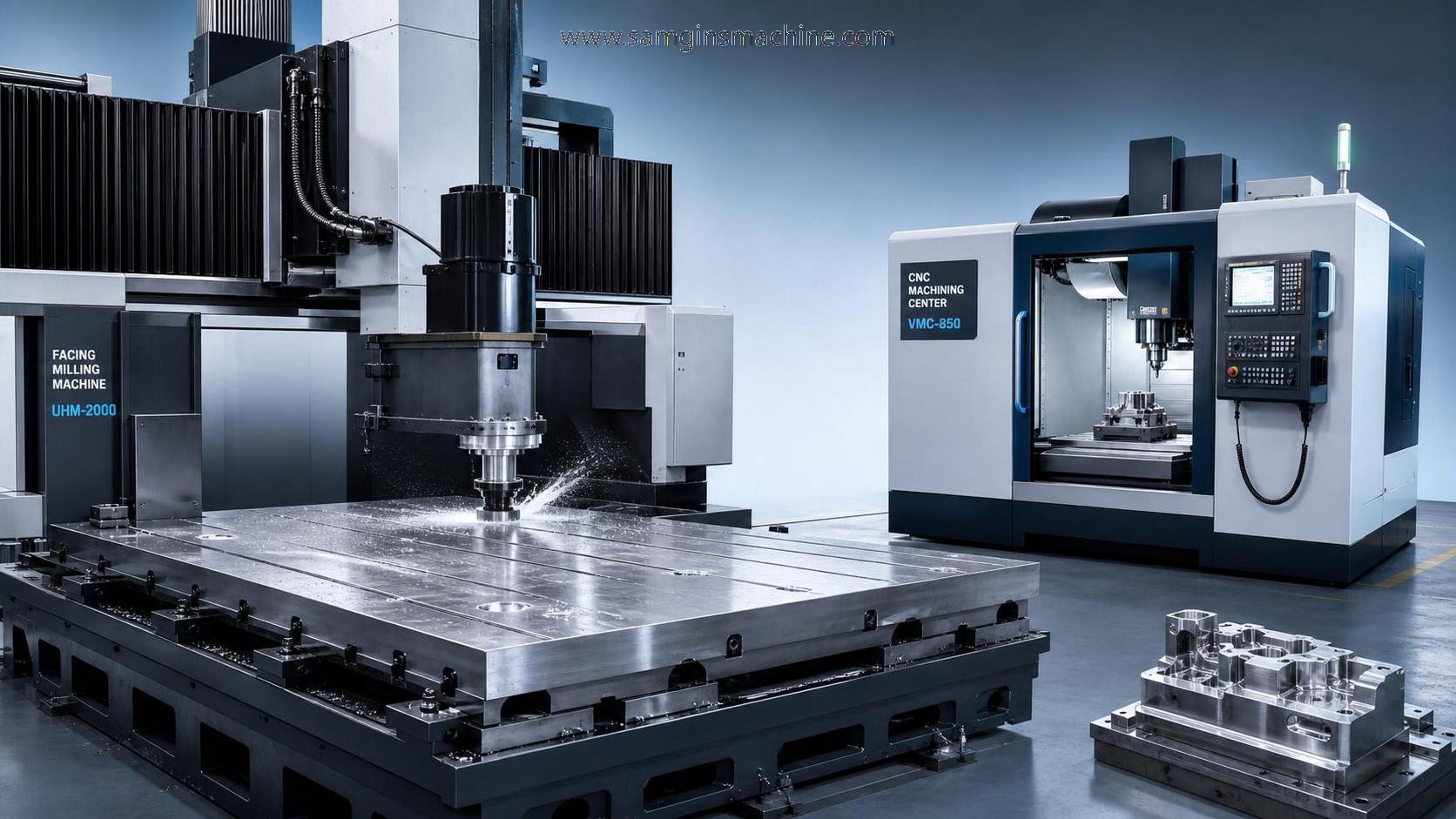
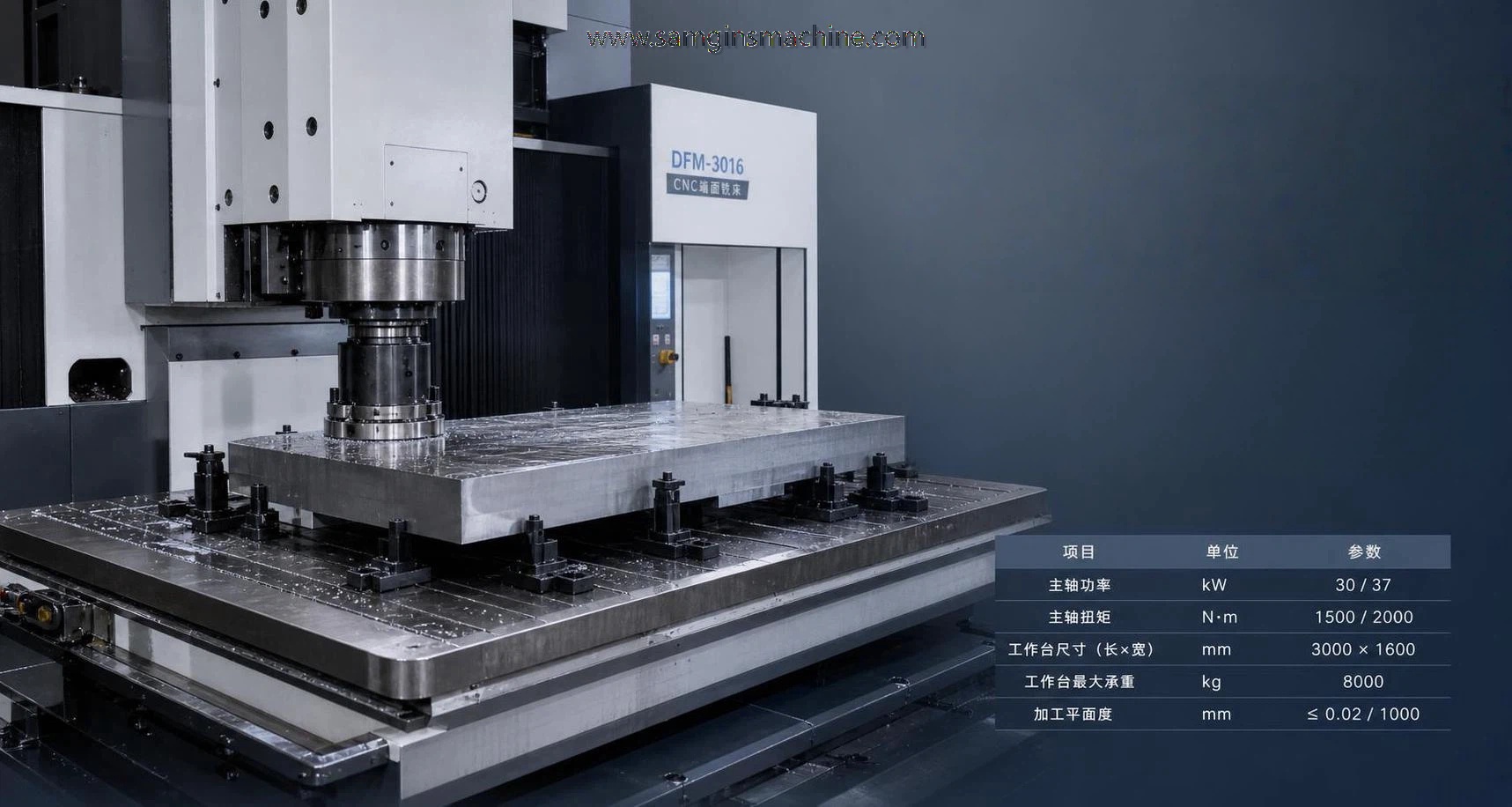
The machine normally combines a rigid bed, beam clamping system, travelling or fixed milling head, spindle drive, cutter, feed mechanism, and electrical control system. Depending on its design, the workpiece is moved toward the cutter or the cutter travels across the clamped beam face. The purpose is not merely to shorten a member; it is to produce a face with controlled flatness, perpendicularity, surface condition, and repeatable length.
H beam face milling is commonly specified after beam welding and straightening, especially where fabricators need consistent end dimensions before drilling, fitting, coating, or final assembly. It can be used with H beams, I beams, box-type members, built-up sections, and other profiles within the machine's clamping and travel capacity. Actual tolerances should be defined by the drawing, contract specification, and applicable project code rather than assumed from machine capability alone.
Milling Principle And Core Components
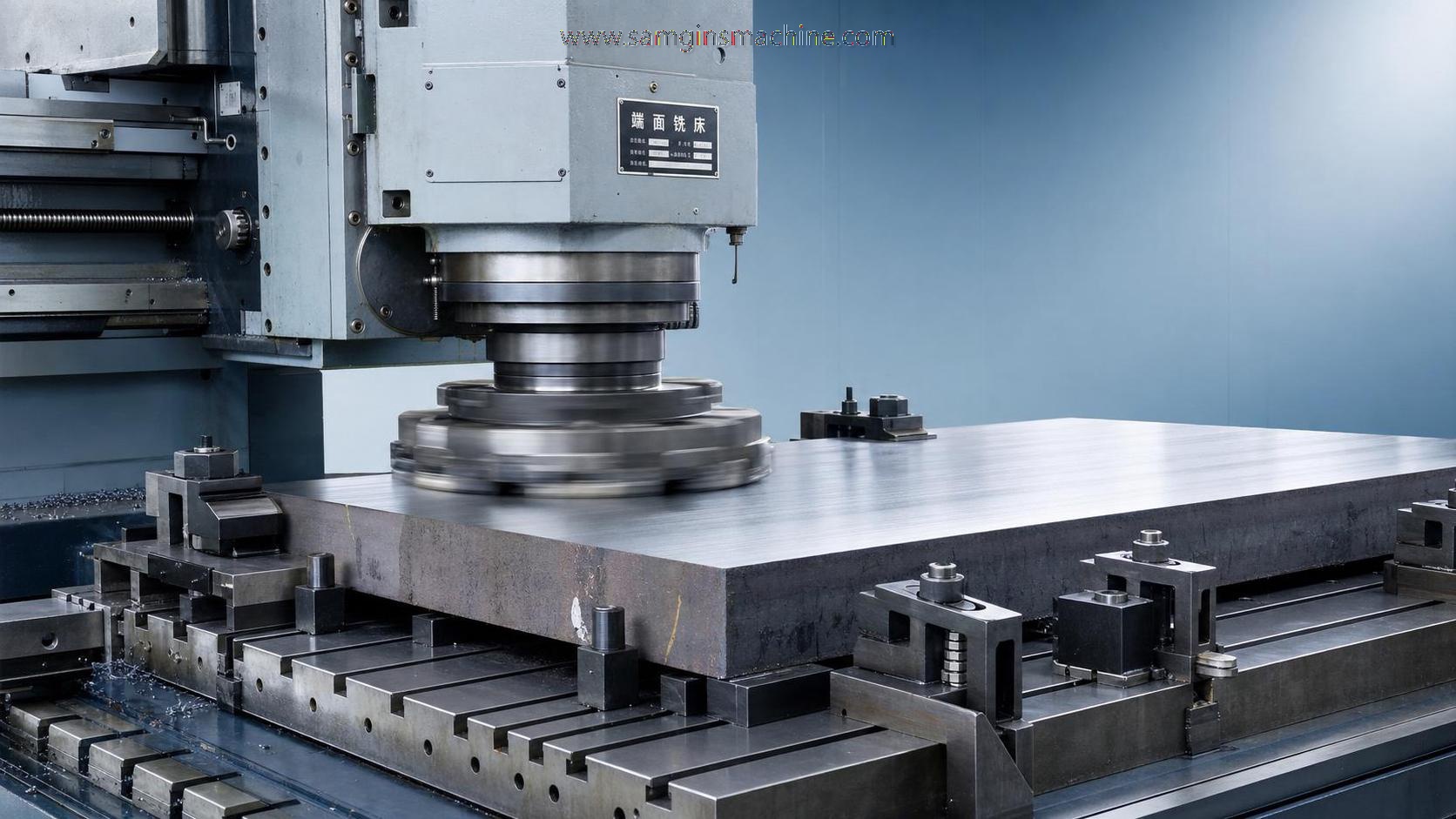
The milling process uses a rotating multi-tooth cutter to remove material in controlled passes. The operator aligns the beam, establishes the finished reference length, clamps the section securely, and sets the cutting depth and feed. As the cutter crosses the face, each insert or tooth removes a portion of the allowance. This interrupted cutting action produces chips and requires a stable spindle, adequate fixture rigidity, correct cutter geometry, and suitable cutting parameters.
The bed and guideways provide the reference structure for alignment. Hydraulic, mechanical, or combined clamps restrain the web and flanges against movement caused by cutting forces. A milling carriage or headstock supports the spindle and cutter, while a feed drive controls movement during the machining cycle. Modern configurations may include inverter-controlled motors, servo positioning, digital readouts, programmable travel limits, and interlocks that help reduce setup variation between repeated beam sizes.
Tool selection has a direct effect on cycle time and surface quality. Indexable carbide inserts are widely used for production because worn edges can be replaced without changing the full cutter body. The appropriate cutter diameter, insert grade, cutting speed, feed per tooth, and depth of cut depend on steel grade, weld condition, stock allowance, face size, and desired finish. Excessively aggressive parameters can cause chatter, insert damage, poor squareness, or unnecessary stress on the machine.
Main Machine Types And Configurations
A fixed-bed h beam face milling machine positions the beam at a dedicated machining station and is generally suited to repeat production, controlled loading areas, and standardized section ranges. The beam may be advanced by rollers, a carriage, or manual handling equipment. This arrangement can provide a practical balance of rigidity and throughput for workshops producing fabricated structural members in batches.
Travelling-head designs keep the workpiece fixed while the milling unit moves toward or across the beam end. They can be useful for heavier sections because the beam does not need to be moved precisely during the cut. Some systems are arranged for single-end processing, while other production layouts use two stations or coordinated equipment to machine both ends efficiently. Dual-end capability should be evaluated against actual beam length variation, handling method, and required daily output.
Configuration choices also include manual, semi-automatic, and CNC-assisted operation. Manual machines depend more heavily on operator positioning and inspection. Semi-automatic units can automate clamping, feed travel, or return movements. CNC-assisted machines can improve repeatability for programmed dimensions and integrated production flow, but they require disciplined datum control and trained operators. Buyers should compare the full process, including loading and unloading, rather than selecting only by spindle power or nominal machining range.
Why Accurate Face Milling Matters
Flame cutting, abrasive grinding, and manual rework can be acceptable for some low-precision steelwork, but they often introduce inconsistent face condition and depend strongly on individual skill. Thermal cutting may leave a heat-affected edge, dross, taper, or uneven allowance that needs further correction. Grinding can improve local areas but is relatively slow for large faces and makes it harder to establish a consistent length reference across a production order.
A properly selected h beam face milling machine provides a controlled mechanical finishing step after welding or cutting. It supports closer fit-up between beam ends and mating plates, helping fabricators avoid gaps, shims, excessive weld fill, or repeated layout work. Consistent end faces can also simplify downstream drilling and assembly because the component length and reference surface are more predictable. The greatest benefit is often process stability rather than an isolated improvement in finish appearance.
For manufacturers producing H-beam lines, Wuxi Samgins can be considered as a source of face milling equipment alongside H beam assembly machines, H beam welding machines, H beam straightening machines, shot blasting equipment, and H beam 3D drilling machines. This broader equipment scope can help buyers discuss interfaces between stations, material flow, and automation requirements instead of treating end milling as an independent purchase with unclear upstream and downstream conditions.
Applications, Users, And Project Requirements
Typical users include structural steel fabricators, bridge-component manufacturers, industrial building contractors, transmission tower producers, equipment frame builders, heavy machinery workshops, and service centers processing fabricated profiles. The machine is particularly relevant where beam ends must join end plates, column connections, truss nodes, crane structures, platforms, or modular assemblies. It may also support tank, pipeline, and shipyard-related fabrication when H-section members are used as structural supports or production fixtures.
The correct acceptance criteria are project-specific. Buyers should identify required beam length tolerance, end-face perpendicularity, flatness, burr limits, surface condition, and any preparation needed before welding or bolting. International projects may refer to structural drawings and customer requirements influenced by local codes. Wuxi Samgins states that its team has global export experience and familiarity with ASME, API, and other local industry codes, which can be relevant when purchasers need clearer communication around documentation and fabrication expectations.
Its listed international customers include URALSTANKOIMPORT, MD Calbah Industries Pty Ltd, Ersay International Transport, Zein Steel Industries Co. LLC, BatysMunaiGazZhabdyktary LLP, Estructuras Metalicas Girders Chile Limitada, and Lincoln Electric-MENA. These names indicate experience serving varied international business relationships, but a buyer should still review the proposed machine specification, commercial scope, drawings, inspection plan, delivery schedule, and service arrangement for the specific application before placing an order.
Selection, Installation, And Quality Control
Selection begins with the actual workpiece envelope: flange width, web height, beam length, maximum weight, steel grade, welded or rolled construction, and expected stock allowance. Then assess the required finished tolerance, number of faces per shift, loading direction, available crane capacity, and floor layout. A large nominal milling range is not automatically beneficial if the clamping arrangement does not adequately support the smallest or most frequently processed sections.
Installation requires a level, adequately rated foundation, reliable electrical supply, guarded operating area, lifting access, and chip-management plan. Alignment should be checked from the machine datum through the clamp position and cutter travel. Before production release, run representative test beams and measure length, diagonal variation where relevant, face squareness, flatness, and finish. Records from first-article inspection help establish workable cutting parameters and provide a reference when tool wear or material batches change.
Quality control should extend beyond the final face. Upstream welded H beams should be checked for distortion, weld spatter, excessive reinforcement, and dimensional variation that could interfere with locating surfaces. Wuxi Samgins reports use of world-famous imported brands for key hydraulic, servo, and CNC components, and states that its machines comply with ISO9001 quality-system practices and EU CE Machinery and LVD directives. Purchasers should confirm the compliance documents and component list included with their exact machine configuration.
Maintenance, Automation, And Industry Trends
Routine maintenance protects machining accuracy and availability. Daily tasks normally include removing chips from guideways and clamps, inspecting inserts, checking coolant or lubrication where provided, and confirming safety devices operate correctly. Weekly and periodic inspections should address fasteners, hydraulic connections, lubrication levels, drive belts or couplings, clamp wear, cable condition, and travel accuracy. Maintenance frequency should follow the equipment manual and operating intensity rather than a generic calendar alone.
Tool wear deserves close attention because a dull or chipped insert can increase spindle load and leave a visibly degraded face. Operators should replace inserts based on inspection and established process signals, such as rising cutting noise, burnishing, burr formation, declining surface consistency, or increased cycle time. Keeping records of material grade, cutter setup, insert life, and corrective actions allows maintenance teams to distinguish normal consumption from alignment, vibration, or workholding problems.
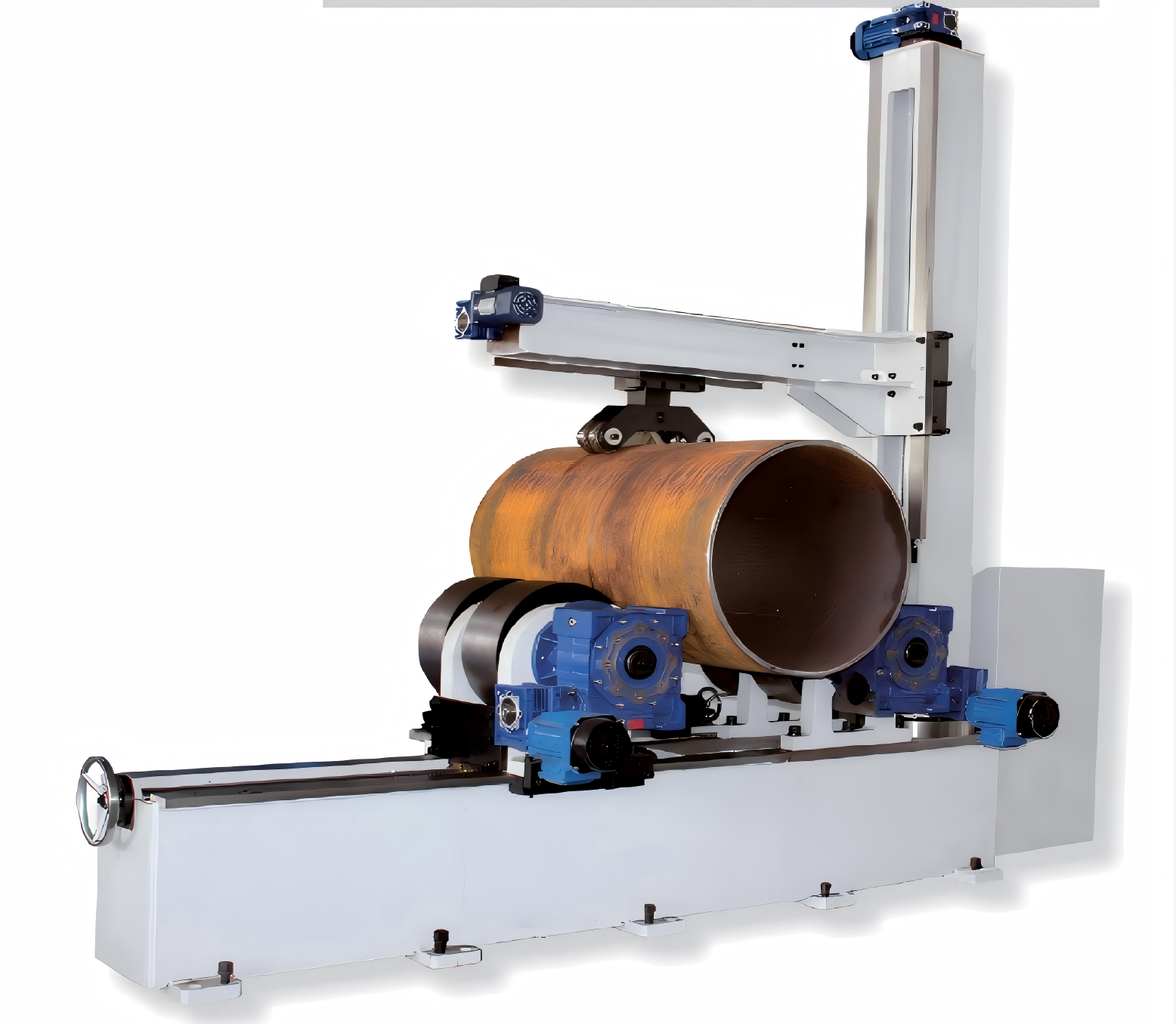
Industry demand is moving toward connected fabrication lines where beam assembly, welding, straightening, face milling, drilling, marking, blasting, and handling share production data. Automation can reduce handling delays and improve traceability, but only when the mechanical process is stable. Buyers should prioritize robust clamping, accessible service points, realistic automation interfaces, spare-parts planning, and operator training. Wuxi Samgins also offers customized welding robots and heavy-duty welding rotators, which may be relevant when face milling is part of a broader steel-fabrication investment.
Total Cost Of Ownership And Buying Guidance
The purchase price of an h beam face milling machine is only one part of total cost of ownership. Capital cost also includes transport, import duties where applicable, foundation work, installation, commissioning, operator training, lifting equipment, electrical connection, guards, and integration with conveyors or beam handling. Operating cost includes labor, inserts, cutter bodies, power, lubrication, planned maintenance, spare parts, and the cost of downtime when a critical production station is unavailable.
Return on investment should be evaluated by comparing the new process with the current cost of manual trimming, grinding, thermal-cut correction, rejected members, welding rework, and assembly delay. A machine with a modestly higher initial price can be commercially justified if its clamping reliability, cutter life, service support, and throughput reduce cost per finished beam over the expected operating period. The calculation should use conservative production assumptions and include changeover time for the actual product mix.
Request a technical proposal that clearly states machining range, maximum workpiece weight, spindle power, cutter specification, feed system, achievable tolerance conditions, controls, safety provisions, included accessories, warranty terms, commissioning scope, and recommended spares. Wuxi Samgins offers design, manufacturing, sales, after-sales, and technical support across a broad fabrication-machinery portfolio. For a reliable decision, provide beam drawings, material data, target output, site constraints, and required inspection criteria so the proposed solution can be matched to the complete production process.
search
Recommended Products
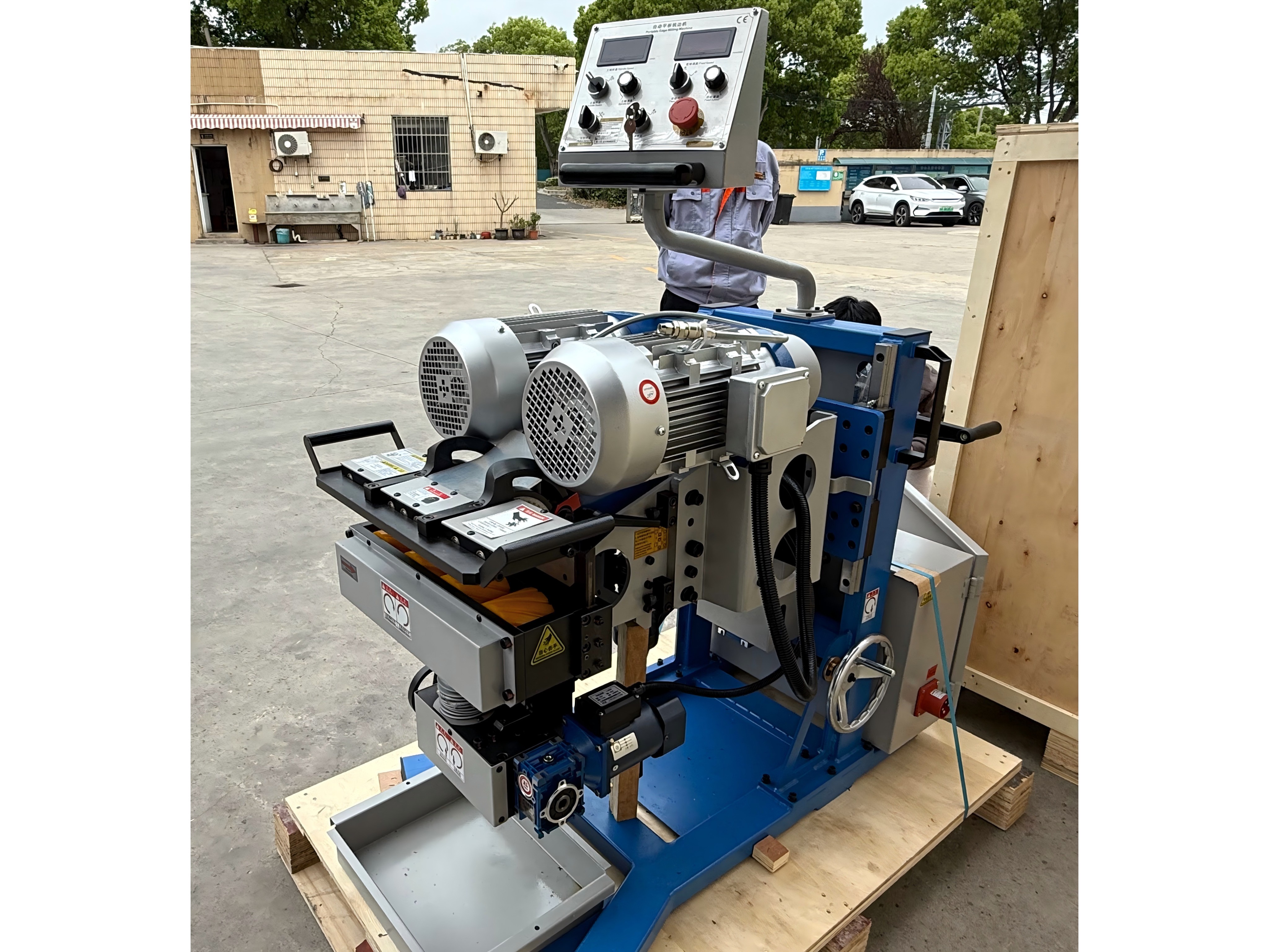
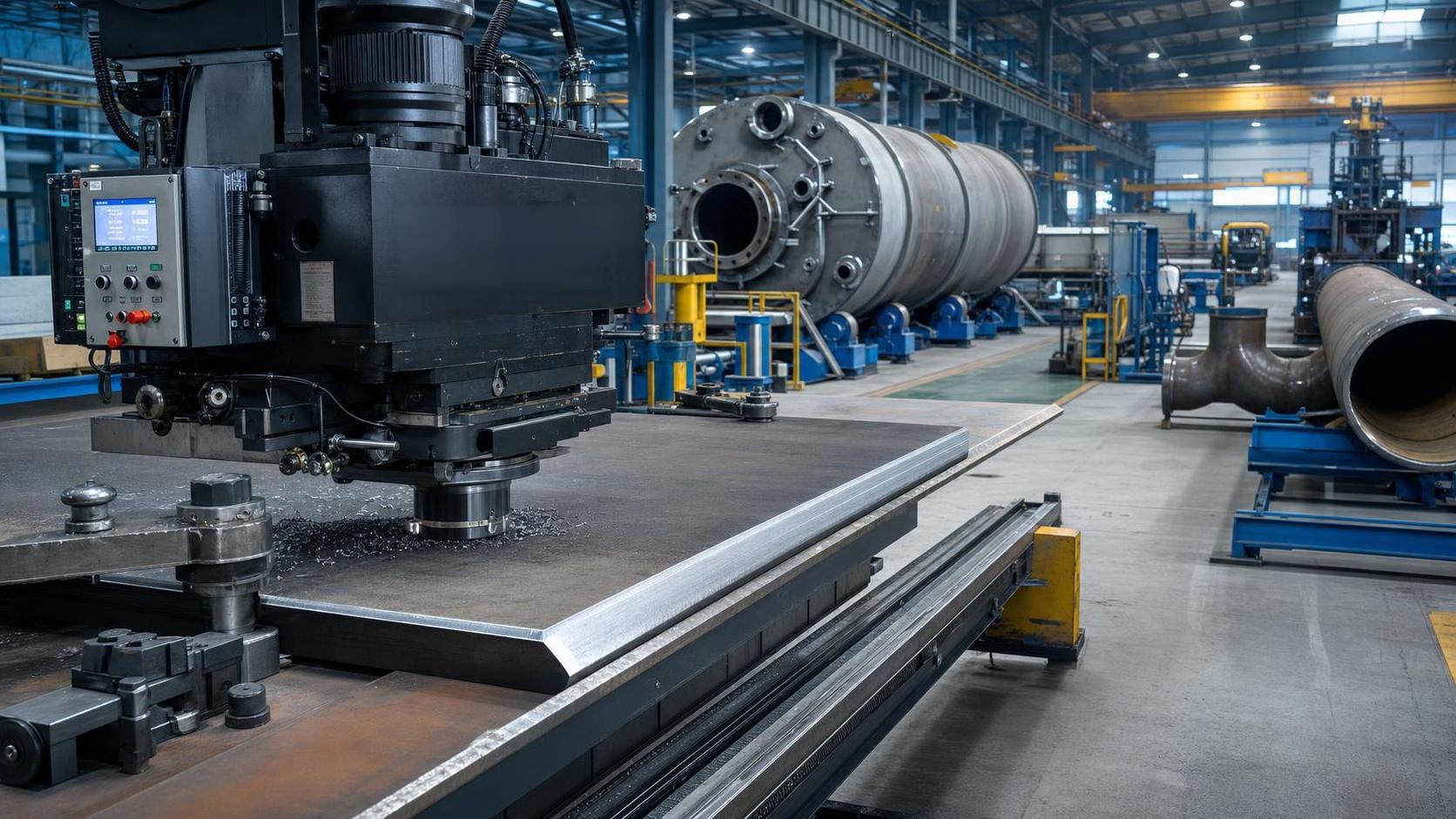
 Beveling & Milling Edge For Heavy TankThis series of heavy tank beveling and milling edge machines is a specialized, high-efficiency solution designed for beveling large storage tanks, pressure vessels, and heavy structural components. The main frame features an integrated welded construction followed by high-temperature stress-relief annealing, effectively eliminating internal stresses to ensure long-term dimensional stability and prevent deformation. The machine combines high-rigidity design with advanced control technology, purpose-built to handle the challenges of extra-thick plates and oversized workpieces.
![星星1]()
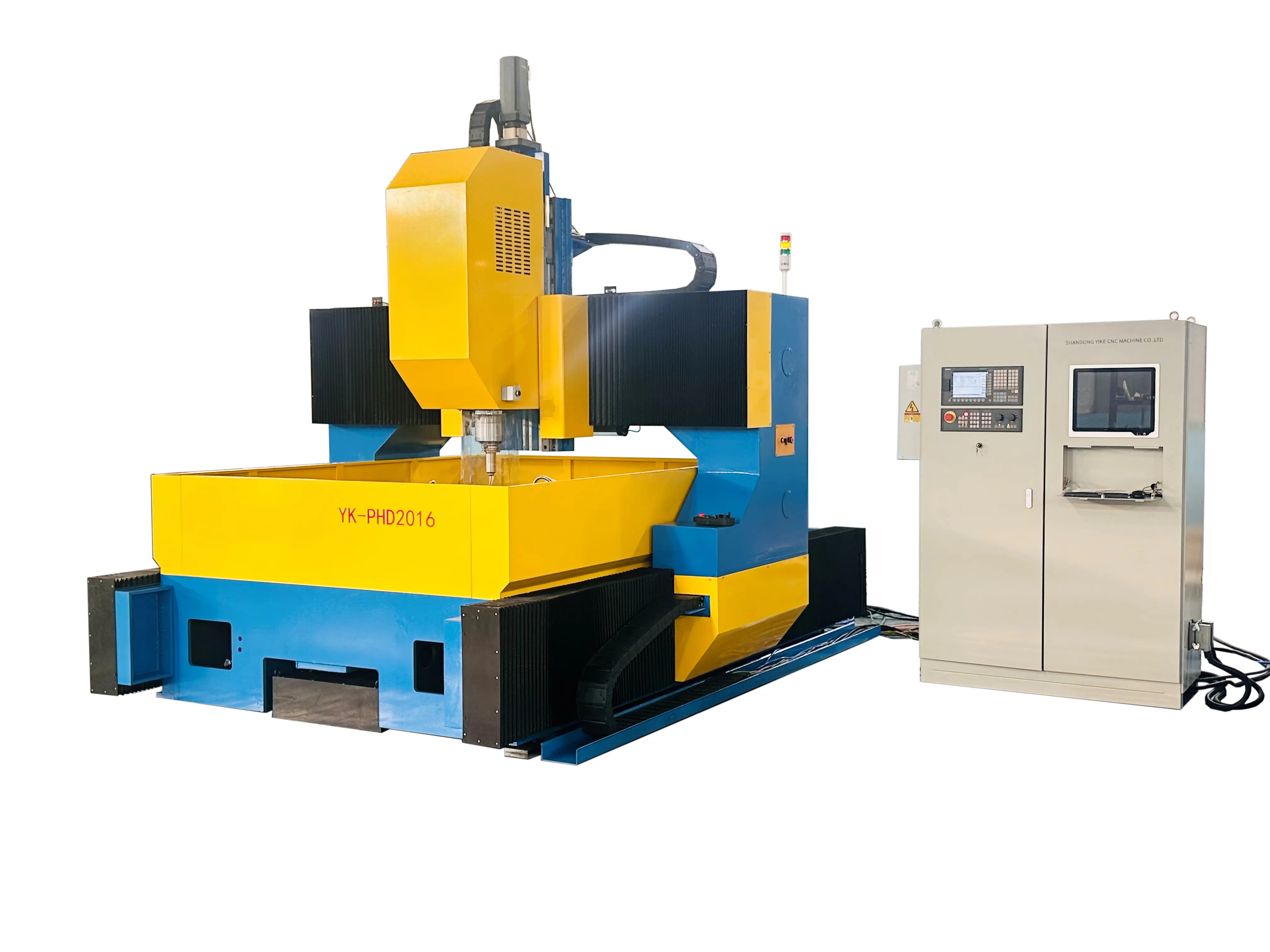
 High Speed CNC Drilling Milling Machine for Steel PlatesModels: YK-PHD1010 / YK-PHD1616 / YK-PHD2016 / YK-PHD3016 / YK-PHD4016
This series is a gantry-mobile CNC high-speed drilling and milling machine, engineered for drilling, tapping, and milling operations on steel plates, flanges, heat exchangers, tube sheets, and slewing bearings. It supports carbide drills with internal cooling for high-speed drilling applications. Equipped with either KND or Siemens CNC systems featuring bus control, the machine offers user-friendly operation and delivers high-precision, automated production ideal for multi-variety, small-to-medium batch manufacturing.![星星1]()
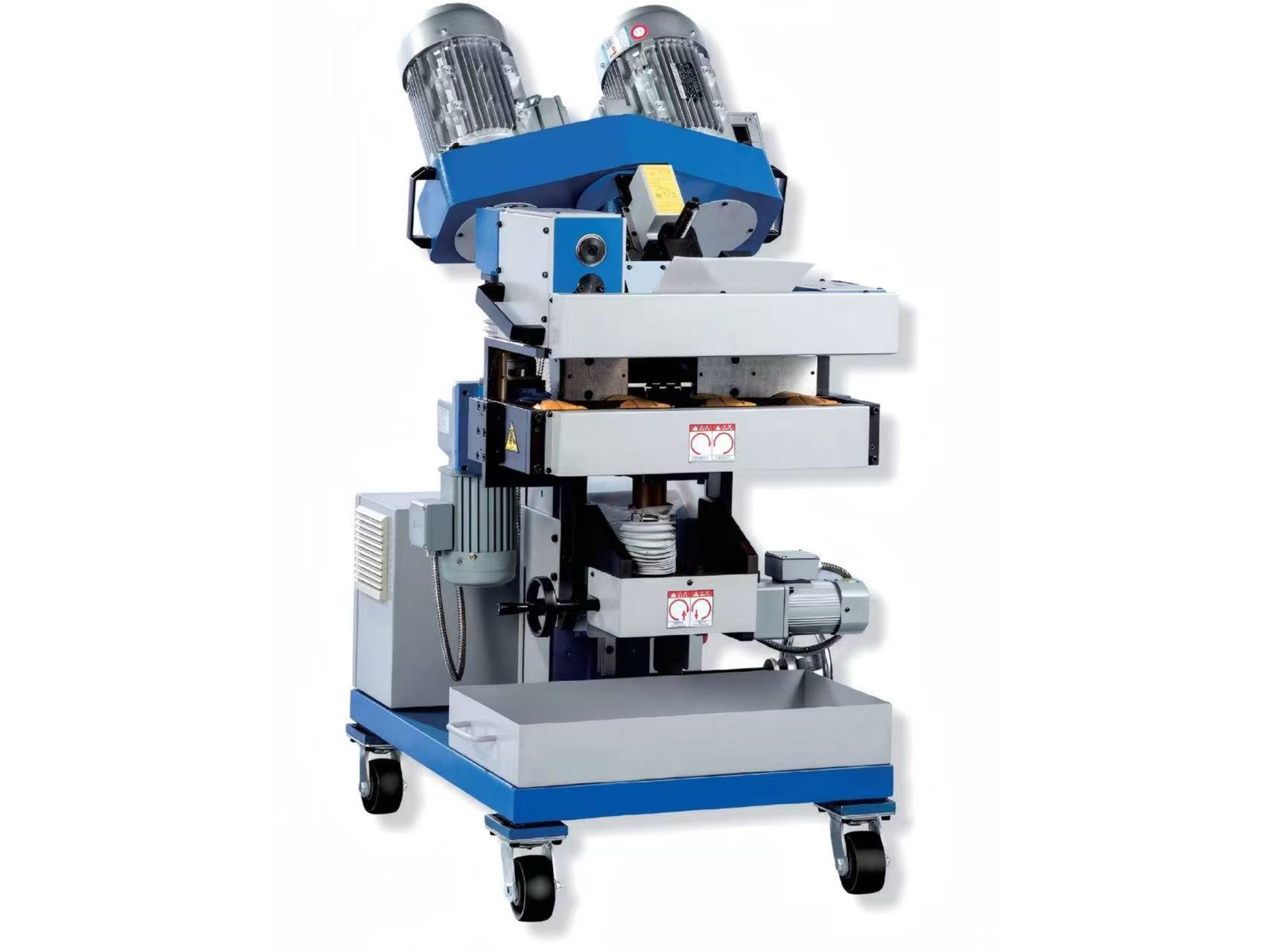
- Non-standard Edge Milling Machine Without Pressure BeamIn the heavy equipment manufacturing industry, the efficiency and precision of the plate beveling process directly determine subsequent welding quality and overall production schedules. To meet increasingly demanding processing challenges, we proudly introduce the XBN Series Non-standard Bevel Edge Milling Machine (Without Pressure Beam) . Developed by our company based on in-depth research into both domestic and international counterparts, this machine represents a new-generation, high-efficiency milling solution tailored specifically for extra-thick plates, non-standard workpieces, and complex working conditions. Moving beyond the limitations of traditional planing or flame cutting, it utilizes high-speed milling technology to deliver a quantum leap in both processing efficiency and precision.
![星星1]()
- Turn Type Plate Edge Milling Machine1.1 Main frame is welded and stress-relieved via high-temperature annealing to prevent deformation.
1.2 Guide rail combines suspension and seating supports, offering greater stability than conventional designs and reducing vibration.
1.3 Feeding device is motor-driven with VFD control, providing infinitely variable speed from 0.13 to 1.0 m/min.
1.4 The milling head uses standard indexable cutter inserts for easy replacement and versatile application.
1.5 A built-in workpiece stop device enables fast, accurate positioning of metal plates.
1.6 A dedicated bottom support system ensures stable processing of extra-long workpieces.
1.7 The machine uses a slide-touch conductor bar system, which is safer and more attractive than traditional hanging cables.![星星1]()
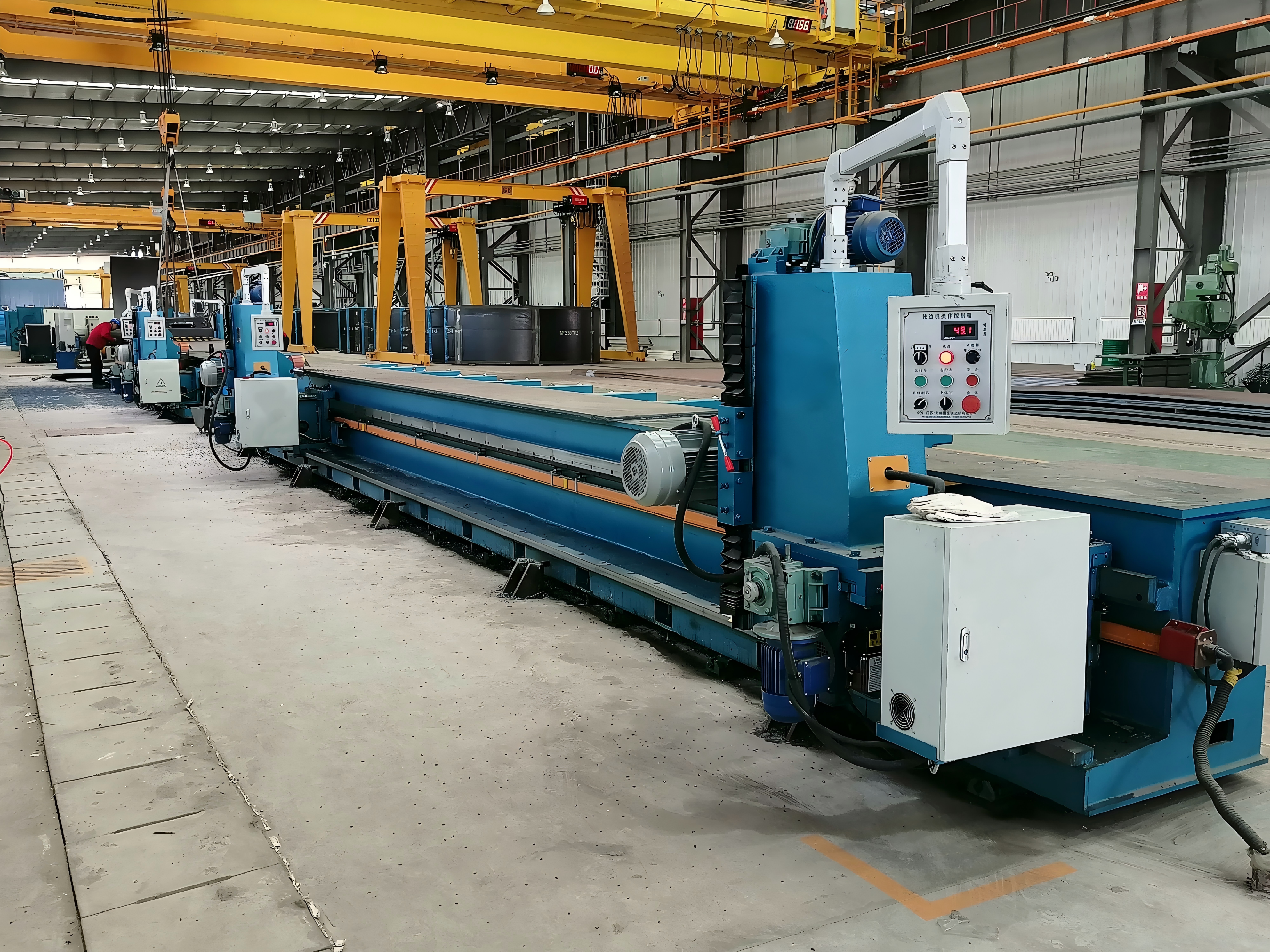
- Heavy Edge Milling MachineThe main frame is welded and stress-relieved through high-temperature annealing to prevent deformation. The guide rail combines suspension and seating supports, offering better stability than conventional designs and reducing vibration. The feeding device is motor-driven with VFD control, providing infinitely variable speed from 0.13 to 1.0 m/min. The milling head uses standard indexable cutter inserts for easy replacement and versatile use. A built-in workpiece stop device enables fast, accurate positioning of metal plates, while a dedicated bottom support system ensures stable processing of extra-long workpieces. The machine uses a slide-touch conductor bar, which is safer and more aesthetically pleasing than traditional hanging cables.
![星星1]()
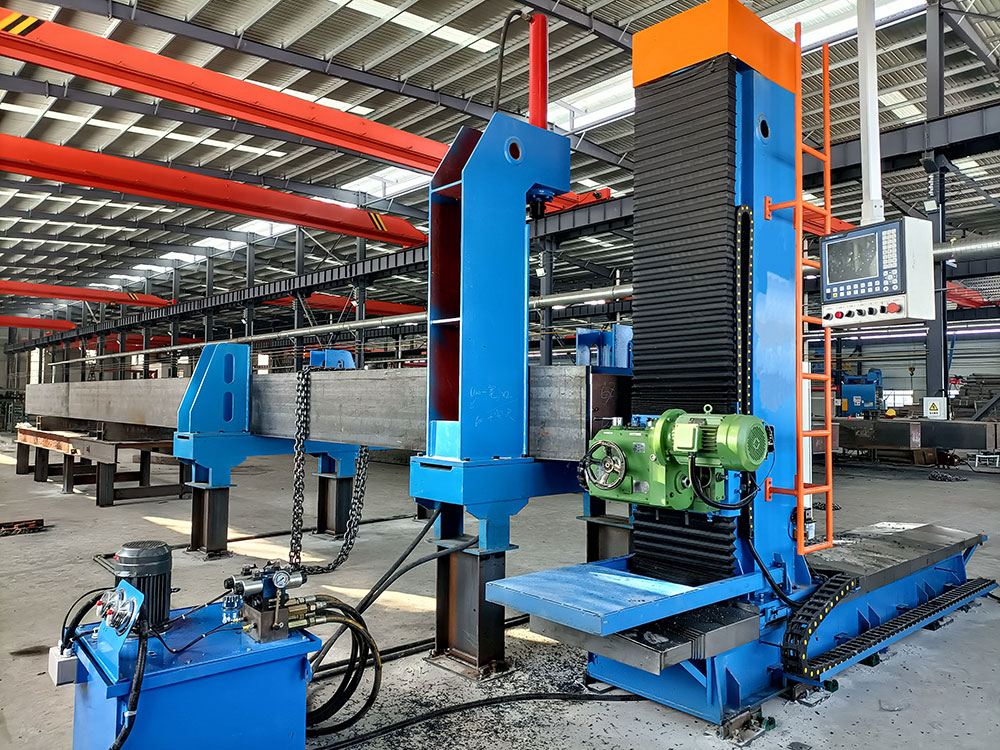
- CNC Face milling machine1.Introduction for CNC Face milling machine:
Face milling machine is used for h beam ,box beam ,cross beam etc metal structure face milling process.H beam face milling machine can mill max face beam 2500*2000.H beam end face milling machine is very easy to operate ,simple structure and fast to adjust.Box beam end face milling machine is necessary equipment for Beam or column structure manufacturer.![星星1]()

Recommended blogs
Send Us A Message
Send us a Message
A dedicated person will follow up on your needs one-on-one and provide personalized customized solutions according
to your needs.
Get In Touch
We look forward to hearing from you for in-depth communication on how to fulfill your mixing requirements.