




Pipe Bending Machine Explained: Key Technologies, Bending Methods, and Selection Essentials for 2026
What A Pipe Bending Machine Is And Why It Matters
A pipe bending machine is industrial equipment designed to form pipe or tube into a required angle, radius, or multi-plane shape while keeping deformation within an acceptable range. In production environments, it replaces labor-intensive cut-and-weld fabrication for many geometries, helping manufacturers reduce weld seams, shorten assembly time, and improve consistency across repeated parts.
The term is often used broadly, but buyers should distinguish between pipe and tube applications, wall thickness ranges, and required bend quality. A machine selected for thin-wall stainless tubing in furniture or HVAC work may not be suitable for heavy-wall carbon steel pipe used in pressure systems, handrails, shipbuilding, or structural assemblies. Material behavior, diameter-to-thickness ratio, and centerline radius all affect the process window.
From a manufacturing viewpoint, the value of a pipe bending machine is not limited to making curves. It influences fit-up accuracy, welding preparation, coating continuity, leak risk, material yield, and labor planning. When bends are produced with stable repeatability, downstream cutting, beveling, assembly, and inspection become more predictable, which is especially important in contract fabrication and export-oriented production.
In 2026, the topic matters even more because buyers are under pressure to balance flexibility with cost control. Small batches, mixed materials, traceability expectations, and shorter lead times are pushing fabricators toward hydraulic, NC, and CNC solutions that can manage repeatable setups without excessive trial runs. That is why understanding machine architecture and bending method is now a purchasing requirement, not just an engineering detail.
How Pipe Bending Technology Works
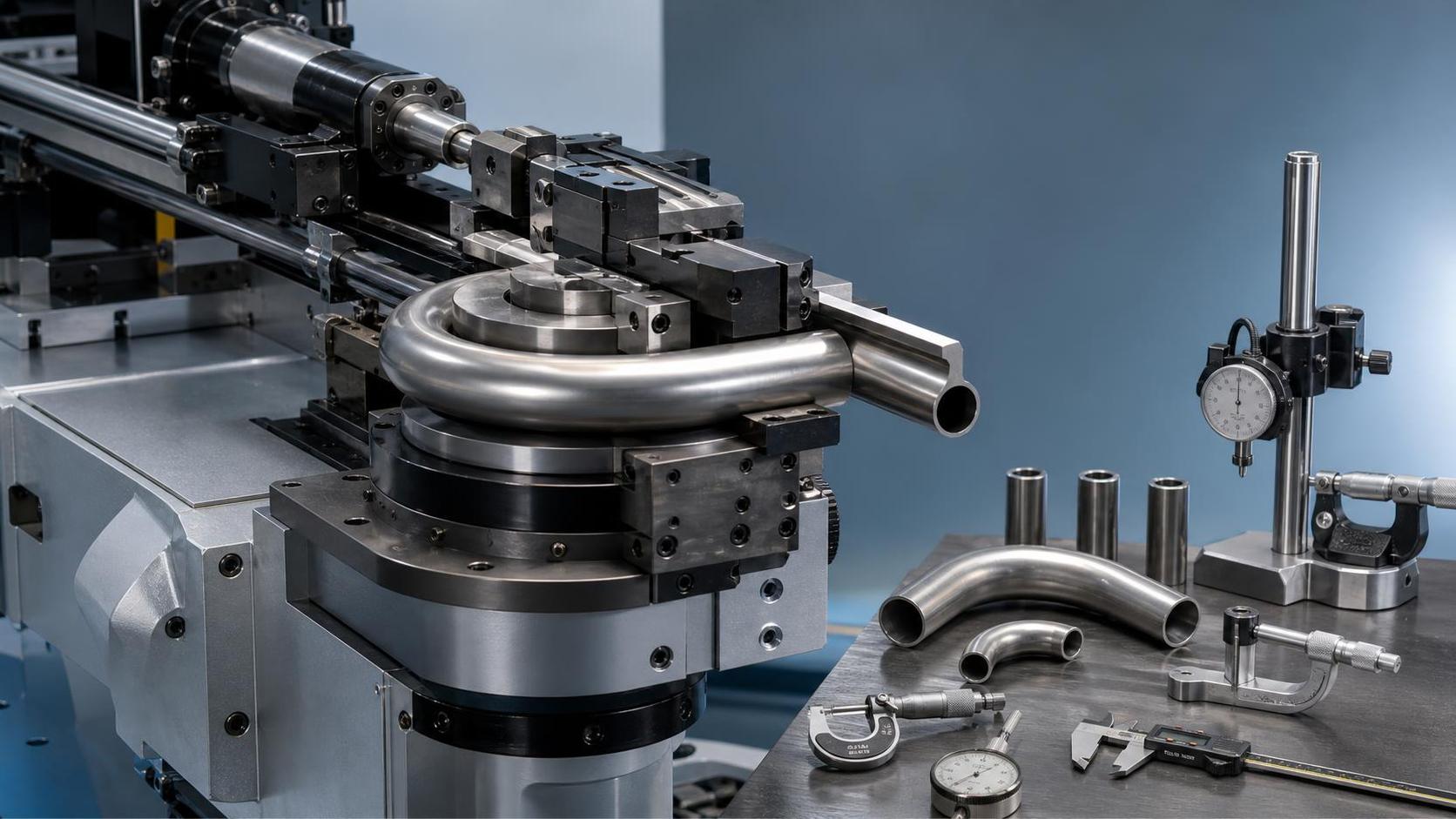
At a basic level, a pipe bending machine applies force through a tooling set that controls where the pipe is clamped, supported, and formed. The machine must manage three competing goals at once: achieving the target angle and radius, minimizing wrinkling on the inside of the bend, and limiting ovality or wall thinning on the outside of the bend. The tighter the radius and the thinner the wall, the more sensitive the process becomes.
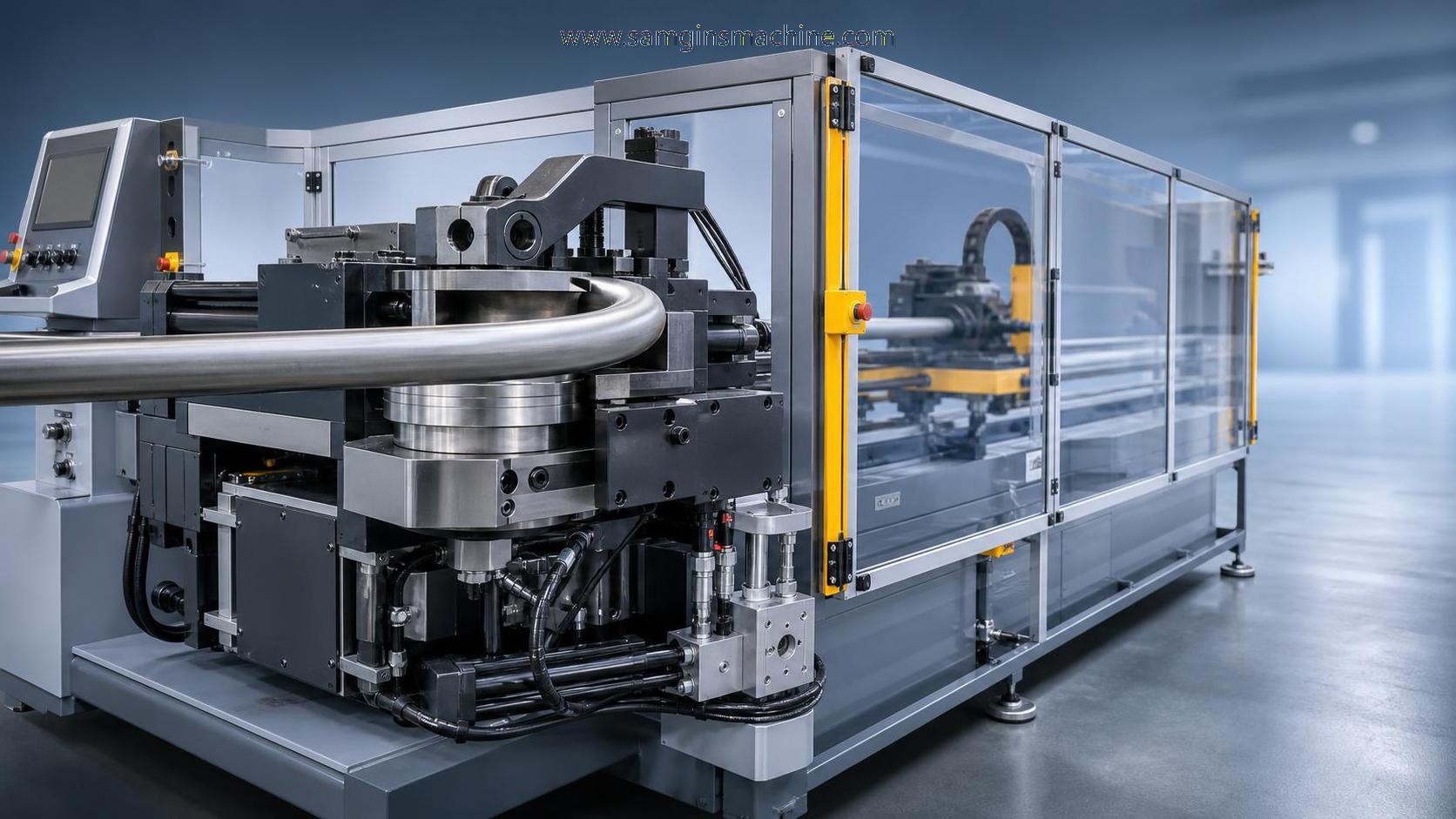
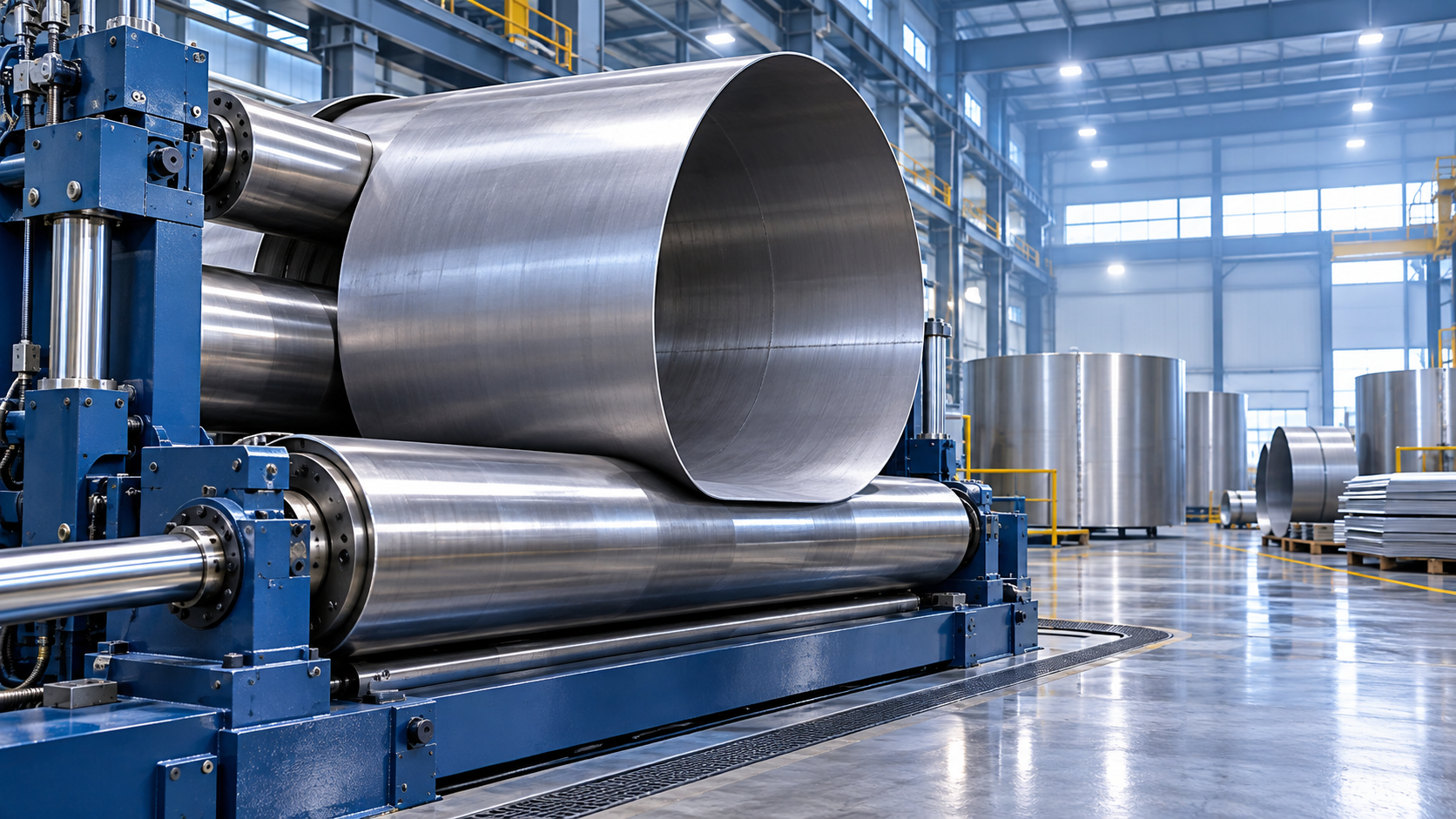
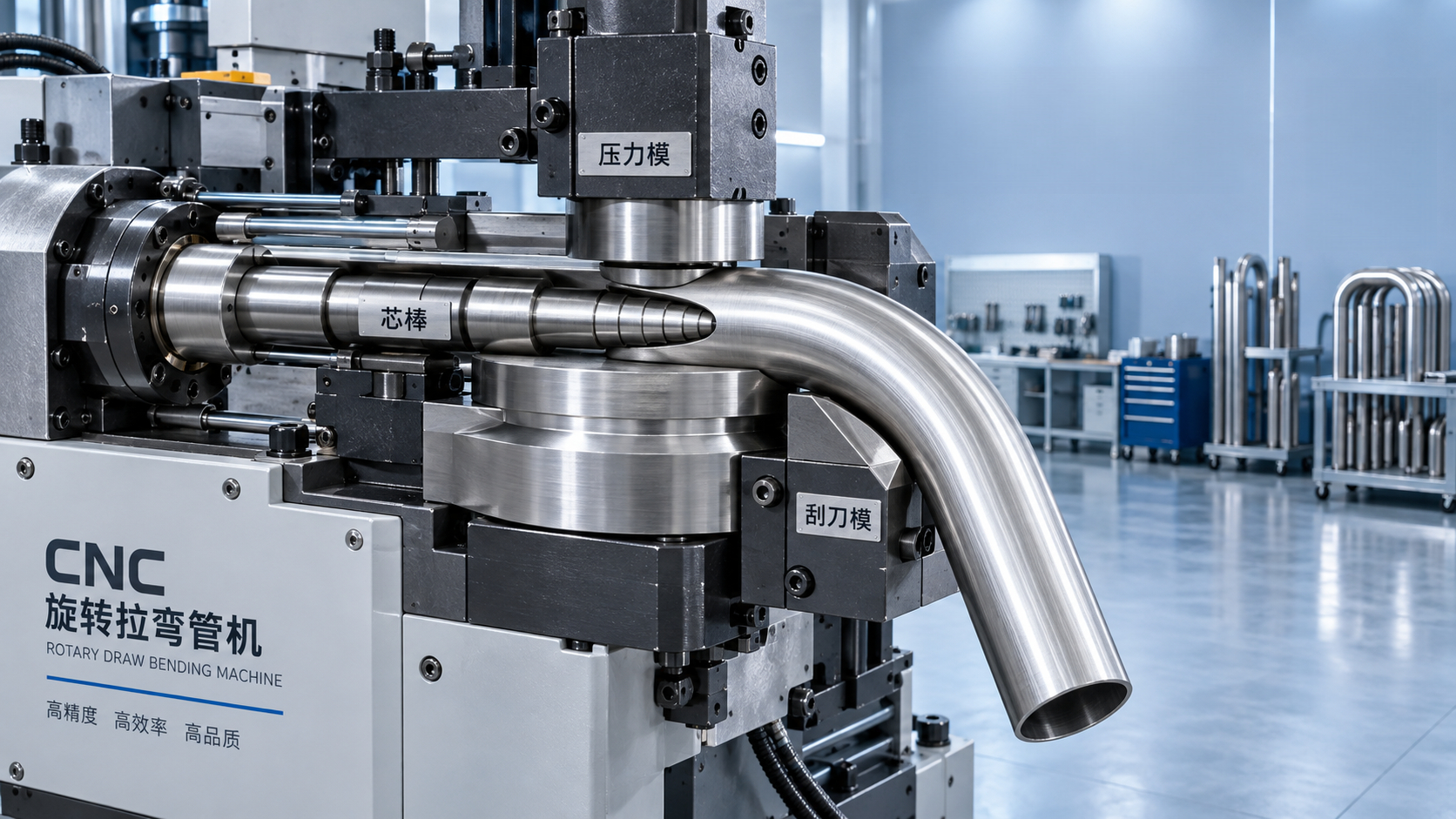
Most industrial systems rely on hydraulic or servo-driven motion to deliver controlled bending force. In rotary draw bending, the pipe is clamped to a bend die and drawn around a fixed radius. In press or compression methods, the material is forced into shape through direct pressure. In roll bending, multiple rollers gradually form a larger radius through incremental passes. Each approach uses a different force path and produces a different profile of springback, surface marking, and dimensional tolerance.
Tooling is as important as the base machine. Bend dies, clamp dies, pressure dies, wiper dies, mandrels, and roller sets determine how well the machine handles thin walls, polished finishes, or difficult alloys. A buyer comparing quotations should ask not only about motor power or tonnage, but also about tooling material, changeover convenience, alignment accuracy, and whether the supplier can recommend a workable die configuration for the real production mix.
Control systems define productivity. Entry-level hydraulic machines can be sufficient for standard bends with limited variables, while NC and CNC pipe bending machine platforms support angle programming, sequence storage, compensation, and repeatability across multiple parts. For factories that already run CNC cutting, welding robots, or automated fit-up cells, digital consistency in bending reduces rework and helps build a more stable fabrication workflow.
Main Bending Methods And Mainstream Machine Types
Rotary draw bending is the preferred method when a project needs accurate angles, tighter radii, and good cosmetic quality. It is common in automotive tubes, stainless process lines, furniture frames, and fabricated assemblies where fit and repeatability matter. When combined with mandrel support, it can handle demanding thin-wall applications better than simpler methods, though tooling cost and setup discipline are higher.
Compression bending and press bending are generally simpler and more economical for less critical shapes or larger radii. They are often used when exact cross-section preservation is not the main concern, or when the workpiece geometry allows some tolerance in ovality and springback. These machines can be attractive for repair shops, basic fabrication work, and projects where capital budget is tighter than precision requirements.
Roll bending, sometimes called profile or section bending in broader metal forming practice, is suited to large-radius curves, rings, spirals, and continuous arc work. It is widely used for architecture, structural components, handrails, frames, and vessel-related fabrication. Although a roll bender does not replace a rotary draw pipe bending machine for tight-radius elbow work, it is often the correct solution for sweeping bends that would be inefficient with single-shot tooling.
In terms of control class, buyers usually compare manual or semi-automatic hydraulic machines, NC hydraulic pipe bending machine models, and CNC hydraulic pipe bending machine platforms. NC equipment suits repetitive jobs with moderate complexity and lower programming requirements. CNC systems are better for high-mix production, multi-bend sequences, and traceable parameter control. Wuxi Samgins offers hydraulic pipe bending solutions alongside broader fabrication equipment, which can be useful for buyers sourcing related forming and welding machinery from one industrial supplier.
Who Uses A Pipe Bending Machine And Typical Application Scenarios
The main users of a pipe bending machine include metal fabrication shops, pressure equipment workshops, HVAC manufacturers, shipbuilding contractors, furniture producers, handrail and structural steel fabricators, and process piping specialists. In each case, the machine supports a different balance of throughput, appearance, and compliance. A contract workshop producing small mixed batches needs flexible setup, while an OEM with repeat parts may focus on cycle time and tooling life.
In oil and gas, power, and industrial piping, bending can reduce the number of welded joints and improve flow path continuity. In structural and architectural work, the focus is often on visual consistency, clean radii, and predictable assembly. For agricultural, transport, and machinery frames, durability and dimensional interchangeability matter more than surface perfection alone. This is why the same phrase, pipe bending machine, can describe equipment serving very different technical expectations.
Global buyers also evaluate whether the supplier understands adjacent fabrication steps. A shop that bends pipe may also need welding positioners, welding manipulators, CNC cutting, edge milling, or plate and profile forming equipment to complete the project. Wuxi Samgins is positioned around this broader manufacturing and processing machinery ecosystem, which can help buyers align bending capacity with upstream cutting and downstream welding processes instead of treating the machine as an isolated purchase.
For export projects, application fit must also include local code awareness and documentation discipline. Where assemblies connect to tanks, pipelines, or pressure-related structures, buyers typically expect stable material handling, dimensional records, and machine configurations that support repeatable fabrication practice. A capable supplier does not replace the fabricator's engineering responsibility, but it can reduce startup risk by recommending a machine class appropriate to the target use case.
Selection Essentials Buyers Should Check Before Ordering
The first selection step is defining the real workload. Buyers should list material grades, outer diameter range, wall thickness range, smallest centerline radius, target angles, annual volume, and acceptable tolerance for ovality and wall thinning. Without this data, comparing quotations becomes misleading because suppliers may be pricing very different machine capabilities. A low initial price can quickly lose value if the machine cannot handle the most demanding part in the product mix.
The second step is matching process complexity to the control level. If production mainly involves standard bends and short runs, an NC hydraulic pipe bending machine may be enough. If the plant needs frequent recipe changes, repeated part libraries, or coordinated sequences across several bends, a CNC hydraulic pipe bending machine usually provides better long-term efficiency. Control level should be chosen based on operating reality, not only on a preference for advanced specifications.
The third step is reviewing machine structure and component quality. Hydraulic stability, frame rigidity, die alignment, clamping consistency, and the quality of servo or CNC components directly affect repeatability and service life. Wuxi Samgins states that key hydraulic, servo, and CNC components use well-known imported brands, which is a relevant point for buyers who prioritize precision and long operating cycles over the lowest entry price.
The fourth step is verifying delivery scope. Tooling sets, mandrels, spare parts, commissioning support, training, manuals, electrical compatibility, and post-sale response often determine whether the machine becomes productive quickly or sits idle after arrival. Buyers should also ask about CE-related compliance, quality system practices, and whether the supplier can adapt the machine for specific tank, pipeline, steel structure, or sheet metal factory requirements. These practical details usually matter more than brochure claims.
Industry Standards, Quality Control, And Installation Considerations
A pipe bending machine does not certify the finished product by itself, but it must support a manufacturing process that is compatible with customer and market expectations. In export business, buyers commonly look for suppliers operating under recognized quality systems and machinery safety requirements. Wuxi Samgins states that its machines comply with ISO9001 quality system requirements and EU CE Machinery and LVD directives, which can simplify supplier screening for many international projects.
Quality control should start before bending begins. Incoming material consistency, heat number traceability where required, straightness, surface condition, and dimensional variation all influence the result. During setup, die selection, lubrication, alignment, and test-piece inspection are critical. After bending, the workshop should verify angle accuracy, radius conformity, flattening, wall thinning, surface damage, and end-condition suitability for the next process, whether that is welding, flanging, threading, or assembly.
Installation planning is often underestimated. Buyers need enough floor space for raw stock handling, machine swing area, unloading direction, tooling storage, and safe maintenance access. Utility checks should include electrical supply, hydraulic requirements where applicable, and lifting arrangements for larger dies or workpieces. Operator training should cover not only programming and machine use, but also material behavior, springback compensation, and routine inspection standards.
For factories building a broader metalworking line, integration matters. A pipe bending cell may sit near saw cutting, edge preparation, welding positioners, or robotic welding stations. Because Wuxi Samgins supplies a broad range of welding and processing equipment, buyers planning coordinated layouts may gain practical value from discussing line compatibility early, especially where pipe bending is only one part of a larger fabrication workflow.
How Total Cost Of Ownership And ROI Should Be Evaluated
The purchase price of a pipe bending machine is only one part of the economic picture. Total cost of ownership includes tooling, shipping, commissioning, training, maintenance parts, power consumption, floor space, operator skill requirements, and the cost of scrap or rework during startup. A cheaper machine can become more expensive over time if it produces unstable bends, consumes excessive setup time, or requires frequent adjustments for each batch.
Tooling strategy has a major effect on ROI. Buyers with a narrow product range may justify dedicated tooling for speed and consistency, while high-mix factories need more flexible die management and faster changeover. The right question is not only how much the machine costs, but how quickly it moves parts through the factory with acceptable quality. Reduced weld count, less fitting labor, and lower scrap often create the strongest payback rather than headline cycle speed alone.
Maintenance and support should be priced realistically from the start. Long-term warranties, spare parts access, remote technical support, and supplier responsiveness affect uptime more than brochure specifications suggest. Wuxi Samgins emphasizes design, manufacturing, sales, after-sales, and technical support as an integrated service approach, which is relevant for overseas buyers trying to limit quality variance, delivery uncertainty, and incomplete project handover.
A practical ROI review should compare the current fabrication route with the proposed machine route. Measure labor hours per part, material yield, weld repair rate, takt time, inspection burden, and order turnaround. For many buyers, the strongest financial case appears when bending replaces multiple cut-and-weld joints or when CNC repeatability shortens setup across recurring export orders. Those gains are usually more durable than a one-time discount on the machine itself.
Global Market Access, Supplier Credibility, And Case-Based Perspective
International sourcing of a pipe bending machine requires more than checking a specification sheet. Buyers need confidence in export experience, communication quality, documentation discipline, and the supplier's ability to adapt to destination-market expectations. Wuxi Samgins states that it has more than 10 years of global export experience and familiarity with ASME, API, and other local industry codes, which is useful context for buyers in regulated or inspection-heavy sectors.
Named customer references can also help buyers assess whether a supplier has worked across different industrial environments. Wuxi Samgins lists customers such as URALSTANKOIMPORT, MD Calbah Industries Pty Ltd, Ersay International Transport, Contevix comercio e servicos ltda, Zein Steel Industries Co. LLC, BatysMunaiGazZhabdyktary LLP, PT.Cahaya mas Cemerlang, Estructuras Metalicas Girders Chile Limitada, and Lincoln Electric-MENA. These references do not replace technical validation, but they can support credibility during shortlisting.
In practical terms, buyers should use supplier discussions to test problem-solving depth. Ask how the proposed machine handles tight radius versus thick wall work, what inspection points are recommended after first-article trials, and how spare parts or tooling wear are managed over time. A competent supplier should answer with process logic and limitations, not only promotional language. That level of dialogue often reveals whether the machine will perform well in the buyer's actual production environment.
For companies comparing a factory source with a trading company, supply-chain clarity also matters. Buyers typically want to know who controls design, assembly, quality checks, and after-sales accountability. This becomes more important when the purchase includes customized equipment or a wider package of bending, welding, and cutting machines. The lower-risk option is usually the one that gives the clearest technical ownership and service responsibility from quotation to commissioning.
Future Trends For 2026 And A Practical Buying Conclusion
The future of pipe bending machine technology is being shaped by three linked forces: greater production flexibility, stronger traceability expectations, and tighter labor efficiency targets. More buyers are asking for programmable control, recipe storage, and easier setup recovery because skilled operators are harder to replace and batch sizes are becoming less predictable. This favors NC and CNC platforms with stable component quality and clearer maintenance diagnostics.
Another visible trend is integration with broader digital fabrication workflows. As factories expand CNC cutting, robotic welding, and automated material handling, they need bending stations that fit into a repeatable data-driven process. The machine does not need to be complex for its own sake, but it should support consistent output, sensible parameter management, and smoother handoff to downstream operations. That is where supplier breadth can become strategically useful.
Sustainability pressure is also changing buying priorities in practical ways. Manufacturers increasingly value lower scrap, fewer rewelds, improved material yield, and longer-lasting components. In this context, machine precision is not only a quality issue; it is also an operational efficiency issue. Equipment that reduces trial bends and avoids unstable forming can lower both direct cost and hidden waste over the life of the asset.
For a 2026 purchase, the right pipe bending machine is the one that matches the real mix of materials, geometry, compliance expectations, and production rhythm in the factory. Buyers who define their workload clearly, verify tooling and component quality, and compare total cost rather than list price will make better decisions. For projects that also involve welding, cutting, forming, or line integration, Wuxi Samgins is a relevant supplier to evaluate because its range covers hydraulic pipe bending machines and multiple adjacent fabrication systems.
search
Recommended Products
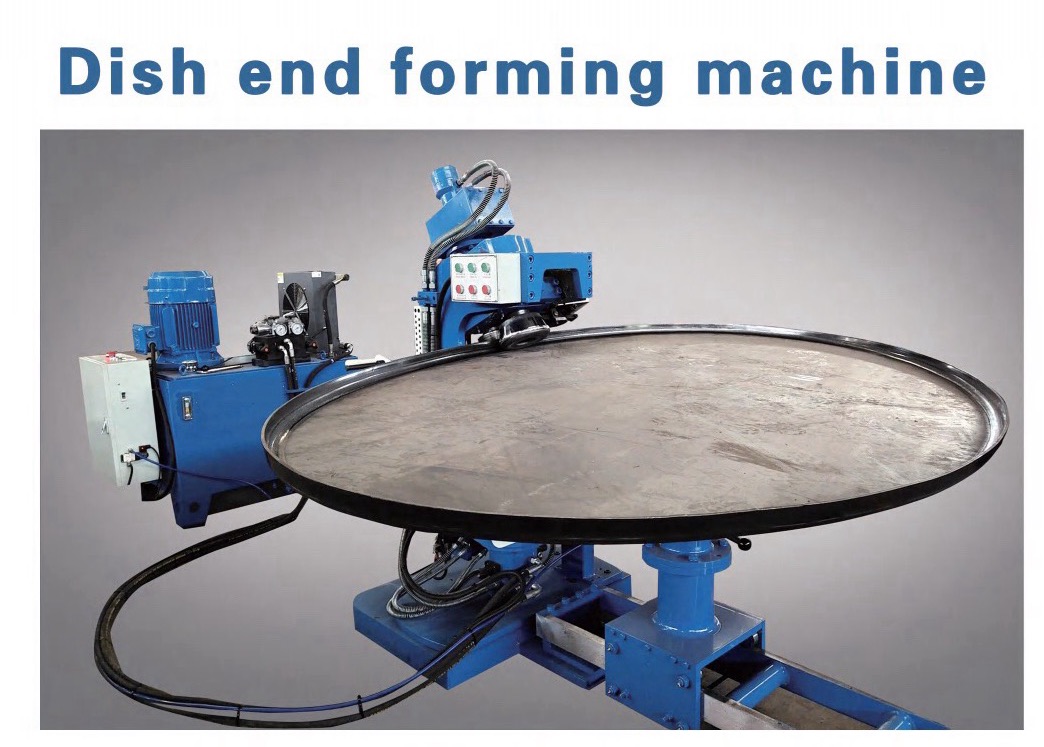
 Dish end forming machineXBJ-3000 Shaped Head Automatic Edge bending Machine is a special equipment for our special vehicle production line which has been developed by our company on the basis of many years of head-spinning technology and equipment debugging technology and attracting foreign advanced technology.
The special-shaped head automatic bending machine adopts advanced PLC programmable control technology, micro-electronic technology, with beautiful appearance of rotating edge, reliable quality,high production efficiency, simple and convenient operation, easy to grasp the characteristics of equipment and so on.![星星1]()
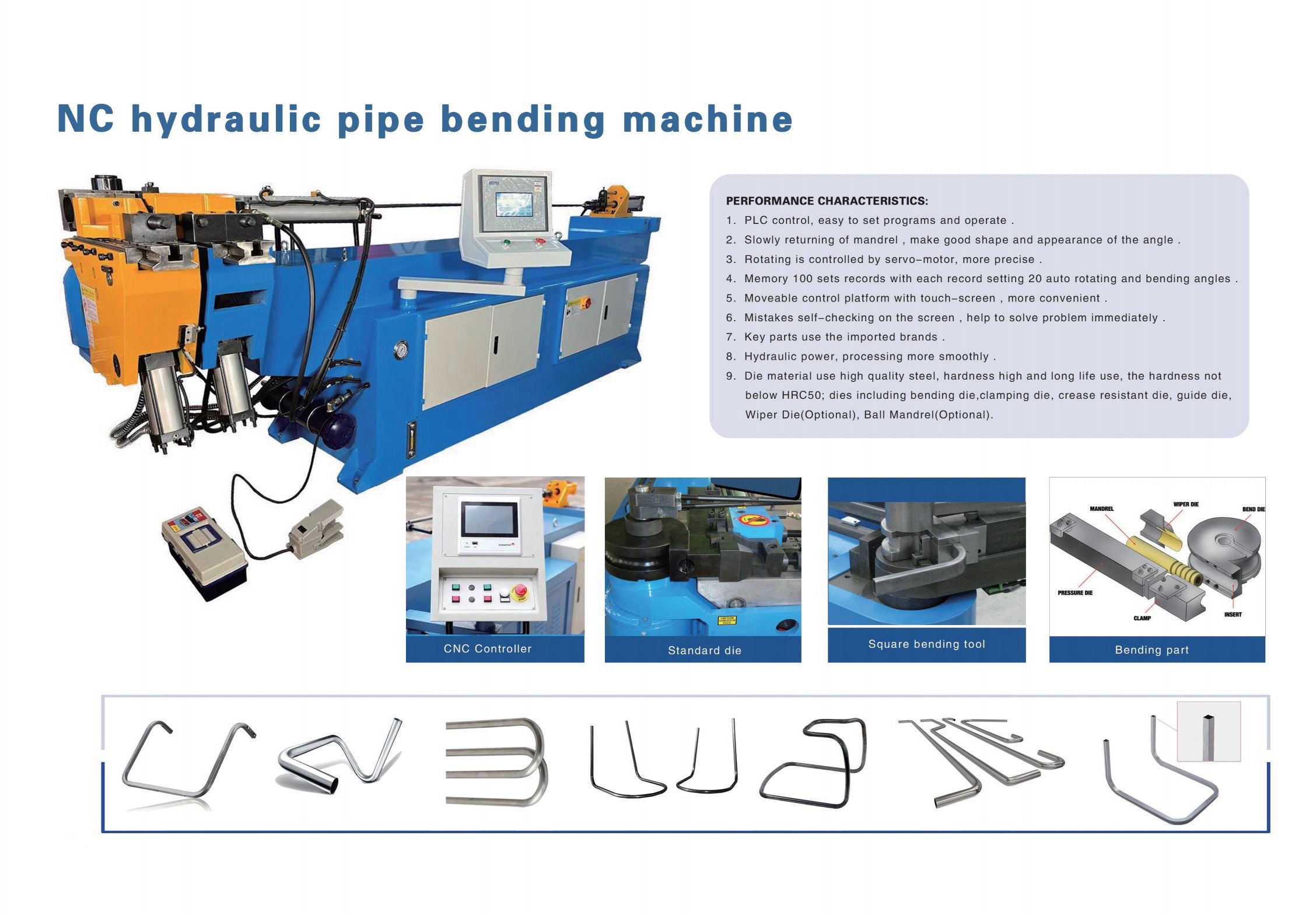
 NC hydraulic pipe bending machineBending machines can generally be classified into CNC bending machines, hydraulic bending machines, etc. They are mainly used for pipeline laying and construction in fields such as power engineering, public railway construction, boilers, bridges, ships, furniture, decoration, etc. They have the advantages of multiple functions, reasonable structure, and simple operation. This machine not only has the function of bending pipes but also can use the oil cylinder as a hydraulic jack. Compared with CNC bending equipment, it has the advantages of low price and convenient use, and occupies a dominant position in the domestic bending machine market.
![星星1]()
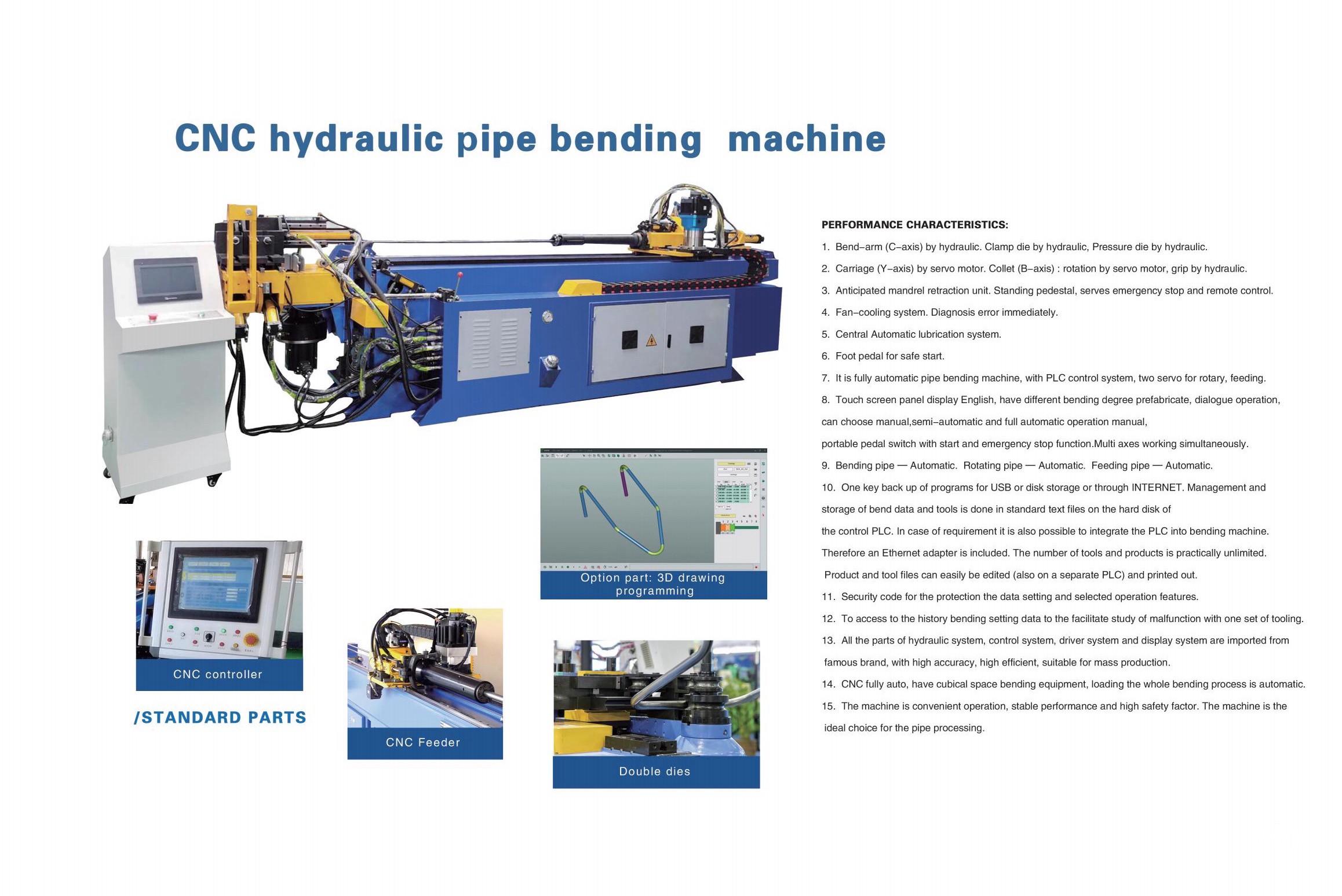
 CNC hydraulic pipe bending machineBending machines can generally be classified into CNC bending machines, hydraulic bending machines, etc. They are mainly used for pipeline laying and construction in fields such as power engineering, public railway construction, boilers, bridges, ships, furniture, decoration, etc. They have the advantages of multiple functions, reasonable structure, and simple operation. This machine not only has the function of bending pipes but also can use the oil cylinder as a hydraulic jack. Compared with CNC bending equipment, it has the advantages of low price and convenient use, and occupies a dominant position in the domestic bending machine market.
![星星1]()

Recommended blogs
 Are Chinese Pipe Bending Machines Compatible with ASME and API Standards?
 What Affects Hydraulic Shearing Machine Price? Key Cost Drivers Buyers Should Compare
- What is a plate roller machine used for in metal fabrication?
- How to prevent wrinkling when using a pipe bending machine
- What total cost of ownership differences emerge between welding robot for tank fabrication and manual GTAW over 5 years?
- Common Bottlenecks in an H Beam Welding Line and How to Eliminate Them
Send Us A Message
Send us a Message
A dedicated person will follow up on your needs one-on-one and provide personalized customized solutions according
to your needs.
Get In Touch
We look forward to hearing from you for in-depth communication on how to fulfill your mixing requirements.