




9 Axis Welding Robot Manufacturer Explained: Essential Knowledge for Industrial Automation Buyers
What Is A 9 Axis Welding Robot Manufacturer?
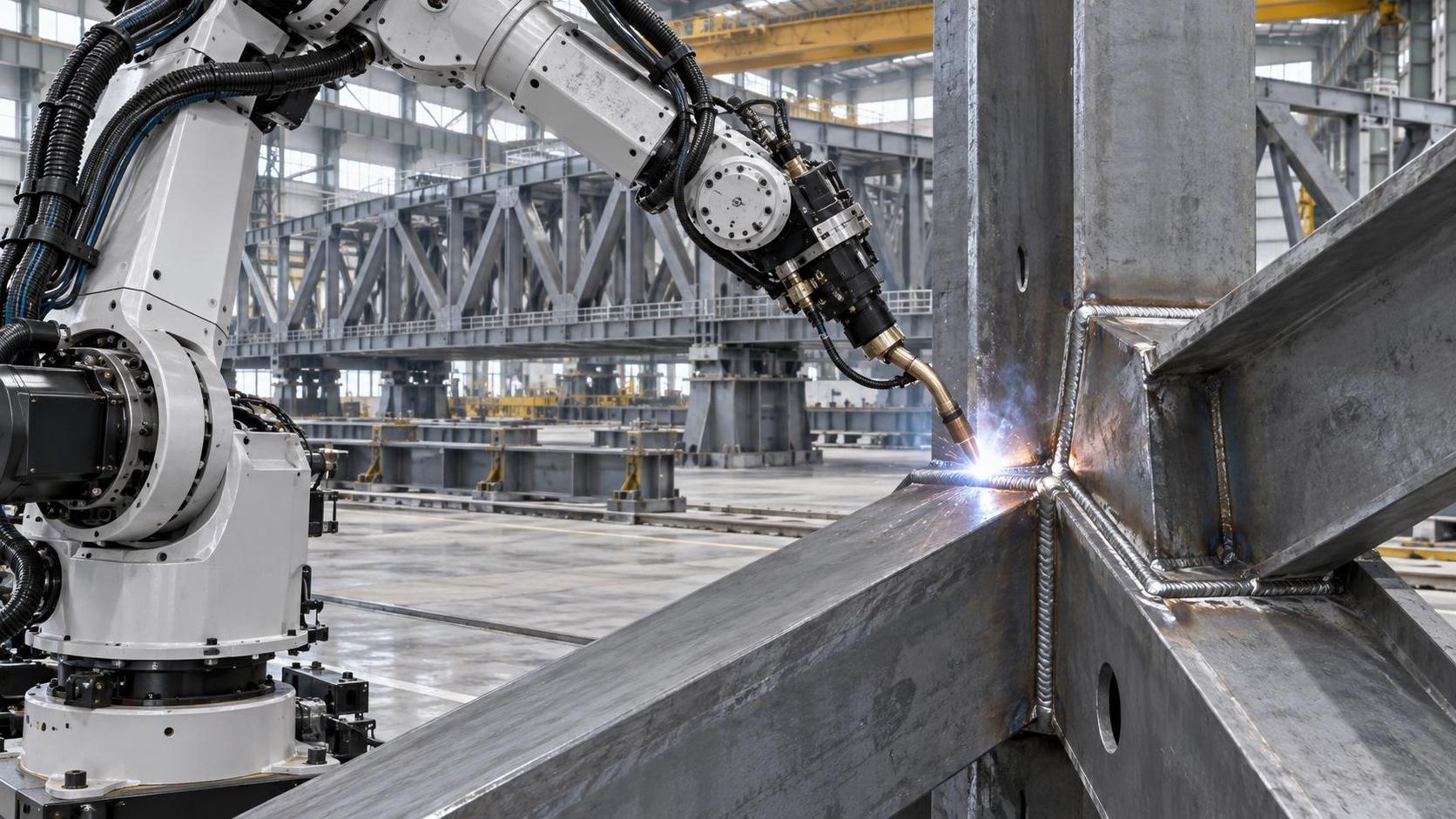
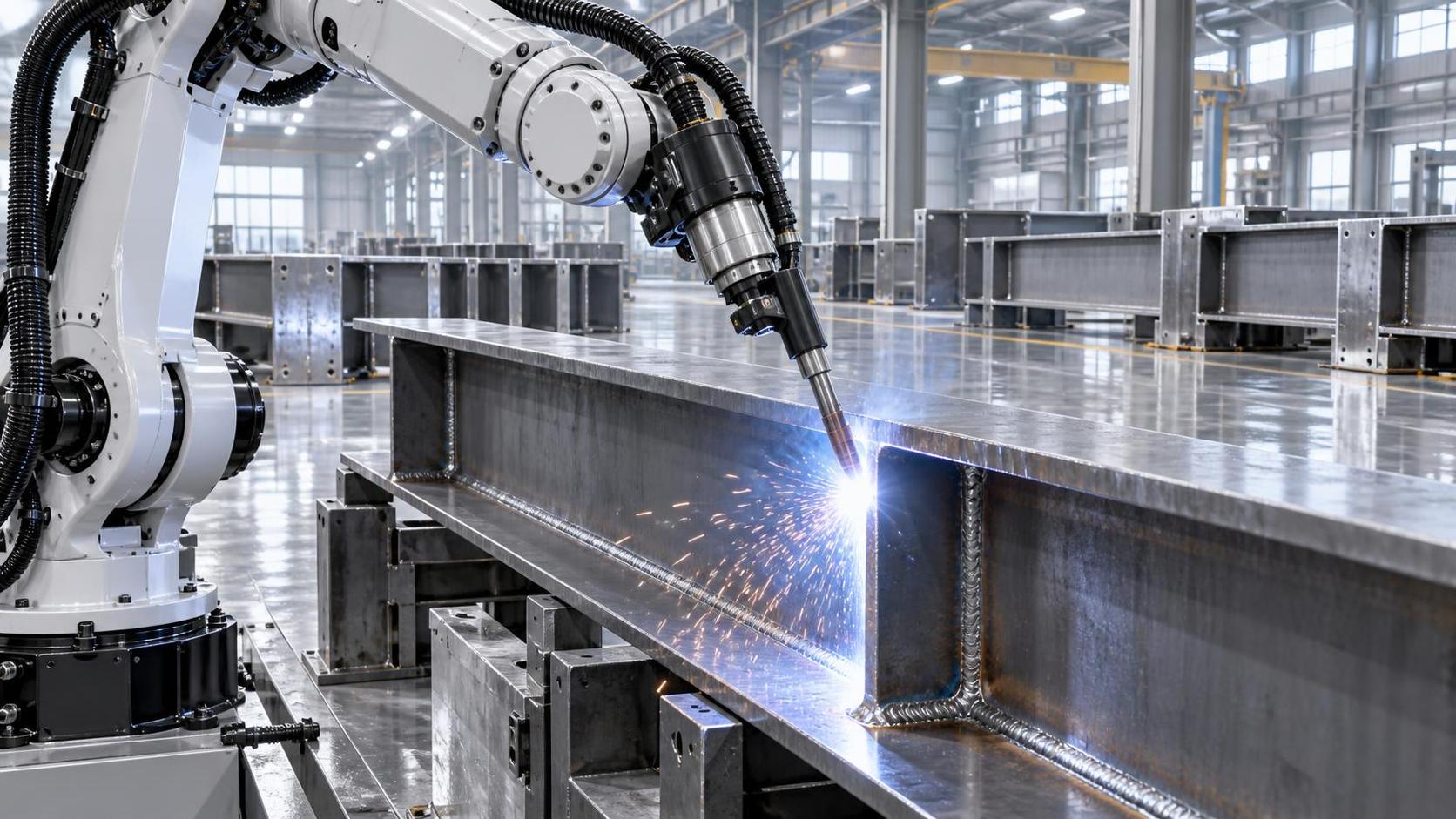
A 9 axis welding robot manufacturer designs and supplies welding cells in which multiple controlled axes work together to place the torch, orient the workpiece, and maintain a programmed welding path. The term usually describes a coordinated system rather than one robot arm alone. It may combine a six-axis industrial robot with a three-axis positioner, rail, headstock-tailstock arrangement, or other external motion equipment.
The additional axes are valuable when a weld must be reached from several angles, when the component is long or heavy, or when the joint should remain in a favorable welding position. Instead of repeatedly stopping production for manual repositioning, the controller synchronizes robot and workpiece movement. The objective is controlled torch angle, travel speed, wire position, and arc access across the full programmed joint.
For buyers, the manufacturer role extends beyond supplying hardware. A complete proposal should define the robot payload, reach, welding power source interface, fixture concept, safety enclosure, operating modes, offline or teach-pendant programming method, and acceptance criteria. A capable 9 axis welding robot manufacturer also evaluates part variation, production volume, material type, joint geometry, and the plant utilities needed to operate the cell reliably.
How Nine-Axis Welding Systems Work
A typical robot arm provides six axes for positioning and orienting the welding torch in space. External axes provide further movement to rotate, tilt, translate, or index the workpiece. In a nine-axis arrangement, the controller treats these motions as one coordinated kinematic system. This allows the torch to follow a seam while the component moves in a planned relationship with the robot.
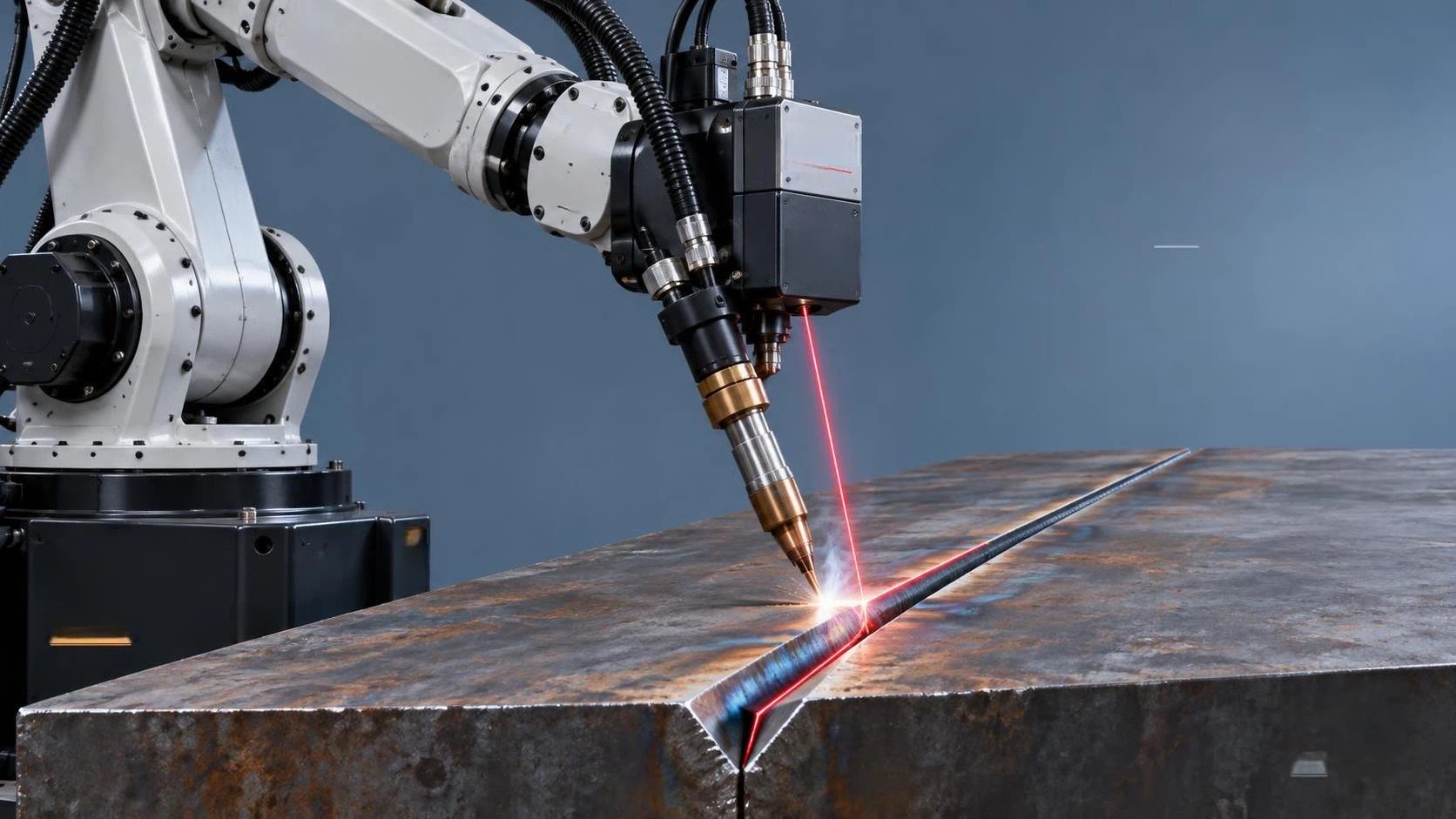
The welding process normally combines mechanical motion with a power source, wire feeder, torch package, shielding-gas delivery, and welding parameters matched to the material and procedure. Depending on the application, the cell can use MIG, MAG, TIG, or another compatible arc-welding process. Seam tracking, vision, touch sensing, or laser-based sensing may be considered where joint location varies, but their value depends on part consistency and production requirements.
Good motion performance does not by itself guarantee sound welds. The fixture must establish repeatable datum points, maintain dimensional stability under heat, and permit access for the torch and any required inspection. A 9 axis welding robot manufacturer should therefore review fixture design, cable routing, collision zones, grounding, heat distortion, and weld sequence before finalizing the cell layout. Process trials are particularly important for variable or safety-critical fabrications.
Main Types Of Nine-Axis Welding Cells
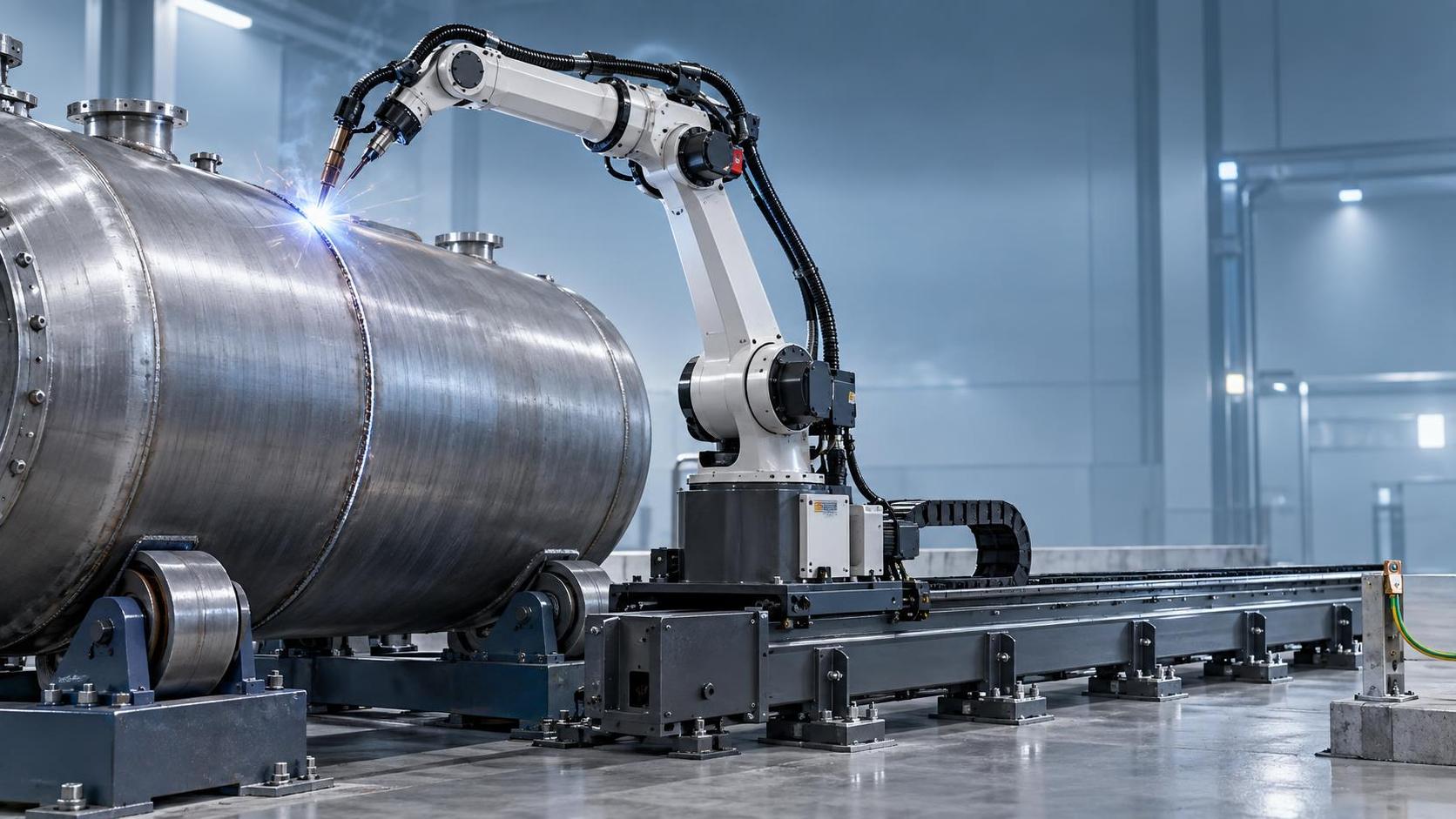
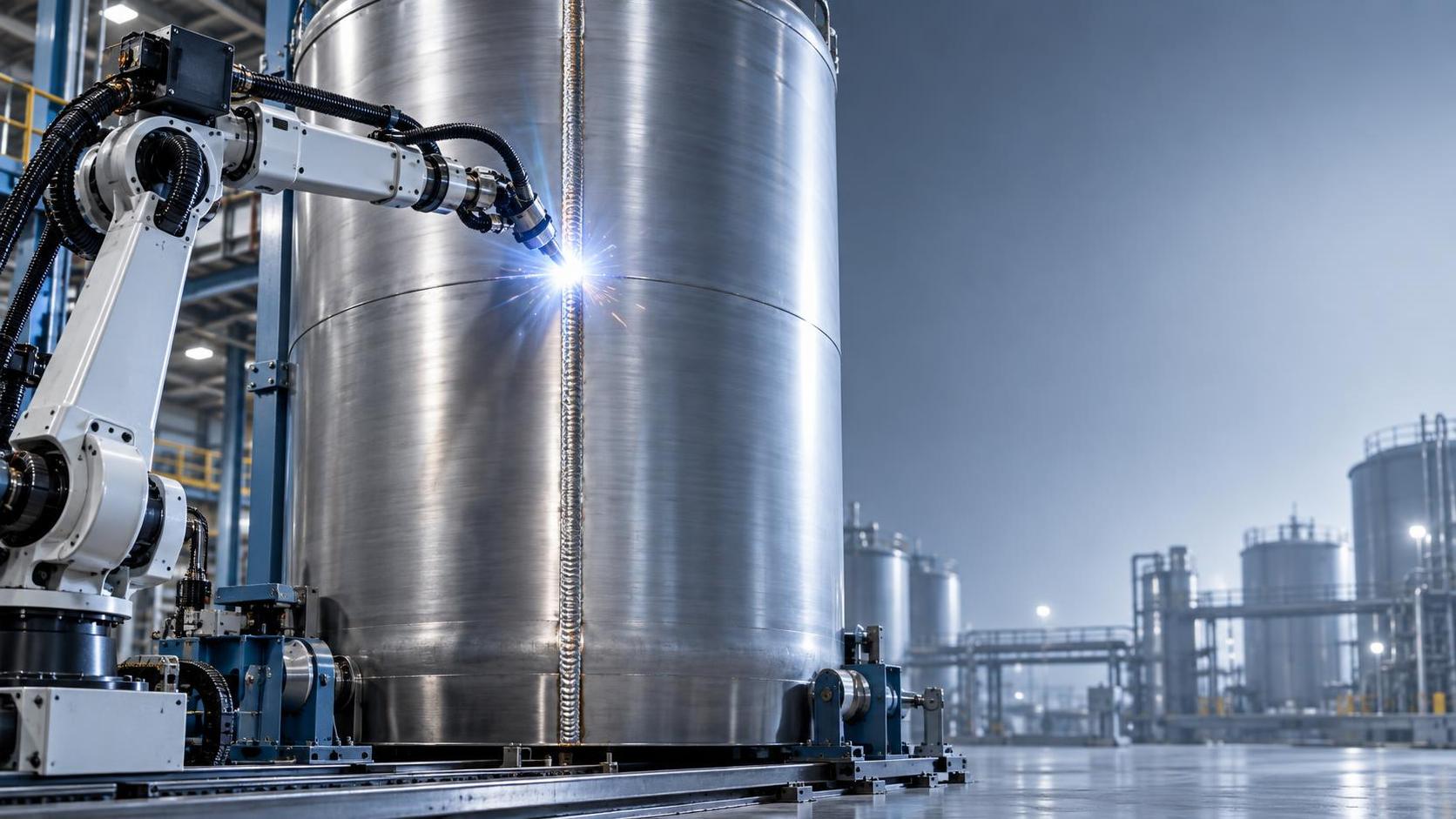
The most common configuration pairs a six-axis robot with a two-axis welding positioner and one linear axis. The positioner rotates and tilts a fabricated part, while the robot or the part travels along a rail to cover long seams. This arrangement can suit tanks, structural assemblies, frames, vessels, pipe spools, and fabricated sheet-metal components where weld access changes along the part.
A second category uses headstock-tailstock turning equipment with a robot on a track. This is often considered for cylindrical, elongated, or shaft-like workpieces that require stable rotation. The usable part size depends on loading conditions, center distance, fixture mass, rotation torque, and allowable eccentricity. Buyers should avoid selecting from nominal load alone because an off-center workpiece can create substantially different operating demands.
Heavy-duty cells may employ welding rotators, manipulators, column-and-boom equipment, or custom turning solutions in combination with robotic automation. Wuxi Samgins offers customized 7/9-axis welding robots alongside welding manipulators, welding rotators, welding positioners, long seam welding machines, and pipe welding equipment. This broader equipment scope can help buyers align the robotic cell with upstream fit-up, downstream handling, and the actual geometry of the fabrication line.
Selection Criteria For Industrial Buyers
Start selection with the part family rather than the robot specification. Document the largest and smallest components, mass, center of gravity, weld types, joint locations, material thickness, required deposition rate, tolerances, annual quantity, and expected model changes. A cell designed only around one ideal component can become inefficient when actual production includes smaller batches, revised drawings, inconsistent fit-up, or different fixture requirements.
Reach and payload must account for the complete tool package, including torch, wire, dress pack, sensors, and mounting hardware. External-axis capacity should include fixtures and dynamic loading rather than the bare workpiece weight. Buyers should request a reach study, interference review, cycle-time estimate, and definition of inaccessible weld zones. These documents expose practical limitations before capital expenditure and make supplier quotations easier to compare on a like-for-like basis.
Programming and changeover requirements are equally important. High-volume, stable products may justify dedicated fixtures and optimized automated sequences. Contract manufacturers or fabricators with frequent changeovers may need modular fixtures, simple operator loading, parameter libraries, and support for faster program adjustment. The appropriate 9 axis welding robot manufacturer should explain which activities remain manual, what skills operators need, and how new parts will be validated after installation.
Applications, Standards, And Market Access
Nine-axis welding automation is commonly evaluated by tank and vessel fabricators, pipeline and pipe-spool workshops, steel-structure producers, transport-equipment manufacturers, engineering contractors, and sheet-metal factories. It is particularly relevant where circumferential seams, longitudinal seams, angled joints, or multi-face assemblies require frequent repositioning. The best application is not necessarily the part with the most weld length; it is often the part where repeatability and accessible welding position can reduce process variation.
Standards must be reviewed against the project location, end-use industry, and contractual requirements. Wuxi Samgins states that its machines comply with the ISO9001 quality system and EU CE Machinery and LVD directives, and that its team is familiar with ASME, API, and other local industry codes. Buyers should confirm the exact scope of conformity, documentation, electrical requirements, welding procedure responsibilities, and any third-party inspection obligations for their own project.
Wuxi Samgins lists international customers including URALSTANKOIMPORT, MD Calbah Industries Pty Ltd, Ersay International Transport, Zein Steel Industries Co. LLC, BatysMunaiGazZhabdyktary LLP, Estructuras Metalicas Girders Chile Limitada, and Lincoln Electric-MENA. These references indicate international project exposure, but a buyer should still request application-relevant references, scope details, and permissible contact or project evidence during due diligence. Similar industries do not automatically mean identical operating conditions.
Manufacturing, Installation, And Quality Control
A dependable welding-cell project begins with engineering review. This normally covers customer drawings, weld symbols, handling method, takt time, operating space, safety concept, utility connections, fixture interfaces, and control architecture. The supplier then develops the mechanical arrangement, selects compatible robot and welding components, and defines the interfaces between motion equipment, power source, sensors, safety devices, and operator controls. Clear approval points reduce expensive changes later in the project.
Component selection affects serviceability as well as initial performance. Wuxi Samgins specifies that key hydraulic, servo, and CNC components use world-famous imported brands to support precision, stability, and service life. Procurement teams should ask for the approved component list, country-specific electrical compatibility, spare-parts recommendations, and local availability. They should also clarify responsibility for consumables, torch maintenance, calibration, controller backup, and software access after handover.
Installation should include foundation and anchoring checks, level verification, electrical and gas commissioning, robot mastering where applicable, safety validation, dry-run testing, sample welding, and operator training. Acceptance should be based on agreed part samples and measurable criteria such as accessible weld coverage, repeatability, cycle time, safety function, and documentation delivery. For production quality, establish routine checks for fixture wear, torch condition, wire feed, gas flow, grounding, consumables, and weld appearance or inspection results.
Total Cost Of Ownership And Return On Investment
The purchase price is only one element of total cost of ownership. Buyers should include robot and external axes, welding source, fixtures, guarding, safety systems, integration engineering, installation, training, freight, commissioning, spare parts, consumables, utilities, maintenance, and future program changes. Facility modifications may include foundations, lifting access, ventilation, compressed air, power capacity, and material-flow equipment. A complete budget makes comparison between a basic cell and a production-ready solution more meaningful.
Return on investment is driven by productive arc time, labor availability, deposition efficiency, rework reduction, throughput, quality consistency, and the ability to run repeatable work across shifts. It should not be calculated by simply replacing one welder with one robot. Include loading, unloading, fit-up, inspection, fixture preparation, program changeover, planned maintenance, and realistic uptime. A pilot weld or cycle study using representative parts gives a more credible basis for the investment model.
Lifecycle planning should define preventive maintenance intervals and response expectations before purchase. Regular inspection of positioner bearings, drive systems, torch consumables, cable packages, safety devices, and fixture clamping helps preserve accuracy and availability. Wuxi Samgins offers long-term warranties and technical support across design, manufacturing, sales, after-sales, and technical service. Buyers should convert this broad commitment into a written service scope covering remote support, commissioning support, spare-parts lead times, and escalation procedures.
Future Trends In Robotic Welding Automation
The market is moving toward more flexible cells that handle a wider mix of fabricated parts without sacrificing production discipline. Modular positioners, reconfigurable fixtures, better offline simulation, and standardized interfaces can shorten the preparation needed for new work. These capabilities matter for manufacturers facing smaller batches and frequent product updates. However, flexibility has a cost, so the design should be matched to the actual frequency and complexity of changeovers.
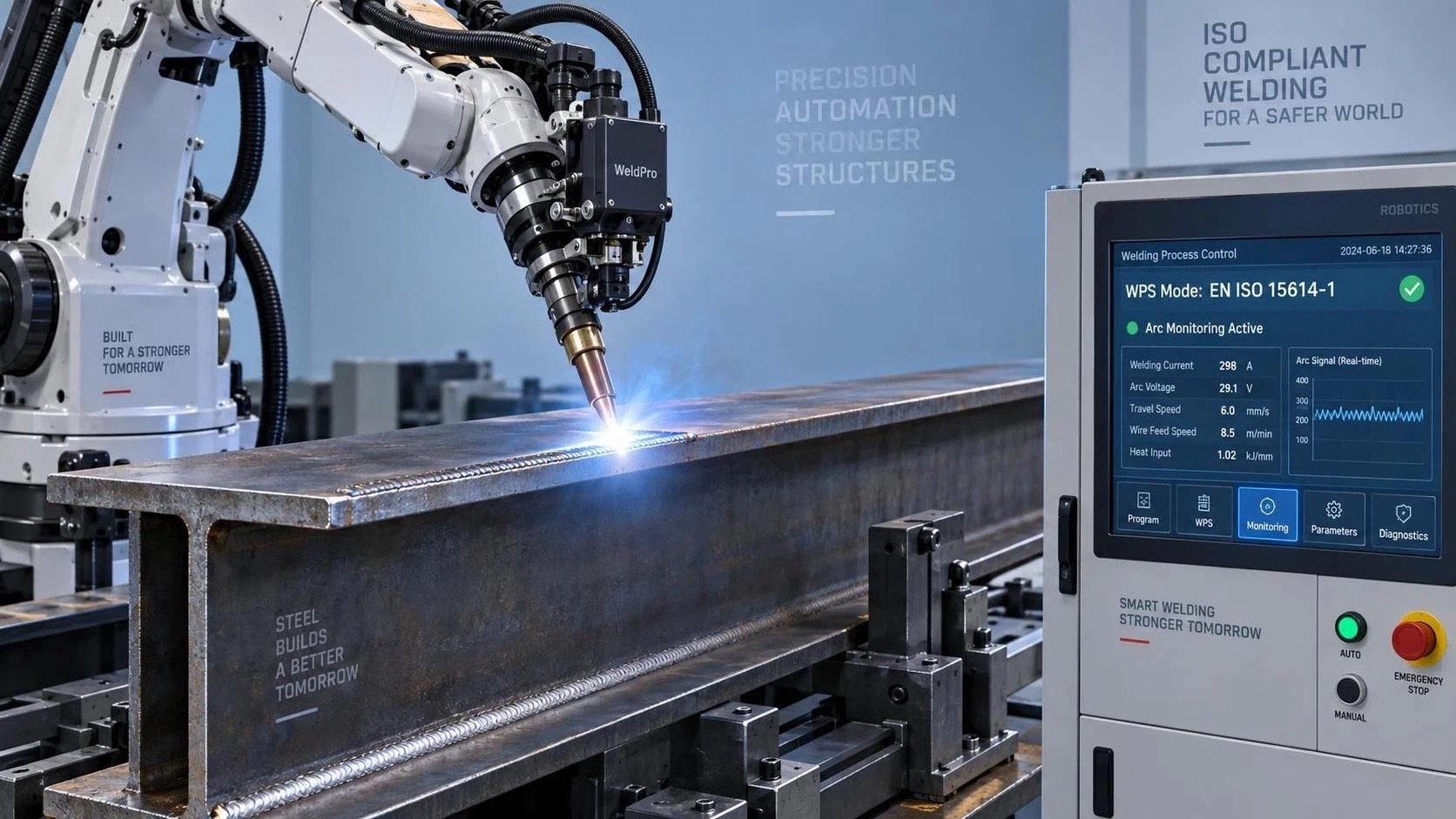
Adaptive technologies such as seam finding, joint tracking, process monitoring, and data collection are becoming more relevant where fit-up varies or traceability requirements are increasing. Their practical value depends on the quality of incoming parts, welding procedure stability, and the plant's ability to act on collected data. A 9 axis welding robot manufacturer should distinguish between functions needed for the production problem and options that add complexity without delivering measurable operational benefit.
For a sound procurement decision, issue a technical request that includes sample drawings, materials, weld requirements, target output, facility constraints, required standards, preferred automation level, and after-sales expectations. Ask suppliers to respond with a layout, axis configuration, fixture assumptions, process scope, exclusions, acceptance plan, delivery milestones, and lifecycle support proposal. This disciplined comparison helps industrial buyers select an automation system that can be commissioned, maintained, and expanded with confidence.
search
Recommended Products
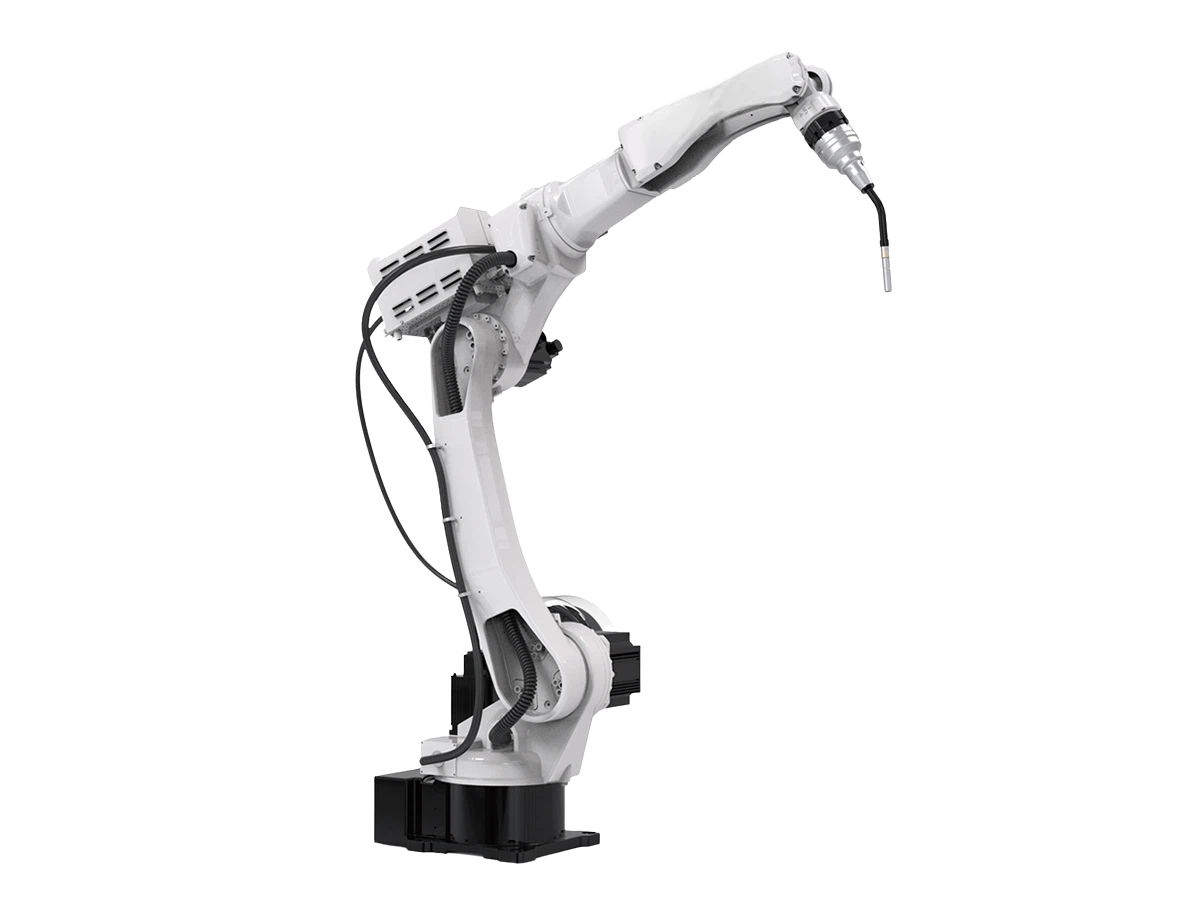
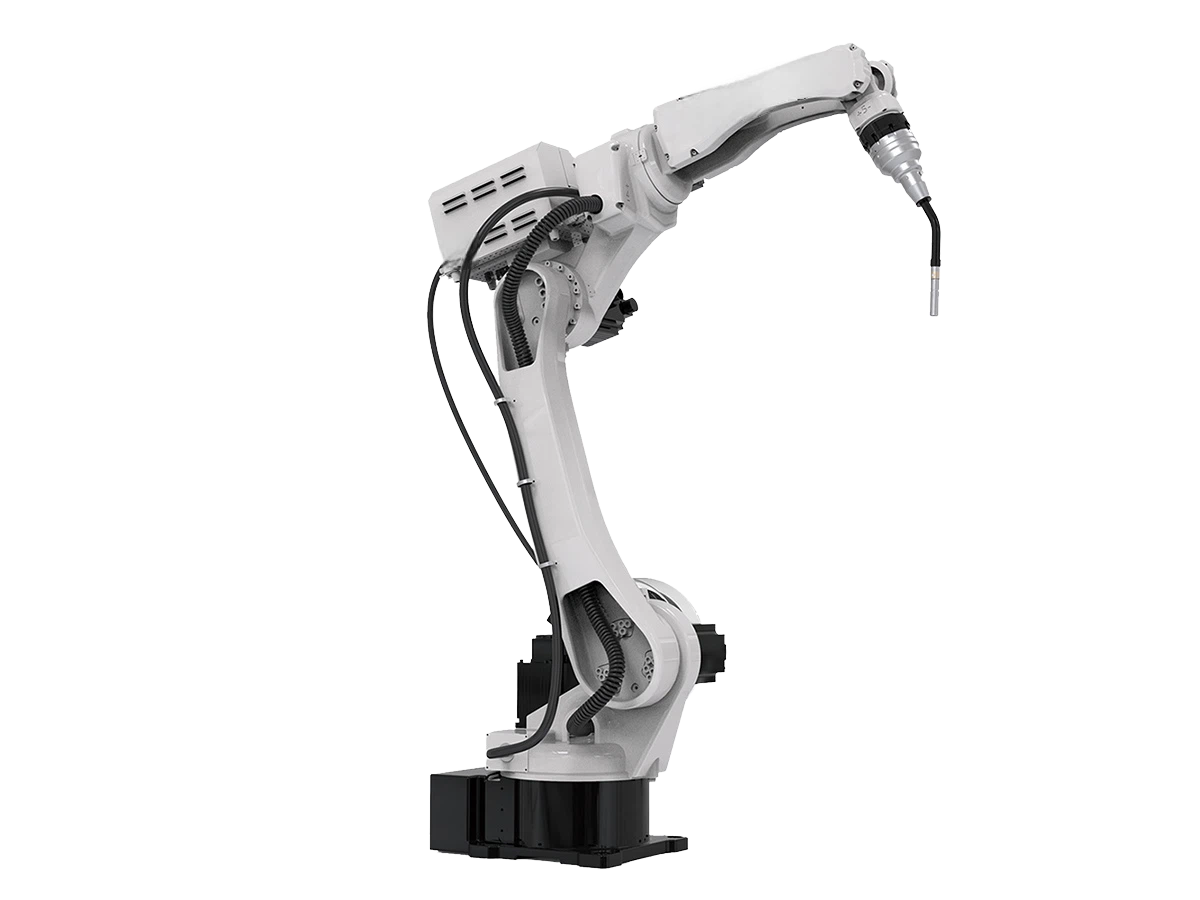
 6 Axis 2000mm ArmSpan MlG Industrial Welding RobotThis welding robot is designed for reliable arc welding in harsh production environments, featuring a long reach, stable repeatability, and flexible installation.
![星星1]()
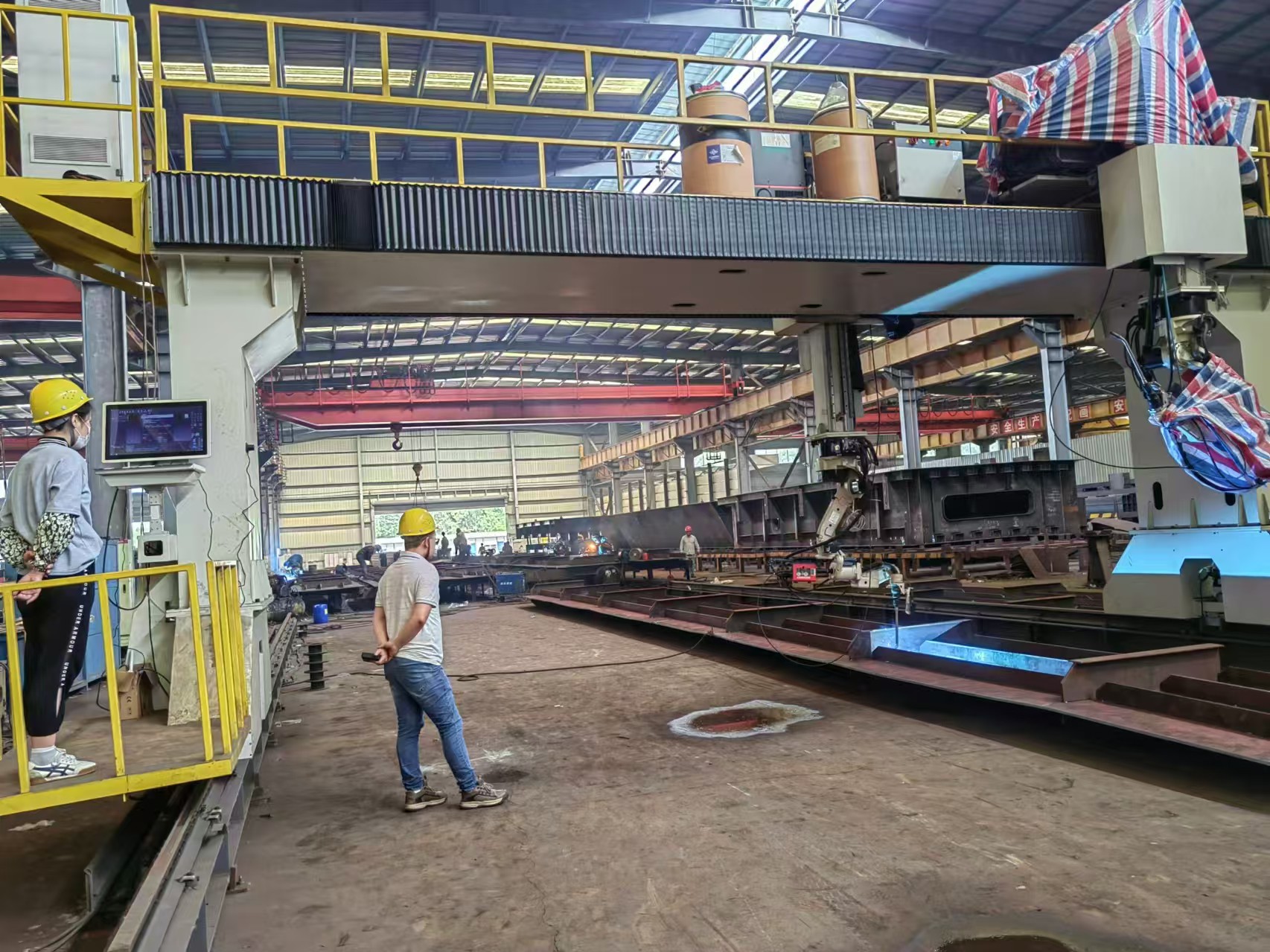
 9 axis cantilever type welding robot9 axis cantilever type welding robot for large steel workpieces with auto tracking, 3D import, and efficient CNC welding automation.
![星星1]()
- Cantilever type welding robot BR-2010A Pro/DG12Explore the BR-2010A Pro/DG12 cantilever welding robot for long workpieces, automated arc tracking, and efficient CNC welding.
![星星1]()
- 6 Axis 1800mm ArmSpan MlG Industrial Welding RobotThe welding robot with 1945mm reach, 6kg payload and ±0.08mm repeatability for consistent automated welding.
![星星1]()
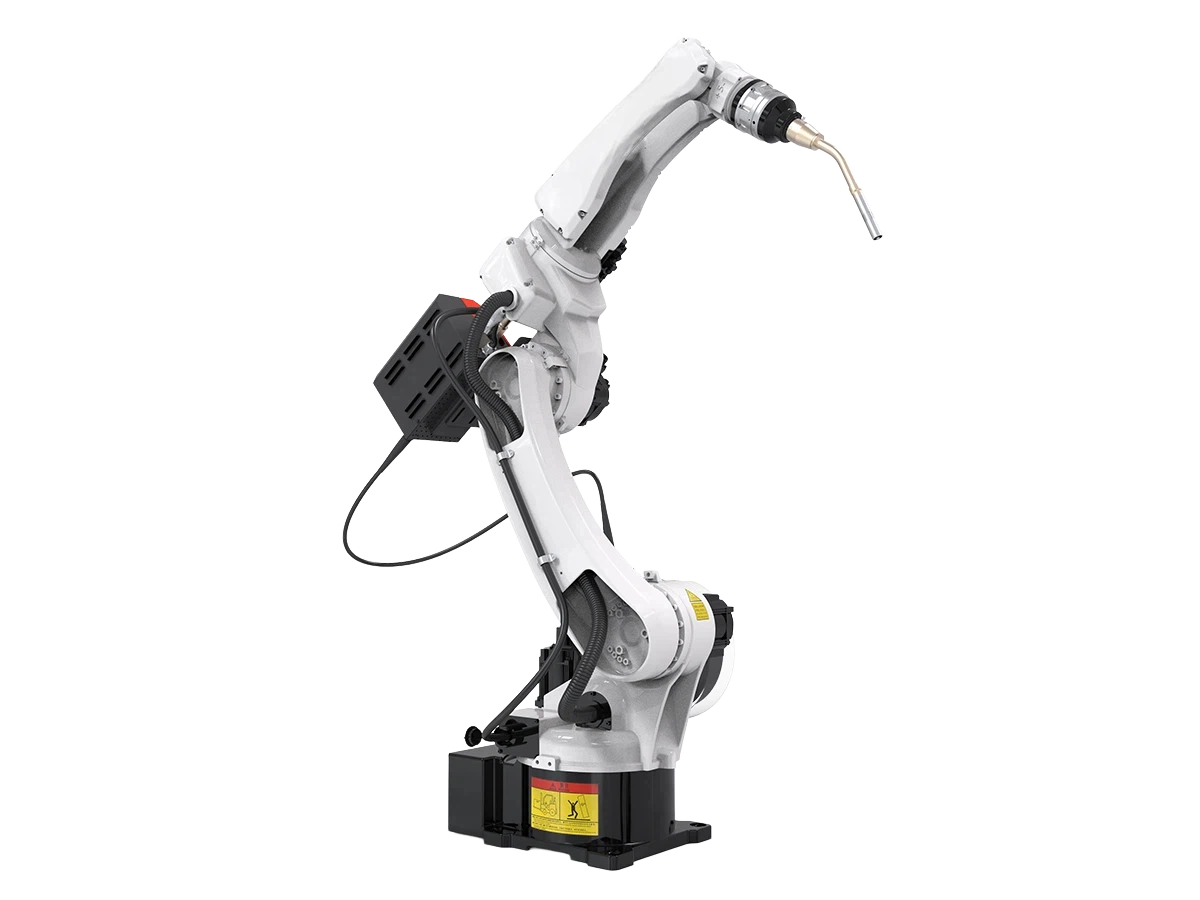
- 6 Axis 1500mm ArmSpan Industrial Welding RobotWith a maximum reach of 1594 mm, the robot is well suited to medium-scale welding cells where coverage matters.
![星星1]()
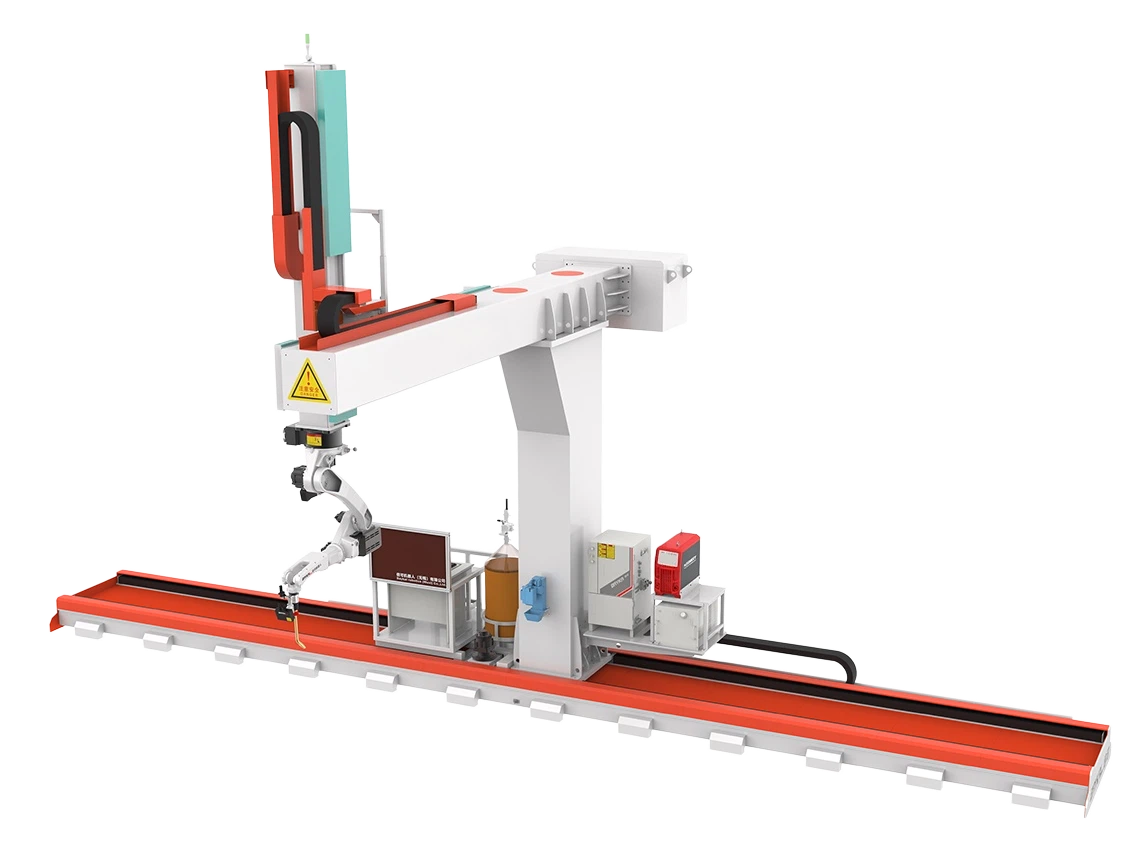
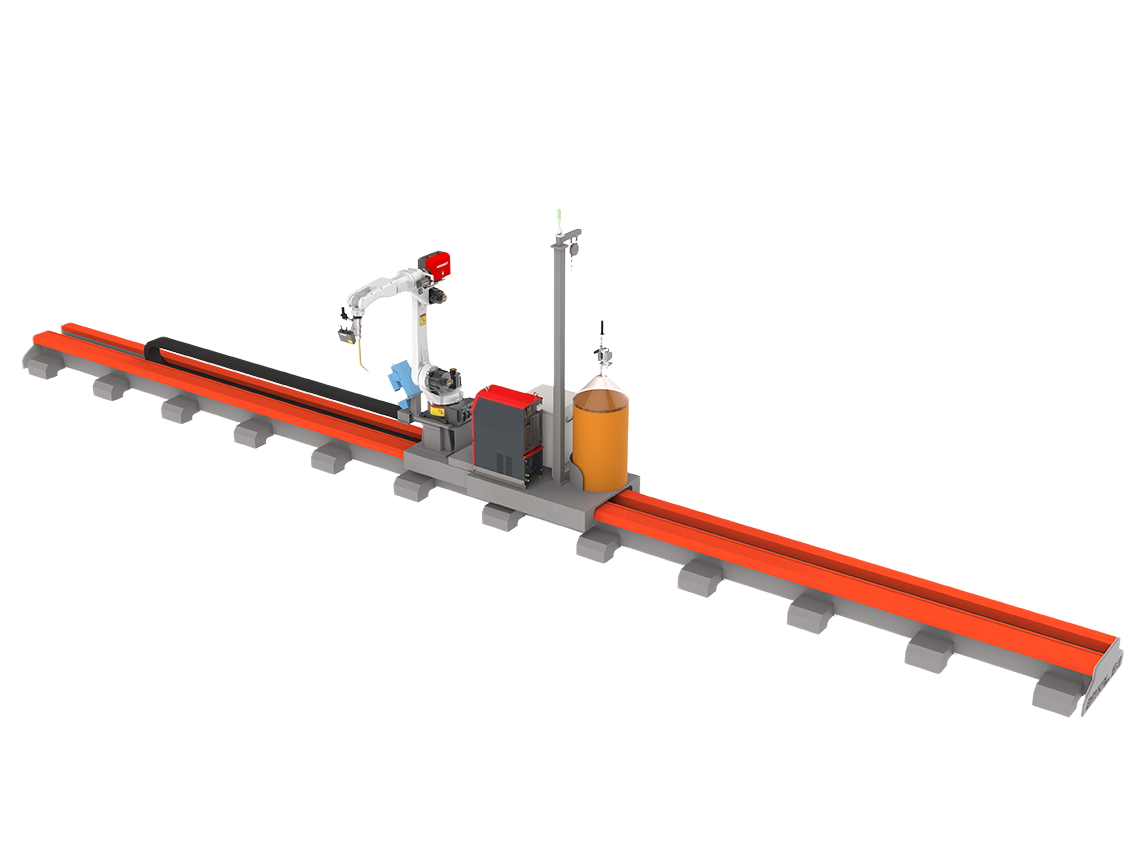
- 9 axis gantry type welding robotThis equipment mainly using robot special rail (1 set), slide (1 set), 6 axis welding robot and its control system (1 set), welding power supply (1 set), clear gun station (1 set), welding torch (1 set), etc.
The ground rail support is 12 meters long and one ground rail is welded. For the workpiece of more than 12 meters and less than 25 meters, two robots are used to conduct regional welding, which can greatly improve the welding efficiency.![星星1]()

Recommended blogs
 When does investing in a 9 axis welding robot justify ROI for custom structural steel fabricators?
- Are 9 axis welding robots compatible with legacy offline programming software used in bridge fabrication?
- How CE certified welding robot compliance affects pressure vessel fabrication approval timelines
- What total cost of ownership differences emerge between welding robot for tank fabrication and manual GTAW over 5 years?
- When does welding robot for long seam welding require laser seam tracking versus vision-based guidance?
- Do welding robot for steel structures meet ISO 3834-2 requirements out of the box or only after process qualification?
Send Us A Message
Send us a Message
A dedicated person will follow up on your needs one-on-one and provide personalized customized solutions according
to your needs.
Get In Touch
We look forward to hearing from you for in-depth communication on how to fulfill your mixing requirements.