




Radial Drill Machine: The 2026 Complete Guide for Manufacturing & Metalworking Professionals
What Is A Radial Drill Machine?
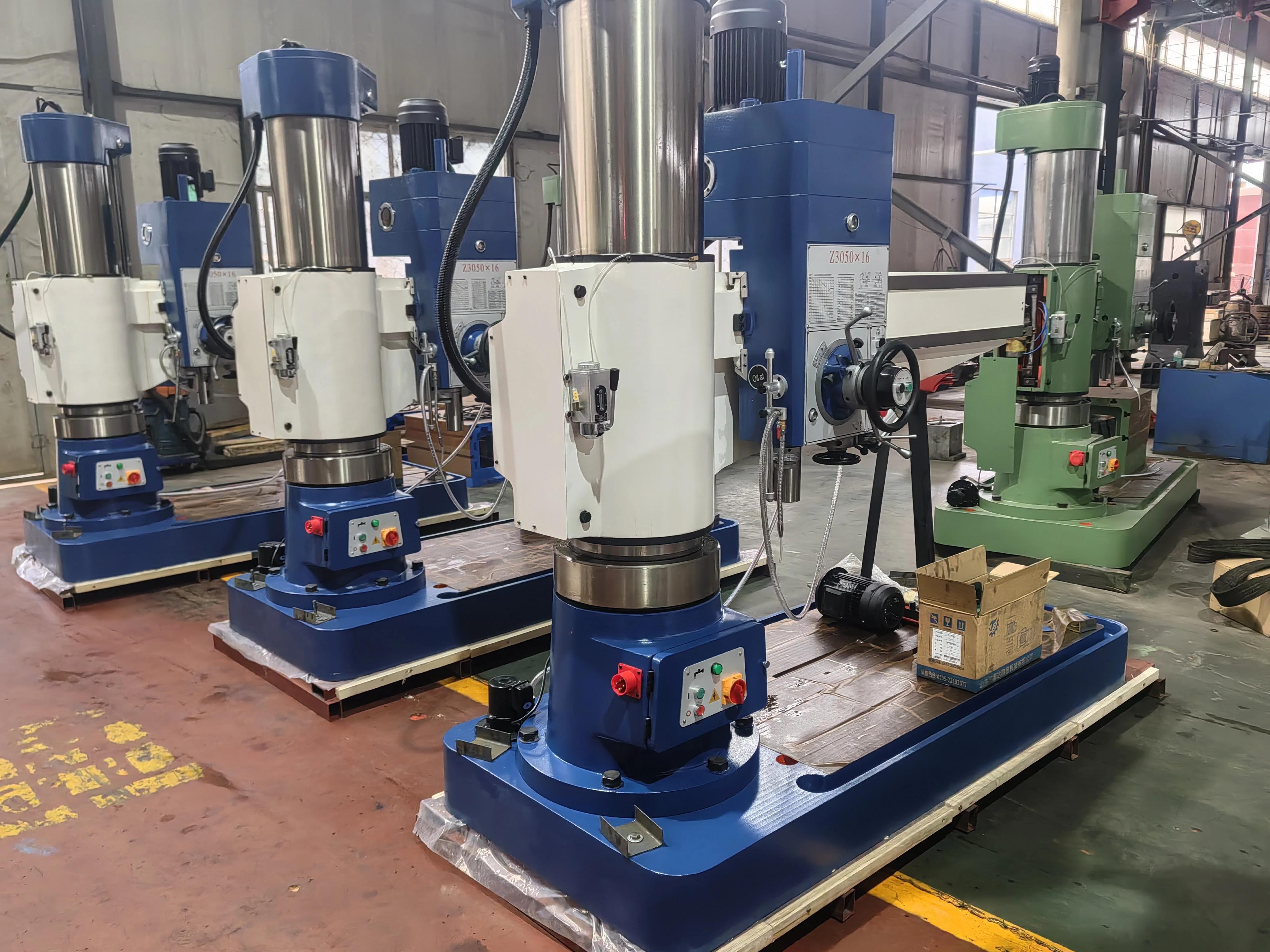
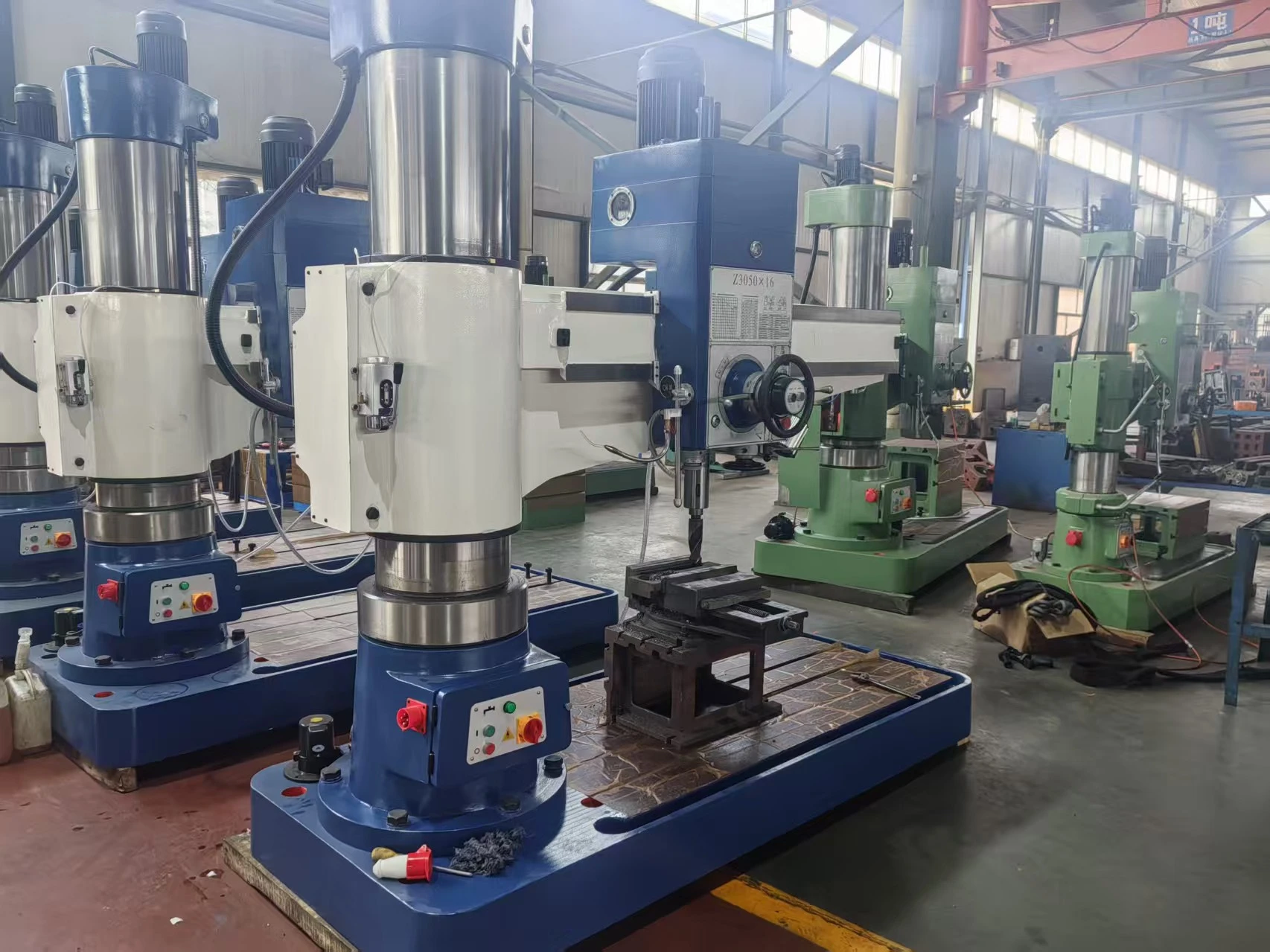
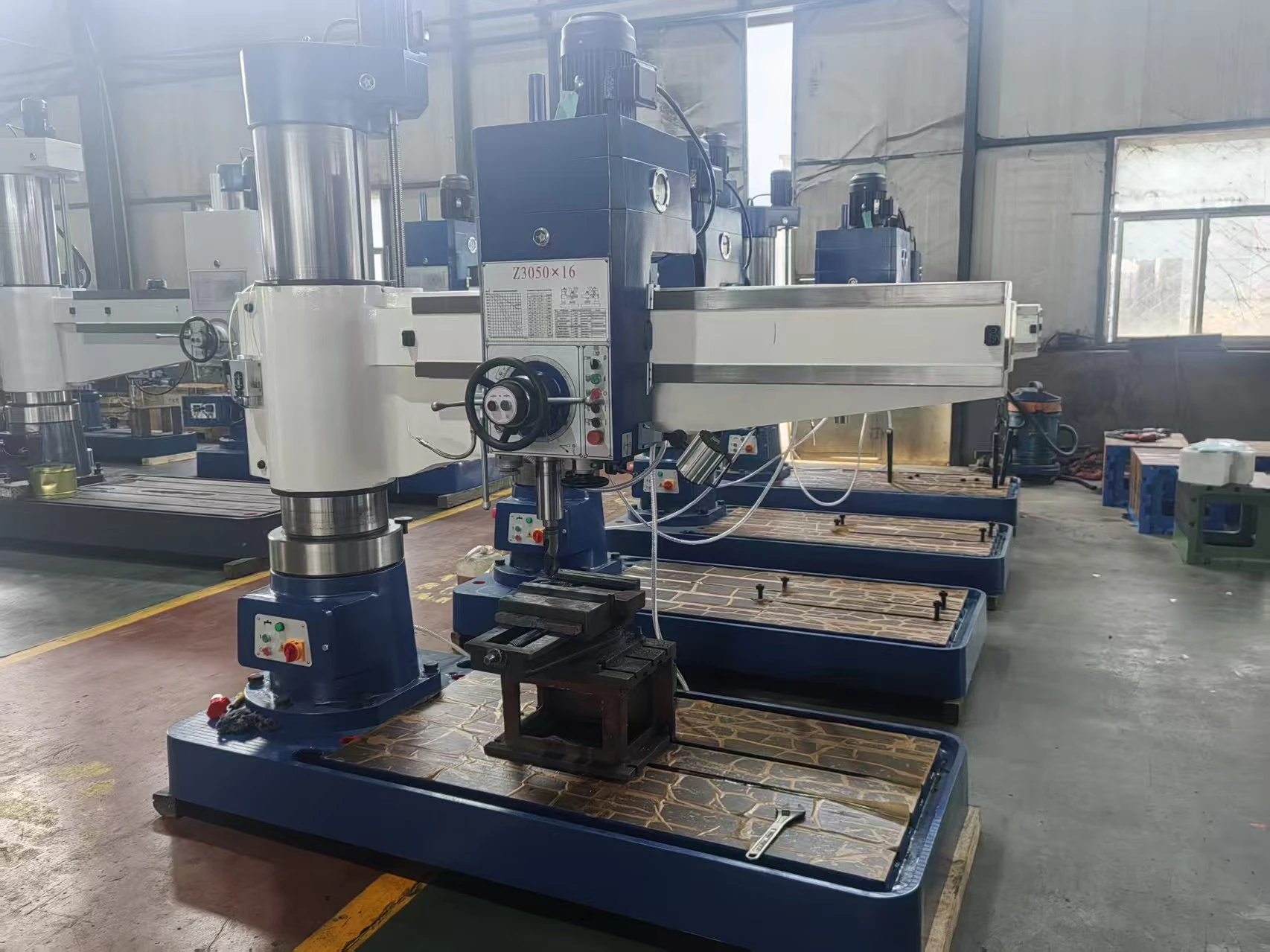
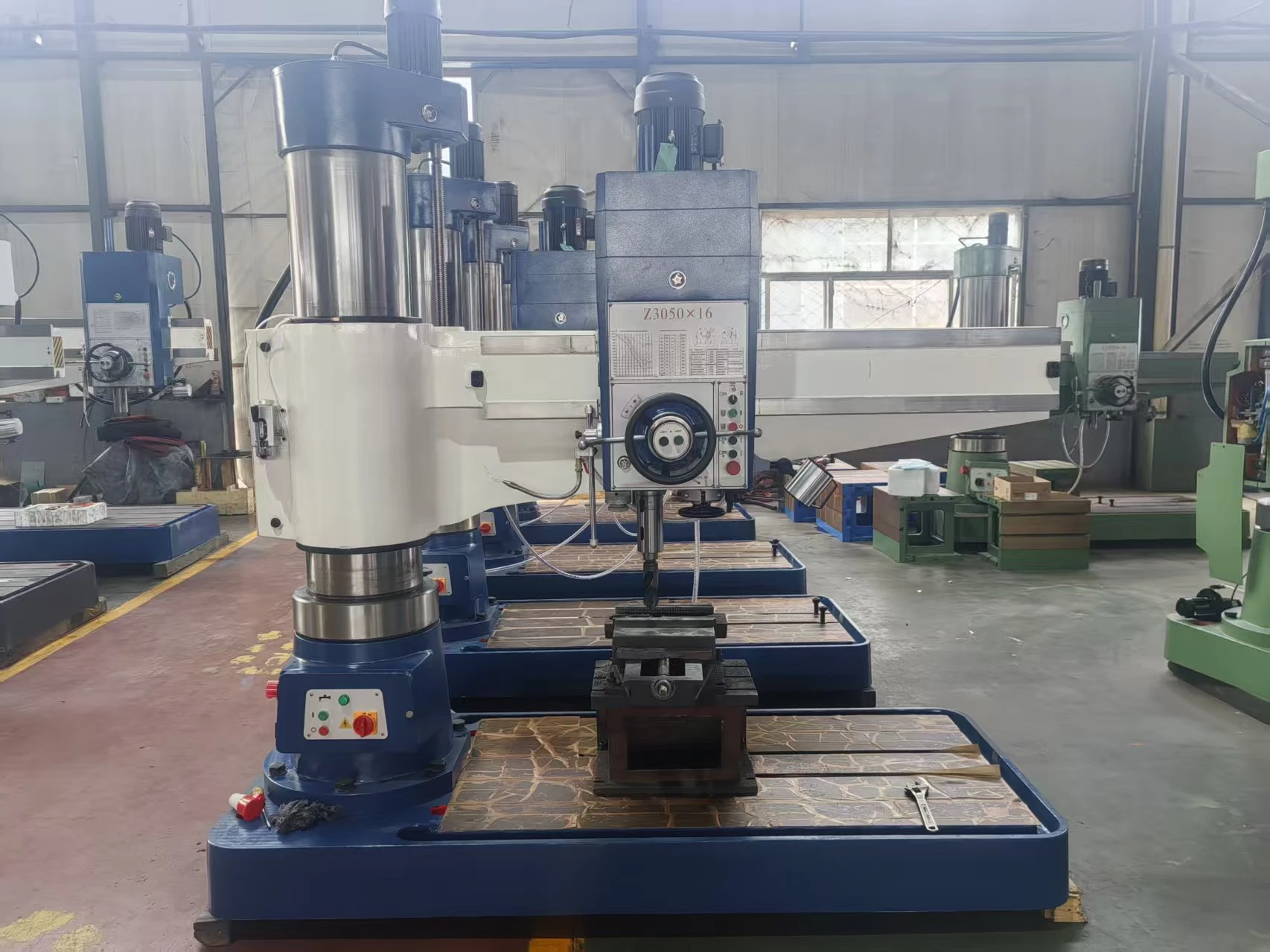
A radial drill machine is a stationary industrial drilling system characterized by a vertically mounted column, a horizontally adjustable radial arm, and a movable drill head that travels along the arm’s length. Unlike fixed-column or bench drills, it provides exceptional reach—often up to 3 meters—and full 360° rotation of the arm around the column, enabling access to complex geometries on large structural components.
The core mechanical advantage lies in its ability to position the spindle precisely over any point within its working envelope without moving the workpiece—a critical efficiency factor when machining H-beams, steel plates, flanges, or welded assemblies. Modern radial drill machines integrate CNC controls, servo-driven feed systems, and hydraulic clamping to ensure repeatability within ±0.05 mm and torque consistency across deep-hole drilling operations.
Standard configurations include manual, semi-automatic, and fully CNC models. Key performance metrics include maximum drilling diameter (commonly 50–100 mm), spindle travel (600–1200 mm), arm length (1.5–4 m), and column height (2.5–5 m). All Wuxi Samgins radial drill machines comply with ISO 9001 and EU CE Machinery & LVD directives—ensuring baseline safety, dimensional accuracy, and functional reliability for global deployment.
Why Choose A Radial Drill Machine Over Alternatives?
Radial drill machines eliminate workflow bottlenecks inherent in conventional drilling setups. Where vertical drill presses require frequent part repositioning—and CNC machining centers demand costly fixturing and programming—radial drill machines deliver rapid, repeatable hole placement on irregular, oversized, or asymmetric workpieces. This directly reduces cycle time by 30–50% in structural steel fabrication lines.
Wuxi Samgins’ radial drill machines are engineered specifically for integration into end-to-end production ecosystems—including H-beam welding lines, pipe processing cells, and plate preparation stations. Their modular design supports seamless synchronization with edge milling machines, face milling units, and CNC flame/plasma cutting systems—enabling one-stop material flow from raw plate to finished assembly. This interoperability minimizes inter-process handling, reduces floor space requirements, and lowers total labor input per drilled component.
Unlike generic OEMs, Wuxi Samgins embeds industry-specific intelligence: pre-configured drilling cycles for common structural profiles (e.g., IPE, HEA, HEB), integrated coolant management for extended tool life during stainless or high-strength steel drilling, and reinforced column-arm joints rated for continuous duty at 85% load capacity. These features translate into measurable uptime gains and lower mean-time-to-repair (MTTR) versus off-the-shelf alternatives.
Who Uses Radial Drill Machines?
Primary users include structural steel fabricators, heavy equipment manufacturers, shipyard workshops, pressure vessel producers, and infrastructure contractors engaged in bridge, tower, and offshore platform construction. These professionals routinely handle workpieces exceeding 6 m in length and 200 mm in thickness—making traditional drilling methods impractical due to weight, rigidity, and positional constraints.
Engineering procurement teams at firms like Zein Steel Industries Co. LLC (UAE), Estructuras Metalicas Girders Chile Limitada, and BatysMunaiGazZhabdyktary LLP (Kazakhstan) specify radial drill machines as non-negotiable assets for ASME Section VIII and API 650-compliant fabrication. Likewise, regional engineering works in Africa and Southeast Asia rely on them to meet local tender requirements for municipal water tanks and power transmission towers—where precision hole alignment directly impacts field assembly speed and structural integrity.
Maintenance supervisors and shop floor planners also depend on radial drill machines for retrofitting, repair, and modification tasks—such as adding mounting holes to existing crane booms or reinforcing brackets on aging mining conveyors. Their portability-free operation ensures minimal disruption to adjacent production zones, supporting lean maintenance protocols without line stoppages.
Where And When Are Radial Drill Machines Deployed?
Radial drill machines operate globally across diverse regulatory environments—from EU-certified facilities adhering to EN ISO 12100 to Middle Eastern yards implementing Saudi Aramco SAES-A-114 standards. At PT. Cahaya Mas Cemerlang (Indonesia), a Wuxi Samgins radial drill machine was installed in Q3 2024 to replace three aging pillar drills, cutting average hole-cycle time on 40-mm-thick crane base plates from 12.4 minutes to 4.7 minutes—while maintaining positional tolerance under ±0.1 mm across 120+ daily operations.
In Chile, Estructuras Metalicas Girders deployed the same machine model for post-welding drilling of H-beam web and flange connections—aligning perfectly with their in-house robotic welding cell. The unit’s 360° arm rotation enabled single-setup drilling of both top and bottom flange holes on 12-m-long beams, eliminating secondary handling and reducing scrap caused by misaligned jigging by 92%.
Timing matters: radial drill machines are most impactful during greenfield facility builds, brownfield automation upgrades, and capacity expansion phases. With lead times averaging 10–14 weeks for custom-configured units, early engagement with Wuxi Samgins’ technical sales team—backed by 10+ years of international export experience—ensures alignment with project milestones, shipping schedules, and local certification handover timelines (e.g., GCC Conformity Mark, SONCAP, or BIS).
How Are Wuxi Samgins Radial Drill Machines Built And Controlled?
Wuxi Samgins radial drill machines follow a vertically integrated manufacturing process: cast iron columns and arms undergo stress-relieving annealing before precision machining on imported CNC boring mills; spindle housings are hardened and ground to ISO H6 tolerances; and gearboxes use NSK or THK bearings for backlash control below 0.015 mm.
Critical subsystems leverage globally recognized components: Yaskawa or Mitsubishi servo motors for arm elevation and spindle feed; Bosch Rexroth or Parker hydraulic systems for clamping and counterbalance; and Siemens or Fanuc CNC controllers with proprietary HMI interfaces optimized for metal fabrication workflows. Every unit undergoes 72-hour continuous-load testing—including thermal stability checks at 45°C ambient—to validate performance across real-world workshop conditions.
Installation follows a standardized 5-phase protocol: foundation verification (concrete grade ≥C30, levelness ≤0.05 mm/m), column verticality calibration (<0.03 mm/m), arm alignment verification, spindle runout validation (<0.02 mm), and integrated dry-run simulation with customer-provided part programs. Remote commissioning support and bilingual (English/Spanish/Arabic) operator training are included—ensuring zero-knowledge-transfer gaps for global clients.
How Much Does A Radial Drill Machine Cost To Own And Operate?
Total cost of ownership (TCO) for a radial drill machine spans five key dimensions: acquisition price (35–45%), installation & commissioning (8–12%), energy consumption (5–7%), consumables & tooling (10–15%), and preventive maintenance + downtime (15–25%). While entry-level manual models start at USD 28,000, Wuxi Samgins’ mid-range CNC radial drill machines—with 2.5-m arm, 80-mm max drilling capacity, and integrated coolant system—typically range from USD 68,000 to USD 95,000 FOB Wuxi.
ROI accelerates significantly in high-mix, medium-volume shops: a client in South Africa reported breakeven within 11 months after deploying a Wuxi Samgins unit to drill anchor plates for wind turbine foundations—citing 42% reduction in subcontracted drilling costs and elimination of third-party quality disputes. Predictive maintenance packages (offered as optional add-ons) extend service intervals by 40%, while integrated tool life monitoring reduces unplanned tool breakage by up to 65%.
Importantly, Wuxi Samgins mitigates hidden TCO risks: all machines ship with full documentation (including CE Declaration of Conformity, wiring diagrams, and spare parts lists), offer 24-month comprehensive warranties covering hydraulics, CNC, and mechanical wear parts, and provide lifetime technical support via encrypted remote diagnostics—reducing long-term dependency on local service agents and avoiding costly import duties on emergency spares.
What’s Next? Trends Shaping Radial Drill Machine Evolution In 2026
Three converging trends define the near-future trajectory of radial drill machines: intelligent adaptability, hybrid functionality, and sustainability integration. First, AI-assisted drilling—leveraging real-time acoustic emission sensors and force feedback loops—is entering pilot deployments to auto-adjust feed rate and RPM based on material hardness variations within a single workpiece (e.g., heat-affected zones on welded joints).
Second, hybridization is accelerating: Wuxi Samgins now offers radial drill machines with optional integrated tapping, countersinking, and spot-facing modules—transforming them into multi-process stations. Early adopters like Lincoln Electric-MENA report 27% higher floor utilization by consolidating four discrete operations into one footprint.
Third, energy efficiency is no longer optional: new-generation units feature regenerative braking on arm elevation axes and variable-frequency drives on coolant pumps—cutting electrical consumption by 22% versus 2022 benchmarks. As carbon reporting becomes mandatory in EU, UK, and Canadian public tenders, this capability directly supports Scope 1 & 2 emissions compliance—adding tangible value beyond core drilling performance.
search
Recommended Products
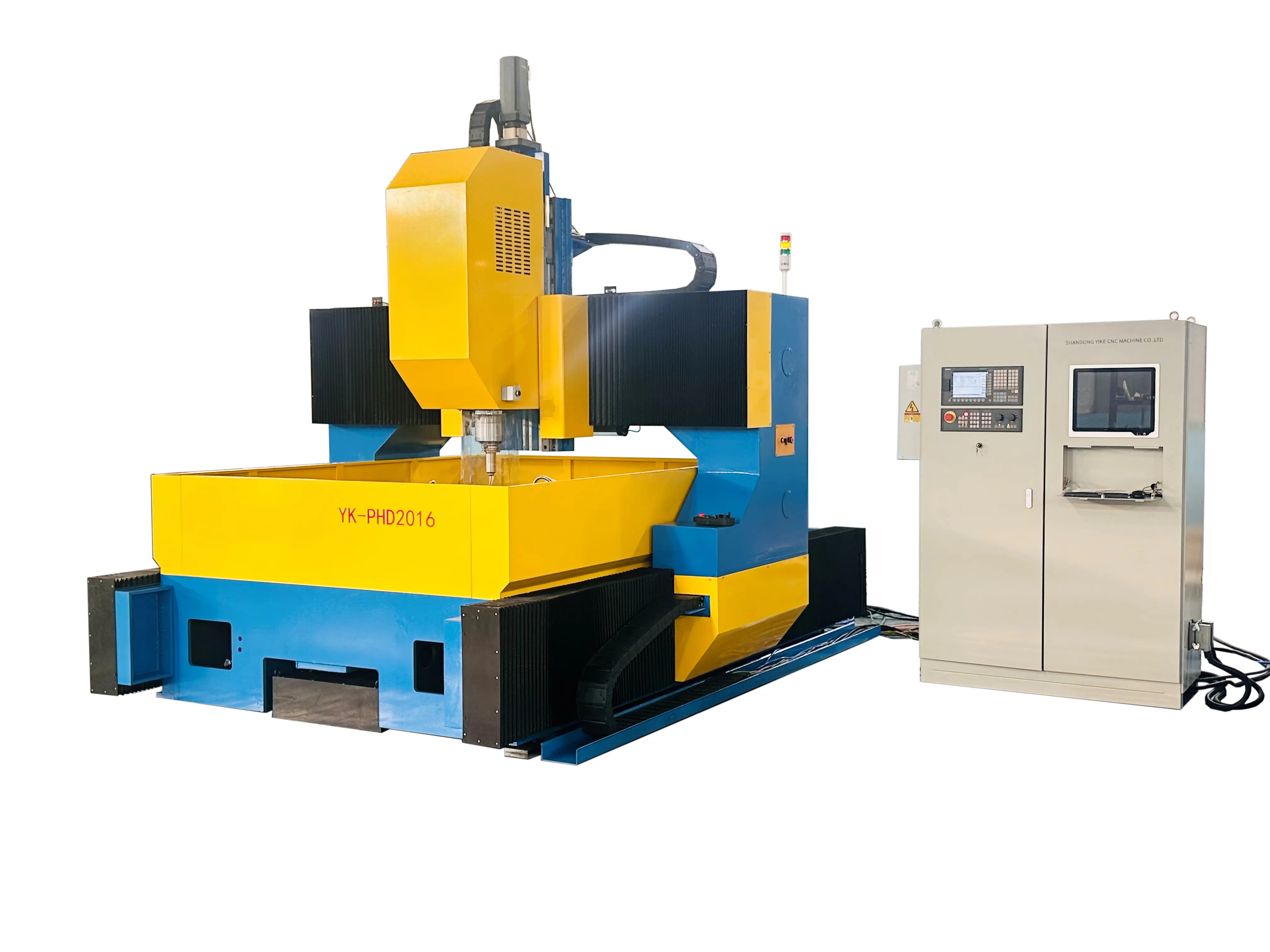
 High Speed CNC Drilling Milling Machine for Steel PlatesModels: YK-PHD1010 / YK-PHD1616 / YK-PHD2016 / YK-PHD3016 / YK-PHD4016
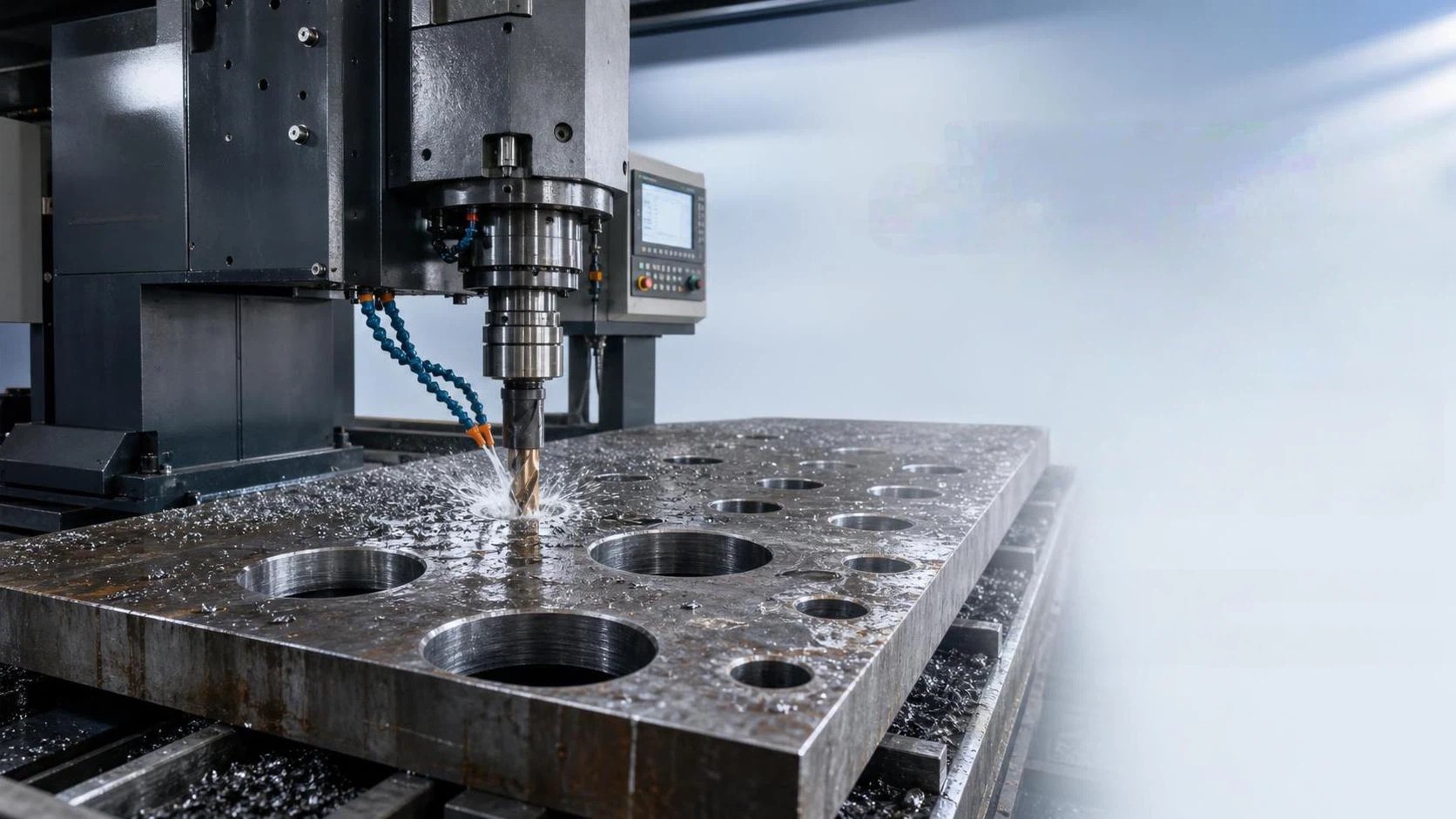
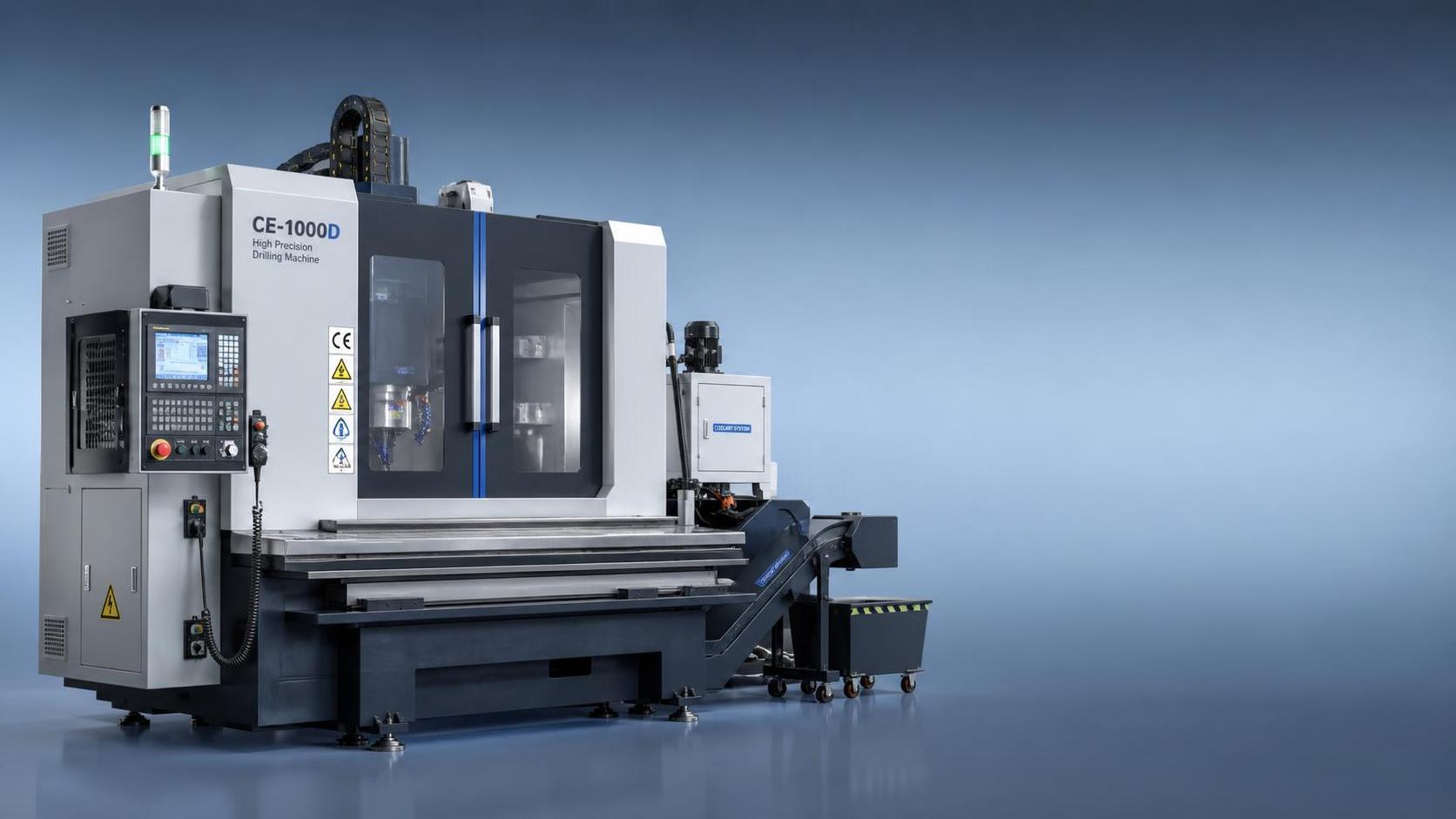
This series is a gantry-mobile CNC high-speed drilling and milling machine, engineered for drilling, tapping, and milling operations on steel plates, flanges, heat exchangers, tube sheets, and slewing bearings. It supports carbide drills with internal cooling for high-speed drilling applications. Equipped with either KND or Siemens CNC systems featuring bus control, the machine offers user-friendly operation and delivers high-precision, automated production ideal for multi-variety, small-to-medium batch manufacturing.![星星1]()
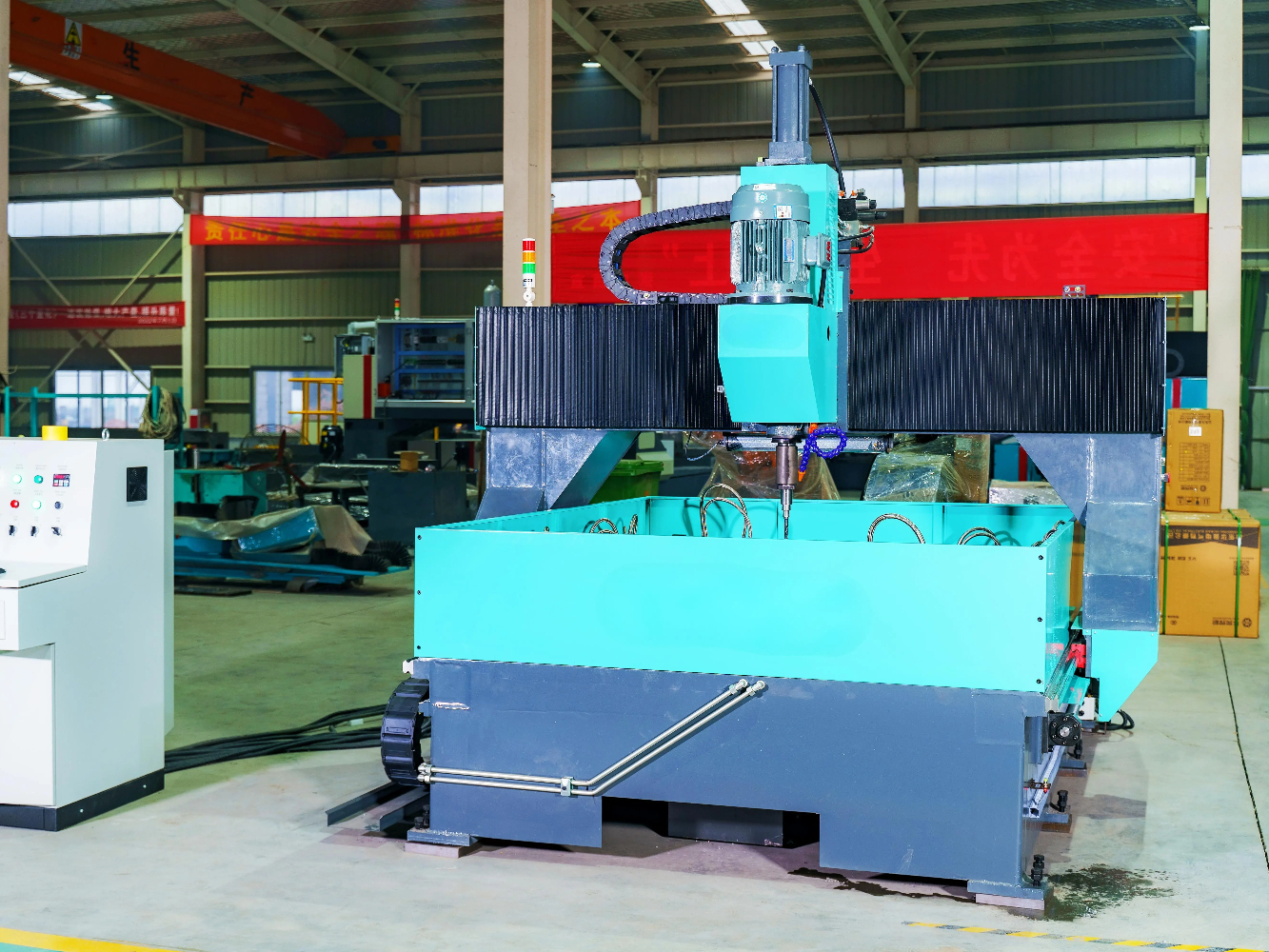
- CNC Drilling Machine for Steel Plates | Normal SpeedModels: YK-PD2012 / YK-PD2016 / YK-PD3016 / YK-PD4016 / YK-PD2020-2
This series represents a specialized CNC drilling solution engineered specifically for plate and flange processing. It is widely utilized across diverse heavy industries, including steel structure fabrication, tower manufacturing, bridge construction, and related structural applications.![星星1]()
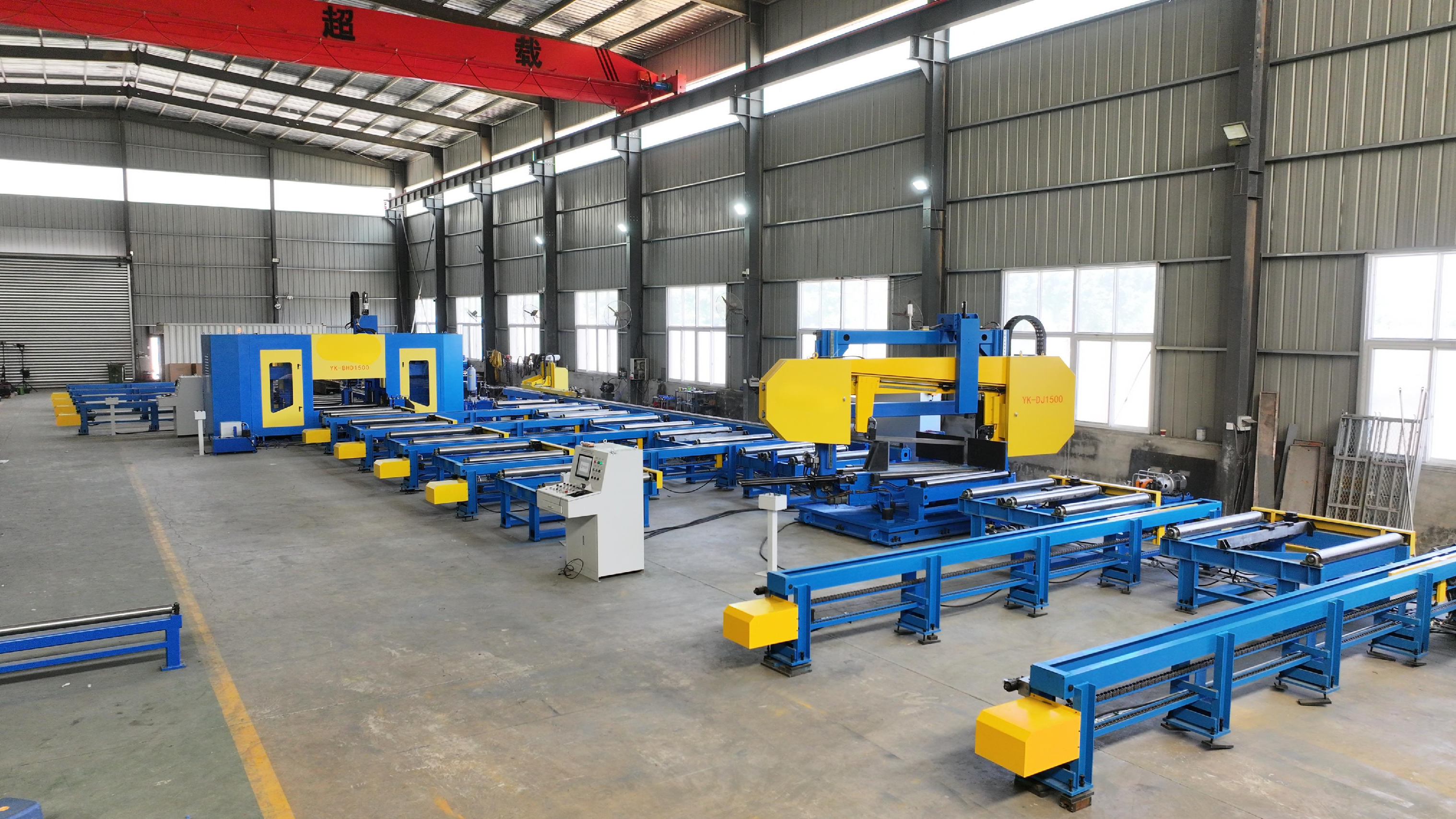
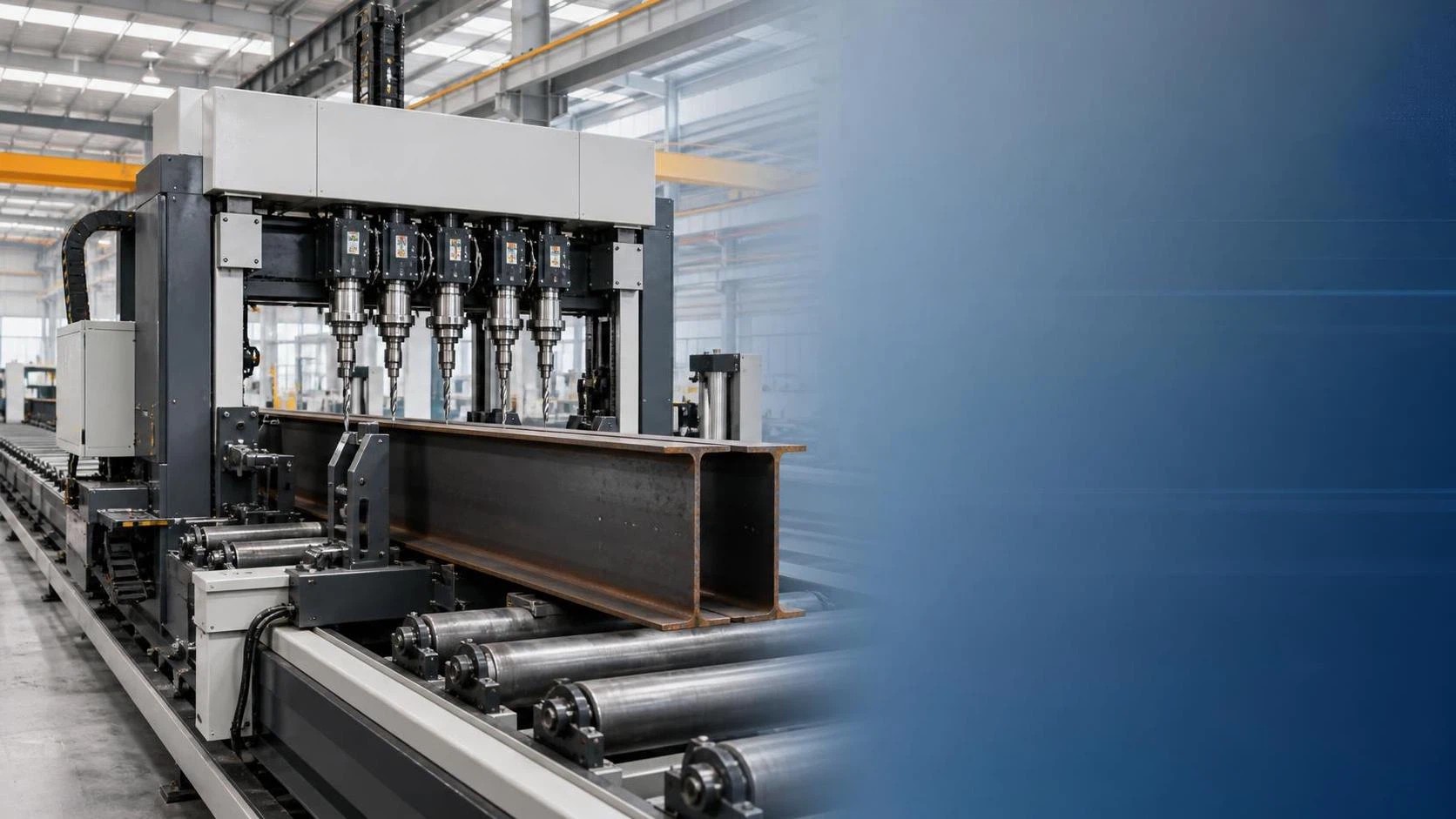
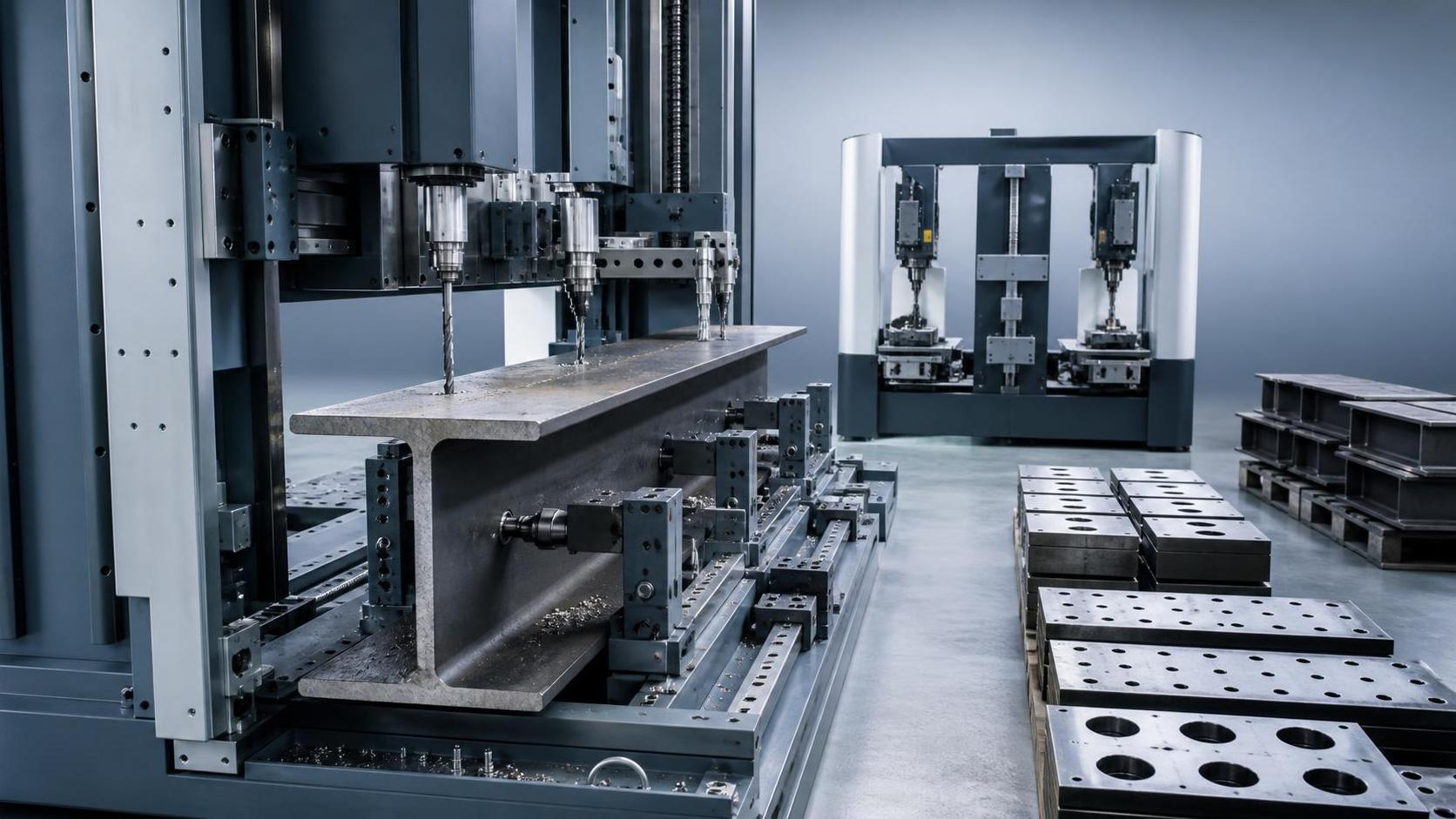
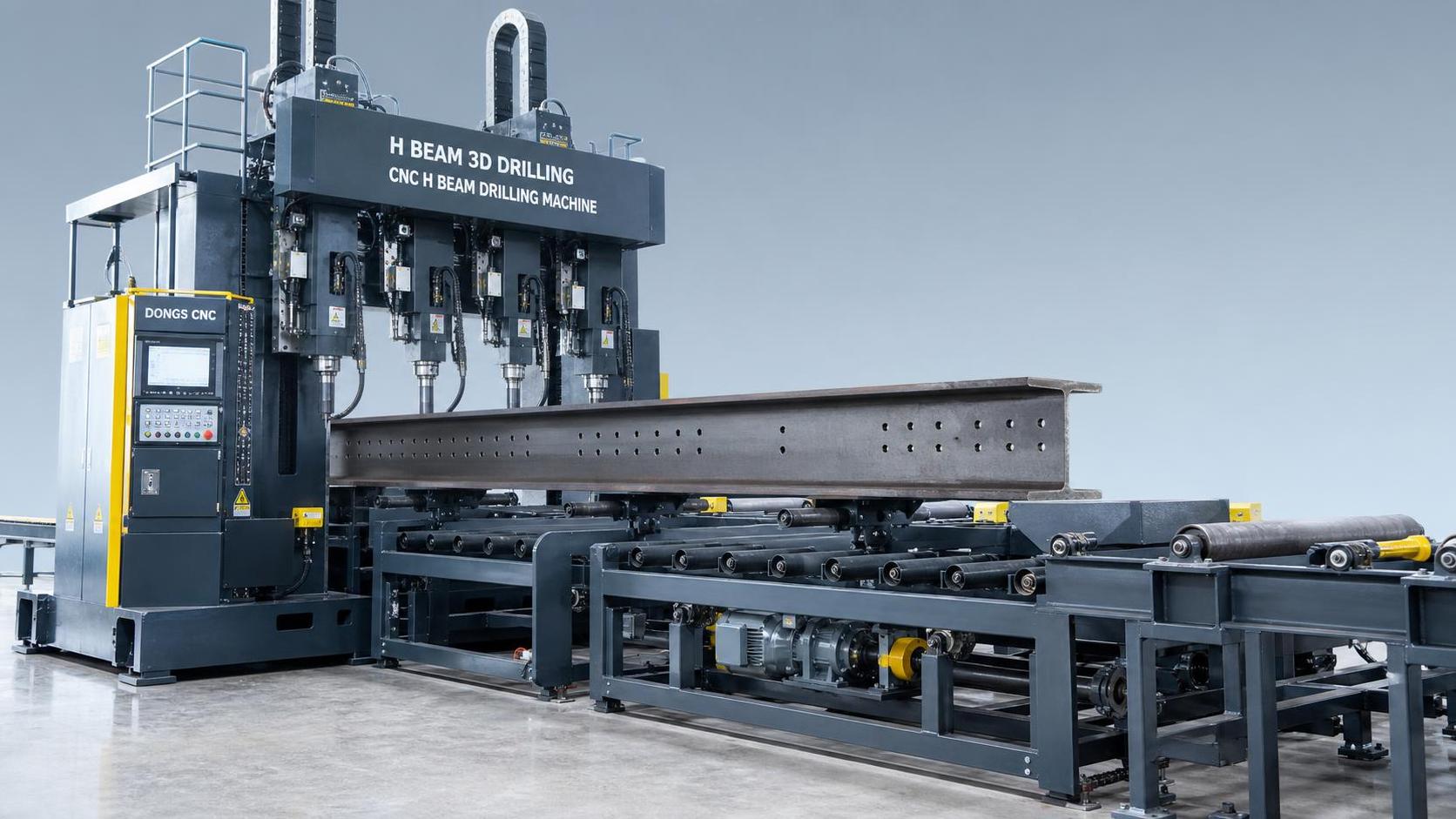
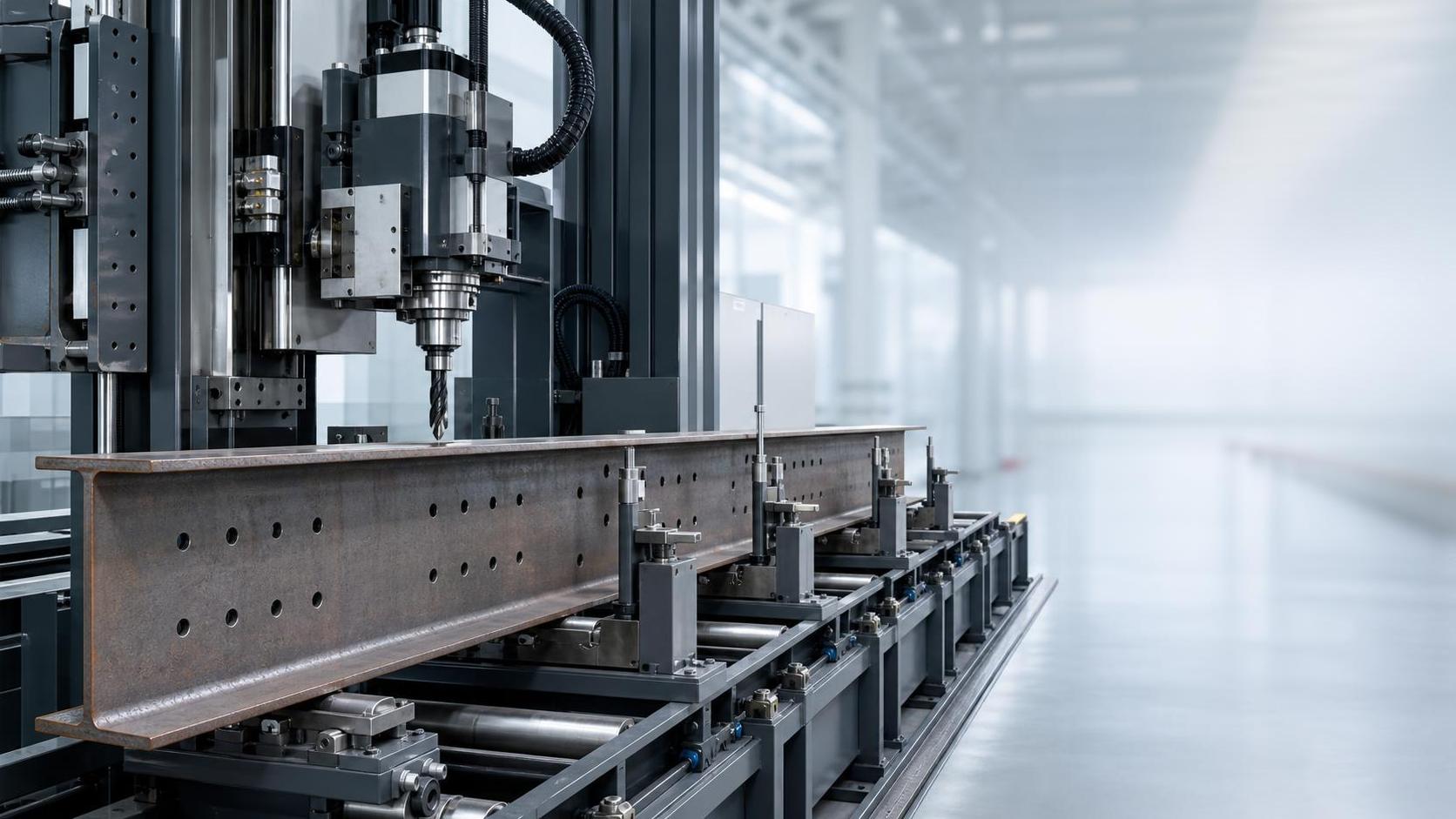
 H beam 3D drilling machineThis machine tool is primarily designed for drilling operations on H‑beams, channel steel, and box‑type beams, and is widely used in industries such as steel structure construction, bridge building, and parking garage fabrication.
The 7‑axis CNC steel three‑dimensional drilling machine utilizes seven servo motors to achieve drilling positioning in two vertical directions, one horizontal direction, and one longitudinal direction, as well as servo feed for three main spindles. On each of the three drilling surfaces, there is one drilling spindle, each driven by a variable‑frequency motor. The drilling spindles are servo‑driven for precise feed control.![星星1]()
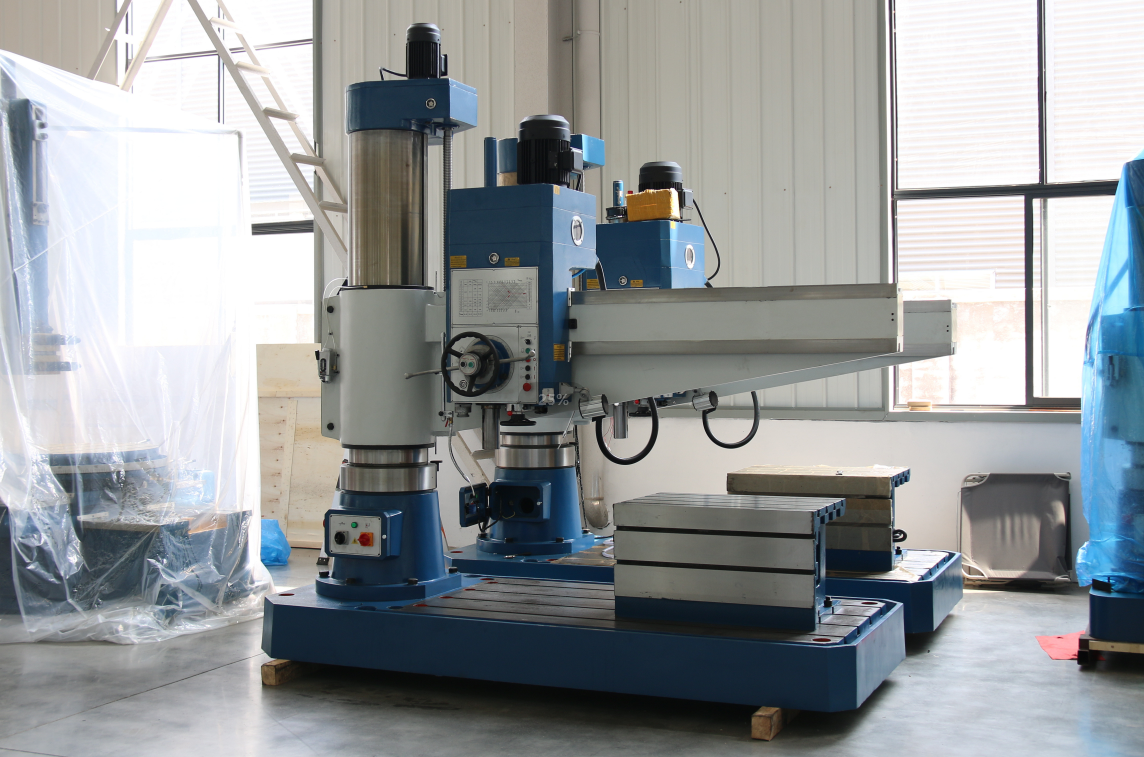
 Radial drilling machineThe hydraulic radial drilling machine is designed for drilling, reaming, tapping, and boring medium to large metal parts. Its swivel arm rotates ±180° around the column and moves vertically, while the spindle box travels horizontally along the arm for precise hole positioning. The spindle offers 16 speed levels (25–2000 r/min) and 16 feed levels (0.04–3.2 mm/r) via a centralized handle. Arm lifting uses a screw-nut mechanism with a safety nut, while clamping of the arm, spindle box, and column is hydraulically driven by self-locking rhombic blocks, with actions controllable independently or simultaneously.
![星星1]()

Recommended blogs
- CNC H Beam Drilling Machine Price Factors That Affect Total Investment
- H Beam 3D Drilling vs 2D Drilling: What Changes in Fabrication Accuracy
- When Does H Beam 3D Drilling CNC H Beam Drilling Machine Pay Off?
- Common Alignment Errors in H Beam Drilling Machine Operation
- Plate Drilling Machine Capacity: How Thickness and Hole Size Affect Output
- What to Check Before Buying a Plate Drilling Machine with CE
Send Us A Message
Send us a Message
A dedicated person will follow up on your needs one-on-one and provide personalized customized solutions according
to your needs.
Get In Touch
We look forward to hearing from you for in-depth communication on how to fulfill your mixing requirements.