




A Complete Guide to the high speed thread rolling machine: Working Principles and Machine Types
A Complete Guide To The High Speed Thread Rolling Machine: Working Principles And Machine Types
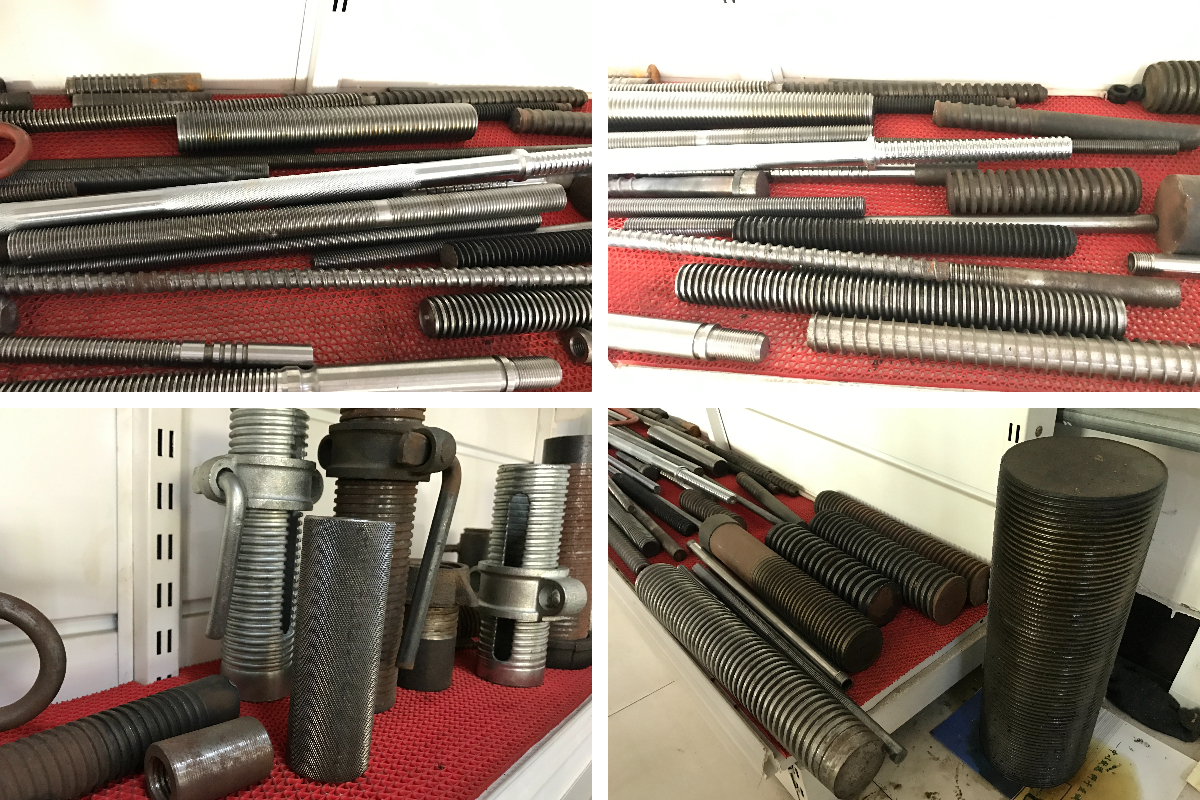
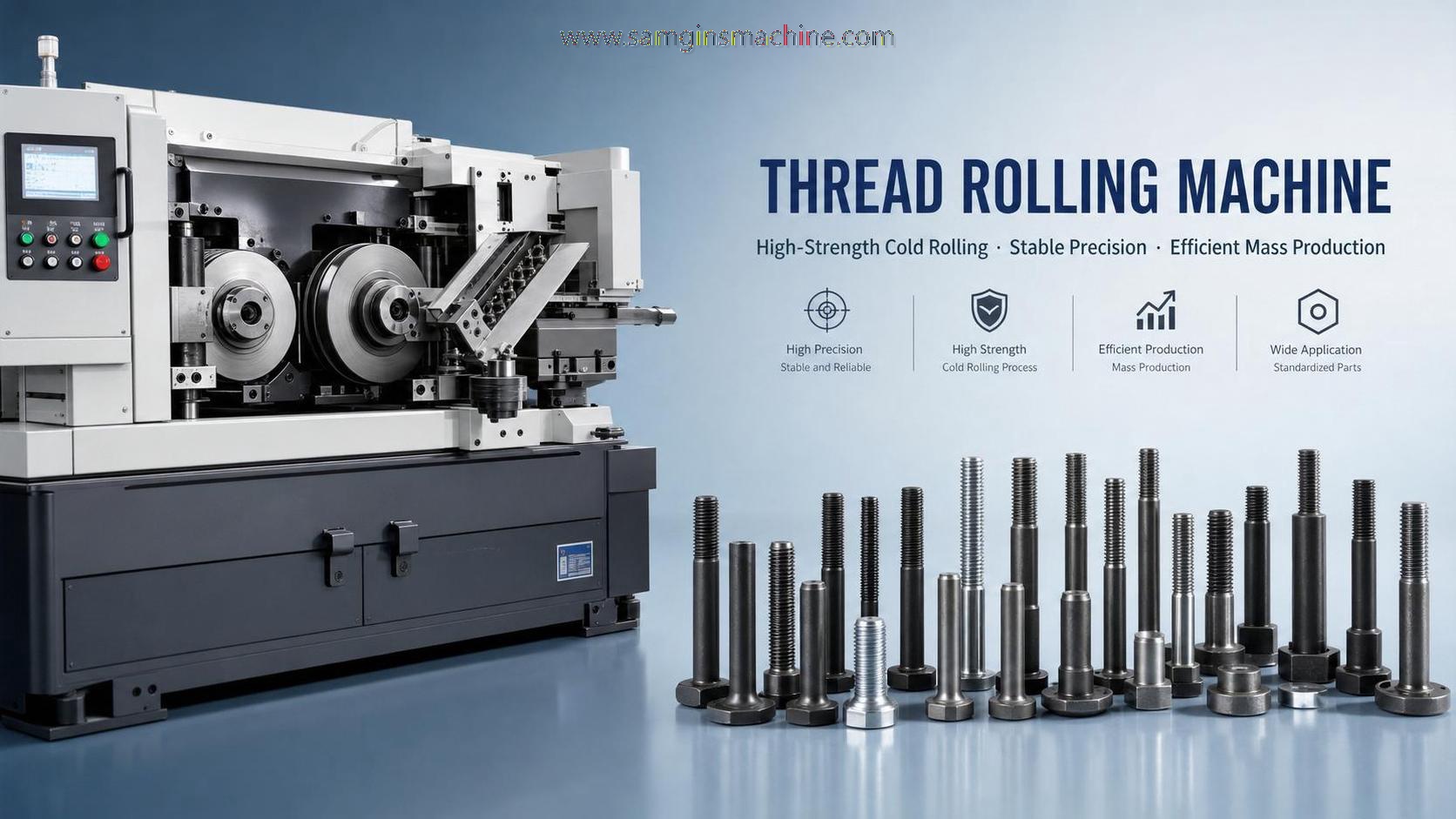
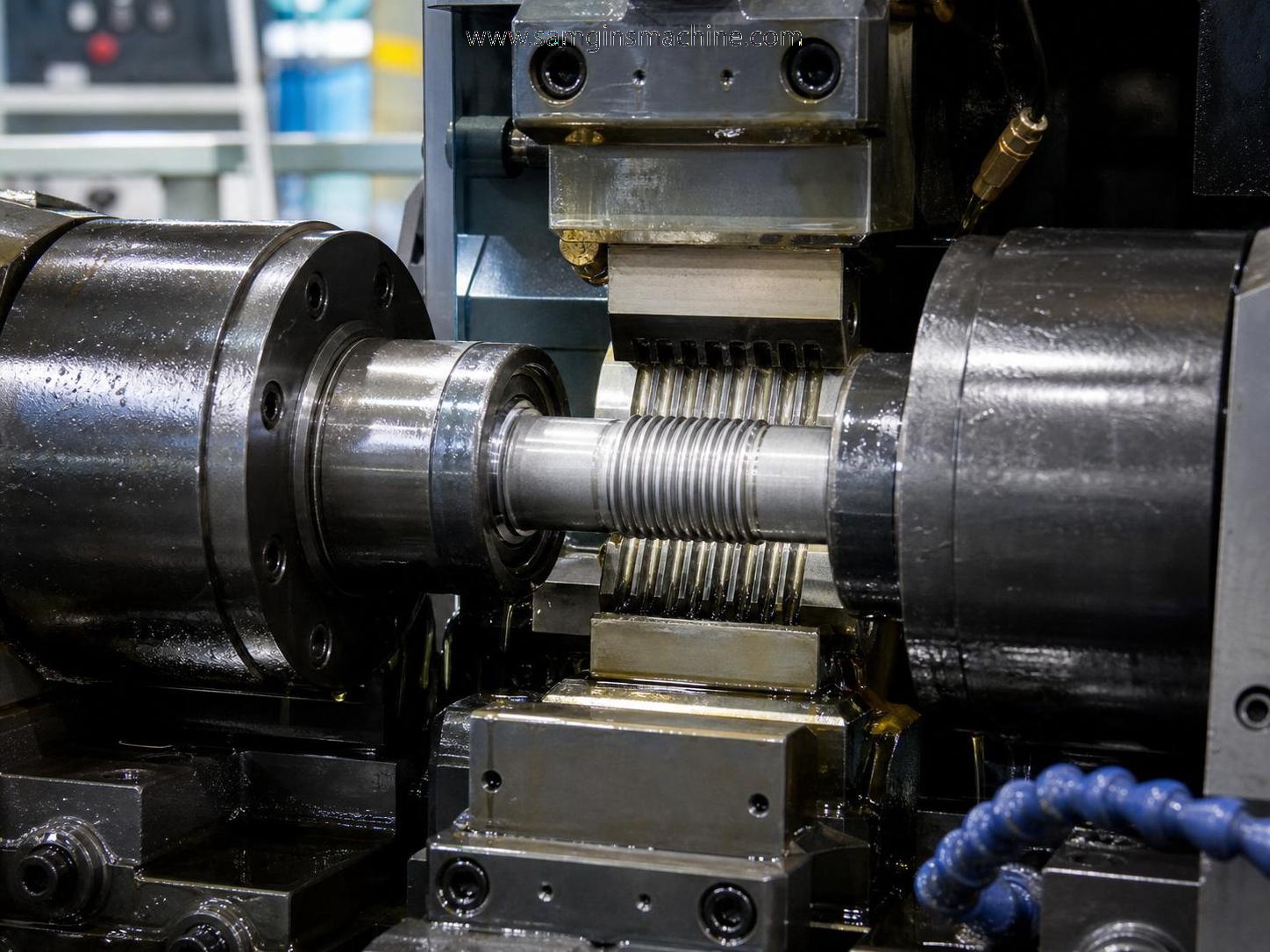
A high speed thread rolling machine produces external threads by pressing hardened dies against a prepared metal blank. Instead of removing material with a cutting tool, it displaces material into the required thread profile. These machines serve manufacturers of bolts, screws, studs, threaded rods, and selected precision components. Their commercial value comes from repeatable forming, efficient material use, and suitability for automated production when the workpiece material, blank dimensions, tooling, and feeding system are properly matched.
The term high speed does not describe a universal machine category with a single minimum output. Suppliers may use it to describe faster die rotation, shorter forming cycles, or higher production rates with automatic feeding. Buyers should therefore define speed as accepted parts per minute for a specified component. A short screw, a long threaded rod, and a large alloy steel stud impose different forming loads and handling requirements, making headline speed figures unsuitable for direct comparison without an agreed production specification.
Thread rolling is particularly useful for repeated production of external thread geometries in materials with sufficient ductility. It does not automatically replace every machining operation: internal threads, difficult access, small experimental batches, and materials unsuitable for cold forming may require other processes. A useful purchasing specification identifies the thread standard, tolerance class, material condition, annual volume, and inspection requirements before considering machine size. This turns a broad equipment search into a practical assessment of whether rolling can reliably produce the required part.
Working Principles And Material Requirements
During rolling, dies carrying the inverse thread profile penetrate the blank surface while controlled relative motion distributes deformation around the workpiece. Material flows from the future thread roots toward the crests. The starting blank diameter is commonly near the thread pitch diameter, but the correct value depends on thread geometry, material behavior, and the required crest formation. It must be established through engineering calculations and trials. A blank sized to the finished major diameter will generally contain excessive material for conventional thread rolling.
Plastic deformation can improve surface finish and introduce beneficial compressive residual stresses. Compared with cutting, rolling may also preserve favorable material flow around the thread profile. These effects can support fatigue performance, but their value depends on the material, heat treatment sequence, thread root geometry, and service conditions. Buyers should avoid treating rolled threads as an automatic strength guarantee. Safety critical fasteners still require the specified mechanical testing, dimensional verification, traceability, and qualification of the complete manufacturing process.
Material suitability depends on ductility, hardness, microstructure, and surface condition rather than grade designation alone. Many carbon steels, alloy steels, stainless steels, and nonferrous alloys can be rolled under suitable conditions, although each presents different tooling and lubrication demands. Excessive hardness, brittle structures, scale, or surface defects can cause cracking, poor filling, or rapid die wear. Establish whether rolling occurs before or after heat treatment, and confirm the acceptable hardness range with the machine and tooling suppliers using representative production blanks.
Main Machine Types And Feeding Methods
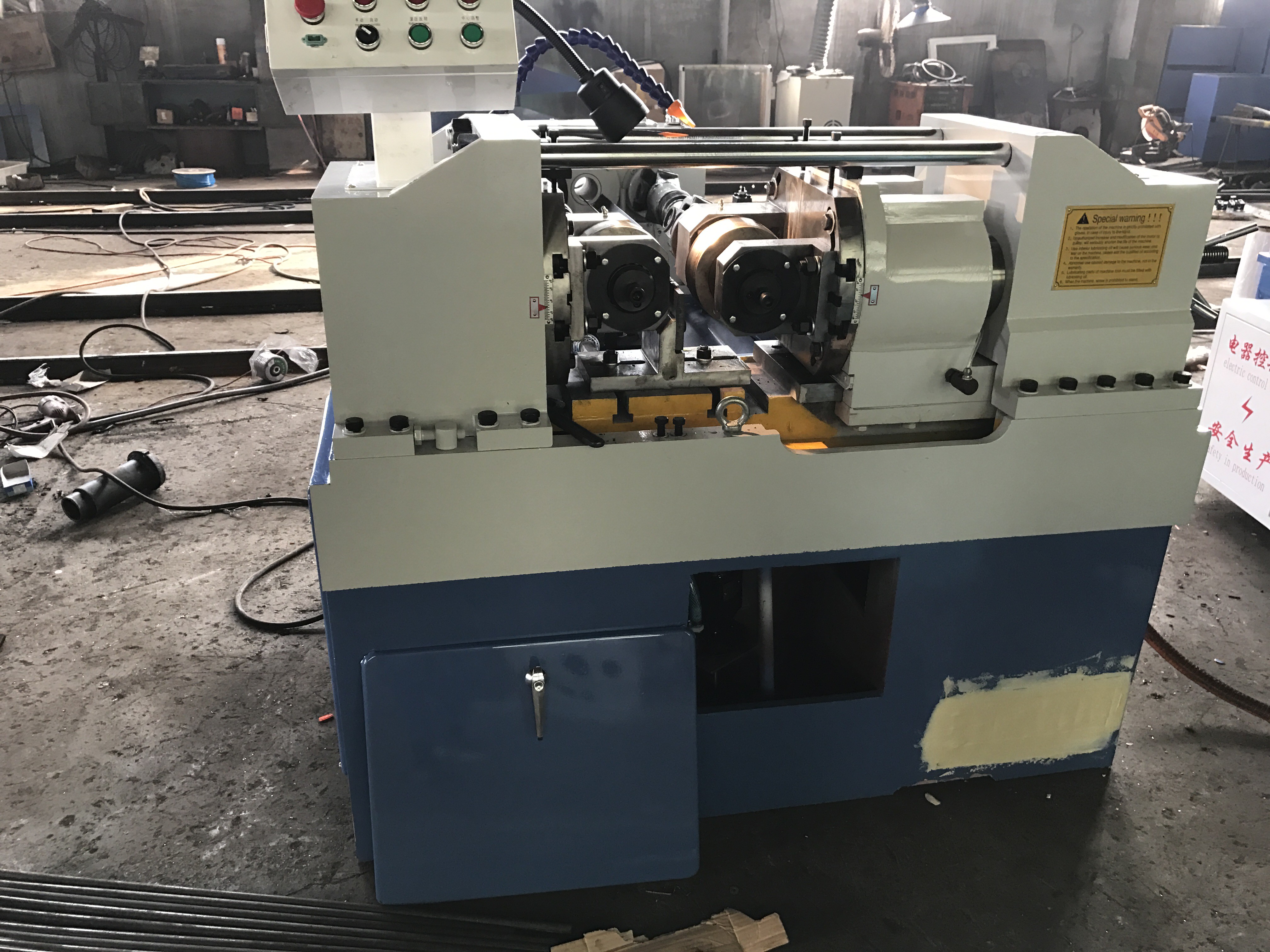
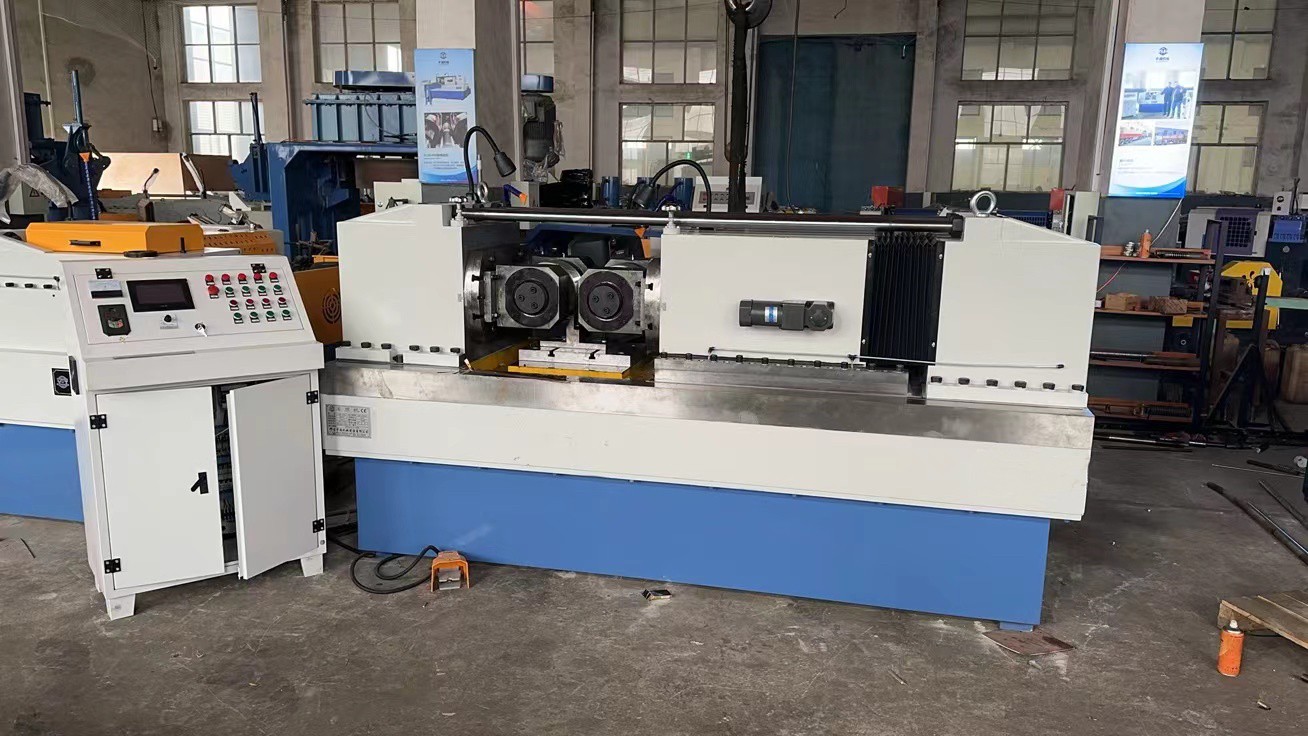
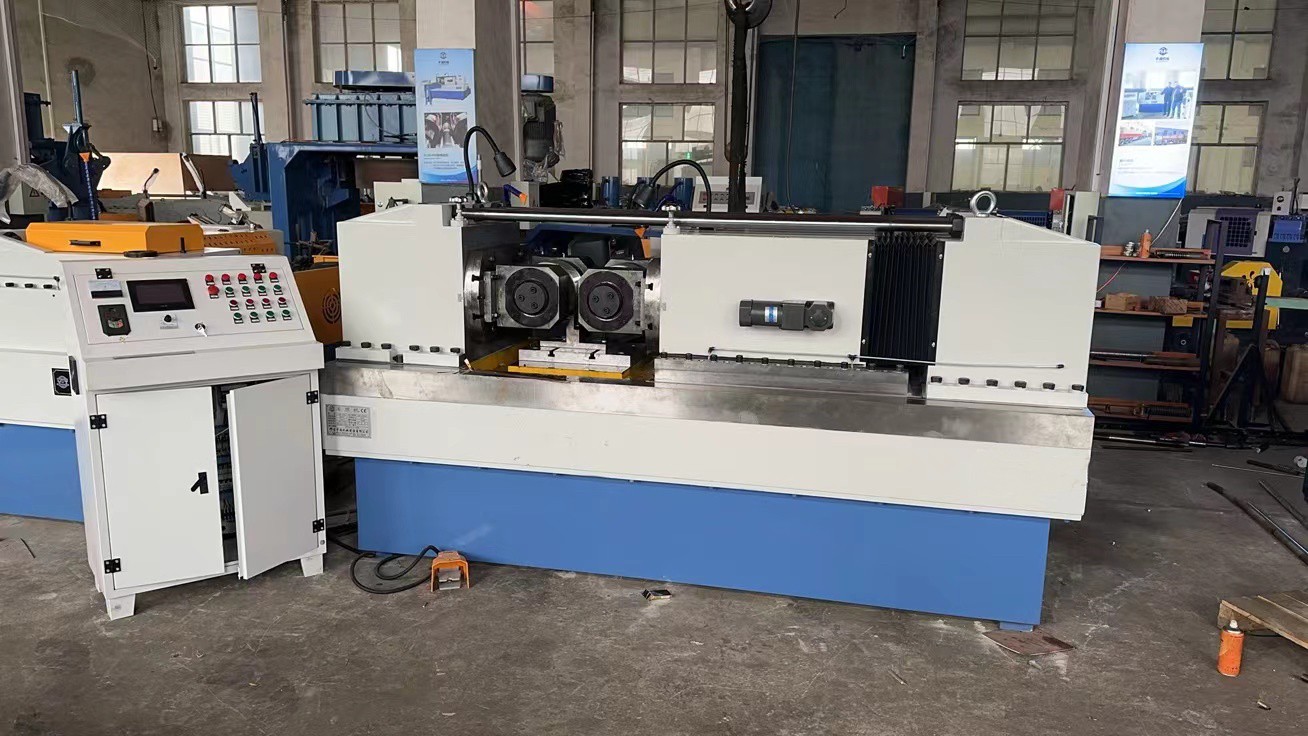
Flat die machines use two matching flat dies, commonly with one stationary and one reciprocating. A blank travels between them as the thread forms. This arrangement is widely used for high volume screw and bolt production because it works well with automatic feeding and repeatable short cycles. Selection depends on blank length, diameter, head geometry, die dimensions, and feeding reliability. A flat die machine should be evaluated with the actual component, particularly when a head, shoulder, or unusual blank shape restricts entry or discharge.
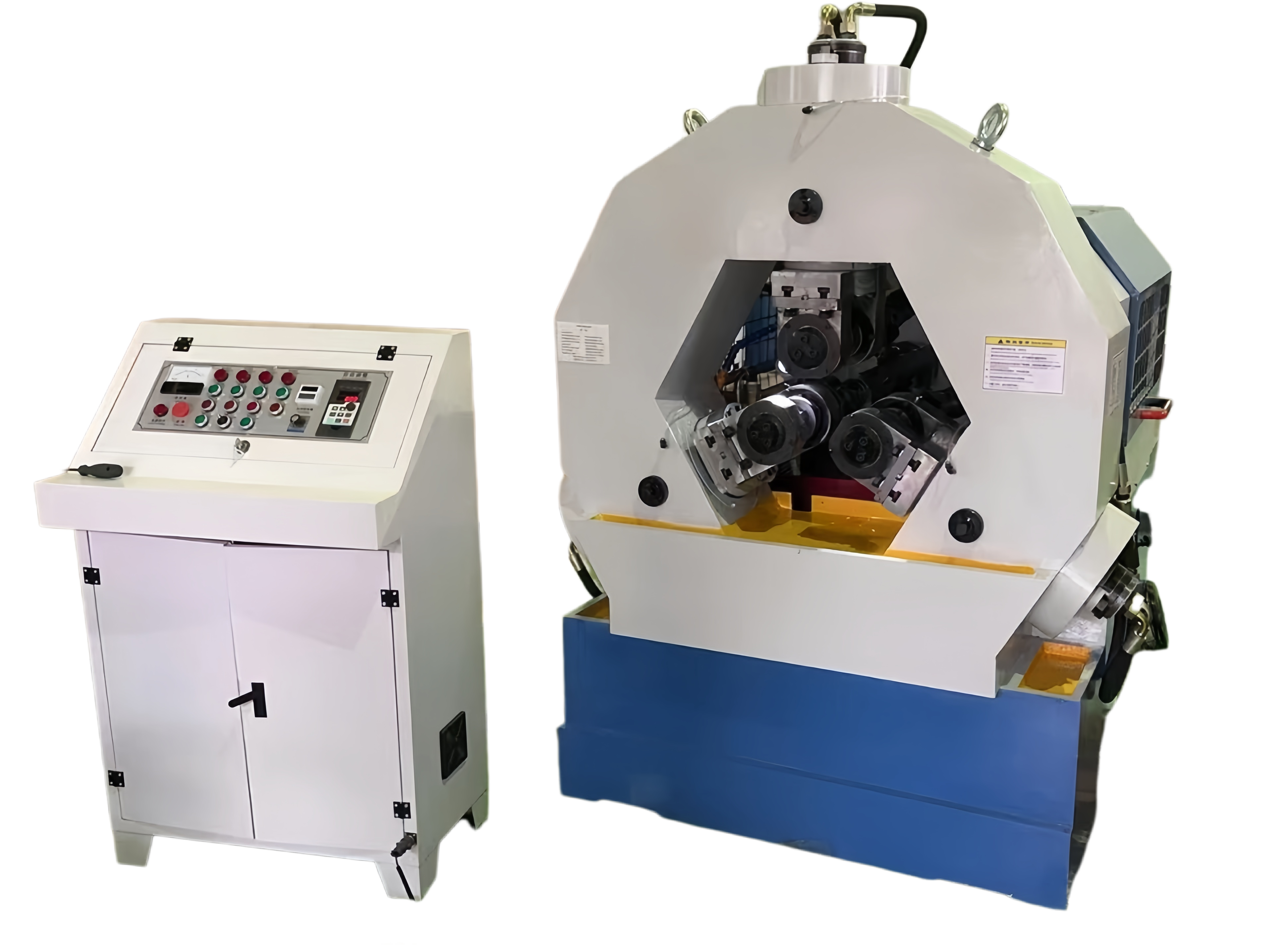
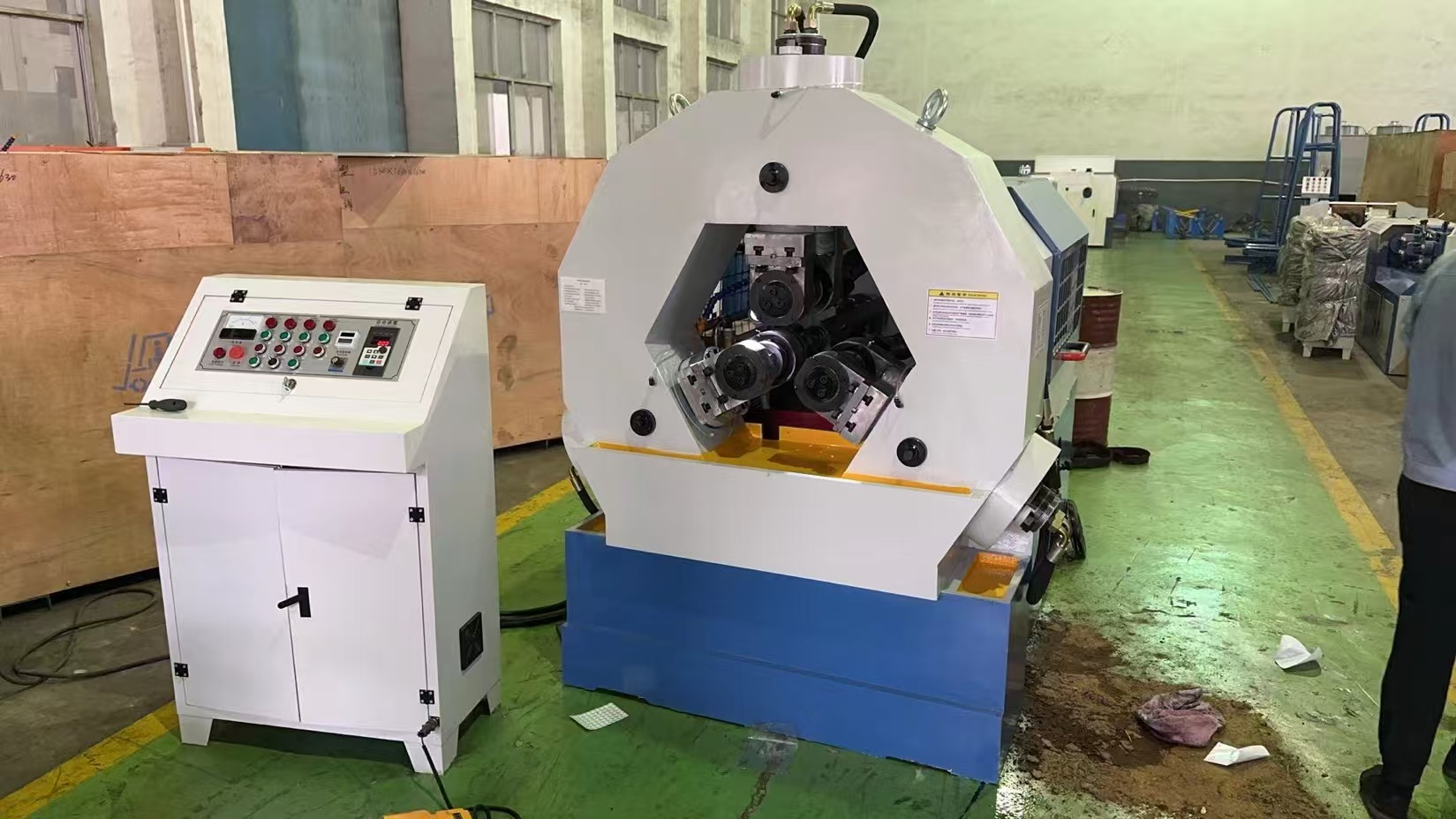
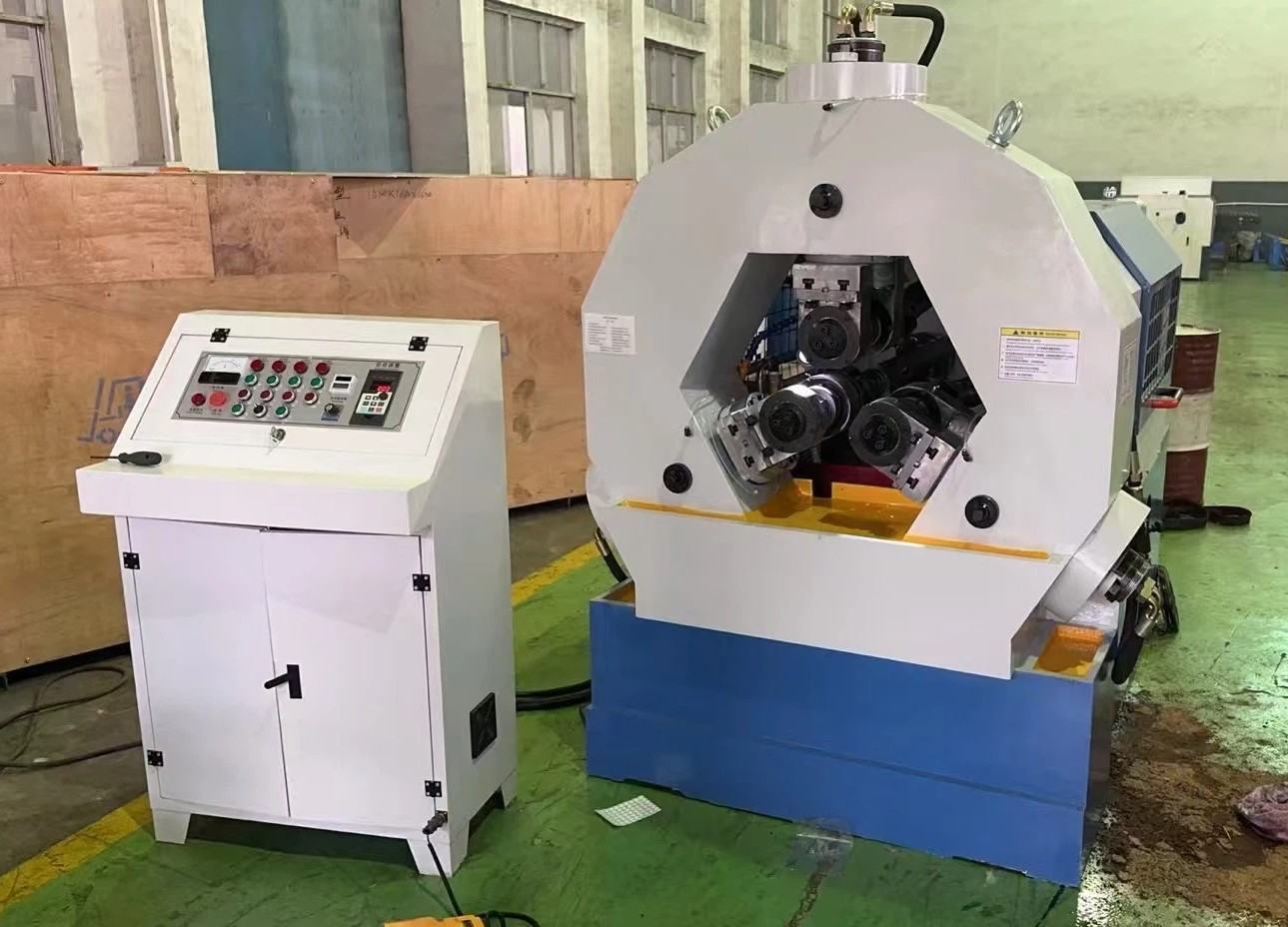
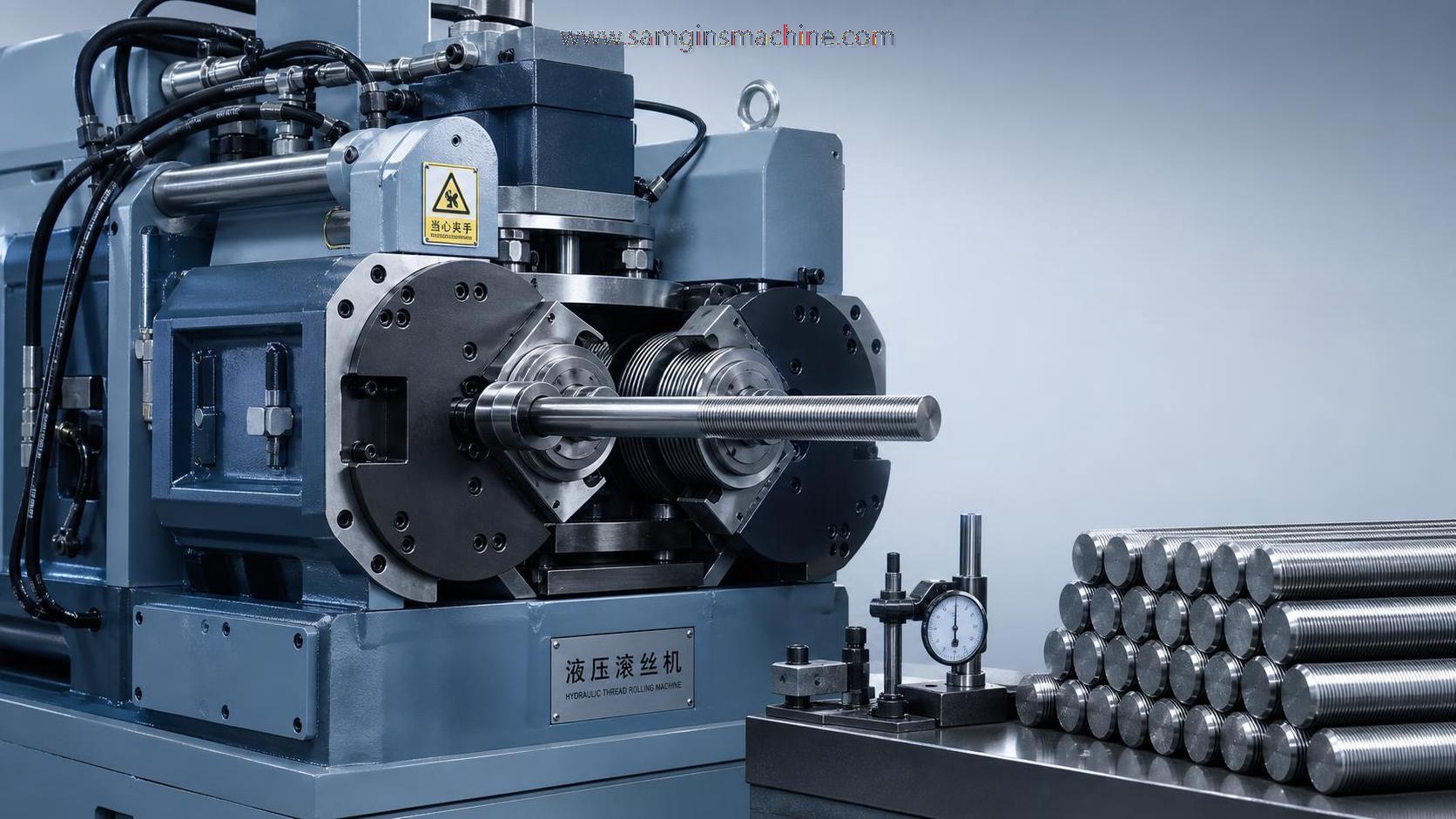
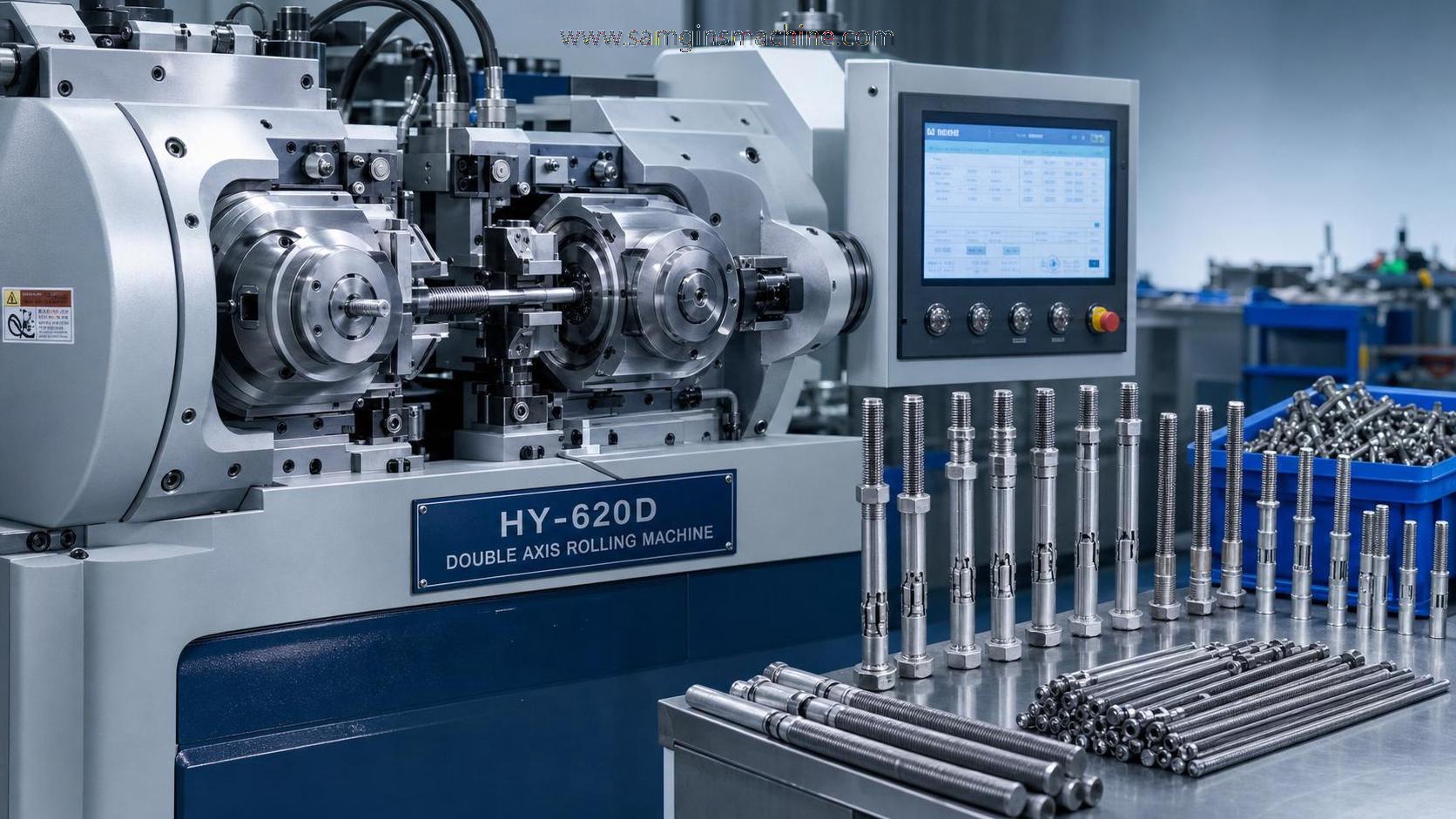
Cylindrical die machines use rotating dies to form the thread. Two die arrangements are common, while three die arrangements can provide balanced workpiece support in suitable applications. Infeed rolling forms a defined thread length as the dies move radially into the blank. Throughfeed rolling uses a setup that advances the workpiece axially, making it suitable for longer threaded sections. Machine capability depends on die geometry, spindle arrangement, support equipment, and available forming force; die count alone does not determine productivity or accuracy.
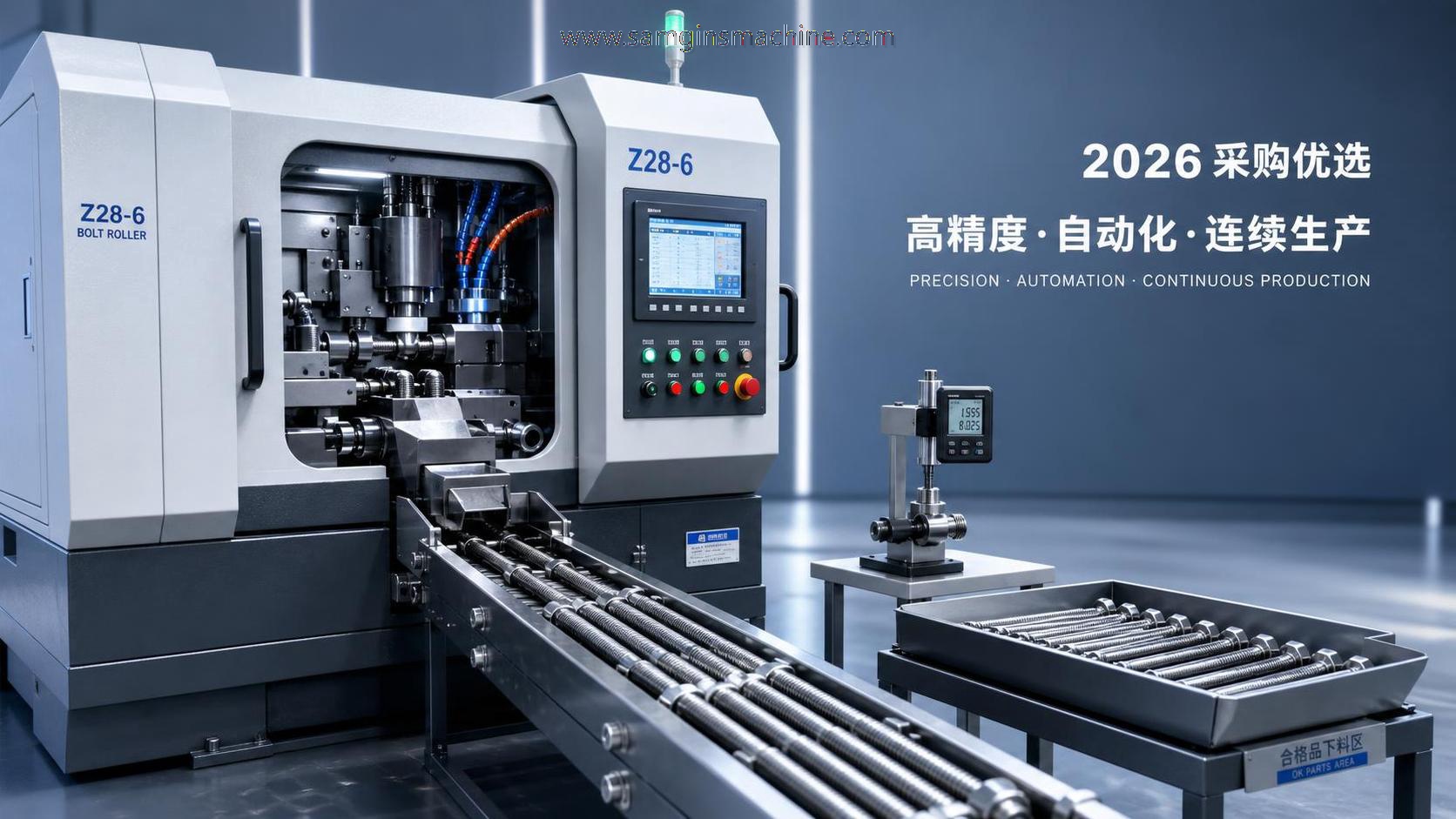
Planetary or rotary segment machines typically combine a rotating circular die with a stationary die segment to support rapid, continuous production of suitable components. They are particularly relevant where volume justifies dedicated tooling and feeding equipment. Across all machine types, manual loading, magazine feeding, bowl feeding, and integrated transfer systems create different operating limits. CNC or servo control describes how movements are controlled rather than a separate forming principle. Buyers should distinguish the mechanical rolling arrangement from its automation and control package.
Selection Criteria And Production Acceptance
Start machine selection with a component drawing and production envelope. Specify thread diameter, pitch, length, tolerance class, material grade, hardness range, blank geometry, and any shoulders or restricted areas. Include the required output for each major part family rather than only total annual demand. Ask the supplier to identify working limits for the proposed configuration, including forming force, die capacity, spindle speed, loading clearance, and workpiece support. Capacity near a machine's stated maximum should receive particular attention during application review.
Compare production rates under equivalent conditions. A high speed thread rolling machine may complete the forming action quickly while blank handling, inspection, or downstream transfer limits the line. Require cycle estimates to include feeding, forming, discharge, and expected interruptions. For long rods, evaluate straightness, axial support, and discharge handling; for short fasteners, evaluate blank orientation and feed consistency. Changeover time also matters when several thread sizes share one machine, because tooling adjustments and first piece approval reduce available production hours.
An acceptance trial should use representative blanks and the intended thread specification. Agree on an appropriate sample quantity, sustained operating period, inspection method, and allowable rejection criteria before testing. Measure accepted output, dimensional consistency, surface condition, and feeding performance rather than recording speed alone. Where relevant, include evidence of process stability after warmup and following a tooling adjustment. Confirm what tooling, gauges, feeders, installation services, and training are included in the quotation so that offers describe comparable production systems.
Applications, Industry Standards, And Supplier Evaluation
Typical users include fastener manufacturers, automotive component suppliers, construction hardware producers, and companies making threaded industrial parts. The applicable thread system follows the component drawing: examples include ISO metric threads and Unified inch threads defined by relevant ASME standards. Dimensional conformity and mechanical performance are separate requirements. GO and NO GO gauges help verify specified thread limits, while material properties, tensile behavior, or fatigue performance require their own checks when demanded by the application. Agree on the exact standards and editions during contract review.
Wuxi Samgins offers thread rolling machines within a broader range of manufacturing equipment, including radial drilling machines, band saws, CNC cutting machines, and welding systems. This range may help buyers coordinate complementary operations where their production route requires them. The company also describes customization capabilities and the use of internationally recognized hydraulic, servo, and CNC component brands in its equipment. For a specific rolling machine, request a documented component list and application proposal to establish which features are included in the quoted configuration.
Wuxi Samgins reports ISO 9001 quality system compliance, CE related conformity, and more than ten years of export experience. Procurement teams should review current certificates, machine specific declarations, applicable safety requirements, and destination requirements before purchase. Its supplied customer list includes URALSTANKOIMPORT, MD Calbah Industries Pty Ltd, and Lincoln Electric-MENA, but does not establish particular thread rolling installations or production results. Request a relevant reference where available, together with defined warranty terms, commissioning responsibilities, spare parts support, and technical documentation.
Process Setup, Quality Control, And Maintenance
A reliable process begins with consistent blanks. Control starting diameter, roundness, straightness, length, surface cleanliness, and material condition before rolling. Prepare the specified entry chamfer and remove defects that could interrupt forming. Install matching dies according to the supplier's instructions, verify alignment and timing where applicable, and set workpiece supports and feed guides. Introduce lubrication suitable for the material and tooling, then produce trial parts at controlled settings. Release production only after the first pieces meet the agreed dimensional and surface requirements.
Quality control should track the characteristics most likely to affect fit and performance. Depending on the drawing, these include pitch diameter, major diameter, thread length, lead, flank form, and visible surface defects. GO and NO GO gauging alone may not fully diagnose lead errors or profile problems. Optical inspection, suitable dimensional measurement, or section examination may be needed during process qualification. Underfilled crests, laps, cracks, and inconsistent thread dimensions should trigger investigation of blank size, material condition, die wear, alignment, and forming settings.
Maintenance intervals should follow the machine manual and actual operating conditions. Routine checks typically cover lubricant levels, filtration, die condition, feed cleanliness, guards, interlocks, and abnormal noise or temperature. Planned servicing addresses hydraulic systems, spindle bearings, drive components, alignment, and control backups where fitted. Record die usage and observed wear so replacement decisions reflect production evidence. Isolate hazardous energy before maintenance, and train operators to recognize jams without reaching into the forming zone. Reliable upkeep protects both personnel and production consistency.
Total Ownership Cost And Return On Investment
The purchase price is only one part of the cost of a high speed thread rolling machine. Budget for dies, feeders, workpiece supports, gauges, freight, installation, operator training, lubrication, energy, maintenance, and spare parts. Include facility preparation and integration with upstream blank production where necessary. Tooling costs deserve particular attention because different thread sizes, profiles, and machine arrangements can require separate die sets. A lower initial quotation may produce a higher operating cost if important accessories or support services are excluded.
Calculate cost per accepted part using realistic utilization and yield. Divide annual ownership and operating costs by the number of conforming parts actually produced, allowing for changeovers, planned maintenance, feeder interruptions, and scrap. Compare rolling with the current process on the same component specification and production volume. Potential benefits include reduced chip generation, shorter processing time, and lower labor per part, but upstream blank preparation and tooling consumption remain significant. Use supplier trials and your own production records to support savings assumptions.
A simple payback calculation divides the incremental investment by expected annual net savings. Count only savings that the business can realize, such as reduced overtime, avoided outsourcing, lower material consumption, or additional contribution from saleable output. Test conservative scenarios for lower demand, shorter die life, and slower changeovers. Also consider how quickly replacement tooling and critical spare parts can arrive. For export purchases, clarify payment milestones, delivery scope, commissioning arrangements, warranty coverage, and service response commitments before finalizing the investment decision.
Future Trends And A Practical Purchasing Roadmap
Thread rolling equipment is developing toward more controlled motion, improved feeding, easier recipe management, and closer integration with production data systems. Servo control can support repeatable positioning and adjustment, while suitable sensors can help identify abnormal loads or feeding problems. These features deliver value when they address a measurable production need. Buyers should ask what data the machine records, how operators interpret alarms, and whether control functions support their actual component range. Automation specifications should remain tied to uptime, quality, and usable throughput.
Further development includes automated handling, in-process screening, and maintenance planning based on operating evidence. Material efficiency also supports interest in rolling, although environmental comparisons should account for blank production, lubrication, energy, tooling, and any required heat treatment. Existing machines do not always need replacement to benefit from improvement: a better feeder, revised blank specification, or stronger inspection routine may remove the main bottleneck. Upgrade decisions should follow a review of downtime causes, rejected parts, operating costs, and future product requirements.
To request a useful proposal from Wuxi Samgins, provide part drawings, thread specifications, material and hardness data, sample blanks where practical, target accepted output, and anticipated batch sizes. Add destination electrical requirements, available installation space, handling needs, and the inspection criteria used by your customers. Ask for a recommended machine type, tooling plan, production trial, itemized quotation, and support scope. This information gives both parties a clear basis for selecting a high speed thread rolling machine and agreeing on measurable acceptance requirements.
search
Recommended Products
 ZC28-12.5 thread rolling machineThread rolling machines are primarily used for rolling various types of precision external threads, high-strength standard parts, anchor bolts, T-screws, and other workpieces with larger thread pitches.
Automatic thread rolling machines are mainly employed for radial cold roll forming. This cold rolling process represents an advanced non-chip processing technology. The process utilizes rolling tools for extrusion, ensuring continuous metal fibers. The pressure generated during rolling effectively improves surface roughness, hardness, and strength of the workpiece. Compared with cutting processes, thread rolling improves work efficiency by several times or even more, while also saving material and facilitating automated processing.![星星1]()
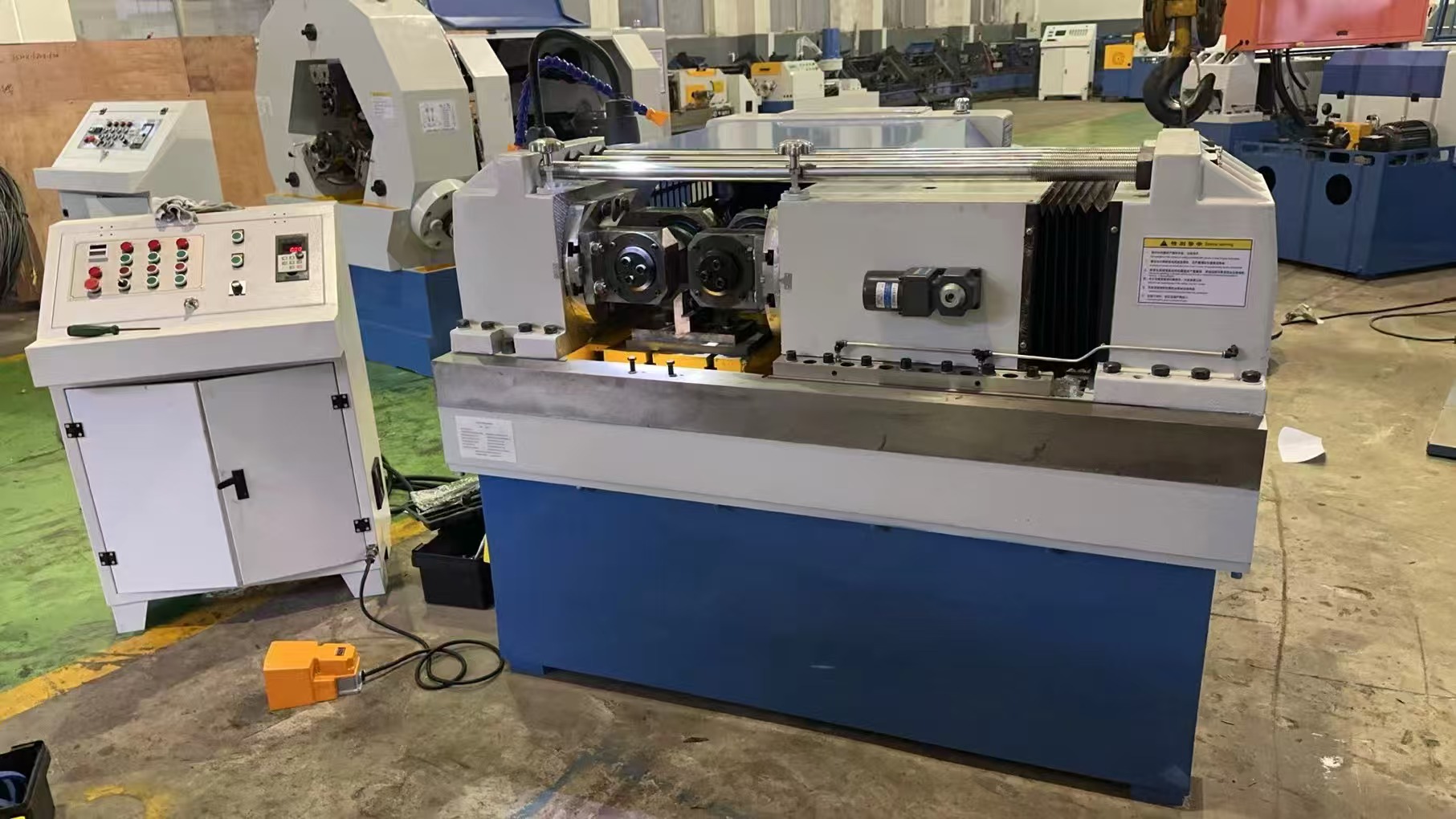
 ZC28-6.3 thread rolling machineThread rolling machines are primarily used for rolling various types of precision external threads, high-strength standard parts, anchor bolts, T-screws, and other workpieces with larger thread pitches.
Automatic thread rolling machines are mainly employed for radial cold roll forming. This cold rolling process represents an advanced non-chip processing technology. The process utilizes rolling tools for extrusion, ensuring continuous metal fibers. The pressure generated during rolling effectively improves surface roughness, hardness, and strength of the workpiece. Compared with cutting processes, thread rolling improves work efficiency by several times or even more, while also saving material and facilitating automated processing.![星星1]()
- Z28-1000 thread rolling machineThread rolling machine is mainly used for rolling various types of precision external thread, high-strength standard parts and anchor bolts and T-shaped screws and other workpieces with larger screw pitch.
![星星1]()
- Z28-650 thread rolling machineThread rolling machine is mainly used for rolling various types of precision external thread, high-strength standard parts and anchor bolts and T-shaped screws and other workpieces with larger screw pitch.
![星星1]()
- Z28-500 thread rolling machineThe Automatic Thread Rolling Machine utilizes radial cold roll forming—an advanced non-chip (chipless) machining process. The rolling tool extrudes the material, creating continuous metal fibers without cutting. The compressive pressure generated during rolling effectively improves surface roughness, hardness, and strength of the workpiece. Compared to thread cutting, rolling increases production efficiency by several times (even dozens of times), saves material, and facilitates automated processing.
![星星1]()
- Z28-250 thread rolling machineThe Z28-250 is a two-die cylindrical thread rolling machine designed for cold-forming precision external threads, high-strength standard fasteners, T-shaped screws, anchor bolts, and workpieces requiring larger thread pitches. It is widely used in hardware construction, automotive and motorcycle parts manufacturing, traffic power equipment, and standard parts production.
![星星1]()

Recommended blogs
- How to Choose a Hydraulic Thread Rolling Machine
- Bolt Thread Rolling Machine Buying Guide for 2026
- Two Axis Thread Rolling Machine Trends in Fastener Production
- How to Select a Thread Rolling Machine for Bolt and Fastener Production
 What Is a Thread Rolling Machine and How Does It Form Threads Without Cutting?
Send Us A Message
Send us a Message
A dedicated person will follow up on your needs one-on-one and provide personalized customized solutions according
to your needs.
Get In Touch
We look forward to hearing from you for in-depth communication on how to fulfill your mixing requirements.